
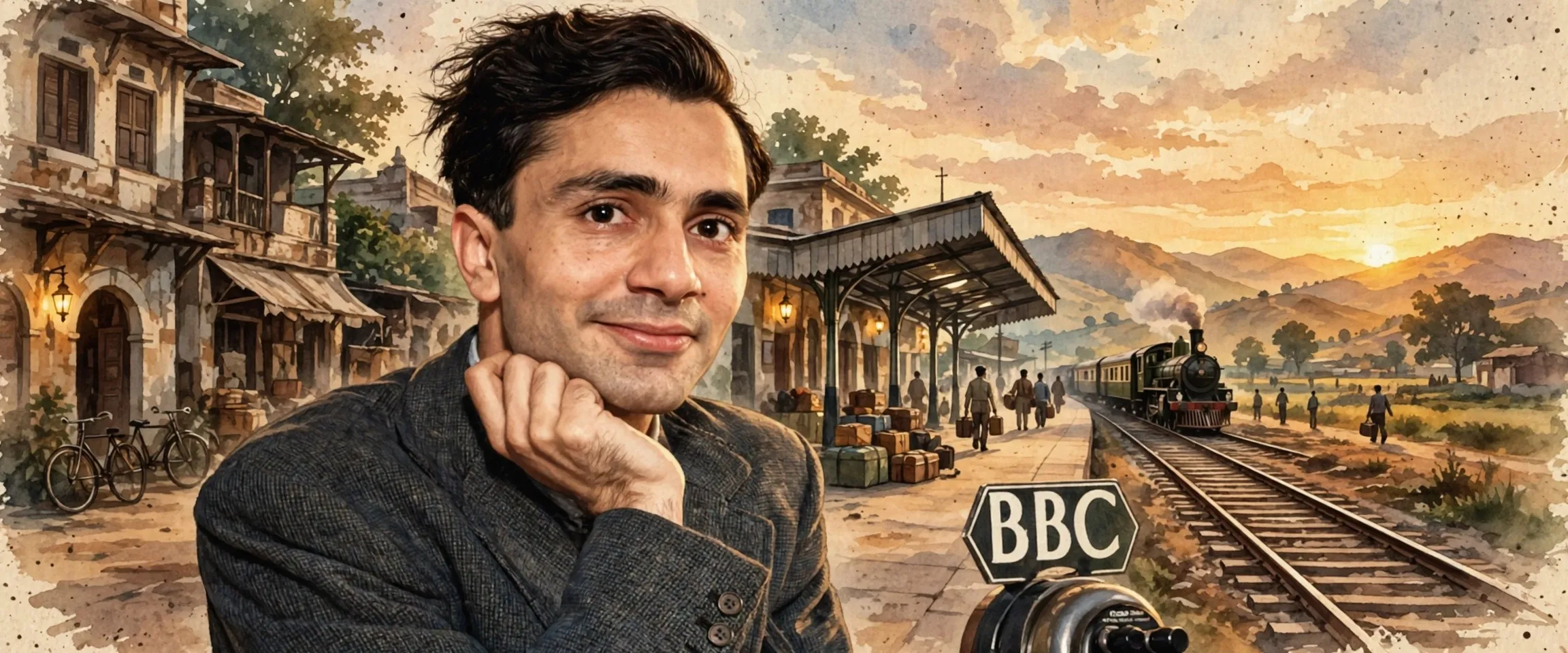
Mera Pakistani Safarnama is Balraj Sahni's Punjabi travelogue, published in 1960, recording the Rawalpindi born actor and writer's return across the Partition border to the city and people of his childhood. Written in his mother tongue, it follows him to Lahore, Bhera and his old Rawalpindi home, and remains a classic Punjabi account of going back.
Punjabi, Gurmukhi- Punjabi name
- ਮੇਰਾ ਪਾਕਿਸਤਾਨੀ ਸਫ਼ਰਨਾਮਾ
- Author
- Balraj Sahni (1913 to 1973)
- Published
- 1960
- Language
- Punjabi (Gurmukhi), the author's mother tongue
- Form
- Travelogue (memoir)
- Journey
- Return visits to Pakistan; the October 1962 visit came at the invitation of Dr Nazir Ahmed of Government College, Lahore
All 8 facts
- Places in the book's world
- Lahore, Bhera, Rawalpindi (his childhood home, Bari Imam, Company Bagh, Gordon College)
- Companion work
- Mera Rusi Safarnama (1969), which won the Soviet Land Nehru Award
About the book
Mera Pakistani Safarnama is a Punjabi travelogue by Balraj Sahni, listed in his works as published in 1960, after a visit to Pakistan. Its subject is the most charged journey a Punjabi of his generation could make: going back. Sahni was born in Rawalpindi and raised there, and the Partition of 1947 put his childhood city, his ancestral town and his college friendships on the other side of a new border. Cinemaazi, in its long feature on Sahni, notes the choice he made as a writer: he penned the travelogue in Punjabi, his mother tongue, as the language for the true expression of his feelings and thoughts.
That is the book's whole method. This is not a film star's tour diary. It is a homecoming written by a man who had spent 1947 in Rawalpindi itself, leading young men on bicycles through riot torn streets to try to stop the killing, and who now returned to find the streets of his boyhood in another country. The travelogue records his memories and emotions on that return, as Aman Ki Asha's account of his Pindi connection puts it, and it has kept its place as one of the classic Punjabi accounts of crossing back.
Why did Balraj Sahni go to Pakistan?
The best documented of his return journeys came in October 1962, at the invitation of his old friend Dr Nazir Ahmed, principal of his alma mater, Government College Lahore. Cinemaazi records that it was a private visit which received little press coverage, with no film star welcome, except at Gordon College, Rawalpindi, where students gathered around him for autographs. Sahni was also scouting, the same account says, for a joint India and Pakistan Punjabi film on Partition, inspired by the Pakistani film Kartar Singh (1959). The film was never made, but the journeys fed the travelogue's world: a Punjab divided on paper and undivided in memory.
The journey home
Aman Ki Asha's account follows the homecoming in detail. In Lahore he met old class fellows and neighbours such as Imtiaz Ali Taj, Ahmed Rahi and Abdullah Malik, men of his Government College years. He visited Bhera, his ancestral home town near Sargodha, from which his grandfather had moved to Rawalpindi. In Rawalpindi he went back to the family house his people had left in 1947 and reported that much was as the family had left it, even the furniture. He visited the shrine of Bari Imam, Company Bagh, now Liaqat Bagh, and Topi Rakh, now Ayub Park, and his old college, Gordon College.
Every stop carries the same double feeling, and it is what gives the book its lasting ache. The places are intact and the people welcoming, but the traveller is a guest in his own childhood. A house kept as it was left, furniture and all, is a kindness and a verdict at once: the past has been preserved precisely because the life that filled it did not come back. Sahni, the actor who played ordinary people with dignity, writes as one of them here, a son of Rawalpindi reading his own city like a letter forwarded to a new address.
The author
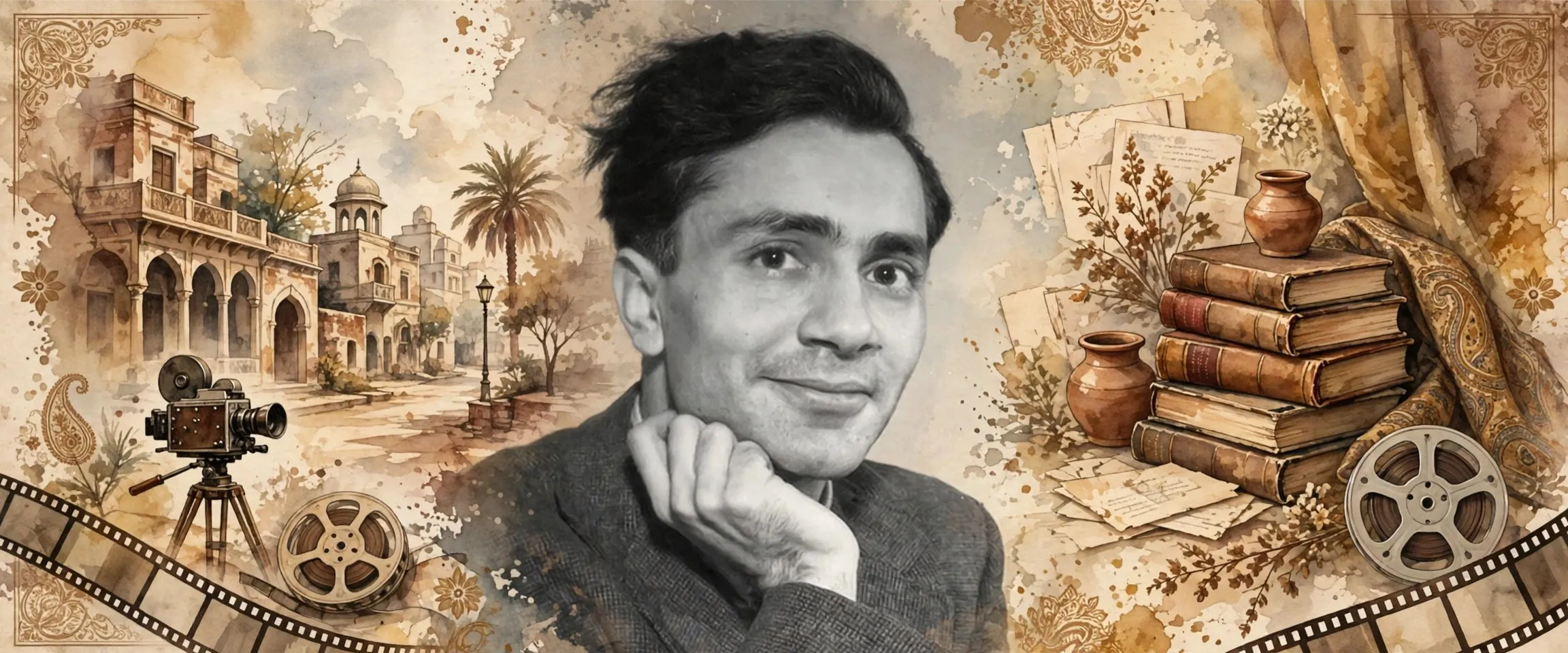
Balraj Sahni (1 May 1913 to 13 April 1973) was born Yudhishthir Sahni in Rawalpindi, into a family whose ancestral home was Bhera. He studied at Government College, Lahore, where the poet Faiz Ahmed Faiz was among his class fellows, took a master's degree in English literature, taught at Tagore's Visva-Bharati in Santiniketan, and joined the BBC's Hindi service in London as a radio announcer, working alongside George Orwell. Back in India he acted with the Indian People's Theatre Association, and Bimal Roy's Do Bigha Zameen (1953) made his reputation as the face of honest, realist cinema. He received the Padma Shri in 1969. His second travelogue, Mera Rusi Safarnama (1969), written after a tour of the Soviet Union, earned him the Soviet Land Nehru Award, and he also wrote his film autobiography, Meri Filmi Aatmakatha.
Reception and legacy
The Safarnama belongs to the small shelf of Punjabi books that hold the two Punjabs in one pair of hands. Written in the mother tongue by one of the most famous film actors in India, it showed readers on the Indian side what a return actually felt like, street by street and friend by friend, and it remains a primary account that later writers on Sahni return to: Cinemaazi's feature and Aman Ki Asha's search for his Rawalpindi home both build their stories around it. Aman Ki Asha closes by remembering Sahni as not only an artist but a pacifist who left no stone unturned for peace and harmony. The travelogue is that pacifism in book form, a Punjabi going home across a border and writing down, carefully and without bitterness, everything he found still standing.
ਕਿਤਾਬ ਬਾਰੇ
ਮੇਰਾ ਪਾਕਿਸਤਾਨੀ ਸਫ਼ਰਨਾਮਾ ਬਲਰਾਜ ਸਾਹਨੀ ਦਾ ਪੰਜਾਬੀ ਸਫ਼ਰਨਾਮਾ ਹੈ, ਜੋ ਉਸ ਦੀਆਂ ਰਚਨਾਵਾਂ ਵਿੱਚ 1960 ਵਿੱਚ ਛਪਿਆ ਦਰਜ ਹੈ, ਪਾਕਿਸਤਾਨ ਦੀ ਇੱਕ ਫੇਰੀ ਤੋਂ ਬਾਅਦ। ਇਸ ਦਾ ਵਿਸ਼ਾ ਉਹ ਸਭ ਤੋਂ ਭਾਵੁਕ ਸਫ਼ਰ ਹੈ ਜੋ ਉਸ ਦੀ ਪੀੜ੍ਹੀ ਦਾ ਕੋਈ ਪੰਜਾਬੀ ਕਰ ਸਕਦਾ ਸੀ: ਵਾਪਸ ਜਾਣਾ। ਸਾਹਨੀ ਦਾ ਜਨਮ ਰਾਵਲਪਿੰਡੀ ਵਿੱਚ ਹੋਇਆ ਅਤੇ ਉਹ ਉੱਥੇ ਹੀ ਵੱਡਾ ਹੋਇਆ, ਅਤੇ 1947 ਦੀ ਵੰਡ ਨੇ ਉਸ ਦੇ ਬਚਪਨ ਦਾ ਸ਼ਹਿਰ, ਉਸ ਦਾ ਜੱਦੀ ਕਸਬਾ ਅਤੇ ਉਸ ਦੀਆਂ ਕਾਲਜ ਦੀਆਂ ਦੋਸਤੀਆਂ ਨਵੀਂ ਸਰਹੱਦ ਦੇ ਦੂਜੇ ਪਾਸੇ ਕਰ ਦਿੱਤੀਆਂ। ਸਿਨੇਮਾਜ਼ੀ, ਸਾਹਨੀ ਉੱਤੇ ਆਪਣੇ ਲੰਮੇ ਲੇਖ ਵਿੱਚ, ਉਸ ਦੀ ਲੇਖਕ ਵਜੋਂ ਚੋਣ ਦਰਜ ਕਰਦਾ ਹੈ: ਉਸ ਨੇ ਸਫ਼ਰਨਾਮਾ ਪੰਜਾਬੀ ਵਿੱਚ ਲਿਖਿਆ, ਆਪਣੀ ਮਾਤ ਭਾਸ਼ਾ ਵਿੱਚ, ਆਪਣੀਆਂ ਭਾਵਨਾਵਾਂ ਅਤੇ ਵਿਚਾਰਾਂ ਦੇ ਸੱਚੇ ਪ੍ਰਗਟਾਅ ਲਈ ਭਾਸ਼ਾ ਵਜੋਂ।
ਇਹੋ ਕਿਤਾਬ ਦਾ ਸਾਰਾ ਢੰਗ ਹੈ। ਇਹ ਕਿਸੇ ਫਿਲਮੀ ਸਿਤਾਰੇ ਦੀ ਫੇਰੀ ਦੀ ਡਾਇਰੀ ਨਹੀਂ ਹੈ। ਇਹ ਉਸ ਆਦਮੀ ਦੀ ਘਰ ਵਾਪਸੀ ਹੈ ਜਿਸ ਨੇ 1947 ਰਾਵਲਪਿੰਡੀ ਵਿੱਚ ਹੀ ਬਿਤਾਇਆ ਸੀ, ਦੰਗਿਆਂ ਨਾਲ ਸੜਦੀਆਂ ਗਲੀਆਂ ਵਿੱਚ ਨੌਜਵਾਨਾਂ ਨੂੰ ਸਾਇਕਲਾਂ ਉੱਤੇ ਅਗਵਾਈ ਕਰਦਾ ਹੋਇਆ ਕਤਲੇਆਮ ਰੋਕਣ ਦੀ ਕੋਸ਼ਿਸ਼ ਕਰਦਾ, ਅਤੇ ਜੋ ਹੁਣ ਆਪਣੇ ਬਚਪਨ ਦੀਆਂ ਗਲੀਆਂ ਨੂੰ ਦੂਜੇ ਮੁਲਕ ਵਿੱਚ ਲੱਭਣ ਪਰਤਿਆ। ਸਫ਼ਰਨਾਮਾ ਉਸ ਵਾਪਸੀ ਉੱਤੇ ਉਸ ਦੀਆਂ ਯਾਦਾਂ ਅਤੇ ਭਾਵਨਾਵਾਂ ਦਰਜ ਕਰਦਾ ਹੈ, ਜਿਵੇਂ ਅਮਨ ਕੀ ਆਸ਼ਾ ਦਾ ਉਸ ਦੇ ਪਿੰਡੀ ਸੰਬੰਧ ਬਾਰੇ ਵਰਣਨ ਕਹਿੰਦਾ ਹੈ, ਅਤੇ ਇਸ ਨੇ ਵਾਪਸ ਪਾਰ ਜਾਣ ਦੇ ਕਲਾਸਿਕ ਪੰਜਾਬੀ ਵਰਣਨਾਂ ਵਿੱਚੋਂ ਇੱਕ ਵਜੋਂ ਆਪਣੀ ਥਾਂ ਬਣਾਈ ਰੱਖੀ ਹੈ।
ਬਲਰਾਜ ਸਾਹਨੀ ਪਾਕਿਸਤਾਨ ਕਿਉਂ ਗਿਆ?
ਉਸ ਦੀਆਂ ਵਾਪਸੀ ਯਾਤਰਾਵਾਂ ਵਿੱਚੋਂ ਸਭ ਤੋਂ ਚੰਗੀ ਤਰ੍ਹਾਂ ਦਰਜ ਯਾਤਰਾ ਅਕਤੂਬਰ 1962 ਵਿੱਚ ਆਈ, ਉਸ ਦੇ ਪੁਰਾਣੇ ਮਿੱਤਰ ਡਾ. ਨਜ਼ੀਰ ਅਹਿਮਦ, ਉਸ ਦੇ ਆਪਣੇ ਗਵਰਨਮੈਂਟ ਕਾਲਜ ਲਾਹੌਰ ਦੇ ਪ੍ਰਿੰਸੀਪਲ, ਦੇ ਸੱਦੇ ਉੱਤੇ। ਸਿਨੇਮਾਜ਼ੀ ਦਰਜ ਕਰਦਾ ਹੈ ਕਿ ਇਹ ਇੱਕ ਨਿੱਜੀ ਫੇਰੀ ਸੀ ਜਿਸ ਨੂੰ ਪ੍ਰੈਸ ਵਿੱਚ ਘੱਟ ਥਾਂ ਮਿਲੀ, ਕੋਈ ਫਿਲਮੀ ਸਿਤਾਰੇ ਵਾਲਾ ਸਵਾਗਤ ਨਹੀਂ, ਸਿਵਾਏ ਗੋਰਡਨ ਕਾਲਜ, ਰਾਵਲਪਿੰਡੀ ਦੇ, ਜਿੱਥੇ ਵਿਦਿਆਰਥੀ ਉਸ ਦੇ ਆਟੋਗ੍ਰਾਫ ਲਈ ਉਸ ਦੇ ਆਲੇ ਦੁਆਲੇ ਇਕੱਠੇ ਹੋ ਗਏ। ਸਾਹਨੀ, ਉਹੀ ਵਰਣਨ ਕਹਿੰਦਾ ਹੈ, ਪਾਕਿਸਤਾਨੀ ਫਿਲਮ ਕਰਤਾਰ ਸਿੰਘ (1959) ਤੋਂ ਪ੍ਰੇਰਿਤ ਹੋ ਕੇ ਵੰਡ ਉੱਤੇ ਇੱਕ ਸਾਂਝੀ ਭਾਰਤ ਪਾਕਿਸਤਾਨ ਪੰਜਾਬੀ ਫਿਲਮ ਲਈ ਥਾਵਾਂ ਵੀ ਵੇਖ ਰਿਹਾ ਸੀ। ਫਿਲਮ ਕਦੇ ਨਹੀਂ ਬਣੀ, ਪਰ ਯਾਤਰਾਵਾਂ ਨੇ ਸਫ਼ਰਨਾਮੇ ਦੀ ਦੁਨੀਆ ਨੂੰ ਭੋਜਨ ਦਿੱਤਾ: ਕਾਗਜ਼ ਉੱਤੇ ਵੰਡਿਆ ਅਤੇ ਯਾਦ ਵਿੱਚ ਅਣਵੰਡਿਆ ਪੰਜਾਬ।
ਘਰ ਦਾ ਸਫ਼ਰ
ਅਮਨ ਕੀ ਆਸ਼ਾ ਦਾ ਵਰਣਨ ਘਰ ਵਾਪਸੀ ਦਾ ਵਿਸਥਾਰ ਨਾਲ ਪਿੱਛਾ ਕਰਦਾ ਹੈ। ਲਾਹੌਰ ਵਿੱਚ ਉਹ ਪੁਰਾਣੇ ਸਹਿਪਾਠੀਆਂ ਅਤੇ ਗੁਆਂਢੀਆਂ ਨੂੰ ਮਿਲਿਆ ਜਿਵੇਂ ਇਮਤਿਆਜ਼ ਅਲੀ ਤਾਜ, ਅਹਿਮਦ ਰਾਹੀ ਅਤੇ ਅਬਦੁੱਲਾ ਮਲਿਕ, ਉਸ ਦੇ ਗਵਰਨਮੈਂਟ ਕਾਲਜ ਦੇ ਸਾਲਾਂ ਦੇ ਆਦਮੀ। ਉਹ ਭੇੜਾ ਗਿਆ, ਸਰਗੋਧਾ ਨੇੜੇ ਆਪਣਾ ਜੱਦੀ ਕਸਬਾ, ਜਿੱਥੋਂ ਉਸ ਦਾ ਦਾਦਾ ਰਾਵਲਪਿੰਡੀ ਆਇਆ ਸੀ। ਰਾਵਲਪਿੰਡੀ ਵਿੱਚ ਉਹ ਉਸ ਪਰਿਵਾਰਕ ਘਰ ਵਾਪਸ ਗਿਆ ਜੋ ਉਸ ਦੇ ਲੋਕਾਂ ਨੇ 1947 ਵਿੱਚ ਛੱਡਿਆ ਸੀ ਅਤੇ ਦੱਸਿਆ ਕਿ ਬਹੁਤ ਕੁਝ ਉਸੇ ਤਰ੍ਹਾਂ ਸੀ ਜਿਵੇਂ ਪਰਿਵਾਰ ਨੇ ਛੱਡਿਆ ਸੀ, ਫਰਨੀਚਰ ਸਮੇਤ। ਉਹ ਬਾਰੀ ਇਮਾਮ ਦੇ ਦਰਬਾਰ, ਕੰਪਨੀ ਬਾਗ, ਹੁਣ ਲਿਆਕਤ ਬਾਗ, ਅਤੇ ਟੋਪੀ ਰੱਖ, ਹੁਣ ਅਯੂਬ ਪਾਰਕ, ਅਤੇ ਆਪਣੇ ਪੁਰਾਣੇ ਕਾਲਜ ਗੋਰਡਨ ਕਾਲਜ ਗਿਆ।
ਹਰ ਪੜਾਅ ਇੱਕੋ ਦੋਹਰੀ ਭਾਵਨਾ ਧਾਰਨ ਕਰਦਾ ਹੈ, ਅਤੇ ਇਹੋ ਕਿਤਾਬ ਨੂੰ ਇਸ ਦਾ ਸਦੀਵੀ ਦਰਦ ਦਿੰਦਾ ਹੈ। ਥਾਵਾਂ ਸਾਬਤ ਹਨ ਅਤੇ ਲੋਕ ਸਵਾਗਤ ਕਰਦੇ ਹਨ, ਪਰ ਯਾਤਰੀ ਆਪਣੇ ਹੀ ਬਚਪਨ ਵਿੱਚ ਮਹਿਮਾਨ ਹੈ। ਇੱਕ ਘਰ ਜੋ ਉਸੇ ਤਰ੍ਹਾਂ ਰੱਖਿਆ ਗਿਆ ਜਿਵੇਂ ਛੱਡਿਆ ਗਿਆ ਸੀ, ਫਰਨੀਚਰ ਸਮੇਤ, ਇੱਕੋ ਸਮੇਂ ਮਿਹਰਬਾਨੀ ਵੀ ਹੈ ਅਤੇ ਫੈਸਲਾ ਵੀ: ਅਤੀਤ ਇਸ ਲਈ ਸਾਂਭਿਆ ਗਿਆ ਹੈ ਕਿਉਂਕਿ ਉਸ ਨੂੰ ਭਰਨ ਵਾਲਾ ਜੀਵਨ ਵਾਪਸ ਨਹੀਂ ਆਇਆ। ਸਾਹਨੀ, ਉਹ ਅਦਾਕਾਰ ਜਿਸ ਨੇ ਆਮ ਲੋਕਾਂ ਨੂੰ ਇੱਜ਼ਤ ਨਾਲ ਨਿਭਾਇਆ, ਇੱਥੇ ਉਨ੍ਹਾਂ ਵਿੱਚੋਂ ਇੱਕ ਵਜੋਂ ਲਿਖਦਾ ਹੈ, ਰਾਵਲਪਿੰਡੀ ਦਾ ਇੱਕ ਪੁੱਤਰ ਆਪਣੇ ਹੀ ਸ਼ਹਿਰ ਨੂੰ ਨਵੇਂ ਪਤੇ ਉੱਤੇ ਭੇਜੀ ਚਿੱਠੀ ਵਾਂਗ ਪੜ੍ਹਦਾ ਹੋਇਆ।
ਲੇਖਕ
ਬਲਰਾਜ ਸਾਹਨੀ (1 ਮਈ 1913 ਤੋਂ 13 ਅਪ੍ਰੈਲ 1973) ਦਾ ਜਨਮ ਯੁਧਿਸ਼ਠਿਰ ਸਾਹਨੀ ਵਜੋਂ ਰਾਵਲਪਿੰਡੀ ਵਿੱਚ ਹੋਇਆ, ਇੱਕ ਅਜਿਹੇ ਪਰਿਵਾਰ ਵਿੱਚ ਜਿਸ ਦਾ ਜੱਦੀ ਘਰ ਭੇੜਾ ਸੀ। ਉਸ ਨੇ ਗਵਰਨਮੈਂਟ ਕਾਲਜ, ਲਾਹੌਰ ਵਿੱਚ ਪੜ੍ਹਾਈ ਕੀਤੀ, ਜਿੱਥੇ ਕਵੀ ਫੈਜ਼ ਅਹਿਮਦ ਫੈਜ਼ ਉਸ ਦੇ ਸਹਿਪਾਠੀਆਂ ਵਿੱਚੋਂ ਸੀ, ਅੰਗਰੇਜ਼ੀ ਸਾਹਿਤ ਵਿੱਚ ਮਾਸਟਰ ਡਿਗਰੀ ਕੀਤੀ, ਟੈਗੋਰ ਦੇ ਵਿਸ਼ਵ ਭਾਰਤੀ, ਸ਼ਾਂਤੀਨਿਕੇਤਨ ਵਿੱਚ ਪੜ੍ਹਾਇਆ, ਅਤੇ ਲੰਡਨ ਵਿੱਚ ਬੀਬੀਸੀ ਦੀ ਹਿੰਦੀ ਸੇਵਾ ਵਿੱਚ ਰੇਡੀਓ ਅਨਾਊਂਸਰ ਵਜੋਂ ਸ਼ਾਮਲ ਹੋਇਆ, ਜਾਰਜ ਓਰਵੈਲ ਨਾਲ ਕੰਮ ਕਰਦਾ ਹੋਇਆ। ਭਾਰਤ ਵਾਪਸ ਆ ਕੇ ਉਸ ਨੇ ਇੰਡੀਅਨ ਪੀਪਲਜ਼ ਥੀਏਟਰ ਐਸੋਸੀਏਸ਼ਨ ਨਾਲ ਅਦਾਕਾਰੀ ਕੀਤੀ, ਅਤੇ ਬਿਮਲ ਰਾਏ ਦੀ ਦੋ ਬੀਘਾ ਜ਼ਮੀਨ (1953) ਨੇ ਇਮਾਨਦਾਰ, ਯਥਾਰਥਵਾਦੀ ਸਿਨੇਮੇ ਦੇ ਚਿਹਰੇ ਵਜੋਂ ਉਸ ਦੀ ਸਾਖ ਬਣਾਈ। ਉਸ ਨੂੰ 1969 ਵਿੱਚ ਪਦਮ ਸ਼੍ਰੀ ਮਿਲਿਆ। ਉਸ ਦਾ ਦੂਜਾ ਸਫ਼ਰਨਾਮਾ, ਮੇਰਾ ਰੂਸੀ ਸਫ਼ਰਨਾਮਾ (1969), ਸੋਵੀਅਤ ਯੂਨੀਅਨ ਦੀ ਫੇਰੀ ਤੋਂ ਬਾਅਦ ਲਿਖਿਆ ਗਿਆ, ਉਸ ਨੂੰ ਸੋਵੀਅਤ ਲੈਂਡ ਨਹਿਰੂ ਪੁਰਸਕਾਰ ਦਿਵਾ ਗਿਆ, ਅਤੇ ਉਸ ਨੇ ਆਪਣੀ ਫਿਲਮੀ ਆਤਮਕਥਾ ਮੇਰੀ ਫਿਲਮੀ ਆਤਮਕਥਾ ਵੀ ਲਿਖੀ।
ਪ੍ਰਤੀਕਿਰਿਆ ਅਤੇ ਵਿਰਾਸਤ
ਸਫ਼ਰਨਾਮਾ ਉਨ੍ਹਾਂ ਥੋੜੀਆਂ ਪੰਜਾਬੀ ਕਿਤਾਬਾਂ ਦੀ ਸ਼ੈਲਫ ਨਾਲ ਸੰਬੰਧਿਤ ਹੈ ਜੋ ਦੋਹਾਂ ਪੰਜਾਬਾਂ ਨੂੰ ਹੱਥਾਂ ਦੇ ਇੱਕ ਜੋੜੇ ਵਿੱਚ ਫੜਦੀਆਂ ਹਨ। ਭਾਰਤ ਦੇ ਸਭ ਤੋਂ ਪ੍ਰਸਿੱਧ ਫਿਲਮ ਅਦਾਕਾਰਾਂ ਵਿੱਚੋਂ ਇੱਕ ਵੱਲੋਂ ਮਾਤ ਭਾਸ਼ਾ ਵਿੱਚ ਲਿਖੀ, ਇਸ ਨੇ ਭਾਰਤੀ ਪਾਸੇ ਦੇ ਪਾਠਕਾਂ ਨੂੰ ਵਿਖਾਇਆ ਕਿ ਵਾਪਸੀ ਅਸਲ ਵਿੱਚ ਕਿਹੋ ਜਿਹੀ ਲੱਗਦੀ ਹੈ, ਗਲੀ ਦਰ ਗਲੀ ਅਤੇ ਮਿੱਤਰ ਦਰ ਮਿੱਤਰ, ਅਤੇ ਇਹ ਇੱਕ ਮੁੱਢਲਾ ਵਰਣਨ ਬਣਿਆ ਰਹਿੰਦਾ ਹੈ ਜਿਸ ਵੱਲ ਸਾਹਨੀ ਬਾਰੇ ਬਾਅਦ ਦੇ ਲੇਖਕ ਪਰਤਦੇ ਹਨ: ਸਿਨੇਮਾਜ਼ੀ ਦਾ ਲੇਖ ਅਤੇ ਅਮਨ ਕੀ ਆਸ਼ਾ ਦੀ ਉਸ ਦੇ ਰਾਵਲਪਿੰਡੀ ਘਰ ਦੀ ਖੋਜ ਦੋਵੇਂ ਆਪਣੀਆਂ ਕਹਾਣੀਆਂ ਇਸ ਦੇ ਆਲੇ ਦੁਆਲੇ ਬਣਾਉਂਦੇ ਹਨ। ਅਮਨ ਕੀ ਆਸ਼ਾ ਸਾਹਨੀ ਨੂੰ ਸਿਰਫ ਇੱਕ ਕਲਾਕਾਰ ਵਜੋਂ ਨਹੀਂ, ਸਗੋਂ ਇੱਕ ਸ਼ਾਂਤੀਵਾਦੀ ਵਜੋਂ ਯਾਦ ਕਰ ਕੇ ਮੁਕਾਉਂਦਾ ਹੈ ਜਿਸ ਨੇ ਸ਼ਾਂਤੀ ਅਤੇ ਸਦਭਾਵਨਾ ਲਈ ਕੋਈ ਕਸਰ ਨਹੀਂ ਛੱਡੀ। ਸਫ਼ਰਨਾਮਾ ਕਿਤਾਬ ਦੇ ਰੂਪ ਵਿੱਚ ਉਹੋ ਸ਼ਾਂਤੀਵਾਦ ਹੈ, ਇੱਕ ਪੰਜਾਬੀ ਸਰਹੱਦ ਪਾਰ ਘਰ ਜਾਂਦਾ ਹੋਇਆ ਅਤੇ ਧਿਆਨ ਨਾਲ, ਬਿਨਾਂ ਕੁੜੱਤਣ ਦੇ, ਉਹ ਸਭ ਕੁਝ ਲਿਖਦਾ ਹੋਇਆ ਜੋ ਉਸ ਨੂੰ ਅਜੇ ਖੜਾ ਮਿਲਿਆ।
Editions and translations
- Mera Pakistani SafarnamaPunjabi · Gurmukhi · 1960 · also spelled Mera Pakistani Safar NamaEdition
The author
Connected
More to read
Sources (3)
Jugti is free and independent. Reader support keeps the Kosh growing.
Support