
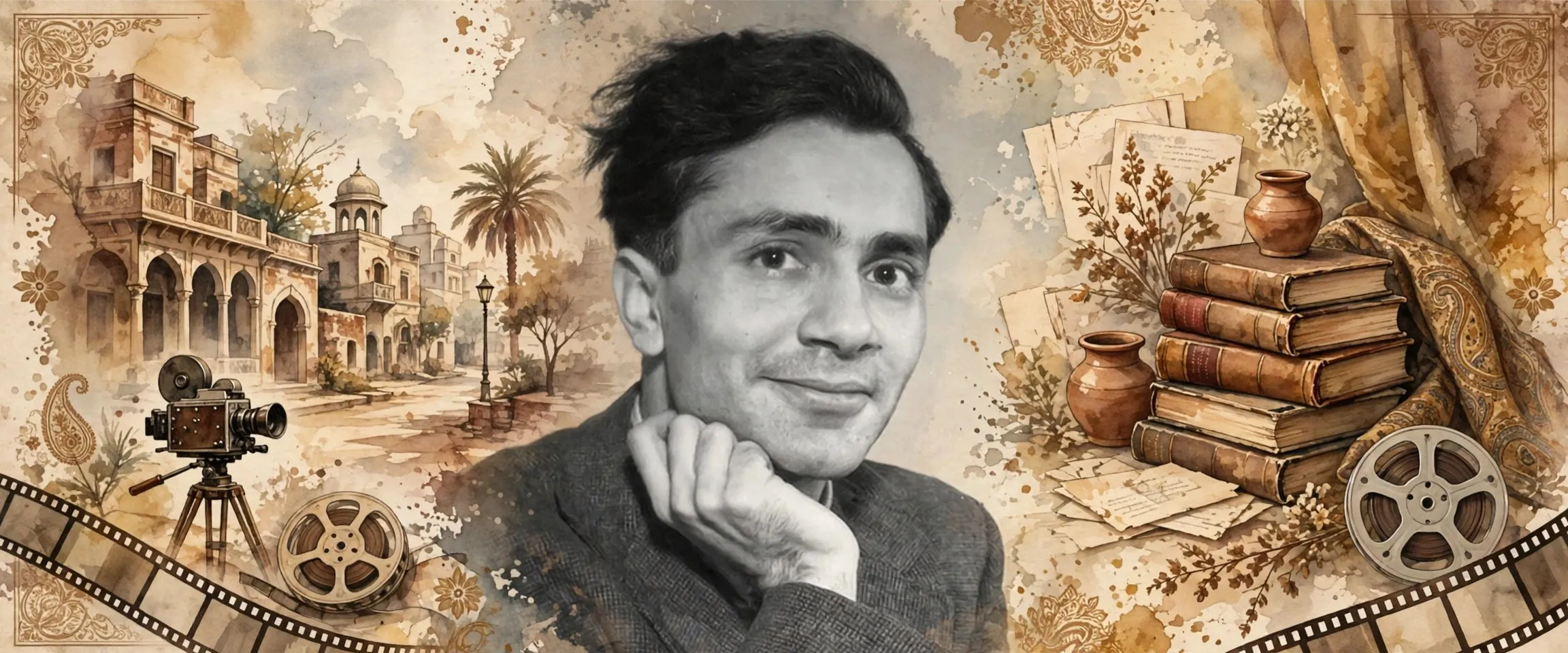
Balraj Sahni (1913 to 1973) was a film and stage actor from Rawalpindi, Punjab, best known as the peasant of Do Bigha Zameen, the homesick hero of Kabuliwala and Salim Mirza in Garam Hawa. A teacher at Tagore's Shantiniketan and a BBC London announcer before films, he was also a Punjabi writer of repute and received the Padma Shri in 1969.
Life at a glance
- 1913Born Rawalpindi, Punjab, British India
- 1946Known film Dharti Ke Lal
- 1951Writing wrote the film Baazi
- 1953Known film Do Bigha Zameen
- 1961Known film Kabuliwala
- 1965Known film Waqt
Show 2 more
- 1969Honour Padma Shri
- 1973Died Bombay, aged 59, of cardiac arrest
- Punjabi name
- ਬਲਰਾਜ ਸਾਹਨੀ
- Born
- 1 May 1913, Rawalpindi, Punjab, British India (now Pakistan)
- Birth name
- Yudhishthir Sahni
- Home city
- Rawalpindi
- District
- Rawalpindi
- Region
- West Punjab
All 14 facts
- Education
- Master's in English literature, Government College, Lahore; bachelor's in Hindi; also studied at Gordon College, Rawalpindi
- Before films
- Teacher at Visva Bharati, Shantiniketan; worked with Mahatma Gandhi in 1938; BBC London Hindi service announcer from 1939, returned 1943
- Known films
- Dharti Ke Lal (1946), Do Bigha Zameen (1953), Kabuliwala (1961), Waqt (1965), Garam Hawa (1973)
- Punjabi films
- Satluj De Kande; Nanak Dukhiya Sub Sansar (1970)
- Writing
- Mera Pakistani Safarnama; Mera Rusi Safarnama (Soviet Land Nehru Award); Kamey; Meri Filmi Aatmakatha; wrote the film Baazi (1951)
- Family
- Brother of the writer Bhisham Sahni; father of actor Parikshit Sahni
- Honours
- Padma Shri (1969); Filmfare Special Award (1970)
- Died
- 13 April 1973, Bombay, aged 59, of cardiac arrest
Balraj Sahni (1 May 1913 to 13 April 1973) was a film and stage actor from Rawalpindi in Punjab who became the quiet conscience of Indian cinema. In Do Bigha Zameen he played a peasant fighting for two acres of land, in Kabuliwala a homesick Afghan dry fruit seller in Calcutta, and in his last film, Garam Hawa, a Muslim shoe maker in Agra who refuses to leave India after Partition. He was also a writer of repute in Punjabi, the author of the travel books Mera Pakistani Safarnama and Mera Rusi Safarnama.
Early life in Rawalpindi and Lahore
He was born Yudhishthir Sahni on 1 May 1913 in Rawalpindi, in the Punjab of British India, now in Pakistan. His father, Harbans Lal Sahni, was a staunch Arya Samaji with a textile business and, Paramjit Singh writes in The Tribune, a strong dislike for acting. The boy acted in skits and one act plays anyway, first at school and then at Government College, Lahore, where he took a master's degree in English literature and wrote for the college magazine Raavi. He also held a bachelor's degree in Hindi, studied at Gordon College in Rawalpindi, and went back home to join the family business, marrying Damayanti in 1936.
The cloth trade did not hold him. In the late 1930s Sahni and his wife left Rawalpindi for Bengal, where he taught English and Hindi at Rabindranath Tagore's Visva Bharati University at Shantiniketan. Their son Parikshit was born there. Sahni also worked with Mahatma Gandhi for a year in 1938, and in 1939, with Gandhi's blessings, he went to England to join the Hindi service of BBC London as a radio announcer, working there alongside George Orwell. He returned to India in 1943.
From IPTA and the stage to films
Acting had been his interest all along, and in Bombay he began with the plays of the Indian People's Theatre Association, IPTA, whose stage became his training ground. His wife Damayanti was known as an IPTA actress before he was known as a film actor. His film career began with Insaaf in 1946, followed the same year by Dharti Ke Lal, directed by Khwaja Ahmad Abbas, in which he played a young man who stands against social injustice. Damayanti, the heroine of his 1947 film Gudia, died young, and he later married the writer Santosh Chandhok.
The breakthrough came in 1953 with Bimal Roy's Do Bigha Zameen, in which Sahni played Shambhu Mahato, a peasant whose two acres stand in the way of a landlord's plan to sell village land to speculators. To pay a fabricated debt he goes to Calcutta and pulls a rickshaw. Encyclopedia.com's film guide calls Sahni in the role a deeply intelligent actor whose fears emerge in natural, unemphatic expression, and notes that the film brought a new seriousness and naturalism into Hindi cinema. It won the Prix Internationale at the Cannes Film Festival in 1954 and the Prize for Social Progress at Karlovy Vary the same year.
What made Balraj Sahni's acting different?
Sahni acted ordinary people as if their inner lives mattered more than the plot. He was never cast as the singing, dancing hero of popular cinema, and he did not perform like one: he underplayed, he listened, and he let a face hold a feeling instead of announcing it. Critics link him with neo-realistic cinema, film making that took its subjects and its truth from everyday life. The same actor could be the gentle Kabuliwala of Tagore's story in 1961, the family elder Lala Kedarnath in Waqt in 1965, remembered by many for the song Ae Meri Zohra Jabeen, and a Punjabi soldier's father figure in the Punjabi films Satluj De Kande and Nanak Dukhiya Sub Sansar in 1970. In all, he acted in more than a hundred films.
His last performance is often called his best. In Garam Hawa, released in 1973, he played Salim Mirza, an angst ridden but stoic Muslim man who refuses to move to Pakistan after Partition. Sahni died the day after he finished dubbing the film, so he never saw it completed. The last line he recorded, and so his last recorded words, ask in Hindustani: how long can a man live alone?
The Punjabi writer
Sahni wrote first in English and then, as his career settled, in Punjabi, and became a writer of repute in Punjabi literature. After a return visit to the Pakistan he had left behind, he wrote Mera Pakistani Safarnama, a travel account of the Punjab of his childhood. His Mera Rusi Safarnama, written after a tour of the Soviet Union, earned him the Soviet Land Nehru Award. His other Punjabi books include Kamey, Ek Safar Ek Daastaan and Gair Jazbaati Diary, and he wrote his film autobiography, Meri Filmi Aatmakatha. He contributed poems and short stories to magazines and wrote in Punjabi for Preetlari, the magazine of Gurbaksh Singh Preetlari. Paramjit Singh's Tribune account adds a personal note: Sahni dreamed of spending his retirement at Preet Nagar, the writers' settlement Gurbaksh Singh founded.
He also wrote for the screen itself. The 1951 film Baazi, directed by Guru Dutt and starring Dev Anand, was written by Sahni. Politics ran alongside the art: he helped organise the first national conference of the All India Youth Federation and was elected its first president, and in the 1950s he inaugurated a library and study centre for the underprivileged in Delhi.
Honours and later life
The Government of India gave Sahni the Padma Shri in 1969, and in 1970 he won a Filmfare Special Award for his outstanding contribution to Indian films. His younger brother Bhisham Sahni became a noted Hindi writer, playwright and actor, the author of Tamas, and his son Parikshit Sahni followed him into acting. The Punjabi Kala Kender, founded in Bombay in 1973 by Sahni, still gives an annual Balraj Sahni Award.
Balraj Sahni died of a massive cardiac arrest in Bombay on 13 April 1973, aged 59. He had been grieving his young daughter Shabnam, who had died a year earlier.
Legacy
Sahni's legacy stands on two legs. On screen, Do Bigha Zameen and Garam Hawa bookend a career that proved a Hindi film could be quiet, truthful and still hold an audience, and actors who play ordinary people with dignity still work in his shadow. On the page, his Punjabi travel writing records what it felt like for a Rawalpindi born Punjabi to go back across the new border and find his childhood streets in another country. Few figures belong so fully to both Punjabs, and to both the cinema and the literature of the land that made them.
ਬਲਰਾਜ ਸਾਹਨੀ (1 ਮਈ 1913 ਤੋਂ 13 ਅਪ੍ਰੈਲ 1973) ਪੰਜਾਬ ਦੇ ਰਾਵਲਪਿੰਡੀ ਤੋਂ ਫ਼ਿਲਮ ਅਤੇ ਰੰਗਮੰਚ ਅਦਾਕਾਰ ਸਨ, ਜੋ ਭਾਰਤੀ ਸਿਨੇਮੇ ਦੀ ਸ਼ਾਂਤ ਜ਼ਮੀਰ ਬਣ ਗਏ। ਦੋ ਬੀਘਾ ਜ਼ਮੀਨ ਵਿੱਚ ਉਨ੍ਹਾਂ ਨੇ ਦੋ ਏਕੜ ਜ਼ਮੀਨ ਲਈ ਲੜਦੇ ਕਿਸਾਨ ਦਾ ਕਿਰਦਾਰ ਨਿਭਾਇਆ, ਕਾਬੁਲੀਵਾਲਾ ਵਿੱਚ ਕਲਕੱਤੇ ਵਿੱਚ ਘਰ ਨੂੰ ਯਾਦ ਕਰਦੇ ਅਫ਼ਗਾਨ ਮੇਵਾ ਵੇਚਣ ਵਾਲੇ ਦਾ, ਅਤੇ ਆਪਣੀ ਆਖਰੀ ਫ਼ਿਲਮ ਗਰਮ ਹਵਾ ਵਿੱਚ ਆਗਰੇ ਦੇ ਉਸ ਮੁਸਲਮਾਨ ਜੁੱਤੀ ਬਣਾਉਣ ਵਾਲੇ ਦਾ ਜੋ ਵੰਡ ਤੋਂ ਬਾਅਦ ਭਾਰਤ ਛੱਡਣ ਤੋਂ ਇਨਕਾਰ ਕਰਦਾ ਹੈ। ਉਹ ਪੰਜਾਬੀ ਵਿੱਚ ਵੀ ਨਾਮਵਰ ਲੇਖਕ ਸਨ, ਮੇਰਾ ਪਾਕਿਸਤਾਨੀ ਸਫ਼ਰਨਾਮਾ ਅਤੇ ਮੇਰਾ ਰੂਸੀ ਸਫ਼ਰਨਾਮਾ ਵਰਗੀਆਂ ਸਫ਼ਰ ਕਿਤਾਬਾਂ ਦੇ ਲੇਖਕ।
ਰਾਵਲਪਿੰਡੀ ਅਤੇ ਲਾਹੌਰ ਵਿੱਚ ਸ਼ੁਰੂਆਤੀ ਜੀਵਨ
ਉਨ੍ਹਾਂ ਦਾ ਜਨਮ ਯੁਧਿਸ਼ਠਰ ਸਾਹਨੀ ਵਜੋਂ 1 ਮਈ 1913 ਨੂੰ ਬਰਤਾਨਵੀ ਭਾਰਤ ਦੇ ਪੰਜਾਬ ਵਿੱਚ ਰਾਵਲਪਿੰਡੀ ਵਿੱਚ ਹੋਇਆ, ਜੋ ਹੁਣ ਪਾਕਿਸਤਾਨ ਵਿੱਚ ਹੈ। ਉਨ੍ਹਾਂ ਦੇ ਪਿਤਾ ਹਰਬੰਸ ਲਾਲ ਸਾਹਨੀ ਪੱਕੇ ਆਰੀਆ ਸਮਾਜੀ ਸਨ, ਉਨ੍ਹਾਂ ਦਾ ਕੱਪੜੇ ਦਾ ਕਾਰੋਬਾਰ ਸੀ ਅਤੇ, ਪਰਮਜੀਤ ਸਿੰਘ ਦ ਟ੍ਰਿਬਿਊਨ ਵਿੱਚ ਲਿਖਦੇ ਹਨ, ਉਨ੍ਹਾਂ ਨੂੰ ਅਦਾਕਾਰੀ ਬਿਲਕੁਲ ਪਸੰਦ ਨਹੀਂ ਸੀ। ਮੁੰਡਾ ਫਿਰ ਵੀ ਨਾਟਕਾਂ ਅਤੇ ਇਕਾਂਗੀਆਂ ਵਿੱਚ ਕੰਮ ਕਰਦਾ ਰਿਹਾ, ਪਹਿਲਾਂ ਸਕੂਲ ਵਿੱਚ ਅਤੇ ਫਿਰ ਗਵਰਨਮੈਂਟ ਕਾਲਜ ਲਾਹੌਰ ਵਿੱਚ, ਜਿੱਥੋਂ ਉਨ੍ਹਾਂ ਨੇ ਅੰਗਰੇਜ਼ੀ ਸਾਹਿਤ ਵਿੱਚ ਮਾਸਟਰ ਡਿਗਰੀ ਲਈ ਅਤੇ ਕਾਲਜ ਮੈਗਜ਼ੀਨ ਰਾਵੀ ਲਈ ਲਿਖਿਆ। ਉਨ੍ਹਾਂ ਕੋਲ ਹਿੰਦੀ ਵਿੱਚ ਬੈਚਲਰ ਡਿਗਰੀ ਵੀ ਸੀ, ਉਹ ਰਾਵਲਪਿੰਡੀ ਦੇ ਗੌਰਡਨ ਕਾਲਜ ਵਿੱਚ ਵੀ ਪੜ੍ਹੇ, ਅਤੇ ਘਰ ਪਰਤ ਕੇ ਪਰਿਵਾਰਕ ਕਾਰੋਬਾਰ ਵਿੱਚ ਲੱਗ ਗਏ। 1936 ਵਿੱਚ ਉਨ੍ਹਾਂ ਦਾ ਵਿਆਹ ਦਮਯੰਤੀ ਨਾਲ ਹੋਇਆ।
ਕੱਪੜੇ ਦੇ ਕੰਮ ਵਿੱਚ ਉਨ੍ਹਾਂ ਦਾ ਮਨ ਨਾ ਲੱਗਾ। 1930ਵਿਆਂ ਦੇ ਅੰਤ ਵਿੱਚ ਸਾਹਨੀ ਅਤੇ ਉਨ੍ਹਾਂ ਦੀ ਪਤਨੀ ਰਾਵਲਪਿੰਡੀ ਛੱਡ ਕੇ ਬੰਗਾਲ ਚਲੇ ਗਏ, ਜਿੱਥੇ ਉਨ੍ਹਾਂ ਨੇ ਸ਼ਾਂਤੀਨਿਕੇਤਨ ਵਿੱਚ ਰਬਿੰਦਰਨਾਥ ਟੈਗੋਰ ਦੀ ਵਿਸ਼ਵ ਭਾਰਤੀ ਯੂਨੀਵਰਸਿਟੀ ਵਿੱਚ ਅੰਗਰੇਜ਼ੀ ਅਤੇ ਹਿੰਦੀ ਪੜ੍ਹਾਈ। ਉਨ੍ਹਾਂ ਦੇ ਪੁੱਤਰ ਪਰੀਕਸ਼ਿਤ ਦਾ ਜਨਮ ਉੱਥੇ ਹੀ ਹੋਇਆ। ਸਾਹਨੀ ਨੇ 1938 ਵਿੱਚ ਇੱਕ ਸਾਲ ਮਹਾਤਮਾ ਗਾਂਧੀ ਨਾਲ ਵੀ ਕੰਮ ਕੀਤਾ, ਅਤੇ 1939 ਵਿੱਚ ਗਾਂਧੀ ਜੀ ਦੇ ਆਸ਼ੀਰਵਾਦ ਨਾਲ ਉਹ ਇੰਗਲੈਂਡ ਚਲੇ ਗਏ ਅਤੇ ਬੀ. ਬੀ. ਸੀ. ਲੰਡਨ ਦੀ ਹਿੰਦੀ ਸੇਵਾ ਵਿੱਚ ਰੇਡੀਓ ਅਨਾਊਂਸਰ ਬਣੇ, ਜਿੱਥੇ ਉਨ੍ਹਾਂ ਨੇ ਜੌਰਜ ਔਰਵੈਲ ਨਾਲ ਵੀ ਕੰਮ ਕੀਤਾ। ਉਹ 1943 ਵਿੱਚ ਭਾਰਤ ਪਰਤੇ।
ਇਪਟਾ ਅਤੇ ਰੰਗਮੰਚ ਤੋਂ ਫ਼ਿਲਮਾਂ ਤੱਕ
ਅਦਾਕਾਰੀ ਵਿੱਚ ਉਨ੍ਹਾਂ ਦੀ ਦਿਲਚਸਪੀ ਹਮੇਸ਼ਾ ਤੋਂ ਸੀ, ਅਤੇ ਬੰਬਈ ਵਿੱਚ ਉਨ੍ਹਾਂ ਨੇ ਇੰਡੀਅਨ ਪੀਪਲਜ਼ ਥੀਏਟਰ ਐਸੋਸੀਏਸ਼ਨ, ਇਪਟਾ, ਦੇ ਨਾਟਕਾਂ ਤੋਂ ਸ਼ੁਰੂਆਤ ਕੀਤੀ, ਜਿਸ ਦਾ ਰੰਗਮੰਚ ਉਨ੍ਹਾਂ ਦੀ ਸਿਖਲਾਈ ਥਾਂ ਬਣਿਆ। ਉਨ੍ਹਾਂ ਦੀ ਪਤਨੀ ਦਮਯੰਤੀ ਉਨ੍ਹਾਂ ਦੇ ਫ਼ਿਲਮੀ ਅਦਾਕਾਰ ਬਣਨ ਤੋਂ ਪਹਿਲਾਂ ਹੀ ਇਪਟਾ ਅਦਾਕਾਰਾ ਵਜੋਂ ਜਾਣੀ ਜਾਂਦੀ ਸੀ। ਉਨ੍ਹਾਂ ਦਾ ਫ਼ਿਲਮੀ ਕੈਰੀਅਰ 1946 ਵਿੱਚ ਇਨਸਾਫ਼ ਨਾਲ ਸ਼ੁਰੂ ਹੋਇਆ, ਅਤੇ ਉਸੇ ਸਾਲ ਖ਼ਵਾਜਾ ਅਹਿਮਦ ਅੱਬਾਸ ਦੇ ਨਿਰਦੇਸ਼ਨ ਵਿੱਚ ਧਰਤੀ ਕੇ ਲਾਲ ਆਈ, ਜਿਸ ਵਿੱਚ ਉਨ੍ਹਾਂ ਨੇ ਸਮਾਜਿਕ ਨਾਇਨਸਾਫ਼ੀ ਅੱਗੇ ਖੜ੍ਹੇ ਨੌਜਵਾਨ ਦਾ ਕਿਰਦਾਰ ਨਿਭਾਇਆ। ਉਨ੍ਹਾਂ ਦੀ 1947 ਦੀ ਫ਼ਿਲਮ ਗੁੜੀਆ ਦੀ ਨਾਇਕਾ ਦਮਯੰਤੀ ਦੀ ਛੋਟੀ ਉਮਰ ਵਿੱਚ ਮੌਤ ਹੋ ਗਈ, ਅਤੇ ਮਗਰੋਂ ਉਨ੍ਹਾਂ ਦਾ ਵਿਆਹ ਲੇਖਕ ਸੰਤੋਸ਼ ਚੰਡੋਕ ਨਾਲ ਹੋਇਆ।
ਸਫਲਤਾ 1953 ਵਿੱਚ ਬਿਮਲ ਰਾਏ ਦੀ ਦੋ ਬੀਘਾ ਜ਼ਮੀਨ ਨਾਲ ਆਈ, ਜਿਸ ਵਿੱਚ ਸਾਹਨੀ ਨੇ ਸ਼ੰਭੂ ਮਹਾਤੋ ਦਾ ਕਿਰਦਾਰ ਨਿਭਾਇਆ, ਉਹ ਕਿਸਾਨ ਜਿਸ ਦੇ ਦੋ ਏਕੜ ਜ਼ਿਮੀਦਾਰ ਦੀ ਪਿੰਡ ਦੀ ਜ਼ਮੀਨ ਸੱਟੇਬਾਜ਼ਾਂ ਨੂੰ ਵੇਚਣ ਦੀ ਯੋਜਨਾ ਦੇ ਰਾਹ ਵਿੱਚ ਆਉਂਦੇ ਹਨ। ਝੂਠਾ ਕਰਜ਼ਾ ਚੁਕਾਉਣ ਲਈ ਉਹ ਕਲਕੱਤੇ ਜਾਂਦਾ ਹੈ ਅਤੇ ਰਿਕਸ਼ਾ ਖਿੱਚਦਾ ਹੈ। ਐਨਸਾਈਕਲੋਪੀਡੀਆ ਡੌਟ ਕੌਮ ਦੀ ਫ਼ਿਲਮ ਗਾਈਡ ਸਾਹਨੀ ਨੂੰ ਇਸ ਕਿਰਦਾਰ ਵਿੱਚ ਡੂੰਘੀ ਸਮਝ ਵਾਲਾ ਅਦਾਕਾਰ ਕਹਿੰਦੀ ਹੈ, ਜਿਸ ਦੇ ਡਰ ਕੁਦਰਤੀ ਅਤੇ ਸਾਦੇ ਅੰਦਾਜ਼ ਵਿੱਚ ਚਿਹਰੇ ਉੱਤੇ ਆਉਂਦੇ ਹਨ, ਅਤੇ ਲਿਖਦੀ ਹੈ ਕਿ ਇਸ ਫ਼ਿਲਮ ਨੇ ਹਿੰਦੀ ਸਿਨੇਮੇ ਵਿੱਚ ਨਵੀਂ ਗੰਭੀਰਤਾ ਅਤੇ ਕੁਦਰਤੀ ਅੰਦਾਜ਼ ਲਿਆਂਦਾ। ਇਸ ਨੇ 1954 ਵਿੱਚ ਕਾਨ ਫ਼ਿਲਮ ਮੇਲੇ ਵਿੱਚ ਪ੍ਰੀ ਇੰਟਰਨੈਸ਼ਨਾਲ ਜਿੱਤਿਆ ਅਤੇ ਉਸੇ ਸਾਲ ਕਾਰਲੋਵੀ ਵੇਰੀ ਵਿੱਚ ਸਮਾਜਿਕ ਤਰੱਕੀ ਦਾ ਪੁਰਸਕਾਰ ਵੀ।
ਬਲਰਾਜ ਸਾਹਨੀ ਦੀ ਅਦਾਕਾਰੀ ਵੱਖਰੀ ਕਿਉਂ ਸੀ?
ਸਾਹਨੀ ਆਮ ਲੋਕਾਂ ਦੇ ਕਿਰਦਾਰ ਇੰਝ ਨਿਭਾਉਂਦੇ ਸਨ ਜਿਵੇਂ ਉਨ੍ਹਾਂ ਦੀ ਅੰਦਰਲੀ ਜ਼ਿੰਦਗੀ ਕਹਾਣੀ ਨਾਲੋਂ ਵੱਧ ਅਹਿਮ ਹੋਵੇ। ਉਹ ਕਦੇ ਮਸ਼ਹੂਰ ਸਿਨੇਮੇ ਦੇ ਗਾਉਣ ਨੱਚਣ ਵਾਲੇ ਨਾਇਕ ਵਜੋਂ ਨਹੀਂ ਚੁਣੇ ਗਏ, ਅਤੇ ਨਾ ਹੀ ਉਸ ਵਾਂਗ ਅਦਾਕਾਰੀ ਕਰਦੇ ਸਨ: ਉਹ ਸੰਜਮ ਨਾਲ ਕੰਮ ਕਰਦੇ, ਸੁਣਦੇ, ਅਤੇ ਕਿਸੇ ਭਾਵ ਨੂੰ ਐਲਾਨ ਕਰਨ ਦੀ ਥਾਂ ਚਿਹਰੇ ਉੱਤੇ ਠਹਿਰਨ ਦਿੰਦੇ ਸਨ। ਆਲੋਚਕ ਉਨ੍ਹਾਂ ਨੂੰ ਨਵ ਯਥਾਰਥਵਾਦੀ ਸਿਨੇਮੇ ਨਾਲ ਜੋੜਦੇ ਹਨ, ਉਹ ਫ਼ਿਲਮ ਸ਼ੈਲੀ ਜੋ ਆਪਣੇ ਵਿਸ਼ੇ ਅਤੇ ਸੱਚ ਰੋਜ਼ ਦੀ ਜ਼ਿੰਦਗੀ ਤੋਂ ਲੈਂਦੀ ਹੈ। ਉਹੀ ਅਦਾਕਾਰ 1961 ਵਿੱਚ ਟੈਗੋਰ ਦੀ ਕਹਾਣੀ ਦਾ ਨਰਮ ਦਿਲ ਕਾਬੁਲੀਵਾਲਾ ਬਣ ਸਕਦਾ ਸੀ, 1965 ਵਿੱਚ ਵਕਤ ਵਿੱਚ ਪਰਿਵਾਰ ਦੇ ਬਜ਼ੁਰਗ ਲਾਲਾ ਕੇਦਾਰਨਾਥ, ਜਿਨ੍ਹਾਂ ਨੂੰ ਕਈ ਲੋਕ ਐ ਮੇਰੀ ਜ਼ੋਹਰਾ ਜਬੀਂ ਗੀਤ ਲਈ ਯਾਦ ਕਰਦੇ ਹਨ, ਅਤੇ 1970 ਵਿੱਚ ਪੰਜਾਬੀ ਫ਼ਿਲਮਾਂ ਸਤਲੁਜ ਦੇ ਕੰਢੇ ਅਤੇ ਨਾਨਕ ਦੁੱਖੀਆ ਸਬ ਸੰਸਾਰ ਵਿੱਚ ਵੀ। ਕੁੱਲ ਮਿਲਾ ਕੇ ਉਨ੍ਹਾਂ ਨੇ ਸੌ ਤੋਂ ਵੱਧ ਫ਼ਿਲਮਾਂ ਵਿੱਚ ਕੰਮ ਕੀਤਾ।
ਉਨ੍ਹਾਂ ਦੀ ਆਖਰੀ ਪੇਸ਼ਕਾਰੀ ਨੂੰ ਅਕਸਰ ਉਨ੍ਹਾਂ ਦੀ ਸਭ ਤੋਂ ਵਧੀਆ ਕਿਹਾ ਜਾਂਦਾ ਹੈ। 1973 ਵਿੱਚ ਆਈ ਗਰਮ ਹਵਾ ਵਿੱਚ ਉਨ੍ਹਾਂ ਨੇ ਸਲੀਮ ਮਿਰਜ਼ਾ ਦਾ ਕਿਰਦਾਰ ਨਿਭਾਇਆ, ਇੱਕ ਪ੍ਰੇਸ਼ਾਨ ਪਰ ਸਬਰ ਵਾਲਾ ਮੁਸਲਮਾਨ ਜੋ ਵੰਡ ਤੋਂ ਬਾਅਦ ਪਾਕਿਸਤਾਨ ਜਾਣ ਤੋਂ ਇਨਕਾਰ ਕਰਦਾ ਹੈ। ਫ਼ਿਲਮ ਦੀ ਡਬਿੰਗ ਮੁਕਾਉਣ ਦੇ ਅਗਲੇ ਦਿਨ ਸਾਹਨੀ ਦੀ ਮੌਤ ਹੋ ਗਈ, ਇਸ ਲਈ ਉਹ ਇਸ ਨੂੰ ਮੁਕੰਮਲ ਹਾਲਤ ਵਿੱਚ ਕਦੇ ਦੇਖ ਹੀ ਨਾ ਸਕੇ। ਉਨ੍ਹਾਂ ਦੀ ਰਿਕਾਰਡ ਕੀਤੀ ਆਖਰੀ ਲਾਈਨ, ਅਤੇ ਇਸ ਤਰ੍ਹਾਂ ਉਨ੍ਹਾਂ ਦੇ ਆਖਰੀ ਰਿਕਾਰਡ ਸ਼ਬਦ, ਹਿੰਦੁਸਤਾਨੀ ਵਿੱਚ ਪੁੱਛਦੇ ਹਨ ਕਿ ਇਨਸਾਨ ਕਦ ਤੱਕ ਇਕੱਲਾ ਜੀ ਸਕਦਾ ਹੈ।
ਪੰਜਾਬੀ ਲੇਖਕ
ਸਾਹਨੀ ਨੇ ਪਹਿਲਾਂ ਅੰਗਰੇਜ਼ੀ ਵਿੱਚ ਲਿਖਿਆ ਅਤੇ ਫਿਰ, ਕੈਰੀਅਰ ਸਥਿਰ ਹੋਣ ਤੇ, ਪੰਜਾਬੀ ਵਿੱਚ, ਅਤੇ ਪੰਜਾਬੀ ਸਾਹਿਤ ਵਿੱਚ ਨਾਮਵਰ ਲੇਖਕ ਬਣ ਗਏ। ਜਿਸ ਪਾਕਿਸਤਾਨ ਨੂੰ ਉਹ ਪਿੱਛੇ ਛੱਡ ਆਏ ਸਨ, ਉੱਥੋਂ ਦੀ ਇੱਕ ਮੁੜ ਫੇਰੀ ਤੋਂ ਬਾਅਦ ਉਨ੍ਹਾਂ ਨੇ ਮੇਰਾ ਪਾਕਿਸਤਾਨੀ ਸਫ਼ਰਨਾਮਾ ਲਿਖਿਆ, ਆਪਣੇ ਬਚਪਨ ਵਾਲੇ ਪੰਜਾਬ ਦਾ ਸਫ਼ਰ ਬਿਰਤਾਂਤ। ਸੋਵੀਅਤ ਸੰਘ ਦੀ ਫੇਰੀ ਤੋਂ ਬਾਅਦ ਲਿਖੇ ਮੇਰਾ ਰੂਸੀ ਸਫ਼ਰਨਾਮਾ ਲਈ ਉਨ੍ਹਾਂ ਨੂੰ ਸੋਵੀਅਤ ਲੈਂਡ ਨਹਿਰੂ ਪੁਰਸਕਾਰ ਮਿਲਿਆ। ਉਨ੍ਹਾਂ ਦੀਆਂ ਹੋਰ ਪੰਜਾਬੀ ਕਿਤਾਬਾਂ ਵਿੱਚ ਕਾਮੇ, ਇੱਕ ਸਫ਼ਰ ਇੱਕ ਦਾਸਤਾਨ ਅਤੇ ਗ਼ੈਰ ਜਜ਼ਬਾਤੀ ਡਾਇਰੀ ਸ਼ਾਮਲ ਹਨ, ਅਤੇ ਉਨ੍ਹਾਂ ਨੇ ਆਪਣੀ ਫ਼ਿਲਮੀ ਆਤਮਕਥਾ ਮੇਰੀ ਫ਼ਿਲਮੀ ਆਤਮਕਥਾ ਵੀ ਲਿਖੀ। ਉਨ੍ਹਾਂ ਨੇ ਮੈਗਜ਼ੀਨਾਂ ਵਿੱਚ ਕਵਿਤਾਵਾਂ ਅਤੇ ਕਹਾਣੀਆਂ ਦਿੱਤੀਆਂ ਅਤੇ ਗੁਰਬਖ਼ਸ਼ ਸਿੰਘ ਪ੍ਰੀਤਲੜੀ ਦੇ ਮੈਗਜ਼ੀਨ ਪ੍ਰੀਤਲੜੀ ਲਈ ਪੰਜਾਬੀ ਵਿੱਚ ਲਿਖਿਆ। ਪਰਮਜੀਤ ਸਿੰਘ ਦਾ ਟ੍ਰਿਬਿਊਨ ਲੇਖ ਇੱਕ ਨਿੱਜੀ ਗੱਲ ਵੀ ਦੱਸਦਾ ਹੈ ਕਿ ਸਾਹਨੀ ਆਪਣੀ ਰਿਟਾਇਰਮੈਂਟ ਪ੍ਰੀਤ ਨਗਰ ਵਿੱਚ ਬਿਤਾਉਣ ਦਾ ਸੁਪਨਾ ਦੇਖਦੇ ਸਨ, ਉਹ ਲੇਖਕਾਂ ਦੀ ਬਸਤੀ ਜੋ ਗੁਰਬਖ਼ਸ਼ ਸਿੰਘ ਨੇ ਵਸਾਈ ਸੀ।
ਉਨ੍ਹਾਂ ਨੇ ਪਰਦੇ ਲਈ ਵੀ ਲਿਖਿਆ। 1951 ਦੀ ਫ਼ਿਲਮ ਬਾਜ਼ੀ, ਜਿਸ ਦਾ ਨਿਰਦੇਸ਼ਨ ਗੁਰੂ ਦੱਤ ਨੇ ਕੀਤਾ ਅਤੇ ਜਿਸ ਵਿੱਚ ਦੇਵ ਆਨੰਦ ਨਾਇਕ ਸਨ, ਸਾਹਨੀ ਨੇ ਲਿਖੀ ਸੀ। ਕਲਾ ਦੇ ਨਾਲ ਰਾਜਨੀਤੀ ਵੀ ਚੱਲਦੀ ਰਹੀ: ਉਨ੍ਹਾਂ ਨੇ ਆਲ ਇੰਡੀਆ ਯੂਥ ਫੈਡਰੇਸ਼ਨ ਦੀ ਪਹਿਲੀ ਕੌਮੀ ਕਾਨਫਰੰਸ ਕਰਵਾਉਣ ਵਿੱਚ ਮਦਦ ਕੀਤੀ ਅਤੇ ਇਸ ਦੇ ਪਹਿਲੇ ਪ੍ਰਧਾਨ ਚੁਣੇ ਗਏ, ਅਤੇ 1950ਵਿਆਂ ਵਿੱਚ ਉਨ੍ਹਾਂ ਨੇ ਦਿੱਲੀ ਵਿੱਚ ਗਰੀਬਾਂ ਲਈ ਇੱਕ ਲਾਇਬ੍ਰੇਰੀ ਅਤੇ ਸਟੱਡੀ ਸੈਂਟਰ ਵੀ ਖੋਲ੍ਹਿਆ।
ਸਨਮਾਨ ਅਤੇ ਮਗਰਲੀ ਜ਼ਿੰਦਗੀ
ਭਾਰਤ ਸਰਕਾਰ ਨੇ ਸਾਹਨੀ ਨੂੰ 1969 ਵਿੱਚ ਪਦਮ ਸ਼੍ਰੀ ਦਿੱਤਾ, ਅਤੇ 1970 ਵਿੱਚ ਉਨ੍ਹਾਂ ਨੂੰ ਭਾਰਤੀ ਫ਼ਿਲਮਾਂ ਵਿੱਚ ਸ਼ਾਨਦਾਰ ਯੋਗਦਾਨ ਲਈ ਫ਼ਿਲਮਫੇਅਰ ਵਿਸ਼ੇਸ਼ ਪੁਰਸਕਾਰ ਮਿਲਿਆ। ਉਨ੍ਹਾਂ ਦੇ ਛੋਟੇ ਭਰਾ ਭੀਸ਼ਮ ਸਾਹਨੀ ਨਾਮਵਰ ਹਿੰਦੀ ਲੇਖਕ, ਨਾਟਕਕਾਰ ਅਤੇ ਅਦਾਕਾਰ ਬਣੇ, ਤਮਸ ਦੇ ਲੇਖਕ, ਅਤੇ ਉਨ੍ਹਾਂ ਦੇ ਪੁੱਤਰ ਪਰੀਕਸ਼ਿਤ ਸਾਹਨੀ ਵੀ ਅਦਾਕਾਰੀ ਵਿੱਚ ਆਏ। 1973 ਵਿੱਚ ਸਾਹਨੀ ਵੱਲੋਂ ਬੰਬਈ ਵਿੱਚ ਸਥਾਪਤ ਪੰਜਾਬੀ ਕਲਾ ਕੇਂਦਰ ਅੱਜ ਵੀ ਹਰ ਸਾਲ ਬਲਰਾਜ ਸਾਹਨੀ ਪੁਰਸਕਾਰ ਦਿੰਦਾ ਹੈ।
ਬਲਰਾਜ ਸਾਹਨੀ ਦੀ ਮੌਤ 13 ਅਪ੍ਰੈਲ 1973 ਨੂੰ ਬੰਬਈ ਵਿੱਚ ਦਿਲ ਦੇ ਵੱਡੇ ਦੌਰੇ ਨਾਲ ਹੋਈ, ਉਮਰ 59 ਸਾਲ ਸੀ। ਉਹ ਆਪਣੀ ਜਵਾਨ ਧੀ ਸ਼ਬਨਮ ਦੇ ਸਦਮੇ ਵਿੱਚ ਸਨ, ਜਿਸ ਦੀ ਮੌਤ ਇੱਕ ਸਾਲ ਪਹਿਲਾਂ ਹੋਈ ਸੀ।
ਵਿਰਸਾ
ਸਾਹਨੀ ਦਾ ਵਿਰਸਾ ਦੋ ਪੈਰਾਂ ਉੱਤੇ ਖੜ੍ਹਾ ਹੈ। ਪਰਦੇ ਉੱਤੇ ਦੋ ਬੀਘਾ ਜ਼ਮੀਨ ਅਤੇ ਗਰਮ ਹਵਾ ਉਸ ਕੈਰੀਅਰ ਦੇ ਦੋ ਸਿਰੇ ਹਨ, ਜਿਸ ਨੇ ਸਾਬਤ ਕੀਤਾ ਕਿ ਹਿੰਦੀ ਫ਼ਿਲਮ ਸ਼ਾਂਤ, ਸੱਚੀ ਅਤੇ ਫਿਰ ਵੀ ਦਰਸ਼ਕਾਂ ਨੂੰ ਬੰਨ੍ਹਣ ਵਾਲੀ ਹੋ ਸਕਦੀ ਹੈ, ਅਤੇ ਆਮ ਲੋਕਾਂ ਨੂੰ ਇੱਜ਼ਤ ਨਾਲ ਨਿਭਾਉਣ ਵਾਲੇ ਅਦਾਕਾਰ ਅੱਜ ਵੀ ਉਨ੍ਹਾਂ ਦੇ ਪਰਛਾਵੇਂ ਵਿੱਚ ਕੰਮ ਕਰਦੇ ਹਨ। ਕਾਗਜ਼ ਉੱਤੇ ਉਨ੍ਹਾਂ ਦੀ ਪੰਜਾਬੀ ਸਫ਼ਰ ਲਿਖਤ ਦਰਜ ਕਰਦੀ ਹੈ ਕਿ ਰਾਵਲਪਿੰਡੀ ਵਿੱਚ ਜੰਮੇ ਪੰਜਾਬੀ ਲਈ ਨਵੀਂ ਸਰਹੱਦ ਪਾਰ ਕਰ ਕੇ ਵਾਪਸ ਜਾਣਾ ਅਤੇ ਆਪਣੇ ਬਚਪਨ ਦੀਆਂ ਗਲੀਆਂ ਨੂੰ ਦੂਜੇ ਮੁਲਕ ਵਿੱਚ ਲੱਭਣਾ ਕਿਹੋ ਜਿਹਾ ਸੀ। ਘੱਟ ਹੀ ਕੋਈ ਸ਼ਖਸੀਅਤ ਦੋਵਾਂ ਪੰਜਾਬਾਂ ਦੀ, ਅਤੇ ਉਸ ਧਰਤੀ ਦੇ ਸਿਨੇਮੇ ਅਤੇ ਸਾਹਿਤ ਦੋਵਾਂ ਦੀ, ਇੰਨੀ ਪੂਰੀ ਤਰ੍ਹਾਂ ਹੁੰਦੀ ਹੈ ਜਿਸ ਨੇ ਉਨ੍ਹਾਂ ਨੂੰ ਬਣਾਇਆ।
People


Places


More actors & entertainers
See all

Sources (3)
Jugti is free and independent. Reader support keeps the Kosh growing.
Support