
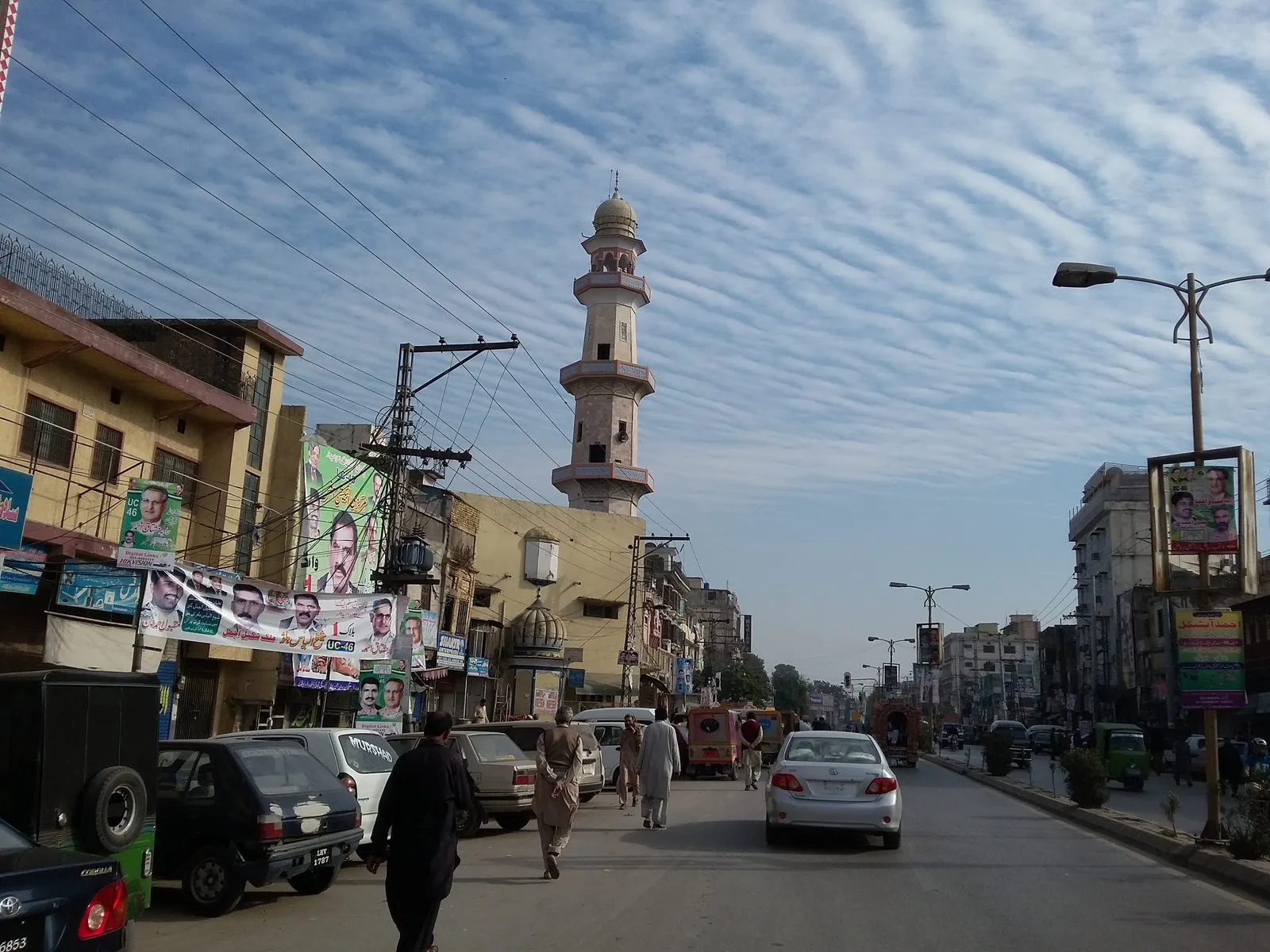
Rawalpindi, colloquially Pindi, is the third-largest city of Punjab, Pakistan and the country's fourth-most populous, with about 3.36 million people in the 2023 census. Founded in 1493 by the Gakhar chief Jhanda Khan, it became the British Indian Army's largest garrison town after 1849, served as Pakistan's interim capital from 1959 to 1969, and is now the headquarters of the Pakistan Army, twinned with Islamabad.
- Facts
- Type
- City
- Location
- Punjab, Pakistan
- Region
- West Punjab
- Founded
- 1493, by Gakhar chief Jhanda Khan
- Population
- ~3.36 million (2023 census)
- Known as
- Pindi · Garrison City
- Twin city
- Islamabad
Ancient roots
The land around Rawalpindi has been inhabited for thousands of years. It falls within ancient Gandhara, and traces of at least 55 stupas, 28 Buddhist monasteries and 9 temples have been found to the north-west of the city, with artefacts in the Kharoshthi script. The famous "Fasting Buddha", now in the British Museum, was discovered here, and the second-century Mankiala stupa stands to the south-east — the spot where, in the Jataka tales, a previous incarnation of the Buddha offered his body to seven hungry tiger cubs.
The town itself was first destroyed by Mahmud of Ghazni and restored by the Gakhar chief Kai Gohar in the early 11th century. It fell into decay again during the Mongol invasions of the 14th century and lay deserted until 1493, when the Gakhar chief Jhanda Khan re-established it as Rawalpindi — "the village of the Rawals", after a community of ascetics.
Sikh rule
After Mughal power declined — Akbar had spent some 13 years in and around Rawalpindi from December 1585, and the 16th-century Rawat Fort still stands as a fortified caravanserai of that era — the town was captured in the mid-1760s by the Sikhs under Sardar Gujjar Singh and his son Sahib Singh. Administration passed to Sardar Milkha Singh, who in 1766 invited traders from the commercial centres of Jhelum and Shahpur to settle there. The town began to prosper, though it still counted only about 300 families in 1770.
Maharaja Ranjit Singh seized Rawalpindi in 1810 but kept Milkha Singh's son on as governor, and Sikh rule was consolidated with the defeat of the Afghans at Haidru in July 1813. The 1820s saw the area become a centre of Syed Ahmad Barelvi's jihad movement, and in 1839 Jews fleeing Qajar persecution arrived from Mashhad and settled in Babu Mohallah. On 14 March 1849, Sardar Chattar Singh and Raja Sher Singh surrendered to General Gilbert near Rawalpindi, and the Sikh Empire came to an end on 29 March.
The garrison city
The British made Rawalpindi the largest garrison town of the Northern Command, with the decision to build a permanent cantonment taken in 1851 by the Marquess of Dalhousie. The Leh River still separates the old city from the cantonment. Municipal status came in 1867, the railway arrived in the 1880s, and by 1921 Rawalpindi was the third-largest city in Punjab. The arsenal of 1883 made the cantonment a major centre of Raj military power, and in 1901 the city became the winter headquarters of the Northern Command. Its district stood first in Punjab for recruiting during World War I.
The commercial city grew alongside the cantonment: Sardar Sujan Singh opened a large market in 1883, and the British developed the elite Saddar shopping district. The Commissariat Steam Flour Mills were the first of their kind in Punjab.
Partition and Pakistan
On 5 March 1947 a procession by Rawalpindi's Hindu and Sikh communities against a Muslim League ministry turned violent, and the next day Partition riots erupted; in the villages surrounding the city, thousands of Sikhs and Hindus were killed in what came to be known as the Rawalpindi massacres. In 1947 the city was 43.79% Muslim and the district 80% Muslim, so the region went to Pakistan. The city's Hindu (33.72%) and Sikh (17.32%) populations migrated en masse to India, while Muslim refugees from eastern Punjab and northern India settled in the city.
Chosen as headquarters of the Pakistan Army, Rawalpindi became the stage for much of the country's early history: the 1951 Rawalpindi conspiracy, the assassination of Prime Minister Liaquat Ali Khan at what is now Liaquat Bagh, Ayub Khan's 1958 coup launched from the city, and its years as Pakistan's interim capital from 1959 to 1969 while Islamabad was built next door. In 1979 the deposed prime minister Zulfikar Ali Bhutto was hanged here.
Today
Rawalpindi and Islamabad are jointly known as the "twin cities", linked by the M-1 and M-2 motorways, and Rawalpindi remains the army's General Headquarters with an air force base at Chaklala. With about 3.36 million people in the 2023 census, it is Pakistan's fourth-largest city. Its historic havelis and temples recall the pre-Partition city, and it serves as the gateway for travellers heading to Taxila, Azad Kashmir and Gilgit-Baltistan.
ਪੁਰਾਤਨ ਜੜ੍ਹਾਂ
ਰਾਵਲਪਿੰਡੀ ਦੇ ਆਲੇ-ਦੁਆਲੇ ਦਾ ਇਲਾਕਾ ਹਜ਼ਾਰਾਂ ਸਾਲਾਂ ਤੋਂ ਵੱਸਿਆ ਹੋਇਆ ਹੈ। ਇਹ ਪ੍ਰਾਚੀਨ ਗੰਧਾਰ ਖੇਤਰ ਵਿੱਚ ਆਉਂਦਾ ਹੈ; ਸ਼ਹਿਰ ਦੇ ਉੱਤਰ-ਪੱਛਮ ਵੱਲ ਘੱਟੋ-ਘੱਟ 55 ਸਤੂਪਾਂ, 28 ਬੋਧੀ ਮਠਾਂ ਅਤੇ 9 ਮੰਦਰਾਂ ਦੇ ਨਿਸ਼ਾਨ ਮਿਲੇ ਹਨ। ਬ੍ਰਿਟਿਸ਼ ਮਿਊਊਜਿਅਮ ਵਿੱਚ ਰੱਖਿਆ ਪ੍ਰਸਿੱਧ "ਵਰਤ ਰੱਖਦਾ ਬੁੱਧ" ਇੱਥੋਂ ਹੀ ਮਿਲਿਆ ਸੀ, ਅਤੇ ਦੱਖਣ-ਪੂਰਵ ਵੱਲ ਦੂਜੀ ਸਦੀ ਦਾ ਮਾਨਕਿਆਲਾ ਸਤੂਪ ਹੈ — ਜਾਤਕ ਕਥਾਵਾਂ ਅਨੁਸਾਰ ਉਹ ਥਾਂ ਜਿੱਥੇ ਬੁੱਧ ਦੇ ਇੱਕ ਪਿਛਲੇ ਜਨਮ ਨੇ ਸੱਤ ਭੁੱਖੇ ਸ਼ੇਰ-ਬੱਚਿਆਂ ਅੱਗੇ ਆਪਣਾ ਸਰੀਰ ਅਰਪਿਆ।
ਇਸ ਕਸਬੇ ਨੂੰ ਪਹਿਲਾਂ ਮਹਿਮੂਦ ਗ਼ਜ਼ਨਵੀ ਨੇ ਤਬਾਹ ਕੀਤਾ ਅਤੇ 11ਵੀਂ ਸਦੀ ਦੇ ਸ਼ੁਰੂ ਵਿੱਚ ਗੱਖੜ ਸਰਦਾਰ ਕੈ ਗੌਹਰ ਨੇ ਦੁਬਾਰਾ ਵਸਾਇਆ। 14ਵੀਂ ਸਦੀ ਵਿੱਚ ਮੰਗੋਲ ਹਮਲਿਆਂ ਦੌਰਾਨ ਇਹ ਫਿਰ ਉਜੜ ਗਿਆ ਅਤੇ 1493 ਤੱਕ ਵਿਰਾਨ ਪਿਆ ਰਿਹਾ, ਜਦੋਂ ਗੱਖੜ ਸਰਦਾਰ ਝੰਡਾ ਖ਼ਾਨ ਨੇ ਇਸ ਨੂੰ ਰਾਵਲਪਿੰਡੀ ਦੇ ਨਾਂ ਨਾਲ ਦੁਬਾਰਾ ਵਸਾਇਆ — "ਰਾਵਲਾਂ ਦਾ ਪਿੰਡ", ਤਪੱਸਵੀਆਂ ਦੀ ਇੱਕ ਜਮਾਤ ਦੇ ਨਾਂ ਉੱਤੇ।
ਸਿੱਖ ਰਾਜ
ਮੁਗ਼ਲ ਸੱਤਾ ਦੇ ਢਹਿਣ ਤੋਂ ਬਾਅਦ — ਅਕਬਰ ਨੇ ਦਸੰਬਰ 1585 ਤੋਂ ਲਗਭਗ 13 ਸਾਲ ਰਾਵਲਪਿੰਡੀ ਦੇ ਆਸ-ਪਾਸ ਗੁਜ਼ਾਰੇ ਸਨ, ਅਤੇ 16ਵੀਂ ਸਦੀ ਦਾ ਰਾਵਤ ਕਿਲ੍ਹਾ ਅੱਜ ਵੀ ਉਸ ਦੌਰ ਦੀ ਕਿਲ੍ਹਾਬੰਦ ਸਰਾਂ ਵਜੋਂ ਖੜ੍ਹਾ ਹੈ — ਇਹ ਕਸਬਾ 1760ਵਿਆਂ ਦੇ ਮੱਧ ਵਿੱਚ ਸਰਦਾਰ ਗੁੱਜਰ ਸਿੰਘ ਅਤੇ ਉਸ ਦੇ ਪੁੱਤਰ ਸਾਹਿਬ ਸਿੰਘ ਦੀ ਅਗਵਾਈ ਹੇਠ ਸਿੱਖਾਂ ਨੇ ਜਿੱਤ ਲਿਆ। ਪ੍ਰਬੰਧ ਸਰਦਾਰ ਮਿਲਖਾ ਸਿੰਘ ਨੂੰ ਸੌਂਪਿਆ ਗਿਆ, ਜਿਸ ਨੇ 1766 ਵਿੱਚ ਝੇਲਮ ਅਤੇ ਸ਼ਾਹਪੁਰ ਦੇ ਵਪਾਰਕ ਕੇਂਦਰਾਂ ਤੋਂ ਵਪਾਰੀਆਂ ਨੂੰ ਇੱਥੇ ਵੱਸਣ ਦਾ ਸੱਦਾ ਦਿੱਤਾ। ਕਸਬਾ ਵਧਣ-ਫੁੱਲਣ ਲੱਗਾ, ਹਾਲਾਂਕਿ 1770 ਵਿੱਚ ਇੱਥੇ ਅਜੇ ਲਗਭਗ 300 ਪਰਿਵਾਰ ਹੀ ਸਨ।
ਮਹਾਰਾਜਾ ਰਣਜੀਤ ਸਿੰਘ ਨੇ 1810 ਵਿੱਚ ਰਾਵਲਪਿੰਡੀ ਆਪਣੇ ਕਬਜ਼ੇ ਵਿੱਚ ਲੈ ਲਿਆ ਪਰ ਮਿਲਖਾ ਸਿੰਘ ਦੇ ਪੁੱਤਰ ਨੂੰ ਹਾਕਮ ਬਣਾਈ ਰੱਖਿਆ; ਜੁਲਾਈ 1813 ਵਿੱਚ ਹੈਦਰੂ ਵਿਖੇ ਅਫ਼ਗਾਨਾਂ ਦੀ ਹਾਰ ਨਾਲ ਸਿੱਖ ਰਾਜ ਮਜ਼ਬੂਤ ਹੋਇਆ। 1820ਵਿਆਂ ਵਿੱਚ ਇਹ ਇਲਾਕਾ ਸਈਦ ਅਹਿਮਦ ਬਰੇਲਵੀ ਦੀ ਜਿਹਾਦ ਲਹਿਰ ਦਾ ਕੇਂਦਰ ਬਣਿਆ, ਅਤੇ 1839 ਵਿੱਚ ਕਾਜਾਰ ਜ਼ੁਲਮ ਤੋਂ ਭੱਜ ਕੇ ਮਸ਼ਹਦ ਤੋਂ ਯਹੂਦੀ ਆਏ ਅਤੇ ਬਾਬੂ ਮੁਹੱਲਾ ਵਿੱਚ ਵੱਸੇ। 14 ਮਾਰਚ 1849 ਨੂੰ ਸਰਦਾਰ ਛੱਤਰ ਸਿੰਘ ਅਤੇ ਰਾਜਾ ਸ਼ੇਰ ਸਿੰਘ ਨੇ ਰਾਵਲਪਿੰਡੀ ਨੇੜੇ ਜਨਰਲ ਗਿਲਬਰਟ ਅੱਗੇ ਹਥਿਆਰ ਸੁੱਟ ਦਿੱਤੇ, ਅਤੇ 29 ਮਾਰਚ ਨੂੰ ਸਿੱਖ ਸਾਮਰਾਜ ਦਾ ਅੰਤ ਹੋ ਗਿਆ।
ਛਾਉਣੀ ਸ਼ਹਿਰ
ਅੰਗਰੇਜ਼ਾਂ ਨੇ ਰਾਵਲਪਿੰਡੀ ਨੂੰ ਉੱਤਰੀ ਕਮਾਂਡ ਦਾ ਸਭ ਤੋਂ ਵੱਡਾ ਛਾਉਣੀ ਸ਼ਹਿਰ ਬਣਾਇਆ; ਸਥਾਈ ਛਾਉਣੀ ਬਣਾਉਣ ਦਾ ਫੈਸਲਾ 1851 ਵਿੱਚ ਮਾਰਕਸ ਆਫ਼ ਡਲਹੌਜ਼ੀ ਨੇ ਲਿਆ। ਲੇਹ ਦਰਿਆ ਅੱਜ ਵੀ ਪੁਰਾਣੇ ਸ਼ਹਿਰ ਨੂੰ ਛਾਉਣੀ ਤੋਂ ਵੱਖ ਕਰਦਾ ਹੈ। 1867 ਵਿੱਚ ਮਿਊਂਸਪਲ ਦਾ ਦਰਜਾ ਮਿਲਿਆ, 1880ਵਿਆਂ ਵਿੱਚ ਰੇਲ ਆਈ, ਅਤੇ 1921 ਤੱਕ ਰਾਵਲਪਿੰਡੀ ਪੰਜਾਬ ਦਾ ਤੀਜਾ ਸਭ ਤੋਂ ਵੱਡਾ ਸ਼ਹਿਰ ਬਣ ਚੁੱਕਾ ਸੀ। 1883 ਦੇ ਹਥਿਆਰ-ਭੰਡਾਰ ਨੇ ਛਾਉਣੀ ਨੂੰ ਰਾਜ ਦੀ ਫੌਜੀ ਤਾਕਤ ਦਾ ਵੱਡਾ ਕੇਂਦਰ ਬਣਾਇਆ, ਅਤੇ 1901 ਵਿੱਚ ਇਹ ਸ਼ਹਿਰ ਉੱਤਰੀ ਕਮਾਂਡ ਦਾ ਸਰਦ-ਰੁੱਤੀ ਮੁੱਖ ਦਫ਼ਤਰ ਬਣਿਆ। ਪਹਿਲੇ ਵਿਸ਼ਵ ਯੁੱਧ ਦੌਰਾਨ ਭਰਤੀ ਵਿੱਚ ਇਸ ਦਾ ਜ਼ਿਲ੍ਹਾ ਪੰਜਾਬ ਵਿੱਚ ਪਹਿਲੇ ਨੰਬਰ ਉੱਤੇ ਰਿਹਾ।
ਵੰਡ ਅਤੇ ਪਾਕਿਸਤਾਨ
5 ਮਾਰਚ 1947 ਨੂੰ ਰਾਵਲਪਿੰਡੀ ਦੇ ਹਿੰਦੂ ਅਤੇ ਸਿੱਖ ਭਾਈਚਾਰਿਆਂ ਦੇ ਇੱਕ ਜਲੂਸ ਤੋਂ ਹਿੰਸਾ ਭੜਕੀ ਅਤੇ ਅਗਲੇ ਦਿਨ ਵੰਡ ਦੇ ਦੰਗੇ ਸ਼ੁਰੂ ਹੋ ਗਏ; ਸ਼ਹਿਰ ਦੇ ਆਲੇ-ਦੁਆਲੇ ਦੇ ਪਿੰਡਾਂ ਵਿੱਚ ਹਜ਼ਾਰਾਂ ਸਿੱਖ ਅਤੇ ਹਿੰਦੂ ਮਾਰੇ ਗਏ — ਇਸ ਨੂੰ ਰਾਵਲਪਿੰਡੀ ਕਤਲੇਆਮ ਕਿਹਾ ਜਾਂਦਾ ਹੈ। 1947 ਵਿੱਚ ਸ਼ਹਿਰ 43.79% ਮੁਸਲਮਾਨ ਸੀ ਅਤੇ ਜ਼ਿਲ੍ਹਾ 80% ਮੁਸਲਮਾਨ, ਇਸ ਲਈ ਇਹ ਇਲਾਕਾ ਪਾਕਿਸਤਾਨ ਨੂੰ ਮਿਲਿਆ। ਸ਼ਹਿਰ ਦੇ ਹਿੰਦੂ (33.72%) ਅਤੇ ਸਿੱਖ (17.32%) ਵੱਡੀ ਗਿਣਤੀ ਵਿੱਚ ਭਾਰਤ ਚਲੇ ਗਏ, ਜਦੋਂਕਿ ਪੂਰਬੀ ਪੰਜਾਬ ਅਤੇ ਉੱਤਰੀ ਭਾਰਤ ਤੋਂ ਮੁਸਲਮਾਨ ਸ਼ਰਨਾਰਥੀ ਇੱਥੇ ਆ ਵੱਸੇ।
ਪਾਕਿਸਤਾਨ ਫੌਜ ਦਾ ਮੁੱਖ ਦਫ਼ਤਰ ਬਣਨ ਤੋਂ ਬਾਅਦ ਰਾਵਲਪਿੰਡੀ ਮੁਲਕ ਦੇ ਮੁੱਢਲੇ ਇਤਿਹਾਸ ਦਾ ਗਵਾਹ ਬਣਿਆ: 1951 ਦੀ ਰਾਵਲਪਿੰਡੀ ਸਾਜ਼ਿਸ਼, ਵਜ਼ੀਰ-ਏ-ਆਜ਼ਮ ਲਿਆਕਤ ਅਲੀ ਖ਼ਾਨ ਦਾ ਕਤਲ ਉਸ ਥਾਂ ਉੱਤੇ ਜਿਸ ਨੂੰ ਹੁਣ ਲਿਆਕਤ ਬਾਗ਼ ਕਿਹਾ ਜਾਂਦਾ ਹੈ, 1958 ਵਿੱਚ ਅਯੂਬ ਖ਼ਾਨ ਦਾ ਤਖ਼ਤਾ-ਪਲਟ ਜੋ ਇੱਥੋਂ ਸ਼ੁਰੂ ਹੋਇਆ, ਅਤੇ 1959 ਤੋਂ 1969 ਤੱਕ ਪਾਕਿਸਤਾਨ ਦੀ ਅੰਤਰਿਮ ਰਾਜਧਾਨੀ ਦਾ ਦਰਜਾ ਜਦੋਂ ਨਾਲ ਹੀ ਇਸਲਾਮਾਬਾਦ ਉਸਾਰਿਆ ਜਾ ਰਿਹਾ ਸੀ। 1979 ਵਿੱਚ ਇੱਥੇ ਹੀ ਮਅਜ਼ੂਲ ਵਜ਼ੀਰ-ਏ-ਆਜ਼ਮ ਜ਼ੁਲਫ਼ਿਕਾਰ ਅਲੀ ਭੁੱਟੋ ਨੂੰ ਫਾਂਸੀ ਦਿੱਤੀ ਗਈ।
ਅੱਜ
ਰਾਵਲਪਿੰਡੀ ਅਤੇ ਇਸਲਾਮਾਬਾਦ ਨੂੰ ਇਕੱਠੇ "ਜੁੜਵੇਂ ਸ਼ਹਿਰ" ਕਿਹਾ ਜਾਂਦਾ ਹੈ, ਜੋ ਐਮ-1 ਅਤੇ ਐਮ-2 ਮੋਟਰਵੇਅ ਨਾਲ ਜੁੜੇ ਹਨ; ਰਾਵਲਪਿੰਡੀ ਫੌਜ ਦਾ ਜਨਰਲ ਮੁੱਖ ਦਫ਼ਤਰ ਬਣਿਆ ਹੋਇਆ ਹੈ ਅਤੇ ਚਕਲਾਲਾ ਵਿੱਚ ਹਵਾਈ ਫੌਜ ਦਾ ਅੱਡਾ ਹੈ। 2023 ਦੀ ਮਰਦਮਸ਼ੁਮਾਰੀ ਵਿੱਚ ਲਗਭਗ 33.6 ਲੱਖ ਆਬਾਦੀ ਨਾਲ ਇਹ ਪਾਕਿਸਤਾਨ ਦਾ ਚੌਥਾ ਸਭ ਤੋਂ ਵੱਡਾ ਸ਼ਹਿਰ ਹੈ। ਇਸ ਦੀਆਂ ਪੁਰਾਣੀਆਂ ਹਵੇਲੀਆਂ ਅਤੇ ਮੰਦਰ ਵੰਡ ਤੋਂ ਪਹਿਲਾਂ ਦੇ ਸ਼ਹਿਰ ਦੀ ਯਾਦ ਦਿਵਾਉਂਦੇ ਹਨ, ਅਤੇ ਇਹ ਟੈਕਸਲਾ, ਆਜ਼ਾਦ ਕਸ਼ਮੀਰ ਅਤੇ ਗਿਲਗਿਤ-ਬਾਲਤਿਸਤਾਨ ਜਾਣ ਵਾਲੇ ਯਾਤਰੀਆਂ ਦਾ ਪ੍ਰਵੇਸ਼-ਦੁਆਰ ਹੈ।
Timeline
- 1493Jhanda Khan Gakhar re-establishes the ruined town as Rawalpindi.
- 1766Sardar Milkha Singh invites Jhelum and Shahpur traders to settle.
- 1810Ranjit Singh seizes Rawalpindi; Sikh rule consolidated at Haidru, 1813.
- 1849Sikh commanders surrender near Rawalpindi; Punjab annexed by the British.
- 1851Cantonment decision — Rawalpindi becomes the Northern Command's largest garrison town.
- 1867Municipal status granted.
- 1947Partition riots and the Rawalpindi massacres; the city is awarded to Pakistan.
- 1951Prime Minister Liaquat Ali Khan assassinated at Liaquat Bagh.
- 1959–1969Interim capital of Pakistan while Islamabad is built.
- 1979Deposed prime minister Zulfikar Ali Bhutto hanged in Rawalpindi.