
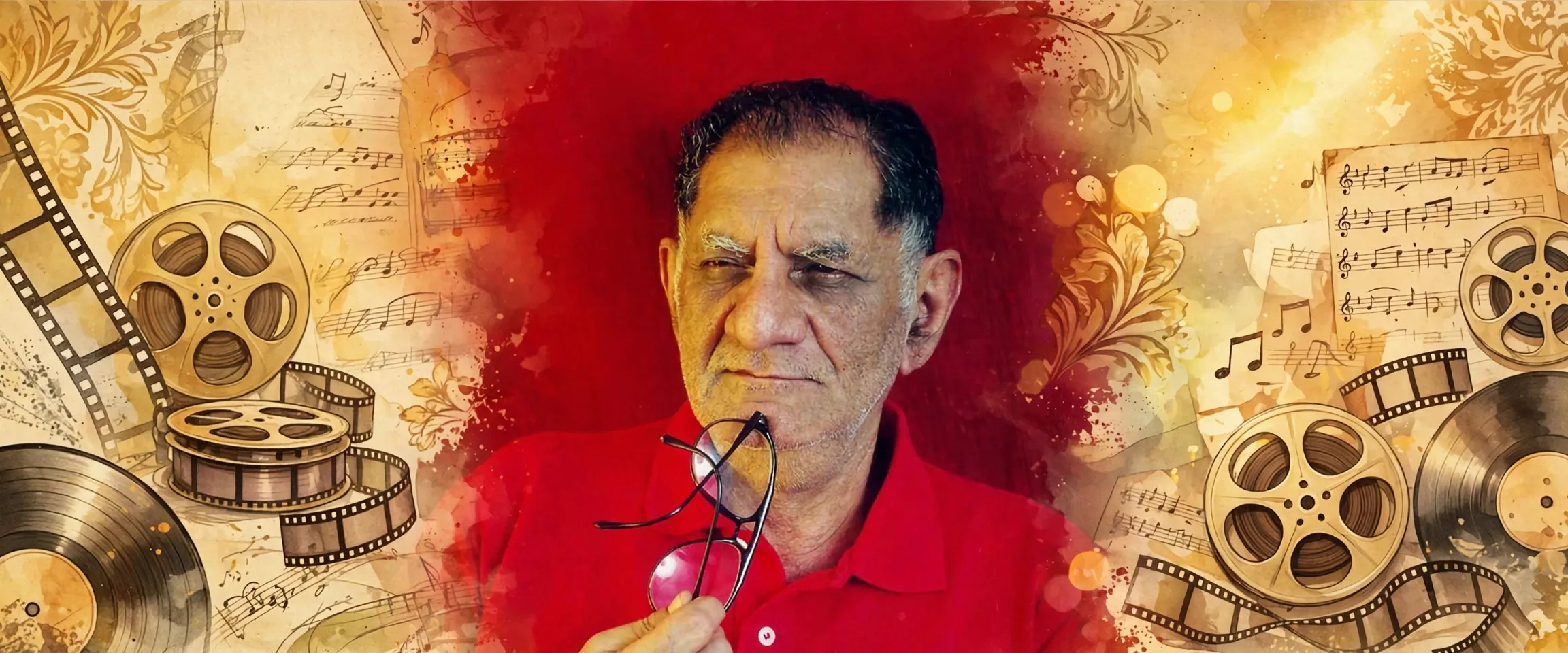
Anand Bakshi (21 July 1930 to 30 March 2002) was a Hindi film lyricist born in Rawalpindi in undivided Punjab, who lost his home city to Partition, served in the Navy and the Army, and became Hindi cinema's most prolific songwriter. Reported totals credit him with more than 3,000 songs in more than 600 films, including Amar Prem, Bobby, Sholay and Dilwale Dulhania Le Jayenge, and he won the Filmfare Award for Best Lyricist four times.
Life at a glance
- 1930Born Rawalpindi, Punjab, British India
- 1958First film Bhala Aadmi
- 1965Breakthrough Jab Jab Phool Khile
- 1967Breakthrough and Milan
- 2002Died Mumbai, Maharashtra (aged 71)
- Punjabi name
- ਆਨੰਦ ਬਖ਼ਸ਼ੀ
- Born
- 21 July 1930, Rawalpindi, Punjab, British India (now in Pakistan)
- Died
- 30 March 2002, Mumbai, Maharashtra (aged 71)
- Birth name
- Bakshi Anand Prakash Vaid
- Birthplace
- Rawalpindi
- District
- Rawalpindi
All 14 facts
- Tehsil
- Rawalpindi
- Region
- West Punjab
- Occupation
- Lyricist and poet; occasional playback singer
- First film
- Bhala Aadmi (1958), four songs
- Breakthrough
- Jab Jab Phool Khile (1965) and Milan (1967)
- Known works
- Amar Prem; Bobby; Sholay; Dilwale Dulhania Le Jayenge; Taal
- Honours
- Filmfare Award for Best Lyricist four times: Apnapan, Ek Duuje Ke Liye, Dilwale Dulhania Le Jayenge, Taal
- Family
- Wife Kamla Mohan Bakshi; sons Rajesh and Rakesh; daughters Suman Datt and Kavita Bali
Anand Bakshi (21 July 1930 to 30 March 2002) was a Hindi film lyricist born in Rawalpindi in undivided Punjab, whose plain everyday words carried songs in a reported 600 or more films, from Jab Jab Phool Khile, Milan and Amar Prem to Bobby, Sholay and Dilwale Dulhania Le Jayenge.
Early life: Rawalpindi, Partition and the services
Anand Bakshi was born Bakshi Anand Prakash Vaid on 21 July 1930 in Rawalpindi, in the Punjab Province of British India, now in Pakistan. He came from a Mohyal Brahmin family of the Vaid clan. His ancestors came from Kurree, near Rawalpindi, and had earlier roots in Kashmir, and the family world he grew up in was one of service families, soldiers and officials. He was an avid film fan as a boy and wrote poetry from his youth, though at first it stayed a private hobby rather than a plan for a living.
His road to Bombay was long and repeatedly broken. Desperate to reach the film city, he ran away from home and joined the Navy, hoping a ship would take him towards Bombay. The naval mutiny in Karachi ended that naval career. Then Partition cut his world in two: the family left Rawalpindi and reached Delhi on 2 October 1947, moving on to Pune and Meerut before settling finally in Delhi. The sources record a patchwork of work in those years: time in the Army, including the Corps of Signals in family accounts, a spell as a telephone operator, and work in Delhi with the EME as a motor mechanic. Through it all he kept writing, used his songs in programmes for fellow soldiers, and kept travelling to Bombay to try his luck in films.
What is Anand Bakshi best known for?
Anand Bakshi is best known as one of the most prolific lyricists in Hindi cinema, and as the writer who proved that the simplest spoken language could carry deep feeling. Totals for his output vary by source, so they are best stated as reported: Cinemaazi puts his work at more than 3,000 songs in more than 600 films, Filmfare at more than 3,500 songs in over 600 films, and Upperstall at lyrics for well more than 600 films. What no source disputes is the spread: hit songs in every decade from the 1960s to the start of the 2000s, written for more than one generation of composers, directors and stars.
His signature was clarity. Where some celebrated contemporaries wrote in a literary Urdu register, Bakshi wrote as people actually speak, and his best lines passed into everyday speech. Listeners still quote Sawan Ka Mahina from Milan, Chingari Koi Bhadke and Kuch To Log Kahenge from Amar Prem, Yeh Dosti from Sholay, Dum Maro Dum from Hare Rama Hare Krishna, Chitthi Aayi Hai from Naam, and Tujhe Dekha To from Dilwale Dulhania Le Jayenge, often without stopping to name the man who wrote them. Cinemaazi calls him the everyday philosopher: a songwriter whose plainest lines carried a whole view of life, loss, friendship and time passing.
First break and the long climb
Bakshi came to Hindi films hoping to sing and write, and found his opening as a writer first. A chance meeting with the actor Bhagwan led to work on Brij Mohan's film Bhala Aadmi, released in 1958, for which he wrote four songs for composer Nisar Bazmi and was paid 150 rupees. His first song in that film, Dharti Ke Laal Na Kar Itna Malaal, had been recorded on 9 November 1956. It was a break, but not yet a breakthrough: several years of small films and struggle followed before the industry began to take real notice.
The turn came in the 1960s. Mehendi Lagi Mere Haath in 1962, produced by Raj Kapoor with music by Kalyanji Anandji, first brought him success. Then Himalay Ki God Mein and Jab Jab Phool Khile, both in 1965 and both with Kalyanji Anandji, made his name with songs such as Pardesiyon Se Na Ankhiyan Milana and Yeh Sama Sama Hai Yeh Pyar Ka. Milan in 1967, starring Sunil Dutt, completed the climb: its songs were hummed across the country, and Bakshi's position as a leading lyricist was settled. In less than a decade he had gone from a refugee family's crowded new start in Delhi to the top of his trade.
Partnerships with composers, directors and stars
Two composing teams shaped his golden years. With Laxmikant Pyarelal he wrote for films including Farz, Do Raaste, Bobby, Amar Akbar Anthony and Ek Duuje Ke Liye. With R. D. Burman he wrote Kati Patang, Amar Prem and Hare Rama Hare Krishna, and Amar Prem remained a personal favourite, its song Chingari Koi Bhadke having begun as a poem that director Shakti Samanta heard him recite at a poets gathering and built a film situation around. He was also a favourite of leading directors: Raj Kapoor used him again for Satyam Shivam Sundaram, Subhash Ghai from Karz and Hero through Taal and Yaadein, and Yash Chopra for Chandni, Lamhe, Darr and Dil To Pagal Hai.
Stars mattered too. He was the preferred lyricist for Rajesh Khanna's films, and the Khanna, Burman and Kishore Kumar combination produced some of the most loved Hindi film music of the 1970s. Bakshi made a point of attending the recordings of his songs, and held that a lyric had to grow out of the story, the theme and the situation it was written for, whatever the period or the age of the audience. That discipline, fitting the words to the scene rather than showing off his own learning, is a large part of why directors kept returning to him for more than forty years.
A singer too, and a first chance for new voices
The singing ambition of his youth was not entirely left behind. In Mohan Kumar's Mom Ki Gudiya in 1972 he sang a duet, Baaghon Mein Bahaar Aayi, with Lata Mangeshkar, and a solo, Main Dhoondh Raha Tha Sapnon Mein, both composed by Laxmikant Pyarelal. He sang in four more films, including a qawwali, Chand Sa Koi Chehra, recorded for Sholay with Kishore Kumar, Manna Dey and Bhupinder, which was released on vinyl though it did not appear in the film itself, and songs in Maha Chor, Charas and Balika Badhu.
He also stood at the start of other careers. He wrote the first recorded songs of several actors who went on to become stars, and of singers including Shailendra Singh, Kumar Sanu and Kavita Krishnamurthy. A lyricist who had waited a decade for his own break became, in time, one of the safest pairs of hands with which a newcomer could be launched.
Honours, family and final years
Bakshi won the Filmfare Award for Best Lyricist four times: for Aadmi Musafir Hai from Apnapan, for Tere Mere Beech Mein from Ek Duuje Ke Liye, for Tujhe Dekha To Yeh Jaana Sanam from Dilwale Dulhania Le Jayenge, and for Ishq Bina from Taal. Upperstall records his nominations in the category at a staggering 40, a figure other accounts put slightly lower. He was married to Kamla Mohan Bakshi. The couple had two sons, Rajesh Bakshi and Rakesh Bakshi, and two daughters, Suman Datt and Kavita Bali. Rakesh later wrote his father's biography, Nagme, Kisse, Baatein, Yaadein: The Life and Lyrics of Anand Bakshi, preserving many of the stories behind the songs.
Late in life he suffered from heart and lung disease. In March 2002, during treatment at Nanavati Hospital in Mumbai for a minor heart procedure, he caught a bacterial infection, and he died of multiple organ failure on 30 March 2002, aged 71. His work kept reaching audiences after him: Mujhse Dosti Karoge was released in 2002, and the long delayed Mehbooba appeared in 2008 with his lyrics.
Legacy: the people's lyricist from Rawalpindi
His son Rakesh recalled that Bakshi rated one honour above industry awards: a letter from a listener who wrote that a line from the song Gadi Bula Rahi Hai in Dost, urging a despairing man not to end his life on the railway track, had stopped him and sent him home. That story captures his gift. His lines were short, his words were ordinary, and people carried them through the hardest passages of their own lives, at weddings, in separation, in exile and in grief.
For Punjab, his story has a particular shape. He was a son of Rawalpindi who lost his home city at seventeen to Partition, served in uniform, and rebuilt his life word by word in a new country. When he later wrote Chitthi Aayi Hai, the song of a letter from home that became an anthem for Indians living abroad, he was writing about a longing he knew at first hand. Filmfare notes that his son spoke of that loss of Rawalpindi as one of the deep marks on his life. The boy from Pindi who sold his dreams dearly ended by giving hundreds of millions of listeners the words for their own.
ਆਨੰਦ ਬਖ਼ਸ਼ੀ (21 ਜੁਲਾਈ 1930 ਤੋਂ 30 ਮਾਰਚ 2002) ਹਿੰਦੀ ਫ਼ਿਲਮਾਂ ਦੇ ਗੀਤਕਾਰ ਸਨ, ਜਿਨ੍ਹਾਂ ਦਾ ਜਨਮ ਅਣਵੰਡੇ ਪੰਜਾਬ ਦੇ ਰਾਵਲਪਿੰਡੀ ਵਿੱਚ ਹੋਇਆ ਅਤੇ ਜਿਨ੍ਹਾਂ ਦੇ ਸਾਦੇ, ਰੋਜ਼ਾਨਾ ਬੋਲੇ ਜਾਣ ਵਾਲੇ ਸ਼ਬਦਾਂ ਨੇ ਦੱਸੀਆਂ ਜਾਂਦੀਆਂ 600 ਤੋਂ ਵੱਧ ਫ਼ਿਲਮਾਂ ਦੇ ਗੀਤ ਚੁੱਕੇ, ਜਬ ਜਬ ਫੂਲ ਖਿਲੇ, ਮਿਲਨ ਅਤੇ ਅਮਰ ਪ੍ਰੇਮ ਤੋਂ ਲੈ ਕੇ ਬੌਬੀ, ਸ਼ੋਲੇਅ ਅਤੇ ਦਿਲਵਾਲੇ ਦੁਲਹਨੀਆ ਲੇ ਜਾਏਂਗੇ ਤੱਕ।
ਮੁੱਢਲਾ ਜੀવન: ਰਾਵਲਪਿੰਡੀ, ਵੰਡ ਅਤੇ ਫ਼ੌਜੀ ਨੌਕਰੀਆਂ
ਆਨੰਦ ਬਖ਼ਸ਼ੀ ਦਾ ਜਨਮ ਬਖ਼ਸ਼ੀ ਆਨੰਦ ਪ੍ਰਕਾਸ਼ ਵੈਦ ਨਾਂ ਨਾਲ 21 ਜੁਲਾਈ 1930 ਨੂੰ ਰਾਵਲਪਿੰਡੀ ਵਿੱਚ ਹੋਇਆ, ਜੋ ਉਦੋਂ ਬ੍ਰਿਟਿਸ਼ ਭਾਰਤ ਦੇ ਪੰਜਾਬ ਸੂਬੇ ਵਿੱਚ ਸੀ ਅਤੇ ਹੁਣ ਪਾਕਿਸਤਾਨ ਵਿੱਚ ਹੈ। ਉਹ ਵੈਦ ਗੋਤ ਦੇ ਮੋਹਿਆਲ ਬ੍ਰਾਹਮਣ ਪਰਿਵਾਰ ਤੋਂ ਸਨ। ਉਨ੍ਹਾਂ ਦੇ ਪੁਰਖੇ ਰਾਵਲਪਿੰਡੀ ਨੇੜਲੇ ਕੁੜੀ ਤੋਂ ਸਨ ਅਤੇ ਉਨ੍ਹਾਂ ਦੀਆਂ ਪੁਰਾਣੀਆਂ ਜੜ੍ਹਾਂ ਕਸ਼ਮੀਰ ਵਿੱਚ ਸਨ, ਅਤੇ ਜਿਸ ਪਰਿਵਾਰਕ ਸੰਸਾਰ ਵਿੱਚ ਉਹ ਵੱਡੇ ਹੋਏ, ਉਹ ਨੌਕਰੀ ਵਾਲੇ ਪਰਿਵਾਰਾਂ, ਸਿਪਾਹੀਆਂ ਅਤੇ ਅਫ਼ਸਰਾਂ ਦਾ ਸੀ। ਬਚਪਨ ਤੋਂ ਹੀ ਉਹ ਫ਼ਿਲਮਾਂ ਦੇ ਸ਼ੌਕੀਨ ਸਨ ਅਤੇ ਜਵਾਨੀ ਤੋਂ ਕਵਿਤਾ ਲਿਖਦੇ ਸਨ, ਪਰ ਪਹਿਲਾਂ ਇਹ ਸਿਰਫ਼ ਇੱਕ ਨਿੱਜੀ ਸ਼ੌਕ ਸੀ, ਰੋਜ਼ੀ ਰੋਟੀ ਦੀ ਯੋਜਨਾ ਨਹੀਂ।
ਬੰਬਈ ਤੱਕ ਉਨ੍ਹਾਂ ਦਾ ਰਾਹ ਲੰਬਾ ਸੀ ਅਤੇ ਵਾਰ ਵਾਰ ਟੁੱਟਦਾ ਰਿਹਾ। ਫ਼ਿਲਮੀ ਸ਼ਹਿਰ ਪਹੁੰਚਣ ਦੀ ਤਾਂਘ ਵਿੱਚ ਉਹ ਘਰੋਂ ਭੱਜ ਗਏ ਅਤੇ ਜਲ ਸੈਨਾ ਵਿੱਚ ਭਰਤੀ ਹੋ ਗਏ, ਇਸ ਉਮੀਦ ਨਾਲ ਕਿ ਕੋਈ ਜਹਾਜ਼ ਉਨ੍ਹਾਂ ਨੂੰ ਬੰਬਈ ਵੱਲ ਲੈ ਜਾਵੇਗਾ। ਕਰਾਚੀ ਵਿੱਚ ਜਲ ਸੈਨਾ ਦੀ ਬਗ਼ਾਵਤ ਨੇ ਉਹ ਨੌਕਰੀ ਖ਼ਤਮ ਕਰ ਦਿੱਤੀ। ਫਿਰ ਵੰਡ ਨੇ ਉਨ੍ਹਾਂ ਦੇ ਸੰਸਾਰ ਨੂੰ ਦੋ ਹਿੱਸਿਆਂ ਵਿੱਚ ਕੱਟ ਦਿੱਤਾ: ਪਰਿਵਾਰ ਰਾਵਲਪਿੰਡੀ ਛੱਡ ਕੇ 2 ਅਕਤੂਬਰ 1947 ਨੂੰ ਦਿੱਲੀ ਪਹੁੰਚਿਆ, ਅਤੇ ਪੂਨਾ ਅਤੇ ਮੇਰਠ ਹੁੰਦਾ ਹੋਇਆ ਅਖ਼ੀਰ ਦਿੱਲੀ ਵਿੱਚ ਵਸ ਗਿਆ। ਸਰੋਤ ਉਨ੍ਹਾਂ ਸਾਲਾਂ ਦੇ ਕੰਮਾਂ ਦੀ ਇੱਕ ਮਿਲੀ ਜੁਲੀ ਤਸਵੀਰ ਦਿੰਦੇ ਹਨ: ਫ਼ੌਜ ਵਿੱਚ ਸਮਾਂ, ਜਿਸ ਵਿੱਚ ਪਰਿਵਾਰਕ ਵੇਰਵਿਆਂ ਅਨੁਸਾਰ ਸਿਗਨਲ ਕੋਰ ਵੀ ਸ਼ਾਮਲ ਸੀ, ਕੁਝ ਸਮਾਂ ਟੈਲੀਫ਼ੋਨ ਓਪਰੇਟਰ ਵਜੋਂ, ਅਤੇ ਦਿੱਲੀ ਵਿੱਚ ਈ.ਐੱਮ.ਈ. ਨਾਲ ਮੋਟਰ ਮਕੈਨਿਕ ਵਜੋਂ ਕੰਮ। ਇਸ ਸਭ ਦੌਰਾਨ ਉਹ ਲਿਖਦੇ ਰਹੇ, ਸਾਥੀ ਸਿਪਾਹੀਆਂ ਦੇ ਪ੍ਰੋਗਰਾਮਾਂ ਵਿੱਚ ਆਪਣੇ ਗੀਤ ਵਰਤਦੇ ਰਹੇ, ਅਤੇ ਫ਼ਿਲਮਾਂ ਵਿੱਚ ਕਿਸਮਤ ਅਜ਼ਮਾਉਣ ਲਈ ਬੰਬਈ ਜਾਂਦੇ ਰਹੇ।
ਆਨੰਦ ਬਖ਼ਸ਼ੀ ਕਿਸ ਲਈ ਸਭ ਤੋਂ ਵੱਧ ਜਾਣੇ ਜਾਂਦੇ ਹਨ?
ਆਨੰਦ ਬਖ਼ਸ਼ੀ ਸਭ ਤੋਂ ਵੱਧ ਹਿੰਦੀ ਸਿਨੇਮਾ ਦੇ ਸਭ ਤੋਂ ਵੱਧ ਲਿਖਣ ਵਾਲੇ ਗੀਤਕਾਰਾਂ ਵਿੱਚੋਂ ਇੱਕ ਵਜੋਂ ਜਾਣੇ ਜਾਂਦੇ ਹਨ, ਅਤੇ ਉਸ ਲੇਖਕ ਵਜੋਂ, ਜਿਸ ਨੇ ਸਾਬਤ ਕੀਤਾ ਕਿ ਸਭ ਤੋਂ ਸਾਦੀ ਬੋਲੀ ਵਾਲੀ ਭਾਸ਼ਾ ਵੀ ਡੂੰਘੀ ਭਾਵਨਾ ਚੁੱਕ ਸਕਦੀ ਹੈ। ਉਨ੍ਹਾਂ ਦੇ ਕੰਮ ਦੇ ਅੰਕੜੇ ਹਰ ਸਰੋਤ ਵਿੱਚ ਵੱਖ ਵੱਖ ਹਨ, ਇਸ ਲਈ ਉਨ੍ਹਾਂ ਨੂੰ ਦੱਸੇ ਗਏ ਅੰਕੜਿਆਂ ਵਜੋਂ ਹੀ ਕਹਿਣਾ ਠੀਕ ਹੈ: ਸਿਨੇਮਾਜ਼ੀ ਉਨ੍ਹਾਂ ਦਾ ਕੰਮ 600 ਤੋਂ ਵੱਧ ਫ਼ਿਲਮਾਂ ਵਿੱਚ 3,000 ਤੋਂ ਵੱਧ ਗੀਤ ਦੱਸਦਾ ਹੈ, ਫ਼ਿਲਮਫ਼ੇਅਰ 600 ਤੋਂ ਵੱਧ ਫ਼ਿਲਮਾਂ ਵਿੱਚ 3,500 ਤੋਂ ਵੱਧ ਗੀਤ, ਅਤੇ ਅਪਰਸਟਾਲ 600 ਤੋਂ ਕਿਤੇ ਵੱਧ ਫ਼ਿਲਮਾਂ ਦੇ ਗੀਤ। ਜਿਸ ਗੱਲ ਬਾਰੇ ਕਿਸੇ ਸਰੋਤ ਵਿੱਚ ਕੋਈ ਵਿਵਾਦ ਨਹੀਂ, ਉਹ ਫੈਲਾਅ ਹੈ: 1960ਵਿਆਂ ਤੋਂ ਲੈ ਕੇ 2000ਵਿਆਂ ਦੀ ਸ਼ੁਰੂਆਤ ਤੱਕ ਹਰ ਦਹਾਕੇ ਵਿੱਚ ਹਿੱਟ ਗੀਤ, ਜੋ ਸੰਗੀਤਕਾਰਾਂ, ਨਿਰਦੇਸ਼ਕਾਂ ਅਤੇ ਸਿਤਾਰਿਆਂ ਦੀ ਇੱਕ ਤੋਂ ਵੱਧ ਪੀੜ੍ਹੀ ਲਈ ਲਿਖੇ ਗਏ।
ਉਨ੍ਹਾਂ ਦੀ ਪਛਾਣ ਸਪੱਸ਼ਟਤਾ ਸੀ। ਜਿੱਥੇ ਕੁਝ ਮਸ਼ਹੂਰ ਸਮਕਾਲੀ ਸਾਹਿਤਕ ਉਰਦੂ ਰੰਗ ਵਿੱਚ ਲਿਖਦੇ ਸਨ, ਬਖ਼ਸ਼ੀ ਉਵੇਂ ਲਿਖਦੇ ਸਨ, ਜਿਵੇਂ ਲੋਕ ਅਸਲ ਵਿੱਚ ਬੋਲਦੇ ਹਨ, ਅਤੇ ਉਨ੍ਹਾਂ ਦੀਆਂ ਸਭ ਤੋਂ ਵਧੀਆ ਸਤਰਾਂ ਰੋਜ਼ਾਨਾ ਬੋਲਚਾਲ ਵਿੱਚ ਰਲ ਗਈਆਂ। ਸੁਣਨ ਵਾਲੇ ਅਜੇ ਵੀ ਮਿਲਨ ਦਾ ਸਾਵਨ ਕਾ ਮਹੀਨਾ, ਅਮਰ ਪ੍ਰੇਮ ਦੇ ਚਿੰਗਾਰੀ ਕੋਈ ਭੜਕੇ ਅਤੇ ਕੁਛ ਤੋ ਲੋਗ ਕਹੇਂਗੇ, ਸ਼ੋਲੇਅ ਦਾ ਯੇ ਦੋਸਤੀ, ਹਰੇ ਰਾਮਾ ਹਰੇ ਕ੍ਰਿਸ਼ਨਾ ਦਾ ਦਮ ਮਾਰੋ ਦਮ, ਨਾਮ ਦਾ ਚਿੱਠੀ ਆਈ ਹੈ, ਅਤੇ ਦਿਲਵਾਲੇ ਦੁਲਹਨੀਆ ਲੇ ਜਾਏਂਗੇ ਦਾ ਤੁਝੇ ਦੇਖਾ ਤੋ ਦੁਹਰਾਉਂਦੇ ਹਨ, ਅਕਸਰ ਉਸ ਮਨੁੱਖ ਦਾ ਨਾਂ ਲਏ ਬਿਨਾਂ, ਜਿਸ ਨੇ ਇਹ ਲਿਖੇ ਸਨ। ਸਿਨੇਮਾਜ਼ੀ ਉਨ੍ਹਾਂ ਨੂੰ ਰੋਜ਼ਾਨਾ ਜੀਵਨ ਦਾ ਦਾਰਸ਼ਨਿਕ ਕਹਿੰਦਾ ਹੈ: ਇੱਕ ਗੀਤਕਾਰ, ਜਿਸ ਦੀਆਂ ਸਭ ਤੋਂ ਸਾਦੀਆਂ ਸਤਰਾਂ ਵਿੱਚ ਜੀਵਨ, ਵਿਛੋੜੇ, ਦੋਸਤੀ ਅਤੇ ਬੀਤਦੇ ਸਮੇਂ ਬਾਰੇ ਪੂਰਾ ਨਜ਼ਰੀਆ ਸੀ।
ਪਹਿਲਾ ਮੌਕਾ ਅਤੇ ਲੰਬੀ ਚੜ੍ਹਾਈ
ਬਖ਼ਸ਼ੀ ਹਿੰਦੀ ਫ਼ਿਲਮਾਂ ਵਿੱਚ ਗਾਉਣ ਅਤੇ ਲਿਖਣ ਦੀ ਉਮੀਦ ਨਾਲ ਆਏ, ਅਤੇ ਉਨ੍ਹਾਂ ਨੂੰ ਪਹਿਲਾ ਮੌਕਾ ਲੇਖਕ ਵਜੋਂ ਮਿਲਿਆ। ਅਦਾਕਾਰ ਭਗਵਾਨ ਨਾਲ ਅਚਾਨਕ ਮੁਲਾਕਾਤ ਤੋਂ ਬ੍ਰਿਜ ਮੋਹਨ ਦੀ ਫ਼ਿਲਮ ਭਲਾ ਆਦਮੀ ਵਿੱਚ ਕੰਮ ਮਿਲਿਆ, ਜੋ 1958 ਵਿੱਚ ਆਈ, ਜਿਸ ਲਈ ਉਨ੍ਹਾਂ ਨੇ ਸੰਗੀਤਕਾਰ ਨਿਸਾਰ ਬਾਜ਼ਮੀ ਲਈ ਚਾਰ ਗੀਤ ਲਿਖੇ ਅਤੇ ਉਨ੍ਹਾਂ ਨੂੰ 150 ਰੁਪਏ ਮਿਲੇ। ਉਸ ਫ਼ਿਲਮ ਵਿੱਚ ਉਨ੍ਹਾਂ ਦਾ ਪਹਿਲਾ ਗੀਤ, ਧਰਤੀ ਕੇ ਲਾਲ ਨਾ ਕਰ ਇਤਨਾ ਮਲਾਲ, 9 ਨਵੰਬਰ 1956 ਨੂੰ ਰਿਕਾਰਡ ਹੋ ਚੁੱਕਾ ਸੀ। ਇਹ ਇੱਕ ਮੌਕਾ ਸੀ, ਪਰ ਅਜੇ ਸਫ਼ਲਤਾ ਨਹੀਂ: ਕਈ ਸਾਲ ਛੋਟੀਆਂ ਫ਼ਿਲਮਾਂ ਅਤੇ ਸੰਘਰਸ਼ ਦੇ ਗਏ, ਜਿਸ ਤੋਂ ਬਾਅਦ ਹੀ ਫ਼ਿਲਮੀ ਦੁਨੀਆ ਨੇ ਉਨ੍ਹਾਂ ਵੱਲ ਅਸਲ ਧਿਆਨ ਦੇਣਾ ਸ਼ੁਰੂ ਕੀਤਾ।
ਮੋੜ 1960ਵਿਆਂ ਵਿੱਚ ਆਇਆ। 1962 ਵਿੱਚ ਮੇਹੰਦੀ ਲਗੀ ਮੇਰੇ ਹਾਥ, ਜਿਸ ਦੇ ਨਿਰਮਾਤਾ ਰਾਜ ਕਪੂਰ ਸਨ ਅਤੇ ਸੰਗੀਤ ਕਲਿਆਣਜੀ ਆਨੰਦਜੀ ਦਾ ਸੀ, ਨੇ ਉਨ੍ਹਾਂ ਨੂੰ ਪਹਿਲੀ ਸਫ਼ਲਤਾ ਦਿੱਤੀ। ਫਿਰ 1965 ਵਿੱਚ ਹਿਮਾਲੇ ਕੀ ਗੋਦ ਮੇਂ ਅਤੇ ਜਬ ਜਬ ਫੂਲ ਖਿਲੇ, ਦੋਵੇਂ ਕਲਿਆਣਜੀ ਆਨੰਦਜੀ ਦੇ ਸੰਗੀਤ ਨਾਲ, ਨੇ ਪਰਦੇਸੀਓਂ ਸੇ ਨਾ ਅੰਖੀਆਂ ਮਿਲਾਨਾ ਅਤੇ ਯੇ ਸਮਾ ਸਮਾ ਹੈ ਯੇ ਪਿਆਰ ਕਾ ਵਰਗੇ ਗੀਤਾਂ ਨਾਲ ਉਨ੍ਹਾਂ ਦਾ ਨਾਂ ਬਣਾਇਆ। 1967 ਵਿੱਚ ਸੁਨੀਲ ਦੱਤ ਦੀ ਮਿਲਨ ਨੇ ਚੜ੍ਹਾਈ ਪੂਰੀ ਕਰ ਦਿੱਤੀ: ਉਸ ਦੇ ਗੀਤ ਸਾਰੇ ਦੇਸ਼ ਵਿੱਚ ਗੁਣਗੁਣਾਏ ਗਏ, ਅਤੇ ਮੋਹਰੀ ਗੀਤਕਾਰ ਵਜੋਂ ਬਖ਼ਸ਼ੀ ਦੀ ਥਾਂ ਪੱਕੀ ਹੋ ਗਈ। ਇੱਕ ਦਹਾਕੇ ਤੋਂ ਵੀ ਘੱਟ ਸਮੇਂ ਵਿੱਚ ਉਹ ਦਿੱਲੀ ਵਿੱਚ ਇੱਕ ਸ਼ਰਨਾਰਥੀ ਪਰਿਵਾਰ ਦੀ ਭੀੜੀ ਨਵੀਂ ਸ਼ੁਰੂਆਤ ਤੋਂ ਆਪਣੇ ਪੇਸ਼ੇ ਦੀ ਚੋਟੀ ਉੱਤੇ ਪਹੁੰਚ ਗਏ ਸਨ।
ਸੰਗੀਤਕਾਰਾਂ, ਨਿਰਦੇਸ਼ਕਾਂ ਅਤੇ ਸਿਤਾਰਿਆਂ ਨਾਲ ਸਾਂਝ
ਦੋ ਸੰਗੀਤਕਾਰ ਜੋੜੀਆਂ ਨੇ ਉਨ੍ਹਾਂ ਦੇ ਸੁਨਹਿਰੀ ਸਾਲ ਘੜੇ। ਲਕਸ਼ਮੀਕਾਂਤ ਪਿਆਰੇਲਾਲ ਨਾਲ ਉਨ੍ਹਾਂ ਨੇ ਫ਼ਰਜ਼, ਦੋ ਰਾਸਤੇ, ਬੌਬੀ, ਅਮਰ ਅਕਬਰ ਐਂਥਨੀ ਅਤੇ ਇੱਕ ਦੂਜੇ ਕੇ ਲੀਏ ਵਰਗੀਆਂ ਫ਼ਿਲਮਾਂ ਲਈ ਲਿਖਿਆ। ਆਰ. ਡੀ. ਬਰਮਨ ਨਾਲ ਉਨ੍ਹਾਂ ਨੇ ਕਟੀ ਪਤੰਗ, ਅਮਰ ਪ੍ਰੇਮ ਅਤੇ ਹਰੇ ਰਾਮਾ ਹਰੇ ਕ੍ਰਿਸ਼ਨਾ ਲਿਖੀਆਂ, ਅਤੇ ਅਮਰ ਪ੍ਰੇਮ ਉਨ੍ਹਾਂ ਦੀ ਨਿੱਜੀ ਪਸੰਦ ਰਹੀ, ਜਿਸ ਦਾ ਗੀਤ ਚਿੰਗਾਰੀ ਕੋਈ ਭੜਕੇ ਇੱਕ ਕਵਿਤਾ ਵਜੋਂ ਸ਼ੁਰੂ ਹੋਇਆ ਸੀ, ਜਿਸ ਨੂੰ ਨਿਰਦੇਸ਼ਕ ਸ਼ਕਤੀ ਸਮੰਤਾ ਨੇ ਕਵੀਆਂ ਦੀ ਇੱਕ ਮਹਿਫ਼ਲ ਵਿੱਚ ਉਨ੍ਹਾਂ ਤੋਂ ਸੁਣਿਆ ਅਤੇ ਉਸ ਦੇ ਆਲੇ ਦੁਆਲੇ ਫ਼ਿਲਮ ਦਾ ਇੱਕ ਦ੍ਰਿਸ਼ ਬਣਾਇਆ। ਉਹ ਮੋਹਰੀ ਨਿਰਦੇਸ਼ਕਾਂ ਦੇ ਵੀ ਪਸੰਦੀਦਾ ਸਨ: ਰਾਜ ਕਪੂਰ ਨੇ ਉਨ੍ਹਾਂ ਨੂੰ ਫਿਰ ਸੱਤਯਮ ਸ਼ਿਵਮ ਸੁੰਦਰਮ ਲਈ ਵਰਤਿਆ, ਸੁਭਾਸ਼ ਘਈ ਨੇ ਕਰਜ਼ ਅਤੇ ਹੀਰੋ ਤੋਂ ਲੈ ਕੇ ਤਾਲ ਅਤੇ ਯਾਦੇਂ ਤੱਕ, ਅਤੇ ਯਸ਼ ਚੋਪੜਾ ਨੇ ਚਾਂਦਨੀ, ਲਮਹੇ, ਡਰ ਅਤੇ ਦਿਲ ਤੋ ਪਾਗਲ ਹੈ ਲਈ।
ਸਿਤਾਰਿਆਂ ਦਾ ਵੀ ਮਹੱਤਵ ਸੀ। ਉਹ ਰਾਜੇਸ਼ ਖੰਨਾ ਦੀਆਂ ਫ਼ਿਲਮਾਂ ਲਈ ਪਸੰਦੀਦਾ ਗੀਤਕਾਰ ਸਨ, ਅਤੇ ਖੰਨਾ, ਬਰਮਨ ਅਤੇ ਕਿਸ਼ੋਰ ਕੁਮਾਰ ਦੀ ਜੋੜੀ ਨੇ 1970ਵਿਆਂ ਦੇ ਸਭ ਤੋਂ ਪਿਆਰੇ ਹਿੰਦੀ ਫ਼ਿਲਮੀ ਸੰਗੀਤ ਵਿੱਚੋਂ ਕੁਝ ਦਿੱਤਾ। ਬਖ਼ਸ਼ੀ ਆਪਣੇ ਗੀਤਾਂ ਦੀਆਂ ਰਿਕਾਰਡਿੰਗਾਂ ਵਿੱਚ ਸ਼ਾਮਲ ਹੋਣ ਦਾ ਖ਼ਾਸ ਧਿਆਨ ਰੱਖਦੇ ਸਨ, ਅਤੇ ਮੰਨਦੇ ਸਨ ਕਿ ਗੀਤ ਨੂੰ ਉਸ ਕਹਾਣੀ, ਵਿਸ਼ੇ ਅਤੇ ਹਾਲਤ ਵਿੱਚੋਂ ਉੱਗਣਾ ਚਾਹੀਦਾ ਹੈ, ਜਿਸ ਲਈ ਉਹ ਲਿਖਿਆ ਗਿਆ ਹੈ, ਭਾਵੇਂ ਸਮਾਂ ਕੋਈ ਵੀ ਹੋਵੇ ਅਤੇ ਸੁਣਨ ਵਾਲਿਆਂ ਦੀ ਉਮਰ ਕੋਈ ਵੀ। ਇਹੋ ਅਨੁਸ਼ਾਸਨ, ਆਪਣੀ ਵਿਦਵਤਾ ਦਿਖਾਉਣ ਦੀ ਥਾਂ ਸ਼ਬਦਾਂ ਨੂੰ ਦ੍ਰਿਸ਼ ਮੁਤਾਬਕ ਢਾਲਣਾ, ਇਸ ਗੱਲ ਦਾ ਵੱਡਾ ਕਾਰਨ ਹੈ ਕਿ ਨਿਰਦੇਸ਼ਕ ਚਾਲੀ ਸਾਲਾਂ ਤੋਂ ਵੱਧ ਉਨ੍ਹਾਂ ਕੋਲ ਮੁੜ ਮੁੜ ਆਉਂਦੇ ਰਹੇ।
ਗਾਇਕ ਵੀ, ਅਤੇ ਨਵੀਆਂ ਆਵਾਜ਼ਾਂ ਲਈ ਪਹਿਲਾ ਮੌਕਾ
ਉਨ੍ਹਾਂ ਦੀ ਜਵਾਨੀ ਦੀ ਗਾਉਣ ਵਾਲੀ ਇੱਛਾ ਪੂਰੀ ਤਰ੍ਹਾਂ ਪਿੱਛੇ ਨਹੀਂ ਰਹੀ। 1972 ਵਿੱਚ ਮੋਹਨ ਕੁਮਾਰ ਦੀ ਮੋਮ ਕੀ ਗੁੜੀਆ ਵਿੱਚ ਉਨ੍ਹਾਂ ਨੇ ਲਤਾ ਮੰਗੇਸ਼ਕਰ ਨਾਲ ਇੱਕ ਜੁਗਲ ਗੀਤ, ਬਾਗ਼ੋਂ ਮੇਂ ਬਹਾਰ ਆਈ, ਅਤੇ ਇੱਕ ਇਕੱਲਾ ਗੀਤ, ਮੈਂ ਢੂੰਡ ਰਹਾ ਥਾ ਸਪਨੋਂ ਮੇਂ, ਗਾਇਆ, ਦੋਵੇਂ ਲਕਸ਼ਮੀਕਾਂਤ ਪਿਆਰੇਲਾਲ ਦੇ ਸੰਗੀਤ ਵਿੱਚ। ਉਨ੍ਹਾਂ ਨੇ ਚਾਰ ਹੋਰ ਫ਼ਿਲਮਾਂ ਵਿੱਚ ਗਾਇਆ, ਜਿਨ੍ਹਾਂ ਵਿੱਚ ਸ਼ੋਲੇਅ ਲਈ ਕਿਸ਼ੋਰ ਕੁਮਾਰ, ਮੰਨਾ ਡੇ ਅਤੇ ਭੁਪਿੰਦਰ ਨਾਲ ਰਿਕਾਰਡ ਕੀਤੀ ਇੱਕ ਕੱਵਾਲੀ, ਚਾਂਦ ਸਾ ਕੋਈ ਚੇਹਰਾ, ਵੀ ਸ਼ਾਮਲ ਸੀ, ਜੋ ਵਿਨਾਇਲ ਉੱਤੇ ਆਈ, ਪਰ ਫ਼ਿਲਮ ਵਿੱਚ ਆਪ ਨਹੀਂ ਆਈ, ਅਤੇ ਮਹਾ ਚੋਰ, ਚਰਸ ਅਤੇ ਬਾਲਿਕਾ ਬਧੂ ਦੇ ਗੀਤ ਵੀ।
ਉਹ ਹੋਰਨਾਂ ਦੇ ਕੰਮ ਦੀ ਸ਼ੁਰੂਆਤ ਵਿੱਚ ਵੀ ਖੜ੍ਹੇ ਰਹੇ। ਉਨ੍ਹਾਂ ਨੇ ਕਈ ਅਦਾਕਾਰਾਂ ਦੇ ਪਹਿਲੇ ਰਿਕਾਰਡ ਕੀਤੇ ਗੀਤ ਲਿਖੇ, ਜੋ ਮਗਰੋਂ ਸਿਤਾਰੇ ਬਣੇ, ਅਤੇ ਸ਼ੈਲੇਂਦਰ ਸਿੰਘ, ਕੁਮਾਰ ਸਾਨੂ ਅਤੇ ਕਵਿਤਾ ਕ੍ਰਿਸ਼ਨਮੂਰਤੀ ਵਰਗੇ ਗਾਇਕਾਂ ਦੇ ਵੀ। ਇੱਕ ਗੀਤਕਾਰ, ਜਿਸ ਨੇ ਆਪਣੇ ਮੌਕੇ ਲਈ ਇੱਕ ਦਹਾਕਾ ਉਡੀਕ ਕੀਤੀ ਸੀ, ਸਮੇਂ ਨਾਲ ਉਨ੍ਹਾਂ ਸਭ ਤੋਂ ਭਰੋਸੇਮੰਦ ਹੱਥਾਂ ਵਿੱਚੋਂ ਇੱਕ ਬਣ ਗਿਆ, ਜਿਨ੍ਹਾਂ ਨਾਲ ਕਿਸੇ ਨਵੇਂ ਕਲਾਕਾਰ ਨੂੰ ਸ਼ੁਰੂ ਕੀਤਾ ਜਾ ਸਕਦਾ ਸੀ।
ਸਨਮਾਨ, ਪਰਿਵਾਰ ਅਤੇ ਆਖ਼ਰੀ ਸਾਲ
ਬਖ਼ਸ਼ੀ ਨੇ ਸਭ ਤੋਂ ਵਧੀਆ ਗੀਤਕਾਰ ਦਾ ਫ਼ਿਲਮਫ਼ੇਅਰ ਪੁਰਸਕਾਰ ਚਾਰ ਵਾਰ ਜਿੱਤਿਆ: ਅਪਨਾਪਨ ਦੇ ਆਦਮੀ ਮੁਸਾਫ਼ਿਰ ਹੈ ਲਈ, ਇੱਕ ਦੂਜੇ ਕੇ ਲੀਏ ਦੇ ਤੇਰੇ ਮੇਰੇ ਬੀਚ ਮੇਂ ਲਈ, ਦਿਲਵਾਲੇ ਦੁਲਹਨੀਆ ਲੇ ਜਾਏਂਗੇ ਦੇ ਤੁਝੇ ਦੇਖਾ ਤੋ ਯੇ ਜਾਨਾ ਸਨਮ ਲਈ, ਅਤੇ ਤਾਲ ਦੇ ਇਸ਼ਕ ਬਿਨਾ ਲਈ। ਅਪਰਸਟਾਲ ਇਸ ਸ਼੍ਰੇਣੀ ਵਿੱਚ ਉਨ੍ਹਾਂ ਦੀਆਂ ਨਾਮਜ਼ਦਗੀਆਂ 40 ਦੱਸਦਾ ਹੈ, ਇੱਕ ਅੰਕੜਾ ਜੋ ਹੋਰ ਵੇਰਵੇ ਕੁਝ ਘੱਟ ਦੱਸਦੇ ਹਨ। ਉਨ੍ਹਾਂ ਦਾ ਵਿਆਹ ਕਮਲਾ ਮੋਹਨ ਬਖ਼ਸ਼ੀ ਨਾਲ ਹੋਇਆ ਸੀ। ਇਸ ਜੋੜੇ ਦੇ ਦੋ ਪੁੱਤਰ, ਰਾਜੇਸ਼ ਬਖ਼ਸ਼ੀ ਅਤੇ ਰਾਕੇਸ਼ ਬਖ਼ਸ਼ੀ, ਅਤੇ ਦੋ ਧੀਆਂ, ਸੁਮਨ ਦੱਤ ਅਤੇ ਕਵਿਤਾ ਬਾਲੀ, ਹੋਏ। ਰਾਕੇਸ਼ ਨੇ ਮਗਰੋਂ ਆਪਣੇ ਪਿਤਾ ਦੀ ਜੀਵਨੀ, ਨਗ਼ਮੇ, ਕਿੱਸੇ, ਬਾਤੇਂ, ਯਾਦੇਂ: ਦ ਲਾਈਫ਼ ਐਂਡ ਲਿਰਿਕਸ ਆਫ਼ ਆਨੰਦ ਬਖ਼ਸ਼ੀ, ਲਿਖੀ, ਜਿਸ ਵਿੱਚ ਗੀਤਾਂ ਪਿੱਛੇ ਦੀਆਂ ਕਈ ਕਹਾਣੀਆਂ ਸਾਂਭੀਆਂ ਗਈਆਂ।
ਆਖ਼ਰੀ ਉਮਰ ਵਿੱਚ ਉਹ ਦਿਲ ਅਤੇ ਫੇਫੜਿਆਂ ਦੀ ਬਿਮਾਰੀ ਤੋਂ ਪੀੜਤ ਸਨ। ਮਾਰਚ 2002 ਵਿੱਚ, ਮੁੰਬਈ ਦੇ ਨਾਨਾਵਤੀ ਹਸਪਤਾਲ ਵਿੱਚ ਦਿਲ ਦੇ ਇੱਕ ਛੋਟੇ ਇਲਾਜ ਦੌਰਾਨ, ਉਨ੍ਹਾਂ ਨੂੰ ਇੱਕ ਬੈਕਟੀਰੀਆ ਦੀ ਲਾਗ ਲੱਗ ਗਈ, ਅਤੇ 30 ਮਾਰਚ 2002 ਨੂੰ ਕਈ ਅੰਗਾਂ ਦੇ ਫੇਲ੍ਹ ਹੋਣ ਨਾਲ ਉਨ੍ਹਾਂ ਦੀ ਮੌਤ ਹੋ ਗਈ, ਉਮਰ 71 ਸਾਲ ਸੀ। ਉਨ੍ਹਾਂ ਦਾ ਕੰਮ ਉਨ੍ਹਾਂ ਤੋਂ ਬਾਅਦ ਵੀ ਦਰਸ਼ਕਾਂ ਤੱਕ ਪਹੁੰਚਦਾ ਰਿਹਾ: ਮੁਝਸੇ ਦੋਸਤੀ ਕਰੋਗੇ 2002 ਵਿੱਚ ਆਈ, ਅਤੇ ਲੰਬੇ ਸਮੇਂ ਤੋਂ ਰੁਕੀ ਮਹਿਬੂਬਾ 2008 ਵਿੱਚ ਉਨ੍ਹਾਂ ਦੇ ਗੀਤਾਂ ਨਾਲ ਆਈ।
ਵਿਰਾਸਤ: ਰਾਵਲਪਿੰਡੀ ਦਾ ਲੋਕ ਗੀਤਕਾਰ
ਉਨ੍ਹਾਂ ਦੇ ਪੁੱਤਰ ਰਾਕੇਸ਼ ਨੇ ਯਾਦ ਕੀਤਾ ਕਿ ਬਖ਼ਸ਼ੀ ਫ਼ਿਲਮੀ ਪੁਰਸਕਾਰਾਂ ਤੋਂ ਉੱਤੇ ਇੱਕ ਸਨਮਾਨ ਨੂੰ ਰੱਖਦੇ ਸਨ: ਇੱਕ ਸੁਣਨ ਵਾਲੇ ਦੀ ਚਿੱਠੀ, ਜਿਸ ਨੇ ਲਿਖਿਆ ਸੀ ਕਿ ਦੋਸਤ ਦੇ ਗੀਤ ਗਾਡੀ ਬੁਲਾ ਰਹੀ ਹੈ ਦੀ ਇੱਕ ਸਤਰ, ਜੋ ਇੱਕ ਨਿਰਾਸ਼ ਮਨੁੱਖ ਨੂੰ ਰੇਲ ਪਟੜੀ ਉੱਤੇ ਆਪਣੀ ਜਾਨ ਨਾ ਦੇਣ ਲਈ ਕਹਿੰਦੀ ਸੀ, ਨੇ ਉਸ ਨੂੰ ਰੋਕ ਦਿੱਤਾ ਅਤੇ ਘਰ ਵਾਪਸ ਭੇਜ ਦਿੱਤਾ। ਇਹ ਕਹਾਣੀ ਉਨ੍ਹਾਂ ਦੀ ਖ਼ੂਬੀ ਨੂੰ ਸਮੇਟਦੀ ਹੈ। ਉਨ੍ਹਾਂ ਦੀਆਂ ਸਤਰਾਂ ਛੋਟੀਆਂ ਸਨ, ਉਨ੍ਹਾਂ ਦੇ ਸ਼ਬਦ ਆਮ ਸਨ, ਅਤੇ ਲੋਕ ਉਨ੍ਹਾਂ ਨੂੰ ਆਪਣੇ ਜੀਵਨ ਦੇ ਸਭ ਤੋਂ ਔਖੇ ਸਮਿਆਂ ਵਿੱਚ ਚੁੱਕ ਕੇ ਲੈ ਗਏ, ਵਿਆਹਾਂ ਵਿੱਚ, ਵਿਛੋੜੇ ਵਿੱਚ, ਪਰਦੇਸ ਵਿੱਚ ਅਤੇ ਸੋਗ ਵਿੱਚ।
ਪੰਜਾਬ ਲਈ ਉਨ੍ਹਾਂ ਦੀ ਕਹਾਣੀ ਦੀ ਇੱਕ ਖ਼ਾਸ ਸ਼ਕਲ ਹੈ। ਉਹ ਰਾਵਲਪਿੰਡੀ ਦੇ ਪੁੱਤਰ ਸਨ, ਜਿਨ੍ਹਾਂ ਨੇ ਸਤਾਰਾਂ ਸਾਲ ਦੀ ਉਮਰ ਵਿੱਚ ਵੰਡ ਕਾਰਨ ਆਪਣਾ ਜਨਮ ਸ਼ਹਿਰ ਗੁਆ ਦਿੱਤਾ, ਵਰਦੀ ਵਿੱਚ ਨੌਕਰੀ ਕੀਤੀ, ਅਤੇ ਇੱਕ ਨਵੇਂ ਦੇਸ਼ ਵਿੱਚ ਸ਼ਬਦ ਦਰ ਸ਼ਬਦ ਆਪਣਾ ਜੀਵਨ ਮੁੜ ਬਣਾਇਆ। ਜਦੋਂ ਉਨ੍ਹਾਂ ਨੇ ਮਗਰੋਂ ਚਿੱਠੀ ਆਈ ਹੈ ਲਿਖਿਆ, ਘਰੋਂ ਆਈ ਚਿੱਠੀ ਦਾ ਉਹ ਗੀਤ ਜੋ ਵਿਦੇਸ਼ਾਂ ਵਿੱਚ ਰਹਿੰਦੇ ਭਾਰਤੀਆਂ ਦਾ ਗੀਤ ਬਣ ਗਿਆ, ਤਾਂ ਉਹ ਇੱਕ ਤਾਂਘ ਬਾਰੇ ਲਿਖ ਰਹੇ ਸਨ, ਜਿਸ ਨੂੰ ਉਹ ਆਪ ਜਾਣਦੇ ਸਨ। ਫ਼ਿਲਮਫ਼ੇਅਰ ਦੱਸਦਾ ਹੈ ਕਿ ਉਨ੍ਹਾਂ ਦੇ ਪੁੱਤਰ ਨੇ ਰਾਵਲਪਿੰਡੀ ਗੁਆਉਣ ਨੂੰ ਉਨ੍ਹਾਂ ਦੇ ਜੀਵਨ ਦੇ ਡੂੰਘੇ ਨਿਸ਼ਾਨਾਂ ਵਿੱਚੋਂ ਇੱਕ ਕਿਹਾ ਸੀ। ਪਿੰਡੀ ਦੇ ਉਸ ਮੁੰਡੇ ਨੇ, ਜਿਸ ਨੇ ਆਪਣੇ ਸੁਪਨੇ ਮਹਿੰਗੇ ਵੇਚੇ, ਅਖ਼ੀਰ ਕਰੋੜਾਂ ਸੁਣਨ ਵਾਲਿਆਂ ਨੂੰ ਉਨ੍ਹਾਂ ਦੇ ਆਪਣੇ ਜੀਵਨ ਲਈ ਸ਼ਬਦ ਦਿੱਤੇ।
People



Places

More writers & poets
See all


Sources (5)
Jugti is free and independent. Reader support keeps the Kosh growing.
Support