
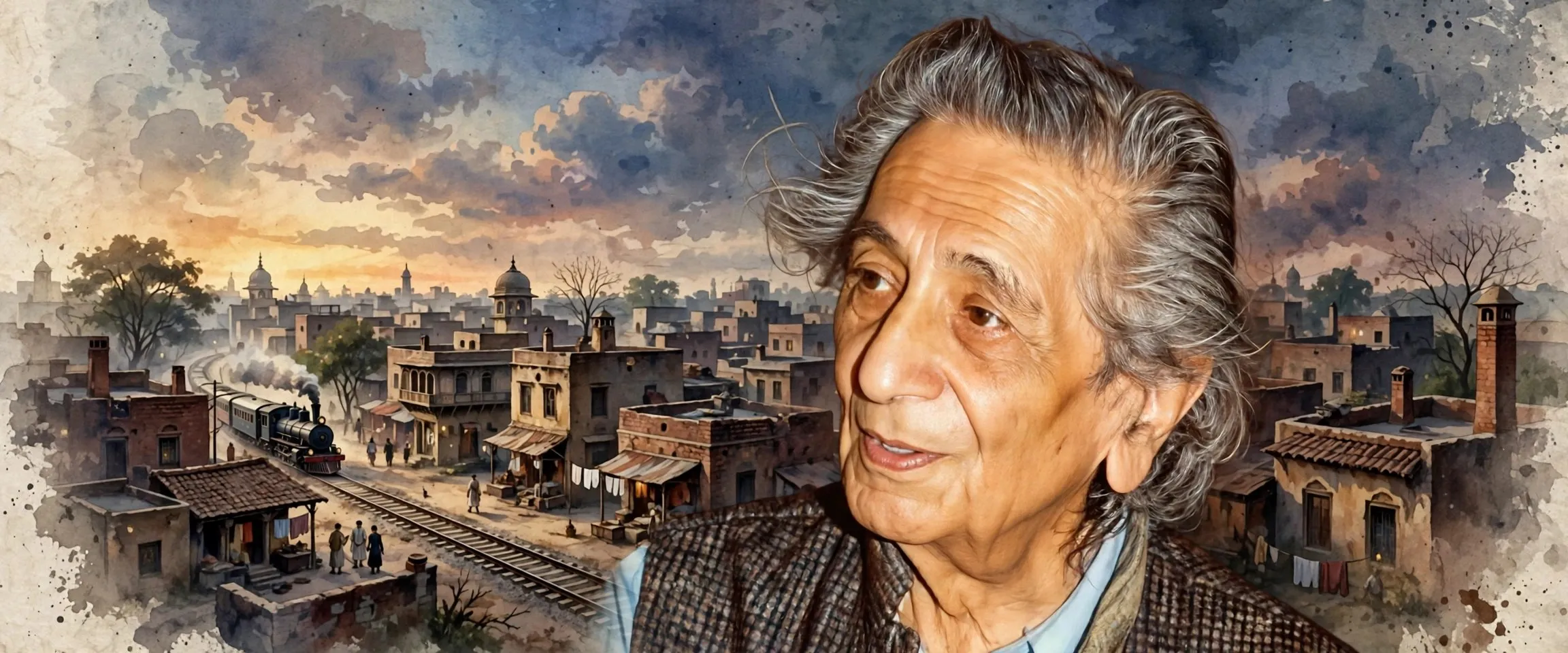
Tamas (Darkness) is Bhisham Sahni's Hindi novel of 1974, set in a city in undivided Punjab as it slides into a Partition riot after a pig is killed and its carcass is left at a mosque. Built from the Rawalpindi riots Sahni witnessed in 1947, it won the Sahitya Akademi Award in 1975 and was adapted for television by Govind Nihalani, with Sahni himself in the cast.
Hindi, with an English translation- Punjabi name
- तमस
- Author
- Bhisham Sahni (1915 to 2003)
- Published
- 1974
- Language
- Hindi
- Form
- Novel
- Setting
- A city in undivided Punjab, 1947
All 9 facts
- Award
- Sahitya Akademi Award, 1975
- Screen adaptation
- Television miniseries by Govind Nihalani (1986)
- English translation
- Daisy Rockwell (Penguin)
Characters
About the book
Tamas is a Hindi novel by Bhisham Sahni, published in 1974, and it is the book that defines his name. Its title is a Sanskrit word for darkness, and the novel tells, from many vantage points at once, how a city in undivided Punjab tips from tense calm into a communal riot in the time of the Partition of India in 1947. Sahni had witnessed the Rawalpindi riots of March 1947 while doing relief work there, and Tamas is built from that witness: not a history of leaders, but an account of ordinary people caught inside a violence that few of them chose.
The book won the Sahitya Akademi Award in 1975. It has been translated into English, French, German, Japanese and many Indian languages, and Daisy Rockwell's English translation for Penguin is regarded as the definitive one.
What happens in Tamas?
Tamas opens with Nathu, a poor tanner, who is bribed to kill a pig. When the animal's carcass is discovered the next morning on the steps of the local mosque, the city's simmering tensions explode into riot. From there Sahni follows the violence from different vantage points: officials and politicians, and the Hindu, Muslim and Sikh residents whose shared streets turn against each other.
The aftermath the novel keeps in view is death, destruction, forced migration and the partition of a country. Yet in the midst of the carnage, as the Penguin edition puts it, rare moments of unexpected friendship and love also surface. Govind Nihalani, who adapted the book for the screen, called Tamas a prophetic warning against the use of religion as a weapon to gain and perpetuate political power.
Themes: darkness, and who lights it
The darkness of the title is not presented as fate. The novel shows communal violence being prepared before it is suffered: a paid killing, a carcass placed where it will wound most, rumour, and political calculation. Its method is patience. Every community in the city contains the frightened and the brave, the men who profit from the riot and the neighbours who hide each other from it, which is why the story is told from so many vantage points rather than through a single hero.
A second theme is what violence does to a shared city. Tamas is set before the border exists, in one Punjab, and it measures the riot not only in lives lost but in a common life, of markets, lanes and friendships across communities, that cannot simply be put back together afterwards.
The author
Bhisham Sahni (1915 to 2003) was born in Rawalpindi and was the younger brother of the actor Balraj Sahni. Punjabi was his mother tongue, though he wrote in Hindi, and he came to Tamas with a witness's knowledge: in March 1947 he had organised relief work for refugees in Rawalpindi as the riots began. He wrote six other novels, more than a hundred short stories and several plays, taught English in Delhi, and received the Padma Bhushan in 1998 and the Sahitya Akademi Fellowship in 2002. His full story is in his Kosh entry, and Tamas stands in this Kosh beside Train to Pakistan as one of the two defining novels of Punjab's Partition.
Reception and legacy
The Sahitya Akademi Award came in 1975, a year after publication. In 1986 Govind Nihalani adapted Tamas into a television miniseries, casting Sahni himself in the role of Karmo, a Sikh character, and the adaptation went on to win a National Award. The book has never gone out of conversation since: reviewing Daisy Rockwell's translation, Nilanjana Roy wrote in Business Standard that Tamas, in either Rockwell's translation or the original Hindi, remains an essential text for the times, and the Guardian observed that the novel drove home the point that ordinary people want to live in peace.
For Punjabi readers, Tamas holds a particular place. Its author was a son of Rawalpindi writing about a Punjab city much like his own, and its subject is the wound that divided Punjab itself. It is read today in classrooms, in translation across India and the diaspora, and alongside the other Partition classics whenever the events of 1947 are studied.
ਕਿਤਾਬ ਬਾਰੇ
ਤਮਸ ਭੀਸ਼ਮ ਸਾਹਨੀ ਦਾ ਹਿੰਦੀ ਨਾਵਲ ਹੈ, ਜੋ 1974 ਵਿੱਚ ਪ੍ਰਕਾਸ਼ਿਤ ਹੋਇਆ, ਅਤੇ ਇਹੀ ਉਹ ਕਿਤਾਬ ਹੈ ਜੋ ਉਨ੍ਹਾਂ ਦਾ ਨਾਂ ਤੈਅ ਕਰਦੀ ਹੈ। ਇਸ ਦਾ ਸਿਰਲੇਖ ਸੰਸਕ੍ਰਿਤ ਦਾ ਸ਼ਬਦ ਹੈ ਜਿਸ ਦਾ ਅਰਥ ਹੈ ਹਨੇਰਾ, ਅਤੇ ਇਹ ਨਾਵਲ ਇੱਕੋ ਵੇਲੇ ਕਈ ਨਜ਼ਰੀਆਂ ਤੋਂ ਦੱਸਦਾ ਹੈ ਕਿ ਅਣਵੰਡੇ ਪੰਜਾਬ ਦਾ ਇੱਕ ਸ਼ਹਿਰ 1947 ਵਿੱਚ ਭਾਰਤ ਦੀ ਵੰਡ ਦੇ ਸਮੇਂ ਤਣਾਅ ਭਰੀ ਸ਼ਾਂਤੀ ਤੋਂ ਫ਼ਿਰਕੂ ਦੰਗੇ ਵਿੱਚ ਕਿਵੇਂ ਰੁੱਝਦਾ ਜਾਂਦਾ ਹੈ। ਸਾਹਨੀ ਨੇ ਮਾਰਚ 1947 ਦੇ ਰਾਵਲਪਿੰਡੀ ਦੰਗੇ ਖ਼ੁਦ ਵੇਖੇ ਸਨ, ਉੱਥੇ ਰਾਹਤ ਕਾਰਜ ਕਰਦੇ ਹੋਏ, ਅਤੇ ਤਮਸ ਉਸੇ ਗਵਾਹੀ ਤੋਂ ਬਣਿਆ ਹੈ: ਇਹ ਆਗੂਆਂ ਦਾ ਇਤਿਹਾਸ ਨਹੀਂ, ਸਗੋਂ ਆਮ ਲੋਕਾਂ ਦਾ ਹਿਸਾਬ ਹੈ ਜੋ ਅਜਿਹੀ ਹਿੰਸਾ ਵਿੱਚ ਫਸ ਗਏ ਜਿਸ ਨੂੰ ਉਨ੍ਹਾਂ ਵਿੱਚੋਂ ਬਹੁਤਿਆਂ ਨੇ ਚੁਣਿਆ ਹੀ ਨਹੀਂ ਸੀ।
ਇਸ ਕਿਤਾਬ ਨੇ 1975 ਵਿੱਚ ਸਾਹਿਤ ਅਕਾਦਮੀ ਪੁਰਸਕਾਰ ਜਿੱਤਿਆ। ਇਸ ਦਾ ਅਨੁਵਾਦ ਅੰਗਰੇਜ਼ੀ, ਫ਼ਰਾਂਸੀਸੀ, ਜਰਮਨ, ਜਾਪਾਨੀ ਅਤੇ ਕਈ ਭਾਰਤੀ ਭਾਸ਼ਾਵਾਂ ਵਿੱਚ ਹੋਇਆ ਹੈ, ਅਤੇ ਪੈਂਗੁਇਨ ਲਈ ਡੇਜ਼ੀ ਰੌਕਵੈੱਲ ਦਾ ਅੰਗਰੇਜ਼ੀ ਅਨੁਵਾਦ ਸਭ ਤੋਂ ਭਰੋਸੇਯੋਗ ਮੰਨਿਆ ਜਾਂਦਾ ਹੈ।
ਤਮਸ ਵਿੱਚ ਕੀ ਹੁੰਦਾ ਹੈ?
ਤਮਸ ਦੀ ਸ਼ੁਰੂਆਤ ਨੱਥੂ ਤੋਂ ਹੁੰਦੀ ਹੈ, ਇੱਕ ਗਰੀਬ ਚਮਾਰ, ਜਿਸ ਨੂੰ ਰਿਸ਼ਵਤ ਦੇ ਕੇ ਇੱਕ ਸੂਰ ਮਾਰਨ ਲਈ ਕਿਹਾ ਜਾਂਦਾ ਹੈ। ਜਦੋਂ ਅਗਲੀ ਸਵੇਰ ਜਾਨਵਰ ਦੀ ਲਾਸ਼ ਸਥਾਨਕ ਮਸਜਿਦ ਦੀਆਂ ਪੌੜੀਆਂ ਉੱਤੇ ਮਿਲਦੀ ਹੈ ਤਾਂ ਸ਼ਹਿਰ ਦਾ ਉਬਲਦਾ ਤਣਾਅ ਦੰਗੇ ਵਿੱਚ ਫੁੱਟ ਪੈਂਦਾ ਹੈ। ਉੱਥੋਂ ਸਾਹਨੀ ਹਿੰਸਾ ਨੂੰ ਵੱਖ ਵੱਖ ਨਜ਼ਰੀਆਂ ਤੋਂ ਵਿਖਾਉਂਦੇ ਹਨ: ਅਫ਼ਸਰ ਅਤੇ ਸਿਆਸਤਦਾਨ, ਅਤੇ ਉਹ ਹਿੰਦੂ, ਮੁਸਲਮਾਨ ਅਤੇ ਸਿੱਖ ਵਾਸੀ ਜਿਨ੍ਹਾਂ ਦੀਆਂ ਸਾਂਝੀਆਂ ਗਲੀਆਂ ਇੱਕ ਦੂਜੇ ਦੇ ਖ਼ਿਲਾਫ਼ ਹੋ ਜਾਂਦੀਆਂ ਹਨ।
ਨਾਵਲ ਜਿਸ ਮਗਰਲੇ ਹਾਲ ਨੂੰ ਨਜ਼ਰ ਵਿੱਚ ਰੱਖਦਾ ਹੈ ਉਹ ਹੈ ਮੌਤ, ਤਬਾਹੀ, ਜ਼ਬਰੀ ਪਰਵਾਸ ਅਤੇ ਇੱਕ ਦੇਸ਼ ਦੀ ਵੰਡ। ਫਿਰ ਵੀ ਕਤਲੇਆਮ ਦੇ ਵਿਚਕਾਰ, ਜਿਵੇਂ ਪੈਂਗੁਇਨ ਐਡੀਸ਼ਨ ਕਹਿੰਦਾ ਹੈ, ਅਚਾਨਕ ਦੋਸਤੀ ਅਤੇ ਪਿਆਰ ਦੇ ਦੁਰਲੱਭ ਪਲ ਵੀ ਸਾਹਮਣੇ ਆਉਂਦੇ ਹਨ। ਗੋਵਿੰਦ ਨਿਹਲਾਨੀ, ਜਿਨ੍ਹਾਂ ਨੇ ਇਸ ਕਿਤਾਬ ਨੂੰ ਪਰਦੇ ਲਈ ਢਾਲਿਆ, ਨੇ ਤਮਸ ਨੂੰ ਧਰਮ ਨੂੰ ਸੱਤਾ ਹਾਸਲ ਕਰਨ ਅਤੇ ਕਾਇਮ ਰੱਖਣ ਲਈ ਹਥਿਆਰ ਵਜੋਂ ਵਰਤਣ ਖ਼ਿਲਾਫ਼ ਇੱਕ ਭਵਿੱਖਬਾਣੀ ਵਾਲੀ ਚੇਤਾਵਨੀ ਕਿਹਾ।
ਵਿਸ਼ੇ: ਹਨੇਰਾ, ਅਤੇ ਇਸ ਨੂੰ ਕੌਣ ਬਾਲਦਾ ਹੈ
ਸਿਰਲੇਖ ਵਾਲਾ ਹਨੇਰਾ ਕਿਸਮਤ ਵਜੋਂ ਪੇਸ਼ ਨਹੀਂ ਕੀਤਾ ਗਿਆ। ਨਾਵਲ ਵਿਖਾਉਂਦਾ ਹੈ ਕਿ ਫ਼ਿਰਕੂ ਹਿੰਸਾ ਝੱਲਣ ਤੋਂ ਪਹਿਲਾਂ ਤਿਆਰ ਕੀਤੀ ਜਾਂਦੀ ਹੈ: ਪੈਸੇ ਦੇ ਕੇ ਕਰਵਾਇਆ ਕਤਲ, ਲਾਸ਼ ਉੱਥੇ ਰੱਖੀ ਜਿੱਥੇ ਸਭ ਤੋਂ ਵੱਧ ਠੇਸ ਪਹੁੰਚੇ, ਅਫ਼ਵਾਹ, ਅਤੇ ਸਿਆਸੀ ਹਿਸਾਬ। ਇਸ ਦਾ ਤਰੀਕਾ ਧੀਰਜ ਹੈ। ਸ਼ਹਿਰ ਦੇ ਹਰ ਭਾਈਚਾਰੇ ਵਿੱਚ ਡਰੇ ਹੋਏ ਵੀ ਹਨ ਅਤੇ ਬਹਾਦਰ ਵੀ, ਦੰਗੇ ਤੋਂ ਫ਼ਾਇਦਾ ਚੁੱਕਣ ਵਾਲੇ ਵੀ ਅਤੇ ਇੱਕ ਦੂਜੇ ਨੂੰ ਇਸ ਤੋਂ ਲੁਕਾਉਣ ਵਾਲੇ ਗੁਆਂਢੀ ਵੀ, ਇਸੇ ਲਈ ਕਹਾਣੀ ਇੱਕੋ ਨਾਇਕ ਰਾਹੀਂ ਨਹੀਂ ਸਗੋਂ ਇੰਨੇ ਸਾਰੇ ਨਜ਼ਰੀਆਂ ਤੋਂ ਦੱਸੀ ਗਈ ਹੈ।
ਦੂਜਾ ਵਿਸ਼ਾ ਇਹ ਹੈ ਕਿ ਹਿੰਸਾ ਇੱਕ ਸਾਂਝੇ ਸ਼ਹਿਰ ਨਾਲ ਕੀ ਕਰਦੀ ਹੈ। ਤਮਸ ਸਰਹੱਦ ਬਣਨ ਤੋਂ ਪਹਿਲਾਂ ਦੀ ਕਹਾਣੀ ਹੈ, ਇੱਕੋ ਪੰਜਾਬ ਵਿੱਚ, ਅਤੇ ਇਹ ਦੰਗੇ ਨੂੰ ਸਿਰਫ਼ ਗੁਆਈਆਂ ਜਾਨਾਂ ਨਾਲ ਨਹੀਂ ਮਾਪਦਾ ਸਗੋਂ ਉਸ ਸਾਂਝੀ ਜ਼ਿੰਦਗੀ ਨਾਲ ਵੀ ਮਾਪਦਾ ਹੈ, ਬਾਜ਼ਾਰਾਂ, ਗਲੀਆਂ ਅਤੇ ਭਾਈਚਾਰਿਆਂ ਵਿੱਚ ਫੈਲੀਆਂ ਦੋਸਤੀਆਂ ਦੀ, ਜਿਸ ਨੂੰ ਮਗਰੋਂ ਸਿਰਫ਼ ਇਕੱਠਾ ਨਹੀਂ ਕੀਤਾ ਜਾ ਸਕਦਾ।
ਲੇਖਕ
ਭੀਸ਼ਮ ਸਾਹਨੀ (1915 ਤੋਂ 2003) ਰਾਵਲਪਿੰਡੀ ਵਿੱਚ ਪੈਦਾ ਹੋਏ ਅਤੇ ਅਦਾਕਾਰ ਬਲਰਾਜ ਸਾਹਨੀ ਦੇ ਛੋਟੇ ਭਰਾ ਸਨ। ਪੰਜਾਬੀ ਉਨ੍ਹਾਂ ਦੀ ਮਾਂ ਬੋਲੀ ਸੀ, ਭਾਵੇਂ ਉਹ ਹਿੰਦੀ ਵਿੱਚ ਲਿਖਦੇ ਸਨ, ਅਤੇ ਤਮਸ ਕੋਲ ਉਹ ਇੱਕ ਗਵਾਹ ਦੇ ਗਿਆਨ ਨਾਲ ਆਏ: ਮਾਰਚ 1947 ਵਿੱਚ ਜਦੋਂ ਦੰਗੇ ਸ਼ੁਰੂ ਹੋਏ ਤਾਂ ਉਨ੍ਹਾਂ ਨੇ ਰਾਵਲਪਿੰਡੀ ਵਿੱਚ ਸ਼ਰਨਾਰਥੀਆਂ ਲਈ ਰਾਹਤ ਕਾਰਜ ਚਲਾਇਆ ਸੀ। ਉਨ੍ਹਾਂ ਨੇ ਛੇ ਹੋਰ ਨਾਵਲ, ਸੌ ਤੋਂ ਵੱਧ ਕਹਾਣੀਆਂ ਅਤੇ ਕਈ ਨਾਟਕ ਲਿਖੇ, ਦਿੱਲੀ ਵਿੱਚ ਅੰਗਰੇਜ਼ੀ ਪੜ੍ਹਾਈ, ਅਤੇ 1998 ਵਿੱਚ ਪਦਮ ਭੂਸ਼ਣ ਅਤੇ 2002 ਵਿੱਚ ਸਾਹਿਤ ਅਕਾਦਮੀ ਫ਼ੈਲੋਸ਼ਿਪ ਪ੍ਰਾਪਤ ਕੀਤੀ। ਉਨ੍ਹਾਂ ਦੀ ਪੂਰੀ ਕਹਾਣੀ ਉਨ੍ਹਾਂ ਦੀ ਕੋਸ਼ ਐਂਟਰੀ ਵਿੱਚ ਹੈ, ਅਤੇ ਤਮਸ ਇਸ ਕੋਸ਼ ਵਿੱਚ ਟ੍ਰੇਨ ਟੂ ਪਾਕਿਸਤਾਨ ਦੇ ਨਾਲ ਪੰਜਾਬ ਦੀ ਵੰਡ ਦੇ ਦੋ ਪਰਿਭਾਸ਼ਕ ਨਾਵਲਾਂ ਵਿੱਚੋਂ ਇੱਕ ਵਜੋਂ ਖੜ੍ਹਾ ਹੈ।
ਹੁੰਗਾਰਾ ਅਤੇ ਵਿਰਸਾ
ਸਾਹਿਤ ਅਕਾਦਮੀ ਪੁਰਸਕਾਰ ਪ੍ਰਕਾਸ਼ਨ ਤੋਂ ਇੱਕ ਸਾਲ ਬਾਅਦ 1975 ਵਿੱਚ ਆਇਆ। 1986 ਵਿੱਚ ਗੋਵਿੰਦ ਨਿਹਲਾਨੀ ਨੇ ਤਮਸ ਨੂੰ ਟੈਲੀਵਿਜ਼ਨ ਮਿੰਨੀ ਸੀਰੀਜ਼ ਵਿੱਚ ਢਾਲਿਆ, ਸਾਹਨੀ ਨੂੰ ਖ਼ੁਦ ਸਿੱਖ ਪਾਤਰ ਕਰਮੋ ਦੀ ਭੂਮਿਕਾ ਵਿੱਚ ਲਿਆ, ਅਤੇ ਇਸ ਰੂਪਾਂਤਰ ਨੇ ਰਾਸ਼ਟਰੀ ਪੁਰਸਕਾਰ ਜਿੱਤਿਆ। ਇਹ ਕਿਤਾਬ ਉਦੋਂ ਤੋਂ ਗੱਲਬਾਤ ਤੋਂ ਬਾਹਰ ਨਹੀਂ ਹੋਈ: ਡੇਜ਼ੀ ਰੌਕਵੈੱਲ ਦੇ ਅਨੁਵਾਦ ਦੀ ਸਮੀਖਿਆ ਕਰਦੇ ਹੋਏ ਨੀਲਾਂਜਨਾ ਰਾਏ ਨੇ ਬਿਜ਼ਨਸ ਸਟੈਂਡਰਡ ਵਿੱਚ ਲਿਖਿਆ ਕਿ ਤਮਸ, ਰੌਕਵੈੱਲ ਦੇ ਅਨੁਵਾਦ ਵਿੱਚ ਹੋਵੇ ਜਾਂ ਮੂਲ ਹਿੰਦੀ ਵਿੱਚ, ਸਮੇਂ ਲਈ ਇੱਕ ਜ਼ਰੂਰੀ ਕਿਤਾਬ ਬਣੀ ਹੋਈ ਹੈ, ਅਤੇ ਗਾਰਡੀਅਨ ਨੇ ਕਿਹਾ ਕਿ ਨਾਵਲ ਨੇ ਇਹ ਗੱਲ ਘਰ ਘਰ ਪਹੁੰਚਾ ਦਿੱਤੀ ਕਿ ਆਮ ਲੋਕ ਸ਼ਾਂਤੀ ਨਾਲ ਜੀਣਾ ਚਾਹੁੰਦੇ ਹਨ।
ਪੰਜਾਬੀ ਪਾਠਕਾਂ ਲਈ ਤਮਸ ਦੀ ਖ਼ਾਸ ਥਾਂ ਹੈ। ਇਸ ਦਾ ਲੇਖਕ ਰਾਵਲਪਿੰਡੀ ਦਾ ਪੁੱਤਰ ਸੀ ਜੋ ਆਪਣੇ ਵਰਗੇ ਹੀ ਪੰਜਾਬ ਦੇ ਇੱਕ ਸ਼ਹਿਰ ਬਾਰੇ ਲਿਖ ਰਿਹਾ ਸੀ, ਅਤੇ ਇਸ ਦਾ ਵਿਸ਼ਾ ਉਹ ਜ਼ਖ਼ਮ ਹੈ ਜਿਸ ਨੇ ਪੰਜਾਬ ਨੂੰ ਖ਼ੁਦ ਵੰਡਿਆ। ਅੱਜ ਇਹ ਜਮਾਤਾਂ ਵਿੱਚ, ਸਾਰੇ ਭਾਰਤ ਅਤੇ ਪਰਵਾਸ ਵਿੱਚ ਅਨੁਵਾਦਾਂ ਵਿੱਚ, ਅਤੇ ਜਦੋਂ ਵੀ 1947 ਦੀਆਂ ਘਟਨਾਵਾਂ ਦਾ ਅਧਿਐਨ ਹੁੰਦਾ ਹੈ ਤਾਂ ਵੰਡ ਦੀਆਂ ਹੋਰ ਮਹਾਨ ਰਚਨਾਵਾਂ ਦੇ ਨਾਲ ਪੜ੍ਹਿਆ ਜਾਂਦਾ ਹੈ।
Editions and translations
- TamasHindi · original, 1974Original
- TamasEnglish · translation by Daisy Rockwell, Penguin ClassicsTranslation
The author
Connected
More to read
Sources (3)
Jugti is free and independent. Reader support keeps the Kosh growing.
Support