
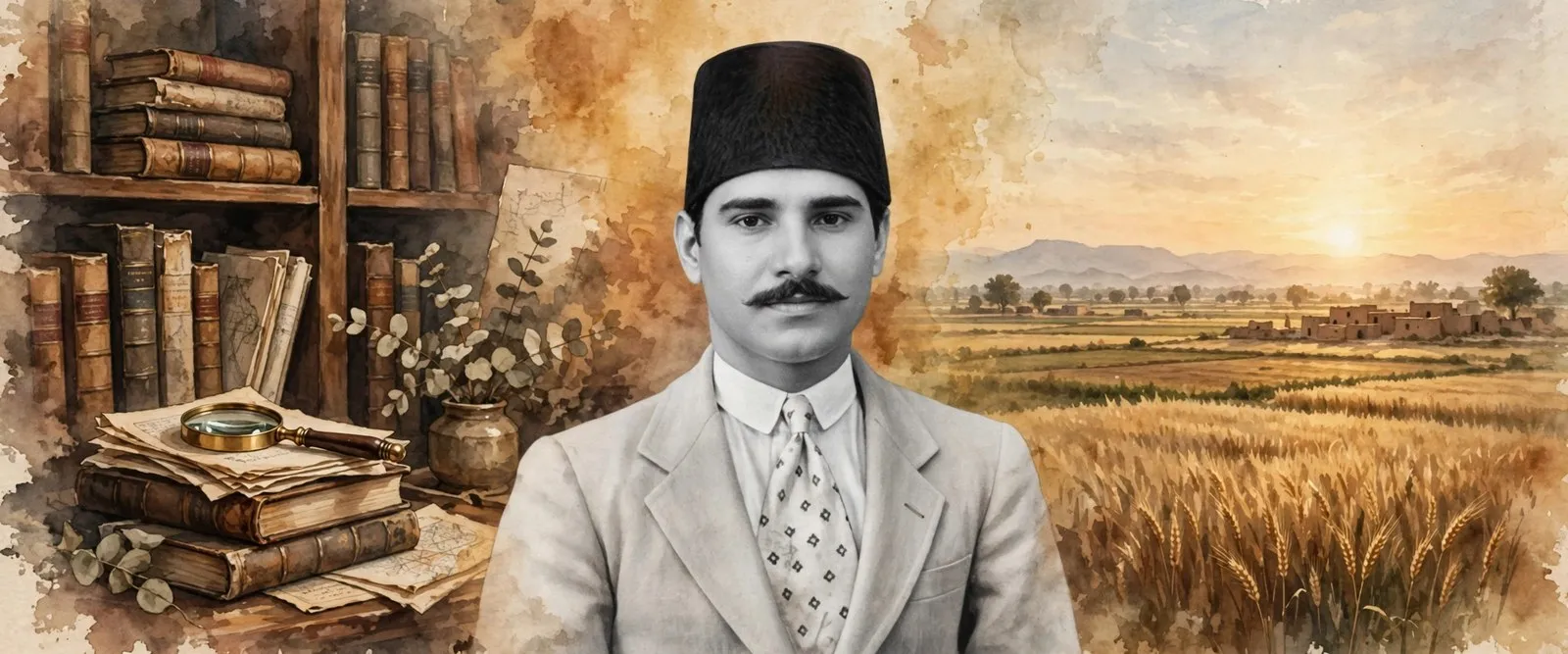
Inayatullah Khan Mashriqi (1888 to 1963), known by the honorary title Allama Mashriqi, was a Punjabi mathematician and scholar from Amritsar who studied in Lahore and Cambridge, wrote Tazkirah, and founded the Khaksar movement from Ichhra in Lahore around 1930 to 1931. He died in Lahore in 1963 and is buried in Ichhra.
- Punjabi name
- ਇਨਾਇਤੁੱਲਾ ਖ਼ਾਨ ਮਸ਼ਰਿਕੀ
- Born
- 25 August 1888, Amritsar, Punjab, British India
- Home town
- Amritsar
- District
- Amritsar
- Region
- Majha
- Died
- 27 August 1963, Mayo Hospital, Lahore
All 11 facts
- Buried
- Ichhra, Lahore
- Education
- Forman Christian College Lahore; University of the Punjab (MA mathematics); Christ's College Cambridge (four triposes, BA 1910)
- Major work
- Tazkirah (1924); Isharat, manifesto of the Khaksar movement
- Organisation
- Khaksar movement (Khaksar Tehrik), founded around 1930 to 1931
- Known for
- Founding the Khaksar movement
Inayatullah Khan Mashriqi (1888 to 1963), known by the honorary title Allama Mashriqi, was a Punjabi mathematician and scholar from Amritsar who studied in Lahore and Cambridge, wrote Tazkirah, and founded the Khaksar movement from Ichhra in Lahore around 1930 to 1931.
Early life in Amritsar and education in Lahore
Inayatullah Khan Mashriqi was born on 25 August 1888 in Amritsar, Punjab, in British India, into a Punjabi Rajput family. His father, Khan Ata Muhammad Khan, was an educated man of means who owned Vakil, a bi-weekly publication in Amritsar. Family accounts say his forefathers had held high government positions in Mughal and Sikh times. Amritsar, in the Majha region, remained his home town in the record even though most of his later life was spent in Lahore.
He was educated first at home and then at schools in Amritsar, and from an early age he showed a strong interest in mathematics. He took his Bachelor of Arts degree with first class honours at Forman Christian College in Lahore, then a masters degree in mathematics at the University of the Punjab with a first class, described in accounts of his life as the first time that class had been taken in mathematics at the university.
Cambridge and the four triposes
In 1907 Mashriqi moved to England and entered Christ's College, Cambridge, to read for the mathematics tripos. He won a foundation scholarship in May 1908. In June 1909 he took first class honours in Mathematics Part I and was placed joint 27th on the list of wranglers. Over the next two years he read the oriental languages tripos and the natural sciences tripos at the same time, taking first class honours in oriental languages and third class honours in natural sciences. He took his Bachelor of Arts degree in 1910.
In 1912 he completed a fourth tripos, in mechanical sciences, in the second class. At the time he was believed to be the first man of any nationality to take honours in four different Cambridge triposes, and British newspapers praised the record. He returned to India in December 1912. The record was made by a student from Amritsar and Lahore who had come through Forman Christian College and the University of the Punjab, and it shaped the scholarly standing he carried for the rest of his life.
ਇਨਾਇਤੁੱਲਾ ਖ਼ਾਨ ਮਸ਼ਰਿਕੀ (1888 ਤੋਂ 1963), ਜਿਸ ਨੂੰ ਅੱਲਾਮਾ ਮਸ਼ਰਿਕੀ ਦੇ ਸਨਮਾਨ ਵਾਲੇ ਨਾਂ ਨਾਲ ਜਾਣਿਆ ਜਾਂਦਾ ਹੈ, ਅੰਮ੍ਰਿਤਸਰ ਦਾ ਪੰਜਾਬੀ ਗਣਿਤ ਸ਼ਾਸਤਰੀ ਅਤੇ ਵਿਦਵਾਨ ਸੀ ਜਿਸ ਨੇ ਲਾਹੌਰ ਅਤੇ ਕੈਂਬਰਿਜ ਵਿੱਚ ਪੜ੍ਹਾਈ ਕੀਤੀ, ਤਜ਼ਕਿਰਾ ਲਿਖੀ ਅਤੇ 1930 ਤੋਂ 1931 ਦੇ ਆਸ ਪਾਸ ਲਾਹੌਰ ਦੇ ਇੱਛਰਾ ਤੋਂ ਖਾਕਸਾਰ ਲਹਿਰ ਦੀ ਨੀਂਹ ਰੱਖੀ।
ਅੰਮ੍ਰਿਤਸਰ ਵਿੱਚ ਸ਼ੁਰੂਆਤੀ ਜੀਵਨ ਅਤੇ ਲਾਹੌਰ ਵਿੱਚ ਪੜ੍ਹਾਈ
ਇਨਾਇਤੁੱਲਾ ਖ਼ਾਨ ਮਸ਼ਰਿਕੀ ਦਾ ਜਨਮ 25 ਅਗਸਤ 1888 ਨੂੰ ਬਰਤਾਨਵੀ ਭਾਰਤ ਦੇ ਪੰਜਾਬ ਦੇ ਅੰਮ੍ਰਿਤਸਰ ਵਿੱਚ ਇੱਕ ਪੰਜਾਬੀ ਰਾਜਪੂਤ ਪਰਿਵਾਰ ਵਿੱਚ ਹੋਇਆ। ਉਸ ਦਾ ਪਿਤਾ ਖ਼ਾਨ ਅਤਾ ਮੁਹੰਮਦ ਖ਼ਾਨ ਪੜ੍ਹਿਆ ਲਿਖਿਆ ਅਤੇ ਸਾਧਨ ਸੰਪੰਨ ਆਦਮੀ ਸੀ ਜੋ ਅੰਮ੍ਰਿਤਸਰ ਵਿੱਚ ਵਕੀਲ ਨਾਂ ਦਾ ਪੰਦਰਵਾੜਾ ਪਰਚਾ ਚਲਾਉਂਦਾ ਸੀ। ਪਰਿਵਾਰਕ ਲੇਖ ਕਹਿੰਦੇ ਹਨ ਕਿ ਉਸ ਦੇ ਪੁਰਖਿਆਂ ਨੇ ਮੁਗਲ ਅਤੇ ਸਿੱਖ ਸਮੇਂ ਵਿੱਚ ਉੱਚੇ ਸਰਕਾਰੀ ਅਹੁਦੇ ਸੰਭਾਲੇ ਸਨ ਅਤੇ ਪਿਤਾ ਕਰਕੇ ਨੌਜਵਾਨ ਮਸ਼ਰਿਕੀ ਉਸ ਸਮੇਂ ਦੀਆਂ ਜਾਣੀਆਂ ਪਛਾਣੀਆਂ ਸ਼ਖਸੀਅਤਾਂ ਨੂੰ ਮਿਲਿਆ। ਮਾਝਾ ਇਲਾਕੇ ਦਾ ਅੰਮ੍ਰਿਤਸਰ ਰਿਕਾਰਡ ਵਿੱਚ ਉਸ ਦਾ ਜੱਦੀ ਸ਼ਹਿਰ ਰਿਹਾ, ਹਾਲਾਂਕਿ ਉਸ ਦੀ ਬਾਅਦ ਦੀ ਜ਼ਿੰਦਗੀ ਦਾ ਵੱਡਾ ਹਿੱਸਾ ਲਾਹੌਰ ਵਿੱਚ ਬੀਤਿਆ।
ਉਸ ਦੀ ਪੜ੍ਹਾਈ ਪਹਿਲਾਂ ਘਰ ਵਿੱਚ ਅਤੇ ਫਿਰ ਅੰਮ੍ਰਿਤਸਰ ਦੇ ਸਕੂਲਾਂ ਵਿੱਚ ਹੋਈ। ਛੋਟੀ ਉਮਰ ਤੋਂ ਹੀ ਉਸ ਦੀ ਗਣਿਤ ਵਿੱਚ ਡੂੰਘੀ ਦਿਲਚਸਪੀ ਸੀ। ਉਸ ਨੇ ਲਾਹੌਰ ਦੇ ਫਾਰਮਨ ਕ੍ਰਿਸ਼ਚੀਅਨ ਕਾਲਜ ਤੋਂ ਪਹਿਲੀ ਸ਼੍ਰੇਣੀ ਦੇ ਸਨਮਾਨ ਨਾਲ ਬੀ.ਏ. ਕੀਤੀ ਅਤੇ ਫਿਰ ਪੰਜਾਬ ਯੂਨੀਵਰਸਿਟੀ ਤੋਂ ਗਣਿਤ ਵਿੱਚ ਪਹਿਲੀ ਸ਼੍ਰੇਣੀ ਨਾਲ ਐੱਮ.ਏ. ਕੀਤੀ, ਜਿਸ ਨੂੰ ਉਸ ਦੀ ਜੀਵਨੀ ਦੇ ਲੇਖਾਂ ਵਿੱਚ ਯੂਨੀਵਰਸਿਟੀ ਦੇ ਇਤਿਹਾਸ ਵਿੱਚ ਪਹਿਲੀ ਵਾਰ ਲਈ ਗਈ ਇਹ ਸ਼੍ਰੇਣੀ ਦੱਸਿਆ ਗਿਆ ਹੈ। ਭਾਰਤ ਛੱਡਣ ਤੋਂ ਪਹਿਲਾਂ ਹੀ ਲਾਹੌਰ ਦੇ ਨਤੀਜਿਆਂ ਨੇ ਉਸ ਨੂੰ ਵਿਦਵਾਨ ਵਜੋਂ ਪਛਾਣ ਦਿੱਤੀ ਸੀ।
ਕੈਂਬਰਿਜ ਅਤੇ ਚਾਰ ਟ੍ਰਾਈਪੋਸ
1907 ਵਿੱਚ ਮਸ਼ਰਿਕੀ ਇੰਗਲੈਂਡ ਚਲਾ ਗਿਆ ਅਤੇ ਗਣਿਤ ਟ੍ਰਾਈਪੋਸ ਪੜ੍ਹਨ ਲਈ ਕੈਂਬਰਿਜ ਦੇ ਕ੍ਰਾਈਸਟਸ ਕਾਲਜ ਵਿੱਚ ਦਾਖ਼ਲ ਹੋਇਆ। ਮਈ 1908 ਵਿੱਚ ਉਸ ਨੂੰ ਕਾਲਜ ਦੀ ਫਾਊਂਡੇਸ਼ਨ ਵਜ਼ੀਫ਼ਾ ਮਿਲਿਆ। ਜੂਨ 1909 ਵਿੱਚ ਉਸ ਨੇ ਗਣਿਤ ਭਾਗ ਇੱਕ ਵਿੱਚ ਪਹਿਲੀ ਸ਼੍ਰੇਣੀ ਦਾ ਸਨਮਾਨ ਲਿਆ ਅਤੇ ਰੈਂਗਲਰਾਂ ਦੀ ਸੂਚੀ ਵਿੱਚ ਸਾਂਝੇ 27ਵੇਂ ਸਥਾਨ ਉੱਤੇ ਰਿਹਾ। ਅਗਲੇ ਦੋ ਸਾਲ ਉਸ ਨੇ ਪੂਰਬੀ ਭਾਸ਼ਾਵਾਂ ਟ੍ਰਾਈਪੋਸ ਅਤੇ ਕੁਦਰਤੀ ਵਿਗਿਆਨ ਟ੍ਰਾਈਪੋਸ ਇੱਕੋ ਸਮੇਂ ਪੜ੍ਹੇ, ਪੂਰਬੀ ਭਾਸ਼ਾਵਾਂ ਵਿੱਚ ਪਹਿਲੀ ਸ਼੍ਰੇਣੀ ਅਤੇ ਕੁਦਰਤੀ ਵਿਗਿਆਨ ਵਿੱਚ ਤੀਜੀ ਸ਼੍ਰੇਣੀ ਦਾ ਸਨਮਾਨ ਲਿਆ। ਉਸ ਨੇ 1910 ਵਿੱਚ ਬੀ.ਏ. ਦੀ ਡਿਗਰੀ ਲਈ।
1912 ਵਿੱਚ ਉਸ ਨੇ ਚੌਥਾ ਟ੍ਰਾਈਪੋਸ, ਮਕੈਨੀਕਲ ਵਿਗਿਆਨ ਵਿੱਚ, ਦੂਜੀ ਸ਼੍ਰੇਣੀ ਨਾਲ ਪੂਰਾ ਕੀਤਾ। ਉਸ ਸਮੇਂ ਇਹ ਮੰਨਿਆ ਜਾਂਦਾ ਸੀ ਕਿ ਉਹ ਕਿਸੇ ਵੀ ਕੌਮ ਦਾ ਪਹਿਲਾ ਆਦਮੀ ਸੀ ਜਿਸ ਨੇ ਕੈਂਬਰਿਜ ਦੇ ਚਾਰ ਵੱਖ ਵੱਖ ਟ੍ਰਾਈਪੋਸਾਂ ਵਿੱਚ ਸਨਮਾਨ ਲਿਆ ਸੀ ਅਤੇ ਬਰਤਾਨਵੀ ਅਖ਼ਬਾਰਾਂ ਨੇ ਇਸ ਰਿਕਾਰਡ ਦੀ ਸ਼ਲਾਘਾ ਕੀਤੀ। ਉਹ ਦਸੰਬਰ 1912 ਵਿੱਚ ਭਾਰਤ ਵਾਪਸ ਆਇਆ। ਪੰਜਾਬ ਲਈ ਕੈਂਬਰਿਜ ਦਾ ਇਹ ਰਿਕਾਰਡ ਇਸ ਲਈ ਮਹੱਤਵਪੂਰਨ ਸੀ ਕਿਉਂਕਿ ਇਹ ਅੰਮ੍ਰਿਤਸਰ ਅਤੇ ਲਾਹੌਰ ਦੇ ਇੱਕ ਵਿਦਿਆਰਥੀ ਨੇ ਬਣਾਇਆ ਸੀ ਜੋ ਫਾਰਮਨ ਕ੍ਰਿਸ਼ਚੀਅਨ ਕਾਲਜ ਅਤੇ ਪੰਜਾਬ ਯੂਨੀਵਰਸਿਟੀ ਤੋਂ ਹੋ ਕੇ ਗਿਆ ਸੀ ਅਤੇ ਇਸੇ ਰਿਕਾਰਡ ਨੇ ਬਾਕੀ ਜ਼ਿੰਦਗੀ ਉਸ ਦੀ ਵਿਦਵਾਨ ਵਾਲੀ ਪਛਾਣ ਬਣਾਈ।
Government service and Tazkirah
On his return Mashriqi was offered the premiership of Alwar, a princely state, and declined it. At 25 he was appointed vice principal of Islamia College in Peshawar and became principal two years later. In October 1917 he was appointed under secretary to the Government of India in the Education Department, and in October 1919 he became headmaster of the High School in Peshawar. Accounts say he was offered the ambassadorship of Afghanistan in 1920 and a knighthood a year later, and refused both.
While in government service he wrote his best known book. In 1924 he completed the first volume of Tazkirah, a commentary on the Quran written in the light of science, dealing with conflicts between religions and between religion and science. Accounts report that the book was nominated for the Nobel Prize in 1925 on the condition that it be translated into a European language, and that Mashriqi declined the translation; this page reports the nomination as accounts give it. After the book appeared he travelled in Europe, and accounts say he met Nazi leaders during a visit to Germany in the late 1920s, which drew the attention of the British authorities.
In 1930 Mashriqi was passed over for promotion and went on medical leave. In 1932 he resigned, took his pension and settled in Ichhra, then a suburb of Lahore. The move from high office to a Lahore suburb was the turn from scholar and official to organiser.
What was the Khaksar movement?
The Khaksar movement, also called the Khaksar Tehrik, was a uniformed volunteer movement founded by Mashriqi from Ichhra in Lahore around 1930 to 1931. Sources differ on the exact year: his biography gives around 1930, the movement history gives 1931, and one account gives September 1931. Mashriqi built the movement on the principles of self reform and self conduct set out in Tazkirah and in a second treatise, Isharat, which served as its manifesto. The name Khaksar comes from the Persian words khak, meaning dust, and sar, meaning like, together suggesting a humble person.
Mashriqi stated three objectives for the movement in 1931: the superiority of God, the unity of the nation and service to mankind. Membership was open to everyone regardless of religion, race, caste or social status, with no fee. An early report put the first following at 90 people, rising by 300 within weeks. By 1942 membership was reported at four million, a reported figure rather than a verified count. The movement paper was Al-Islah, an Urdu weekly started in 1934 and printed in Lahore, which carried Mashriqi speeches and movement articles until 1947.
The Khaksars were organised with ranks, uniforms and daily drill. Every member, whatever the rank, wore the same dress: a khaki shirt and khaki pyjama with a belt and military boots, a red badge called akhuwat on the right arm as a sign of brotherhood, and a white cloth on the head. Every Khaksar carried a belcha, a spade, on the shoulder, which in the movement teaching stood for unity, strength and the levelling of society between rich and poor. Volunteers were expected to take part in daily parade and social work. Mashriqi set out twenty four principles at a Khaksar camp in Sialkot on 29 November 1936, and fourteen points at a camp in Lahore on 14 March 1937.
Bans, arrests and the 1940 Lahore firing
The movement brought Mashriqi into repeated conflict with the British and Punjab governments. On 22 February 1940 Punjab police raided the printing press of Al-Islah in Lahore and seized copies of the paper. On 28 February 1940 the Punjab government issued orders under the Defence of India Rules prohibiting exercises of a military nature and the carrying of arms in processions. The Khaksars treated the orders as a challenge.
On 19 March 1940 a contingent of Khaksars marched in Lahore and Punjab police under Superintendent D. Gainsford opened fire. The number killed is disputed: accounts give at least 32 Khaksars killed, and some accounts give a higher figure. On the same day Mashriqi, who was in Delhi, was arrested and detained. The Khaksar Tehrik was banned in Punjab in 1940 and across India in 1941, and large numbers of Khaksars were imprisoned.
Mashriqi was held in jail without legal proceedings and fasted in protest. He was released from Vellore Jail on 19 January 1942, but his movements were restricted to the Madras Presidency until 28 December 1942. He reached New Delhi on 2 January 1943. In July 1943 an attempt was made on the life of Muhammad Ali Jinnah in Bombay by Rafiq Sabir Mazangavi, who was assumed to be a Khaksar worker. Mashriqi condemned the attack and denied any involvement, and on 4 November 1943 Justice Blagden of the Bombay High Court dismissed any association between the attack and the Khaksars.
Opposition to partition, later life and death
Mashriqi and the Khaksar movement opposed the partition of India and favoured a united country. His stated reasons, as accounts record them, were that Hindus and Muslims had lived together for centuries and could do so in a free united India, that division along religious lines would breed hostility on both sides of a new border, and that Muslim majority areas were already under Muslim rule, so anyone who wished to live there could move without dividing the country. In 1945 he presented The Constitution of Free India, 1946 A.C., setting out protection for the rights of Muslims and non Muslims; it was not adopted.
On 4 July 1947 Mashriqi disbanded the Khaksar Tehrik. After Pakistan was created he founded the Islam League in October 1947. In Pakistan he was imprisoned at least four times, including in 1958 for alleged complicity in the murder of Khan Abdul Jabbar Khan, known as Dr Khan Sahib, and in 1962 on suspicion of attempting to overthrow the government of President Ayub Khan. None of the charges was proven and he was acquitted in each case. In 1957 he was reported to have led a large body of followers toward the Kashmir border; the government persuaded the group to withdraw.
Inayatullah Khan Mashriqi died at Mayo Hospital in Lahore on 27 August 1963 after a short illness from cancer. His funeral prayers were held at the Badshahi Mosque in Lahore and he was buried in Ichhra, the neighbourhood from which he had launched the Khaksar movement more than thirty years earlier. He was survived by his wife and seven children. His writings include Tazkirah, whose second volume appeared after his death in 1964, the manifesto Isharat, the poetry collections Armughan-i-Hakeem and Dahulbab, and Khitab-e-Misr, based on his 1925 address in Cairo.
ਸਰਕਾਰੀ ਨੌਕਰੀ ਅਤੇ ਤਜ਼ਕਿਰਾ
ਵਾਪਸੀ ਉੱਤੇ ਮਸ਼ਰਿਕੀ ਨੂੰ ਅਲਵਰ ਰਿਆਸਤ ਦੀ ਵਜ਼ੀਰੀ ਦੀ ਪੇਸ਼ਕਸ਼ ਹੋਈ ਜੋ ਉਸ ਨੇ ਠੁਕਰਾ ਦਿੱਤੀ। 25 ਸਾਲ ਦੀ ਉਮਰ ਵਿੱਚ ਉਹ ਪੇਸ਼ਾਵਰ ਦੇ ਇਸਲਾਮੀਆ ਕਾਲਜ ਦਾ ਵਾਈਸ ਪ੍ਰਿੰਸੀਪਲ ਬਣਿਆ ਅਤੇ ਦੋ ਸਾਲ ਬਾਅਦ ਉਸੇ ਕਾਲਜ ਦਾ ਪ੍ਰਿੰਸੀਪਲ ਬਣਿਆ। ਅਕਤੂਬਰ 1917 ਵਿੱਚ ਉਹ ਭਾਰਤ ਸਰਕਾਰ ਦੇ ਸਿੱਖਿਆ ਵਿਭਾਗ ਵਿੱਚ ਅੰਡਰ ਸਕੱਤਰ ਬਣਿਆ ਅਤੇ ਅਕਤੂਬਰ 1919 ਵਿੱਚ ਪੇਸ਼ਾਵਰ ਦੇ ਹਾਈ ਸਕੂਲ ਦਾ ਹੈੱਡਮਾਸਟਰ ਬਣਿਆ। ਲੇਖ ਕਹਿੰਦੇ ਹਨ ਕਿ 1920 ਵਿੱਚ ਉਸ ਨੂੰ ਅਫ਼ਗਾਨਿਸਤਾਨ ਦੇ ਰਾਜਦੂਤ ਬਣਨ ਦੀ ਅਤੇ ਇੱਕ ਸਾਲ ਬਾਅਦ ਸਰ ਦੀ ਉਪਾਧੀ ਦੀ ਪੇਸ਼ਕਸ਼ ਹੋਈ ਅਤੇ ਉਸ ਨੇ ਦੋਵੇਂ ਠੁਕਰਾ ਦਿੱਤੀਆਂ।
ਸਰਕਾਰੀ ਨੌਕਰੀ ਦੌਰਾਨ ਉਸ ਨੇ ਆਪਣੀ ਸਭ ਤੋਂ ਜਾਣੀ ਕਿਤਾਬ ਲਿਖੀ। 1924 ਵਿੱਚ ਉਸ ਨੇ ਤਜ਼ਕਿਰਾ ਦਾ ਪਹਿਲਾ ਭਾਗ ਪੂਰਾ ਕੀਤਾ, ਜੋ ਵਿਗਿਆਨ ਦੀ ਰੌਸ਼ਨੀ ਵਿੱਚ ਕੁਰਾਨ ਦੀ ਵਿਆਖਿਆ ਹੈ ਅਤੇ ਜਿਸ ਵਿੱਚ ਧਰਮਾਂ ਦੇ ਆਪਸੀ ਟਕਰਾਅ ਅਤੇ ਧਰਮ ਅਤੇ ਵਿਗਿਆਨ ਦੇ ਟਕਰਾਅ ਉੱਤੇ ਗੱਲ ਕੀਤੀ ਗਈ ਹੈ। ਲੇਖ ਦੱਸਦੇ ਹਨ ਕਿ 1925 ਵਿੱਚ ਇਸ ਕਿਤਾਬ ਦਾ ਨਾਂ ਨੋਬਲ ਪੁਰਸਕਾਰ ਲਈ ਇਸ ਸ਼ਰਤ ਨਾਲ ਸੁਝਾਇਆ ਗਿਆ ਸੀ ਕਿ ਇਸ ਦਾ ਕਿਸੇ ਯੂਰਪੀ ਭਾਸ਼ਾ ਵਿੱਚ ਅਨੁਵਾਦ ਕੀਤਾ ਜਾਵੇ ਅਤੇ ਮਸ਼ਰਿਕੀ ਨੇ ਅਨੁਵਾਦ ਤੋਂ ਇਨਕਾਰ ਕਰ ਦਿੱਤਾ। ਇਹ ਪੰਨਾ ਨਾਮਜ਼ਦਗੀ ਨੂੰ ਲੇਖਾਂ ਵਿੱਚ ਦਿੱਤੇ ਰੂਪ ਵਿੱਚ ਹੀ ਦੱਸਦਾ ਹੈ; ਸ਼ਰਤ ਅਤੇ ਇਨਕਾਰ ਹਰ ਬਿਆਨ ਦਾ ਹਿੱਸਾ ਹਨ। ਕਿਤਾਬ ਛਪਣ ਤੋਂ ਬਾਅਦ ਉਸ ਨੇ ਯੂਰਪ ਦੀ ਯਾਤਰਾ ਕੀਤੀ ਅਤੇ ਲੇਖ ਕਹਿੰਦੇ ਹਨ ਕਿ 1920 ਦੇ ਦਹਾਕੇ ਦੇ ਅੰਤ ਵਿੱਚ ਜਰਮਨੀ ਦੀ ਯਾਤਰਾ ਦੌਰਾਨ ਉਹ ਨਾਜ਼ੀ ਆਗੂਆਂ ਨੂੰ ਮਿਲਿਆ, ਜਿਸ ਵੱਲ ਬਰਤਾਨਵੀ ਅਧਿਕਾਰੀਆਂ ਦਾ ਧਿਆਨ ਗਿਆ।
1930 ਵਿੱਚ ਸਰਕਾਰੀ ਨੌਕਰੀ ਵਿੱਚ ਮਸ਼ਰਿਕੀ ਨੂੰ ਤਰੱਕੀ ਨਹੀਂ ਮਿਲੀ ਅਤੇ ਉਹ ਡਾਕਟਰੀ ਛੁੱਟੀ ਉੱਤੇ ਚਲਾ ਗਿਆ। 1932 ਵਿੱਚ ਉਸ ਨੇ ਅਸਤੀਫ਼ਾ ਦੇ ਕੇ ਪੈਨਸ਼ਨ ਲਈ ਅਤੇ ਲਾਹੌਰ ਦੇ ਉਸ ਸਮੇਂ ਦੇ ਉਪਨਗਰ ਇੱਛਰਾ ਵਿੱਚ ਵਸ ਗਿਆ। ਉੱਚੇ ਅਹੁਦੇ ਤੋਂ ਲਾਹੌਰ ਦੇ ਉਪਨਗਰ ਵੱਲ ਇਹ ਮੋੜ ਵਿਦਵਾਨ ਅਤੇ ਅਧਿਕਾਰੀ ਤੋਂ ਸੰਗਠਨਕਾਰ ਬਣਨ ਦਾ ਮੋੜ ਸੀ ਅਤੇ ਉਸ ਦੀ ਜ਼ਿੰਦਗੀ ਦਾ ਅਗਲਾ ਪੜਾਅ ਇੱਛਰਾ ਤੋਂ ਹੀ ਸ਼ੁਰੂ ਹੋਇਆ।
ਖਾਕਸਾਰ ਲਹਿਰ ਕੀ ਸੀ?
ਖਾਕਸਾਰ ਲਹਿਰ, ਜਿਸ ਨੂੰ ਖਾਕਸਾਰ ਤਹਿਰੀਕ ਵੀ ਕਿਹਾ ਜਾਂਦਾ ਹੈ, ਵਰਦੀ ਵਾਲੇ ਵਲੰਟੀਅਰਾਂ ਦੀ ਲਹਿਰ ਸੀ ਜਿਸ ਦੀ ਨੀਂਹ ਮਸ਼ਰਿਕੀ ਨੇ 1930 ਤੋਂ 1931 ਦੇ ਆਸ ਪਾਸ ਲਾਹੌਰ ਦੇ ਇੱਛਰਾ ਤੋਂ ਰੱਖੀ। ਸਹੀ ਸਾਲ ਬਾਰੇ ਲੇਖ ਵੱਖਰੇ ਹਨ: ਉਸ ਦੀ ਜੀਵਨੀ 1930 ਦੇ ਆਸ ਪਾਸ ਦੱਸਦੀ ਹੈ, ਲਹਿਰ ਦਾ ਇਤਿਹਾਸ 1931 ਦੱਸਦਾ ਹੈ ਅਤੇ ਇੱਕ ਲੇਖ ਸਤੰਬਰ 1931 ਦੱਸਦਾ ਹੈ। ਇਹ ਪੰਨਾ ਇਹੀ ਸਮਾਂ ਦਿੰਦਾ ਹੈ। ਮਸ਼ਰਿਕੀ ਨੇ ਲਹਿਰ ਨੂੰ ਤਜ਼ਕਿਰਾ ਅਤੇ ਦੂਜੀ ਰਚਨਾ ਇਸ਼ਾਰਾਤ ਵਿੱਚ ਦਿੱਤੇ ਸਵੈ ਸੁਧਾਰ ਅਤੇ ਸਵੈ ਆਚਰਣ ਦੇ ਸਿਧਾਂਤਾਂ ਉੱਤੇ ਖੜ੍ਹਾ ਕੀਤਾ, ਜੋ ਲਹਿਰ ਦਾ ਐਲਾਨਨਾਮਾ ਬਣੀ। ਖਾਕਸਾਰ ਨਾਂ ਫ਼ਾਰਸੀ ਸ਼ਬਦਾਂ ਖਾਕ, ਅਰਥਾਤ ਮਿੱਟੀ, ਅਤੇ ਸਰ, ਅਰਥਾਤ ਵਰਗਾ, ਤੋਂ ਆਇਆ ਹੈ, ਜਿਨ੍ਹਾਂ ਦਾ ਸਾਂਝਾ ਅਰਥ ਨਿਮਰ ਆਦਮੀ ਬਣਦਾ ਹੈ।
1931 ਵਿੱਚ ਮਸ਼ਰਿਕੀ ਨੇ ਲਹਿਰ ਦੇ ਤਿੰਨ ਮਕਸਦ ਦੱਸੇ: ਰੱਬ ਦੀ ਸਰਵਉੱਚਤਾ, ਕੌਮ ਦੀ ਏਕਤਾ ਅਤੇ ਮਨੁੱਖਤਾ ਦੀ ਸੇਵਾ। ਮੈਂਬਰਸ਼ਿਪ ਧਰਮ, ਨਸਲ, ਜਾਤ ਜਾਂ ਸਮਾਜਿਕ ਹੈਸੀਅਤ ਤੋਂ ਬਿਨਾਂ ਹਰ ਕਿਸੇ ਲਈ ਖੁੱਲ੍ਹੀ ਸੀ ਅਤੇ ਕੋਈ ਫੀਸ ਨਹੀਂ ਸੀ। ਇੱਕ ਮੁੱਢਲੀ ਰਿਪੋਰਟ ਵਿੱਚ ਪਹਿਲਾ ਸਾਥ 90 ਲੋਕਾਂ ਦਾ ਦੱਸਿਆ ਗਿਆ, ਜੋ ਕੁਝ ਹਫ਼ਤਿਆਂ ਵਿੱਚ 300 ਨੌਜਵਾਨ ਮੈਂਬਰਾਂ ਨਾਲ ਵਧਿਆ। 1942 ਤੱਕ ਮੈਂਬਰਸ਼ਿਪ ਚਾਲੀ ਲੱਖ ਦੱਸੀ ਗਈ; ਇਹ ਦੱਸਿਆ ਗਿਆ ਅੰਕੜਾ ਹੈ, ਪੱਕੀ ਗਿਣਤੀ ਨਹੀਂ। ਲਹਿਰ ਦਾ ਪਰਚਾ ਅਲ ਇਸਲਾਹ ਸੀ, 1934 ਵਿੱਚ ਸ਼ੁਰੂ ਹੋਇਆ ਉਰਦੂ ਹਫ਼ਤਾਵਾਰੀ ਜੋ ਲਾਹੌਰ ਤੋਂ ਛਪਦਾ ਸੀ ਅਤੇ 1947 ਤੱਕ ਮਸ਼ਰਿਕੀ ਦੇ ਭਾਸ਼ਣ ਅਤੇ ਲਹਿਰ ਦੇ ਲੇਖ ਛਾਪਦਾ ਰਿਹਾ।
ਖਾਕਸਾਰ ਰੈਂਕਾਂ, ਵਰਦੀਆਂ ਅਤੇ ਰੋਜ਼ਾਨਾ ਡਰਿੱਲ ਨਾਲ ਸੰਗਠਿਤ ਸਨ। ਹਰ ਮੈਂਬਰ, ਰੈਂਕ ਜੋ ਵੀ ਹੋਵੇ, ਇੱਕੋ ਜਿਹਾ ਪਹਿਰਾਵਾ ਪਾਉਂਦਾ ਸੀ: ਖਾਕੀ ਕਮੀਜ਼ ਅਤੇ ਬੈਲਟ ਨਾਲ ਖਾਕੀ ਪਜਾਮਾ ਅਤੇ ਫੌਜੀ ਬੂਟ, ਸੱਜੀ ਬਾਂਹ ਉੱਤੇ ਭਾਈਚਾਰੇ ਦੀ ਨਿਸ਼ਾਨੀ ਵਜੋਂ ਅਖੂਵਤ ਨਾਂ ਦਾ ਲਾਲ ਬੈਜ ਅਤੇ ਸਿਰ ਉੱਤੇ ਚਿੱਟਾ ਕੱਪੜਾ। ਹਰ ਖਾਕਸਾਰ ਮੋਢੇ ਉੱਤੇ ਬੇਲਚਾ ਚੁੱਕਦਾ ਸੀ। ਲਹਿਰ ਦੀ ਸਿੱਖਿਆ ਵਿੱਚ ਬੇਲਚਾ ਏਕਤਾ, ਤਾਕਤ ਅਤੇ ਅਮੀਰ ਗਰੀਬ ਵਿਚਕਾਰ ਸਮਾਜ ਨੂੰ ਬਰਾਬਰ ਕਰਨ ਦਾ ਚਿੰਨ੍ਹ ਸੀ। ਵਲੰਟੀਅਰਾਂ ਤੋਂ ਰੋਜ਼ਾਨਾ ਪਰੇਡ ਅਤੇ ਆਪਣੇ ਮੁਹੱਲਿਆਂ ਵਿੱਚ ਸਮਾਜਿਕ ਕੰਮ ਵਿੱਚ ਹਿੱਸਾ ਲੈਣ ਦੀ ਉਮੀਦ ਕੀਤੀ ਜਾਂਦੀ ਸੀ। ਮਸ਼ਰਿਕੀ ਨੇ 29 ਨਵੰਬਰ 1936 ਨੂੰ ਸਿਆਲਕੋਟ ਦੇ ਖਾਕਸਾਰ ਕੈਂਪ ਵਿੱਚ ਭਾਸ਼ਣ ਵਿੱਚ ਚੌਵੀ ਸਿਧਾਂਤ ਅਤੇ 14 ਮਾਰਚ 1937 ਨੂੰ ਲਾਹੌਰ ਦੇ ਕੈਂਪ ਵਿੱਚ ਚੌਦਾਂ ਨੁਕਤੇ ਦੱਸੇ।
ਪਾਬੰਦੀਆਂ, ਗ੍ਰਿਫ਼ਤਾਰੀਆਂ ਅਤੇ 1940 ਦੀ ਲਾਹੌਰ ਗੋਲੀਬਾਰੀ
ਇਸ ਲਹਿਰ ਕਰਕੇ ਮਸ਼ਰਿਕੀ ਦਾ ਬਰਤਾਨਵੀ ਸਰਕਾਰ ਅਤੇ ਪੰਜਾਬ ਸਰਕਾਰ ਨਾਲ ਵਾਰ ਵਾਰ ਟਕਰਾਅ ਹੋਇਆ। 22 ਫ਼ਰਵਰੀ 1940 ਨੂੰ ਪੰਜਾਬ ਪੁਲਿਸ ਨੇ ਲਾਹੌਰ ਵਿੱਚ ਅਲ ਇਸਲਾਹ ਦੇ ਛਾਪੇਖਾਨੇ ਉੱਤੇ ਛਾਪਾ ਮਾਰਿਆ ਅਤੇ ਪਰਚੇ ਦੀਆਂ ਕਾਪੀਆਂ ਜ਼ਬਤ ਕਰ ਲਈਆਂ। 28 ਫ਼ਰਵਰੀ 1940 ਨੂੰ ਪੰਜਾਬ ਸਰਕਾਰ ਨੇ ਭਾਰਤ ਰੱਖਿਆ ਨਿਯਮਾਂ ਹੇਠ ਫੌਜੀ ਕਿਸਮ ਦੀਆਂ ਕਵਾਇਦਾਂ ਅਤੇ ਜਲੂਸਾਂ ਵਿੱਚ ਹਥਿਆਰ ਚੁੱਕਣ ਉੱਤੇ ਪਾਬੰਦੀ ਦੇ ਹੁਕਮ ਜਾਰੀ ਕੀਤੇ। ਖਾਕਸਾਰਾਂ ਨੇ ਇਨ੍ਹਾਂ ਹੁਕਮਾਂ ਨੂੰ ਲਹਿਰ ਲਈ ਚੁਣੌਤੀ ਮੰਨਿਆ।
19 ਮਾਰਚ 1940 ਨੂੰ ਖਾਕਸਾਰਾਂ ਦੀ ਇੱਕ ਟੋਲੀ ਨੇ ਲਾਹੌਰ ਵਿੱਚ ਮਾਰਚ ਕੀਤਾ ਅਤੇ ਸੁਪਰਡੈਂਟ ਡੀ. ਗੇਨਸਫੋਰਡ ਦੀ ਅਗਵਾਈ ਹੇਠ ਪੰਜਾਬ ਪੁਲਿਸ ਨੇ ਗੋਲੀ ਚਲਾਈ। ਮਾਰੇ ਗਏ ਲੋਕਾਂ ਦੀ ਗਿਣਤੀ ਉੱਤੇ ਮਤਭੇਦ ਹੈ: ਲੇਖ ਘੱਟੋ ਘੱਟ 32 ਖਾਕਸਾਰ ਮਾਰੇ ਗਏ ਦੱਸਦੇ ਹਨ ਅਤੇ ਕੁਝ ਲੇਖ ਇਸ ਤੋਂ ਵੱਧ ਅੰਕੜਾ ਦਿੰਦੇ ਹਨ। ਇਹ ਪੰਨਾ ਇੱਕੋ ਅੰਕੜੇ ਦੀ ਥਾਂ ਮਤਭੇਦ ਦੱਸਦਾ ਹੈ। ਉਸੇ ਦਿਨ ਦਿੱਲੀ ਵਿੱਚ ਮੌਜੂਦ ਮਸ਼ਰਿਕੀ ਨੂੰ ਗ੍ਰਿਫ਼ਤਾਰ ਕਰਕੇ ਹਿਰਾਸਤ ਵਿੱਚ ਲੈ ਲਿਆ ਗਿਆ। ਖਾਕਸਾਰ ਤਹਿਰੀਕ ਉੱਤੇ 1940 ਵਿੱਚ ਪੰਜਾਬ ਵਿੱਚ ਅਤੇ 1941 ਵਿੱਚ ਸਾਰੇ ਭਾਰਤ ਵਿੱਚ ਪਾਬੰਦੀ ਲੱਗ ਗਈ ਅਤੇ ਵੱਡੀ ਗਿਣਤੀ ਵਿੱਚ ਖਾਕਸਾਰ ਜੇਲ੍ਹ ਭੇਜੇ ਗਏ।
ਮਸ਼ਰਿਕੀ ਨੂੰ ਬਿਨਾਂ ਕਿਸੇ ਕਾਨੂੰਨੀ ਕਾਰਵਾਈ ਦੇ ਜੇਲ੍ਹ ਵਿੱਚ ਰੱਖਿਆ ਗਿਆ ਅਤੇ ਉਸ ਨੇ ਹਿਰਾਸਤ ਦੇ ਵਿਰੋਧ ਵਿੱਚ ਭੁੱਖ ਹੜਤਾਲ ਕੀਤੀ। ਉਸ ਨੂੰ 19 ਜਨਵਰੀ 1942 ਨੂੰ ਵੈੱਲੋਰ ਜੇਲ੍ਹ ਤੋਂ ਰਿਹਾਅ ਕੀਤਾ ਗਿਆ, ਪਰ 28 ਦਸੰਬਰ 1942 ਤੱਕ ਉਸ ਦੀ ਆਵਾਜਾਈ ਮਦਰਾਸ ਪ੍ਰੈਜ਼ੀਡੈਂਸੀ ਤੱਕ ਸੀਮਤ ਰਹੀ। ਉਹ 2 ਜਨਵਰੀ 1943 ਨੂੰ ਨਵੀਂ ਦਿੱਲੀ ਪਹੁੰਚਿਆ। ਜੁਲਾਈ 1943 ਵਿੱਚ ਬੰਬਈ ਵਿੱਚ ਰਫ਼ੀਕ ਸਾਬਿਰ ਮਜ਼ੰਗਾਵੀ ਨੇ ਮੁਹੰਮਦ ਅਲੀ ਜਿਨਾਹ ਉੱਤੇ ਹਮਲਾ ਕੀਤਾ, ਜਿਸ ਨੂੰ ਖਾਕਸਾਰ ਕਾਰਕੁਨ ਮੰਨਿਆ ਗਿਆ ਸੀ। ਮਸ਼ਰਿਕੀ ਨੇ ਹਮਲੇ ਦੀ ਨਿੰਦਾ ਕੀਤੀ ਅਤੇ ਕਿਸੇ ਸ਼ਮੂਲੀਅਤ ਤੋਂ ਇਨਕਾਰ ਕੀਤਾ ਅਤੇ 4 ਨਵੰਬਰ 1943 ਨੂੰ ਬੰਬਈ ਹਾਈ ਕੋਰਟ ਦੇ ਜੱਜ ਬਲੈਗਡਨ ਨੇ ਹਮਲੇ ਅਤੇ ਖਾਕਸਾਰਾਂ ਵਿਚਕਾਰ ਕਿਸੇ ਸਬੰਧ ਨੂੰ ਰੱਦ ਕਰ ਦਿੱਤਾ।
ਵੰਡ ਦਾ ਵਿਰੋਧ, ਬਾਅਦ ਦੀ ਜ਼ਿੰਦਗੀ ਅਤੇ ਦੇਹਾਂਤ
ਮਸ਼ਰਿਕੀ ਅਤੇ ਖਾਕਸਾਰ ਲਹਿਰ ਨੇ ਭਾਰਤ ਦੀ ਵੰਡ ਦਾ ਵਿਰੋਧ ਕੀਤਾ ਅਤੇ ਸਾਂਝੇ ਦੇਸ਼ ਦੀ ਹਮਾਇਤ ਕੀਤੀ। ਲੇਖਾਂ ਵਿੱਚ ਦਰਜ ਉਸ ਦੇ ਦੱਸੇ ਕਾਰਨ ਇਹ ਸਨ ਕਿ ਹਿੰਦੂ ਅਤੇ ਮੁਸਲਮਾਨ ਸਦੀਆਂ ਤੋਂ ਭਾਰਤ ਵਿੱਚ ਇਕੱਠੇ ਰਹੇ ਸਨ ਅਤੇ ਆਜ਼ਾਦ ਸਾਂਝੇ ਭਾਰਤ ਵਿੱਚ ਵੀ ਰਹਿ ਸਕਦੇ ਸਨ, ਧਰਮ ਦੇ ਆਧਾਰ ਉੱਤੇ ਵੰਡ ਨਵੀਂ ਸਰਹੱਦ ਦੇ ਦੋਵੇਂ ਪਾਸੇ ਦੁਸ਼ਮਣੀ ਪੈਦਾ ਕਰੇਗੀ ਅਤੇ ਮੁਸਲਿਮ ਬਹੁਮਤ ਵਾਲੇ ਇਲਾਕੇ ਪਹਿਲਾਂ ਹੀ ਮੁਸਲਿਮ ਰਾਜ ਹੇਠ ਸਨ, ਇਸ ਲਈ ਜੋ ਉੱਥੇ ਰਹਿਣਾ ਚਾਹੇ ਉਹ ਦੇਸ਼ ਵੰਡੇ ਬਿਨਾਂ ਜਾ ਸਕਦਾ ਸੀ। 1945 ਵਿੱਚ ਉਸ ਨੇ ਦ ਕਾਂਸਟੀਚਿਊਸ਼ਨ ਆਫ ਫ੍ਰੀ ਇੰਡੀਆ, 1946 ਏ.ਸੀ. ਪੇਸ਼ ਕੀਤਾ, ਜਿਸ ਵਿੱਚ ਮੁਸਲਮਾਨਾਂ ਅਤੇ ਗੈਰ ਮੁਸਲਮਾਨਾਂ ਦੇ ਹੱਕਾਂ ਦੀ ਰੱਖਿਆ ਦਾ ਪ੍ਰਬੰਧ ਸੀ; ਇਹ ਅਪਣਾਇਆ ਨਹੀਂ ਗਿਆ।
4 ਜੁਲਾਈ 1947 ਨੂੰ ਮਸ਼ਰਿਕੀ ਨੇ ਖਾਕਸਾਰ ਤਹਿਰੀਕ ਭੰਗ ਕਰ ਦਿੱਤੀ। ਪਾਕਿਸਤਾਨ ਬਣਨ ਤੋਂ ਬਾਅਦ ਉਸ ਨੇ ਅਕਤੂਬਰ 1947 ਵਿੱਚ ਇਸਲਾਮ ਲੀਗ ਦੀ ਨੀਂਹ ਰੱਖੀ। ਪਾਕਿਸਤਾਨ ਵਿੱਚ ਉਹ ਘੱਟੋ ਘੱਟ ਚਾਰ ਵਾਰ ਜੇਲ੍ਹ ਗਿਆ। ਲੇਖਾਂ ਵਿੱਚ 1958 ਵਿੱਚ ਰਿਪਬਲਿਕਨ ਆਗੂ ਖ਼ਾਨ ਅਬਦੁਲ ਜੱਬਾਰ ਖ਼ਾਨ, ਜਿਸ ਨੂੰ ਡਾ. ਖ਼ਾਨ ਸਾਹਿਬ ਕਿਹਾ ਜਾਂਦਾ ਸੀ, ਦੇ ਕਤਲ ਵਿੱਚ ਕਥਿਤ ਸ਼ਮੂਲੀਅਤ ਲਈ ਅਤੇ 1962 ਵਿੱਚ ਰਾਸ਼ਟਰਪਤੀ ਅਯੂਬ ਖ਼ਾਨ ਦੀ ਸਰਕਾਰ ਉਲਟਾਉਣ ਦੇ ਸ਼ੱਕ ਵਿੱਚ ਕੈਦ ਦਰਜ ਹੈ। ਕੋਈ ਦੋਸ਼ ਸਾਬਤ ਨਹੀਂ ਹੋਇਆ ਅਤੇ ਹਰ ਮਾਮਲੇ ਵਿੱਚ ਉਹ ਬਰੀ ਹੋਇਆ। 1957 ਵਿੱਚ ਦੱਸਿਆ ਗਿਆ ਕਿ ਉਹ ਵੱਡੀ ਗਿਣਤੀ ਵਿੱਚ ਸਮਰਥਕਾਂ ਨੂੰ ਕਸ਼ਮੀਰ ਸਰਹੱਦ ਵੱਲ ਲੈ ਗਿਆ; ਸਰਕਾਰ ਨੇ ਟੋਲੀ ਨੂੰ ਵਾਪਸ ਮੁੜਨ ਲਈ ਮਨਾ ਲਿਆ।
ਇਨਾਇਤੁੱਲਾ ਖ਼ਾਨ ਮਸ਼ਰਿਕੀ ਦਾ ਦੇਹਾਂਤ 27 ਅਗਸਤ 1963 ਨੂੰ ਲਾਹੌਰ ਦੇ ਮੇਓ ਹਸਪਤਾਲ ਵਿੱਚ ਕੈਂਸਰ ਦੀ ਥੋੜ੍ਹੀ ਬਿਮਾਰੀ ਤੋਂ ਬਾਅਦ ਹੋਇਆ। ਉਸ ਦੀ ਜਨਾਜ਼ਾ ਨਮਾਜ਼ ਲਾਹੌਰ ਦੀ ਬਾਦਸ਼ਾਹੀ ਮਸਜਿਦ ਵਿੱਚ ਹੋਈ ਅਤੇ ਉਸ ਨੂੰ ਇੱਛਰਾ ਵਿੱਚ ਦਫ਼ਨਾਇਆ ਗਿਆ, ਉਹੀ ਲਾਹੌਰ ਦਾ ਮੁਹੱਲਾ ਜਿੱਥੋਂ ਤੀਹ ਸਾਲ ਤੋਂ ਵੱਧ ਪਹਿਲਾਂ ਉਸ ਨੇ ਖਾਕਸਾਰ ਲਹਿਰ ਸ਼ੁਰੂ ਕੀਤੀ ਸੀ। ਉਸ ਦੇ ਪਿੱਛੇ ਉਸ ਦੀ ਪਤਨੀ ਅਤੇ ਸੱਤ ਬੱਚੇ ਰਹੇ। ਉਸ ਦੀਆਂ ਲਿਖਤਾਂ ਵਿੱਚ ਤਜ਼ਕਿਰਾ, ਜਿਸ ਦਾ ਦੂਜਾ ਭਾਗ ਉਸ ਦੇ ਦੇਹਾਂਤ ਤੋਂ ਬਾਅਦ 1964 ਵਿੱਚ ਛਪਿਆ, ਐਲਾਨਨਾਮਾ ਇਸ਼ਾਰਾਤ, ਕਵਿਤਾ ਸੰਗ੍ਰਹਿ ਅਰਮੁਗਾਨਿ ਹਕੀਮ ਅਤੇ ਦਹੁਲਬਾਬ ਅਤੇ ਖਿਤਾਬਿ ਮਿਸਰ ਸ਼ਾਮਲ ਹਨ, ਜੋ 1925 ਵਿੱਚ ਕਾਹਿਰਾ ਵਿੱਚ ਉਸ ਦੇ ਭਾਸ਼ਣ ਉੱਤੇ ਅਧਾਰਿਤ ਹੈ। ਪੰਜਾਬ ਦੇ ਪਾਠਕਾਂ ਲਈ ਉਸ ਦੀ ਜ਼ਿੰਦਗੀ ਤਿੰਨ ਥਾਵਾਂ ਨੂੰ ਜੋੜਦੀ ਹੈ: ਅੰਮ੍ਰਿਤਸਰ, ਜਿੱਥੇ ਉਹ ਜੰਮਿਆ ਅਤੇ ਪੜ੍ਹਿਆ, ਲਾਹੌਰ, ਜਿੱਥੇ ਉਸ ਨੇ ਪੜ੍ਹਾਈ ਕੀਤੀ ਅਤੇ ਬਾਅਦ ਵਿੱਚ ਸੰਗਠਨ ਬਣਾਇਆ, ਅਤੇ ਕੈਂਬਰਿਜ, ਜਿੱਥੇ ਉਸ ਦਾ ਵਿਦਵਾਨ ਵਾਲਾ ਰਿਕਾਰਡ ਬਣਿਆ।
People

Places

More people

Sources (5)
Jugti is free and independent. Reader support keeps the Kosh growing.
Support