
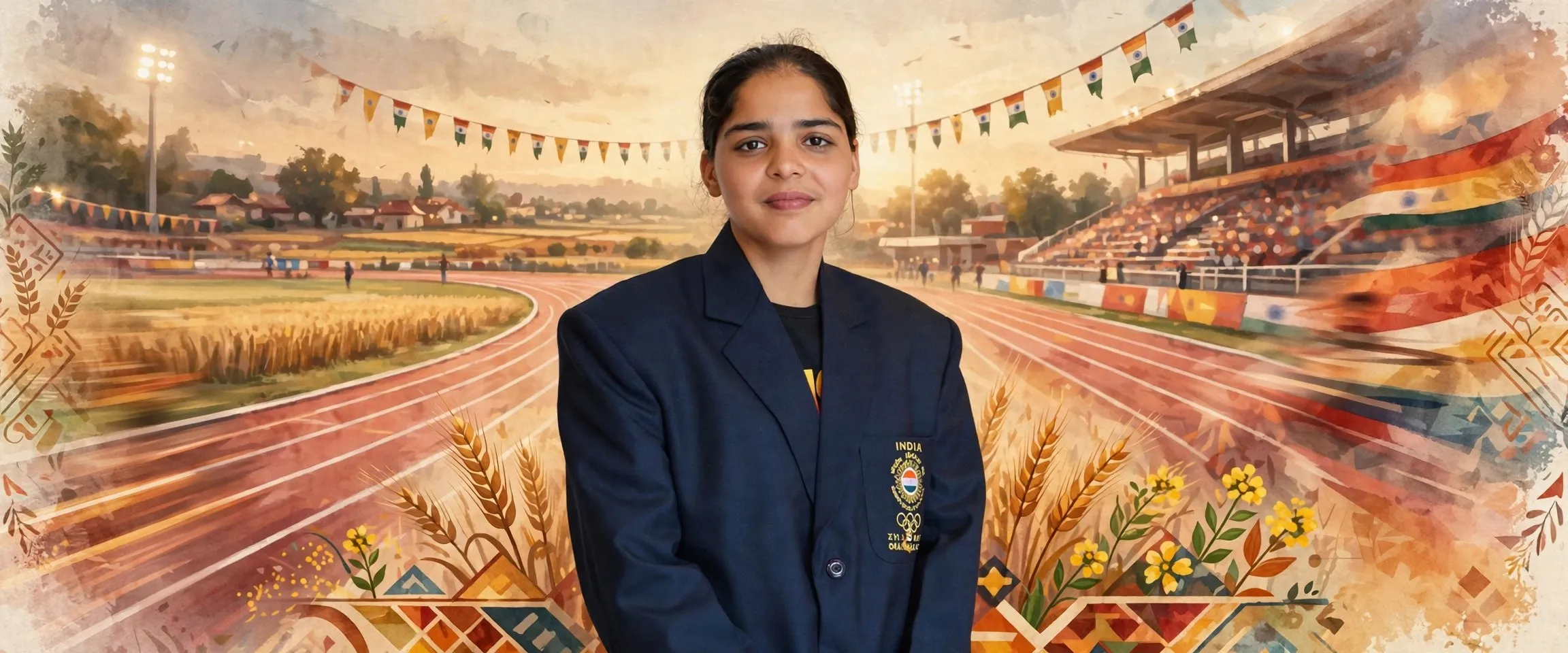
Khushbir Kaur is an Indian race walker from Rasulpur Kalan village in Amritsar district, Punjab. She became the first Indian woman to win an Asian Games medal in race walking when she took silver in the 20 km walk at Incheon 2014, clocking 1:33:07. She went on to represent India at the Rio 2016 Olympics and received the Arjuna Award in 2017.
- Punjabi name
- ਖੁਸ਼ਬੀਰ ਕੌਰ
- Full name
- Khushbir Kaur
- Born
- 9 July 1993, Punjab, India
- Home village
- Rasulpur Kalan, Amritsar district, Punjab
- District
- Amritsar
- Region
- Majha
All 14 facts
- Sport
- Race walking, 20 km
- Personal best, 20 km
- 1:33:07, Incheon, 28 September 2014
- Asian Games
- Silver, 20 km walk, Incheon 2014
- Olympics
- 54th, 20 km walk, Rio 2016
- Commonwealth Games
- 4th, 20 km walk, Gold Coast 2018
- Honour
- Arjuna Award, 2017
- Education
- Guru Nanak Dev University, Amritsar
- Occupation
- Punjab Police
Khushbir Kaur is an Indian race walker from Rasulpur Kalan, a village near Amritsar in Punjab, who became the first Indian woman to win a medal in race walking at the Asian Games. At Incheon in 2014 she took silver in the 20 kilometre walk in 1:33:07, a personal best and a new Indian record at the time. She went on to represent India at the Rio 2016 Olympics, finished fourth at the 2018 Commonwealth Games, and received the Arjuna Award in 2017.
Early life in Rasulpur Kalan
Khushbir Kaur was born on 9 July 1993 in Punjab and grew up in Rasulpur Kalan, a farming village in Amritsar district. Her family worked the land, and money was short from the start. Her father died when she was six years old, leaving her mother, Jasbir Kaur, to raise five children on her own.
Jasbir took on whatever work she could find, sewing clothes for neighbours and selling milk, to keep the family fed. In the rainy season the family, their son and daughters and their cows, shared a single room. When there was no money for food for days together, they spent their nights in the cowshed. Khushbir later studied at Guru Nanak Dev University in Amritsar and joined the Punjab Police, which gave her a steady job alongside her athletics career.
How did Khushbir Kaur take up race walking?
Her mother encouraged her to take up sport, and a local coach, Baldev Singh, guided her first steps in race walking. The sport suited a girl with more stamina than money: it needs no expensive kit, only a road and the discipline to keep moving. At the Junior Nationals in 2008 she finished her race barefoot, because her family could not afford walking shoes.
Race walking is not running. One foot must stay in contact with the ground at all times, and the leading leg must stay straight until it passes under the body. Judges watch every walker and can disqualify anyone who breaks the rules, so the event rewards technique and patience as much as speed. Khushbir set junior national records in the 5 kilometre and 10 kilometre walks, and her steady progress through the junior ranks marked her out as a walker to watch.
From junior medals to the world stage
Her first international medal came at the 2012 Asian Junior Athletics Championships in Colombo, where she won bronze in the 10,000 metre walk. The next year she stepped up to the senior 20 kilometre distance at the World Championships in Moscow, finishing 39th in 1:34:28, a time that bettered her own Indian record.
Early in 2014 she won bronze at the Asian Race Walking Championships in Japan, confirming her place among Asia's leading walkers. By then her coaching team had grown to include Alexander Artsybashev, a Russian coach who had worked with the Indian race walking squad since 2011, and Ajay Rati. She also had the backing of the Anglian Medal-Hunt Company, which supports Indian athletes with training and expenses.
The Incheon silver of 2014
The biggest day of her career came on 28 September 2014, on the Marathon Course at the Asian Games in Incheon, South Korea. The 21-year-old from Amritsar sat third for most of the race, behind China's Lu Xiuzhi and Nie Jingjing. In the final two kilometres, as Nie slowed, Khushbir moved up to second and held on to the finish.
She crossed the line in 1:33:07, improving her personal best and the Indian record of 1:33:37 in one race. Lu won gold in 1:31:06, and the bronze went to South Korea's Jeon Yeong-eun in 1:33:18. No Indian woman had won an Asian Games medal in race walking before. Khushbir's silver was the first, and it made her name across Punjab overnight.
Rio 2016, the Arjuna Award and Gold Coast 2018
Two years later she walked for India at the Rio 2016 Olympics, finishing 54th in the women's 20 kilometre walk in 1:40:30, well outside her best time. The result was a disappointment after Incheon, but the Olympic start itself put her among a small group of Indian race walkers to compete at the Games.
In 2017 she received the Arjuna Award, India's second highest sporting honour, for her run of international results. At the 2018 Commonwealth Games on the Gold Coast in Australia she finished fourth in the women's 20 kilometre walk in 1:39:21, just outside the medals.
Legacy: what her silver changed
Khushbir's silver did something simple and lasting: it showed that an Indian woman could stand on an Asian Games podium in race walking, an event India had never medalled in before. Her story, the barefoot race at the Junior Nationals, the cowshed nights, the mother who kept five children fed on sewing and milk money, became one of the best known sporting stories from rural Punjab.
For girls from farming families in the state, she remains a visible example that a village road can lead to an Olympic start line. She is remembered first for the Incheon silver, and second for the hard road that led to it.
ਖੁਸ਼ਬੀਰ ਕੌਰ ਪੰਜਾਬ ਦੇ ਅੰਮ੍ਰਿਤਸਰ ਨੇੜੇ ਪਿੰਡ ਰਸੂਲਪੁਰ ਕਲਾਂ ਤੋਂ ਇੱਕ ਭਾਰਤੀ ਰੇਸ ਵਾਕਰ ਹਨ, ਜੋ ਏਸ਼ਿਆਈ ਖੇਡਾਂ ਵਿੱਚ ਰੇਸ ਵਾਕਿੰਗ ਵਿੱਚ ਤਗਮਾ ਜਿੱਤਣ ਵਾਲੀ ਪਹਿਲੀ ਭਾਰਤੀ ਔਰਤ ਬਣੀ। ਇੰਚਿਓਨ 2014 ਵਿੱਚ ਉਸ ਨੇ 20 ਕਿਲੋਮੀਟਰ ਵਾਕ ਵਿੱਚ 1:33:07 ਦੇ ਸਮੇਂ ਨਾਲ ਚਾਂਦੀ ਦਾ ਤਗਮਾ ਜਿੱਤਿਆ, ਜੋ ਉਸ ਸਮੇਂ ਉਸ ਦਾ ਨਿੱਜੀ ਸਰਬੋਤਮ ਪ੍ਰਦਰਸ਼ਨ ਅਤੇ ਨਵਾਂ ਭਾਰਤੀ ਰਿਕਾਰਡ ਸੀ। ਇਸ ਤੋਂ ਬਾਅਦ ਉਹ ਰੀਓ 2016 ਓਲੰਪਿਕ ਵਿੱਚ ਭਾਰਤ ਦੀ ਨੁਮਾਇੰਦਗੀ ਕਰ ਚੁੱਕੀ ਹੈ, 2018 ਰਾਸ਼ਟਰਮੰਡਲ ਖੇਡਾਂ ਵਿੱਚ ਚੌਥੇ ਸਥਾਨ ’ਤੇ ਰਹੀ ਅਤੇ 2017 ਵਿੱਚ ਉਸ ਨੂੰ ਅਰਜੁਨ ਪੁਰਸਕਾਰ ਮਿਲਿਆ।
ਰਸੂਲਪੁਰ ਕਲਾਂ ਵਿੱਚ ਮੁੱਢਲਾ ਜੀਵਨ
ਖੁਸ਼ਬੀਰ ਕੌਰ ਦਾ ਜਨਮ 9 ਜੁਲਾਈ 1993 ਨੂੰ ਪੰਜਾਬ ਵਿੱਚ ਹੋਇਆ ਅਤੇ ਉਹ ਅੰਮ੍ਰਿਤਸਰ ਜ਼ਿਲ੍ਹੇ ਦੇ ਖੇਤੀਬਾੜੀ ਵਾਲੇ ਪਿੰਡ ਰਸੂਲਪੁਰ ਕਲਾਂ ਵਿੱਚ ਵੱਡੀ ਹੋਈ। ਉਸ ਦਾ ਪਰਿਵਾਰ ਖੇਤੀ ਕਰਦਾ ਸੀ ਅਤੇ ਘਰ ਵਿੱਚ ਪੈਸੇ ਦੀ ਹਮੇਸ਼ਾ ਤੰਗੀ ਰਹਿੰਦੀ ਸੀ। ਜਦੋਂ ਉਹ ਸਿਰਫ਼ ਛੇ ਸਾਲ ਦੀ ਸੀ ਤਾਂ ਉਸ ਦੇ ਪਿਤਾ ਦਾ ਦਿਹਾਂਤ ਹੋ ਗਿਆ, ਅਤੇ ਉਸ ਦੀ ਮਾਂ ਜਸਬੀਰ ਕੌਰ ਨੇ ਪੰਜ ਬੱਚਿਆਂ ਨੂੰ ਇਕੱਲਿਆਂ ਪਾਲਿਆ।
ਜਸਬੀਰ ਨੇ ਪਰਿਵਾਰ ਦਾ ਢਿੱਡ ਭਰਨ ਲਈ ਜੋ ਕੰਮ ਮਿਲਿਆ, ਉਹ ਕੀਤਾ: ਗੁਆਂਢੀਆਂ ਦੇ ਕੱਪੜੇ ਸੀਉਣੇ ਅਤੇ ਦੁੱਧ ਵੇਚਣਾ। ਬਰਸਾਤ ਦੇ ਮੌਸਮ ਵਿੱਚ ਪਰਿਵਾਰ, ਉਨ੍ਹਾਂ ਦਾ ਪੁੱਤਰ ਅਤੇ ਧੀਆਂ ਅਤੇ ਗਾਵਾਂ, ਇੱਕੋ ਕਮਰੇ ਵਿੱਚ ਰਹਿੰਦੇ ਸਨ। ਜਦੋਂ ਕਈ ਦਿਨ ਖਾਣ ਲਈ ਪੈਸੇ ਨਾ ਹੁੰਦੇ ਤਾਂ ਉਹ ਗਾਵਾਂ ਵਾਲੇ ਕੋਠੇ ਵਿੱਚ ਰਾਤ ਕੱਟਦੇ ਸਨ। ਖੁਸ਼ਬੀਰ ਨੇ ਬਾਅਦ ਵਿੱਚ ਅੰਮ੍ਰਿਤਸਰ ਦੀ ਗੁਰੂ ਨਾਨਕ ਦੇਵ ਯੂਨੀਵਰਸਿਟੀ ਤੋਂ ਪੜ੍ਹਾਈ ਕੀਤੀ ਅਤੇ ਪੰਜਾਬ ਪੁਲਿਸ ਵਿੱਚ ਭਰਤੀ ਹੋ ਗਈ, ਜਿਸ ਨਾਲ ਖੇਡਾਂ ਦੇ ਨਾਲ ਨਾਲ ਉਸ ਨੂੰ ਇੱਕ ਪੱਕੀ ਨੌਕਰੀ ਮਿਲ ਗਈ।
ਖੁਸ਼ਬੀਰ ਕੌਰ ਨੇ ਰੇਸ ਵਾਕਿੰਗ ਕਿਵੇਂ ਅਪਣਾਈ?
ਉਸ ਦੀ ਮਾਂ ਨੇ ਉਸ ਨੂੰ ਖੇਡਾਂ ਵੱਲ ਲਾਇਆ, ਅਤੇ ਸਥਾਨਕ ਕੋਚ ਬਲਦੇਵ ਸਿੰਘ ਨੇ ਰੇਸ ਵਾਕਿੰਗ ਵਿੱਚ ਉਸ ਦੇ ਪਹਿਲੇ ਕਦਮਾਂ ਦੀ ਅਗਵਾਈ ਕੀਤੀ। ਇਹ ਖੇਡ ਇੱਕ ਅਜਿਹੀ ਕੁੜੀ ਲਈ ਢੁੱਕਵੀਂ ਸੀ ਜਿਸ ਕੋਲ ਪੈਸੇ ਨਾਲੋਂ ਸਬਰ ਜ਼ਿਆਦਾ ਸੀ: ਇਸ ਵਿੱਚ ਮਹਿੰਗੇ ਸਮਾਨ ਦੀ ਲੋੜ ਨਹੀਂ, ਸਿਰਫ਼ ਇੱਕ ਸੜਕ ਅਤੇ ਚਲਦੇ ਰਹਿਣ ਦਾ ਅਨੁਸ਼ਾਸਨ ਚਾਹੀਦਾ ਹੈ। 2008 ਵਿੱਚ ਜੂਨੀਅਰ ਨੈਸ਼ਨਲ ਵਿੱਚ ਉਸ ਨੇ ਨੰਗੇ ਪੈਰੀਂ ਦੌੜ ਪੂਰੀ ਕੀਤੀ, ਕਿਉਂਕਿ ਉਸ ਦੇ ਪਰਿਵਾਰ ਕੋਲ ਚੱਲਣ ਵਾਲੇ ਜੁੱਤੇ ਖਰੀਦਣ ਲਈ ਪੈਸੇ ਨਹੀਂ ਸਨ।
ਰੇਸ ਵਾਕਿੰਗ ਦੌੜਨਾ ਨਹੀਂ ਹੈ। ਇਸ ਵਿੱਚ ਇੱਕ ਪੈਰ ਹਮੇਸ਼ਾ ਜ਼ਮੀਨ ’ਤੇ ਰਹਿਣਾ ਚਾਹੀਦਾ ਹੈ, ਅਤੇ ਅੱਗੇ ਵਾਲੀ ਲੱਤ ਸਰੀਰ ਦੇ ਹੇਠੋਂ ਲੰਘਣ ਤੱਕ ਸਿੱਧੀ ਰਹਿਣੀ ਚਾਹੀਦੀ ਹੈ। ਜੱਜ ਹਰ ਖਿਡਾਰੀ ਨੂੰ ਵੇਖਦੇ ਹਨ ਅਤੇ ਨਿਯਮ ਤੋੜਨ ਵਾਲੇ ਨੂੰ ਬਾਹਰ ਕਰ ਸਕਦੇ ਹਨ, ਇਸ ਲਈ ਇਸ ਖੇਡ ਵਿੱਚ ਰਫ਼ਤਾਰ ਜਿੰਨੀ ਹੀ ਤਕਨੀਕ ਅਤੇ ਸਬਰ ਦੀ ਲੋੜ ਹੁੰਦੀ ਹੈ। ਖੁਸ਼ਬੀਰ ਨੇ 5 ਕਿਲੋਮੀਟਰ ਅਤੇ 10 ਕਿਲੋਮੀਟਰ ਵਾਕ ਵਿੱਚ ਜੂਨੀਅਰ ਕੌਮੀ ਰਿਕਾਰਡ ਬਣਾਏ, ਅਤੇ ਜੂਨੀਅਰ ਪੱਧਰ ’ਤੇ ਉਸ ਦੀ ਲਗਾਤਾਰ ਤਰੱਕੀ ਨੇ ਉਸ ਨੂੰ ਦੇਖਣ ਯੋਗ ਖਿਡਾਰਨ ਬਣਾ ਦਿੱਤਾ।
ਜੂਨੀਅਰ ਤਗਮਿਆਂ ਤੋਂ ਵਿਸ਼ਵ ਪੱਧਰ ਤੱਕ
ਉਸ ਦਾ ਪਹਿਲਾ ਅੰਤਰਰਾਸ਼ਟਰੀ ਤਗਮਾ 2012 ਵਿੱਚ ਕੋਲੰਬੋ ਵਿੱਚ ਹੋਈ ਏਸ਼ਿਆਈ ਜੂਨੀਅਰ ਐਥਲੈਟਿਕਸ ਚੈਂਪੀਅਨਸ਼ਿਪ ਵਿੱਚ ਆਇਆ, ਜਿੱਥੇ ਉਸ ਨੇ 10,000 ਮੀਟਰ ਵਾਕ ਵਿੱਚ ਕਾਂਸੀ ਦਾ ਤਗਮਾ ਜਿੱਤਿਆ। ਅਗਲੇ ਸਾਲ ਉਹ ਮਾਸਕੋ ਵਿੱਚ ਵਿਸ਼ਵ ਚੈਂਪੀਅਨਸ਼ਿਪ ਵਿੱਚ ਸੀਨੀਅਰ 20 ਕਿਲੋਮੀਟਰ ਦੂਰੀ ’ਤੇ ਉੱਤਰੀ, ਜਿੱਥੇ ਉਹ 1:34:28 ਦੇ ਸਮੇਂ ਨਾਲ 39ਵੇਂ ਸਥਾਨ ’ਤੇ ਰਹੀ, ਜਿਸ ਨਾਲ ਉਸ ਨੇ ਆਪਣਾ ਹੀ ਭਾਰਤੀ ਰਿਕਾਰਡ ਤੋੜਿਆ।
2014 ਦੇ ਸ਼ੁਰੂ ਵਿੱਚ ਉਸ ਨੇ ਜਪਾਨ ਵਿੱਚ ਹੋਈ ਏਸ਼ਿਆਈ ਰੇਸ ਵਾਕਿੰਗ ਚੈਂਪੀਅਨਸ਼ਿਪ ਵਿੱਚ ਕਾਂਸੀ ਦਾ ਤਗਮਾ ਜਿੱਤਿਆ, ਜਿਸ ਨਾਲ ਏਸ਼ੀਆ ਦੀਆਂ ਮੋਹਰੀ ਵਾਕਰਾਂ ਵਿੱਚ ਉਸ ਦੀ ਥਾਂ ਪੱਕੀ ਹੋ ਗਈ। ਉਦੋਂ ਤੱਕ ਉਸ ਦੀ ਕੋਚਿੰਗ ਟੀਮ ਵਿੱਚ ਰੂਸੀ ਕੋਚ ਅਲੈਗਜ਼ੈਂਡਰ ਆਰਟਸੀਬਾਸ਼ੇਵ ਵੀ ਸ਼ਾਮਲ ਹੋ ਗਿਆ ਸੀ, ਜੋ 2011 ਤੋਂ ਭਾਰਤੀ ਰੇਸ ਵਾਕਿੰਗ ਟੀਮ ਨਾਲ ਕੰਮ ਕਰ ਰਿਹਾ ਸੀ, ਅਤੇ ਅਜੈ ਰੱਤੀ ਵੀ ਸ਼ਾਮਲ ਸੀ। ਉਸ ਨੂੰ ਐਂਗਲੀਅਨ ਮੈਡਲ-ਹੰਟ ਕੰਪਨੀ ਦਾ ਸਹਿਯੋਗ ਵੀ ਮਿਲਿਆ, ਜੋ ਭਾਰਤੀ ਖਿਡਾਰੀਆਂ ਦੀ ਸਿਖਲਾਈ ਅਤੇ ਖਰਚਿਆਂ ਵਿੱਚ ਮਦਦ ਕਰਦੀ ਹੈ।
ਇੰਚਿਓਨ 2014 ਦਾ ਚਾਂਦੀ ਦਾ ਤਗਮਾ
ਉਸ ਦੇ ਜੀਵਨ ਦਾ ਸਭ ਤੋਂ ਵੱਡਾ ਦਿਨ 28 ਸਤੰਬਰ 2014 ਨੂੰ ਦੱਖਣੀ ਕੋਰੀਆ ਦੇ ਇੰਚਿਓਨ ਵਿੱਚ ਏਸ਼ਿਆਈ ਖੇਡਾਂ ਵਿੱਚ ਆਇਆ, ਜਿੱਥੇ ਮੈਰਾਥਨ ਕੋਰਸ ’ਤੇ 20 ਕਿਲੋਮੀਟਰ ਵਾਕ ਹੋਈ। ਅੰਮ੍ਰਿਤਸਰ ਤੋਂ ਆਈ 21 ਸਾਲਾ ਖੁਸ਼ਬੀਰ ਦੌੜ ਦੇ ਜ਼ਿਆਦਾਤਰ ਹਿੱਸੇ ਵਿੱਚ ਤੀਜੇ ਸਥਾਨ ’ਤੇ ਰਹੀ, ਚੀਨ ਦੀ ਲੂ ਸ਼ਿਊਝੀ ਅਤੇ ਨੀਏ ਜਿੰਗਜਿੰਗ ਤੋਂ ਪਿੱਛੇ। ਆਖ਼ਰੀ ਦੋ ਕਿਲੋਮੀਟਰ ਵਿੱਚ ਜਦੋਂ ਨੀਏ ਦੀ ਰਫ਼ਤਾਰ ਘਟੀ ਤਾਂ ਖੁਸ਼ਬੀਰ ਦੂਜੇ ਸਥਾਨ ’ਤੇ ਆ ਗਈ ਅਤੇ ਅੰਤ ਤੱਕ ਉਸੇ ਥਾਂ ’ਤੇ ਰਹੀ।
ਉਸ ਨੇ 1:33:07 ਦੇ ਸਮੇਂ ਨਾਲ ਦੌੜ ਪੂਰੀ ਕੀਤੀ, ਜਿਸ ਨਾਲ ਉਸ ਨੇ ਆਪਣਾ ਨਿੱਜੀ ਸਰਬੋਤਮ ਪ੍ਰਦਰਸ਼ਨ ਅਤੇ 1:33:37 ਦਾ ਭਾਰਤੀ ਰਿਕਾਰਡ, ਦੋਵੇਂ ਇੱਕੋ ਦੌੜ ਵਿੱਚ ਸੁਧਾਰੇ। ਸੋਨਾ ਲੂ ਨੇ 1:31:06 ਨਾਲ ਜਿੱਤਿਆ, ਅਤੇ ਕਾਂਸੀ ਦੱਖਣੀ ਕੋਰੀਆ ਦੀ ਜੀਓਨ ਯੋਂਗ-ਯੂਨ ਨੂੰ 1:33:18 ਨਾਲ ਮਿਲਿਆ। ਉਸ ਤੋਂ ਪਹਿਲਾਂ ਕਿਸੇ ਭਾਰਤੀ ਔਰਤ ਨੇ ਏਸ਼ਿਆਈ ਖੇਡਾਂ ਵਿੱਚ ਰੇਸ ਵਾਕਿੰਗ ਵਿੱਚ ਤਗਮਾ ਨਹੀਂ ਜਿੱਤਿਆ ਸੀ। ਖੁਸ਼ਬੀਰ ਦਾ ਚਾਂਦੀ ਦਾ ਤਗਮਾ ਪਹਿਲਾ ਸੀ, ਅਤੇ ਇਸ ਨੇ ਉਸ ਦਾ ਨਾਂ ਪੂਰੇ ਪੰਜਾਬ ਵਿੱਚ ਮਸ਼ਹੂਰ ਕਰ ਦਿੱਤਾ।
ਰੀਓ 2016, ਅਰਜੁਨ ਪੁਰਸਕਾਰ ਅਤੇ ਗੋਲਡ ਕੋਸਟ 2018
ਦੋ ਸਾਲ ਬਾਅਦ ਉਹ ਰੀਓ 2016 ਓਲੰਪਿਕ ਵਿੱਚ ਭਾਰਤ ਵੱਲੋਂ ਖੇਡੀ, ਜਿੱਥੇ ਔਰਤਾਂ ਦੀ 20 ਕਿਲੋਮੀਟਰ ਵਾਕ ਵਿੱਚ 1:40:30 ਦੇ ਸਮੇਂ ਨਾਲ 54ਵੇਂ ਸਥਾਨ ’ਤੇ ਰਹੀ, ਜੋ ਉਸ ਦੇ ਸਰਬੋਤਮ ਸਮੇਂ ਤੋਂ ਕਾਫ਼ੀ ਪਿੱਛੇ ਸੀ। ਇੰਚਿਓਨ ਤੋਂ ਬਾਅਦ ਇਹ ਨਤੀਜਾ ਨਿਰਾਸ਼ਾਜਨਕ ਸੀ, ਪਰ ਓਲੰਪਿਕ ਵਿੱਚ ਖੇਡਣਾ ਹੀ ਉਸ ਨੂੰ ਭਾਰਤ ਦੇ ਉਨ੍ਹਾਂ ਗਿਣੇ-ਚੁਣੇ ਰੇਸ ਵਾਕਰਾਂ ਵਿੱਚ ਸ਼ਾਮਲ ਕਰ ਗਿਆ ਜੋ ਖੇਡਾਂ ਤੱਕ ਪਹੁੰਚੇ ਹਨ।
2017 ਵਿੱਚ ਉਸ ਨੂੰ ਅਰਜੁਨ ਪੁਰਸਕਾਰ ਮਿਲਿਆ, ਜੋ ਉਸ ਦੇ ਅੰਤਰਰਾਸ਼ਟਰੀ ਨਤੀਜਿਆਂ ਦੀ ਲੜੀ ਲਈ ਭਾਰਤ ਦਾ ਦੂਜਾ ਸਭ ਤੋਂ ਵੱਡਾ ਖੇਡ ਸਨਮਾਨ ਹੈ। 2018 ਵਿੱਚ ਆਸਟ੍ਰੇਲੀਆ ਦੇ ਗੋਲਡ ਕੋਸਟ ਵਿੱਚ ਹੋਈਆਂ ਰਾਸ਼ਟਰਮੰਡਲ ਖੇਡਾਂ ਵਿੱਚ ਉਹ ਔਰਤਾਂ ਦੀ 20 ਕਿਲੋਮੀਟਰ ਵਾਕ ਵਿੱਚ 1:39:21 ਦੇ ਸਮੇਂ ਨਾਲ ਚੌਥੇ ਸਥਾਨ ’ਤੇ ਰਹੀ, ਤਗਮੇ ਤੋਂ ਸਿਰਫ਼ ਇੱਕ ਕਦਮ ਦੂਰ।
ਵਿਰਾਸਤ: ਉਸ ਦੇ ਚਾਂਦੀ ਦੇ ਤਗਮੇ ਨੇ ਕੀ ਬਦਲਿਆ
ਖੁਸ਼ਬੀਰ ਦੇ ਚਾਂਦੀ ਦੇ ਤਗਮੇ ਨੇ ਇੱਕ ਸਧਾਰਨ ਪਰ ਸਥਾਈ ਕੰਮ ਕੀਤਾ: ਉਸ ਨੇ ਦਿਖਾਇਆ ਕਿ ਇੱਕ ਭਾਰਤੀ ਔਰਤ ਰੇਸ ਵਾਕਿੰਗ ਵਿੱਚ ਏਸ਼ਿਆਈ ਖੇਡਾਂ ਦੇ ਪੋਡੀਅਮ ’ਤੇ ਖੜ੍ਹੀ ਹੋ ਸਕਦੀ ਹੈ, ਜਿਸ ਖੇਡ ਵਿੱਚ ਭਾਰਤ ਨੇ ਪਹਿਲਾਂ ਕਦੇ ਤਗਮਾ ਨਹੀਂ ਜਿੱਤਿਆ ਸੀ। ਉਸ ਦੀ ਕਹਾਣੀ, ਜੂਨੀਅਰ ਨੈਸ਼ਨਲ ਵਿੱਚ ਨੰਗੇ ਪੈਰੀਂ ਦੌੜ, ਗਾਵਾਂ ਵਾਲੇ ਕੋਠੇ ਵਿੱਚ ਕੱਟੀਆਂ ਰਾਤਾਂ, ਅਤੇ ਉਹ ਮਾਂ ਜਿਸ ਨੇ ਸੀਉਣ ਅਤੇ ਦੁੱਧ ਵੇਚ ਕੇ ਪੰਜ ਬੱਚਿਆਂ ਨੂੰ ਪਾਲਿਆ, ਪੇਂਡੂ ਪੰਜਾਬ ਦੀਆਂ ਸਭ ਤੋਂ ਜਾਣੀਆਂ-ਪਛਾਣੀਆਂ ਖੇਡ ਕਹਾਣੀਆਂ ਵਿੱਚੋਂ ਇੱਕ ਬਣ ਗਈ।
ਪੰਜਾਬ ਦੇ ਖੇਤੀ ਪਰਿਵਾਰਾਂ ਦੀਆਂ ਕੁੜੀਆਂ ਲਈ ਉਹ ਅੱਜ ਵੀ ਇੱਕ ਸਪੱਸ਼ਟ ਮਿਸਾਲ ਹੈ ਕਿ ਪਿੰਡ ਦੀ ਸੜਕ ਓਲੰਪਿਕ ਦੀ ਸ਼ੁਰੂਆਤੀ ਲਾਈਨ ਤੱਕ ਲੈ ਜਾ ਸਕਦੀ ਹੈ। ਉਸ ਨੂੰ ਸਭ ਤੋਂ ਪਹਿਲਾਂ ਇੰਚਿਓਨ ਦੇ ਚਾਂਦੀ ਦੇ ਤਗਮੇ ਲਈ ਯਾਦ ਕੀਤਾ ਜਾਂਦਾ ਹੈ, ਅਤੇ ਉਸ ਤੋਂ ਬਾਅਦ ਉਸ ਔਖੇ ਰਸਤੇ ਲਈ ਜੋ ਉੱਥੇ ਤੱਕ ਲੈ ਗਿਆ।
People

Places
More sports
See all

Sources (4)
Jugti is free and independent. Reader support keeps the Kosh growing.
Support