
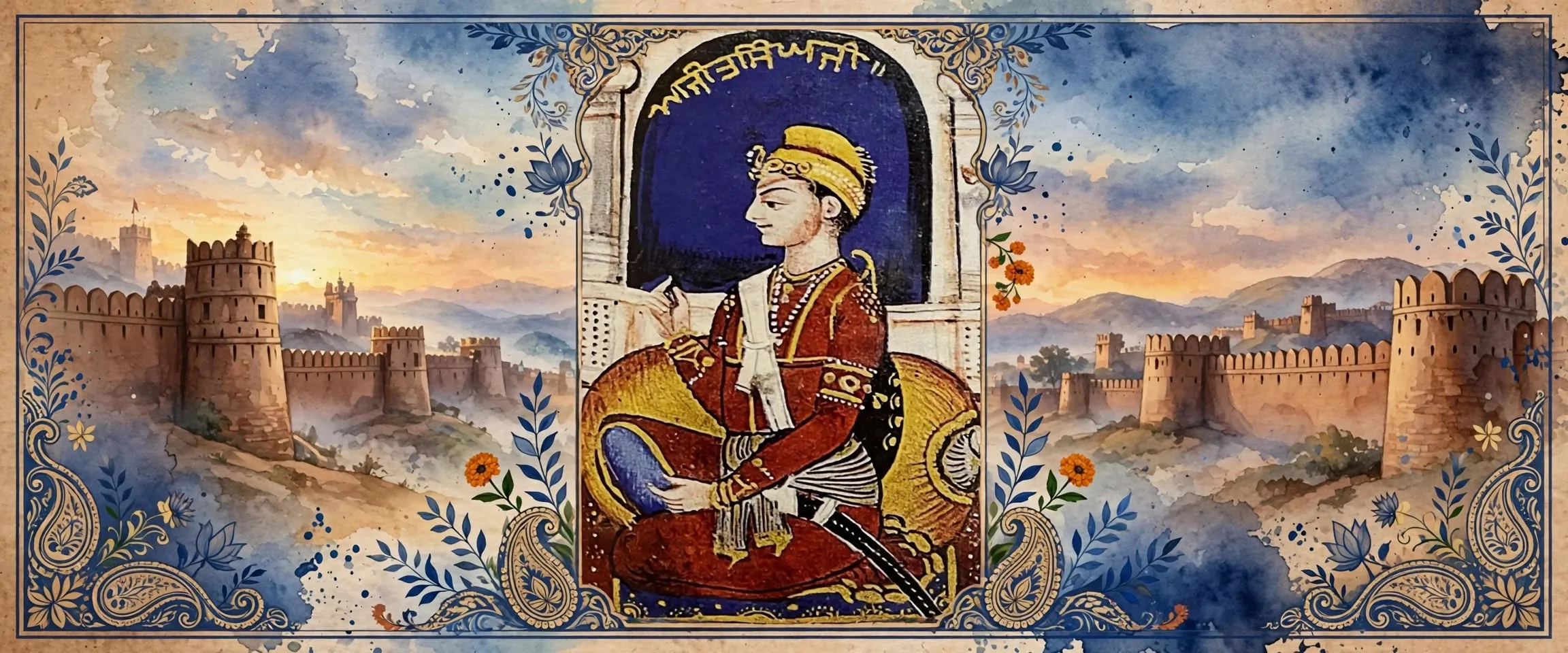
Baba Ajit Singh Ji (11 February 1687 to 7 December 1704) was the eldest son of Guru Gobind Singh Ji and Mata Sundari Ji, and the first of the four Sahibzade. Trained in warfare from childhood, he led Sikh forces in battle from the age of twelve and died at seventeen leading a sally from the mud fort at Chamkaur against the Mughal army, hours before his younger brother Jujhar Singh Ji fell beside him.
- Punjabi name
- ਬਾਬਾ ਅਜੀਤ ਸਿੰਘ ਜੀ
- Born
- 11 February 1687, Paonta Sahib
- Father
- Guru Gobind Singh Ji
- Mother
- Mata Sundari Ji
- Brothers
- Jujhar Singh Ji, Zorawar Singh Ji, Fateh Singh Ji
- Teacher
- Bhai Jaita Ji (Jiwan Singh Ji)
All 8 facts
- Died
- 7 December 1704, Chamkaur Sahib, aged 17
- Known for
- Martyrdom at the Battle of Chamkaur
Baba Ajit Singh Ji (11 February 1687 to 7 December 1704) was the eldest son of Guru Gobind Singh Ji and Mata Sundari Ji, and the first of the four Sahibzade. At seventeen he led six Sikhs out of the fort at Chamkaur against the Mughal army and died fighting, hours before his brother Jujhar Singh Ji fell beside him.
Who was Baba Ajit Singh Ji?
Baba Ajit Singh Ji was born at Paonta Sahib on 11 February 1687, the eldest son of Guru Gobind Singh Ji and Mata Sundari Ji. His name, Ajit, means unconquerable, and his life lived up to it. He was brought up at Anandpur Sahib, his father's home, and from his earliest years he was trained for the life of a saint-soldier: scripture and history in the morning, horsemanship, archery and the sword in the afternoon. His younger brothers were Jujhar Singh Ji, Zorawar Singh Ji and Fateh Singh Ji, born to Mata Jito Ji. Together the four brothers are remembered as the Char Sahibzade, the four princes.
Sources differ on the exact day of his birth. Most modern accounts give 11 February 1687 at Paonta Sahib, and this entry follows that date. The Encyclopaedia of Sikhism gives 26 January 1687, and a few older accounts give 7 January at Anandpur Sahib. The year, 1687, and the place, Paonta Sahib, are agreed on.
How was he trained as a saint-soldier?
His education followed the pattern his father had set for the Khalsa: a saint in prayer and a soldier in battle. He studied the sacred texts, history and philosophy, and he learned warfare from Bhai Jaita Ji, also known as Jiwan Singh Ji, the Sikh who had carried the head of Guru Tegh Bahadur Ji from Delhi to Anandpur after the ninth Guru's martyrdom. Under such a teacher he learned not only how to ride and fight but what a Sikh fights for.
He was twelve years old when his father created the Khalsa through Amrit Sanchar at Anandpur on Baisakhi 1699. The boy who had grown up watching his father build a community of saint-soldiers was now old enough to join, and his father gave him command at once.
What did he do before Chamkaur?
His first command came within weeks of the Khalsa's birth. A band of Ranghars from Nuh had attacked and looted a Sikh sangat travelling from the Pothohar region. Guru Gobind Singh Ji sent him with a hundred men to the village across the river Satluj. He reached it on 23 May 1699, recovered the looted property and punished the offenders.
The next year Anandpur itself was attacked by the hill chiefs with troops from the Mughal faujdar of Sirhind. Guru Gobind Singh Ji had built five forts around the city, and Ajit Singh Ji, assisted by the seasoned Bhai Udai Singh Ji, was put in charge of Qila Taragarh Sahib's defence. On 29 August 1700 the hill chiefs made the fort their first target, and for four days they attacked the forts around the city in vain.
On 15 March 1701 he led an expedition against Gujjars who had waylaid a sangat coming from Darap near Sialkot. In 1702 he fought with the Sikh army at Nirmohgarh and then at Basoli, defeating the Mughal forces. In March 1703 a Brahmin named Dewki Das came to Anandpur and begged the Guru to help recover his wife, whom Jabar Khan, the chief of Dera Bassi, had taken by force. The Guru sent Ajit Singh Ji and Bhai Udai Singh Ji with about a hundred Sikhs to Bassi Kalan. On 7 March 1703 they laid siege to the village, Jabar Khan was killed in the battle that followed, and the Brahmin's wife was restored to him.
How did the Sikhs reach Chamkaur?
By the winter of 1704 Anandpur had been under siege for months. The Mughal armies of Sirhind and Lahore, joined by the hill chiefs, had cut off all supplies, and food and ammunition were exhausted. The besiegers promised safe passage if the Guru would leave, swearing oaths on the Quran and on the cow. The Guru knew the oaths were false, but he was prevailed upon, chiefly by his mother Mata Gujri Ji, to leave. On the night of 5 and 6 December 1704 the Sikhs slipped out of Anandpur.
The promise was broken at once. As the column crossed the rain-swollen river Sarsa, the pursuing army fell on it. Baba Ajit Singh Ji, with a party of Sikhs, held the enemy back while the rest crossed, and then plunged his horse into the flooded river after them. In the confusion of that cold night, Mata Gujri Ji and the two younger Sahibzade, Zorawar Singh Ji and Fateh Singh Ji, were separated from the column. When the survivors regrouped, Guru Gobind Singh Ji had only forty Sikhs with him, besides his two elder sons. They pushed on to Chamkaur and, as evening fell, took shelter in a mud house on a small rise, the home of two brothers, Chaudhari Roop Chand and Jagat Singh.
How did Baba Ajit Singh Ji die at Chamkaur?
By morning the Mughal army had surrounded the house, and a messenger demanded that the Guru surrender, submit to the Emperor Aurangzeb and accept Islam. Baba Ajit Singh Ji was standing near his father when the words were spoken. He drew his sword and warned the messenger that another such word would cost him his head. The messenger went back with that answer, and the battle began.
The Sikhs fought from behind the walls, the windows and the roof, and the Mughal soldiers fell. But the little band could not hold the fort forever, and the Guru's men began to go out in batches of five to meet the enemy in the open. Then Baba Ajit Singh Ji came before his father and asked for leave to go. His name meant unconquerable, he said, and he would not be conquered, and if he fell he would not come back alive. The Guru hugged his son, gave him a weapon, and bade him go.
He went out with five Sikhs, among them Bhai Mohkam Singh Ji, one of the original Panj Pyare. They poured a rain of arrows on the enemy, and then Baba Ajit Singh Ji took up his lance and sprang upon them. He thrust it into an armoured soldier's chest, and the lance stuck fast and broke in two as he tried to pull it free. He drew his sword and fought on until he was overpowered and fell. His father had watched him from the roof of the mud house, and when he saw his son fall he roared the jaikara, Sat Sri Akal, in pride and in grief.
Jujhar Singh Ji had watched his elder brother fight and fall. He too asked his father for leave, saying he would prove worthy of him and die fighting with his face to the enemy. The Guru gave him a sword and a shield and blessed him, and the boy of fourteen went out with five Sikhs and died as his brother had died. The five Sikhs who remained then formed the council of the Panj Pyare and ordered the Guru to leave the fort so the Khalsa might live. He obeyed them and slipped away at midnight with three Sikhs, while Bhai Sangat Singh Ji, who resembled him, stayed behind in the Guru's clothes and was killed in his place.
Most histories date Baba Ajit Singh Ji's death to 7 December 1704. Some sources give 22 December 1704 instead, the date reached by converting the old Bikrami calendar date, though the scholar Pal Singh Purewal has argued that the conversion was mistaken. The Sikh calendar remembers the day as 8 Poh, in the cold month of Poh when the martyrdom of the Sahibzade is observed every year.
Why is Baba Ajit Singh Ji remembered today?
He is remembered first as the eldest of the Char Sahibzade, the four sons who gave their lives in a single December week in 1704: the two elder brothers at Chamkaur, the two younger ones bricked alive at Fatehgarh Sahib on the orders of Wazir Khan of Sirhind. His father wrote of the battle in the Zafarnama, his letter to the Emperor Aurangzeb, telling how forty hungry men had stood against an army of thousands. Gurdwara Katalgarh Sahib at Chamkaur marks the place where Baba Ajit Singh Ji fell.
His name lives on in the land itself. Mohali, one of Punjab's largest cities, is officially named Sahibzada Ajit Singh Nagar, and the district around it carries the same name. Every year on 26 December, Veer Bal Diwas honours the four Sahibzade in India and the diaspora. At Chamkaur, pilgrims visit the garhi where forty Sikhs held an empire at bay, and parents still tell their children of the seventeen-year-old who asked his father for leave to die, and was given it, because his name meant he could not be conquered.
ਬਾਬਾ ਅਜੀਤ ਸਿੰਘ ਜੀ (11 ਫਰਵਰੀ 1687 ਤੋਂ 7 ਦਸੰਬਰ 1704) ਗੁਰੂ ਗੋਬਿੰਦ ਸਿੰਘ ਜੀ ਅਤੇ ਮਾਤਾ ਸੁੰਦਰੀ ਜੀ ਦੇ ਵੱਡੇ ਪੁੱਤਰ ਸਨ ਅਤੇ ਚਾਰ ਸਾਹਿਬਜ਼ਾਦਿਆਂ ਵਿੱਚੋਂ ਪਹਿਲੇ ਸਨ। ਸਤਾਰਾਂ ਸਾਲ ਦੀ ਉਮਰ ਵਿੱਚ ਉਨ੍ਹਾਂ ਨੇ ਚਮਕੌਰ ਦੀ ਗੜ੍ਹੀ ਵਿੱਚੋਂ ਛੇ ਸਿੱਖਾਂ ਨੂੰ ਲੈ ਕੇ ਮੁਗ਼ਲ ਫ਼ੌਜ ਉੱਤੇ ਹਮਲਾ ਕੀਤਾ ਅਤੇ ਲੜਦੇ ਹੋਏ ਸ਼ਹੀਦ ਹੋ ਗਏ, ਭਰਾ ਜੁਝਾਰ ਸਿੰਘ ਜੀ ਦੇ ਸ਼ਹੀਦ ਹੋਣ ਤੋਂ ਘੰਟੇ ਪਹਿਲਾਂ।
ਬਾਬਾ ਅਜੀਤ ਸਿੰਘ ਜੀ ਕੌਣ ਸਨ?
ਬਾਬਾ ਅਜੀਤ ਸਿੰਘ ਜੀ ਦਾ ਜਨਮ 11 ਫਰਵਰੀ 1687 ਨੂੰ ਪਾਉਂਟਾ ਸਾਹਿਬ ਵਿਖੇ ਹੋਇਆ ਸੀ। ਉਹ ਗੁਰੂ ਗੋਬਿੰਦ ਸਿੰਘ ਜੀ ਅਤੇ ਮਾਤਾ ਸੁੰਦਰੀ ਜੀ ਦੇ ਵੱਡੇ ਪੁੱਤਰ ਸਨ। ਉਨ੍ਹਾਂ ਦੇ ਨਾਂ ਅਜੀਤ ਦਾ ਅਰਥ ਹੈ ਜਿਸ ਨੂੰ ਜਿੱਤਿਆ ਨਾ ਜਾ ਸਕੇ, ਅਤੇ ਉਨ੍ਹਾਂ ਦਾ ਜੀਵਨ ਇਸ ਅਰਥ ਉੱਤੇ ਖਰਾ ਉਤਰਿਆ। ਉਹ ਅਨੰਦਪੁਰ ਸਾਹਿਬ ਵਿੱਚ ਵੱਡੇ ਹੋਏ, ਅਤੇ ਬਚਪਨ ਤੋਂ ਹੀ ਉਨ੍ਹਾਂ ਨੂੰ ਸੰਤ ਸਿਪਾਹੀ ਦਾ ਜੀਵਨ ਜਿਉਣ ਦੀ ਸਿਖਲਾਈ ਦਿੱਤੀ ਗਈ: ਸਵੇਰੇ ਗੁਰਬਾਣੀ ਅਤੇ ਇਤਿਹਾਸ, ਦੁਪਹਿਰੇ ਘੋੜਸਵਾਰੀ, ਤੀਰਅੰਦਾਜ਼ੀ ਅਤੇ ਤਲਵਾਰਬਾਜ਼ੀ। ਉਨ੍ਹਾਂ ਦੇ ਛੋਟੇ ਭਰਾ ਜੁਝਾਰ ਸਿੰਘ ਜੀ, ਜ਼ੋਰਾਵਰ ਸਿੰਘ ਜੀ ਅਤੇ ਫ਼ਤਹਿ ਸਿੰਘ ਜੀ ਸਨ, ਜਿਨ੍ਹਾਂ ਦਾ ਜਨਮ ਮਾਤਾ ਜੀਤੋ ਜੀ ਤੋਂ ਹੋਇਆ ਸੀ। ਚਾਰੇ ਭਰਾਵਾਂ ਨੂੰ ਇਕੱਠਿਆਂ ਚਾਰ ਸਾਹਿਬਜ਼ਾਦੇ ਕਿਹਾ ਜਾਂਦਾ ਹੈ।
ਜਨਮ ਦੇ ਠੀਕ ਦਿਨ ਬਾਰੇ ਸਰੋਤਾਂ ਵਿੱਚ ਮਤਭੇਦ ਹੈ। ਜ਼ਿਆਦਾਤਰ ਨਵੇਂ ਲੇਖ 11 ਫਰਵਰੀ 1687 ਨੂੰ ਪਾਉਂਟਾ ਸਾਹਿਬ ਦੱਸਦੇ ਹਨ, ਅਤੇ ਇਹ ਲੇਖ ਉਸੇ ਤਰੀਕ ਨੂੰ ਮੰਨਦਾ ਹੈ। ਐਨਸਾਈਕਲੋਪੀਡੀਆ ਆਫ਼ ਸਿੱਖਇਜ਼ਮ ਵਿੱਚ 26 ਜਨਵਰੀ 1687 ਦਰਜ ਹੈ, ਅਤੇ ਕੁਝ ਪੁਰਾਣੇ ਲੇਖਾਂ ਵਿੱਚ 7 ਜਨਵਰੀ ਨੂੰ ਅਨੰਦਪੁਰ ਸਾਹਿਬ ਦੱਸਿਆ ਗਿਆ ਹੈ। ਸਾਲ ਅਤੇ ਥਾਂ ਬਾਰੇ ਸਭ ਸਹਿਮਤ ਹਨ।
ਉਨ੍ਹਾਂ ਨੂੰ ਸੰਤ ਸਿਪਾਹੀ ਵਜੋਂ ਕਿਵੇਂ ਤਿਆਰ ਕੀਤਾ ਗਿਆ?
ਉਨ੍ਹਾਂ ਦੀ ਸਿੱਖਿਆ ਉਸੇ ਢੰਗ ਨਾਲ ਹੋਈ ਜੋ ਉਨ੍ਹਾਂ ਦੇ ਪਿਤਾ ਜੀ ਨੇ ਖ਼ਾਲਸੇ ਲਈ ਤੈਅ ਕੀਤਾ ਸੀ: ਬੰਦਗੀ ਵਿੱਚ ਸੰਤ ਅਤੇ ਜੰਗ ਵਿੱਚ ਸਿਪਾਹੀ। ਉਨ੍ਹਾਂ ਨੇ ਪਵਿੱਤਰ ਗ੍ਰੰਥ, ਇਤਿਹਾਸ ਅਤੇ ਦਰਸ਼ਨ ਪੜ੍ਹੇ, ਅਤੇ ਜੰਗ ਦੀ ਸਿਖਲਾਈ ਭਾਈ ਜੈਤਾ ਜੀ (ਜੀਵਨ ਸਿੰਘ ਜੀ) ਤੋਂ ਲਈ, ਜੋ ਨੌਵੇਂ ਗੁਰੂ, ਗੁਰੂ ਤੇਗ਼ ਬਹਾਦਰ ਜੀ ਦੀ ਸ਼ਹਾਦਤ ਤੋਂ ਬਾਅਦ ਉਨ੍ਹਾਂ ਦਾ ਸੀਸ ਦਿੱਲੀ ਤੋਂ ਅਨੰਦਪੁਰ ਲੈ ਕੇ ਆਏ ਸਨ। ਅਜਿਹੇ ਉਸਤਾਦ ਕੋਲੋਂ ਉਨ੍ਹਾਂ ਨੇ ਸਿਰਫ਼ ਘੋੜਾ ਚਲਾਉਣਾ ਅਤੇ ਲੜਨਾ ਹੀ ਨਹੀਂ ਸਿੱਖਿਆ, ਸਗੋਂ ਇਹ ਵੀ ਸਿੱਖਿਆ ਕਿ ਸਿੱਖ ਕਿਸ ਲਈ ਲੜਦਾ ਹੈ।
ਵਿਸਾਖੀ 1699 ਨੂੰ ਜਦੋਂ ਉਨ੍ਹਾਂ ਦੇ ਪਿਤਾ ਜੀ ਨੇ ਅਨੰਦਪੁਰ ਵਿਖੇ ਖ਼ਾਲਸਾ ਸਾਜਿਆ, ਤਾਂ ਉਨ੍ਹਾਂ ਦੀ ਉਮਰ ਬਾਰਾਂ ਸਾਲ ਸੀ। ਉਹ ਬੱਚਾ, ਜਿਸ ਨੇ ਪਿਤਾ ਜੀ ਨੂੰ ਸੰਤ ਸਿਪਾਹੀਆਂ ਦੀ ਸੰਗਤ ਬਣਾਉਂਦੇ ਵੇਖਿਆ ਸੀ, ਹੁਣ ਉਸ ਵਿੱਚ ਸ਼ਾਮਲ ਹੋਣ ਜੋਗਾ ਹੋ ਗਿਆ ਸੀ, ਅਤੇ ਪਿਤਾ ਜੀ ਨੇ ਛੇਤੀ ਹੀ ਉਨ੍ਹਾਂ ਨੂੰ ਕਮਾਨ ਸੌਂਪ ਦਿੱਤੀ।
ਚਮਕੌਰ ਤੋਂ ਪਹਿਲਾਂ ਉਨ੍ਹਾਂ ਨੇ ਕੀ ਕੀਤਾ?
ਉਨ੍ਹਾਂ ਦੀ ਪਹਿਲੀ ਕਮਾਨ ਖ਼ਾਲਸੇ ਦੇ ਜਨਮ ਤੋਂ ਕੁਝ ਹਫ਼ਤਿਆਂ ਵਿੱਚ ਹੀ ਮਿਲ ਗਈ। ਨੂਹ ਦੇ ਰੰਘੜਾਂ ਦੇ ਇੱਕ ਟੋਲੇ ਨੇ ਪੋਠੋਹਾਰ ਇਲਾਕੇ ਤੋਂ ਆ ਰਹੀ ਇੱਕ ਸਿੱਖ ਸੰਗਤ ਉੱਤੇ ਹਮਲਾ ਕਰਕੇ ਉਸ ਦਾ ਸਮਾਨ ਲੁੱਟ ਲਿਆ ਸੀ। ਗੁਰੂ ਗੋਬਿੰਦ ਸਿੰਘ ਜੀ ਨੇ ਉਨ੍ਹਾਂ ਨੂੰ ਸੌ ਸਿਪਾਹੀਆਂ ਨਾਲ ਸਤਲੁਜ ਤੋਂ ਪਾਰ ਉਸ ਪਿੰਡ ਭੇਜਿਆ। ਉਹ 23 ਮਈ 1699 ਨੂੰ ਉੱਥੇ ਪਹੁੰਚੇ, ਸਮਾਨ ਵਾਪਸ ਲਿਆਏ ਅਤੇ ਦੋਸ਼ੀਆਂ ਨੂੰ ਸਜ਼ਾ ਦਿੱਤੀ।
ਅਗਲੇ ਸਾਲ ਪਹਾੜੀ ਰਾਜਿਆਂ ਨੇ ਸਰਹਿੰਦ ਦੇ ਮੁਗ਼ਲ ਫ਼ੌਜਦਾਰ ਦੀ ਫ਼ੌਜ ਨਾਲ ਮਿਲ ਕੇ ਅਨੰਦਪੁਰ ਉੱਤੇ ਹਮਲਾ ਕਰ ਦਿੱਤਾ। ਗੁਰੂ ਗੋਬਿੰਦ ਸਿੰਘ ਜੀ ਨੇ ਸ਼ਹਿਰ ਦੇ ਆਲੇ ਦੁਆਲੇ ਪੰਜ ਕਿਲ੍ਹੇ ਬਣਾਏ ਸਨ, ਅਤੇ ਅਜੀਤ ਸਿੰਘ ਜੀ ਨੂੰ ਭਾਈ ਉਦੈ ਸਿੰਘ ਜੀ ਦੀ ਮਦਦ ਨਾਲ ਕਿਲ੍ਹਾ ਤਾਰਾਗੜ੍ਹ ਸਾਹਿਬ ਦੀ ਰੱਖਿਆ ਸੌਂਪੀ ਗਈ। 29 ਅਗਸਤ 1700 ਨੂੰ ਪਹਾੜੀ ਰਾਜਿਆਂ ਨੇ ਪਹਿਲਾਂ ਇਸੇ ਕਿਲ੍ਹੇ ਉੱਤੇ ਹਮਲਾ ਕੀਤਾ, ਅਤੇ ਚਾਰ ਦਿਨਾਂ ਤੱਕ ਹਮਲੇ ਕਰਦੇ ਰਹੇ, ਪਰ ਕਾਮਯਾਬ ਨਾ ਹੋਏ।
15 ਮਾਰਚ 1701 ਨੂੰ ਉਨ੍ਹਾਂ ਨੇ ਗੁੱਜਰਾਂ ਵਿਰੁੱਧ ਮੁਹਿੰਮ ਦੀ ਅਗਵਾਈ ਕੀਤੀ, ਜਿਨ੍ਹਾਂ ਨੇ ਸਿਆਲਕੋਟ ਨੇੜੇ ਦਾਰਾਪ ਤੋਂ ਆ ਰਹੀ ਸੰਗਤ ਨੂੰ ਲੁੱਟਿਆ ਸੀ। 1702 ਵਿੱਚ ਉਹ ਸਿੱਖ ਫ਼ੌਜ ਨਾਲ ਨਿਰਮੋਹਗੜ੍ਹ ਅਤੇ ਫਿਰ ਬਸੌਲੀ ਵਿੱਚ ਲੜੇ ਅਤੇ ਮੁਗ਼ਲ ਫ਼ੌਜਾਂ ਨੂੰ ਹਰਾਇਆ। ਮਾਰਚ 1703 ਵਿੱਚ ਦੇਵਕੀ ਦਾਸ ਨਾਂ ਦਾ ਇੱਕ ਬ੍ਰਾਹਮਣ ਅਨੰਦਪੁਰ ਆਇਆ ਅਤੇ ਗੁਰੂ ਜੀ ਅੱਗੇ ਬੇਨਤੀ ਕੀਤੀ ਕਿ ਉਸ ਦੀ ਪਤਨੀ ਨੂੰ ਵਾਪਸ ਲਿਆਉਣ ਵਿੱਚ ਮਦਦ ਕਰਨ, ਜਿਸ ਨੂੰ ਡੇਰਾ ਬੱਸੀ ਦੇ ਮੁਖੀ ਜਬਰ ਖ਼ਾਨ ਨੇ ਖੋਹ ਲਿਆ ਸੀ। ਗੁਰੂ ਜੀ ਨੇ ਅਜੀਤ ਸਿੰਘ ਜੀ ਅਤੇ ਭਾਈ ਉਦੈ ਸਿੰਘ ਜੀ ਨੂੰ ਲਗਭਗ ਸੌ ਸਿੱਖਾਂ ਨਾਲ ਬੱਸੀ ਕਲਾਂ ਭੇਜਿਆ। 7 ਮਾਰਚ 1703 ਨੂੰ ਉਨ੍ਹਾਂ ਨੇ ਪਿੰਡ ਨੂੰ ਘੇਰ ਲਿਆ, ਅਗਲੀ ਲੜਾਈ ਵਿੱਚ ਜਬਰ ਖ਼ਾਨ ਮਾਰਿਆ ਗਿਆ, ਅਤੇ ਬ੍ਰਾਹਮਣ ਦੀ ਪਤਨੀ ਉਸ ਨੂੰ ਵਾਪਸ ਮਿਲ ਗਈ।
ਸਿੱਖ ਚਮਕੌਰ ਕਿਵੇਂ ਪਹੁੰਚੇ?
1704 ਦੀ ਸਰਦੀ ਤੱਕ ਅਨੰਦਪੁਰ ਮਹੀਨਿਆਂ ਤੋਂ ਘੇਰੇ ਵਿੱਚ ਸੀ। ਸਰਹਿੰਦ ਅਤੇ ਲਾਹੌਰ ਦੀਆਂ ਮੁਗ਼ਲ ਫ਼ੌਜਾਂ, ਪਹਾੜੀ ਰਾਜਿਆਂ ਨਾਲ ਮਿਲ ਕੇ, ਸਾਰੀ ਰਸਦ ਰੋਕ ਚੁੱਕੀਆਂ ਸਨ, ਅਤੇ ਖਾਣਾ ਅਤੇ ਗੋਲਾ ਬਾਰੂਦ ਖ਼ਤਮ ਹੋ ਗਿਆ ਸੀ। ਘੇਰਾ ਪਾਉਣ ਵਾਲਿਆਂ ਨੇ ਵਾਰ ਵਾਰ ਸੁਨੇਹਾ ਭੇਜਿਆ ਕਿ ਜੇ ਗੁਰੂ ਜੀ ਚਲੇ ਜਾਣ ਤਾਂ ਉਨ੍ਹਾਂ ਨੂੰ ਸੁਰੱਖਿਅਤ ਰਸਤਾ ਦਿੱਤਾ ਜਾਵੇਗਾ, ਅਤੇ ਕੁਰਾਨ ਅਤੇ ਗਊ ਉੱਤੇ ਸੌਂਹ ਖਾਧੀ। ਗੁਰੂ ਜੀ ਜਾਣਦੇ ਸਨ ਕਿ ਸੌਂਹਾਂ ਝੂਠੀਆਂ ਹਨ, ਪਰ ਮਾਤਾ ਗੁਜਰੀ ਜੀ ਦੇ ਕਹਿਣ ਉੱਤੇ ਉਹ ਚਲੇ ਜਾਣ ਲਈ ਮੰਨ ਗਏ। 5 ਅਤੇ 6 ਦਸੰਬਰ 1704 ਦੀ ਰਾਤ ਨੂੰ ਸਿੱਖ ਅਨੰਦਪੁਰ ਤੋਂ ਨਿਕਲ ਗਏ।
ਵਾਅਦਾ ਤੁਰੰਤ ਤੋੜ ਦਿੱਤਾ ਗਿਆ। ਜਦੋਂ ਕਾਫ਼ਲਾ ਬਾਰਸ਼ ਨਾਲ ਭਰੀ ਸਰਸਾ ਨਦੀ ਪਾਰ ਕਰ ਰਿਹਾ ਸੀ, ਤਾਂ ਪਿੱਛਾ ਕਰਦੀ ਫ਼ੌਜ ਨੇ ਹਮਲਾ ਕਰ ਦਿੱਤਾ। ਬਾਬਾ ਅਜੀਤ ਸਿੰਘ ਜੀ ਨੇ ਸਿੱਖਾਂ ਦੇ ਇੱਕ ਜਥੇ ਨਾਲ ਦੁਸ਼ਮਣ ਨੂੰ ਰੋਕੀ ਰੱਖਿਆ, ਜਦੋਂ ਤੱਕ ਬਾਕੀ ਲੋਕ ਨਦੀ ਪਾਰ ਨਾ ਕਰ ਗਏ, ਅਤੇ ਫਿਰ ਆਪਣਾ ਘੋੜਾ ਭਰੀ ਨਦੀ ਵਿੱਚ ਪਾ ਦਿੱਤਾ। ਉਸ ਠੰਢੀ ਰਾਤ ਦੀ ਗੜਬੜ ਵਿੱਚ ਮਾਤਾ ਗੁਜਰੀ ਜੀ ਅਤੇ ਦੋ ਛੋਟੇ ਸਾਹਿਬਜ਼ਾਦੇ, ਜ਼ੋਰਾਵਰ ਸਿੰਘ ਜੀ ਅਤੇ ਫ਼ਤਹਿ ਸਿੰਘ ਜੀ, ਕਾਫ਼ਲੇ ਤੋਂ ਵਿੱਛੜ ਗਏ। ਜਦੋਂ ਬਚੇ ਹੋਏ ਇਕੱਠੇ ਹੋਏ, ਤਾਂ ਗੁਰੂ ਗੋਬਿੰਦ ਸਿੰਘ ਜੀ ਦੇ ਨਾਲ ਸਿਰਫ਼ ਚਾਲੀ ਸਿੱਖ ਅਤੇ ਉਨ੍ਹਾਂ ਦੇ ਦੋ ਵੱਡੇ ਪੁੱਤਰ ਰਹਿ ਗਏ ਸਨ। ਉਹ ਚਮਕੌਰ ਪਹੁੰਚੇ ਅਤੇ ਸ਼ਾਮ ਹੁੰਦਿਆਂ ਇੱਕ ਟਿੱਬੀ ਉੱਤੇ ਬਣੇ ਕੱਚੇ ਘਰ ਵਿੱਚ ਠਹਿਰ ਗਏ, ਜੋ ਦੋ ਭਰਾਵਾਂ, ਚੌਧਰੀ ਰੂਪ ਚੰਦ ਅਤੇ ਜਗਤ ਸਿੰਘ ਦਾ ਸੀ।
ਬਾਬਾ ਅਜੀਤ ਸਿੰਘ ਜੀ ਚਮਕੌਰ ਵਿੱਚ ਕਿਵੇਂ ਸ਼ਹੀਦ ਹੋਏ?
ਸਵੇਰ ਹੁੰਦਿਆਂ ਮੁਗ਼ਲ ਫ਼ੌਜ ਨੇ ਘਰ ਨੂੰ ਘੇਰ ਲਿਆ, ਅਤੇ ਇੱਕ ਦੂਤ ਨੇ ਮੰਗ ਕੀਤੀ ਕਿ ਗੁਰੂ ਜੀ ਹਥਿਆਰ ਸੁੱਟ ਦੇਣ, ਬਾਦਸ਼ਾਹ ਔਰੰਗਜ਼ੇਬ ਅੱਗੇ ਝੁੱਕ ਜਾਣ ਅਤੇ ਇਸਲਾਮ ਕਬੂਲ ਕਰ ਲੈਣ। ਬਾਬਾ ਅਜੀਤ ਸਿੰਘ ਜੀ ਆਪਣੇ ਪਿਤਾ ਜੀ ਦੇ ਨੇੜੇ ਖੜ੍ਹੇ ਸਨ ਜਦੋਂ ਇਹ ਸ਼ਬਦ ਕਹੇ ਗਏ। ਉਨ੍ਹਾਂ ਨੇ ਤਲਵਾਰ ਕੱਢ ਲਈ ਅਤੇ ਦੂਤ ਨੂੰ ਚੇਤਾਵਨੀ ਦਿੱਤੀ ਕਿ ਜੇ ਉਸ ਨੇ ਇੱਕ ਹੋਰ ਅਜਿਹਾ ਸ਼ਬਦ ਕਿਹਾ ਤਾਂ ਉਸ ਦਾ ਸਿਰ ਧੜ ਤੋਂ ਵੱਖ ਕਰ ਦਿੱਤਾ ਜਾਵੇਗਾ। ਦੂਤ ਇਹ ਜਵਾਬ ਲੈ ਕੇ ਵਾਪਸ ਚਲਾ ਗਿਆ, ਅਤੇ ਲੜਾਈ ਸ਼ੁਰੂ ਹੋ ਗਈ।
ਸਿੱਖ ਕੰਧਾਂ, ਖਿੜਕੀਆਂ ਅਤੇ ਛੱਤ ਦੇ ਪਿੱਛੋਂ ਲੜਦੇ ਰਹੇ, ਅਤੇ ਮੁਗ਼ਲ ਸਿਪਾਹੀ ਡਿੱਗਦੇ ਰਹੇ। ਪਰ ਇਹ ਛੋਟਾ ਜਿਹਾ ਜਥਾ ਕਿਲ੍ਹੇ ਨੂੰ ਸਦਾ ਲਈ ਨਹੀਂ ਰੋਕ ਸਕਦਾ ਸੀ, ਅਤੇ ਗੁਰੂ ਜੀ ਦੇ ਸਿਪਾਹੀ ਪੰਜ ਪੰਜ ਕਰਕੇ ਖੁੱਲ੍ਹੇ ਮੈਦਾਨ ਵਿੱਚ ਨਿਕਲਣ ਲੱਗੇ। ਫਿਰ ਬਾਬਾ ਅਜੀਤ ਸਿੰਘ ਜੀ ਆਪਣੇ ਪਿਤਾ ਜੀ ਅੱਗੇ ਆਏ ਅਤੇ ਜਾਣ ਦੀ ਆਗਿਆ ਮੰਗੀ। ਉਨ੍ਹਾਂ ਕਿਹਾ ਕਿ ਉਨ੍ਹਾਂ ਦਾ ਨਾਂ ਅਜੀਤ ਹੈ, ਜਿਸ ਦਾ ਅਰਥ ਹੈ ਜਿਸ ਨੂੰ ਜਿੱਤਿਆ ਨਾ ਜਾ ਸਕੇ, ਅਤੇ ਉਹ ਜਿੱਤੇ ਨਹੀਂ ਜਾਣਗੇ, ਅਤੇ ਜੇ ਡਿੱਗ ਪਏ ਤਾਂ ਜਿਉਂਦੇ ਵਾਪਸ ਨਹੀਂ ਆਉਣਗੇ। ਗੁਰੂ ਜੀ ਨੇ ਆਪਣੇ ਪੁੱਤਰ ਨੂੰ ਗਲੇ ਲਾਇਆ, ਉਸ ਨੂੰ ਹਥਿਆਰ ਦਿੱਤਾ ਅਤੇ ਜਾਣ ਦੀ ਆਗਿਆ ਦੇ ਦਿੱਤੀ।
ਉਹ ਪੰਜ ਸਿੱਖਾਂ ਨਾਲ ਬਾਹਰ ਨਿਕਲੇ, ਜਿਨ੍ਹਾਂ ਵਿੱਚ ਪੰਜ ਪਿਆਰਿਆਂ ਵਿੱਚੋਂ ਇੱਕ ਭਾਈ ਮੋਹਕਮ ਸਿੰਘ ਜੀ ਵੀ ਸਨ। ਉਨ੍ਹਾਂ ਨੇ ਦੁਸ਼ਮਣ ਉੱਤੇ ਤੀਰਾਂ ਦੀ ਵਰਖਾ ਕੀਤੀ, ਫਿਰ ਬਾਬਾ ਅਜੀਤ ਸਿੰਘ ਜੀ ਨੇ ਨੇਜ਼ਾ ਚੁੱਕਿਆ ਅਤੇ ਦੁਸ਼ਮਣ ਉੱਤੇ ਟੁੱਟ ਪਏ। ਉਨ੍ਹਾਂ ਨੇ ਨੇਜ਼ਾ ਇੱਕ ਕਵਚ ਪਹਿਨੇ ਸਿਪਾਹੀ ਦੀ ਛਾਤੀ ਵਿੱਚ ਮਾਰਿਆ, ਅਤੇ ਨੇਜ਼ਾ ਅੜ ਗਿਆ ਅਤੇ ਖਿੱਚਣ ਉੱਤੇ ਦੋ ਟੁਕੜੇ ਹੋ ਗਿਆ। ਉਨ੍ਹਾਂ ਨੇ ਤਲਵਾਰ ਕੱਢ ਲਈ ਅਤੇ ਲੜਦੇ ਰਹੇ, ਜਦੋਂ ਤੱਕ ਉਹ ਘਿਰ ਕੇ ਡਿੱਗ ਨਾ ਗਏ। ਉਨ੍ਹਾਂ ਦੇ ਪਿਤਾ ਜੀ ਨੇ ਕੱਚੇ ਘਰ ਦੀ ਛੱਤ ਤੋਂ ਉਨ੍ਹਾਂ ਨੂੰ ਵੇਖਿਆ ਸੀ, ਅਤੇ ਜਦੋਂ ਪੁੱਤਰ ਨੂੰ ਡਿੱਗਦਿਆਂ ਵੇਖਿਆ ਤਾਂ ਮਾਣ ਅਤੇ ਦੁੱਖ ਨਾਲ ਜੈਕਾਰਾ ਲਾਇਆ, ਸਤਿ ਸ੍ਰੀ ਅਕਾਲ।
ਜੁਝਾਰ ਸਿੰਘ ਜੀ ਨੇ ਆਪਣੇ ਵੱਡੇ ਭਰਾ ਨੂੰ ਲੜਦਿਆਂ ਅਤੇ ਡਿੱਗਦਿਆਂ ਵੇਖਿਆ ਸੀ। ਉਨ੍ਹਾਂ ਨੇ ਵੀ ਪਿਤਾ ਜੀ ਤੋਂ ਆਗਿਆ ਮੰਗੀ ਅਤੇ ਕਿਹਾ ਕਿ ਉਹ ਉਨ੍ਹਾਂ ਦੇ ਯੋਗ ਸਾਬਤ ਹੋਣਗੇ ਅਤੇ ਦੁਸ਼ਮਣ ਵੱਲ ਮੂੰਹ ਕਰਕੇ ਲੜਦੇ ਹੋਏ ਮਰਨਗੇ। ਗੁਰੂ ਜੀ ਨੇ ਉਨ੍ਹਾਂ ਨੂੰ ਤਲਵਾਰ ਅਤੇ ਢਾਲ ਦਿੱਤੀ ਅਤੇ ਅਸੀਸ ਦਿੱਤੀ, ਅਤੇ ਚੌਦਾਂ ਸਾਲ ਦਾ ਬੱਚਾ ਪੰਜ ਸਿੱਖਾਂ ਨਾਲ ਬਾਹਰ ਨਿਕਲਿਆ ਅਤੇ ਆਪਣੇ ਭਰਾ ਵਾਂਗ ਸ਼ਹੀਦ ਹੋ ਗਿਆ। ਜੋ ਪੰਜ ਸਿੱਖ ਬਚੇ ਸਨ, ਉਨ੍ਹਾਂ ਨੇ ਪੰਜ ਪਿਆਰਿਆਂ ਦੀ ਸਭਾ ਬਣਾ ਕੇ ਗੁਰੂ ਜੀ ਨੂੰ ਕਿਲ੍ਹਾ ਛੱਡ ਜਾਣ ਦਾ ਹੁਕਮ ਦਿੱਤਾ, ਤਾਂ ਜੋ ਖ਼ਾਲਸਾ ਜਿਉਂਦਾ ਰਹੇ। ਉਨ੍ਹਾਂ ਨੇ ਹੁਕਮ ਮੰਨਿਆ ਅਤੇ ਅੱਧੀ ਰਾਤ ਨੂੰ ਤਿੰਨ ਸਿੱਖਾਂ ਨਾਲ ਨਿਕਲ ਗਏ, ਜਦੋਂ ਕਿ ਭਾਈ ਸੰਗਤ ਸਿੰਘ ਜੀ, ਜੋ ਉਨ੍ਹਾਂ ਵਰਗੇ ਦਿੱਸਦੇ ਸਨ, ਗੁਰੂ ਜੀ ਦੇ ਕੱਪੜੇ ਪਾ ਕੇ ਪਿੱਛੇ ਰਹਿ ਗਏ ਅਤੇ ਉਨ੍ਹਾਂ ਦੀ ਥਾਂ ਮਾਰੇ ਗਏ।
ਜ਼ਿਆਦਾਤਰ ਇਤਿਹਾਸ ਸ਼ਹਾਦਤ ਦੀ ਤਰੀਕ 7 ਦਸੰਬਰ 1704 ਦੱਸਦੇ ਹਨ। ਕੁਝ ਸਰੋਤ 22 ਦਸੰਬਰ 1704 ਦੱਸਦੇ ਹਨ, ਜੋ ਪੁਰਾਣੇ ਬਿਕ੍ਰਮੀ ਕੈਲੰਡਰ ਦੀ ਤਰੀਕ ਨੂੰ ਬਦਲ ਕੇ ਮਿਲਦੀ ਹੈ, ਪਰ ਵਿਦਵਾਨ ਪਾਲ ਸਿੰਘ ਪਿਉਰੇਵਾਲ ਦਾ ਕਹਿਣਾ ਹੈ ਕਿ ਇਹ ਬਦਲਾਅ ਗ਼ਲਤ ਸੀ। ਸਿੱਖ ਕੈਲੰਡਰ ਵਿੱਚ ਇਹ ਦਿਨ 8 ਪੋਹ ਵਜੋਂ ਯਾਦ ਕੀਤਾ ਜਾਂਦਾ ਹੈ।
ਬਾਬਾ ਅਜੀਤ ਸਿੰਘ ਜੀ ਨੂੰ ਅੱਜ ਕਿਵੇਂ ਯਾਦ ਕੀਤਾ ਜਾਂਦਾ ਹੈ?
ਉਹ ਸਭ ਤੋਂ ਪਹਿਲਾਂ ਚਾਰ ਸਾਹਿਬਜ਼ਾਦਿਆਂ ਵਿੱਚੋਂ ਵੱਡੇ ਵਜੋਂ ਯਾਦ ਕੀਤੇ ਜਾਂਦੇ ਹਨ, ਜਿਨ੍ਹਾਂ ਨੇ ਦਸੰਬਰ 1704 ਦੇ ਇੱਕੋ ਹਫ਼ਤੇ ਵਿੱਚ ਜਾਨਾਂ ਦਿੱਤੀਆਂ: ਦੋ ਵੱਡੇ ਭਰਾ ਚਮਕੌਰ ਵਿੱਚ, ਅਤੇ ਦੋ ਛੋਟੇ ਭਰਾ ਸਰਹਿੰਦ ਦੇ ਵਜ਼ੀਰ ਖ਼ਾਨ ਦੇ ਹੁਕਮ ਉੱਤੇ ਫ਼ਤਹਿਗੜ੍ਹ ਸਾਹਿਬ ਵਿਖੇ ਕੰਧ ਵਿੱਚ ਚਿਣੇ ਗਏ। ਉਨ੍ਹਾਂ ਦੇ ਪਿਤਾ ਜੀ ਨੇ ਇਸ ਲੜਾਈ ਬਾਰੇ ਜ਼ਫ਼ਰਨਾਮੇ, ਬਾਦਸ਼ਾਹ ਔਰੰਗਜ਼ੇਬ ਨੂੰ ਆਪਣੀ ਚਿੱਠੀ, ਵਿੱਚ ਲਿਖਿਆ ਕਿ ਚਾਲੀ ਭੁੱਖੇ ਸਿੱਖ ਹਜ਼ਾਰਾਂ ਦੀ ਫ਼ੌਜ ਅੱਗੇ ਕਿਵੇਂ ਡਟੇ ਰਹੇ। ਚਮਕੌਰ ਵਿਖੇ ਗੁਰਦੁਆਰਾ ਕਤਲਗੜ੍ਹ ਸਾਹਿਬ ਉਸ ਥਾਂ ਉੱਤੇ ਖੜ੍ਹਾ ਹੈ ਜਿੱਥੇ ਬਾਬਾ ਅਜੀਤ ਸਿੰਘ ਜੀ ਡਿੱਗੇ ਸਨ।
ਉਨ੍ਹਾਂ ਦਾ ਨਾਂ ਧਰਤੀ ਵਿੱਚ ਹੀ ਜਿਉਂਦਾ ਹੈ। ਪੰਜਾਬ ਦੇ ਵੱਡੇ ਸ਼ਹਿਰਾਂ ਵਿੱਚੋਂ ਇੱਕ, ਮੋਹਾਲੀ, ਦਾ ਸਰਕਾਰੀ ਨਾਂ ਸਾਹਿਬਜ਼ਾਦਾ ਅਜੀਤ ਸਿੰਘ ਨਗਰ ਹੈ, ਅਤੇ ਉਸ ਦੇ ਜ਼ਿਲ੍ਹੇ ਦਾ ਨਾਂ ਵੀ ਇਹੋ ਹੈ। ਹਰ ਸਾਲ 26 ਦਸੰਬਰ ਨੂੰ ਵੀਰ ਬਾਲ ਦਿਵਸ ਭਾਰਤ ਅਤੇ ਵਿਦੇਸ਼ਾਂ ਵਿੱਚ ਚਾਰ ਸਾਹਿਬਜ਼ਾਦਿਆਂ ਦੀ ਯਾਦ ਵਿੱਚ ਮਨਾਇਆ ਜਾਂਦਾ ਹੈ। ਚਮਕੌਰ ਵਿਖੇ ਸ਼ਰਧਾਲੂ ਉਸ ਗੜ੍ਹੀ ਦੇ ਦਰਸ਼ਨ ਕਰਦੇ ਹਨ ਜਿੱਥੇ ਚਾਲੀ ਸਿੱਖਾਂ ਨੇ ਇੱਕ ਸਾਮਰਾਜ ਨੂੰ ਰੋਕੀ ਰੱਖਿਆ ਸੀ, ਅਤੇ ਮਾਪੇ ਅੱਜ ਵੀ ਬੱਚਿਆਂ ਨੂੰ ਉਸ ਸਤਾਰਾਂ ਸਾਲ ਦੇ ਨੌਜਵਾਨ ਦੀ ਕਹਾਣੀ ਸੁਣਾਉਂਦੇ ਹਨ ਜਿਸ ਨੇ ਪਿਤਾ ਤੋਂ ਮਰਨ ਦੀ ਆਗਿਆ ਮੰਗੀ ਸੀ ਅਤੇ ਉਸ ਨੂੰ ਮਿਲ ਗਈ ਸੀ।
More religion entries to explore
Sources (4)
Jugti is free and independent. Reader support keeps the Kosh growing.
Support