
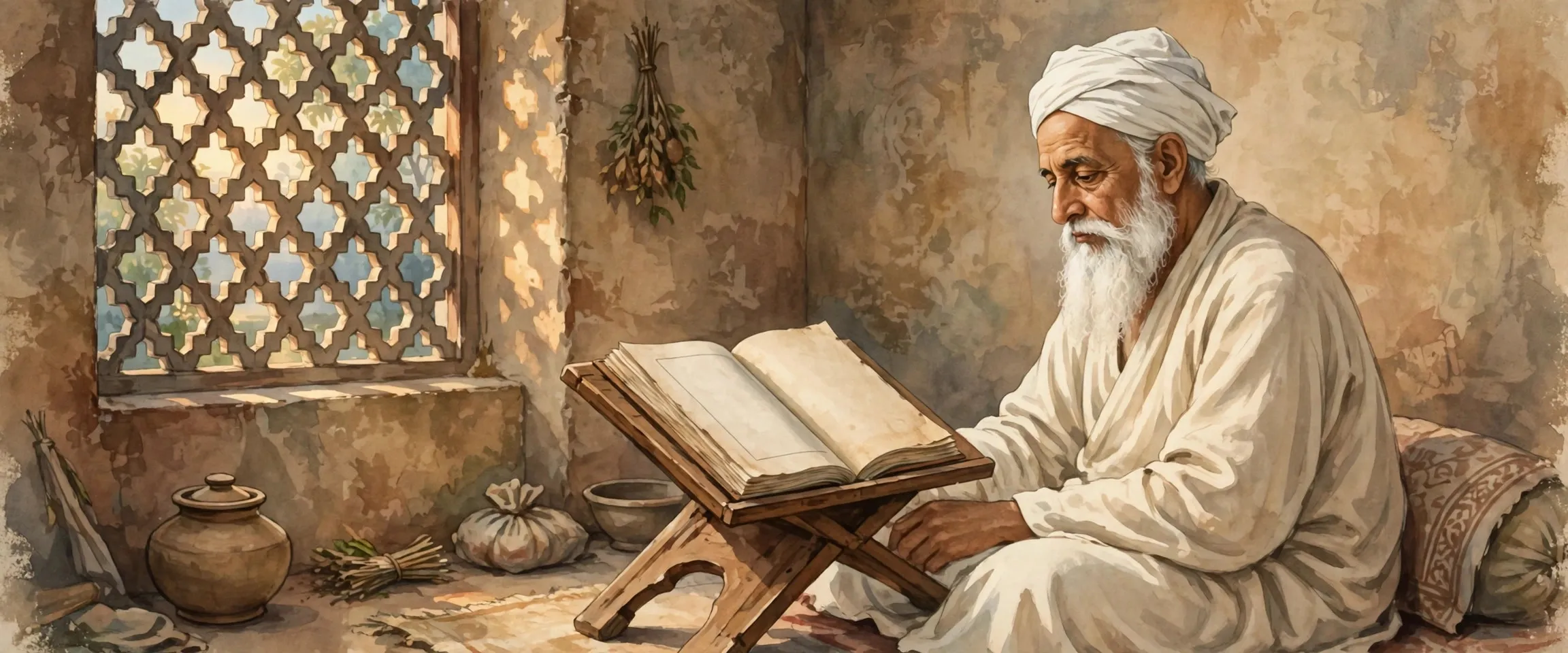
Bhagat Bhikhan Ji was one of the fifteen Bhagats whose bani Guru Arjan Dev Ji included in the Guru Granth Sahib Ji, with two hymns in Raag Sorath on Ang 659 and 660. The sources give his years as about 1480 to 1573 and his home as Kakori near Lucknow, but they divide over his identity, some describing a devotee in the tradition of Ravidas and Dhanna and others a learned Sufi shaikh. His hymns praise the Name of God as the medicine for every ill and as a jewel that cannot be hidden.
- Punjabi name
- ਭਗਤ ਭੀਖਨ ਜੀ
- Tradition
- One of the fifteen Bhagats whose bani is included in the Guru Granth Sahib Ji; the sources associate him with both the Bhakti tradition of Ravidas and Dhanna and the learned Sufi circle of Kakori
- Born
- Commonly given as 1480, as in the Encyclopaedia of Sikhism and Wikipedia; not documented. One account opened gives 1473 instead
- Birthplace
- Kakori near Lucknow, in present day Uttar Pradesh, as the Encyclopaedia of Sikhism and Wikipedia give it; one account gives a town called Pakoi in Lucknow district instead
- Identity
- Disputed: the Encyclopaedia of Sikhism says two saints shared the name, Bhakta Bhikhan the devotee and Bhikhan the Sufi, and later writers still divide over the hymn writer's community and teacher
- Teacher (attributed)
- Badauni, quoted by Macauliffe, traces the Kakori shaikh's spiritual succession to Mir Saiyid Ibrahim of Irij; Wikipedia places Bhagat Bhikhan in the tradition of Ravidas and Dhanna
All 10 facts
- Life remembered
- A married householder and teacher of many years, held among the most learned men of Emperor Akbar's time
- Hymns in Guru Granth Sahib Ji
- Two: in Raag Sorath on Ang 659 and 660
- Died
- Commonly given as 1573; Badauni gives the year AH 981, that is AD 1573 to 1574, and SikhiWiki gives 1631 Bikrami, that is 1574 AD
- Not to be confused with
- Pir Bhikhan Shah of Ghuram, a seventeenth century Sufi contemporary of Guru Tegh Bahadur Ji and Guru Gobind Singh Ji, none of whose verses are in the Guru Granth Sahib Ji
Bhagat Bhikhan Ji was one of the fifteen Bhagats whose hymns are preserved in the Guru Granth Sahib Ji, a learned saint of Kakori near Lucknow whose two hymns in Raag Sorath stand on Ang 659 and 660. His first hymn calls the Name of God the one medicine for a failing body and a restless heart.
Who was Bhagat Bhikhan Ji?
He was one of the fifteen saints and Sufis whose compositions Guru Arjan Dev Ji placed alongside the Gurus' own bani when he compiled the Sikh scripture. In that company he stands beside Bhagat Kabir Ji, the weaver of Banaras, and beside the two figures Wikipedia names as his own line: Bhagat Ravidas Ji and Bhagat Dhanna Ji, in whose devotional tradition, the Ramanandi line, Wikipedia places him. The Encyclopaedia of Sikhism gives his years as 1480 to 1573, which makes him a saint of Emperor Akbar's time, and describes a man held in high repute for piety and learning who lived simply as a married householder and spent many years teaching.
He is also the Bhagat whose identity the sources dispute more openly than almost any other, and this page keeps that dispute in the open. Nearly every fact beyond the hymns, his community, his teacher, even whether the learned man of Kakori and the hymn writer were one person, is claimed two ways by the sources opened for this page. What follows states firmly only what they share, and labels the rest with the writer who claims it.
Why do the sources speak of two saints named Bhikhan?
The Encyclopaedia of Sikhism begins its entry with a warning: there were in fact two saints of that time sharing the same name, Bhakta Bhikhan and Bhikhan the Sufi. Bhakta Bhikhan, in the Encyclopaedia's account, was a devotee in the tradition of Ravidas and Dhanna, born at Kakori near Lucknow in present day Uttar Pradesh. The entry hears his dedication in the hymns: a love of the Name of Hari, God, as the cure for all ills of the world. Bhikhan the Sufi belongs to the Persian record: a shaikh of Kakori among the most learned men of Akbar's time.
Wikipedia tells the same divided story. Its Bhagat Bhikhan was born in a Hindu family at Kakori, while other sources it cites, among them the Encyclopaedia of Indian Literature, describe an Islamic background, and Surinder Singh Jodhka describes Bhikan as a Muslim Sufi. SikhiWiki gathers the later argument without ending it: Macauliffe read him as a Muslim shaikh; Pundit Narayan Singh held he was a Hindu saint of the Kayastha caste, born in 1473 at a town called Pakoi in Lucknow district; Professor Sahib Singh concluded he was neither a Muslim nor a Sufi; and Dr Dharmpal Singhal pointed to the hymns themselves, with their praise of Ram, Banvari, Murari and Mukand, as the voice of a Vaishnav sant. This page adopts none of those verdicts: the hymns are certain, the biography is contested.
What is known of his life at Kakori and Lucknow?
For the learned life, the fullest early witness is the Persian historian Badauni, whose account Macauliffe prints in The Sikh Religion, Vol 6. His shaikh of Kakori was abstemious and deeply versed in the holy law, had committed the whole Quran to memory by each of its seven methods of reading, and gave instruction in it for many years. He reckoned his spiritual succession from Mir Saiyid Ibrahim of Irij, himself called the most learned of the learned men of his time. He kept the Sufi mysteries for the initiated alone, and would not listen to singing, which he outwardly disapproved. He left numerous children, all, Badauni says, adorned with rectitude, piety, wisdom, knowledge and virtue.
Badauni also fixes the end of that life: the shaikh died in AH 981, which is AD 1573 to 1574, and when Muzaffar Khan later revolted against Akbar he pitched his tent near the burial place, hoping for the saint's intercession. Yet Badauni also names a Haji Bhikan Basawani, a pilgrim to the two sacred precincts, and Macauliffe warns that this may have been a different person. SikhiWiki dates his death to 1631 Bikrami, that is 1574 AD, which sits comfortably beside Badauni's year. The commonly printed dates, 1480 to 1573, should be read as the tradition's best reckoning, not as documented fact.
How many hymns of Bhagat Bhikhan Ji are in Guru Granth Sahib Ji, and where?
Two hymns of Bhagat Bhikhan Ji are in the Guru Granth Sahib Ji, and on this every opened source agrees. Both stand in Raag Sorath, the first beginning on Ang 659 and the second following onto Ang 660. Two hymns is a small count beside the hundreds of Bhagat Kabir Ji, but Bhagat bani was never measured by volume: Guru Arjan Dev Ji kept what spoke with the Gurus' own voice, and Bhikhan's two hymns carry a complete arc of old age, sickness, fear and release. They are read today as gurbani, and the next two sections take them one at a time.
What does his first hymn teach: the Name as medicine?
The first hymn is spoken from inside a failing body, and its opening needs no commentary: tears flow from my eyes, my body has wasted away, my hair has turned the colour of milk; my throat is choked and cannot utter a word, so what can this mortal do now? The second verse stays in the sickroom: my head aches, my body burns, anguish has taken hold of my heart, and the disease that has arisen in me has no medicine. It is one of the most physical passages in the Bhagat bani, an inventory of decline without self pity.
The turn comes in the refrain. Between the symptoms the poet calls on God as Ram Rai, the Sovereign Lord, and Banvari, the Gardener of the world garden: be my Physician, and save me, Your saint. Then the hymn names the one remedy the sickroom lacks: the Name of the Lord is the ambrosial, purest water, the best medicine in the world. It ends with the signature line: by the Guru's grace, says servant Bhikhan, I have found the door of liberation. The Encyclopaedia's summary of the man is really a summary of this hymn: the Name of Hari is the cure for all ills of the world.
What does his second hymn teach: the jewel that cannot be hidden?
The second hymn answers the first from the far side of fear. Such is the Naam, the Name of the Lord, it begins: an invaluable jewel, the most sublime wealth, which I have found through good fortune. The poet has enshrined it in his heart with many efforts, and then discovers its nature: this jewel cannot be hidden by hiding it. Devotion here is no possession to lock away but a light that gives itself away, so the hymn turns outward to praise: the glorious praises of the Lord cannot be spoken by speaking; they are like the sweetness tasted by a mute person, who knows it fully and cannot describe it at all.
Its closing verse gathers the whole person into that contentment. The tongue repeats the Name, the ears hear it, the mind remembers it, and each finds peace. Then comes the line SikhiWiki's scholars quote for its Punjabi idiom: says Bhikhan, both my eyes are content, for wherever I look, there I see Him. Read against the first hymn, the arc is complete: the eyes that wept over a wasted body now rest on a world filled with the presence they sought. Sickness asked for a physician; the jewel answers with a vision.
Why is Bhagat Bhikhan Ji remembered today, and who was he not?
Bhikhan Ji is remembered, first, because his two hymns stand in the Guru Granth Sahib Ji, where they are still read and sung as gurbani with the same honour as the Gurus' own words. He is remembered, second, for a teaching compact enough to carry through any sickroom or old age: no medicine cures the fear beneath the illness, but the Name, held in the heart, is both physician and jewel. And he is remembered, third, as a warning about names: the tradition itself could not keep its two Bhikhans apart, and the scholars' argument is part of his record, not an embarrassment to be hidden.
One namesake must be kept firmly apart. Pir Bhikhan Shah of Ghuram, near Patiala, was a seventeenth century Sufi, a contemporary of Guru Tegh Bahadur Ji and Guru Gobind Singh Ji, remembered for turning east toward Patna in homage at the tenth Guru's birth. SikhiWiki states the correction plainly: Pir Bhikhan Shah was a saint of high spiritual merit, but none of his verses are included in the Sikh scripture. The two hymns in Raag Sorath belong to the earlier Bhikhan of Kakori, and it is his voice, physician sought and jewel found, that this page records.
ਭਗਤ ਭੀਖਨ ਜੀ ਉਨ੍ਹਾਂ ਪੰਦਰਾਂ ਭਗਤਾਂ ਵਿੱਚੋਂ ਇੱਕ ਸਨ, ਜਿਨ੍ਹਾਂ ਦੇ ਸ਼ਬਦ ਸ੍ਰੀ ਗੁਰੂ ਗ੍ਰੰਥ ਸਾਹਿਬ ਜੀ ਵਿੱਚ ਦਰਜ ਹਨ, ਕਾਕੋਰੀ, ਲਖਨਊ ਦੇ ਨੇੜੇ, ਦੇ ਇੱਕ ਵਿਦਵਾਨ ਸੰਤ, ਜਿਨ੍ਹਾਂ ਦੇ ਰਾਗ ਸੋਰਠਿ ਵਿੱਚ ਦੋ ਸ਼ਬਦ ਅੰਗ 659 ਅਤੇ 660 ਉੱਤੇ ਹਨ। ਉਨ੍ਹਾਂ ਦਾ ਪਹਿਲਾ ਸ਼ਬਦ ਪ੍ਰਭੂ ਦੇ ਨਾਮ ਨੂੰ ਢਹਿੰਦੇ ਸਰੀਰ ਅਤੇ ਬੇਚੈਨ ਹਿਰਦੇ ਲਈ ਇੱਕੋ ਦਵਾਈ ਕਹਿੰਦਾ ਹੈ।
ਭਗਤ ਭੀਖਨ ਜੀ ਕੌਣ ਸਨ?
ਉਹ ਉਨ੍ਹਾਂ ਪੰਦਰਾਂ ਸੰਤਾਂ ਅਤੇ ਸੂਫ਼ੀਆਂ ਵਿੱਚੋਂ ਇੱਕ ਸਨ, ਜੋ ਵੱਖ ਵੱਖ ਇਲਾਕਿਆਂ ਅਤੇ ਪਰੰਪਰਾਵਾਂ ਤੋਂ ਆਏ, ਜਿਨ੍ਹਾਂ ਦੀਆਂ ਰਚਨਾਵਾਂ ਗੁਰੂ ਅਰਜਨ ਦੇਵ ਜੀ ਨੇ ਸਿੱਖ ਗ੍ਰੰਥ ਦੀ ਸੰਪਾਦਨਾ ਕਰਦਿਆਂ ਗੁਰੂ ਸਾਹਿਬਾਨ ਦੀ ਆਪਣੀ ਬਾਣੀ ਦੇ ਨਾਲ ਰੱਖੀਆਂ। ਉਸ ਸੰਗਤ ਵਿੱਚ ਉਹ ਭਗਤ ਕਬੀਰ ਜੀ, ਬਨਾਰਸ ਦੇ ਜੁਲਾਹੇ, ਦੇ ਨਾਲ ਖੜ੍ਹੇ ਹਨ, ਅਤੇ ਉਨ੍ਹਾਂ ਦੋਹਾਂ ਸ਼ਖਸੀਅਤਾਂ ਦੇ ਨਾਲ, ਜਿਨ੍ਹਾਂ ਨੂੰ ਵਿਕੀਪੀਡੀਆ ਉਨ੍ਹਾਂ ਦੀ ਆਪਣੀ ਲੜੀ ਦੱਸਦਾ ਹੈ: ਭਗਤ ਰਵੀਦਾਸ ਜੀ ਅਤੇ ਭਗਤ ਧੰਨਾ ਜੀ, ਜਿਨ੍ਹਾਂ ਦੀ ਭਗਤੀ ਪਰੰਪਰਾ, ਰਾਮਾਨੰਦੀ ਲੜੀ, ਵਿੱਚ ਵਿਕੀਪੀਡੀਆ ਉਨ੍ਹਾਂ ਨੂੰ ਰੱਖਦਾ ਹੈ। ਸਿੱਖ ਧਰਮ ਦਾ ਵਿਸ਼ਵਕੋਸ਼ (Encyclopaedia of Sikhism) ਉਨ੍ਹਾਂ ਦੇ ਸਾਲ 1480 ਤੋਂ 1573 ਦਿੰਦਾ ਹੈ, ਜੋ ਉਨ੍ਹਾਂ ਨੂੰ ਬਾਦਸ਼ਾਹ ਅਕਬਰ ਦੇ ਸਮੇਂ ਦਾ ਸੰਤ ਬਣਾਉਂਦਾ ਹੈ, ਅਤੇ ਇੱਕ ਅਜਿਹੇ ਮਨੁੱਖ ਦਾ ਵਰਣਨ ਕਰਦਾ ਹੈ, ਜਿਸ ਨੂੰ ਉਸ ਦੀ ਨੇਕੀ ਅਤੇ ਵਿਦਿਆ ਲਈ ਬਹੁਤ ਸਤਕਾਰ ਮਿਲਦਾ ਸੀ, ਜੋ ਗ੍ਰਿਹਸਥੀ ਵਜੋਂ ਸਾਦਾ ਜੀਵਨ ਜਿਉਂਦਾ ਸੀ ਅਤੇ ਕਈ ਸਾਲ ਲੋਕਾਂ ਨੂੰ ਪੜ੍ਹਾਉਂਦਾ ਅਤੇ ਸਿੱਖਿਆ ਦਿੰਦਾ ਰਿਹਾ।
ਉਹ ਇੱਕ ਅਜਿਹੇ ਭਗਤ ਵੀ ਹਨ, ਜਿਨ੍ਹਾਂ ਦੀ ਪਛਾਣ ਉੱਤੇ ਸਰੋਤ ਲਗਭਗ ਹਰ ਦੂਜੇ ਭਗਤ ਨਾਲੋਂ ਵੱਧ ਖੁੱਲ੍ਹ ਕੇ ਵੰਡੇ ਹੋਏ ਹਨ, ਅਤੇ ਇਹ ਪੰਨਾ ਇੱਕ ਪਾਸਾ ਚੁਣ ਕੇ ਉਸ ਵੰਡ ਨੂੰ ਨਿਬੇੜਨ ਦੀ ਥਾਂ ਉਸ ਨੂੰ ਖੁੱਲ੍ਹਾ ਰੱਖਦਾ ਹੈ। ਸ਼ਬਦਾਂ ਤੋਂ ਪਰੇ ਲਗਭਗ ਹਰ ਤੱਥ, ਉਨ੍ਹਾਂ ਦਾ ਭਾਈਚਾਰਾ, ਉਨ੍ਹਾਂ ਦਾ ਗੁਰੂ, ਇੱਥੋਂ ਤੱਕ ਕਿ ਕਾਕੋਰੀ ਦਾ ਵਿਦਵਾਨ ਅਤੇ ਸ਼ਬਦਾਂ ਦਾ ਰਚਣਹਾਰ ਇੱਕੋ ਮਨੁੱਖ ਸਨ ਜਾਂ ਨਹੀਂ, ਇਸ ਪੰਨੇ ਲਈ ਖੋਲ੍ਹੇ ਗਏ ਸਰੋਤਾਂ ਵਿੱਚ ਦੋ ਵੱਖ ਵੱਖ ਤਰੀਕਿਆਂ ਨਾਲ ਦਾਅਵਾ ਕੀਤਾ ਗਿਆ ਹੈ। ਅੱਗੇ ਜੋ ਕੁਝ ਪੱਕੇ ਤੌਰ ਉੱਤੇ ਕਿਹਾ ਗਿਆ ਹੈ, ਉਹ ਸਿਰਫ਼ ਉਹੀ ਹੈ, ਜੋ ਉਹ ਸਰੋਤ ਸਾਂਝਾ ਕਰਦੇ ਹਨ, ਅਤੇ ਬਾਕੀ ਹਰ ਗੱਲ ਉਸ ਲੇਖਕ ਦੇ ਨਾਂ ਨਾਲ ਦੱਸੀ ਗਈ ਹੈ, ਜੋ ਉਸ ਦਾ ਦਾਅਵਾ ਕਰਦਾ ਹੈ।
ਸਰੋਤ ਭੀਖਨ ਨਾਂ ਦੇ ਦੋ ਸੰਤਾਂ ਦੀ ਗੱਲ ਕਿਉਂ ਕਰਦੇ ਹਨ?
ਸਿੱਖ ਧਰਮ ਦਾ ਵਿਸ਼ਵਕੋਸ਼ ਆਪਣਾ ਲੇਖ ਇੱਕ ਚੇਤਾਵਨੀ ਨਾਲ ਸ਼ੁਰੂ ਕਰਦਾ ਹੈ: ਅਸਲ ਵਿੱਚ ਉਸ ਸਮੇਂ ਭੀਖਨ ਨਾਂ ਦੇ ਦੋ ਸੰਤ ਸਨ, ਭਗਤਾ ਭੀਖਨ ਅਤੇ ਸੂਫ਼ੀ ਭੀਖਨ। ਵਿਸ਼ਵਕੋਸ਼ ਦੇ ਬਿਆਨ ਵਿੱਚ ਭਗਤਾ ਭੀਖਨ ਰਵੀਦਾਸ ਅਤੇ ਧੰਨਾ ਦੀ ਪਰੰਪਰਾ ਦਾ ਭਗਤ ਸੀ, ਜੋ ਕਾਕੋਰੀ ਵਿੱਚ ਜੰਮਿਆ, ਲਖਨਊ ਦੇ ਨੇੜੇ, ਅੱਜ ਦੇ ਉੱਤਰ ਪ੍ਰਦੇਸ਼ ਵਿੱਚ, ਅਤੇ ਵਿਸ਼ਵਕੋਸ਼ ਸ਼ਬਦਾਂ ਵਿੱਚ ਉਸੇ ਦੀ ਭਗਤੀ ਸੁਣਦਾ ਹੈ: ਹਰੀ, ਪ੍ਰਭੂ, ਦੇ ਨਾਮ ਲਈ ਪਿਆਰ, ਜਿਸ ਨੂੰ ਉਹ ਸੰਸਾਰ ਦੀਆਂ ਸਾਰੀਆਂ ਬੀਮਾਰੀਆਂ ਦਾ ਇਲਾਜ ਦੱਸਦਾ ਹੈ। ਇਸ ਦੇ ਉਲਟ, ਸੂਫ਼ੀ ਭੀਖਨ ਫ਼ਾਰਸੀ ਰਿਕਾਰਡ ਨਾਲ ਸਬੰਧਤ ਹੈ: ਕਾਕੋਰੀ ਦਾ ਇੱਕ ਸ਼ੇਖ, ਜਿਸ ਨੂੰ ਅਕਬਰ ਦੇ ਸਮੇਂ ਦੇ ਸਭ ਤੋਂ ਵਿਦਵਾਨ ਮਨੁੱਖਾਂ ਵਿੱਚ ਗਿਣਿਆ ਜਾਂਦਾ ਸੀ।
ਵਿਕੀਪੀਡੀਆ ਉਹੀ ਵੰਡੀ ਹੋਈ ਕਥਾ ਆਪਣੇ ਤਰੀਕੇ ਨਾਲ ਦੱਸਦਾ ਹੈ। ਉਸ ਦਾ ਭਗਤ ਭੀਖਨ ਕਾਕੋਰੀ ਵਿੱਚ ਇੱਕ ਹਿੰਦੂ ਪਰਿਵਾਰ ਵਿੱਚ ਜੰਮਿਆ, ਜਦਕਿ ਉਸ ਦੇ ਹਵਾਲੇ ਵਾਲੇ ਹੋਰ ਸਰੋਤ, ਜਿਨ੍ਹਾਂ ਵਿੱਚ Encyclopaedia of Indian Literature ਵੀ ਹੈ, ਇੱਕ ਇਸਲਾਮੀ ਪਿਛੋਕੜ ਦੱਸਦੇ ਹਨ, ਅਤੇ ਵਿਦਵਾਨ ਸੁਰਿੰਦਰ ਸਿੰਘ ਜੋਧਕਾ ਭੀਖਨ ਨੂੰ ਮੁਸਲਮਾਨ ਸੂਫ਼ੀ ਦੱਸਦਾ ਹੈ। ਸਿੱਖੀਵਿਕੀ ਬਾਅਦ ਦੀ ਬਹਿਸ ਨੂੰ ਖਤਮ ਕੀਤੇ ਬਿਨਾਂ ਇਕੱਠਾ ਕਰਦਾ ਹੈ: ਮੈਕਾਲਿਫ਼ ਨੇ ਉਨ੍ਹਾਂ ਨੂੰ ਮੁਸਲਮਾਨ ਸ਼ੇਖ ਪੜ੍ਹਿਆ; ਪੰਡਿਤ ਨਰਾਇਣ ਸਿੰਘ ਦਾ ਮੰਨਣਾ ਸੀ ਕਿ ਉਹ ਕਾਇਸਥ ਜਾਤ ਦੇ ਹਿੰਦੂ ਸੰਤ ਸਨ, ਜੋ 1473 ਵਿੱਚ ਲਖਨਊ ਜ਼ਿਲ੍ਹੇ ਦੇ ਪਕੋਈ ਨਾਂ ਦੇ ਕਸਬੇ ਵਿੱਚ ਜੰਮੇ; ਪ੍ਰੋਫੈਸਰ ਸਾਹਿਬ ਸਿੰਘ ਨੇ ਸਿੱਟਾ ਕੱਢਿਆ ਕਿ ਉਹ ਨਾ ਮੁਸਲਮਾਨ ਸਨ, ਨਾ ਸੂਫ਼ੀ; ਅਤੇ ਡਾ. ਧਰਮਪਾਲ ਸਿੰਘਲ ਨੇ ਖੁਦ ਸ਼ਬਦਾਂ ਦੀ ਭਾਸ਼ਾ ਵੱਲ ਇਸ਼ਾਰਾ ਕੀਤਾ, ਰਾਮ, ਬਨਵਾਰੀ, ਮੁਰਾਰੀ ਅਤੇ ਮੁਕੰਦ ਦੀ ਉਸਤਤ ਅਤੇ ਸਾਧ ਸੰਗਤ ਉੱਤੇ ਜ਼ੋਰ ਸਮੇਤ, ਇੱਕ ਵੈਸ਼ਨਵ ਸੰਤ ਦੀ ਆਵਾਜ਼ ਵਜੋਂ। ਇਹ ਪੰਨਾ ਉਨ੍ਹਾਂ ਫੈਸਲਿਆਂ ਵਿੱਚੋਂ ਕੋਈ ਨਹੀਂ ਅਪਣਾਉਂਦਾ। ਸ਼ਬਦ ਪੱਕੇ ਹਨ; ਜੀਵਨੀ ਵਿਵਾਦਿਤ ਧਰਤੀ ਹੈ, ਅਤੇ ਇੱਥੇ ਉਹ ਵਿਵਾਦਿਤ ਵਜੋਂ ਹੀ ਦਰਸਾਈ ਗਈ ਹੈ।
ਕਾਕੋਰੀ ਅਤੇ ਲਖਨਊ ਵਿੱਚ ਉਨ੍ਹਾਂ ਦੇ ਜੀਵਨ ਬਾਰੇ ਕੀ ਪਤਾ ਹੈ?
ਵਿਦਵਾਨ ਜੀਵਨ ਲਈ ਸਭ ਤੋਂ ਪੂਰਾ ਮੁੱਢਲਾ ਗਵਾਹ ਫ਼ਾਰਸੀ ਇਤਿਹਾਸਕਾਰ ਬਦਾਊਨੀ ਹੈ, ਜਿਸ ਦਾ ਬਿਆਨ ਮੈਕਾਲਿਫ਼ ਆਪਣੀ ਕਿਤਾਬ The Sikh Religion, Vol 6 ਵਿੱਚ ਛਾਪਦਾ ਹੈ। ਬਦਾਊਨੀ ਦਾ ਕਾਕੋਰੀ ਦਾ ਸ਼ੇਖ ਸੰਜਮੀ ਸੀ ਅਤੇ ਪਵਿੱਤਰ ਕਾਨੂੰਨ ਵਿੱਚ ਡੂੰਘੀ ਮੁਹਾਰਤ ਰੱਖਦਾ ਸੀ, ਇੱਕ ਅਜਿਹਾ ਮਨੁੱਖ, ਜਿਸ ਨੇ ਸਾਰਾ ਕੁਰਾਨ ਉਸ ਦੇ ਪੜ੍ਹਨ ਦੇ ਸੱਤਾਂ ਤਰੀਕਿਆਂ ਅਨੁਸਾਰ ਜ਼ਬਾਨੀ ਯਾਦ ਕੀਤਾ ਹੋਇਆ ਸੀ ਅਤੇ ਕਈ ਸਾਲ ਉਸ ਦੀ ਸਿੱਖਿਆ ਦਿੰਦਾ ਰਿਹਾ। ਉਹ ਆਪਣੀ ਰੂਹਾਨੀ ਲੜੀ ਇਰਿਜ ਦੇ ਮੀਰ ਸੱਯਦ ਇਬਰਾਹੀਮ ਤੋਂ ਗਿਣਦਾ ਸੀ, ਜਿਸ ਨੂੰ ਖੁਦ ਆਪਣੇ ਸਮੇਂ ਦੇ ਵਿਦਵਾਨਾਂ ਵਿੱਚੋਂ ਸਭ ਤੋਂ ਵਿਦਵਾਨ ਦੱਸਿਆ ਗਿਆ ਹੈ। ਉਹ ਸੂਫ਼ੀ ਭੇਤ ਸਿਰਫ਼ ਦੀਖਿਆ ਵਾਲਿਆਂ ਨਾਲ ਨਿੱਜੀ ਗੱਲਬਾਤ ਲਈ ਰੱਖਦਾ ਸੀ ਅਤੇ ਜਨਤਕ ਸਭਾ ਵਿੱਚ ਉਨ੍ਹਾਂ ਦੀ ਗੱਲ ਨਹੀਂ ਕਰਦਾ ਸੀ, ਅਤੇ ਉਹ ਗਾਉਣਾ ਨਹੀਂ ਸੁਣਦਾ ਸੀ, ਜਿਸ ਨੂੰ ਉਹ ਬਾਹਰੋਂ ਨਾਪਸੰਦ ਕਰਦਾ ਸੀ। ਉਸ ਦੇ ਕਈ ਬੱਚੇ ਸਨ, ਸਾਰੇ, ਬਦਾਊਨੀ ਕਹਿੰਦਾ ਹੈ, ਨੇਕੀ, ਪਵਿੱਤਰਤਾ, ਬੁੱਧੀ, ਗਿਆਨ ਅਤੇ ਗੁਣਾਂ ਨਾਲ ਸਜੇ ਹੋਏ।
ਬਦਾਊਨੀ ਉਸ ਜੀਵਨ ਦਾ ਅੰਤ ਵੀ ਪੱਕਾ ਕਰਦਾ ਹੈ: ਸ਼ੇਖ ਦੀ ਮੌਤ ਹਿਜਰੀ ਸਾਲ 981 ਵਿੱਚ ਹੋਈ, ਜੋ ਈਸਵੀ 1573 ਤੋਂ 1574 ਹੈ, ਅਤੇ ਜਦੋਂ ਮੁਜ਼ੱਫ਼ਰ ਖਾਨ ਬਾਅਦ ਵਿੱਚ ਅਕਬਰ ਵਿਰੁੱਧ ਉੱਠਿਆ, ਤਾਂ ਉਸ ਨੇ ਆਪਣਾ ਤੰਬੂ ਸ਼ੇਖ ਦੀ ਕਬਰ ਦੇ ਨੇੜੇ ਲਾਇਆ, ਮਰੇ ਹੋਏ ਸੰਤ ਦੀ ਵਿਚੋਲਗੀ ਦੀ ਆਸ ਵਿੱਚ, ਜਿਵੇਂ ਮੈਕਾਲਿਫ਼ ਜੋੜਦਾ ਹੈ। ਫਿਰ ਵੀ ਬਦਾਊਨੀ ਦਾ ਰਿਕਾਰਡ ਵੀ ਦੋ ਭੀਖਨਾਂ ਵਾਲੀ ਸਮੱਸਿਆ ਨੂੰ ਆਪਣੇ ਅੰਦਰ ਰੱਖਦਾ ਹੈ, ਕਿਉਂਕਿ ਉਹ ਇੱਕ ਹਾਜੀ ਭੀਖਨ ਬਸਵਾਨੀ ਦਾ ਵੀ ਨਾਂ ਲੈਂਦਾ ਹੈ, ਦੋਹਾਂ ਪਵਿੱਤਰ ਅਸਥਾਨਾਂ ਦਾ ਯਾਤਰੀ, ਅਤੇ ਮੈਕਾਲਿਫ਼ ਚੇਤਾਵਨੀ ਦਿੰਦਾ ਹੈ ਕਿ ਇਹ ਕਾਕੋਰੀ ਦੇ ਸ਼ੇਖ ਭੀਖਨ ਤੋਂ ਵੱਖਰਾ ਮਨੁੱਖ ਹੋ ਸਕਦਾ ਹੈ। ਸਿੱਖੀਵਿਕੀ ਭਗਤ ਦੀ ਮੌਤ 1631 ਬਿਕਰਮੀ ਵਿੱਚ ਦਿੰਦਾ ਹੈ, ਭਾਵ ਈਸਵੀ 1574, ਉਨ੍ਹਾਂ ਸਾਲਾਂ ਵਿੱਚ, ਜਦੋਂ ਗੁਰੂ ਰਾਮ ਦਾਸ ਜੀ ਗੁਰਗੱਦੀ ਉੱਤੇ ਸਨ, ਜੋ ਬਦਾਊਨੀ ਦੇ ਸਾਲ ਨਾਲ ਸੌਖਿਆਂ ਬੈਠਦਾ ਹੈ। ਆਮ ਤੌਰ ਉੱਤੇ ਛਪਦੇ ਸਾਲ, 1480 ਤੋਂ 1573, ਪਰੰਪਰਾ ਦਾ ਸਭ ਤੋਂ ਵਧੀਆ ਅੰਦਾਜ਼ਾ ਪੜ੍ਹੇ ਜਾਣੇ ਚਾਹੀਦੇ ਹਨ, ਦਸਤਾਵੇਜ਼ੀ ਤੱਥ ਵਜੋਂ ਨਹੀਂ।
ਸ੍ਰੀ ਗੁਰੂ ਗ੍ਰੰਥ ਸਾਹਿਬ ਜੀ ਵਿੱਚ ਭਗਤ ਭੀਖਨ ਜੀ ਦੇ ਕਿੰਨੇ ਸ਼ਬਦ ਹਨ, ਅਤੇ ਕਿੱਥੇ ਹਨ?
ਸ੍ਰੀ ਗੁਰੂ ਗ੍ਰੰਥ ਸਾਹਿਬ ਜੀ ਵਿੱਚ ਭਗਤ ਭੀਖਨ ਜੀ ਦੇ ਦੋ ਸ਼ਬਦ ਹਨ, ਅਤੇ ਇਸ ਗੱਲ ਉੱਤੇ ਖੋਲ੍ਹਿਆ ਹਰ ਸਰੋਤ ਸਹਿਮਤ ਹੈ। ਦੋਵੇਂ ਰਾਗ ਸੋਰਠਿ ਵਿੱਚ ਹਨ, ਪਹਿਲਾ ਅੰਗ 659 ਤੋਂ ਸ਼ੁਰੂ ਹੁੰਦਾ ਹੈ ਅਤੇ ਦੂਜਾ ਉਸ ਤੋਂ ਅੱਗੇ ਅੰਗ 660 ਉੱਤੇ ਜਾਂਦਾ ਹੈ, ਸਿਰਲੇਖ ਹੇਠ: ਰਾਗ ਸੋਰਠਿ, ਭਗਤ ਭੀਖਨ ਦੀ ਬਾਣੀ। ਦੋ ਸ਼ਬਦ ਭਗਤ ਕਬੀਰ ਜੀ ਦੇ ਸੈਂਕੜਿਆਂ ਸ਼ਬਦਾਂ ਦੇ ਸਾਹਮਣੇ ਛੋਟੀ ਗਿਣਤੀ ਹੈ, ਪਰ ਭਗਤ ਬਾਣੀ ਕਦੇ ਗਿਣਤੀ ਨਾਲ ਨਹੀਂ ਮਾਪੀ ਗਈ: ਗੁਰੂ ਅਰਜਨ ਦੇਵ ਜੀ ਨੇ ਉਹੀ ਰੱਖਿਆ, ਜੋ ਗੁਰੂ ਸਾਹਿਬਾਨ ਦੀ ਆਪਣੀ ਆਵਾਜ਼ ਨਾਲ ਬੋਲਦਾ ਸੀ, ਅਤੇ ਭੀਖਨ ਜੀ ਦੇ ਦੋ ਸ਼ਬਦ ਆਪਸ ਵਿੱਚ ਬੁਢਾਪੇ, ਬੀਮਾਰੀ, ਡਰ ਅਤੇ ਛੁਟਕਾਰੇ ਦਾ ਪੂਰਾ ਚੱਕਰ ਰੱਖਦੇ ਹਨ। ਉਹ ਅੱਜ ਗੁਰਬਾਣੀ ਵਜੋਂ ਪੜ੍ਹੇ ਜਾਂਦੇ ਹਨ, ਰਾਗ ਸੋਰਠਿ ਵਿੱਚ ਗਾਏ ਜਾਂਦੇ ਹਨ, ਅਤੇ ਅਗਲੇ ਦੋ ਹਿੱਸੇ ਉਨ੍ਹਾਂ ਨੂੰ ਇੱਕ ਇੱਕ ਕਰਕੇ ਲੈਂਦੇ ਹਨ।
ਉਨ੍ਹਾਂ ਦਾ ਪਹਿਲਾ ਸ਼ਬਦ ਕੀ ਸਿਖਾਉਂਦਾ ਹੈ: ਨਾਮ ਦਵਾਈ ਵਜੋਂ?
ਪਹਿਲਾ ਸ਼ਬਦ ਇੱਕ ਢਹਿੰਦੇ ਸਰੀਰ ਦੇ ਅੰਦਰੋਂ ਬੋਲਿਆ ਗਿਆ ਹੈ, ਅਤੇ ਉਸ ਦੀ ਸ਼ੁਰੂਆਤ ਨੂੰ ਕਿਸੇ ਵਿਆਖਿਆ ਦੀ ਲੋੜ ਨਹੀਂ: ਮੇਰੀਆਂ ਅੱਖਾਂ ਵਿੱਚੋਂ ਹੰਝੂ ਵਗਦੇ ਹਨ, ਮੇਰਾ ਸਰੀਰ ਖੀਣ ਹੋ ਗਿਆ ਹੈ, ਮੇਰੇ ਵਾਲ ਦੁੱਧ ਵਰਗੇ ਚਿੱਟੇ ਹੋ ਗਏ ਹਨ; ਮੇਰਾ ਗਲਾ ਰੁੱਧਾ ਹੋਇਆ ਹੈ ਅਤੇ ਇੱਕ ਸ਼ਬਦ ਵੀ ਨਹੀਂ ਉਚਾਰ ਸਕਦਾ, ਤਾਂ ਹੁਣ ਇਹ ਪ੍ਰਾਣੀ ਕੀ ਕਰੇ? ਦੂਜਾ ਪਦ ਬੀਮਾਰੀ ਵਾਲੇ ਕਮਰੇ ਵਿੱਚ ਹੀ ਰਹਿੰਦਾ ਹੈ: ਮੇਰਾ ਸਿਰ ਦੁਖਦਾ ਹੈ, ਮੇਰਾ ਸਰੀਰ ਸੜਦਾ ਹੈ, ਮੇਰੇ ਕਲੇਜੇ ਵਿੱਚ ਪੀੜ ਹੈ, ਅਤੇ ਜੋ ਰੋਗ ਮੇਰੇ ਅੰਦਰ ਉਪਜਿਆ ਹੈ, ਉਸ ਦੀ ਕੋਈ ਦਵਾਈ ਨਹੀਂ। ਇਹ ਸਾਰੀ ਭਗਤ ਬਾਣੀ ਦੇ ਸਭ ਤੋਂ ਸਰੀਰਕ ਹਿੱਸਿਆਂ ਵਿੱਚੋਂ ਇੱਕ ਹੈ, ਬਿਨਾਂ ਕਿਸੇ ਆਪੇ ਉੱਤੇ ਤਰਸ ਦੇ ਲਿਖੀ ਢਹਿ ਦੀ ਸੂਚੀ।
ਮੋੜ ਰਹਾਉ ਅਤੇ ਅੰਤ ਵਿੱਚ ਆਉਂਦਾ ਹੈ। ਲੱਛਣਾਂ ਦੇ ਵਿਚਕਾਰ ਕਵੀ ਪ੍ਰਭੂ ਨੂੰ ਰਾਮ ਰਾਇ, ਪ੍ਰਭੂ ਰਾਜਾ, ਅਤੇ ਬਨਵਾਰੀ, ਸੰਸਾਰ ਬਾਗ ਦੇ ਮਾਲੀ, ਕਹਿ ਕੇ ਪੁਕਾਰਦਾ ਹੈ, ਬੇਨਤੀ ਕਰਦਾ ਹੋਇਆ: ਮੇਰਾ ਵੈਦ ਬਣ, ਅਤੇ ਮੈਨੂੰ, ਆਪਣੇ ਸੰਤ ਨੂੰ, ਬਚਾ ਲੈ। ਫਿਰ ਸ਼ਬਦ ਉਸ ਇੱਕੋ ਇਲਾਜ ਦਾ ਨਾਂ ਲੈਂਦਾ ਹੈ, ਜੋ ਬੀਮਾਰੀ ਵਾਲੇ ਕਮਰੇ ਵਿੱਚ ਨਹੀਂ ਹੈ: ਪ੍ਰਭੂ ਦਾ ਨਾਮ ਅੰਮ੍ਰਿਤ, ਸਭ ਤੋਂ ਸ਼ੁੱਧ ਜਲ ਹੈ, ਅਤੇ ਇਹ, ਉਹ ਕਹਿੰਦਾ ਹੈ, ਸੰਸਾਰ ਵਿੱਚ ਸਭ ਤੋਂ ਵਧੀਆ ਦਵਾਈ ਹੈ। ਉਹ ਦਸਤਖਤ ਵਾਲੀ ਪੰਕਤੀ ਨਾਲ ਬੰਦ ਹੁੰਦਾ ਹੈ: ਗੁਰੂ ਦੀ ਕਿਰਪਾ ਨਾਲ, ਸੇਵਕ ਭੀਖਨ ਕਹਿੰਦਾ ਹੈ, ਮੈਨੂੰ ਮੋਖ ਦੁਆਰਾ ਮਿਲ ਗਿਆ ਹੈ। ਵਿਸ਼ਵਕੋਸ਼ ਦਾ ਉਸ ਮਨੁੱਖ ਬਾਰੇ ਸਾਰ ਅਸਲ ਵਿੱਚ ਇਸੇ ਸ਼ਬਦ ਦਾ ਸਾਰ ਹੈ: ਹਰੀ ਦਾ ਨਾਮ ਸੰਸਾਰ ਦੀਆਂ ਸਾਰੀਆਂ ਬੀਮਾਰੀਆਂ ਦਾ ਇਲਾਜ ਹੈ।
ਉਨ੍ਹਾਂ ਦਾ ਦੂਜਾ ਸ਼ਬਦ ਕੀ ਸਿਖਾਉਂਦਾ ਹੈ: ਉਹ ਰਤਨ, ਜੋ ਲੁਕਾਇਆਂ ਨਹੀਂ ਲੁਕਦਾ?
ਦੂਜਾ ਸ਼ਬਦ ਪਹਿਲੇ ਨੂੰ ਡਰ ਦੇ ਪਰਲੇ ਪਾਸਿਓਂ ਜਵਾਬ ਦਿੰਦਾ ਹੈ। ਅਜਿਹਾ ਹੈ ਨਾਮ, ਪ੍ਰਭੂ ਦਾ ਨਾਮ, ਉਹ ਸ਼ੁਰੂ ਕਰਦਾ ਹੈ: ਇੱਕ ਅਣਮੁੱਲਾ ਰਤਨ, ਸਭ ਤੋਂ ਉੱਤਮ ਧਨ, ਜੋ ਮੈਨੂੰ ਪੁੰਨ ਕਰਕੇ ਮਿਲਿਆ ਹੈ। ਕਵੀ ਨੇ ਉਹ ਨੂੰ ਕਈ ਜਤਨਾਂ ਨਾਲ ਆਪਣੇ ਹਿਰਦੇ ਵਿੱਚ ਸਾਂਭਿਆ ਹੈ, ਅਤੇ ਫਿਰ ਉਸ ਦਾ ਸੁਭਾਅ ਜਾਣਿਆ ਹੈ: ਇਹ ਰਤਨ ਲੁਕਾਇਆਂ ਨਹੀਂ ਲੁਕਦਾ। ਇੱਥੇ ਭਗਤੀ ਸਾਂਭ ਕੇ ਰੱਖਣ ਵਾਲੀ ਜਾਇਦਾਦ ਨਹੀਂ, ਸਗੋਂ ਇੱਕ ਚਾਨਣ ਹੈ, ਜੋ ਆਪਣੇ ਆਪ ਵੰਡਿਆ ਜਾਂਦਾ ਹੈ, ਇਸੇ ਲਈ ਸ਼ਬਦ ਤੁਰੰਤ ਉਸਤਤ ਵੱਲ ਮੁੜਦਾ ਹੈ: ਪ੍ਰਭੂ ਦੇ ਗੁਣ, ਉਹ ਕਹਿੰਦਾ ਹੈ, ਕਹਿ ਕੇ ਨਹੀਂ ਕਹੇ ਜਾ ਸਕਦੇ; ਉਹ ਗੁੰਗੇ ਨੂੰ ਮਿਲੀ ਮਿਠਿਆਈ ਵਰਗੇ ਹਨ, ਜੋ ਉਹ ਨੂੰ ਪੂਰੀ ਤਰ੍ਹਾਂ ਜਾਣਦਾ ਹੈ ਅਤੇ ਬਿਲਕੁਲ ਵਰਣਨ ਨਹੀਂ ਕਰ ਸਕਦਾ।
ਉਸ ਦਾ ਅੰਤਮ ਪਦ ਸਾਰੇ ਮਨੁੱਖ ਨੂੰ ਉਸ ਸੰਤੋਖ ਵਿੱਚ ਇਕੱਠਾ ਕਰਦਾ ਹੈ। ਜੀਭ ਨਾਮ ਜਪਦੀ ਹੈ, ਕੰਨ ਉਹ ਨੂੰ ਸੁਣਦੇ ਹਨ, ਮਨ ਉਹ ਨੂੰ ਯਾਦ ਕਰਦਾ ਹੈ, ਅਤੇ ਹਰੇਕ ਨੂੰ ਸੁਖ ਮਿਲਦਾ ਹੈ। ਫਿਰ ਉਹ ਪੰਕਤੀ ਆਉਂਦੀ ਹੈ, ਜਿਸ ਨੂੰ ਸਿੱਖੀਵਿਕੀ ਦੇ ਵਿਦਵਾਨ ਉਸ ਦੇ ਪੰਜਾਬੀ ਮੁਹਾਵਰੇ ਲਈ ਹਵਾਲਾ ਦਿੰਦੇ ਹਨ: ਭੀਖਨ ਕਹਿੰਦਾ ਹੈ, ਮੇਰੇ ਦੋਵੇਂ ਨੈਣ ਸੰਤੋਖੇ ਹਨ, ਕਿਉਂਕਿ ਜਿੱਧਰ ਵੇਖਾਂ, ਉੱਧਰ ਉਹੀ ਦਿਸਦਾ ਹੈ। ਪਹਿਲੇ ਸ਼ਬਦ ਦੇ ਨਾਲ ਪੜ੍ਹਿਆਂ, ਚੱਕਰ ਪੂਰਾ ਹੁੰਦਾ ਹੈ: ਜੋ ਅੱਖਾਂ ਖੀਣ ਹੋਏ ਸਰੀਰ ਉੱਤੇ ਰੋਈਆਂ ਸਨ, ਹੁਣ ਸੰਤੁਸ਼ਟ ਹੋ ਕੇ ਇੱਕ ਅਜਿਹੇ ਸੰਸਾਰ ਉੱਤੇ ਟਿਕਦੀਆਂ ਹਨ, ਜੋ ਉਸ ਹਜ਼ੂਰੀ ਨਾਲ ਭਰਿਆ ਹੈ, ਜਿਸ ਨੂੰ ਉਹ ਲੱਭ ਰਹੀਆਂ ਸਨ। ਬੀਮਾਰੀ ਨੇ ਵੈਦ ਮੰਗਿਆ ਸੀ; ਰਤਨ ਦਰਸ਼ਨ ਨਾਲ ਜਵਾਬ ਦਿੰਦਾ ਹੈ।
ਭਗਤ ਭੀਖਨ ਜੀ ਨੂੰ ਅੱਜ ਕਿਉਂ ਯਾਦ ਕੀਤਾ ਜਾਂਦਾ ਹੈ, ਅਤੇ ਉਹ ਕੌਣ ਨਹੀਂ ਸਨ?
ਭੀਖਨ ਜੀ ਨੂੰ ਸਭ ਤੋਂ ਪਹਿਲਾਂ ਇਸ ਲਈ ਯਾਦ ਕੀਤਾ ਜਾਂਦਾ ਹੈ, ਕਿਉਂਕਿ ਉਨ੍ਹਾਂ ਦੇ ਦੋ ਸ਼ਬਦ ਸ੍ਰੀ ਗੁਰੂ ਗ੍ਰੰਥ ਸਾਹਿਬ ਜੀ ਵਿੱਚ ਹਨ, ਜਿੱਥੇ ਉਹ ਅੱਜ ਵੀ ਗੁਰੂ ਸਾਹਿਬਾਨ ਦੇ ਆਪਣੇ ਸ਼ਬਦਾਂ ਵਰਗੇ ਹੀ ਸਤਕਾਰ ਨਾਲ ਗੁਰਬਾਣੀ ਵਜੋਂ ਪੜ੍ਹੇ ਅਤੇ ਗਾਏ ਜਾਂਦੇ ਹਨ। ਉਨ੍ਹਾਂ ਨੂੰ ਦੂਜਾ, ਇੱਕ ਅਜਿਹੀ ਸਿੱਖਿਆ ਲਈ ਯਾਦ ਕੀਤਾ ਜਾਂਦਾ ਹੈ, ਜੋ ਕਿਸੇ ਵੀ ਬੀਮਾਰੀ ਵਾਲੇ ਕਮਰੇ ਜਾਂ ਬੁਢਾਪੇ ਵਿੱਚ ਨਾਲ ਲਿਜਾਣ ਲਈ ਕਾਫ਼ੀ ਛੋਟੀ ਹੈ: ਕੋਈ ਦਵਾਈ ਬੀਮਾਰੀ ਦੇ ਹੇਠਾਂ ਲੁਕੇ ਡਰ ਨੂੰ ਠੀਕ ਨਹੀਂ ਕਰਦੀ, ਪਰ ਹਿਰਦੇ ਵਿੱਚ ਰੱਖਿਆ ਨਾਮ ਵੈਦ ਵੀ ਹੈ ਅਤੇ ਰਤਨ ਵੀ। ਅਤੇ ਉਨ੍ਹਾਂ ਨੂੰ ਇਮਾਨਦਾਰੀ ਨਾਲ, ਤੀਜਾ, ਨਾਵਾਂ ਬਾਰੇ ਇੱਕ ਚੇਤਾਵਨੀ ਵਜੋਂ ਯਾਦ ਕੀਤਾ ਜਾਂਦਾ ਹੈ: ਪਰੰਪਰਾ ਖੁਦ ਆਪਣੇ ਦੋ ਭੀਖਨਾਂ ਨੂੰ ਵੱਖ ਨਹੀਂ ਰੱਖ ਸਕੀ, ਅਤੇ ਵਿਸ਼ਵਕੋਸ਼, ਮੈਕਾਲਿਫ਼, ਪ੍ਰੋਫੈਸਰ ਸਾਹਿਬ ਸਿੰਘ ਅਤੇ ਹੋਰਾਂ ਵਿਚਕਾਰ ਬਹਿਸ ਉਨ੍ਹਾਂ ਦੇ ਰਿਕਾਰਡ ਦਾ ਹਿੱਸਾ ਹੈ, ਪਾਠਕਾਂ ਤੋਂ ਲੁਕਾਉਣ ਵਾਲੀ ਸ਼ਰਮਿੰਦਗੀ ਨਹੀਂ।
ਇੱਕ ਨਾਂ ਵਾਲੇ ਨੂੰ ਪੱਕੇ ਤੌਰ ਉੱਤੇ ਵੱਖ ਰੱਖਣਾ ਚਾਹੀਦਾ ਹੈ। ਘੁੜਾਮ, ਪਟਿਆਲਾ ਦੇ ਨੇੜੇ, ਦਾ ਪੀਰ ਭੀਖਨ ਸ਼ਾਹ ਸਤਾਰ੍ਹਵੀਂ ਸਦੀ ਦਾ ਸੂਫ਼ੀ ਸੀ, ਗੁਰੂ ਤੇਗ ਬਹਾਦਰ ਜੀ ਅਤੇ ਗੁਰੂ ਗੋਬਿੰਦ ਸਿੰਘ ਜੀ ਦਾ ਸਮਕਾਲੀ, ਜਿਸ ਨੂੰ ਦਸਮ ਗੁਰੂ ਦੇ ਜਨਮ ਉੱਤੇ ਪਟਨਾ ਵੱਲ ਪੂਰਬ ਵੱਲ ਮੂੰਹ ਕਰਕੇ ਨਮਸਕਾਰ ਕਰਨ ਲਈ ਯਾਦ ਕੀਤਾ ਜਾਂਦਾ ਹੈ। ਸਿੱਖੀਵਿਕੀ ਸੁਧਾਰ ਸਾਫ਼ ਸ਼ਬਦਾਂ ਵਿੱਚ ਕਹਿੰਦਾ ਹੈ: ਪੀਰ ਭੀਖਨ ਸ਼ਾਹ ਉੱਚ ਰੂਹਾਨੀ ਯੋਗਤਾ ਵਾਲਾ ਸੂਫ਼ੀ ਸੰਤ ਸੀ, ਪਰ ਉਸ ਦਾ ਕੋਈ ਸ਼ਬਦ ਸਿੱਖ ਗ੍ਰੰਥ ਵਿੱਚ ਸ਼ਾਮਲ ਨਹੀਂ ਹੈ। ਰਾਗ ਸੋਰਠਿ ਦੇ ਦੋ ਸ਼ਬਦ ਕਾਕੋਰੀ ਦੇ ਪਹਿਲੇ ਭੀਖਨ ਦੇ ਹਨ, ਅਕਬਰ ਦੇ ਯੁੱਗ ਦੇ ਅਧਿਆਪਕ ਦੇ, ਅਤੇ ਇਹ ਪੰਨਾ ਉਸੇ ਦੀ ਆਵਾਜ਼ ਨੂੰ ਦਰਜ ਕਰਦਾ ਹੈ, ਵੈਦ ਲੱਭਿਆ ਅਤੇ ਰਤਨ ਪਾਇਆ।
More religion entries to explore
Sources (4)
Jugti is free and independent. Reader support keeps the Kosh growing.
Support