
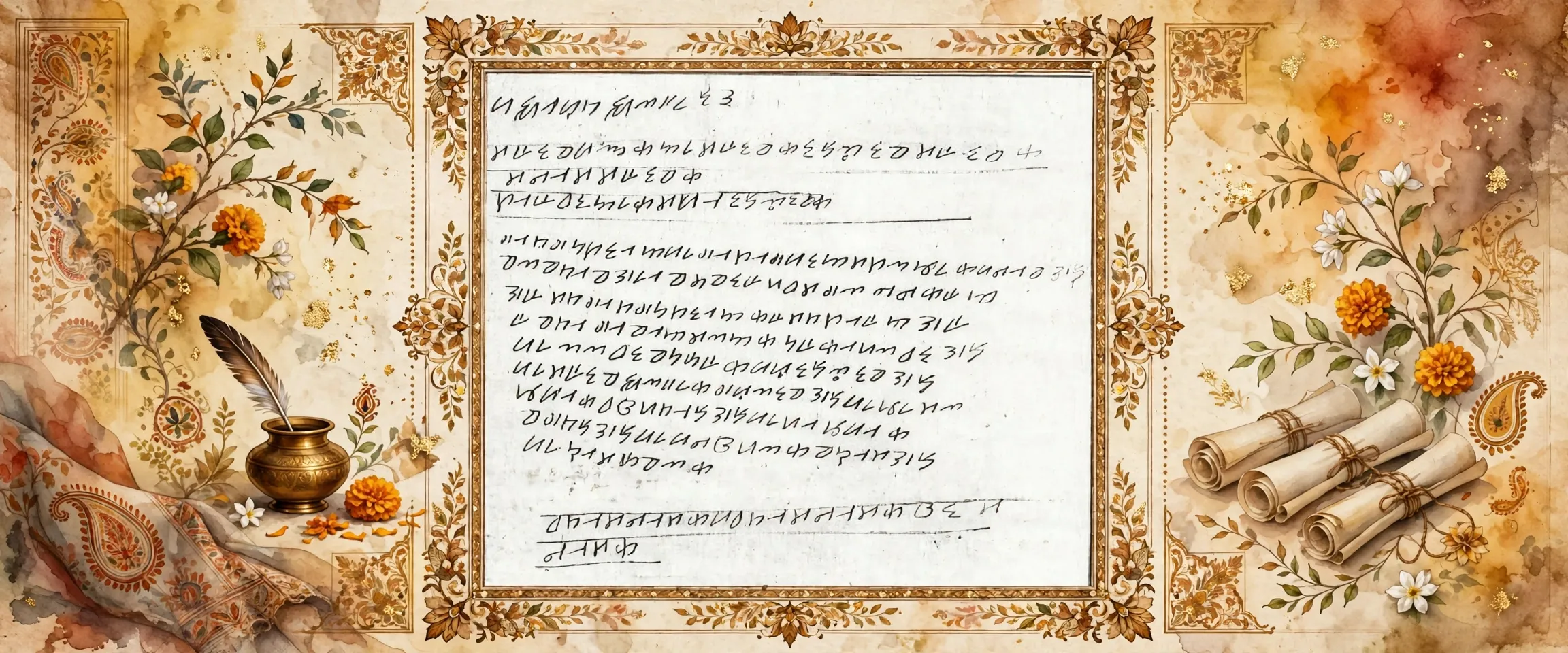
Guru Kian Sakhian is a prose history of the Sikh Gurus written in 1790 by Bhatt Sarup Singh Kaushish, a family bard from Bhadson near Thanesar. In 112 short stories, called sakhis, it tells the lives of the five latter Gurus, from Guru Hargobind to Guru Gobind Singh, drawing on the genealogical records kept by the Bhatt bards. The original manuscript and its Gurmukhi transliteration are both lost, so the book was first published in 1986 from a copy made by Giani Garja Singh, and historians value its unique material while warning that several of its dates are not corroborated by any other source.
- Punjabi name
- ਗੁਰੂ ਕੀਆਂ ਸਾਖੀਆਂ
- Author
- Bhatt Sarup Singh Kaushish (attributed; name missing from the colophon)
- Written
- 1790 (1847 Bk), Bhadson, Thanesar
- Language
- Punjabi and Hindi prose, with Bhatt vocabulary
- Form
- Prose narrative in 112 sakhis
- Sakhis
- 112 (Hargobind 4, Har Rai 9, Har Krishan 4, Tegh Bahadur 16, Gobind Singh 79)
All 11 facts
- Period covered
- Guru Hargobind to Guru Gobind Singh (about 1606 to 1708)
- Main subject
- Lives of the five latter Sikh Gurus
- Based on
- Bhatt Vahis, the genealogical records of the Bhatt bards
- First printed edition
- 1986, Patiala (edited by Piara Singh Padam and Giani Garja Singh)
- English translation
- Pritpal Singh Bindra, Singh Brothers, 2005
Guru Kian Sakhian is a prose history of the Sikh Gurus written in 1790 by Bhatt Sarup Singh Kaushish, a family bard from Bhadson near Thanesar. In 112 short stories, called sakhis, it tells the lives of the five latter Gurus, from Guru Hargobind to Guru Gobind Singh Ji, drawing on the genealogical records kept by the Bhatt bards.
What is Guru Kian Sakhian?
The name means the stories of the Gurus. A sakhi is a story or anecdote told to teach or to remember, and the book is made of 112 of them. It is a narrative in prose, not verse, which sets it apart from most early Sikh histories, which were written as poetry. Its language is a mixture of Punjabi and Hindi, with words from the Bhatts' own vocabulary, and it gives dates for its events, often to the very day.
The book covers only the five latter Gurus. It says nothing about Guru Nanak Dev Ji and the first four Gurus. It begins abruptly with the doings of Guru Hargobind at Kiratpur. Most of it, 79 of the 112 sakhis, concerns Guru Gobind Singh Ji, and three sakhis in the middle concern Dhir Mal, Ram Rai and Bhar Mal, figures from the Guru's own family circle.
The author and the Bhatt bards
The Bhatts were family bards. They visited their clients at the end of each season and wrote down births, deaths, marriages and other events in their vahis, genealogical record books. The first Guru to have Bhatts in attendance was Guru Arjan. Some of them became devout Sikhs, and their hymns in praise of Guru Arjan and his predecessors are preserved in the Guru Granth Sahib. Their descendants took part in Guru Hargobind's battles, and wrote down in their vahis events from the lives of the Gurus.
The author, Bhatt Sarup Singh Kaushish, came from Bhadson in the Thanesar parganah, in what is now Haryana. His name does not appear in the colophon at the end of the manuscript, so the authorship is attributed to him rather than proved. The colophon says the manuscript was completed in 1847 Bk, that is 1790, at Bhadson itself. He was a Bhatt, one of the priestly bards who lived by keeping their clients' genealogies.
His sources were the Bhatt Vahis kept by his ancestors, who had remained in attendance on Guru Gobind Singh and had seen most of the events of his court and camp. He also drew on other early works: Mehma Parkash by Sarup Das Bhalla, Parchian Sewa Das, and the Malwa Des Ratan Ki Sakhi Pothi.
What the book covers: five Gurus in 112 stories
The 112 sakhis divide as follows: four for Guru Hargobind, nine for Guru Har Rai, four for Guru Har Krishan, sixteen for Guru Tegh Bahadur, and seventy-nine for Guru Gobind Singh. The early sakhis tell of Guru Hargobind's doings around Kiratpur, Guru Har Rai's travels and his son Ram Rai's part after his expulsion from the Panth, and Guru Har Krishan.
Guru Tegh Bahadur's sixteen sakhis follow his travels, including journeys to Patna and Assam, and the coming of the Kashmiri Brahmins to Chak Nanki. The Guru Gobind Singh sakhis are the heart of the book: his battles, the abolition of the masands, the creation of the Khalsa, the code of conduct of the Khalsa in sakhis 59 and 60, and, in the last sakhi of all, number 112, the investing of the Adi Granth with the Guruship by Guru Gobind Singh before he passed away.
The book also records that Baba Banda Singh Bahadur received the rites of the Khalsa at the hands of Guru Gobind Singh. It is one of the few early sources to say so plainly, and that single claim has made it a much-quoted book in modern Sikh writing.
How the book reached us: lost originals and a 1986 printing
The book as we have it today is several steps removed from Kaushish's pen. He wrote it in Bhattachchhari, also called Bhattakhri, a form of Devanagari without vowel symbols, the script the Bhatts used for their records. It was transliterated into Gurmukhi by Chhajju Singh Kaushish, a descendant of the author, in 1868 or 1869. The sources differ by a year.
Neither the original in Bhattakhri nor the Gurmukhi version survives. The text in circulation today comes from a copy made by Giani Garja Singh from another copy that belonged to Sant Gurdit Singh of Dabwali Malko Ki, near Malout. Garja Singh's copy was revised and re-edited by Piara Singh Padam, and the book was published in that form at Patiala in 1986.
The Bhatt Vahis themselves only came to light in the 1960s, largely through Garja Singh's work. In 1978 the Department of Guru Nanak Studies at Guru Nanak Dev University, Amritsar, began a research project on the Bhatt and Panda Vahis. An English adaptation by Pritpal Singh Bindra, a Toronto-based educationist, was published by Singh Brothers in 2005, with an introduction and annotations by Pal Singh Purewal, who checked the dates in the text.
Can Guru Kian Sakhian be trusted as history?
The honest answer is that it must be used with care. Professional historians are still sceptical about its origin, and the book has never been put through the rigorous testing that would settle its authenticity. Pratibha Chawla noted in 2024 that the Bhatts did not keep their records for a scholarly purpose but to serve their role in the purohit and jajman system of patron and client, so their entries need to be treated carefully by scholars.
The dates are the biggest problem. The book gives the creation of the Khalsa as 1698 in sakhi 58, a year before the accepted date of 1699. It places Guru Gobind Singh's birth at Patna in December 1661, five years before the accepted 1666. It sends Guru Tegh Bahadur to Patna in 1656, before he had assumed the Guruship, and it describes Guru Har Rai travelling in Jammu and Kashmir and Guru Gobind Singh sojourning there and in Lakhi Jungle in 1692. None of these is corroborated by any other source.
The same weakness shows in the Bhat Vahi entry the book leans on. An entry in the Bhat Vahi Poorbi Dakhni gives Guru Gobind Singh's birth in 1661, yet calls Guru Tegh Bahadur the ninth Guru at a time when Guru Har Krishan held the Guruship, and describes Patna as standing on the banks of the Jamuna. Pal Singh Purewal, who checked the dates in the book, found internal conflicts between the elements of dates and judged that some of them were calculated or concocted rather than taken from a reliable record. A few English words also appear in the text, plainly anachronistic, which scholars explain as errors by copyists.
What makes it valuable despite the doubts
For all that, the book contains material found nowhere else. Its graphic account of the Khalsa code of conduct in sakhis 59 and 60, and of the Adi Granth being invested with the Guruship in sakhi 112, are not available in any other early source. Its account of the amrit ceremony is fuller than any contemporary account, and its basic elements accord with the Sikh Rehat Maryada approved in 1945.
The book is also a feast of dates: even where a date is wrong, it shows how the tradition remembered an event. Balwant Singh Dhillon, who appraised the book, concluded that judicious, cautious and selective use of it can fill gaps in the history of the Sikh Gurus, and modern historians are paying it increasing attention.
It is also one of the earliest prose accounts in Sikh literature. Parchian Sewa Das, dated 1708, is probably the earliest prose narration of episodes from Guru Gobind Singh's life, and Kaushish's book, written 82 years later, is among the first to follow it in prose, at a time when most Sikh histories were still written in verse.
Guru Kian Sakhian and the other early histories
The book is easily confused with its neighbours, so it helps to keep them apart. The janamsakhis are life stories of Guru Nanak Dev Ji, hagiographic in character and much earlier in spirit. Sri Gur Sobha, by Sainapati, was begun in 1701 and completed in 1711, a verse account by a poet of Guru Gobind Singh's court. The Bansavalinama of Kesar Singh Chhibber, completed in 1769, is a verse genealogy of the ten Gurus.
Prachin Panth Prakash, by Rattan Singh Bhangu Ji and finished in the early 1810s, is a verse history of the Khalsa in the 18th century, and Suraj Parkash, by Kavi Santokh Singh Ji and completed in 1843, is a verse life of the ten Gurus in more than 51,000 verses. Panth Parkash, by Giani Gian Singh, first published at Delhi in 1880, reworked Bhangu's book. Among all of these, Guru Kian Sakhian stands alone as the prose account built on the Bhatts' own records, and the only one that begins with Guru Hargobind.
ਗੁਰੂ ਕੀਆਂ ਸਾਖੀਆਂ ਸਿੱਖ ਗੁਰੂਆਂ ਦਾ ਗਦ ਵਿੱਚ ਇਤਿਹਾਸ ਹੈ, ਜੋ 1790 ਵਿੱਚ ਥਾਨੇਸਰ ਨੇੜੇ ਭਾਦਸੋਂ ਦੇ ਭੱਟ ਸਰੂਪ ਸਿੰਘ ਕੌਸ਼ਿਸ਼ ਨੇ ਲਿਖਿਆ ਸੀ। ਇਹ 112 ਛੋਟੀਆਂ ਸਾਖੀਆਂ ਵਿੱਚ ਗੁਰੂ ਹਰਿਗੋਬਿੰਦ ਤੋਂ ਗੁਰੂ ਗੋਬਿੰਦ ਸਿੰਘ ਜੀ ਤੱਕ ਪਿਛਲੇ ਪੰਜ ਗੁਰੂਆਂ ਦੇ ਜੀਵਨ ਦੱਸਦੀ ਹੈ, ਅਤੇ ਇਸ ਦਾ ਆਧਾਰ ਭੱਟਾਂ ਦੀਆਂ ਵੰਸ਼ਾਵਲੀ ਵਹੀਆਂ ਹਨ।
ਗੁਰੂ ਕੀਆਂ ਸਾਖੀਆਂ ਕੀ ਹੈ?
ਇਸ ਨਾਂ ਦਾ ਅਰਥ ਹੈ ਗੁਰੂਆਂ ਦੀਆਂ ਸਾਖੀਆਂ। ਸਾਖੀ ਦਾ ਅਰਥ ਹੈ ਉਹ ਕਹਾਣੀ ਜਾਂ ਘਟਨਾ ਜੋ ਯਾਦ ਰੱਖਣ ਜਾਂ ਸਿਖਾਉਣ ਲਈ ਸੁਣਾਈ ਜਾਂਦੀ ਹੈ, ਅਤੇ ਇਸ ਕਿਤਾਬ ਵਿੱਚ ਅਜਿਹੀਆਂ 112 ਸਾਖੀਆਂ ਹਨ। ਇਹ ਗਦ ਵਿੱਚ ਬਿਰਤਾਂਤ ਹੈ, ਕਵਿਤਾ ਵਿੱਚ ਨਹੀਂ, ਅਤੇ ਇਸੇ ਗੱਲ ਕਰਕੇ ਇਹ ਹੋਰ ਪੁਰਾਣੇ ਸਿੱਖ ਇਤਿਹਾਸਾਂ ਤੋਂ ਵੱਖਰੀ ਹੈ, ਕਿਉਂਕਿ ਉਹ ਜ਼ਿਆਦਾਤਰ ਕਵਿਤਾ ਵਿੱਚ ਲਿਖੇ ਗਏ ਸਨ। ਇਸ ਦੀ ਭਾਸ਼ਾ ਪੰਜਾਬੀ ਅਤੇ ਹਿੰਦੀ ਦਾ ਮਿਸ਼ਰਣ ਹੈ, ਜਿਸ ਵਿੱਚ ਭੱਟਾਂ ਦੀ ਆਪਣੀ ਸ਼ਬਦਾਵਲੀ ਵੀ ਹੈ, ਅਤੇ ਇਹ ਆਪਣੀਆਂ ਘਟਨਾਵਾਂ ਦੀਆਂ ਤਾਰੀਖਾਂ ਦਿੰਦੀ ਹੈ, ਅਕਸਰ ਦਿਨ ਤੱਕ।
ਇਹ ਕਿਤਾਬ ਸਿਰਫ਼ ਪਿਛਲੇ ਪੰਜ ਗੁਰੂਆਂ ਬਾਰੇ ਦੱਸਦੀ ਹੈ। ਇਸ ਵਿੱਚ ਗੁਰੂ ਨਾਨਕ ਦੇਵ ਜੀ ਅਤੇ ਪਹਿਲੇ ਚਾਰ ਗੁਰੂਆਂ ਬਾਰੇ ਕੁਝ ਨਹੀਂ ਹੈ। ਇਹ ਅਚਾਨਕ ਗੁਰੂ ਹਰਿਗੋਬਿੰਦ ਦੇ ਕੀਰਤਪੁਰ ਆਲੇ ਦੁਆਲੇ ਦੇ ਕੰਮਾਂ ਤੋਂ ਸ਼ੁਰੂ ਹੁੰਦੀ ਹੈ। ਇਸ ਦਾ ਸਭ ਤੋਂ ਵੱਡਾ ਹਿੱਸਾ, 112 ਵਿੱਚੋਂ 79 ਸਾਖੀਆਂ, ਗੁਰੂ ਗੋਬਿੰਦ ਸਿੰਘ ਜੀ ਬਾਰੇ ਹੈ, ਅਤੇ ਵਿਚਕਾਰ ਤਿੰਨ ਸਾਖੀਆਂ ਧੀਰ ਮੱਲ, ਰਾਮ ਰਾਇ ਅਤੇ ਭਰ ਮੱਲ ਬਾਰੇ ਹਨ, ਜੋ ਗੁਰੂ ਜੀ ਦੇ ਪਰਿਵਾਰ ਨਾਲ ਜੁੜੇ ਹੋਏ ਸਨ।
ਲੇਖਕ ਅਤੇ ਭੱਟ
ਭੱਟ ਪਰਿਵਾਰਕ ਭਾਟ ਸਨ। ਉਹ ਹਰ ਮੌਸਮ ਦੇ ਅੰਤ ਵਿੱਚ ਆਪਣੇ ਜਜਮਾਨਾਂ ਕੋਲ ਜਾਂਦੇ ਅਤੇ ਉਨ੍ਹਾਂ ਦੀਆਂ ਵਹੀਆਂ ਵਿੱਚ ਜਨਮ, ਮੌਤ, ਵਿਆਹ ਅਤੇ ਹੋਰ ਘਟਨਾਵਾਂ ਲਿਖ ਲੈਂਦੇ ਸਨ। ਭੱਟਾਂ ਦੀ ਸੇਵਾ ਵਿੱਚ ਆਉਣ ਵਾਲੇ ਪਹਿਲੇ ਗੁਰੂ ਗੁਰੂ ਅਰਜਨ ਸਨ। ਉਨ੍ਹਾਂ ਵਿੱਚੋਂ ਕੁਝ ਪੱਕੇ ਸਿੱਖ ਬਣ ਗਏ, ਅਤੇ ਗੁਰੂ ਅਰਜਨ ਅਤੇ ਉਨ੍ਹਾਂ ਤੋਂ ਪਹਿਲੇ ਗੁਰੂਆਂ ਦੀ ਉਸਤਤ ਵਿੱਚ ਉਨ੍ਹਾਂ ਦੀਆਂ ਬਾਣੀਆਂ ਗੁਰੂ ਗ੍ਰੰਥ ਸਾਹਿਬ ਵਿੱਚ ਸੁਰੱਖਿਅਤ ਹਨ। ਉਨ੍ਹਾਂ ਦੇ ਵੰਸ਼ਜ ਗੁਰੂ ਹਰਿਗੋਬਿੰਦ ਦੀਆਂ ਲੜਾਈਆਂ ਵਿੱਚ ਸ਼ਾਮਲ ਹੋਏ, ਅਤੇ ਉਨ੍ਹਾਂ ਨੇ ਆਪਣੀਆਂ ਵਹੀਆਂ ਵਿੱਚ ਗੁਰੂਆਂ ਦੇ ਜੀਵਨ ਦੀਆਂ ਘਟਨਾਵਾਂ ਲਿਖੀਆਂ।
ਲੇਖਕ, ਭੱਟ ਸਰੂਪ ਸਿੰਘ ਕੌਸ਼ਿਸ਼, ਥਾਨੇਸਰ ਪਰਗਨੇ ਦੇ ਭਾਦਸੋਂ ਤੋਂ ਸਨ, ਜੋ ਅੱਜ ਹਰਿਆਣਾ ਵਿੱਚ ਹੈ। ਹੱਥ ਲਿਖਤ ਦੇ ਅੰਤਲੇ ਕੋਲੋਫ਼ਨ ਵਿੱਚ ਉਨ੍ਹਾਂ ਦਾ ਨਾਂ ਨਹੀਂ ਹੈ, ਇਸ ਲਈ ਉਨ੍ਹਾਂ ਨੂੰ ਲੇਖਕ ਮੰਨਿਆ ਜਾਂਦਾ ਹੈ, ਸਾਬਤ ਨਹੀਂ ਕੀਤਾ ਜਾ ਸਕਦਾ। ਕੋਲੋਫ਼ਨ ਕਹਿੰਦਾ ਹੈ ਕਿ ਹੱਥ ਲਿਖਤ 1847 ਬਿ., ਅਰਥਾਤ 1790 ਵਿੱਚ, ਭਾਦਸੋਂ ਵਿੱਚ ਹੀ ਮੁਕੰਮਲ ਹੋਈ ਸੀ। ਉਹ ਇੱਕ ਭੱਟ ਸਨ, ਉਨ੍ਹਾਂ ਪੁਜਾਰੀ ਭਾਟਾਂ ਵਿੱਚੋਂ ਜੋ ਆਪਣੇ ਜਜਮਾਨਾਂ ਦੀਆਂ ਵੰਸ਼ਾਵਲੀਆਂ ਰੱਖ ਕੇ ਗੁਜ਼ਾਰਾ ਕਰਦੇ ਸਨ।
ਉਨ੍ਹਾਂ ਦੇ ਸਰੋਤ ਉਨ੍ਹਾਂ ਦੇ ਪੁਰਖਿਆਂ ਦੀਆਂ ਭੱਟ ਵਹੀਆਂ ਸਨ, ਜੋ ਗੁਰੂ ਗੋਬਿੰਦ ਸਿੰਘ ਜੀ ਦੀ ਹਜ਼ੂਰੀ ਵਿੱਚ ਰਹੇ ਸਨ ਅਤੇ ਉਨ੍ਹਾਂ ਦੇ ਦਰਬਾਰ ਅਤੇ ਕੈਂਪ ਦੀਆਂ ਜ਼ਿਆਦਾਤਰ ਘਟਨਾਵਾਂ ਦੇ ਗਵਾਹ ਸਨ। ਉਨ੍ਹਾਂ ਨੇ ਹੋਰ ਪੁਰਾਣੀਆਂ ਰਚਨਾਵਾਂ ਤੋਂ ਵੀ ਲਿਆ: ਸਰੂਪ ਦਾਸ ਭੱਲਾ ਦੀ ਮਹਿਮਾ ਪ੍ਰਕਾਸ਼, ਪਰਚੀਆਂ ਸੇਵਾ ਦਾਸ, ਅਤੇ ਮਾਲਵਾ ਦੇਸ ਰਤਨ ਕੀ ਸਾਖੀ ਪੋਥੀ।
ਕਿਤਾਬ ਵਿੱਚ ਕੀ ਹੈ: 112 ਸਾਖੀਆਂ ਵਿੱਚ ਪੰਜ ਗੁਰੂ
112 ਸਾਖੀਆਂ ਇਸ ਤਰ੍ਹਾਂ ਵੰਡੀਆਂ ਹੋਈਆਂ ਹਨ: ਗੁਰੂ ਹਰਿਗੋਬਿੰਦ ਬਾਰੇ ਚਾਰ, ਗੁਰੂ ਹਰਿਰਾਇ ਬਾਰੇ ਨੌਂ, ਗੁਰੂ ਹਰਿਕ੍ਰਿਸ਼ਨ ਬਾਰੇ ਚਾਰ, ਗੁਰੂ ਤੇਗ ਬਹਾਦਰ ਬਾਰੇ ਸੋਲ਼ਾਂ, ਅਤੇ ਗੁਰੂ ਗੋਬਿੰਦ ਸਿੰਘ ਬਾਰੇ ਉਨ੍ਹਤਰ। ਪਹਿਲੀਆਂ ਸਾਖੀਆਂ ਕੀਰਤਪੁਰ ਆਲੇ ਦੁਆਲੇ ਗੁਰੂ ਹਰਿਗੋਬਿੰਦ ਦੇ ਕੰਮਾਂ, ਗੁਰੂ ਹਰਿਰਾਇ ਦੀਆਂ ਯਾਤਰਾਵਾਂ ਅਤੇ ਪੰਥ ਤੋਂ ਕੱਢੇ ਜਾਣ ਮਗਰੋਂ ਉਨ੍ਹਾਂ ਦੇ ਪੁੱਤਰ ਰਾਮ ਰਾਇ ਦੀ ਭੂਮਿਕਾ, ਅਤੇ ਗੁਰੂ ਹਰਿਕ੍ਰਿਸ਼ਨ ਬਾਰੇ ਦੱਸਦੀਆਂ ਹਨ।
ਗੁਰੂ ਤੇਗ ਬਹਾਦਰ ਦੀਆਂ ਸੋਲ਼ਾਂ ਸਾਖੀਆਂ ਉਨ੍ਹਾਂ ਦੀਆਂ ਯਾਤਰਾਵਾਂ ਨੂੰ ਮਗਰ ਲੈ ਜਾਂਦੀਆਂ ਹਨ, ਜਿਨ੍ਹਾਂ ਵਿੱਚ ਪਟਨਾ ਅਤੇ ਅਸਾਮ ਦੀਆਂ ਯਾਤਰਾਵਾਂ ਅਤੇ ਚੱਕ ਨਾਨਕੀ ਵਿੱਚ ਕਸ਼ਮੀਰੀ ਬ੍ਰਾਹਮਣਾਂ ਦਾ ਆਉਣਾ ਵੀ ਹੈ। ਗੁਰੂ ਗੋਬਿੰਦ ਸਿੰਘ ਦੀਆਂ ਸਾਖੀਆਂ ਕਿਤਾਬ ਦਾ ਦਿਲ ਹਨ: ਉਨ੍ਹਾਂ ਦੀਆਂ ਲੜਾਈਆਂ, ਮਸੰਦ ਪ੍ਰਥਾ ਦਾ ਖ਼ਾਤਮਾ, ਖ਼ਾਲਸੇ ਦੀ ਸਿਰਜਣਾ, ਸਾਖੀਆਂ 59 ਅਤੇ 60 ਵਿੱਚ ਖ਼ਾਲਸੇ ਦੀ ਰਹਿਤ, ਅਤੇ ਸਭ ਤੋਂ ਆਖ਼ਰੀ ਸਾਖੀ, ਨੰਬਰ 112 ਵਿੱਚ, ਗੁਰੂ ਗੋਬਿੰਦ ਸਿੰਘ ਵੱਲੋਂ ਆਪਣੇ ਦੇਹਾਂਤ ਤੋਂ ਪਹਿਲਾਂ ਆਦਿ ਗ੍ਰੰਥ ਨੂੰ ਗੁਰਗੱਦੀ ਸੌਂਪਣਾ।
ਕਿਤਾਬ ਇਹ ਵੀ ਦੱਸਦੀ ਹੈ ਕਿ ਬਾਬਾ ਬੰਦਾ ਸਿੰਘ ਬਹਾਦਰ ਨੇ ਗੁਰੂ ਗੋਬਿੰਦ ਸਿੰਘ ਜੀ ਦੇ ਹੱਥੋਂ ਖ਼ਾਲਸੇ ਦੀ ਰੀਤ ਗ੍ਰਹਿਣ ਕੀਤੀ ਸੀ। ਇਹ ਗੱਲ ਸਾਫ਼ ਤੌਰ ਉੱਤੇ ਕਹਿਣ ਵਾਲੇ ਪੁਰਾਣੇ ਸਰੋਤ ਬਹੁਤ ਘੱਟ ਹਨ, ਅਤੇ ਇਸ ਇੱਕ ਦਾਅਵੇ ਕਰਕੇ ਇਹ ਕਿਤਾਬ ਆਧੁਨਿਕ ਸਿੱਖ ਲਿਖਤ ਵਿੱਚ ਬਹੁਤ ਵਾਰ ਹਵਾਲਾ ਦਿੱਤੀ ਜਾਂਦੀ ਹੈ।
ਕਿਤਾਬ ਸਾਡੇ ਤੱਕ ਕਿਵੇਂ ਪਹੁੰਚੀ: ਗੁੰਮੀਆਂ ਹੱਥ ਲਿਖਤਾਂ ਅਤੇ 1986 ਦੀ ਛਪਾਈ
ਅੱਜ ਸਾਡੇ ਕੋਲ ਜੋ ਕਿਤਾਬ ਹੈ, ਉਹ ਕੌਸ਼ਿਸ਼ ਦੀ ਕਲਮ ਤੋਂ ਕਈ ਕਦਮ ਦੂਰ ਹੈ। ਉਨ੍ਹਾਂ ਨੇ ਇਸ ਨੂੰ ਭੱਟਾਖਰੀ ਵਿੱਚ ਲਿਖਿਆ ਸੀ, ਜਿਸ ਨੂੰ ਭੱਟਾਖਰੀ ਵੀ ਕਿਹਾ ਜਾਂਦਾ ਹੈ, ਸਵਰ ਚਿੰਨ੍ਹਾਂ ਤੋਂ ਬਿਨਾਂ ਦੇਵਨਾਗਰੀ ਦਾ ਇੱਕ ਰੂਪ, ਜੋ ਭੱਟ ਆਪਣੇ ਰਿਕਾਰਡਾਂ ਲਈ ਵਰਤਦੇ ਸਨ। ਇਸ ਨੂੰ ਗੁਰਮੁਖੀ ਵਿੱਚ ਲੇਖਕ ਦੇ ਵੰਸ਼ਜ ਛੱਜੂ ਸਿੰਘ ਕੌਸ਼ਿਸ਼ ਨੇ 1868 ਜਾਂ 1869 ਵਿੱਚ ਬਦਲਿਆ। ਸਰੋਤਾਂ ਵਿੱਚ ਇੱਕ ਸਾਲ ਦਾ ਫ਼ਰਕ ਹੈ।
ਭੱਟਾਖਰੀ ਵਾਲੀ ਅਸਲੀ ਹੱਥ ਲਿਖਤ ਅਤੇ ਗੁਰਮੁਖੀ ਵਾਲਾ ਰੂਪ ਦੋਵੇਂ ਹੀ ਨਹੀਂ ਬਚੇ। ਅੱਜ ਚੱਲ ਰਿਹਾ ਪਾਠ ਗਿਆਨੀ ਗਰਜਾ ਸਿੰਘ ਵੱਲੋਂ ਬਣਾਈ ਨਕਲ ਤੋਂ ਆਇਆ ਹੈ, ਜੋ ਉਨ੍ਹਾਂ ਨੇ ਸੰਤ ਗੁਰਦਿੱਤ ਸਿੰਘ ਦੀ ਨਕਲ ਤੋਂ ਬਣਾਈ ਸੀ, ਜੋ ਮਲੋਟ ਨੇੜੇ ਡੱਬਵਾਲੀ ਮਲਕੋ ਕੀ ਪਿੰਡ ਦੇ ਸਨ। ਗਰਜਾ ਸਿੰਘ ਦੀ ਨਕਲ ਨੂੰ ਪਿਆਰਾ ਸਿੰਘ ਪਦਮ ਨੇ ਸੋਧ ਕੇ ਮੁੜ ਸੰਪਾਦਿਤ ਕੀਤਾ, ਅਤੇ ਕਿਤਾਬ ਇਸ ਰੂਪ ਵਿੱਚ 1986 ਵਿੱਚ ਪਟਿਆਲਾ ਵਿੱਚ ਛਪੀ।
ਭੱਟ ਵਹੀਆਂ ਖ਼ੁਦ 1960 ਦੇ ਦਹਾਕੇ ਵਿੱਚ ਹੀ ਸਾਹਮਣੇ ਆਈਆਂ, ਵੱਡੇ ਪੱਧਰ ਉੱਤੇ ਗਰਜਾ ਸਿੰਘ ਦੇ ਕੰਮ ਕਰਕੇ। 1978 ਵਿੱਚ ਗੁਰੂ ਨਾਨਕ ਦੇਵ ਯੂਨੀਵਰਸਿਟੀ, ਅੰਮ੍ਰਿਤਸਰ ਦੇ ਗੁਰੂ ਨਾਨਕ ਅਧਿਐਨ ਵਿਭਾਗ ਨੇ ਭੱਟ ਅਤੇ ਪੰਡਾ ਵਹੀਆਂ ਉੱਤੇ ਖੋਜ ਪ੍ਰਾਜੈਕਟ ਸ਼ੁਰੂ ਕੀਤਾ। ਪ੍ਰਿਤਪਾਲ ਸਿੰਘ ਬਿੰਦਰਾ, ਟੋਰਾਂਟੋ ਵਿੱਚ ਰਹਿਣ ਵਾਲੇ ਇੱਕ ਸਿੱਖਿਆ ਸ਼ਾਸਤਰੀ, ਵੱਲੋਂ ਅੰਗਰੇਜ਼ੀ ਰੂਪ 2005 ਵਿੱਚ ਸਿੰਘ ਬ੍ਰਦਰਜ਼ ਨੇ ਛਾਪਿਆ, ਜਿਸ ਵਿੱਚ ਪਾਲ ਸਿੰਘ ਪਿਉਰੇਵਾਲ ਦੀ ਭੂਮਿਕਾ ਅਤੇ ਟਿੱਪਣੀਆਂ ਹਨ, ਜਿਨ੍ਹਾਂ ਨੇ ਪਾਠ ਦੀਆਂ ਤਾਰੀਖਾਂ ਦੀ ਜਾਂਚ ਕੀਤੀ।
ਕੀ ਗੁਰੂ ਕੀਆਂ ਸਾਖੀਆਂ ਨੂੰ ਇਤਿਹਾਸ ਮੰਨਿਆ ਜਾ ਸਕਦਾ ਹੈ?
ਇਮਾਨਦਾਰ ਜਵਾਬ ਇਹ ਹੈ ਕਿ ਇਸ ਨੂੰ ਸਾਵਧਾਨੀ ਨਾਲ ਵਰਤਣਾ ਚਾਹੀਦਾ ਹੈ। ਪੇਸ਼ੇਵਰ ਇਤਿਹਾਸਕਾਰ ਅਜੇ ਵੀ ਇਸ ਦੇ ਮੂਲ ਬਾਰੇ ਸ਼ੱਕੀ ਹਨ, ਅਤੇ ਇਸ ਕਿਤਾਬ ਦੀ ਕਦੇ ਉਹ ਸਖ਼ਤ ਜਾਂਚ ਨਹੀਂ ਹੋਈ ਜੋ ਇਸ ਦੀ ਪ੍ਰਮਾਣਿਕਤਾ ਨੂੰ ਪੱਕਾ ਕਰ ਸਕੇ। ਪ੍ਰਤਿਭਾ ਚਾਵਲਾ ਨੇ 2024 ਵਿੱਚ ਨੋਟ ਕੀਤਾ ਕਿ ਭੱਟ ਆਪਣੇ ਰਿਕਾਰਡ ਵਿਦਵਤਾ ਲਈ ਨਹੀਂ, ਸਗੋਂ ਪੁਜਾਰੀ ਅਤੇ ਜਜਮਾਨ ਦੀ ਪ੍ਰਣਾਲੀ ਵਿੱਚ ਆਪਣੀ ਭੂਮਿਕਾ ਨਿਭਾਉਣ ਲਈ ਰੱਖਦੇ ਸਨ, ਇਸ ਲਈ ਵਿਦਵਾਨਾਂ ਨੂੰ ਉਨ੍ਹਾਂ ਦੀਆਂ ਲਿਖਤਾਂ ਨੂੰ ਸਾਵਧਾਨੀ ਨਾਲ ਵਰਤਣਾ ਚਾਹੀਦਾ ਹੈ।
ਤਾਰੀਖਾਂ ਸਭ ਤੋਂ ਵੱਡੀ ਸਮੱਸਿਆ ਹਨ। ਕਿਤਾਬ ਸਾਖੀ 58 ਵਿੱਚ ਖ਼ਾਲਸੇ ਦੀ ਸਿਰਜਣਾ 1698 ਦੀ ਦੱਸਦੀ ਹੈ, ਜਦੋਂ ਕਿ ਮੰਨੀ ਹੋਈ ਤਾਰੀਖ਼ 1699 ਹੈ। ਇਹ ਗੁਰੂ ਗੋਬਿੰਦ ਸਿੰਘ ਦਾ ਜਨਮ ਦਸੰਬਰ 1661 ਵਿੱਚ ਪਟਨਾ ਵਿੱਚ ਦੱਸਦੀ ਹੈ, ਜਦੋਂ ਕਿ ਮੰਨਿਆ ਹੋਇਆ ਸਾਲ 1666 ਹੈ। ਇਹ ਗੁਰੂ ਤੇਗ ਬਹਾਦਰ ਨੂੰ 1656 ਵਿੱਚ ਪਟਨਾ ਭੇਜਦੀ ਹੈ, ਗੁਰਗੱਦੀ ਮਿਲਣ ਤੋਂ ਪਹਿਲਾਂ, ਅਤੇ ਗੁਰੂ ਹਰਿਰਾਇ ਦੀ ਜੰਮੂ ਕਸ਼ਮੀਰ ਵਿੱਚ ਯਾਤਰਾ ਅਤੇ ਗੁਰੂ ਗੋਬਿੰਦ ਸਿੰਘ ਦਾ 1692 ਵਿੱਚ ਜੰਮੂ ਕਸ਼ਮੀਰ ਅਤੇ ਲੱਖੀ ਜੰਗਲ ਵਿੱਚ ਰਹਿਣਾ ਦੱਸਦੀ ਹੈ। ਇਨ੍ਹਾਂ ਵਿੱਚੋਂ ਕੋਈ ਵੀ ਗੱਲ ਕਿਸੇ ਹੋਰ ਸਰੋਤ ਨਾਲ ਮੇਲ ਨਹੀਂ ਖਾਂਦੀ।
ਇਹੀ ਕਮਜ਼ੋਰੀ ਉਸ ਭੱਟ ਵਹੀ ਵਿੱਚ ਵੀ ਦਿੱਸਦੀ ਹੈ ਜਿਸ ਉੱਤੇ ਕਿਤਾਬ ਨਿਰਭਰ ਕਰਦੀ ਹੈ। ਭੱਟ ਵਹੀ ਪੂਰਬੀ ਦੱਖਣੀ ਦੀ ਇੱਕ ਲਿਖਤ ਗੁਰੂ ਗੋਬਿੰਦ ਸਿੰਘ ਦਾ ਜਨਮ 1661 ਵਿੱਚ ਦੱਸਦੀ ਹੈ, ਪਰ ਉਸੇ ਸਮੇਂ ਗੁਰੂ ਤੇਗ ਬਹਾਦਰ ਨੂੰ ਨੌਵਾਂ ਗੁਰੂ ਕਹਿੰਦੀ ਹੈ, ਜਦੋਂ ਕਿ ਉਸ ਸਮੇਂ ਗੁਰੂ ਹਰਿਕ੍ਰਿਸ਼ਨ ਗੁਰਗੱਦੀ ਉੱਤੇ ਸਨ, ਅਤੇ ਪਟਨਾ ਨੂੰ ਜਮੁਨਾ ਦੇ ਕੰਢੇ ਉੱਤੇ ਦੱਸਦੀ ਹੈ। ਪਾਲ ਸਿੰਘ ਪਿਉਰੇਵਾਲ, ਜਿਨ੍ਹਾਂ ਨੇ ਕਿਤਾਬ ਦੀਆਂ ਤਾਰੀਖਾਂ ਦੀ ਜਾਂਚ ਕੀਤੀ, ਨੂੰ ਤਾਰੀਖਾਂ ਦੇ ਤੱਤਾਂ ਵਿੱਚ ਆਪਸੀ ਵਿਰੋਧ ਮਿਲਿਆ, ਅਤੇ ਉਨ੍ਹਾਂ ਦਾ ਮੰਨਣਾ ਸੀ ਕਿ ਕੁਝ ਤਾਰੀਖਾਂ ਕਿਸੇ ਭਰੋਸੇਯੋਗ ਰਿਕਾਰਡ ਤੋਂ ਨਹੀਂ, ਸਗੋਂ ਗਿਣ ਕੇ ਬਣਾਈਆਂ ਗਈਆਂ ਹਨ। ਪਾਠ ਵਿੱਚ ਕੁਝ ਅੰਗਰੇਜ਼ੀ ਸ਼ਬਦ ਵੀ ਮਿਲਦੇ ਹਨ, ਜੋ ਸਾਫ਼ ਤੌਰ ਉੱਤੇ ਉਸ ਸਮੇਂ ਦੇ ਨਹੀਂ ਹਨ, ਅਤੇ ਵਿਦਵਾਨ ਇਨ੍ਹਾਂ ਨੂੰ ਨਕਲ ਕਰਨ ਵਾਲਿਆਂ ਦੀਆਂ ਗ਼ਲਤੀਆਂ ਦੱਸਦੇ ਹਨ।
ਸ਼ੰਕਿਆਂ ਦੇ ਬਾਵਜੂਦ ਇਸ ਦੀ ਕੀਮਤ ਕੀ ਹੈ
ਇਨ੍ਹਾਂ ਸਭ ਦੇ ਬਾਵਜੂਦ, ਕਿਤਾਬ ਵਿੱਚ ਅਜਿਹੀ ਸਮੱਗਰੀ ਹੈ ਜੋ ਹੋਰ ਕਿਤੇ ਨਹੀਂ ਮਿਲਦੀ। ਸਾਖੀਆਂ 59 ਅਤੇ 60 ਵਿੱਚ ਖ਼ਾਲਸੇ ਦੀ ਰਹਿਤ ਦਾ ਵਿਸਥਾਰ ਨਾਲ ਬਿਰਤਾਂਤ, ਅਤੇ ਸਾਖੀ 112 ਵਿੱਚ ਆਦਿ ਗ੍ਰੰਥ ਨੂੰ ਗੁਰਗੱਦੀ ਸੌਂਪਣਾ, ਕਿਸੇ ਹੋਰ ਪੁਰਾਣੇ ਸਰੋਤ ਵਿੱਚ ਨਹੀਂ ਹੈ। ਅੰਮ੍ਰਿਤ ਦੀ ਰਸਮ ਦਾ ਇਸ ਦਾ ਬਿਰਤਾਂਤ ਕਿਸੇ ਵੀ ਸਮਕਾਲੀ ਬਿਰਤਾਂਤ ਨਾਲੋਂ ਵੱਧ ਵਿਸਥਾਰ ਨਾਲ ਹੈ, ਅਤੇ ਇਸ ਦੇ ਮੁੱਢਲੇ ਤੱਤ 1945 ਵਿੱਚ ਪ੍ਰਵਾਨ ਹੋਈ ਸਿੱਖ ਰਹਿਤ ਮਰਯਾਦਾ ਨਾਲ ਮੇਲ ਖਾਂਦੇ ਹਨ।
ਇਹ ਕਿਤਾਬ ਤਾਰੀਖਾਂ ਦਾ ਖ਼ਜ਼ਾਨਾ ਵੀ ਹੈ। ਜਿੱਥੇ ਕੋਈ ਤਾਰੀਖ਼ ਗ਼ਲਤ ਵੀ ਹੈ, ਉੱਥੇ ਵੀ ਇਹ ਦੱਸਦੀ ਹੈ ਕਿ ਪਰੰਪਰਾ ਕਿਸੇ ਘਟਨਾ ਨੂੰ ਕਿਵੇਂ ਯਾਦ ਕਰਦੀ ਸੀ। ਬਲਵੰਤ ਸਿੰਘ ਧਿੱਲੋਂ, ਜਿਨ੍ਹਾਂ ਨੇ ਇਸ ਕਿਤਾਬ ਦਾ ਮੁਲਾਂਕਣ ਕੀਤਾ, ਇਸ ਸਿੱਟੇ ਉੱਤੇ ਪਹੁੰਚੇ ਕਿ ਸਿਆਣਪ, ਸਾਵਧਾਨੀ ਅਤੇ ਚੋਣ ਨਾਲ ਇਸ ਦੀ ਵਰਤੋਂ ਸਿੱਖ ਗੁਰੂਆਂ ਦੇ ਇਤਿਹਾਸ ਦੀਆਂ ਖਾਲੀ ਥਾਵਾਂ ਨੂੰ ਭਰ ਸਕਦੀ ਹੈ, ਅਤੇ ਆਧੁਨਿਕ ਇਤਿਹਾਸਕਾਰ ਇਸ ਵੱਲ ਵੱਧ ਧਿਆਨ ਦੇ ਰਹੇ ਹਨ।
ਇਹ ਸਿੱਖ ਸਾਹਿਤ ਦੇ ਸਭ ਤੋਂ ਪੁਰਾਣੇ ਗਦ ਬਿਰਤਾਂਤਾਂ ਵਿੱਚੋਂ ਇੱਕ ਵੀ ਹੈ। ਪਰਚੀਆਂ ਸੇਵਾ ਦਾਸ, ਜੋ 1708 ਦੀ ਹੈ, ਗੁਰੂ ਗੋਬਿੰਦ ਸਿੰਘ ਦੇ ਜੀਵਨ ਦੀਆਂ ਘਟਨਾਵਾਂ ਦਾ ਸ਼ਾਇਦ ਸਭ ਤੋਂ ਪੁਰਾਣਾ ਗਦ ਵਿੱਚ ਬਿਰਤਾਂਤ ਹੈ, ਅਤੇ ਕੌਸ਼ਿਸ਼ ਦੀ ਕਿਤਾਬ, ਜੋ 82 ਸਾਲ ਮਗਰੋਂ ਲਿਖੀ ਗਈ, ਗਦ ਵਿੱਚ ਲਿਖੇ ਗਏ ਪਹਿਲੇ ਬਿਰਤਾਂਤਾਂ ਵਿੱਚੋਂ ਇੱਕ ਹੈ, ਉਸ ਸਮੇਂ ਜਦੋਂ ਜ਼ਿਆਦਾਤਰ ਸਿੱਖ ਇਤਿਹਾਸ ਅਜੇ ਵੀ ਕਵਿਤਾ ਵਿੱਚ ਲਿਖੇ ਜਾਂਦੇ ਸਨ।
ਗੁਰੂ ਕੀਆਂ ਸਾਖੀਆਂ ਅਤੇ ਹੋਰ ਪੁਰਾਣੇ ਇਤਿਹਾਸ
ਇਹ ਕਿਤਾਬ ਆਪਣੇ ਗੁਆਂਢੀ ਇਤਿਹਾਸਾਂ ਨਾਲ ਆਸਾਨੀ ਨਾਲ ਮਿਲਾ ਦਿੱਤੀ ਜਾਂਦੀ ਹੈ, ਇਸ ਲਈ ਇਨ੍ਹਾਂ ਨੂੰ ਵੱਖਰਾ ਰੱਖਣਾ ਮਦਦਗਾਰ ਹੈ। ਜਨਮਸਾਖੀਆਂ ਗੁਰੂ ਨਾਨਕ ਦੇਵ ਜੀ ਦੇ ਜੀਵਨ ਦੀਆਂ ਕਹਾਣੀਆਂ ਹਨ, ਭਗਤੀ ਭਾਵ ਵਾਲੀਆਂ ਅਤੇ ਬਹੁਤ ਪੁਰਾਣੀ ਭਾਵਨਾ ਵਾਲੀਆਂ। ਸ੍ਰੀ ਗੁਰ ਸੋਭਾ, ਸੈਨਾਪਤੀ ਦੀ ਰਚਨਾ, 1701 ਵਿੱਚ ਸ਼ੁਰੂ ਹੋਈ ਅਤੇ 1711 ਵਿੱਚ ਮੁਕੰਮਲ ਹੋਈ, ਗੁਰੂ ਗੋਬਿੰਦ ਸਿੰਘ ਦੇ ਦਰਬਾਰ ਦੇ ਇੱਕ ਕਵੀ ਵੱਲੋਂ ਕਵਿਤਾ ਵਿੱਚ ਬਿਰਤਾਂਤ ਹੈ। ਕੇਸਰ ਸਿੰਘ ਛਿੱਬਰ ਦਾ ਬੰਸਾਵਲੀਨਾਮਾ, ਜੋ 1769 ਵਿੱਚ ਮੁਕੰਮਲ ਹੋਇਆ, ਦਸਾਂ ਗੁਰੂਆਂ ਦੀ ਕਵਿਤਾ ਵਿੱਚ ਵੰਸ਼ਾਵਲੀ ਹੈ।
ਰਤਨ ਸਿੰਘ ਭੰਗੂ ਜੀ ਦੀ ਪ੍ਰਾਚੀਨ ਪੰਥ ਪ੍ਰਕਾਸ਼, ਜੋ 1810 ਦੇ ਦਹਾਕੇ ਦੇ ਸ਼ੁਰੂ ਵਿੱਚ ਮੁਕੰਮਲ ਹੋਈ, 18ਵੀਂ ਸਦੀ ਵਿੱਚ ਖ਼ਾਲਸੇ ਦਾ ਕਵਿਤਾ ਵਿੱਚ ਇਤਿਹਾਸ ਹੈ, ਅਤੇ ਕਵੀ ਸੰਤੋਖ ਸਿੰਘ ਜੀ ਦਾ ਸੂਰਜ ਪ੍ਰਕਾਸ਼, ਜੋ 1843 ਵਿੱਚ ਮੁਕੰਮਲ ਹੋਇਆ, 51,000 ਤੋਂ ਵੱਧ ਛੰਦਾਂ ਵਿੱਚ ਦਸਾਂ ਗੁਰੂਆਂ ਦਾ ਜੀਵਨ ਹੈ। ਗਿਆਨੀ ਗਿਆਨ ਸਿੰਘ ਦਾ ਪੰਥ ਪ੍ਰਕਾਸ਼, ਜੋ ਪਹਿਲੀ ਵਾਰ 1880 ਵਿੱਚ ਦਿੱਲੀ ਵਿੱਚ ਛਪਿਆ, ਭੰਗੂ ਦੀ ਕਿਤਾਬ ਦੀ ਮੁੜ ਲਿਖਤ ਹੈ। ਇਨ੍ਹਾਂ ਸਭ ਵਿੱਚ ਗੁਰੂ ਕੀਆਂ ਸਾਖੀਆਂ ਇਕੱਲੀ ਗਦ ਵਿੱਚ ਰਚਨਾ ਹੈ ਜੋ ਭੱਟਾਂ ਦੇ ਆਪਣੇ ਰਿਕਾਰਡਾਂ ਉੱਤੇ ਬਣੀ ਹੈ, ਅਤੇ ਇਕੱਲੀ ਕਿਤਾਬ ਹੈ ਜੋ ਗੁਰੂ ਹਰਿਗੋਬਿੰਦ ਤੋਂ ਸ਼ੁਰੂ ਹੁੰਦੀ ਹੈ।
More religion entries to explore
Sources (5)
Jugti is free and independent. Reader support keeps the Kosh growing.
Support