
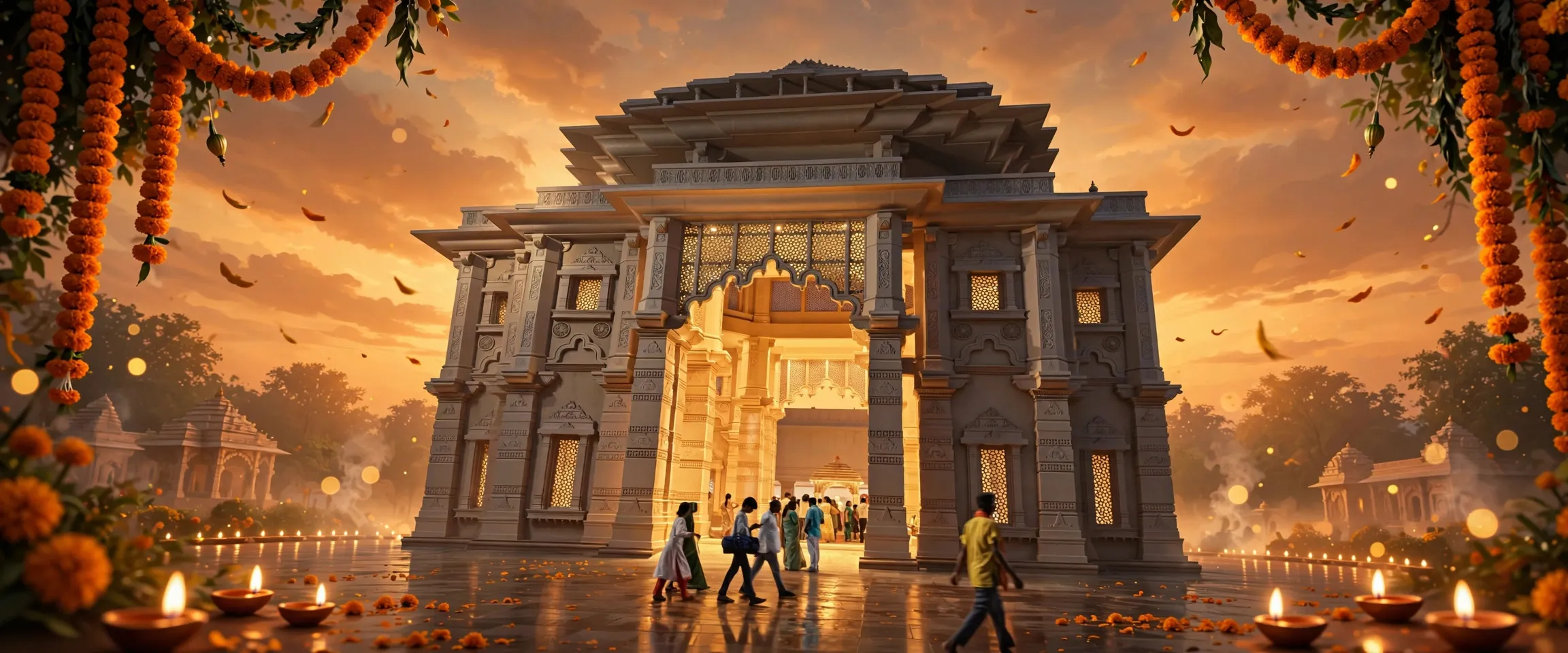
Ram Mandir is the grand Hindu temple complex at Ayodhya in Uttar Pradesh, built on the site that Hindu tradition holds to be Ram Janmabhoomi, the birthplace of Lord Ram. Consecrated on 22 January 2024 after a 2019 Supreme Court verdict settled the long-running title dispute, the 161-foot Nagara-style temple in pink sandstone was designed by the Sompura family of Ahmedabad. It draws around 100,000 visitors a day, making it one of India's busiest new pilgrimage sites.
- Punjabi name
- ਰਾਮ ਮੰਦਰ, ਅਯੁੱਧਿਆ
- Country
- India
- City
- Ayodhya, Uttar Pradesh
- Deity
- Ram Lalla (infant form of Ram)
- Architectural style
- Nagara (Maru-Gurjara idiom)
- Consecrated
- 22 January 2024
All 8 facts
- Height
- 161 ft (49 m), three storeys
- Trust
- Shri Ram Janmabhoomi Teerth Kshetra
The Ram Mandir is the grand Hindu temple complex at Ayodhya in Uttar Pradesh, built on the site that Hindu tradition holds to be Ram Janmabhoomi, the birthplace of Lord Ram. Consecrated on 22 January 2024, after India's Supreme Court settled the site's long-running title dispute in 2019, it is the largest and most-visited new temple India has built in generations, drawing around 100,000 devotees a day.
A temple built to last a thousand years
The mandir follows the Nagara style, the North Indian school of temple architecture defined by a curving shikhara over the sanctum, built here in the Maru-Gurjara idiom of western India. It rises 161 feet (49 metres) over three storeys, measures 380 feet east to west and 250 feet north to south, and is held up by 392 carved pillars and 44 doors.
The trust that runs the temple says no iron or steel was used in the superstructure. Instead, stones are interlocked and set with copper joints in the ancient manner, over a 14-metre roller-compacted concrete foundation and a 21-foot granite plinth that keeps ground moisture away from the masonry. The design target is a working life of more than a thousand years.
The main body is Bansi Paharpur pink sandstone from Rajasthan, with Makrana marble lining the inner sanctums. Five mandapas, the Nritya, Rang, Sabha, Prarthana and Kirtan halls, wrap the garbhagriha: the ground floor holds the Ram Darbar, the first floor the Ram Lalla sanctum, and the second floor is kept reserved.
Why does the Ram Mandir stand at this exact spot?
Hindu tradition holds this ground in Ayodhya to be the birthplace of Ram, the seventh avatar of Vishnu and the hero of the Ramayana, and the spot has been a focus of worship for centuries. A mosque, the Babri Masjid, stood on the same site from 1528-29 until it was demolished in December 1992, and the rival claims to the land fed one of modern India's longest legal disputes.
In a unanimous verdict on 9 November 2019, a five-judge bench of the Supreme Court awarded the disputed 2.77 acres to Ram Lalla Virajman for the construction of a temple, and directed that five acres at Dhannipur be allotted to the Sunni Waqf Board for a mosque. Parliament created the Shri Ram Janmabhoomi Teerth Kshetra trust in February 2020 to build and manage the temple, and Prime Minister Narendra Modi performed the bhumi pujan, the ground-breaking ceremony, on 5 August 2020.
Who designed and built the Ram Mandir?
The design comes from the Sompura family of Ahmedabad, hereditary temple architects who say they have practised the Nagara idiom for at least fifteen generations and have worked on more than a hundred temples, including the reconstruction of Somnath. Chief architect Chandrakant Sompura drew the first plan in 1988 and, with his architect sons Nikhil and Ashish Sompura, revised it in 2020 to the Vastu Shastra and Shilpa Shastra canons.
Construction was led by Larsen and Toubro with Tata Consulting Engineers in support, and the temple opened to the public the day after its consecration, on 23 January 2024.
The Ram Lalla idol at the heart of the temple
The presiding deity is Ram Lalla, the infant form of Ram. The 51-inch murti was carved from a single Krishna Shila black stone from Karnataka by the Mysuru sculptor Arun Yogiraj, and installed as the main deity during the pran pratishtha ceremony on 22 January 2024, performed by 121 Vedic scholars led by Lakshmikant Dixit with the prime minister as yajman. The older idol that had stood at the site since 1949 now serves as the utsava murti, the idol carried in festivals.
Every Ram Navami at noon, a system of mirrors and lenses directs a beam of sunlight onto the idol's forehead, a mechanical tilak the trust calls Surya Tilak.
What is inside the 70-acre complex?
The mandir itself occupies about 2.7 acres of a walled 70-acre complex ringed by a 732-metre parikrama path. Inside the boundary stand a pilgrim facility centre built for 25,000 people, a museum, a research centre, a goshala and a Yajna Shala.
Seven smaller shrines honour Valmiki, Vasishta, Vishwamitra, Agastya, Nishad Raj, Shabari and Ahilya, figures from the Ramayana, while shrines to Surya, Bhagwati, Ganesha and Shiva stand at the corners, with Annapurna and Hanuman temples on the northern and southern arms. Ramps, lifts and rest areas make the complex accessible to elderly and differently-abled visitors.
Can anyone visit the Ram Mandir?
Yes. Darshan is free and open to all, and the temple's opening drew more than half a million visitors on the first day; the daily count has since settled at around 100,000. Ayodhya's new Maharishi Valmiki International Airport opened in December 2023 to carry the pilgrim traffic, and the pleasant months from October to March are the best time to visit.
Photography is restricted inside the temple, and visitors pass through security before joining the darshan lines. See Jugti's Mandirs in India guide for the country's other great shrines.
ਰਾਮ ਮੰਦਰ ਉੱਤਰ ਪ੍ਰਦੇਸ਼ ਦੇ ਸ਼ਹਿਰ ਅਯੁੱਧਿਆ ਵਿੱਚ ਸਥਿਤ ਇੱਕ ਸ਼ਾਨਦਾਰ ਹਿੰਦੂ ਮੰਦਰ ਕੰਪਲੈਕਸ ਹੈ, ਜਿਸ ਥਾਂ ਨੂੰ ਹਿੰਦੂ ਪਰੰਪਰਾ ਰਾਮ ਜਨਮਭੂਮੀ, ਭਾਵ ਭਗਵਾਨ ਰਾਮ ਦਾ ਜਨਮ ਸਥਾਨ, ਮੰਨਦੀ ਹੈ 2019 ਵਿੱਚ ਭਾਰਤ ਦੀ ਸੁਪਰੀਮ ਕੋਰਟ ਨੇ ਇਸ ਜ਼ਮੀਨ ਦੇ ਲੰਮੇ ਵਿਵਾਦ ਦਾ ਫੈਸਲਾ ਕੀਤਾ, ਜਿਸ ਤੋਂ ਬਾਅਦ 22 ਜਨਵਰੀ 2024 ਨੂੰ ਇਸ ਦੀ ਪ੍ਰਾਣ ਪ੍ਰਤਿਸ਼ਠਾ ਹੋਈ ਇਹ ਪੀੜ੍ਹੀਆਂ ਵਿੱਚ ਭਾਰਤ ਦਾ ਸਭ ਤੋਂ ਵੱਡਾ ਅਤੇ ਸਭ ਤੋਂ ਵੱਧ ਦਰਸ਼ਨਾਂ ਵਾਲਾ ਨਵਾਂ ਮੰਦਰ ਹੈ, ਜਿੱਥੇ ਰੋਜ਼ਾਨਾ ਲਗਭਗ ਇੱਕ ਲੱਖ ਸ਼ਰਧਾਲੂ ਆਉਂਦੇ ਹਨ
ਹਜ਼ਾਰ ਸਾਲ ਚੱਲਣ ਵਾਲਾ ਮੰਦਰ
ਮੰਦਰ ਨਗਾਰਾ ਸ਼ੈਲੀ ਵਿੱਚ ਬਣਿਆ ਹੈ, ਜੋ ਉੱਤਰ ਭਾਰਤ ਦੀ ਮੰਦਰ ਆਰਕੀਟੈਕਚਰ ਦੀ ਪਰੰਪਰਾ ਹੈ, ਜਿਸ ਵਿੱਚ ਗਰਭਗ੍ਰਹਿ ਉੱਪਰ ਘੁੰਗਰਾਲਾ ਸ਼ਿਖਰ ਹੁੰਦਾ ਹੈ ਇੱਥੇ ਇਸਨੂੰ ਪੱਛਮੀ ਭਾਰਤ ਦੀ ਮਾਰੂ-ਗੁਰਜਰ ਸ਼ੈਲੀ ਵਿੱਚ ਢਾਲਿਆ ਗਿਆ ਹੈ ਮੰਦਰ ਤਿੰਨ ਮੰਜ਼ਿਲਾ ਹੈ, 161 ਫੁੱਟ (49 ਮੀਟਰ) ਉੱਚਾ, ਪੂਰਬ ਤੋਂ ਪੱਛਮ 380 ਫੁੱਟ ਲੰਮਾ ਅਤੇ ਉੱਤਰ ਤੋਂ ਦੱਖਣ 250 ਫੁੱਟ ਚੌੜਾ ਹੈ, ਅਤੇ ਇਸਨੂੰ 392 ਨੱਕਾਸ਼ਦਾਰ ਥੰਮ੍ਹ ਅਤੇ 44 ਦਰਵਾਜ਼ੇ ਸਹਾਰਾ ਦਿੰਦੇ ਹਨ
ਮੰਦਰ ਚਲਾਉਣ ਵਾਲਾ ਟਰੱਸਟ ਕਹਿੰਦਾ ਹੈ ਕਿ ਢਾਂਚੇ ਵਿੱਚ ਲੋਹਾ ਜਾਂ ਸਟੀਲ ਬਿਲਕੁਲ ਨਹੀਂ ਵਰਤਿਆ ਗਿਆ ਪੱਥਰਾਂ ਨੂੰ ਪੁਰਾਣੇ ਤਰੀਕੇ ਨਾਲ ਆਪਸ ਵਿੱਚ ਜੋੜ ਕੇ ਅਤੇ ਤਾਂਬੇ ਦੇ ਜੋੜਾਂ ਨਾਲ ਬਿਠਾਇਆ ਗਿਆ ਹੈ, ਜਿਸ ਦੇ ਹੇਠਾਂ 14 ਮੀਟਰ ਮੋਟੀ ਰੋਲਰ-ਕੰਪੈਕਟਡ ਕੰਕਰੀਟ ਦੀ ਨੀਂਹ ਅਤੇ 21 ਫੁੱਟ ਉੱਚਾ ਗ੍ਰੇਨਾਈਟ ਦਾ ਚਬੂਤਰਾ ਹੈ, ਜੋ ਪੱਥਰਾਂ ਨੂੰ ਜ਼ਮੀਨੀ ਨਮੀ ਤੋਂ ਬਚਾਉਂਦਾ ਹੈ ਡਿਜ਼ਾਈਨ ਦਾ ਟੀਚਾ ਹਜ਼ਾਰ ਸਾਲ ਤੋਂ ਵੱਧ ਚੱਲਣ ਵਾਲਾ ਮੰਦਰ ਹੈ
ਮੁੱਖ ਢਾਂਚਾ ਰਾਜਸਥਾਨ ਦੇ ਬੰਸੀ ਪਹਾੜਪੁਰ ਦੇ ਗੁਲਾਬੀ ਬਲੂਏ ਪੱਥਰ ਦਾ ਹੈ, ਅਤੇ ਅੰਦਰਲੇ ਗਰਭਗ੍ਰਹਿ ਮਕਰਾਣਾ ਸੰਗਮਰਮਰ ਨਾਲ ਸਜੇ ਹਨ ਗਰਭਗ੍ਰਹਿ ਦੇ ਆਲੇ-ਦੁਆਲੇ ਪੰਜ ਮੰਡਪ, ਨ੍ਰਿਤ ਮੰਡਪ, ਰੰਗ ਮੰਡਪ, ਸਭਾ ਮੰਡਪ, ਪ੍ਰਾਰਥਨਾ ਮੰਡਪ ਅਤੇ ਕੀਰਤਨ ਮੰਡਪ ਹਨ ਹੇਠਲੀ ਮੰਜ਼ਿਲ 'ਤੇ ਰਾਮ ਦਰਬਾਰ ਹੈ, ਪਹਿਲੀ ਮੰਜ਼ਿਲ 'ਤੇ ਰਾਮ ਲੱਲਾ ਦਾ ਗਰਭਗ੍ਰਹਿ ਹੈ, ਅਤੇ ਦੂਜੀ ਮੰਜ਼ਿਲ ਰਾਖਵੀਂ ਰੱਖੀ ਗਈ ਹੈ
ਰਾਮ ਮੰਦਰ ਇਸੇ ਥਾਂ 'ਤੇ ਕਿਉਂ ਬਣਿਆ?
ਹਿੰਦੂ ਪਰੰਪਰਾ ਅਯੁੱਧਿਆ ਦੀ ਇਸ ਜ਼ਮੀਨ ਨੂੰ ਰਾਮ ਦਾ ਜਨਮ ਸਥਾਨ ਮੰਨਦੀ ਹੈ ਰਾਮ ਵਿਸ਼ਨੂੰ ਦੇ ਸੱਤਵੇਂ ਅਵਤਾਰ ਅਤੇ ਰਾਮਾਇਣ ਦੇ ਨਾਇਕ ਹਨ, ਅਤੇ ਇਹ ਥਾਂ ਸਦੀਆਂ ਤੋਂ ਪੂਜਾ ਦਾ ਕੇਂਦਰ ਰਹੀ ਹੈ ਇਸੇ ਥਾਂ 'ਤੇ 1528-29 ਤੋਂ ਦਸੰਬਰ 1992 ਤੱਕ ਬਾਬਰੀ ਮਸਜਿਦ ਖੜ੍ਹੀ ਸੀ, ਅਤੇ ਜ਼ਮੀਨ ਦੇ ਦਾਅਵਿਆਂ ਨੇ ਆਧੁਨਿਕ ਭਾਰਤ ਦੇ ਸਭ ਤੋਂ ਲੰਮੇ ਕਾਨੂੰਨੀ ਵਿਵਾਦਾਂ ਵਿੱਚੋਂ ਇੱਕ ਨੂੰ ਜਨਮ ਦਿੱਤਾ
9 ਨਵੰਬਰ 2019 ਨੂੰ ਸੁਪਰੀਮ ਕੋਰਟ ਦੀ ਪੰਜ ਜੱਜਾਂ ਦੀ ਬੈਂਚ ਨੇ ਸਰਬਸੰਮਤੀ ਨਾਲ ਫੈਸਲਾ ਦਿੱਤਾ ਕਿ ਵਿਵਾਦਿਤ 2.77 ਏਕੜ ਜ਼ਮੀਨ ਮੰਦਰ ਨਿਰਮਾਣ ਲਈ ਰਾਮ ਲੱਲਾ ਵਿਰਾਜਮਾਨ ਨੂੰ ਦਿੱਤੀ ਜਾਵੇ, ਅਤੇ ਧੰਨੀਪੁਰ ਵਿੱਚ ਪੰਜ ਏਕੜ ਜ਼ਮੀਨ ਸੁੰਨੀ ਵਕਫ ਬੋਰਡ ਨੂੰ ਮਸਜਿਦ ਲਈ ਦੇਣ ਦਾ ਹੁਕਮ ਦਿੱਤਾ ਫਰਵਰੀ 2020 ਵਿੱਚ ਸੰਸਦ ਨੇ ਮੰਦਰ ਬਣਾਉਣ ਅਤੇ ਚਲਾਉਣ ਲਈ ਸ਼੍ਰੀ ਰਾਮ ਜਨਮਭੂਮੀ ਤੀਰਥ ਖੇਤਰ ਟਰੱਸਟ ਬਣਾਇਆ, ਅਤੇ 5 ਅਗਸਤ 2020 ਨੂੰ ਪ੍ਰਧਾਨ ਮੰਤਰੀ ਨਰਿੰਦਰ ਮੋਦੀ ਨੇ ਭੂਮੀ ਪੂਜਨ ਕੀਤਾ
ਰਾਮ ਮੰਦਰ ਕਿਸਨੇ ਬਣਾਇਆ?
ਡਿਜ਼ਾਈਨ ਅਹਿਮਦਾਬਾਦ ਦੇ ਸੋਮਪੁਰਾ ਪਰਿਵਾਰ ਦਾ ਹੈ, ਜੋ ਪੀੜ੍ਹੀਆਂ ਤੋਂ ਮੰਦਰ ਬਣਾਉਣ ਵਾਲੇ ਕਾਰੀਗਰ ਹਨ ਉਨ੍ਹਾਂ ਦਾ ਦਾਅਵਾ ਹੈ ਕਿ ਉਹ ਘੱਟੋ-ਘੱਟ ਪੰਦਰਾਂ ਪੀੜ੍ਹੀਆਂ ਤੋਂ ਨਗਾਰਾ ਸ਼ੈਲੀ ਵਿੱਚ ਕੰਮ ਕਰ ਰਹੇ ਹਨ ਅਤੇ ਸੋਮਨਾਥ ਦੇ ਪੁਨਰਨਿਰਮਾਣ ਸਮੇਤ ਸੌ ਤੋਂ ਵੱਧ ਮੰਦਰਾਂ ਵਿੱਚ ਯੋਗਦਾਨ ਪਾ ਚੁੱਕੇ ਹਨ ਮੁੱਖ ਆਰਕੀਟੈਕਟ ਚੰਦਰਕਾਂਤ ਸੋਮਪੁਰਾ ਨੇ 1988 ਵਿੱਚ ਪਹਿਲਾ ਨਕਸ਼ਾ ਬਣਾਇਆ ਸੀ, ਅਤੇ ਆਪਣੇ ਪੁੱਤਰਾਂ, ਆਰਕੀਟੈਕਟ ਨਿਖਿਲ ਅਤੇ ਆਸ਼ੀਸ਼ ਸੋਮਪੁਰਾ ਨਾਲ ਮਿਲ ਕੇ 2020 ਵਿੱਚ ਇਸਨੂੰ ਵਾਸਤੂ ਸ਼ਾਸਤਰ ਅਤੇ ਸ਼ਿਲਪ ਸ਼ਾਸਤਰ ਦੇ ਨਿਯਮਾਂ ਅਨੁਸਾਰ ਸੋਧਿਆ
ਨਿਰਮਾਣ ਦਾ ਮੁੱਖ ਕੰਮ ਲਾਰਸਨ ਐਂਡ ਟੁਬਰੋ ਨੇ ਕੀਤਾ, ਜਿਸ ਵਿੱਚ ਟਾਟਾ ਕੰਸਲਟਿੰਗ ਇੰਜੀਨੀਅਰਜ਼ ਨੇ ਸਹਿਯੋਗ ਦਿੱਤਾ ਪ੍ਰਾਣ ਪ੍ਰਤਿਸ਼ਠਾ ਤੋਂ ਅਗਲੇ ਦਿਨ, 23 ਜਨਵਰੀ 2024 ਨੂੰ ਮੰਦਰ ਆਮ ਸ਼ਰਧਾਲੂਆਂ ਲਈ ਖੋਲ੍ਹ ਦਿੱਤਾ ਗਿਆ
ਗਰਭਗ੍ਰਹਿ ਵਿੱਚ ਰਾਮ ਲੱਲਾ ਦੀ ਮੂਰਤੀ
ਮੁੱਖ ਦੇਵਤਾ ਰਾਮ ਲੱਲਾ ਹਨ, ਭਾਵ ਬਾਲ ਰੂਪ ਵਿੱਚ ਰਾਮ 51 ਇੰਚ ਉੱਚੀ ਮੂਰਤੀ ਕਰਨਾਟਕ ਦੇ ਇੱਕੋ ਕ੍ਰਿਸ਼ਨ ਸ਼ਿਲਾ ਕਾਲੇ ਪੱਥਰ ਤੋਂ ਮੈਸੂਰ ਦੇ ਮੂਰਤੀਕਾਰ ਅਰੁਣ ਯੋਗੀਰਾਜ ਨੇ ਤਰਾਸ਼ੀ ਹੈ 22 ਜਨਵਰੀ 2024 ਨੂੰ ਪ੍ਰਾਣ ਪ੍ਰਤਿਸ਼ਠਾ ਸਮਾਰੋਹ ਵਿੱਚ ਇਸਨੂੰ ਮੁੱਖ ਮੂਰਤੀ ਵਜੋਂ ਸਥਾਪਤ ਕੀਤਾ ਗਿਆ, ਜਿਸ ਵਿੱਚ ਲਕਸ਼ਮੀਕਾਂਤ ਦੀਕਸ਼ਿਤ ਦੀ ਅਗਵਾਈ ਹੇਠ 121 ਵੈਦਿਕ ਵਿਦਵਾਨਾਂ ਨੇ ਪੂਜਾ ਕਰਵਾਈ ਅਤੇ ਪ੍ਰਧਾਨ ਮੰਤਰੀ ਯਜਮਾਨ ਬਣੇ 1949 ਤੋਂ ਇਸ ਥਾਂ 'ਤੇ ਸਥਿਤ ਪੁਰਾਣੀ ਮੂਰਤੀ ਹੁਣ ਉਤਸਵ ਮੂਰਤੀ ਹੈ, ਜੋ ਤਿਉਹਾਰਾਂ ਵਿੱਚ ਸ਼ੋਭਾ ਯਾਤਰਾ ਵਿੱਚ ਲਿਜਾਈ ਜਾਂਦੀ ਹੈ
ਹਰ ਰਾਮ ਨੌਮੀ ਨੂੰ ਦੁਪਹਿਰ ਵੇਲੇ ਸ਼ੀਸ਼ਿਆਂ ਅਤੇ ਲੈਂਜ਼ਾਂ ਦੀ ਪ੍ਰਣਾਲੀ ਸੂਰਜ ਦੀ ਕਿਰਨ ਨੂੰ ਮੂਰਤੀ ਦੇ ਮੱਥੇ 'ਤੇ ਕੇਂਦਰਿਤ ਕਰਦੀ ਹੈ ਟਰੱਸਟ ਇਸਨੂੰ ਸੂਰਯ ਤਿਲਕ ਕਹਿੰਦਾ ਹੈ
70 ਏਕੜ ਦੇ ਕੰਪਲੈਕਸ ਵਿੱਚ ਕੀ-ਕੀ ਹੈ?
ਮੰਦਰ ਖੁਦ ਚਾਰਦੀਵਾਰੀ ਵਾਲੇ 70 ਏਕੜ ਕੰਪਲੈਕਸ ਦੇ ਲਗਭਗ 2.7 ਏਕੜ 'ਤੇ ਹੈ, ਜਿਸ ਦੇ ਆਲੇ-ਦੁਆਲੇ 732 ਮੀਟਰ ਲੰਮਾ ਪਰਿਕਰਮਾ ਮਾਰਗ ਹੈ ਅੰਦਰ 25,000 ਲੋਕਾਂ ਦੀ ਸਮਰੱਥਾ ਵਾਲਾ ਯਾਤਰੀ ਸਹੂਲਤ ਕੇਂਦਰ, ਇੱਕ ਅਜਾਇਬਘਰ, ਖੋਜ ਕੇਂਦਰ, ਗੋਸ਼ਾਲਾ ਅਤੇ ਯੱਗਸ਼ਾਲਾ ਹਨ
ਰਾਮਾਇਣ ਦੇ ਪਾਤਰਾਂ, ਵਾਲਮੀਕਿ, ਵਸਿਸ਼ਠ, ਵਿਸ਼ਵਾਮਿਤਰ, ਅਗਸਤਯ, ਨਿਸ਼ਾਦ ਰਾਜ, ਸ਼ਬਰੀ ਅਤੇ ਅਹਿਲਿਆ ਨੂੰ ਸਮਰਪਿਤ ਸੱਤ ਛੋਟੇ ਮੰਦਰ ਹਨ, ਜਦੋਂ ਕਿ ਚਾਰੇ ਕੋਨਿਆਂ 'ਤੇ ਸੂਰਯ, ਭਗਵਤੀ, ਗਣੇਸ਼ ਅਤੇ ਸ਼ਿਵ ਦੇ ਮੰਦਰ ਹਨ, ਅਤੇ ਉੱਤਰੀ ਤੇ ਦੱਖਣੀ ਭੁਜਾਵਾਂ 'ਤੇ ਅੰਨਪੂਰਨਾ ਅਤੇ ਹਨੂੰਮਾਨ ਦੇ ਮੰਦਰ ਹਨ ਬਜ਼ੁਰਗਾਂ ਅਤੇ ਦਿਵਯਾਂਗ ਸ਼ਰਧਾਲੂਆਂ ਲਈ ਰੈਂਪ, ਲਿਫਟ ਅਤੇ ਆਰਾਮ ਸਥਾਨ ਬਣਾਏ ਗਏ ਹਨ
ਕੀ ਕੋਈ ਵੀ ਰਾਮ ਮੰਦਰ ਜਾ ਸਕਦਾ ਹੈ?
ਹਾਂ ਦਰਸ਼ਨ ਮੁਫ਼ਤ ਹਨ ਅਤੇ ਸਭ ਲਈ ਖੁੱਲ੍ਹੇ ਹਨ ਖੁੱਲ੍ਹਣ ਵਾਲੇ ਪਹਿਲੇ ਦਿਨ ਪੰਜ ਲੱਖ ਤੋਂ ਵੱਧ ਸ਼ਰਧਾਲੂ ਆਏ ਸਨ, ਅਤੇ ਹੁਣ ਰੋਜ਼ਾਨਾ ਲਗਭਗ ਇੱਕ ਲੱਖ ਦਰਸ਼ਨਾਰਥੀ ਆਉਂਦੇ ਹਨ ਯਾਤਰੀਆਂ ਲਈ ਦਸੰਬਰ 2023 ਵਿੱਚ ਅਯੁੱਧਿਆ ਦਾ ਮਹਰਿਸ਼ੀ ਵਾਲਮੀਕਿ ਅੰਤਰਰਾਸ਼ਟਰੀ ਹਵਾਈ ਅੱਡਾ ਖੋਲ੍ਹਿਆ ਗਿਆ ਸੀ, ਅਤੇ ਅਕਤੂਬਰ ਤੋਂ ਮਾਰਚ ਤੱਕ ਦਾ ਸਮਾਂ ਦਰਸ਼ਨ ਲਈ ਸਭ ਤੋਂ ਵਧੀਆ ਹੈ
ਮੰਦਰ ਦੇ ਅੰਦਰ ਫੋਟੋਗ੍ਰਾਫੀ 'ਤੇ ਪਾਬੰਦੀ ਹੈ, ਅਤੇ ਸ਼ਰਧਾਲੂ ਸੁਰੱਖਿਆ ਜਾਂਚ ਤੋਂ ਬਾਅਦ ਦਰਸ਼ਨ ਕਤਾਰਾਂ ਵਿੱਚ ਸ਼ਾਮਲ ਹੁੰਦੇ ਹਨ