
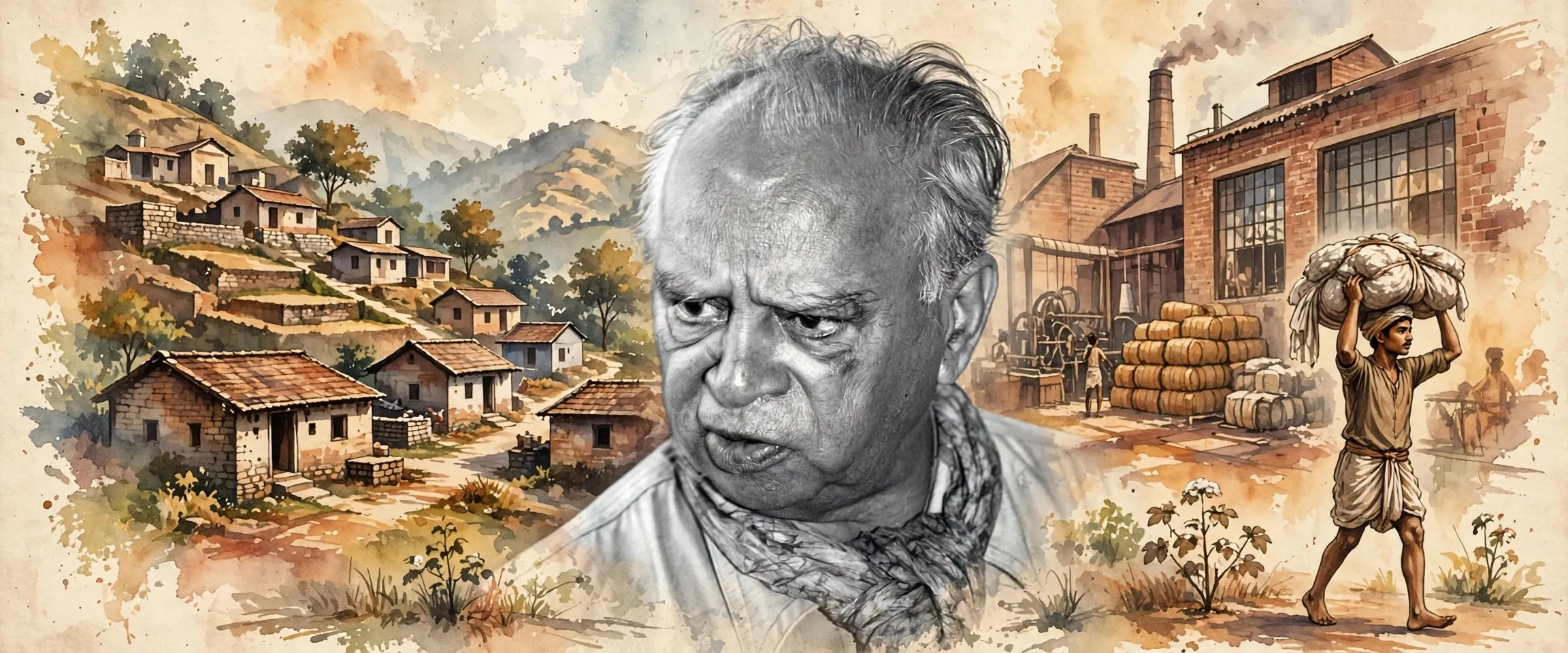
ਕੂਲੀ ਮੁਲਕ ਰਾਜ ਆਨੰਦ ਦਾ ਨਾਵਲ ਹੈ, ਜੋ ਪਹਿਲੀ ਵਾਰ 1936 ਵਿੱਚ ਛਪਿਆ, ਅਛੂਤ ਦੇ ਇੱਕ ਸਾਲ ਬਾਅਦ। ਇਹ ਕਾਂਗੜਾ ਦੀਆਂ ਪਹਾੜੀਆਂ ਤੋਂ ਆਏ ਚੌਦਾਂ ਸਾਲ ਦੇ ਅਨਾਥ ਮੁੰਨੂੰ ਦੇ ਜੀਵਨ ਨੂੰ ਦਰਸਾਉਂਦਾ ਹੈ, ਘਰੇਲੂ ਨੌਕਰ, ਅਚਾਰ ਫ਼ੈਕਟਰੀ ਦੇ ਮਜ਼ਦੂਰ, ਬੰਬਈ ਦੀ ਮਿੱਲ ਦੇ ਕਾਮੇ ਅਤੇ ਸ਼ਿਮਲਾ ਵਿੱਚ ਰਿਕਸ਼ਾ ਖਿੱਚਣ ਵਾਲੇ ਵਜੋਂ, ਜਿੱਥੇ ਉਹ ਪੰਦਰਾਂ ਸਾਲ ਦੀ ਉਮਰ ਵਿੱਚ ਮਰ ਜਾਂਦਾ ਹੈ, ਅਤੇ ਉਸ ਦੀ ਛੋਟੀ ਜ਼ਿੰਦਗੀ ਨੂੰ ਭਾਰਤ ਵਿੱਚ ਜਾਤ, ਵਰਗ ਅਤੇ ਅੰਗਰੇਜ਼ੀ ਰਾਜ ਦਾ ਬਿਰਤਾਂਤ ਬਣਾਉਂਦਾ ਹੈ।
ਅੰਗਰੇਜ਼ੀ- ਲੇਖਕ
- ਮੁਲਕ ਰਾਜ ਆਨੰਦ (1905 ਤੋਂ 2004)
- ਪ੍ਰਕਾਸ਼ਿਤ
- 1936
- ਭਾਸ਼ਾ
- ਅੰਗਰੇਜ਼ੀ
- ਰੂਪ
- ਨਾਵਲ: ਲੇਖਕ ਦਾ ਦੂਜਾ
- ਕੇਂਦਰੀ ਸ਼ਖ਼ਸੀਅਤ
- ਮੁੰਨੂੰ, ਕਾਂਗੜਾ ਦੀਆਂ ਪਹਾੜੀਆਂ ਦੇ ਬਿਲਾਸਪੁਰ ਤੋਂ 14 ਸਾਲ ਦਾ ਅਨਾਥ
- ਸਫ਼ਰ
- ਸ਼ਾਮ ਨਗਰ, ਦੌਲਤਪੁਰ, ਬੰਬਈ ਅਤੇ ਸ਼ਿਮਲਾ
- ਪਿਛਲੀ ਕਿਤਾਬ
- ਅਛੂਤ (1935)
ਪਾਤਰ
About the book
Coolie is a novel by Mulk Raj Anand, first published in 1936, a year after Untouchable made his name. It was his second book, and it confirmed him as one of India's leading English authors. Where Untouchable stayed with one young man for one day, Coolie follows one boy across a whole country, and through him Anand widened his subject from caste alone to the full machinery that kept India's poor poor: caste, class, low wages, and British rule. The novel is still read as a landmark of Indian writing in English, and in 2004 a commemorative edition of Anand's work was launched by the Prime Minister of India, Manmohan Singh.
What is Coolie about?
Coolie is about Munoo, a fourteen year old orphan from Bilaspur, a village in the Kangra hills, who is sent out to earn his living and is passed from one hard master to the next until work itself wears him out. He is a servant in a bank clerk's house, a hand in a pickle factory, a mill worker in Bombay, and finally a servant and rickshaw puller in Simla, where he dies of tuberculosis at fifteen. Every stop gives him the same lesson in a new form: whatever he does, and however willing he is, the world prices his labour at almost nothing.
Munoo's journey
Munoo begins happy enough, raised by an aunt and uncle, going to school and playing in the hills. When his uncle says the family can no longer feed him, the boy is taken to the town of Sham Nagar and placed as a house servant with Babu Nathoo Ram, a bank clerk. The banker's wife overworks and humiliates him, and after he is beaten for an accident while playing with the couple's daughter Sheila, Munoo runs away and hides on a train.
On that train he meets Prabha Dayal, who runs a pickle and chutney factory in Daulatpur. Prabha and his wife take the runaway in and give him work. The factory is hot, airless and badly paid, but it is the nearest thing to kindness Munoo finds, and it does not last: Prabha's partner Ganpat ruins the business, the factory closes, and Munoo is on the street again. A travelling circus carries him to Bombay, where he sleeps rough, then finds work in a large cotton mill owned by a British expatriate. There he falls in with Ratan, a former wrestler who speaks up for the coolies and urges them to strike. When Ratan is dismissed and protest turns into rioting, Munoo is separated from him and lost in the city.
Wandering without work, Munoo is knocked down by the car of Mrs Mainwaring, a wealthy Anglo-Indian woman. She takes him into her service and carries him to Simla, in the Himalayan foothills, where he pulls her rickshaw up the steep streets. The work is heavy for a boy already worn down. He develops tuberculosis, with fever and a bloody cough, and despite her care he dies, still only fifteen.
ਕਿਤਾਬ ਬਾਰੇ
ਕੂਲੀ ਮੁਲਕ ਰਾਜ ਆਨੰਦ ਦਾ ਨਾਵਲ ਹੈ, ਜੋ ਪਹਿਲੀ ਵਾਰ 1936 ਵਿੱਚ ਛਪਿਆ, ਅਛੂਤ ਦੇ ਇੱਕ ਸਾਲ ਬਾਅਦ। ਇਹ ਉਸ ਦੀ ਦੂਜੀ ਕਿਤਾਬ ਸੀ ਅਤੇ ਇਸ ਨੇ ਉਸ ਨੂੰ ਭਾਰਤ ਦੇ ਮੋਹਰੀ ਅੰਗਰੇਜ਼ੀ ਲੇਖਕਾਂ ਵਿੱਚ ਪੱਕਾ ਕਰ ਦਿੱਤਾ। ਜਿੱਥੇ ਅਛੂਤ ਇੱਕ ਨੌਜਵਾਨ ਨਾਲ ਇੱਕ ਦਿਨ ਰਹਿੰਦਾ ਹੈ, ਕੂਲੀ ਇੱਕ ਮੁੰਡੇ ਦੇ ਪਿੱਛੇ ਪੂਰੇ ਦੇਸ਼ ਵਿੱਚ ਜਾਂਦਾ ਹੈ, ਅਤੇ ਉਸ ਰਾਹੀਂ ਆਨੰਦ ਨੇ ਆਪਣਾ ਵਿਸ਼ਾ ਜਾਤ ਤੋਂ ਵਧਾ ਕੇ ਉਸ ਪੂਰੀ ਵਿਵਸਥਾ ਤੱਕ ਲੈ ਗਿਆ ਜੋ ਭਾਰਤ ਦੇ ਗ਼ਰੀਬਾਂ ਨੂੰ ਗ਼ਰੀਬ ਰੱਖਦੀ ਸੀ: ਜਾਤ, ਵਰਗ, ਘੱਟ ਮਜ਼ਦੂਰੀ ਅਤੇ ਅੰਗਰੇਜ਼ੀ ਰਾਜ। ਇਹ ਨਾਵਲ ਅੱਜ ਵੀ ਅੰਗਰੇਜ਼ੀ ਵਿੱਚ ਭਾਰਤੀ ਲੇਖਣ ਦਾ ਮੀਲ ਪੱਥਰ ਮੰਨਿਆ ਜਾਂਦਾ ਹੈ, ਅਤੇ 2004 ਵਿੱਚ ਭਾਰਤ ਦੇ ਪ੍ਰਧਾਨ ਮੰਤਰੀ ਮਨਮੋਹਨ ਸਿੰਘ ਨੇ ਆਨੰਦ ਦੀਆਂ ਰਚਨਾਵਾਂ ਦਾ ਯਾਦਗਾਰੀ ਸੰਸਕਰਨ ਜਾਰੀ ਕੀਤਾ।
ਕੂਲੀ ਕਿਸ ਬਾਰੇ ਹੈ?
ਕੂਲੀ ਮੁੰਨੂੰ ਬਾਰੇ ਹੈ, ਕਾਂਗੜਾ ਦੀਆਂ ਪਹਾੜੀਆਂ ਦੇ ਪਿੰਡ ਬਿਲਾਸਪੁਰ ਦਾ ਚੌਦਾਂ ਸਾਲ ਦਾ ਅਨਾਥ ਮੁੰਡਾ, ਜਿਸ ਨੂੰ ਰੋਟੀ ਕਮਾਉਣ ਲਈ ਘਰੋਂ ਭੇਜਿਆ ਜਾਂਦਾ ਹੈ ਅਤੇ ਜੋ ਇੱਕ ਕਠੋਰ ਮਾਲਕ ਤੋਂ ਦੂਜੇ ਕੋਲ ਜਾਂਦਾ ਰਹਿੰਦਾ ਹੈ, ਜਦੋਂ ਤੱਕ ਕੰਮ ਹੀ ਉਸ ਨੂੰ ਥਕਾ ਨਹੀਂ ਦਿੰਦਾ। ਉਹ ਬੈਂਕ ਕਲਰਕ ਦੇ ਘਰ ਨੌਕਰ ਬਣਦਾ ਹੈ, ਅਚਾਰ ਦੀ ਫ਼ੈਕਟਰੀ ਵਿੱਚ ਕੰਮ ਕਰਦਾ ਹੈ, ਬੰਬਈ ਦੀ ਮਿੱਲ ਵਿੱਚ ਮਜ਼ਦੂਰ ਬਣਦਾ ਹੈ, ਅਤੇ ਅੰਤ ਵਿੱਚ ਸ਼ਿਮਲਾ ਵਿੱਚ ਨੌਕਰ ਅਤੇ ਰਿਕਸ਼ਾ ਖਿੱਚਣ ਵਾਲਾ ਬਣਦਾ ਹੈ, ਜਿੱਥੇ ਉਹ ਪੰਦਰਾਂ ਸਾਲ ਦੀ ਉਮਰ ਵਿੱਚ ਤਪਦਿਕ ਨਾਲ ਮਰ ਜਾਂਦਾ ਹੈ। ਹਰ ਥਾਂ ਉਸ ਨੂੰ ਨਵੇਂ ਰੂਪ ਵਿੱਚ ਇੱਕੋ ਸਬਕ ਮਿਲਦਾ ਹੈ: ਉਹ ਜੋ ਵੀ ਕਰੇ, ਜਿੰਨਾ ਵੀ ਦਿਲ ਲਾ ਕੇ ਕਰੇ, ਦੁਨੀਆ ਉਸ ਦੀ ਮਿਹਨਤ ਦੀ ਕੀਮਤ ਲਗਭਗ ਕੁਝ ਵੀ ਨਹੀਂ ਰੱਖਦੀ।
ਮੁੰਨੂੰ ਦਾ ਸਫ਼ਰ
ਮੁੰਨੂੰ ਸ਼ੁਰੂ ਵਿੱਚ ਖੁਸ਼ ਹੈ, ਚਾਚੇ ਅਤੇ ਚਾਚੀ ਕੋਲ ਪਲਦਾ ਹੈ, ਸਕੂਲ ਜਾਂਦਾ ਹੈ ਅਤੇ ਪਹਾੜਾਂ ਵਿੱਚ ਖੇਡਦਾ ਹੈ। ਜਦੋਂ ਚਾਚਾ ਕਹਿੰਦਾ ਹੈ ਕਿ ਪਰਿਵਾਰ ਹੁਣ ਉਸ ਨੂੰ ਖੁਆ ਨਹੀਂ ਸਕਦਾ, ਤਾਂ ਮੁੰਡੇ ਨੂੰ ਸ਼ਾਮ ਨਗਰ ਲਿਜਾ ਕੇ ਬੈਂਕ ਕਲਰਕ ਬਾਬੂ ਨੱਥੂ ਰਾਮ ਦੇ ਘਰ ਨੌਕਰ ਰੱਖਿਆ ਜਾਂਦਾ ਹੈ। ਕਲਰਕ ਦੀ ਪਤਨੀ ਉਸ ਤੋਂ ਬਹੁਤ ਕੰਮ ਕਰਵਾਉਂਦੀ ਹੈ ਅਤੇ ਉਸ ਨੂੰ ਬੇਇੱਜ਼ਤ ਕਰਦੀ ਹੈ, ਅਤੇ ਜੋੜੇ ਦੀ ਧੀ ਸ਼ੀਲਾ ਨਾਲ ਖੇਡਦਿਆਂ ਹਾਦਸੇ ਲਈ ਕੁੱਟ ਖਾਣ ਤੋਂ ਬਾਅਦ ਮੁੰਨੂੰ ਭੱਜ ਜਾਂਦਾ ਹੈ ਅਤੇ ਰੇਲ ਵਿੱਚ ਲੁਕ ਜਾਂਦਾ ਹੈ।
ਉਸ ਰੇਲ ਵਿੱਚ ਉਸ ਨੂੰ ਪ੍ਰਭਾ ਦਿਆਲ ਮਿਲਦਾ ਹੈ, ਜੋ ਦੌਲਤਪੁਰ ਵਿੱਚ ਅਚਾਰ ਅਤੇ ਚਟਨੀ ਦੀ ਫ਼ੈਕਟਰੀ ਚਲਾਉਂਦਾ ਹੈ। ਪ੍ਰਭਾ ਅਤੇ ਉਸ ਦੀ ਪਤਨੀ ਭੱਜੇ ਹੋਏ ਮੁੰਡੇ ਨੂੰ ਆਸਰਾ ਦਿੰਦੇ ਹਨ ਅਤੇ ਕੰਮ ਦਿੰਦੇ ਹਨ। ਫ਼ੈਕਟਰੀ ਗਰਮ, ਹਵਾ ਰਹਿਤ ਅਤੇ ਘੱਟ ਤਨਖ਼ਾਹ ਵਾਲੀ ਹੈ, ਪਰ ਇਹ ਮੁੰਨੂੰ ਨੂੰ ਮਿਲੀ ਸਭ ਤੋਂ ਨੇੜਲੀ ਮਿਹਰਬਾਨੀ ਹੈ, ਅਤੇ ਇਹ ਟਿਕਦੀ ਨਹੀਂ: ਪ੍ਰਭਾ ਦਾ ਸਾਥੀ ਗਣਪਤ ਕਾਰੋਬਾਰ ਡੋਬ ਦਿੰਦਾ ਹੈ, ਫ਼ੈਕਟਰੀ ਬੰਦ ਹੋ ਜਾਂਦੀ ਹੈ, ਅਤੇ ਮੁੰਨੂੰ ਫਿਰ ਸੜਕ ਉੱਤੇ ਆ ਜਾਂਦਾ ਹੈ। ਇੱਕ ਸਫ਼ਰੀ ਸਰਕਸ ਉਸ ਨੂੰ ਬੰਬਈ ਲੈ ਜਾਂਦੀ ਹੈ, ਜਿੱਥੇ ਉਹ ਖੁੱਲ੍ਹੇ ਵਿੱਚ ਸੌਂਦਾ ਹੈ, ਫਿਰ ਇੱਕ ਅੰਗਰੇਜ਼ ਮਾਲਕ ਦੀ ਵੱਡੀ ਕਪਾਹ ਮਿੱਲ ਵਿੱਚ ਕੰਮ ਲੱਭਦਾ ਹੈ। ਉੱਥੇ ਉਹ ਰਤਨ ਨਾਲ ਮਿਲਦਾ ਹੈ, ਇੱਕ ਸਾਬਕਾ ਪਹਿਲਵਾਨ, ਜੋ ਕੂਲੀਆਂ ਲਈ ਬੋਲਦਾ ਹੈ ਅਤੇ ਉਨ੍ਹਾਂ ਨੂੰ ਹੜਤਾਲ ਲਈ ਕਹਿੰਦਾ ਹੈ। ਜਦੋਂ ਰਤਨ ਨੂੰ ਕੱਢਿਆ ਜਾਂਦਾ ਹੈ ਅਤੇ ਵਿਰੋਧ ਦੰਗਿਆਂ ਵਿੱਚ ਬਦਲ ਜਾਂਦਾ ਹੈ, ਤਾਂ ਮੁੰਨੂੰ ਉਸ ਤੋਂ ਵਿਛੜ ਕੇ ਸ਼ਹਿਰ ਵਿੱਚ ਗੁਆਚ ਜਾਂਦਾ ਹੈ।
ਕੰਮ ਤੋਂ ਬਿਨਾਂ ਭਟਕਦੇ ਮੁੰਨੂੰ ਨੂੰ ਸ੍ਰੀਮਤੀ ਮੇਨਵੇਅਰਿੰਗ ਦੀ ਕਾਰ ਠੋਕਰ ਮਾਰਦੀ ਹੈ, ਜੋ ਇੱਕ ਅਮੀਰ ਐਂਗਲੋ ਇੰਡੀਅਨ ਔਰਤ ਹੈ। ਉਹ ਉਸ ਨੂੰ ਆਪਣੀ ਸੇਵਾ ਵਿੱਚ ਲੈਂਦੀ ਹੈ ਅਤੇ ਸ਼ਿਮਲਾ ਲੈ ਜਾਂਦੀ ਹੈ, ਹਿਮਾਲਿਆ ਦੀਆਂ ਤਲਹਟੀਆਂ ਵਿੱਚ, ਜਿੱਥੇ ਉਹ ਖੜ੍ਹੀਆਂ ਸੜਕਾਂ ਉੱਤੇ ਉਸ ਦਾ ਰਿਕਸ਼ਾ ਖਿੱਚਦਾ ਹੈ। ਪਹਿਲਾਂ ਹੀ ਥੱਕੇ ਹੋਏ ਮੁੰਡੇ ਲਈ ਇਹ ਕੰਮ ਭਾਰੀ ਹੈ। ਉਸ ਨੂੰ ਤਪਦਿਕ ਹੋ ਜਾਂਦਾ ਹੈ, ਬੁਖ਼ਾਰ ਅਤੇ ਖ਼ੂਨ ਵਾਲੀ ਖੰਘ ਨਾਲ, ਅਤੇ ਉਸ ਦੀ ਦੇਖਭਾਲ ਦੇ ਬਾਵਜੂਦ ਉਹ ਮਰ ਜਾਂਦਾ ਹੈ, ਅਜੇ ਸਿਰਫ਼ ਪੰਦਰਾਂ ਸਾਲ ਦਾ।
Themes: caste, class and empire
The title is the argument. A coolie is an unskilled labourer, a person treated as a pair of hands rather than as a human being, and Anand shows that label being fixed on Munoo by everyone he meets. In the bank clerk's house it is caste and domestic power that crush him. In Daulatpur it is small capital and a cheating partner. In Bombay it is industrial labour: long hours, air thick with cotton fluff, crowded sleeping places, and a foreman who abuses the workers. In Simla it is the colonial order itself, a boy pulling a rich woman uphill. Kindness exists in the book, from Prabha, from Ratan, from Prem Chand, the banker's doctor brother, but kindness never changes the system that produces the next Munoo.
Critics and study guides have long compared Anand's social realism to that of Dickens and Steinbeck, writers who also made fiction out of the lives of the working poor. Anand was among the first prominent Indian authors to bring the speech and idioms of ordinary Indians into English prose, and Coolie is one of the books that secured his place in twentieth century Anglo-Indian literature.
ਲੇਖਕ
Mulk Raj Anand (1905 to 2004) was born in Peshawar and became, with R. K. Narayan and Raja Rao, one of the founders of the Indian novel in English. His first novel, Untouchable (1935), also in this Kosh, follows Bakha, a young sweeper, through a single day. Coolie, published the next year, took the same anger to a larger canvas. Anand wrote about India's injustices for the rest of a very long life, and when he died in 2004 the tributes, from the BBC to the Los Angeles Times, returned again and again to these two early novels.
Reception and legacy
Coolie has stayed in print in Penguin editions and is taught wherever Indian English literature is studied. Scholars return to it for its picture of child labour, its Bombay mill chapters, among the earliest full accounts of Indian industrial work in fiction, and its refusal to give Munoo a rescue the real world would not have given him. Read after Untouchable, it shows a young writer widening his aim: from one town and one day to a whole economy, and from one outcaste boy to every coolie in India.
Read it if
You want the classic Indian novel of work and poverty; you read Untouchable and want the bigger, travelling book that followed it; or you are studying how fiction in English first learned to speak for India's labouring poor.
ਵਿਸ਼ੇ: ਜਾਤ, ਵਰਗ ਅਤੇ ਸਾਮਰਾਜ
ਸਿਰਲੇਖ ਹੀ ਦਲੀਲ ਹੈ। ਕੂਲੀ ਇੱਕ ਅਣਸਿੱਖਿਆ ਮਜ਼ਦੂਰ ਹੁੰਦਾ ਹੈ, ਇੱਕ ਇਨਸਾਨ ਜਿਸ ਨੂੰ ਮਨੁੱਖ ਦੀ ਥਾਂ ਸਿਰਫ਼ ਹੱਥਾਂ ਦੀ ਜੋੜੀ ਸਮਝਿਆ ਜਾਂਦਾ ਹੈ, ਅਤੇ ਆਨੰਦ ਦਿਖਾਉਂਦਾ ਹੈ ਕਿ ਇਹ ਨਾਂ ਮੁੰਨੂੰ ਉੱਤੇ ਹਰ ਮਿਲਣ ਵਾਲਾ ਲਾਉਂਦਾ ਹੈ। ਬੈਂਕ ਕਲਰਕ ਦੇ ਘਰ ਉਸ ਨੂੰ ਜਾਤ ਅਤੇ ਘਰੇਲੂ ਤਾਕਤ ਕੁਚਲਦੀ ਹੈ। ਦੌਲਤਪੁਰ ਵਿੱਚ ਛੋਟੀ ਪੂੰਜੀ ਅਤੇ ਧੋਖੇਬਾਜ਼ ਸਾਥੀ। ਬੰਬਈ ਵਿੱਚ ਉਦਯੋਗਿਕ ਮਜ਼ਦੂਰੀ: ਲੰਮੇ ਘੰਟੇ, ਕਪਾਹ ਦੇ ਰੂੰ ਨਾਲ ਭਰੀ ਹਵਾ, ਭੀੜੀਆਂ ਸੌਣ ਥਾਵਾਂ, ਅਤੇ ਮਜ਼ਦੂਰਾਂ ਨੂੰ ਗਾਲ੍ਹਾਂ ਦੇਣ ਵਾਲਾ ਫ਼ੋਰਮੈਨ। ਸ਼ਿਮਲਾ ਵਿੱਚ ਖ਼ੁਦ ਬਸਤੀਵਾਦੀ ਵਿਵਸਥਾ, ਇੱਕ ਮੁੰਡਾ ਅਮੀਰ ਔਰਤ ਨੂੰ ਪਹਾੜੀ ਉੱਤੇ ਖਿੱਚਦਾ ਹੋਇਆ। ਕਿਤਾਬ ਵਿੱਚ ਮਿਹਰਬਾਨੀ ਹੈ, ਪ੍ਰਭਾ ਵੱਲੋਂ, ਰਤਨ ਵੱਲੋਂ, ਬੈਂਕਰ ਦੇ ਡਾਕਟਰ ਭਰਾ ਪ੍ਰੇਮ ਚੰਦ ਵੱਲੋਂ, ਪਰ ਮਿਹਰਬਾਨੀ ਉਸ ਵਿਵਸਥਾ ਨੂੰ ਕਦੇ ਨਹੀਂ ਬਦਲਦੀ ਜੋ ਅਗਲਾ ਮੁੰਨੂੰ ਪੈਦਾ ਕਰਦੀ ਹੈ।
ਆਲੋਚਕਾਂ ਅਤੇ ਅਧਿਐਨ ਗਾਈਡਾਂ ਨੇ ਆਨੰਦ ਦੇ ਸਮਾਜਿਕ ਯਥਾਰਥਵਾਦ ਦੀ ਤੁਲਨਾ ਡਿਕਨਜ਼ ਅਤੇ ਸਟਾਈਨਬੈਕ ਨਾਲ ਕੀਤੀ ਹੈ, ਜਿਨ੍ਹਾਂ ਲੇਖਕਾਂ ਨੇ ਵੀ ਮਜ਼ਦੂਰ ਗ਼ਰੀਬਾਂ ਦੇ ਜੀਵਨ ਤੋਂ ਸਾਹਿਤ ਰਚਿਆ। ਆਨੰਦ ਉਨ੍ਹਾਂ ਪਹਿਲੇ ਪ੍ਰਮੁੱਖ ਭਾਰਤੀ ਲੇਖਕਾਂ ਵਿੱਚੋਂ ਸੀ ਜੋ ਆਮ ਭਾਰਤੀਆਂ ਦੀ ਬੋਲੀ ਅਤੇ ਮੁਹਾਵਰੇ ਅੰਗਰੇਜ਼ੀ ਗਦ ਵਿੱਚ ਲਿਆਏ, ਅਤੇ ਕੂਲੀ ਉਨ੍ਹਾਂ ਕਿਤਾਬਾਂ ਵਿੱਚੋਂ ਇੱਕ ਹੈ ਜਿਨ੍ਹਾਂ ਨੇ ਵੀਹਵੀਂ ਸਦੀ ਦੇ ਐਂਗਲੋ ਇੰਡੀਅਨ ਸਾਹਿਤ ਵਿੱਚ ਉਸ ਦੀ ਥਾਂ ਪੱਕੀ ਕੀਤੀ।
ਲੇਖਕ
ਮੁਲਕ ਰਾਜ ਆਨੰਦ (1905 ਤੋਂ 2004) ਪੇਸ਼ਾਵਰ ਵਿੱਚ ਜਨਮਿਆ ਅਤੇ ਆਰ ਕੇ ਨਾਰਾਇਣ ਅਤੇ ਰਾਜਾ ਰਾਓ ਨਾਲ ਮਿਲ ਕੇ ਅੰਗਰੇਜ਼ੀ ਵਿੱਚ ਭਾਰਤੀ ਨਾਵਲ ਦੇ ਸੰਸਥਾਪਕਾਂ ਵਿੱਚੋਂ ਇੱਕ ਬਣਿਆ। ਉਸ ਦਾ ਪਹਿਲਾ ਨਾਵਲ ਅਛੂਤ (1935), ਜੋ ਇਸ ਕੋਸ਼ ਵਿੱਚ ਵੀ ਹੈ, ਇੱਕ ਦਿਨ ਵਿੱਚ ਨੌਜਵਾਨ ਸਫ਼ਾਈ ਕਰਮਚਾਰੀ ਬਾਖਾ ਦੇ ਜੀਵਨ ਨੂੰ ਦਰਸਾਉਂਦਾ ਹੈ। ਅਗਲੇ ਸਾਲ ਛਪੇ ਕੂਲੀ ਨੇ ਉਹੀ ਗ਼ੁੱਸਾ ਵੱਡੇ ਪੱਧਰ ਉੱਤੇ ਲੈ ਗਿਆ। ਆਨੰਦ ਨੇ ਆਪਣੀ ਲੰਮੀ ਜ਼ਿੰਦਗੀ ਭਰ ਭਾਰਤ ਦੀਆਂ ਬੇਇਨਸਾਫ਼ੀਆਂ ਬਾਰੇ ਲਿਖਿਆ, ਅਤੇ ਜਦੋਂ 2004 ਵਿੱਚ ਉਸ ਦੀ ਮੌਤ ਹੋਈ ਤਾਂ ਬੀਬੀਸੀ ਤੋਂ ਲਾਸ ਏਂਜਲਸ ਟਾਈਮਜ਼ ਤੱਕ ਦੀਆਂ ਸ਼ਰਧਾਂਜਲੀਆਂ ਵਾਰ ਵਾਰ ਇਨ੍ਹਾਂ ਦੋ ਮੁੱਢਲੇ ਨਾਵਲਾਂ ਵੱਲ ਪਰਤੀਆਂ।
ਸਵਾਗਤ ਅਤੇ ਵਿਰਾਸਤ
ਕੂਲੀ ਪੈਂਗੁਇਨ ਸੰਸਕਰਨਾਂ ਵਿੱਚ ਛਪਦਾ ਰਿਹਾ ਹੈ ਅਤੇ ਜਿੱਥੇ ਵੀ ਭਾਰਤੀ ਅੰਗਰੇਜ਼ੀ ਸਾਹਿਤ ਪੜ੍ਹਾਇਆ ਜਾਂਦਾ ਹੈ, ਉੱਥੇ ਪੜ੍ਹਾਇਆ ਜਾਂਦਾ ਹੈ। ਵਿਦਵਾਨ ਇਸ ਵੱਲ ਬਾਲ ਮਜ਼ਦੂਰੀ ਦੀ ਤਸਵੀਰ ਲਈ ਪਰਤਦੇ ਹਨ, ਇਸ ਦੇ ਬੰਬਈ ਮਿੱਲ ਵਾਲੇ ਅਧਿਆਇਆਂ ਲਈ, ਜੋ ਸਾਹਿਤ ਵਿੱਚ ਭਾਰਤੀ ਉਦਯੋਗਿਕ ਕੰਮ ਦੇ ਸਭ ਤੋਂ ਪਹਿਲੇ ਪੂਰੇ ਵਰਣਨਾਂ ਵਿੱਚੋਂ ਹਨ, ਅਤੇ ਇਸ ਲਈ ਕਿ ਇਹ ਮੁੰਨੂੰ ਨੂੰ ਉਹ ਬਚਾਅ ਨਹੀਂ ਦਿੰਦਾ ਜੋ ਅਸਲ ਦੁਨੀਆ ਨੇ ਉਸ ਨੂੰ ਨਹੀਂ ਦਿੱਤਾ ਸੀ। ਅਛੂਤ ਤੋਂ ਬਾਅਦ ਪੜ੍ਹਿਆ ਜਾਵੇ ਤਾਂ ਇਹ ਇੱਕ ਨੌਜਵਾਨ ਲੇਖਕ ਨੂੰ ਆਪਣਾ ਨਿਸ਼ਾਨਾ ਵਧਾਉਂਦਾ ਦਿਖਾਉਂਦਾ ਹੈ: ਇੱਕ ਕਸਬੇ ਅਤੇ ਇੱਕ ਦਿਨ ਤੋਂ ਪੂਰੀ ਆਰਥਿਕਤਾ ਤੱਕ, ਅਤੇ ਇੱਕ ਜਾਤ ਬਾਹਰੇ ਮੁੰਡੇ ਤੋਂ ਭਾਰਤ ਦੇ ਹਰ ਕੂਲੀ ਤੱਕ।
ਇਹ ਪੜ੍ਹੋ ਜੇ
ਤੁਸੀਂ ਕੰਮ ਅਤੇ ਗ਼ਰੀਬੀ ਦਾ ਕਲਾਸਿਕ ਭਾਰਤੀ ਨਾਵਲ ਚਾਹੁੰਦੇ ਹੋ; ਤੁਸੀਂ ਅਛੂਤ ਪੜ੍ਹਿਆ ਹੈ ਅਤੇ ਉਸ ਤੋਂ ਬਾਅਦ ਆਈ ਵੱਡੀ, ਸਫ਼ਰ ਵਾਲੀ ਕਿਤਾਬ ਚਾਹੁੰਦੇ ਹੋ; ਜਾਂ ਤੁਸੀਂ ਅਧਿਐਨ ਕਰ ਰਹੇ ਹੋ ਕਿ ਅੰਗਰੇਜ਼ੀ ਸਾਹਿਤ ਨੇ ਪਹਿਲੀ ਵਾਰ ਭਾਰਤ ਦੇ ਮਜ਼ਦੂਰ ਗ਼ਰੀਬਾਂ ਲਈ ਬੋਲਣਾ ਕਿਵੇਂ ਸਿੱਖਿਆ।
ਐਡੀਸ਼ਨ ਅਤੇ ਅਨੁਵਾਦ
- CoolieEnglish, original, 1936ਮੂਲ
- CoolieEnglish, Penguin edition, ISBN 978-0-14-018680-2Edition
- CoolieEnglish, commemorative Anand edition launched by Prime Minister Manmohan Singh, 2004Edition
ਲੇਖਕ

ਜੁੜੇ ਹੋਏ
ਹੋਰ ਪੜ੍ਹੋ
ਜੁਗਤੀ ਮੁਫ਼ਤ ਅਤੇ ਸੁਤੰਤਰ ਹੈ। ਪਾਠਕਾਂ ਦਾ ਸਹਿਯੋਗ ਕੋਸ਼ ਨੂੰ ਵਧਾਉਂਦਾ ਹੈ।
ਸਹਿਯੋਗ