
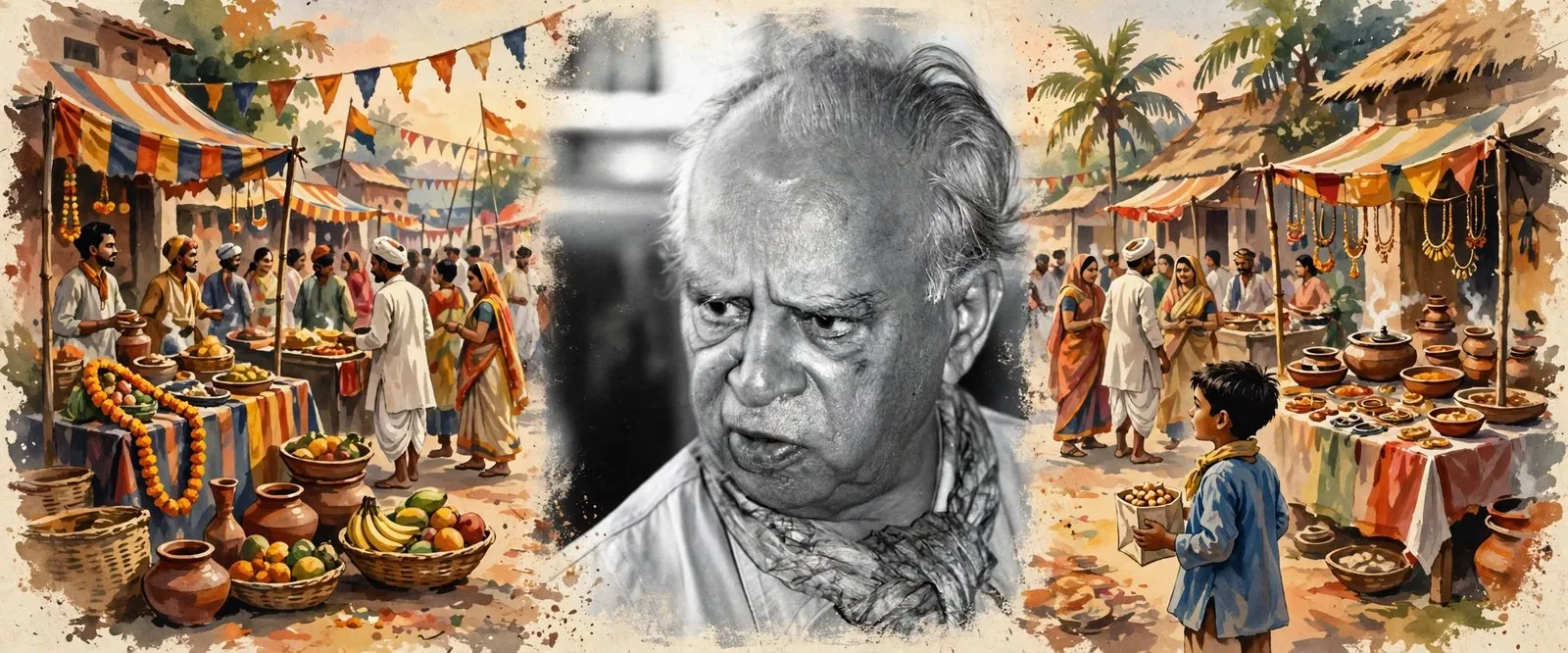
ਗੁਆਚਿਆ ਬੱਚਾ ਅਤੇ ਹੋਰ ਕਹਾਣੀਆਂ (1934) ਮੁਲਕ ਰਾਜ ਆਨੰਦ ਦਾ ਪਹਿਲਾ ਕਹਾਣੀ ਸੰਗ੍ਰਹਿ ਹੈ, ਜੋ ਉਸ ਦੇ ਮਸ਼ਹੂਰ ਪਹਿਲੇ ਨਾਵਲ ਅਛੂਤ ਤੋਂ ਇੱਕ ਸਾਲ ਪਹਿਲਾਂ ਲੰਡਨ ਵਿੱਚ ਛਪਿਆ। ਇਸ ਦੀ ਮੁੱਖ ਕਹਾਣੀ ਇੱਕ ਛੋਟੇ ਬੱਚੇ ਬਾਰੇ ਹੈ ਜੋ ਬਸੰਤ ਦੇ ਪਿੰਡ ਦੇ ਮੇਲੇ ਵਿੱਚ ਖਿਡੌਣਿਆਂ, ਮਿਠਾਈਆਂ, ਗੁਬਾਰਿਆਂ ਅਤੇ ਝੂਲੇ ਤੋਂ ਹੈਰਾਨ ਹੁੰਦਾ ਹੈ, ਫਿਰ ਭੀੜ ਵਿੱਚ ਆਪਣੇ ਮਾਪਿਆਂ ਨੂੰ ਗੁਆ ਲੈਂਦਾ ਹੈ ਅਤੇ ਸਮਝਦਾ ਹੈ ਕਿ ਉਹਨਾਂ ਤੋਂ ਬਿਨਾਂ ਇਹ ਸਭ ਕੁਝ ਬੇਕਾਰ ਹੈ। ਇਹ ਕਹਾਣੀ ਹੁਣ ਐਨਸੀਈਆਰਟੀ ਦੀ ਨੌਵੀਂ ਜਮਾਤ ਦੀ ਅੰਗਰੇਜ਼ੀ ਪਾਠ ਪੁਸਤਕ ਮੋਮੈਂਟਸ ਦਾ ਪਹਿਲਾ ਪਾਠ ਹੈ, ਇਸ ਲਈ ਭਾਰਤੀ ਸਕੂਲਾਂ ਦੇ ਬੱਚਿਆਂ ਦੀਆਂ ਪੀੜ੍ਹੀਆਂ ਇਸ ਨੂੰ ਜਾਣਦੀਆਂ ਹਨ।
ਅੰਗਰੇਜ਼ੀ- ਲੇਖਕ
- ਮੁਲਕ ਰਾਜ ਆਨੰਦ (1905 ਤੋਂ 2004)
- ਪ੍ਰਕਾਸ਼ਿਤ
- 1934
- ਪ੍ਰਕਾਸ਼ਕ
- ਜੇ. ਏ. ਐਲਨ, ਲੰਡਨ
- ਭਾਸ਼ਾ
- ਅੰਗਰੇਜ਼ੀ
- ਰੂਪ
- ਕਹਾਣੀਆਂ, ਲੇਖਕ ਦਾ ਪਹਿਲਾ ਸੰਗ੍ਰਹਿ
- ਸਿਰਲੇਖ ਵਾਲੀ ਕਹਾਣੀ
- ਗੁਆਚਿਆ ਬੱਚਾ
All 8 facts
- ਅਗਲੀ ਕਿਤਾਬ
- ਅਛੂਤ (1935)
- ਸਕੂਲਾਂ ਵਿੱਚ
- ਪਹਿਲਾ ਪਾਠ, ਐਨਸੀਈਆਰਟੀ ਨੌਵੀਂ ਜਮਾਤ ਮੋਮੈਂਟਸ
ਪਾਤਰ
About the book
The Lost Child and Other Stories is the first collection of short stories by Mulk Raj Anand, published in London by J. A. Allen in 1934. It came out a year before Untouchable, the novel that made Anand famous, and it already shows what his fiction would stand for: the lives of ordinary Indians, told in English that carries the rhythms of Punjabi and Hindustani speech. The book is a set of short stories rather than a novel, and the stories move between village Punjab and the wider India Anand knew, between childhood wonder and the hard facts of poverty.
Anand was 28 when the book appeared. He had studied philosophy in London, mixed with the Bloomsbury writers, and worked as a journalist, and he was already a committed socialist who believed literature should stand with the poor. The stories in this first collection are shorter and more lyrical than the novels that followed, but the concern is the same: people at the bottom of society, seen from the inside, with sympathy rather than pity.
The title story: a boy lost at the fair
The title story is the reason the book is still read. On a spring morning a small boy sets out with his parents for a village fair. On the way he is held up by everything a child can love: toy shops, a mustard field full of dragonflies, the cooing of doves, petals to gather in a grove. His mother points out the field, golden as a field of gold, and calls him back to the path each time he strays.
At the fair the temptations come one after another. A sweetmeat seller calls out gulab jamun, rasgulla, burfi and jalebi. A flower seller offers a garland of gulmohur. A balloon man holds up rainbow coloured balloons. A snake charmer plays his flute. The boy wants each of them, but he knows his parents will refuse, so he moves on without asking. Then he sees the roundabout, full of people enjoying the ride, and turns to ask his parents for a ride. There is no reply. He turns again, and they are gone.
What follows is the heart of the story. The boy cries, runs through the crowd, looks for his parents at the shrine, and is picked up by a kind man who tries to comfort him. The man offers him everything he wanted a little while ago: a ride on the roundabout, balloons, sweets, a garland. The boy turns away from all of them. He wants only one thing, and he shouts it: I want my mother, I want my father! The story ends there, without saying whether he finds them. The point is made in that refusal: no possession can stand in for the people we love.
ਕਿਤਾਬ ਬਾਰੇ
ਗੁਆਚਿਆ ਬੱਚਾ ਅਤੇ ਹੋਰ ਕਹਾਣੀਆਂ ਮੁਲਕ ਰਾਜ ਆਨੰਦ ਦਾ ਪਹਿਲਾ ਕਹਾਣੀ ਸੰਗ੍ਰਹਿ ਹੈ, ਜੋ 1934 ਵਿੱਚ ਲੰਡਨ ਤੋਂ ਜੇ. ਏ. ਐਲਨ ਨੇ ਛਾਪਿਆ। ਇਹ ਉਸ ਦੇ ਮਸ਼ਹੂਰ ਪਹਿਲੇ ਨਾਵਲ ਅਛੂਤ ਤੋਂ ਇੱਕ ਸਾਲ ਪਹਿਲਾਂ ਆਇਆ, ਅਤੇ ਇਸ ਵਿੱਚ ਉਹ ਸਭ ਕੁਝ ਪਹਿਲਾਂ ਹੀ ਦਿਸਦਾ ਹੈ ਜਿਸ ਲਈ ਉਸ ਦੀ ਲਿਖਤ ਜਾਣੀ ਗਈ: ਆਮ ਭਾਰਤੀਆਂ ਦਾ ਜੀਵਨ, ਅੰਗਰੇਜ਼ੀ ਵਿੱਚ ਲਿਖਿਆ, ਪਰ ਪੰਜਾਬੀ ਅਤੇ ਹਿੰਦੁਸਤਾਨੀ ਬੋਲੀ ਦੀ ਲੈਅ ਨਾਲ। ਇਹ ਨਾਵਲ ਨਹੀਂ, ਕਹਾਣੀਆਂ ਦਾ ਸੰਗ੍ਰਹਿ ਹੈ, ਅਤੇ ਕਹਾਣੀਆਂ ਪੰਜਾਬ ਦੇ ਪਿੰਡਾਂ ਅਤੇ ਉਸ ਵੱਡੇ ਭਾਰਤ ਵਿਚਕਾਰ ਘੁੰਮਦੀਆਂ ਹਨ ਜਿਸ ਨੂੰ ਆਨੰਦ ਜਾਣਦਾ ਸੀ, ਬਚਪਨ ਦੀ ਹੈਰਾਨੀ ਅਤੇ ਗ਼ਰੀਬੀ ਦੀਆਂ ਸਖ਼ਤ ਸੱਚਾਈਆਂ ਵਿਚਕਾਰ।
ਜਦੋਂ ਇਹ ਕਿਤਾਬ ਆਈ, ਆਨੰਦ 28 ਸਾਲ ਦਾ ਸੀ। ਉਸ ਨੇ ਲੰਡਨ ਵਿੱਚ ਦਰਸ਼ਨ ਸ਼ਾਸਤਰ ਪੜ੍ਹਿਆ ਸੀ, ਬਲੂਮਸਬਰੀ ਦੇ ਲੇਖਕਾਂ ਨਾਲ ਮਿਲਦਾ ਸੀ, ਅਤੇ ਪੱਤਰਕਾਰੀ ਕਰਦਾ ਸੀ, ਅਤੇ ਉਹ ਪਹਿਲਾਂ ਹੀ ਇੱਕ ਪੱਕਾ ਸਮਾਜਵਾਦੀ ਸੀ ਜਿਸ ਦਾ ਮੰਨਣਾ ਸੀ ਕਿ ਸਾਹਿਤ ਨੂੰ ਗ਼ਰੀਬਾਂ ਦੇ ਨਾਲ ਖੜ੍ਹਾ ਹੋਣਾ ਚਾਹੀਦਾ ਹੈ। ਇਸ ਪਹਿਲੇ ਸੰਗ੍ਰਹਿ ਦੀਆਂ ਕਹਾਣੀਆਂ ਉਸ ਦੇ ਬਾਅਦ ਵਾਲੇ ਨਾਵਲਾਂ ਨਾਲੋਂ ਛੋਟੀਆਂ ਅਤੇ ਵਧੇਰੇ ਗੀਤਮਈ ਹਨ, ਪਰ ਚਿੰਤਾ ਉਹੀ ਹੈ: ਸਮਾਜ ਦੇ ਹੇਠਲੇ ਪੱਧਰ ਦੇ ਲੋਕ, ਅੰਦਰੋਂ ਦੇਖੇ ਗਏ, ਹਮਦਰਦੀ ਨਾਲ, ਤਰਸ ਨਾਲ ਨਹੀਂ।
ਮੁੱਖ ਕਹਾਣੀ: ਮੇਲੇ ਵਿੱਚ ਗੁਆਚਿਆ ਬੱਚਾ
ਮੁੱਖ ਕਹਾਣੀ ਹੀ ਇਸ ਕਿਤਾਬ ਨੂੰ ਅੱਜ ਤਕ ਜਿਉਂਦਾ ਰੱਖਦੀ ਹੈ। ਬਸੰਤ ਦੀ ਇੱਕ ਸਵੇਰ ਨੂੰ ਇੱਕ ਛੋਟਾ ਬੱਚਾ ਆਪਣੇ ਮਾਪਿਆਂ ਨਾਲ ਪਿੰਡ ਦੇ ਮੇਲੇ ਲਈ ਨਿਕਲਦਾ ਹੈ। ਰਸਤੇ ਵਿੱਚ ਉਸ ਨੂੰ ਹਰ ਕਦਮ ਉੱਤੇ ਕੁਝ ਨਾ ਕੁਝ ਰੋਕ ਲੈਂਦਾ ਹੈ ਜਿਸ ਨੂੰ ਬੱਚਾ ਪਿਆਰ ਕਰਦਾ ਹੈ: ਖਿਡੌਣਿਆਂ ਦੀਆਂ ਦੁਕਾਨਾਂ, ਡਰੈਗਨਫ਼ਲਾਈਆਂ ਨਾਲ ਭਰਿਆ ਸਰ੍ਹੋਂ ਦਾ ਖੇਤ, ਘੁੱਗੀਆਂ ਦੀ ਕੂਕ, ਬਾਗ਼ ਵਿੱਚ ਚੁੱਕੀਆਂ ਫੁੱਲਾਂ ਦੀਆਂ ਪੱਤੀਆਂ। ਉਸ ਦੀ ਮਾਂ ਉਸ ਨੂੰ ਸੋਨੇ ਵਰਗਾ ਖੇਤ ਦਿਖਾਉਂਦੀ ਹੈ ਅਤੇ ਹਰ ਵਾਰ ਜਦੋਂ ਉਹ ਭਟਕਦਾ ਹੈ, ਉਸ ਨੂੰ ਰਸਤੇ ਉੱਤੇ ਵਾਪਸ ਬੁਲਾਉਂਦੀ ਹੈ।
ਮੇਲੇ ਵਿੱਚ ਲਾਲਚ ਇੱਕ ਤੋਂ ਬਾਅਦ ਇੱਕ ਆਉਂਦੇ ਹਨ। ਮਿਠਾਈ ਵਾਲਾ ਗੁਲਾਬ ਜਾਮੁਨ, ਰਸਗੁੱਲਾ, ਬਰਫ਼ੀ ਅਤੇ ਜਲੇਬੀ ਦੀ ਅਵਾਜ਼ ਲਾਉਂਦਾ ਹੈ। ਫੁੱਲ ਵੇਚਣ ਵਾਲਾ ਗੁਲਮੋਹਰ ਦਾ ਹਾਰ ਵੇਚਦਾ ਹੈ। ਗੁਬਾਰੇ ਵਾਲੇ ਕੋਲ ਸਤਰੰਗੀ ਗੁਬਾਰੇ ਹਨ। ਸਪੇਰਾ ਬੀਨ ਵਜਾਉਂਦਾ ਹੈ। ਬੱਚਾ ਇਹ ਸਭ ਕੁਝ ਚਾਹੁੰਦਾ ਹੈ, ਪਰ ਉਹ ਜਾਣਦਾ ਹੈ ਕਿ ਉਸ ਦੇ ਮਾਪੇ ਮਨ੍ਹਾ ਕਰ ਦੇਣਗੇ, ਇਸ ਲਈ ਬਿਨਾਂ ਪੁੱਛੇ ਅੱਗੇ ਵਧਦਾ ਹੈ। ਫਿਰ ਉਸ ਨੂੰ ਚੱਕਰ ਵਾਲਾ ਝੂਲਾ ਦਿਸਦਾ ਹੈ, ਜਿਸ ਉੱਤੇ ਲੋਕ ਸਵਾਰੀ ਦਾ ਆਨੰਦ ਲੈ ਰਹੇ ਹਨ, ਅਤੇ ਉਹ ਸਵਾਰੀ ਲਈ ਮਾਪਿਆਂ ਵੱਲ ਮੁੜਦਾ ਹੈ। ਕੋਈ ਜਵਾਬ ਨਹੀਂ ਆਉਂਦਾ। ਉਹ ਫਿਰ ਮੁੜਦਾ ਹੈ, ਅਤੇ ਉਹ ਗਾਇਬ ਹਨ।
ਇਸ ਤੋਂ ਬਾਅਦ ਕਹਾਣੀ ਦਾ ਦਿਲ ਹੈ। ਬੱਚਾ ਰੋਂਦਾ ਹੈ, ਭੀੜ ਵਿੱਚ ਦੌੜਦਾ ਹੈ, ਮੰਦਰ ਵਿੱਚ ਮਾਪਿਆਂ ਨੂੰ ਲੱਭਦਾ ਹੈ, ਅਤੇ ਇੱਕ ਦਿਆਲੂ ਆਦਮੀ ਉਸ ਨੂੰ ਚੁੱਕ ਲੈਂਦਾ ਹੈ ਜੋ ਉਸ ਨੂੰ ਦਿਲਾਸਾ ਦੇਣ ਦੀ ਕੋਸ਼ਿਸ਼ ਕਰਦਾ ਹੈ। ਉਹ ਆਦਮੀ ਉਸ ਨੂੰ ਉਹ ਸਭ ਕੁਝ ਦੇਣ ਦੀ ਪੇਸ਼ਕਸ਼ ਕਰਦਾ ਹੈ ਜੋ ਬੱਚਾ ਥੋੜ੍ਹੀ ਦੇਰ ਪਹਿਲਾਂ ਚਾਹੁੰਦਾ ਸੀ: ਝੂਲੇ ਦੀ ਸਵਾਰੀ, ਗੁਬਾਰੇ, ਮਿਠਾਈ, ਹਾਰ। ਬੱਚਾ ਇਹਨਾਂ ਸਭ ਤੋਂ ਮੂੰਹ ਮੋੜ ਲੈਂਦਾ ਹੈ। ਉਹ ਸਿਰਫ਼ ਇੱਕ ਚੀਜ਼ ਚਾਹੁੰਦਾ ਹੈ, ਅਤੇ ਉਹ ਚੀਕ ਕੇ ਕਹਿੰਦਾ ਹੈ: ਮੈਨੂੰ ਮੇਰੀ ਮਾਂ ਚਾਹੀਦੀ ਹੈ, ਮੈਨੂੰ ਮੇਰਾ ਪਿਉ ਚਾਹੀਦਾ ਹੈ। ਕਹਾਣੀ ਉੱਥੇ ਹੀ ਖ਼ਤਮ ਹੋ ਜਾਂਦੀ ਹੈ, ਬਿਨਾਂ ਇਹ ਦੱਸੇ ਕਿ ਉਹ ਮਾਪਿਆਂ ਨੂੰ ਮਿਲਦਾ ਹੈ ਜਾਂ ਨਹੀਂ। ਗੱਲ ਉਸੇ ਇਨਕਾਰ ਵਿੱਚ ਹੈ: ਕੋਈ ਚੀਜ਼ ਉਹਨਾਂ ਲੋਕਾਂ ਦੀ ਥਾਂ ਨਹੀਂ ਲੈ ਸਕਦੀ ਜਿਨ੍ਹਾਂ ਨੂੰ ਅਸੀਂ ਪਿਆਰ ਕਰਦੇ ਹਾਂ।
Critics have long called it one of Anand's best stories. Its tone is lyrical and its structure neat: the first half builds the boy's wonder at the world, and the second half takes it all away in a moment. The child's suffering, written with lyric intensity, becomes a picture of the human predicament itself, of how quickly joy can turn to fear when the people who keep us safe are gone.
Anand's way of writing: folk tale and psychology
Anand said his aim was to join two traditions: the Indian folk tale he had heard from his mother as a child, and the European short story with its interest in individual psychology. The Lost Child shows the join. The fair, the mustard field and the roundabout come from the folk world, but the story stays close to what the boy feels from moment to moment, his delight, his lagging behind, his panic.
The same mix runs through his other early stories. Some are fables in which animals carry the meaning, some are portraits of village people, and some are sharp looks at caste, money and power. What holds them together is Anand's eye for small detail and his habit of siding with the person who has least.
ਲੇਖਕ
Mulk Raj Anand (1905 to 2004) was born in Peshawar and educated at Khalsa College, Amritsar, before studying philosophy in London, where he took a doctorate in 1929. He was one of the first Indian writers in English to win readers abroad, alongside R. K. Narayan and Raja Rao, and a founder of the Progressive Writers' Association. His novels Untouchable (1935), Coolie (1936) and Two Leaves and a Bud (1937) made him known as the voice of India's poor, and he went on writing for seven more decades, receiving the Padma Bhushan in 1968 and the Sahitya Akademi Award in 1971.
Why the book still matters
The book matters for two reasons. First, it is where Anand's short stories began: six more collections followed, ending with Between Tears and Laughter in 1973, and the title story has never left print. Second, the title story has become one of the most read Indian stories in English. It is Chapter 1 of Moments, the supplementary English reader for Class 9 in Indian schools, so almost every Indian schoolchild of the last decades has met the boy at the fair. That is a rare fate for a story from 1934, and it keeps the book alive for new readers.
Where can I read it today?
The 1934 Allen edition is now rare, but the stories did not disappear. In 1944 Jonathan Cape published The Barber's Trade Union and Other Stories, which reprints the stories from The Lost Child alongside new ones, and the title story has been reprinted in many selections of Anand's work, including his Greatest Short Stories. A reader who wants the whole first collection should look for second hand copies of the Allen or Cape editions, or for the selected volumes that carry the title story.
ਆਲੋਚਕ ਲੰਮੇ ਸਮੇਂ ਤੋਂ ਇਸ ਨੂੰ ਆਨੰਦ ਦੀਆਂ ਸਭ ਤੋਂ ਵਧੀਆ ਕਹਾਣੀਆਂ ਵਿੱਚੋਂ ਇੱਕ ਕਹਿੰਦੇ ਹਨ। ਇਸ ਦੀ ਲੈਅ ਗੀਤਮਈ ਹੈ ਅਤੇ ਬਣਤਰ ਸਾਫ਼ ਹੈ: ਪਹਿਲਾ ਅੱਧਾ ਬੱਚੇ ਦੀ ਦੁਨੀਆਂ ਪ੍ਰਤੀ ਹੈਰਾਨੀ ਬਣਾਉਂਦਾ ਹੈ, ਅਤੇ ਦੂਜਾ ਅੱਧਾ ਇੱਕ ਪਲ ਵਿੱਚ ਇਹ ਸਭ ਖੋਹ ਲੈਂਦਾ ਹੈ। ਗੀਤਮਈ ਤੀਬਰਤਾ ਨਾਲ ਲਿਖਿਆ ਬੱਚੇ ਦਾ ਦੁੱਖ ਮਨੁੱਖੀ ਹਾਲਤ ਦੀ ਤਸਵੀਰ ਬਣ ਜਾਂਦਾ ਹੈ, ਕਿ ਖ਼ੁਸ਼ੀ ਕਿੰਨੀ ਜਲਦੀ ਡਰ ਵਿੱਚ ਬਦਲ ਜਾਂਦੀ ਹੈ ਜਦੋਂ ਉਹ ਲੋਕ ਗਾਇਬ ਹੋ ਜਾਂਦੇ ਹਨ ਜੋ ਸਾਨੂੰ ਸੁਰੱਖਿਅਤ ਰੱਖਦੇ ਹਨ।
ਆਨੰਦ ਦੀ ਲਿਖਣ ਸ਼ੈਲੀ: ਲੋਕ ਕਹਾਣੀ ਅਤੇ ਮਨੋਵਿਗਿਆਨ
ਆਨੰਦ ਨੇ ਕਿਹਾ ਸੀ ਕਿ ਉਸ ਦਾ ਮਕਸਦ ਦੋ ਪਰੰਪਰਾਵਾਂ ਨੂੰ ਜੋੜਨਾ ਸੀ: ਭਾਰਤੀ ਲੋਕ ਕਹਾਣੀ, ਜੋ ਉਸ ਨੇ ਬਚਪਨ ਵਿੱਚ ਆਪਣੀ ਮਾਂ ਤੋਂ ਸੁਣੀ ਸੀ, ਅਤੇ ਯੂਰਪੀ ਛੋਟੀ ਕਹਾਣੀ, ਜਿਸ ਵਿੱਚ ਵਿਅਕਤੀ ਦੇ ਮਨੋਵਿਗਿਆਨ ਵਿੱਚ ਦਿਲਚਸਪੀ ਸੀ। ਗੁਆਚਿਆ ਬੱਚਾ ਇਹ ਜੋੜ ਦਿਖਾਉਂਦਾ ਹੈ। ਮੇਲਾ, ਸਰ੍ਹੋਂ ਦਾ ਖੇਤ ਅਤੇ ਝੂਲਾ ਲੋਕ ਦੁਨੀਆਂ ਤੋਂ ਆਉਂਦੇ ਹਨ, ਪਰ ਕਹਾਣੀ ਹਰ ਪਲ ਬੱਚੇ ਦੀਆਂ ਭਾਵਨਾਵਾਂ ਦੇ ਨੇੜੇ ਰਹਿੰਦੀ ਹੈ, ਉਸ ਦੀ ਖ਼ੁਸ਼ੀ, ਉਸ ਦਾ ਪਿੱਛੇ ਰਹਿ ਜਾਣਾ, ਉਸ ਦਾ ਡਰ।
ਇਹੀ ਮੇਲ ਉਸ ਦੀਆਂ ਹੋਰ ਸ਼ੁਰੂਆਤੀ ਕਹਾਣੀਆਂ ਵਿੱਚ ਵੀ ਹੈ। ਕੁਝ ਕਹਾਣੀਆਂ ਨੀਤੀ ਕਥਾਵਾਂ ਹਨ ਜਿਨ੍ਹਾਂ ਵਿੱਚ ਜਾਨਵਰ ਅਰਥ ਚੁੱਕਦੇ ਹਨ, ਕੁਝ ਪਿੰਡ ਦੇ ਲੋਕਾਂ ਦੀਆਂ ਤਸਵੀਰਾਂ ਹਨ, ਅਤੇ ਕੁਝ ਜਾਤ, ਪੈਸੇ ਅਤੇ ਤਾਕਤ ਉੱਤੇ ਤਿੱਖੀਆਂ ਨਜ਼ਰਾਂ ਹਨ। ਇਹਨਾਂ ਨੂੰ ਜੋੜਨ ਵਾਲੀ ਚੀਜ਼ ਆਨੰਦ ਦੀ ਛੋਟੇ ਵੇਰਵੇ ਉੱਤੇ ਨਜ਼ਰ ਅਤੇ ਉਸ ਦੀ ਆਦਤ ਹੈ ਕਿ ਉਹ ਉਸ ਵਿਅਕਤੀ ਦੇ ਨਾਲ ਖੜ੍ਹਾ ਹੁੰਦਾ ਹੈ ਜਿਸ ਕੋਲ ਸਭ ਤੋਂ ਘੱਟ ਹੈ।
ਲੇਖਕ ਬਾਰੇ
ਮੁਲਕ ਰਾਜ ਆਨੰਦ (1905 ਤੋਂ 2004) ਪੇਸ਼ਾਵਰ ਵਿੱਚ ਪੈਦਾ ਹੋਇਆ ਅਤੇ ਖ਼ਾਲਸਾ ਕਾਲਜ, ਅੰਮ੍ਰਿਤਸਰ ਵਿੱਚ ਪੜ੍ਹਿਆ, ਫਿਰ ਲੰਡਨ ਵਿੱਚ ਦਰਸ਼ਨ ਸ਼ਾਸਤਰ ਪੜ੍ਹਿਆ, ਜਿੱਥੇ ਉਸ ਨੇ 1929 ਵਿੱਚ ਡਾਕਟਰੇਟ ਲਈ। ਉਹ ਆਰ. ਕੇ. ਨਾਰਾਇਣ ਅਤੇ ਰਾਜਾ ਰਾਓ ਦੇ ਨਾਲ ਅੰਗਰੇਜ਼ੀ ਵਿੱਚ ਲਿਖਣ ਵਾਲੇ ਪਹਿਲੇ ਭਾਰਤੀ ਲੇਖਕਾਂ ਵਿੱਚੋਂ ਇੱਕ ਸੀ ਜਿਨ੍ਹਾਂ ਨੇ ਵਿਦੇਸ਼ ਵਿੱਚ ਪਾਠਕ ਜਿੱਤੇ, ਅਤੇ ਪ੍ਰਗਤੀਸ਼ੀਲ ਲੇਖਕ ਸੰਘ ਦੇ ਸੰਸਥਾਪਕਾਂ ਵਿੱਚੋਂ ਇੱਕ ਸੀ। ਉਸ ਦੇ ਨਾਵਲ ਅਛੂਤ (1935), ਕੂਲੀ (1936) ਅਤੇ ਦੋ ਪੱਤੇ ਅਤੇ ਇੱਕ ਕਲੀ (1937) ਨੇ ਉਸ ਨੂੰ ਭਾਰਤ ਦੇ ਗ਼ਰੀਬਾਂ ਦੀ ਅਵਾਜ਼ ਬਣਾਇਆ, ਅਤੇ ਉਹ ਸੱਤ ਹੋਰ ਦਹਾਕਿਆਂ ਤਕ ਲਿਖਦਾ ਰਿਹਾ, 1968 ਵਿੱਚ ਪਦਮ ਭੂਸ਼ਣ ਅਤੇ 1971 ਵਿੱਚ ਸਾਹਿਤ ਅਕਾਦਮੀ ਪੁਰਸਕਾਰ ਪ੍ਰਾਪਤ ਕੀਤਾ।
ਇਹ ਕਿਤਾਬ ਅੱਜ ਵੀ ਕਿਉਂ ਮਹੱਤਵਪੂਰਨ ਹੈ
ਇਹ ਕਿਤਾਬ ਦੋ ਕਾਰਨਾਂ ਕਰਕੇ ਮਹੱਤਵਪੂਰਨ ਹੈ। ਪਹਿਲਾ, ਇਹ ਉਹ ਥਾਂ ਹੈ ਜਿੱਥੋਂ ਆਨੰਦ ਦੀਆਂ ਛੋਟੀਆਂ ਕਹਾਣੀਆਂ ਸ਼ੁਰੂ ਹੋਈਆਂ: ਇਸ ਤੋਂ ਬਾਅਦ ਛੇ ਹੋਰ ਸੰਗ੍ਰਹਿ ਆਏ, ਆਖ਼ਰੀ 1973 ਵਿੱਚ ਹੰਝੂਆਂ ਅਤੇ ਹਾਸੇ ਵਿਚਕਾਰ, ਅਤੇ ਮੁੱਖ ਕਹਾਣੀ ਕਦੇ ਛਪਣੋਂ ਹਟੀ ਨਹੀਂ। ਦੂਜਾ, ਮੁੱਖ ਕਹਾਣੀ ਅੰਗਰੇਜ਼ੀ ਵਿੱਚ ਲਿਖੀਆਂ ਸਭ ਤੋਂ ਵੱਧ ਪੜ੍ਹੀਆਂ ਜਾਣ ਵਾਲੀਆਂ ਭਾਰਤੀ ਕਹਾਣੀਆਂ ਵਿੱਚੋਂ ਇੱਕ ਬਣ ਗਈ ਹੈ। ਇਹ ਭਾਰਤੀ ਸਕੂਲਾਂ ਵਿੱਚ ਨੌਵੀਂ ਜਮਾਤ ਦੇ ਅੰਗਰੇਜ਼ੀ ਪਾਠਕ ਮੋਮੈਂਟਸ ਦਾ ਪਹਿਲਾ ਪਾਠ ਹੈ, ਇਸ ਲਈ ਪਿਛਲੇ ਦਹਾਕਿਆਂ ਵਿੱਚ ਲਗਭਗ ਹਰ ਭਾਰਤੀ ਸਕੂਲੀ ਬੱਚਾ ਮੇਲੇ ਵਾਲੇ ਬੱਚੇ ਨੂੰ ਮਿਲ ਚੁੱਕਾ ਹੈ। 1934 ਦੀ ਇੱਕ ਕਹਾਣੀ ਲਈ ਇਹ ਅਸਾਧਾਰਨ ਕਿਸਮਤ ਹੈ, ਅਤੇ ਇਹ ਕਿਤਾਬ ਨੂੰ ਨਵੇਂ ਪਾਠਕਾਂ ਲਈ ਜਿਉਂਦਾ ਰੱਖਦੀ ਹੈ।
ਇਸ ਨੂੰ ਅੱਜ ਕਿੱਥੇ ਪੜ੍ਹ ਸਕਦੇ ਹਾਂ?
1934 ਵਾਲਾ ਐਲਨ ਛਾਪਾ ਹੁਣ ਦੁਰਲੱਭ ਹੈ, ਪਰ ਕਹਾਣੀਆਂ ਗਾਇਬ ਨਹੀਂ ਹੋਈਆਂ। 1944 ਵਿੱਚ ਜੋਨਾਥਨ ਕੇਪ ਨੇ ਨਾਈ ਦੀ ਟਰੇਡ ਯੂਨੀਅਨ ਅਤੇ ਹੋਰ ਕਹਾਣੀਆਂ ਛਾਪੀਆਂ, ਜਿਸ ਵਿੱਚ ਗੁਆਚਿਆ ਬੱਚਾ ਦੀਆਂ ਕਹਾਣੀਆਂ ਨਵੀਆਂ ਕਹਾਣੀਆਂ ਦੇ ਨਾਲ ਦੁਬਾਰਾ ਛਪੀਆਂ, ਅਤੇ ਮੁੱਖ ਕਹਾਣੀ ਆਨੰਦ ਦੀਆਂ ਰਚਨਾਵਾਂ ਦੇ ਕਈ ਚੋਣਵੇਂ ਸੰਗ੍ਰਹਿਆਂ ਵਿੱਚ ਦੁਬਾਰਾ ਛਪਦੀ ਰਹੀ ਹੈ, ਜਿਸ ਵਿੱਚ ਉਸ ਦੀਆਂ ਸਰਵੋਤਮ ਛੋਟੀਆਂ ਕਹਾਣੀਆਂ ਵੀ ਸ਼ਾਮਲ ਹਨ। ਜੋ ਪਾਠਕ ਪੂਰਾ ਪਹਿਲਾ ਸੰਗ੍ਰਹਿ ਚਾਹੁੰਦਾ ਹੈ, ਉਸ ਨੂੰ ਐਲਨ ਜਾਂ ਕੇਪ ਛਾਪੇ ਦੀਆਂ ਪੁਰਾਣੀਆਂ ਕਾਪੀਆਂ ਲੱਭਣੀਆਂ ਚਾਹੀਦੀਆਂ ਹਨ, ਜਾਂ ਉਹ ਚੋਣਵੇਂ ਸੰਗ੍ਰਹਿ ਜਿਨ੍ਹਾਂ ਵਿੱਚ ਮੁੱਖ ਕਹਾਣੀ ਹੈ।
ਲੇਖਕ

ਜੁੜੇ ਹੋਏ
ਹੋਰ ਪੜ੍ਹੋ
ਸਰੋਤ (4)
ਜੁਗਤੀ ਮੁਫ਼ਤ ਅਤੇ ਸੁਤੰਤਰ ਹੈ। ਪਾਠਕਾਂ ਦਾ ਸਹਿਯੋਗ ਕੋਸ਼ ਨੂੰ ਵਧਾਉਂਦਾ ਹੈ।
ਸਹਿਯੋਗ