
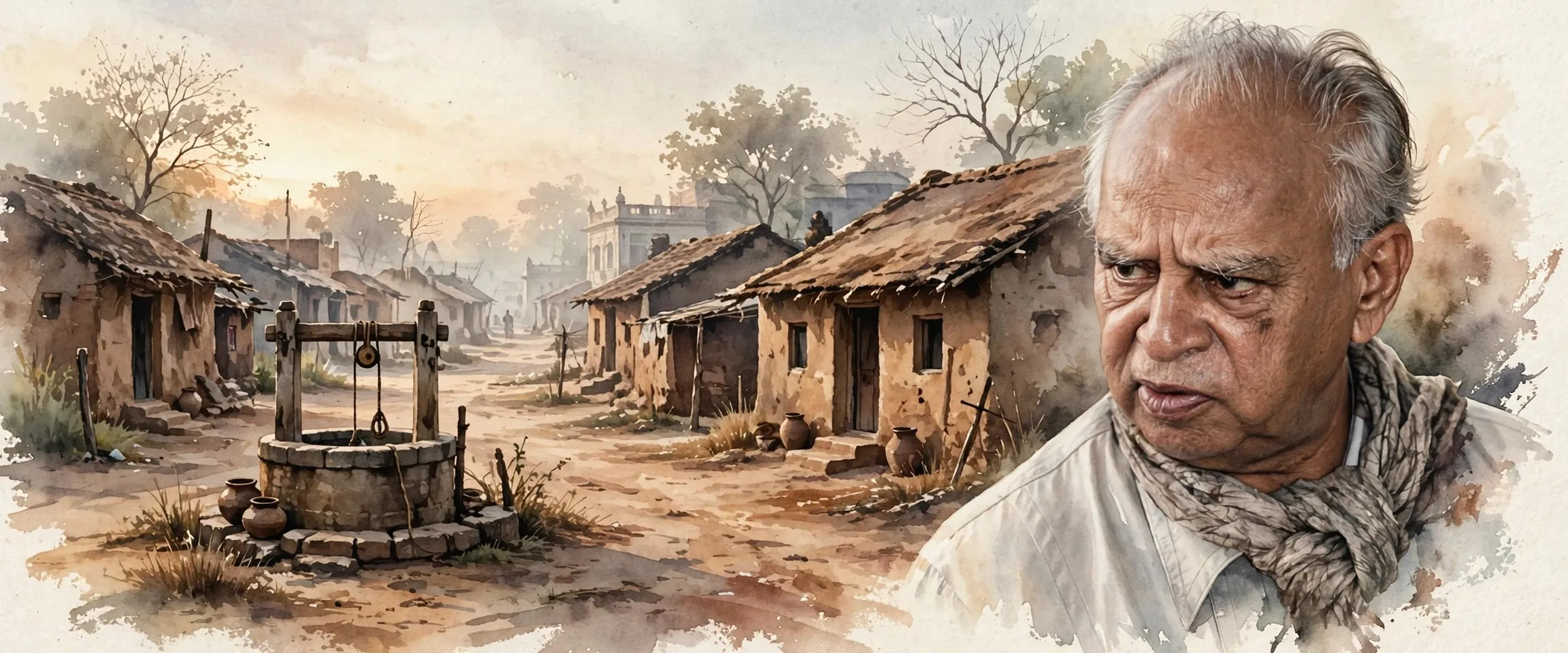
ਅਛੂਤ ਮੁਲਕ ਰਾਜ ਆਨੰਦ ਦਾ ਪਹਿਲਾ ਨਾਵਲ ਹੈ, ਜੋ 1935 ਵਿੱਚ ਲੰਡਨ ਤੋਂ ਛਪਿਆ। ਇਹ ਬੁਲਾਸ਼ਾਹ ਨਾਂ ਦੇ ਛਾਉਣੀ ਵਾਲੇ ਕਸਬੇ ਦੇ ਨੌਜਵਾਨ ਸਫ਼ਾਈ ਕਰਮਚਾਰੀ ਬਾਖਾ ਦੇ ਜੀਵਨ ਦਾ ਇੱਕ ਦਿਨ ਦੱਸਦਾ ਹੈ, ਜਿਸ ਦਾ ਪਖਾਨੇ ਸਾਫ਼ ਕਰਨ ਦਾ ਕੰਮ ਉਸ ਨੂੰ ਜਾਤੋਂ ਬਾਹਰ ਕਰਦਾ ਹੈ, ਅਤੇ ਉਸ ਇੱਕ ਦਿਨ ਨੂੰ ਅਛੂਤਪੁਣਾ ਹੀ ਖ਼ਤਮ ਕਰਨ ਦੀ ਦਲੀਲ ਬਣਾ ਦਿੰਦਾ ਹੈ। ਈ ਐਮ ਫ਼ੋਰਸਟਰ ਦੀ ਭੂਮਿਕਾ ਨੇ ਕਿਤਾਬ ਨੂੰ ਅੰਗਰੇਜ਼ੀ ਪਾਠਕਾਂ ਨਾਲ ਜਾਣੂ ਕਰਵਾਇਆ।
ਅੰਗਰੇਜ਼ੀ- ਲੇਖਕ
- ਮੁਲਕ ਰਾਜ ਆਨੰਦ (1905 ਤੋਂ 2004)
- ਪ੍ਰਕਾਸ਼ਿਤ
- 1935, ਲੰਡਨ (ਵਿਸ਼ਾਰਟ)
- ਭਾਸ਼ਾ
- ਅੰਗਰੇਜ਼ੀ
- ਰੂਪ
- ਨਾਵਲ: ਲੇਖਕ ਦਾ ਪਹਿਲਾ
- ਪਿਛੋਕੜ
- ਬੁਲਾਸ਼ਾਹ, ਇੱਕ ਕਾਲਪਨਿਕ ਉੱਤਰੀ ਭਾਰਤੀ ਛਾਉਣੀ ਕਸਬਾ
- ਕੇਂਦਰੀ ਸ਼ਖ਼ਸੀਅਤ
- ਬਾਖਾ, ਇੱਕ ਨੌਜਵਾਨ ਸਫ਼ਾਈ ਕਰਮਚਾਰੀ
- ਭੂਮਿਕਾ
- ਈ ਐਮ ਫ਼ੋਰਸਟਰ, ਬਾਅਦ ਵਾਲੀਆਂ ਛਾਪਾਂ ਵਿੱਚ
ਪਾਤਰ
About the book
Untouchable is a novel by Mulk Raj Anand, first published in London in 1935, when its author was twenty-nine. It was Anand's first novel, and it made his name at once: the book established him as one of India's leading English authors, and it has stayed in print ever since, taught wherever Indian writing in English is studied. Its subject was deliberately chosen from the bottom of Indian society. Anand set out to show, through one ordinary day, what the caste system did to the people it placed lowest.
The seed of the book was personal. Anand's aunt had been cast out by her own family for sharing a meal with a Muslim woman, and died by suicide; his first prose writing was a response to that tragedy. He also drew on time spent at Gandhi's Sabarmati Ashram in 1927. The novel that grew from these experiences is short, concentrated and unsparing: almost everything in it happens between dawn and nightfall of a single day.
What happens in Untouchable?
The novel follows Bakha, the eighteen-year-old son of Lakha, head of the sweepers of Bulashah, a fictional north Indian cantonment town. Bakha is strong, intelligent and proud of his work, and he admires the British soldiers of the cantonment and their ways. But his work, cleaning the town's latrines, defines him for everyone else: he is an untouchable, whose touch is held to pollute, and who must call out a warning as he walks the streets so that others can keep clear of him.
The day is a chain of small humiliations, each one ordinary and each one cutting deeper. A high-caste man he accidentally touches in the street slaps him before a jeering crowd. At the temple, the priest who had earlier helped his sister Sohini draw water at the well accuses her of polluting him, after assaulting her himself. A householder throws bread down to Bakha as if to a dog, then orders her own child to relieve himself in the gutter Bakha is sweeping. Against these scenes Anand sets small kindnesses: the hockey player Charat Singh, who treats Bakha almost as an equal and gives him a prized hockey stick, and a doctor whose care once saved the boy's life, as his father reminds him.
Three answers at the end
Driven out of his home after the hockey game turns into a brawl, Bakha spends the evening listening to three possible answers to his condition. A Salvation Army officer invites him to become a Christian, and loses him with hymns and a furious wife. At the railway station he hears Gandhi speak against untouchability and call the sweepers servants of God. Finally he overhears two educated men debating the speech, and one of them, a poet, names a third answer: the flush toilet, the machine that cleans without human hands, which would abolish the work that makes the sweeper an outcaste. Bakha hurries home with that hope to tell his father. Anand endorses none of the three outright; the argument is left standing, which is part of why the ending is still debated.
ਕਿਤਾਬ ਬਾਰੇ
ਅਛੂਤ ਮੁਲਕ ਰਾਜ ਆਨੰਦ ਦਾ ਨਾਵਲ ਹੈ, ਜੋ ਪਹਿਲੀ ਵਾਰ 1935 ਵਿੱਚ ਲੰਡਨ ਤੋਂ ਛਪਿਆ, ਜਦੋਂ ਇਸ ਦਾ ਲੇਖਕ ਉਨੱਤੀ ਸਾਲ ਦਾ ਸੀ। ਇਹ ਆਨੰਦ ਦਾ ਪਹਿਲਾ ਨਾਵਲ ਸੀ ਅਤੇ ਇਸ ਨੇ ਉਸ ਨੂੰ ਇੱਕੋ ਵਾਰ ਨਾਂ ਦਿੱਤਾ: ਕਿਤਾਬ ਨੇ ਉਸ ਨੂੰ ਭਾਰਤ ਦੇ ਮੋਹਰੀ ਅੰਗਰੇਜ਼ੀ ਲੇਖਕਾਂ ਵਿੱਚ ਖੜ੍ਹਾ ਕਰ ਦਿੱਤਾ, ਅਤੇ ਇਹ ਉਦੋਂ ਤੋਂ ਲਗਾਤਾਰ ਛਪਦੀ ਆ ਰਹੀ ਹੈ, ਜਿੱਥੇ ਵੀ ਅੰਗਰੇਜ਼ੀ ਵਿੱਚ ਭਾਰਤੀ ਲੇਖਣੀ ਪੜ੍ਹਾਈ ਜਾਂਦੀ ਹੈ ਉੱਥੇ ਪੜ੍ਹਾਈ ਜਾਂਦੀ ਹੈ। ਇਸ ਦਾ ਵਿਸ਼ਾ ਜਾਣ ਬੁੱਝ ਕੇ ਭਾਰਤੀ ਸਮਾਜ ਦੇ ਸਭ ਤੋਂ ਹੇਠਲੇ ਥਾਂ ਤੋਂ ਚੁਣਿਆ ਗਿਆ ਸੀ। ਆਨੰਦ ਨੇ ਇੱਕ ਸਾਧਾਰਨ ਦਿਨ ਰਾਹੀਂ ਦਿਖਾਉਣਾ ਚਾਹਿਆ ਕਿ ਜਾਤ ਪ੍ਰਣਾਲੀ ਉਨ੍ਹਾਂ ਲੋਕਾਂ ਨਾਲ ਕੀ ਕਰਦੀ ਹੈ ਜਿਨ੍ਹਾਂ ਨੂੰ ਉਹ ਸਭ ਤੋਂ ਹੇਠਾਂ ਰੱਖਦੀ ਹੈ।
ਕਿਤਾਬ ਦਾ ਬੀਜ ਨਿੱਜੀ ਸੀ। ਆਨੰਦ ਦੀ ਭੂਆ ਨੂੰ ਉਸ ਦੇ ਆਪਣੇ ਪਰਿਵਾਰ ਨੇ ਇੱਕ ਮੁਸਲਮਾਨ ਔਰਤ ਨਾਲ ਖਾਣਾ ਖਾਣ ਕਰਕੇ ਛੇਕ ਦਿੱਤਾ ਸੀ, ਅਤੇ ਉਸ ਨੇ ਖ਼ੁਦਕੁਸ਼ੀ ਕਰ ਲਈ ਸੀ; ਉਸ ਦੀ ਪਹਿਲੀ ਵਾਰਤਕ ਉਸੇ ਦੁਖਾਂਤ ਦਾ ਜਵਾਬ ਸੀ। ਉਸ ਨੇ 1927 ਵਿੱਚ ਗਾਂਧੀ ਦੇ ਸਾਬਰਮਤੀ ਆਸ਼ਰਮ ਵਿੱਚ ਬਿਤਾਏ ਸਮੇਂ ਤੋਂ ਵੀ ਬਹੁਤ ਕੁਝ ਲਿਆ। ਇਨ੍ਹਾਂ ਤਜਰਬਿਆਂ ਵਿੱਚੋਂ ਉੱਗਿਆ ਨਾਵਲ ਛੋਟਾ, ਘਣਾ ਅਤੇ ਬੇਰਹਿਮ ਸੱਚ ਬੋਲਣ ਵਾਲਾ ਹੈ: ਇਸ ਵਿੱਚ ਲਗਭਗ ਸਭ ਕੁਝ ਇੱਕੋ ਦਿਨ ਦੀ ਸਵੇਰ ਤੋਂ ਰਾਤ ਵਿਚਕਾਰ ਵਾਪਰਦਾ ਹੈ।
ਅਛੂਤ ਵਿੱਚ ਕੀ ਹੁੰਦਾ ਹੈ?
ਨਾਵਲ ਬਾਖਾ ਦੇ ਪਿੱਛੇ ਚੱਲਦਾ ਹੈ, ਜੋ ਬੁਲਾਸ਼ਾਹ ਨਾਂ ਦੇ ਕਾਲਪਨਿਕ ਉੱਤਰੀ ਭਾਰਤੀ ਛਾਉਣੀ ਕਸਬੇ ਦੇ ਸਫ਼ਾਈ ਕਰਮਚਾਰੀਆਂ ਦੇ ਮੁਖੀ ਲਾਖਾ ਦਾ ਅਠਾਰਾਂ ਸਾਲ ਦਾ ਪੁੱਤਰ ਹੈ। ਬਾਖਾ ਤਾਕਤਵਰ, ਸਿਆਣਾ ਅਤੇ ਆਪਣੇ ਕੰਮ ਉੱਤੇ ਮਾਣ ਕਰਨ ਵਾਲਾ ਹੈ, ਅਤੇ ਉਹ ਛਾਉਣੀ ਦੇ ਅੰਗਰੇਜ਼ ਫ਼ੌਜੀਆਂ ਅਤੇ ਉਨ੍ਹਾਂ ਦੇ ਤੌਰ ਤਰੀਕਿਆਂ ਦਾ ਸ਼ੌਕੀਨ ਹੈ। ਪਰ ਉਸ ਦਾ ਕੰਮ, ਕਸਬੇ ਦੇ ਪਖਾਨੇ ਸਾਫ਼ ਕਰਨਾ, ਉਸ ਨੂੰ ਹਰ ਕਿਸੇ ਲਈ ਪਰਿਭਾਸ਼ਿਤ ਕਰਦਾ ਹੈ: ਉਹ ਅਛੂਤ ਹੈ, ਜਿਸ ਦੇ ਛੂਹਣ ਨਾਲ ਭਿੱਟ ਲੱਗਦੀ ਮੰਨੀ ਜਾਂਦੀ ਹੈ, ਅਤੇ ਜਿਸ ਨੂੰ ਗਲੀਆਂ ਵਿੱਚ ਤੁਰਦਿਆਂ ਆਵਾਜ਼ ਦੇ ਕੇ ਚੇਤਾਵਨੀ ਦੇਣੀ ਪੈਂਦੀ ਹੈ ਤਾਂ ਜੋ ਦੂਜੇ ਉਸ ਤੋਂ ਪਾਸੇ ਰਹਿਣ।
ਦਿਨ ਛੋਟੀਆਂ ਛੋਟੀਆਂ ਬੇਇੱਜ਼ਤੀਆਂ ਦੀ ਲੜੀ ਹੈ, ਹਰ ਇੱਕ ਸਾਧਾਰਨ ਅਤੇ ਹਰ ਇੱਕ ਪਹਿਲੀ ਨਾਲੋਂ ਡੂੰਘੀ। ਗਲੀ ਵਿੱਚ ਗ਼ਲਤੀ ਨਾਲ ਛੂਹ ਗਏ ਇੱਕ ਉੱਚੀ ਜਾਤ ਵਾਲੇ ਆਦਮੀ ਨੇ ਮਜ਼ਾਕ ਉਡਾਉਂਦੀ ਭੀੜ ਸਾਹਮਣੇ ਉਸ ਨੂੰ ਥੱਪੜ ਮਾਰਿਆ। ਮੰਦਰ ਵਿੱਚ, ਉਹ ਪੁਜਾਰੀ ਜਿਸ ਨੇ ਪਹਿਲਾਂ ਖੂਹ ਉੱਤੇ ਉਸ ਦੀ ਭੈਣ ਸੋਹਿਣੀ ਨੂੰ ਪਾਣੀ ਭਰਨ ਵਿੱਚ ਮਦਦ ਕੀਤੀ ਸੀ, ਖ਼ੁਦ ਉਸ ਨਾਲ ਛੇੜਛਾੜ ਕਰਕੇ ਉਸ ਉੱਤੇ ਭਿੱਟ ਲਾਉਣ ਦਾ ਦੋਸ਼ ਲਾਉਂਦਾ ਹੈ। ਇੱਕ ਘਰ ਵਾਲੀ ਬਾਖਾ ਵੱਲ ਰੋਟੀ ਕੁੱਤੇ ਵਾਂਗ ਸੁੱਟਦੀ ਹੈ, ਫਿਰ ਆਪਣੇ ਬੱਚੇ ਨੂੰ ਉਸੇ ਨਾਲੀ ਵਿੱਚ ਪਿਸ਼ਾਬ ਕਰਨ ਨੂੰ ਕਹਿੰਦੀ ਹੈ ਜਿਸ ਨੂੰ ਬਾਖਾ ਸਾਫ਼ ਕਰ ਰਿਹਾ ਹੈ। ਇਨ੍ਹਾਂ ਦ੍ਰਿਸ਼ਾਂ ਦੇ ਮੁਕਾਬਲੇ ਆਨੰਦ ਛੋਟੀਆਂ ਮਿਹਰਬਾਨੀਆਂ ਵੀ ਰੱਖਦਾ ਹੈ: ਹਾਕੀ ਖਿਡਾਰੀ ਚਰਤ ਸਿੰਘ, ਜੋ ਬਾਖਾ ਨਾਲ ਲਗਭਗ ਬਰਾਬਰੀ ਦਾ ਸਲੂਕ ਕਰਦਾ ਹੈ ਅਤੇ ਉਸ ਨੂੰ ਆਪਣੀ ਪਿਆਰੀ ਹਾਕੀ ਦਿੰਦਾ ਹੈ, ਅਤੇ ਇੱਕ ਡਾਕਟਰ, ਜਿਸ ਦੀ ਦੇਖਭਾਲ ਨੇ ਕਦੇ ਮੁੰਡੇ ਦੀ ਜਾਨ ਬਚਾਈ ਸੀ, ਜਿਵੇਂ ਉਸ ਦਾ ਪਿਤਾ ਉਸ ਨੂੰ ਯਾਦ ਕਰਾਉਂਦਾ ਹੈ।
ਅੰਤ ਵਿੱਚ ਤਿੰਨ ਜਵਾਬ
ਹਾਕੀ ਮੈਚ ਝਗੜੇ ਵਿੱਚ ਬਦਲਣ ਤੋਂ ਬਾਅਦ ਘਰੋਂ ਕੱਢਿਆ ਗਿਆ ਬਾਖਾ ਸ਼ਾਮ ਆਪਣੀ ਹਾਲਤ ਦੇ ਤਿੰਨ ਸੰਭਵ ਜਵਾਬ ਸੁਣਦਿਆਂ ਬਿਤਾਉਂਦਾ ਹੈ। ਸੈਲਵੇਸ਼ਨ ਆਰਮੀ ਦਾ ਇੱਕ ਅਫ਼ਸਰ ਉਸ ਨੂੰ ਈਸਾਈ ਬਣਨ ਲਈ ਕਹਿੰਦਾ ਹੈ, ਪਰ ਭਜਨਾਂ ਅਤੇ ਆਪਣੀ ਗੁੱਸੇ ਵਾਲੀ ਪਤਨੀ ਨਾਲ ਉਸ ਨੂੰ ਗੁਆ ਬੈਠਦਾ ਹੈ। ਰੇਲਵੇ ਸਟੇਸ਼ਨ ਉੱਤੇ ਉਹ ਗਾਂਧੀ ਨੂੰ ਅਛੂਤਪੁਣੇ ਵਿਰੁੱਧ ਬੋਲਦਿਆਂ ਅਤੇ ਸਫ਼ਾਈ ਕਰਮਚਾਰੀਆਂ ਨੂੰ ਰੱਬ ਦੇ ਸੇਵਕ ਕਹਿੰਦਿਆਂ ਸੁਣਦਾ ਹੈ। ਅੰਤ ਵਿੱਚ ਉਹ ਦੋ ਪੜ੍ਹੇ ਲਿਖੇ ਆਦਮੀਆਂ ਨੂੰ ਭਾਸ਼ਣ ਉੱਤੇ ਬਹਿਸ ਕਰਦਿਆਂ ਸੁਣਦਾ ਹੈ, ਅਤੇ ਉਨ੍ਹਾਂ ਵਿੱਚੋਂ ਇੱਕ, ਇੱਕ ਕਵੀ, ਤੀਜਾ ਜਵਾਬ ਦਿੰਦਾ ਹੈ: ਫਲੱਸ਼ ਪਖਾਨਾ, ਉਹ ਮਸ਼ੀਨ ਜੋ ਮਨੁੱਖੀ ਹੱਥਾਂ ਤੋਂ ਬਿਨਾਂ ਸਾਫ਼ ਕਰਦੀ ਹੈ, ਜੋ ਉਸ ਕੰਮ ਨੂੰ ਹੀ ਖ਼ਤਮ ਕਰ ਦੇਵੇਗੀ ਜੋ ਸਫ਼ਾਈ ਕਰਮਚਾਰੀ ਨੂੰ ਜਾਤੋਂ ਬਾਹਰ ਕਰਦਾ ਹੈ। ਬਾਖਾ ਉਹ ਆਸ ਲੈ ਕੇ ਘਰ ਵੱਲ ਦੌੜਦਾ ਹੈ ਤਾਂ ਜੋ ਆਪਣੇ ਪਿਤਾ ਨੂੰ ਦੱਸ ਸਕੇ। ਆਨੰਦ ਤਿੰਨਾਂ ਵਿੱਚੋਂ ਕਿਸੇ ਨੂੰ ਵੀ ਸਿੱਧਾ ਨਹੀਂ ਅਪਣਾਉਂਦਾ; ਦਲੀਲ ਖੜ੍ਹੀ ਰਹਿ ਜਾਂਦੀ ਹੈ, ਅਤੇ ਇਹੀ ਕਾਰਨ ਹੈ ਕਿ ਅੰਤ ਉੱਤੇ ਅੱਜ ਵੀ ਬਹਿਸ ਹੁੰਦੀ ਹੈ।
ਲੇਖਕ
Mulk Raj Anand (1905 to 2004) was born in Peshawar and educated at Khalsa College, Amritsar, and in London and Cambridge, where he took his PhD in 1929. Untouchable was the first of a run of novels about India's poor: Coolie (1936) and Two Leaves and a Bud (1937) followed within two years. He was among the first writers to weave Punjabi and Hindustani idioms into English prose, a founding member of the Progressive Writers' Association, and in time a winner of the Padma Bhushan and the Sahitya Akademi Award.
Reception and legacy
E. M. Forster, whom Anand knew from London literary circles, wrote the foreword carried by later editions, praising a book that avoided rhetoric and went straight to the heart of its subject. In 2004 a commemorative edition of Anand's work was released in Delhi by the then Prime Minister, Manmohan Singh, marking the author's centenary year. Critics have argued ever since about how the novel speaks for its hero: some read it as a Gandhian reform story, others note Anand's ambivalence about Gandhi, and scholars such as Ramachandra Guha have pointed to the closing debate as the key. What is not argued is the book's place: Britannica calls it a seminal novel, and it remains the standard first door into Indian English fiction.
Read it if
You want the founding novel of Indian English literature in a single sitting; you are studying caste, Gandhi or the literature of protest; or you know Punjab through its Punjabi and Urdu writers and want to meet the Peshawar-born novelist who carried the region's speech into English.
ਲੇਖਕ
ਮੁਲਕ ਰਾਜ ਆਨੰਦ (1905 ਤੋਂ 2004) ਦਾ ਜਨਮ ਪਿਸ਼ਾਵਰ ਵਿੱਚ ਹੋਇਆ ਅਤੇ ਉਸ ਨੇ ਖ਼ਾਲਸਾ ਕਾਲਜ ਅੰਮ੍ਰਿਤਸਰ ਅਤੇ ਲੰਡਨ ਅਤੇ ਕੈਂਬਰਿਜ ਵਿੱਚ ਪੜ੍ਹਾਈ ਕੀਤੀ, ਜਿੱਥੇ 1929 ਵਿੱਚ ਉਸ ਨੇ ਪੀ ਐਚ ਡੀ ਕੀਤੀ। ਅਛੂਤ ਭਾਰਤ ਦੇ ਗਰੀਬਾਂ ਬਾਰੇ ਉਸ ਦੇ ਨਾਵਲਾਂ ਦੀ ਲੜੀ ਦਾ ਪਹਿਲਾ ਸੀ: ਕੂਲੀ (1936) ਅਤੇ ਟੂ ਲੀਵਜ਼ ਐਂਡ ਅ ਬੱਡ (1937) ਦੋ ਸਾਲਾਂ ਵਿੱਚ ਹੀ ਆ ਗਏ। ਉਹ ਉਨ੍ਹਾਂ ਪਹਿਲੇ ਲੇਖਕਾਂ ਵਿੱਚੋਂ ਸੀ ਜਿਨ੍ਹਾਂ ਨੇ ਪੰਜਾਬੀ ਅਤੇ ਹਿੰਦੁਸਤਾਨੀ ਮੁਹਾਵਰੇ ਅੰਗਰੇਜ਼ੀ ਵਾਰਤਕ ਵਿੱਚ ਘੋਲੇ, ਪ੍ਰਗਤੀਸ਼ੀਲ ਲੇਖਕ ਸੰਘ ਦਾ ਬਾਨੀ ਮੈਂਬਰ ਸੀ, ਅਤੇ ਸਮੇਂ ਨਾਲ ਪਦਮ ਭੂਸ਼ਣ ਅਤੇ ਸਾਹਿਤ ਅਕਾਦਮੀ ਇਨਾਮ ਜੇਤੂ ਬਣਿਆ।
ਪ੍ਰਤੀਕਿਰਿਆ ਅਤੇ ਵਿਰਾਸਤ
ਈ ਐਮ ਫ਼ੋਰਸਟਰ ਨੇ, ਜਿਸ ਨੂੰ ਆਨੰਦ ਲੰਡਨ ਦੇ ਸਾਹਿਤਕ ਘੇਰਿਆਂ ਤੋਂ ਜਾਣਦਾ ਸੀ, ਬਾਅਦ ਵਾਲੀਆਂ ਛਾਪਾਂ ਦੀ ਭੂਮਿਕਾ ਲਿਖੀ ਅਤੇ ਕਿਤਾਬ ਦੀ ਸਰਾਹਨਾ ਕੀਤੀ ਕਿ ਉਹ ਭਾਸ਼ਣਬਾਜ਼ੀ ਤੋਂ ਬਚ ਕੇ ਆਪਣੇ ਵਿਸ਼ੇ ਦੇ ਦਿਲ ਤੱਕ ਸਿੱਧੀ ਜਾਂਦੀ ਹੈ। 2004 ਵਿੱਚ ਲੇਖਕ ਦੇ ਸੌ ਸਾਲਾ ਜਨਮ ਵਰ੍ਹੇ ਮੌਕੇ ਉਸ ਦੀਆਂ ਰਚਨਾਵਾਂ ਦੀ ਯਾਦਗਾਰੀ ਛਾਪ ਦਿੱਲੀ ਵਿੱਚ ਉਸ ਸਮੇਂ ਦੇ ਪ੍ਰਧਾਨ ਮੰਤਰੀ ਮਨਮੋਹਨ ਸਿੰਘ ਨੇ ਜਾਰੀ ਕੀਤੀ। ਆਲੋਚਕ ਉਦੋਂ ਤੋਂ ਬਹਿਸ ਕਰਦੇ ਆ ਰਹੇ ਹਨ ਕਿ ਨਾਵਲ ਆਪਣੇ ਨਾਇਕ ਦੀ ਗੱਲ ਕਿਵੇਂ ਕਰਦਾ ਹੈ: ਕੁਝ ਇਸ ਨੂੰ ਗਾਂਧੀਵਾਦੀ ਸੁਧਾਰ ਦੀ ਕਹਾਣੀ ਪੜ੍ਹਦੇ ਹਨ, ਕੁਝ ਗਾਂਧੀ ਬਾਰੇ ਆਨੰਦ ਦੀ ਦੁਬਿਧਾ ਵੱਲ ਧਿਆਨ ਦਿੰਦੇ ਹਨ, ਅਤੇ ਰਾਮਚੰਦਰ ਗੁਹਾ ਵਰਗੇ ਵਿਦਵਾਨਾਂ ਨੇ ਅੰਤ ਵਾਲੀ ਬਹਿਸ ਨੂੰ ਕੁੰਜੀ ਕਿਹਾ ਹੈ। ਜਿਸ ਗੱਲ ਉੱਤੇ ਬਹਿਸ ਨਹੀਂ, ਉਹ ਕਿਤਾਬ ਦਾ ਸਥਾਨ ਹੈ: ਬ੍ਰਿਟੈਨਿਕਾ ਇਸ ਨੂੰ ਮਹੱਤਵਪੂਰਨ ਨਾਵਲ ਕਹਿੰਦਾ ਹੈ, ਅਤੇ ਇਹ ਭਾਰਤੀ ਅੰਗਰੇਜ਼ੀ ਗਲਪ ਵਿੱਚ ਦਾਖ਼ਲੇ ਦਾ ਮਾਨਕ ਪਹਿਲਾ ਦਰਵਾਜ਼ਾ ਬਣਿਆ ਹੋਇਆ ਹੈ।
ਇਸਨੂੰ ਪੜ੍ਹੋ ਜੇ
ਤੁਸੀਂ ਭਾਰਤੀ ਅੰਗਰੇਜ਼ੀ ਸਾਹਿਤ ਦਾ ਬਾਨੀ ਨਾਵਲ ਇੱਕੋ ਬੈਠਕ ਵਿੱਚ ਪੜ੍ਹਨਾ ਚਾਹੁੰਦੇ ਹੋ; ਤੁਸੀਂ ਜਾਤ, ਗਾਂਧੀ ਜਾਂ ਰੋਸ ਸਾਹਿਤ ਦਾ ਅਧਿਐਨ ਕਰ ਰਹੇ ਹੋ; ਜਾਂ ਤੁਸੀਂ ਪੰਜਾਬ ਨੂੰ ਇਸ ਦੇ ਪੰਜਾਬੀ ਅਤੇ ਉਰਦੂ ਲੇਖਕਾਂ ਰਾਹੀਂ ਜਾਣਦੇ ਹੋ ਅਤੇ ਉਸ ਪਿਸ਼ਾਵਰ ਜਨਮੇ ਨਾਵਲਕਾਰ ਨੂੰ ਮਿਲਣਾ ਚਾਹੁੰਦੇ ਹੋ ਜੋ ਇਲਾਕੇ ਦੀ ਬੋਲੀ ਨੂੰ ਅੰਗਰੇਜ਼ੀ ਵਿੱਚ ਲੈ ਗਿਆ।
ਐਡੀਸ਼ਨ ਅਤੇ ਅਨੁਵਾਦ
- UntouchableEnglish, original, London: Wishart, 1935ਮੂਲ
- UntouchableEnglish, later editions with a foreword by E. M. Forster; Penguin Books, ISBN 978-0-14-018395-5Edition
ਲੇਖਕ

ਜੁੜੇ ਹੋਏ
ਹੋਰ ਪੜ੍ਹੋ
ਸਰੋਤ (3)
ਜੁਗਤੀ ਮੁਫ਼ਤ ਅਤੇ ਸੁਤੰਤਰ ਹੈ। ਪਾਠਕਾਂ ਦਾ ਸਹਿਯੋਗ ਕੋਸ਼ ਨੂੰ ਵਧਾਉਂਦਾ ਹੈ।
ਸਹਿਯੋਗ