
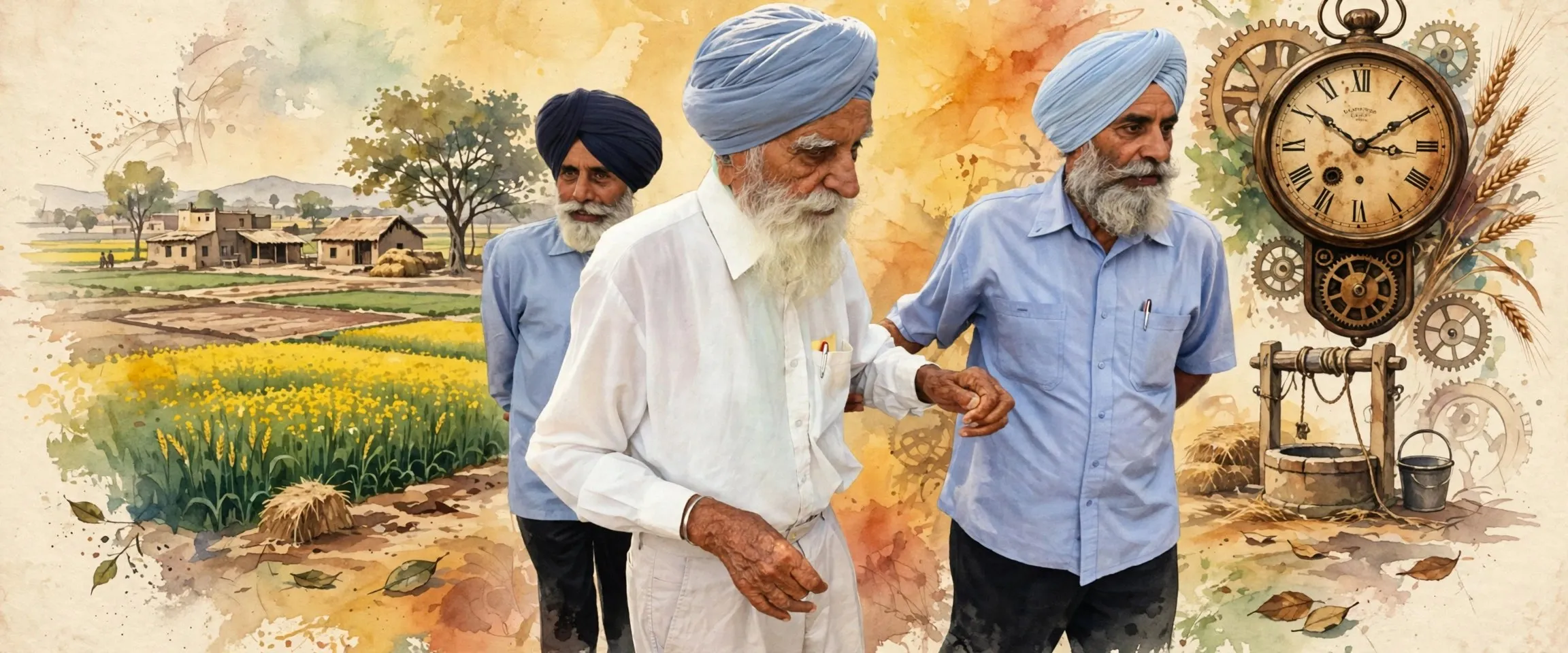
ਤਾਰੀਖ਼ ਵੇਖਦੀ ਹੈ (ਸਮਾਂ ਗਵਾਹ ਹੈ, 1973) ਜਸਵੰਤ ਸਿੰਘ ਕੰਵਲ ਦਾ ਪੰਜਾਬੀ ਨਾਵਲ ਹੈ, ਜੋ 1970ਵਿਆਂ ਦੀ ਸ਼ੁਰੂਆਤ ਵਿੱਚ ਉਨ੍ਹਾਂ ਦੀ ਮਸ਼ਹੂਰ ਲਹੂ ਦੀ ਲੋਅ ਤੋਂ ਠੀਕ ਪਹਿਲਾਂ ਲਿਖਿਆ ਗਿਆ। ਸਿੱਖ ਵਿਸ਼ਵਕੋਸ਼ ਇਸ ਨੂੰ ਉਨ੍ਹਾਂ ਦੇ ਮਹੱਤਵਪੂਰਨ ਨਾਵਲਾਂ ਵਿੱਚ ਰੱਖਦਾ ਹੈ। ਪੰਜਾਬੀ ਵਿਕੀਪੀਡੀਆ ਦੀ ਸਮਾਂ ਸੂਚੀ ਵਿੱਚ ਇਹ ਉਨ੍ਹਾਂ ਦਾ ਤੇਰ੍ਹਵਾਂ ਨਾਵਲ ਹੈ, ਬਰਫ਼ ਦੀ ਅੱਗ (1970) ਅਤੇ ਲਹੂ ਦੀ ਲੋਅ (1975) ਵਿਚਕਾਰ।
ਪੰਜਾਬੀ, ਗੁਰਮੁਖੀ- ਪੰਜਾਬੀ ਨਾਂ
- ਤਾਰੀਖ਼ ਵੇਖਦੀ ਹੈ
- ਲੇਖਕ
- ਜਸਵੰਤ ਸਿੰਘ ਕੰਵਲ (1919 ਤੋਂ 2020)
- ਪ੍ਰਕਾਸ਼ਿਤ
- 1973
- ਭਾਸ਼ਾ
- ਪੰਜਾਬੀ, ਗੁਰਮੁਖੀ (ਮਲਵਈ ਬੋਲੀ)
- ਰੂਪ
- ਨਾਵਲ
- ਨਾਂ ਦਾ ਮਤਲਬ
- ਸਮਾਂ ਗਵਾਹ ਹੈ
All 9 facts
- ਦਰਜਾ
- ਸਿੱਖ ਵਿਸ਼ਵਕੋਸ਼ ਵਿੱਚ ਕੰਵਲ ਦੇ ਮਹੱਤਵਪੂਰਨ ਨਾਵਲਾਂ ਵਿੱਚ ਦਰਜ
- ਇਸ ਤੋਂ ਪਹਿਲਾਂ
- ਬਰਫ਼ ਦੀ ਅੱਗ (1970)
- ਇਸ ਤੋਂ ਬਾਅਦ
- ਲਹੂ ਦੀ ਲੋਅ (1975)
About the book
Tarikh Vekhdi Hai is a Punjabi novel by Jaswant Singh Kanwal, published in 1973. Its title means Time is a Witness, the translation English Wikipedia gives in its bibliography of Kanwal's work. Punjabi Wikipedia lists it as the thirteenth of his novels, between Barf Di Agg of 1970 and Lahu Di Lo of 1975, and The Sikh Encyclopedia names it among his important novels, alongside Puranmashi, Raat Baaki Hai, Civil Lines, Roop Dhara and Haani. The reference works consulted for this page name the book, its author and its year, but carry no detailed plot summary, so this page records what is verified about the book and its moment, and does not guess at its story.
The year matters. Tarikh Vekhdi Hai appeared in the last years before the Emergency, when Punjab was moving towards the upheaval that Lahu Di Lo would describe. Kanwal was in his mid-fifties, a writer at the height of his powers, with nearly thirty years of novels behind him, and the book stands at the edge of his most famous period. Two years later came Lahu Di Lo, the novel of the Naxalite movement that no publisher in Punjab would touch, which he had printed in Singapore and smuggled home. Tarikh Vekhdi Hai is the book that came just before that storm.
What does the title mean?
Tarikh vekhdi hai means history is watching, or time is a witness. The two English renderings say the same thing from different sides: the past does not disappear, it looks on, and it judges. The title is a claim about how Kanwal understood his own work. His novels are set in the present of their writing, but they are always measuring that present against the past: against the freedom struggle, against the peasant movements, and against the promises made at independence and kept or broken since. A reader who knows Lahu Di Lo will hear the same note in its title, the dawn of the blood, a morning that has not yet come. Tarikh Vekhdi Hai names the witness that stands behind both books.
The early 1970s: the novel's moment
Punjab in the early 1970s was a place of ferment. The Naxalite movement had reached the state in the late 1960s, young men and women were taking up arms in the countryside, and the state was answering with force. Kanwal's own politics placed him inside that ferment. The Sikh Encyclopedia describes him as a committed Marxist who developed a progressive point of view towards life's problems, and his novels champion the downtrodden. He had already written the Muzara novel, Raat Baaki Hai, in 1954, and the historical novel Taushali Di Hanso was still twenty years away. Tarikh Vekhdi Hai belongs to that decade, published in 1973, two years before the Emergency was declared and two years before Lahu Di Lo.
The Emergency came in June 1975, the same year Lahu Di Lo was written. Publishers who had chased Kanwal's books refused to print it, print shops were raided, and censorship was strict. Kanwal had the novel printed in Singapore and its copies smuggled into India, and it sold more than twelve thousand copies at thirty rupees, by the account Punjabi Wikipedia gives. That is the world Tarikh Vekhdi Hai stands next to: the last book before the storm, written when the storm could already be seen coming.
ਕਿਤਾਬ ਬਾਰੇ
ਤਾਰੀਖ਼ ਵੇਖਦੀ ਹੈ ਜਸਵੰਤ ਸਿੰਘ ਕੰਵਲ ਦਾ ਪੰਜਾਬੀ ਨਾਵਲ ਹੈ, ਜੋ 1973 ਵਿੱਚ ਛਪਿਆ। ਇਸ ਦੇ ਸਿਰਲੇਖ ਦਾ ਮਤਲਬ ਹੈ ਸਮਾਂ ਗਵਾਹ ਹੈ, ਇਹ ਅਨੁਵਾਦ ਅੰਗਰੇਜ਼ੀ ਵਿਕੀਪੀਡੀਆ ਕੰਵਲ ਦੀ ਰਚਨਾ ਸੂਚੀ ਵਿੱਚ ਦਿੰਦਾ ਹੈ। ਪੰਜਾਬੀ ਵਿਕੀਪੀਡੀਆ ਇਸ ਨੂੰ ਉਨ੍ਹਾਂ ਦੇ ਨਾਵਲਾਂ ਵਿੱਚ ਤੇਰ੍ਹਵਾਂ ਦੱਸਦਾ ਹੈ, 1970 ਦੀ ਬਰਫ਼ ਦੀ ਅੱਗ ਅਤੇ 1975 ਦੀ ਲਹੂ ਦੀ ਲੋਅ ਵਿਚਕਾਰ, ਅਤੇ ਸਿੱਖ ਵਿਸ਼ਵਕੋਸ਼ ਇਸ ਨੂੰ ਉਨ੍ਹਾਂ ਦੇ ਮਹੱਤਵਪੂਰਨ ਨਾਵਲਾਂ ਵਿੱਚ ਰੱਖਦਾ ਹੈ, ਪੂਰਨਮਾਸ਼ੀ, ਰਾਤ ਬਾਕੀ ਹੈ, ਸਿਵਲ ਲਾਈਨਜ਼, ਰੂਪਧਾਰਾ ਅਤੇ ਹਾਣੀ ਦੇ ਨਾਲ। ਇਸ ਸਫ਼ੇ ਲਈ ਵੇਖੇ ਗਏ ਹਵਾਲੇ ਕਿਤਾਬ, ਉਸ ਦੇ ਲੇਖਕ ਅਤੇ ਉਸ ਦੇ ਸਾਲ ਦਾ ਨਾਂ ਦਿੰਦੇ ਹਨ, ਪਰ ਉਨ੍ਹਾਂ ਵਿੱਚ ਕਹਾਣੀ ਦਾ ਵੇਰਵਾ ਨਹੀਂ ਹੈ, ਇਸ ਲਈ ਇਹ ਸਫ਼ਾ ਕਿਤਾਬ ਬਾਰੇ ਜੋ ਤਸਦੀਕਸ਼ੁਦਾ ਹੈ ਅਤੇ ਉਸ ਦੇ ਸਮੇਂ ਬਾਰੇ ਲਿਖਦਾ ਹੈ, ਅਤੇ ਕਹਾਣੀ ਬਾਰੇ ਅੰਦਾਜ਼ਾ ਨਹੀਂ ਲਾਉਂਦਾ।
ਸਾਲ ਮਹੱਤਵ ਰੱਖਦਾ ਹੈ। ਤਾਰੀਖ਼ ਵੇਖਦੀ ਹੈ ਐਮਰਜੈਂਸੀ ਤੋਂ ਪਹਿਲਾਂ ਦੇ ਆਖ਼ਰੀ ਸਾਲਾਂ ਵਿੱਚ ਆਇਆ, ਜਦੋਂ ਪੰਜਾਬ ਉਸ ਹਲਚਲ ਵੱਲ ਵਧ ਰਿਹਾ ਸੀ ਜਿਸ ਬਾਰੇ ਲਹੂ ਦੀ ਲੋਅ ਲਿਖੀ ਜਾਣੀ ਸੀ। ਕੰਵਲ ਉਦੋਂ ਪੰਜਾਹਵਿਆਂ ਦੇ ਵਿਚਕਾਰ ਸਨ, ਆਪਣੀ ਤਾਕਤ ਦੇ ਸਿਖਰ ਤੇ ਇੱਕ ਲੇਖਕ, ਜਿਨ੍ਹਾਂ ਦੇ ਪਿੱਛੇ ਲਗਭਗ ਤੀਹ ਸਾਲਾਂ ਦੇ ਨਾਵਲ ਸਨ, ਅਤੇ ਇਹ ਕਿਤਾਬ ਉਨ੍ਹਾਂ ਦੇ ਸਭ ਤੋਂ ਮਸ਼ਹੂਰ ਦੌਰ ਦੇ ਕੰਢੇ ਤੇ ਖੜ੍ਹੀ ਹੈ। ਦੋ ਸਾਲ ਬਾਅਦ ਲਹੂ ਦੀ ਲੋਅ ਆਈ, ਨਕਸਲੀ ਲਹਿਰ ਦਾ ਨਾਵਲ ਜਿਸ ਨੂੰ ਪੰਜਾਬ ਦਾ ਕੋਈ ਪ੍ਰਕਾਸ਼ਕ ਛਾਪਣ ਨੂੰ ਤਿਆਰ ਨਹੀਂ ਸੀ, ਅਤੇ ਜਿਸ ਨੂੰ ਉਨ੍ਹਾਂ ਨੇ ਸਿੰਗਾਪੁਰ ਵਿੱਚ ਛਪਵਾ ਕੇ ਘਰ ਸਮਗਲ ਕਰਵਾਇਆ। ਤਾਰੀਖ਼ ਵੇਖਦੀ ਹੈ ਉਸ ਤੂਫ਼ਾਨ ਤੋਂ ਠੀਕ ਪਹਿਲਾਂ ਆਈ ਕਿਤਾਬ ਹੈ।
ਸਿਰਲੇਖ ਦਾ ਕੀ ਮਤਲਬ ਹੈ?
ਤਾਰੀਖ਼ ਵੇਖਦੀ ਹੈ ਦਾ ਮਤਲਬ ਹੈ ਇਤਿਹਾਸ ਵੇਖ ਰਿਹਾ ਹੈ, ਜਾਂ ਸਮਾਂ ਗਵਾਹ ਹੈ। ਦੋਵੇਂ ਅੰਗਰੇਜ਼ੀ ਅਨੁਵਾਦ ਵੱਖਰੇ ਪਾਸਿਆਂ ਤੋਂ ਇੱਕੋ ਗੱਲ ਕਹਿੰਦੇ ਹਨ: ਅਤੀਤ ਗਾਇਬ ਨਹੀਂ ਹੁੰਦਾ, ਉਹ ਵੇਖਦਾ ਹੈ, ਅਤੇ ਉਹ ਨਿਰਣਾ ਕਰਦਾ ਹੈ। ਸਿਰਲੇਖ ਇਹ ਦਾਅਵਾ ਹੈ ਕਿ ਕੰਵਲ ਆਪਣੇ ਕੰਮ ਨੂੰ ਕਿਵੇਂ ਸਮਝਦੇ ਸਨ। ਉਨ੍ਹਾਂ ਦੇ ਨਾਵਲ ਆਪਣੇ ਲਿਖਣ ਦੇ ਵਰਤਮਾਨ ਵਿੱਚ ਸਥਿਤ ਹਨ, ਪਰ ਉਹ ਉਸ ਵਰਤਮਾਨ ਨੂੰ ਅਤੀਤ ਨਾਲ ਹਮੇਸ਼ਾ ਤੋਲਦੇ ਹਨ: ਆਜ਼ਾਦੀ ਦੀ ਲੜਾਈ ਨਾਲ, ਕਿਸਾਨ ਲਹਿਰਾਂ ਨਾਲ, ਅਤੇ ਆਜ਼ਾਦੀ ਵੇਲੇ ਕੀਤੇ ਵਾਅਦਿਆਂ ਨਾਲ ਜੋ ਪੂਰੇ ਹੋਏ ਜਾਂ ਟੁੱਟ ਗਏ। ਜਿਹੜਾ ਪਾਠਕ ਲਹੂ ਦੀ ਲੋਅ ਨੂੰ ਜਾਣਦਾ ਹੈ, ਉਹ ਉਸ ਦੇ ਸਿਰਲੇਖ ਵਿੱਚ ਵੀ ਇਹੋ ਸੁਰ ਸੁਣੇਗਾ, ਲਹੂ ਦੀ ਲੋਅ, ਇੱਕ ਸਵੇਰ ਜੋ ਅਜੇ ਆਈ ਨਹੀਂ। ਤਾਰੀਖ਼ ਵੇਖਦੀ ਹੈ ਉਸ ਗਵਾਹ ਦਾ ਨਾਂ ਹੈ ਜੋ ਦੋਵੇਂ ਕਿਤਾਬਾਂ ਦੇ ਪਿੱਛੇ ਖੜ੍ਹਾ ਹੈ।
1970ਵਿਆਂ ਦੀ ਸ਼ੁਰੂਆਤ: ਨਾਵਲ ਦਾ ਸਮਾਂ
1970ਵਿਆਂ ਦੀ ਸ਼ੁਰੂਆਤ ਵਿੱਚ ਪੰਜਾਬ ਹਲਚਲ ਦੀ ਥਾਂ ਸੀ। ਨਕਸਲੀ ਲਹਿਰ 1960ਵਿਆਂ ਦੇ ਅੰਤ ਵਿੱਚ ਸੂਬੇ ਵਿੱਚ ਪਹੁੰਚ ਗਈ ਸੀ, ਨੌਜਵਾਨ ਮੁੰਡੇ ਕੁੜੀਆਂ ਪੇਂਡੂ ਇਲਾਕਿਆਂ ਵਿੱਚ ਹਥਿਆਰ ਚੁੱਕ ਰਹੇ ਸਨ, ਅਤੇ ਰਾਜ ਤਾਕਤ ਨਾਲ ਜਵਾਬ ਦੇ ਰਿਹਾ ਸੀ। ਕੰਵਲ ਦੀ ਆਪਣੀ ਸਿਆਸਤ ਉਨ੍ਹਾਂ ਨੂੰ ਇਸ ਹਲਚਲ ਦੇ ਅੰਦਰ ਰੱਖਦੀ ਸੀ। ਸਿੱਖ ਵਿਸ਼ਵਕੋਸ਼ ਉਨ੍ਹਾਂ ਨੂੰ ਇੱਕ ਵਚਨਬੱਧ ਮਾਰਕਸਵਾਦੀ ਦੱਸਦਾ ਹੈ ਜਿਨ੍ਹਾਂ ਨੇ ਜੀਵਨ ਦੀਆਂ ਸਮੱਸਿਆਵਾਂ ਪ੍ਰਤੀ ਇੱਕ ਤਰੱਕੀਪਸੰਦ ਨਜ਼ਰੀਆ ਅਪਣਾਇਆ, ਅਤੇ ਉਨ੍ਹਾਂ ਦੇ ਨਾਵਲ ਦੱਬੇ ਹੋਏ ਲੋਕਾਂ ਦਾ ਪੱਖ ਲੈਂਦੇ ਹਨ। ਉਹ 1954 ਵਿੱਚ ਮੁਜ਼ਾਰਾ ਨਾਵਲ, ਰਾਤ ਬਾਕੀ ਹੈ, ਲਿਖ ਚੁੱਕੇ ਸਨ, ਅਤੇ ਇਤਿਹਾਸਕ ਨਾਵਲ ਤੌਸ਼ਾਲੀ ਦੀ ਹੰਸੋ ਅਜੇ ਵੀਹ ਸਾਲ ਦੂਰ ਸੀ। ਤਾਰੀਖ਼ ਵੇਖਦੀ ਹੈ ਉਸ ਦਹਾਕੇ ਨਾਲ ਸਬੰਧਿਤ ਹੈ, 1973 ਵਿੱਚ ਛਪਿਆ, ਐਮਰਜੈਂਸੀ ਲੱਗਣ ਤੋਂ ਦੋ ਸਾਲ ਪਹਿਲਾਂ ਅਤੇ ਲਹੂ ਦੀ ਲੋਅ ਤੋਂ ਦੋ ਸਾਲ ਪਹਿਲਾਂ।
ਐਮਰਜੈਂਸੀ ਜੂਨ 1975 ਵਿੱਚ ਲੱਗੀ, ਉਸੇ ਸਾਲ ਜਦੋਂ ਲਹੂ ਦੀ ਲੋਅ ਲਿਖੀ ਗਈ। ਜਿਹੜੇ ਪ੍ਰਕਾਸ਼ਕ ਕੰਵਲ ਦੀਆਂ ਕਿਤਾਬਾਂ ਦੇ ਪਿੱਛੇ ਭੱਜਦੇ ਸਨ, ਉਨ੍ਹਾਂ ਨੇ ਇਸ ਨੂੰ ਛਾਪਣ ਤੋਂ ਇਨਕਾਰ ਕਰ ਦਿੱਤਾ, ਛਾਪੇਖਾਨਿਆਂ ਤੇ ਛਾਪੇ ਪਏ, ਅਤੇ ਸਖ਼ਤ ਸੈਂਸਰਸ਼ਿਪ ਲੱਗ ਗਈ। ਕੰਵਲ ਨੇ ਨਾਵਲ ਸਿੰਗਾਪੁਰ ਵਿੱਚ ਛਪਵਾਇਆ ਅਤੇ ਉਸ ਦੀਆਂ ਕਾਪੀਆਂ ਭਾਰਤ ਵਿੱਚ ਸਮਗਲ ਕਰਵਾਈਆਂ, ਅਤੇ ਪੰਜਾਬੀ ਵਿਕੀਪੀਡੀਆ ਦੇ ਹਿਸਾਬ ਨਾਲ ਇਹ ਤੀਹ ਰੁਪਏ ਵਿੱਚ ਬਾਰਾਂ ਹਜ਼ਾਰ ਤੋਂ ਵੱਧ ਕਾਪੀਆਂ ਵਿਕਿਆ। ਇਹ ਉਹ ਦੁਨੀਆਂ ਹੈ ਜਿਸ ਦੇ ਨਾਲ ਤਾਰੀਖ਼ ਵੇਖਦੀ ਹੈ ਖੜ੍ਹੀ ਹੈ: ਤੂਫ਼ਾਨ ਤੋਂ ਪਹਿਲਾਂ ਦੀ ਆਖ਼ਰੀ ਕਿਤਾਬ, ਜੋ ਉਦੋਂ ਲਿਖੀ ਗਈ ਜਦੋਂ ਤੂਫ਼ਾਨ ਪਹਿਲਾਂ ਹੀ ਦਿੱਸ ਰਿਹਾ ਸੀ।
Themes: history as witness
The themes that run through Kanwal's work are the themes of the title: the past judging the present, the promises of independence measured against the lives of the poor, and the question of who remembers and who is allowed to forget. His subjects, as Wikipedia lists them, are social customs and beliefs, social and gender equality, and the left. His method, as The Sikh Encyclopedia describes it, is realistic rural life in the Malwa region, in its own dialect, satirising the misdeeds of unscrupulous rich people and inspiring the downtrodden to rise in strength and unity. Tarikh Vekhdi Hai takes its title from the belief that runs through all of it: that the past is not past, and that it watches what the present does with it.
ਲੇਖਕ
Jaswant Singh Kanwal was born on 27 June 1919 at Dhudike, in what was then Ferozepur district and is now Moga district, the son of Mahia Singh. He left school young and spent three years working in Malaya as a teenager, then returned to farm at Dhudike and write there for the rest of his life, reading in the library of the Shiromani Gurdwara Parbandhak Committee while working as a clerk in Amritsar. By 1973 he had been publishing novels for nearly thirty years, since Sach Nu Phansi in 1944, and Punjabi Wikipedia counts 101 books in all across his life, 36 of them novels. The honours came late: the Sahitya Akademi Fellowship honour for Pakhi in 1996, the Sahitya Akademi Award for Taushali Di Hanso in 1998, the Sahit Shiromani Award in 2007 and a doctorate of literature from Guru Nanak Dev University in 2008. He died at Dhudike on 1 February 2020, aged 100.
Why Tarikh Vekhdi Hai still matters
The book matters because it fills a gap in the most studied stretch of Kanwal's career. Readers know the Muzara novel of 1954 and the Naxalite novel of 1975, but the twenty years between them are less read, and Tarikh Vekhdi Hai is one of the books that fills them. It is also a reminder of how much Punjabi literature of the 1970s still waits to be read in English. No English translation of the novel is listed among Kanwal's translated works, so the Punjabi text is the way in, and this page records the verified facts about it so that readers can find it.
What to read next
Readers who want the arc of Kanwal's work should read Raat Baaki Hai, his novel of the Muzara movement, then Lahu Di Lo, his novel of the Naxalite movement, and Taushali Di Hanso, the novel that won the Sahitya Akademi Award. All three are in the Jugti Kosh. Civil Lines, his 1956 novel, also new in the Kosh, shows the same writer seventeen years earlier, in the first decade after independence.
ਵਿਸ਼ੇ: ਇਤਿਹਾਸ ਗਵਾਹ ਹੈ
ਕੰਵਲ ਦੇ ਕੰਮ ਵਿੱਚ ਜੋ ਵਿਸ਼ੇ ਚੱਲਦੇ ਹਨ ਉਹ ਸਿਰਲੇਖ ਦੇ ਵਿਸ਼ੇ ਹਨ: ਅਤੀਤ ਵਰਤਮਾਨ ਦਾ ਨਿਰਣਾ ਕਰਦਾ ਹੈ, ਆਜ਼ਾਦੀ ਦੇ ਵਾਅਦੇ ਗ਼ਰੀਬਾਂ ਦੀ ਜ਼ਿੰਦਗੀ ਨਾਲ ਤੋਲੇ ਜਾਂਦੇ ਹਨ, ਅਤੇ ਸਵਾਲ ਇਹ ਹੈ ਕਿ ਕੌਣ ਯਾਦ ਰੱਖਦਾ ਹੈ ਅਤੇ ਕਿਸ ਨੂੰ ਭੁੱਲਣ ਦੀ ਇਜਾਜ਼ਤ ਹੈ। ਉਨ੍ਹਾਂ ਦੇ ਵਿਸ਼ੇ, ਜਿਵੇਂ ਵਿਕੀਪੀਡੀਆ ਉਨ੍ਹਾਂ ਨੂੰ ਦੱਸਦਾ ਹੈ, ਸਮਾਜਿਕ ਰਿਵਾਜ ਅਤੇ ਵਿਸ਼ਵਾਸ, ਸਮਾਜਿਕ ਅਤੇ ਲਿੰਗ ਸਮਾਨਤਾ, ਅਤੇ ਖੱਬਾ ਪੱਖ ਹਨ। ਉਨ੍ਹਾਂ ਦਾ ਤਰੀਕਾ, ਜਿਵੇਂ ਸਿੱਖ ਵਿਸ਼ਵਕੋਸ਼ ਉਸ ਨੂੰ ਦੱਸਦਾ ਹੈ, ਮਲਵਈ ਬੋਲੀ ਵਿੱਚ ਮਾਲਵੇ ਦੇ ਪੇਂਡੂ ਜੀਵਨ ਦਾ ਯਥਾਰਥਕ ਚਿਤਰ ਹੈ, ਬੇਈਮਾਨ ਅਮੀਰਾਂ ਦੇ ਕੁਕਰਮਾਂ ਤੇ ਵਿਅੰਗ ਅਤੇ ਦੱਬੇ ਹੋਏ ਲੋਕਾਂ ਨੂੰ ਤਾਕਤ ਅਤੇ ਏਕਤਾ ਨਾਲ ਉੱਠਣ ਦੀ ਪ੍ਰੇਰਨਾ। ਤਾਰੀਖ਼ ਵੇਖਦੀ ਹੈ ਆਪਣਾ ਸਿਰਲੇਖ ਉਸ ਵਿਸ਼ਵਾਸ ਤੋਂ ਲੈਂਦਾ ਹੈ ਜੋ ਇਸ ਸਭ ਵਿੱਚ ਚੱਲਦਾ ਹੈ: ਕਿ ਅਤੀਤ ਅਤੀਤ ਨਹੀਂ ਹੈ, ਅਤੇ ਉਹ ਵੇਖਦਾ ਹੈ ਕਿ ਵਰਤਮਾਨ ਉਸ ਨਾਲ ਕੀ ਕਰਦਾ ਹੈ।
ਲੇਖਕ
ਜਸਵੰਤ ਸਿੰਘ ਕੰਵਲ ਦਾ ਜਨਮ 27 ਜੂਨ 1919 ਨੂੰ ਢੁੱਡੀਕੇ ਵਿੱਚ ਹੋਇਆ, ਜੋ ਉਦੋਂ ਫ਼ਿਰੋਜ਼ਪੁਰ ਜ਼ਿਲ੍ਹੇ ਵਿੱਚ ਸੀ ਅਤੇ ਹੁਣ ਮੋਗਾ ਜ਼ਿਲ੍ਹੇ ਵਿੱਚ ਹੈ, ਉਹ ਮਾਹਲਾ ਸਿੰਘ ਦੇ ਪੁੱਤਰ ਸਨ। ਉਨ੍ਹਾਂ ਨੇ ਛੋਟੀ ਉਮਰ ਵਿੱਚ ਸਕੂਲ ਛੱਡ ਦਿੱਤਾ ਅਤੇ ਜਵਾਨੀ ਵਿੱਚ ਤਿੰਨ ਸਾਲ ਮਲਾਇਆ ਵਿੱਚ ਕੰਮ ਕੀਤਾ, ਫਿਰ ਢੁੱਡੀਕੇ ਵਾਪਸ ਆ ਕੇ ਖੇਤੀ ਕੀਤੀ ਅਤੇ ਸਾਰੀ ਉਮਰ ਉੱਥੇ ਹੀ ਲਿਖਿਆ, ਅੰਮ੍ਰਿਤਸਰ ਵਿੱਚ ਕਲਰਕੀ ਕਰਦਿਆਂ ਸ਼੍ਰੋਮਣੀ ਗੁਰਦੁਆਰਾ ਪ੍ਰਬੰਧਕ ਕਮੇਟੀ ਦੀ ਲਾਇਬ੍ਰੇਰੀ ਵਿੱਚ ਪੜ੍ਹਦੇ ਹੋਏ। 1973 ਤੱਕ ਉਹ 1944 ਦੀ ਸੱਚ ਨੂੰ ਫਾਂਸੀ ਤੋਂ ਲਗਭਗ ਤੀਹ ਸਾਲਾਂ ਤੋਂ ਨਾਵਲ ਲਿਖ ਰਹੇ ਸਨ, ਅਤੇ ਪੰਜਾਬੀ ਵਿਕੀਪੀਡੀਆ ਉਨ੍ਹਾਂ ਦੀਆਂ ਸਾਰੀ ਉਮਰ ਦੀਆਂ 101 ਕਿਤਾਬਾਂ ਗਿਣਦਾ ਹੈ, ਜਿਨ੍ਹਾਂ ਵਿੱਚੋਂ 36 ਨਾਵਲ ਹਨ। ਸਨਮਾਨ ਦੇਰ ਨਾਲ ਆਏ: 1996 ਵਿੱਚ ਪਾਖੀ ਲਈ ਸਾਹਿਤ ਅਕਾਦਮੀ ਫ਼ੈਲੋਸ਼ਿਪ ਦਾ ਸਨਮਾਨ, 1998 ਵਿੱਚ ਤੌਸ਼ਾਲੀ ਦੀ ਹੰਸੋ ਲਈ ਸਾਹਿਤ ਅਕਾਦਮੀ ਪੁਰਸਕਾਰ, 2007 ਵਿੱਚ ਸਾਹਿਤ ਸ਼੍ਰੋਮਣੀ ਪੁਰਸਕਾਰ ਅਤੇ 2008 ਵਿੱਚ ਗੁਰੂ ਨਾਨਕ ਦੇਵ ਯੂਨੀਵਰਸਿਟੀ ਤੋਂ ਡਾਕਟਰੇਟ ਆਫ਼ ਲਿਟਰੇਚਰ। 1 ਫ਼ਰਵਰੀ 2020 ਨੂੰ ਢੁੱਡੀਕੇ ਵਿੱਚ 100 ਸਾਲ ਦੀ ਉਮਰ ਵਿੱਚ ਉਨ੍ਹਾਂ ਦਾ ਦਿਹਾਂਤ ਹੋ ਗਿਆ।
ਤਾਰੀਖ਼ ਵੇਖਦੀ ਹੈ ਅੱਜ ਵੀ ਕਿਉਂ ਮਹੱਤਵ ਰੱਖਦਾ ਹੈ?
ਇਹ ਕਿਤਾਬ ਇਸ ਲਈ ਮਹੱਤਵ ਰੱਖਦੀ ਹੈ ਕਿਉਂਕਿ ਇਹ ਕੰਵਲ ਦੇ ਸਭ ਤੋਂ ਵੱਧ ਪੜ੍ਹੇ ਜਾਣ ਵਾਲੇ ਦੌਰ ਵਿੱਚ ਇੱਕ ਖਾਲੀ ਥਾਂ ਭਰਦੀ ਹੈ। ਪਾਠਕ 1954 ਦਾ ਮੁਜ਼ਾਰਾ ਨਾਵਲ ਅਤੇ 1975 ਦਾ ਨਕਸਲੀ ਨਾਵਲ ਜਾਣਦੇ ਹਨ, ਪਰ ਉਨ੍ਹਾਂ ਵਿਚਕਾਰਲੇ ਵੀਹ ਸਾਲ ਘੱਟ ਪੜ੍ਹੇ ਜਾਂਦੇ ਹਨ, ਅਤੇ ਤਾਰੀਖ਼ ਵੇਖਦੀ ਹੈ ਉਨ੍ਹਾਂ ਸਾਲਾਂ ਨੂੰ ਭਰਨ ਵਾਲੀਆਂ ਕਿਤਾਬਾਂ ਵਿੱਚੋਂ ਇੱਕ ਹੈ। ਇਹ ਇਹ ਵੀ ਯਾਦ ਦਿਵਾਉਂਦੀ ਹੈ ਕਿ 1970ਵਿਆਂ ਦੇ ਪੰਜਾਬੀ ਸਾਹਿਤ ਦਾ ਕਿੰਨਾ ਹਿੱਸਾ ਅਜੇ ਅੰਗਰੇਜ਼ੀ ਵਿੱਚ ਪੜ੍ਹੇ ਜਾਣ ਦੀ ਉਡੀਕ ਵਿੱਚ ਹੈ। ਕੰਵਲ ਦੀਆਂ ਅਨੁਵਾਦ ਕੀਤੀਆਂ ਰਚਨਾਵਾਂ ਵਿੱਚ ਇਸ ਨਾਵਲ ਦਾ ਕੋਈ ਅੰਗਰੇਜ਼ੀ ਅਨੁਵਾਦ ਨਹੀਂ ਦਰਜ ਹੈ, ਇਸ ਲਈ ਪੰਜਾਬੀ ਪਾਠ ਹੀ ਅੰਦਰ ਜਾਣ ਦਾ ਰਾਹ ਹੈ, ਅਤੇ ਇਹ ਸਫ਼ਾ ਇਸ ਬਾਰੇ ਤਸਦੀਕਸ਼ੁਦਾ ਤੱਥ ਦਰਜ ਕਰਦਾ ਹੈ ਤਾਂ ਜੋ ਪਾਠਕ ਇਸ ਨੂੰ ਲੱਭ ਸਕਣ।
ਅੱਗੇ ਕੀ ਪੜ੍ਹੋ
ਜਿਹੜੇ ਪਾਠਕ ਕੰਵਲ ਦੇ ਕੰਮ ਦੀ ਕਹਾਣੀ ਚਾਹੁੰਦੇ ਹਨ, ਉਨ੍ਹਾਂ ਨੂੰ ਰਾਤ ਬਾਕੀ ਹੈ, ਮੁਜ਼ਾਰਾ ਲਹਿਰ ਦਾ ਉਨ੍ਹਾਂ ਦਾ ਨਾਵਲ, ਫਿਰ ਲਹੂ ਦੀ ਲੋਅ, ਨਕਸਲੀ ਲਹਿਰ ਦਾ ਉਨ੍ਹਾਂ ਦਾ ਨਾਵਲ, ਅਤੇ ਤੌਸ਼ਾਲੀ ਦੀ ਹੰਸੋ, ਜਿਸ ਨੇ ਸਾਹਿਤ ਅਕਾਦਮੀ ਪੁਰਸਕਾਰ ਜਿੱਤਿਆ, ਪੜ੍ਹਨਾ ਚਾਹੀਦਾ ਹੈ। ਤਿੰਨੇ ਜੁਗਤੀ ਕੋਸ਼ ਵਿੱਚ ਹਨ। ਸਿਵਲ ਲਾਈਨਜ਼, ਉਨ੍ਹਾਂ ਦਾ 1956 ਦਾ ਨਾਵਲ, ਜੋ ਕੋਸ਼ ਵਿੱਚ ਨਵਾਂ ਹੈ, ਉਸੇ ਲੇਖਕ ਨੂੰ ਸਤਾਰਾਂ ਸਾਲ ਪਹਿਲਾਂ, ਆਜ਼ਾਦੀ ਤੋਂ ਬਾਅਦ ਦੇ ਪਹਿਲੇ ਦਹਾਕੇ ਵਿੱਚ ਦਿਖਾਉਂਦਾ ਹੈ।
ਐਡੀਸ਼ਨ ਅਤੇ ਅਨੁਵਾਦ
- ਤਾਰੀਖ਼ ਵੇਖਦੀ ਹੈਪੰਜਾਬੀ · ਗੁਰਮੁਖੀ · ਮੂਲ, 1973ਮੂਲ
ਲੇਖਕ
ਜੁੜੇ ਹੋਏ
ਹੋਰ ਪੜ੍ਹੋ
ਸਰੋਤ (3)
ਜੁਗਤੀ ਮੁਫ਼ਤ ਅਤੇ ਸੁਤੰਤਰ ਹੈ। ਪਾਠਕਾਂ ਦਾ ਸਹਿਯੋਗ ਕੋਸ਼ ਨੂੰ ਵਧਾਉਂਦਾ ਹੈ।
ਸਹਿਯੋਗ