
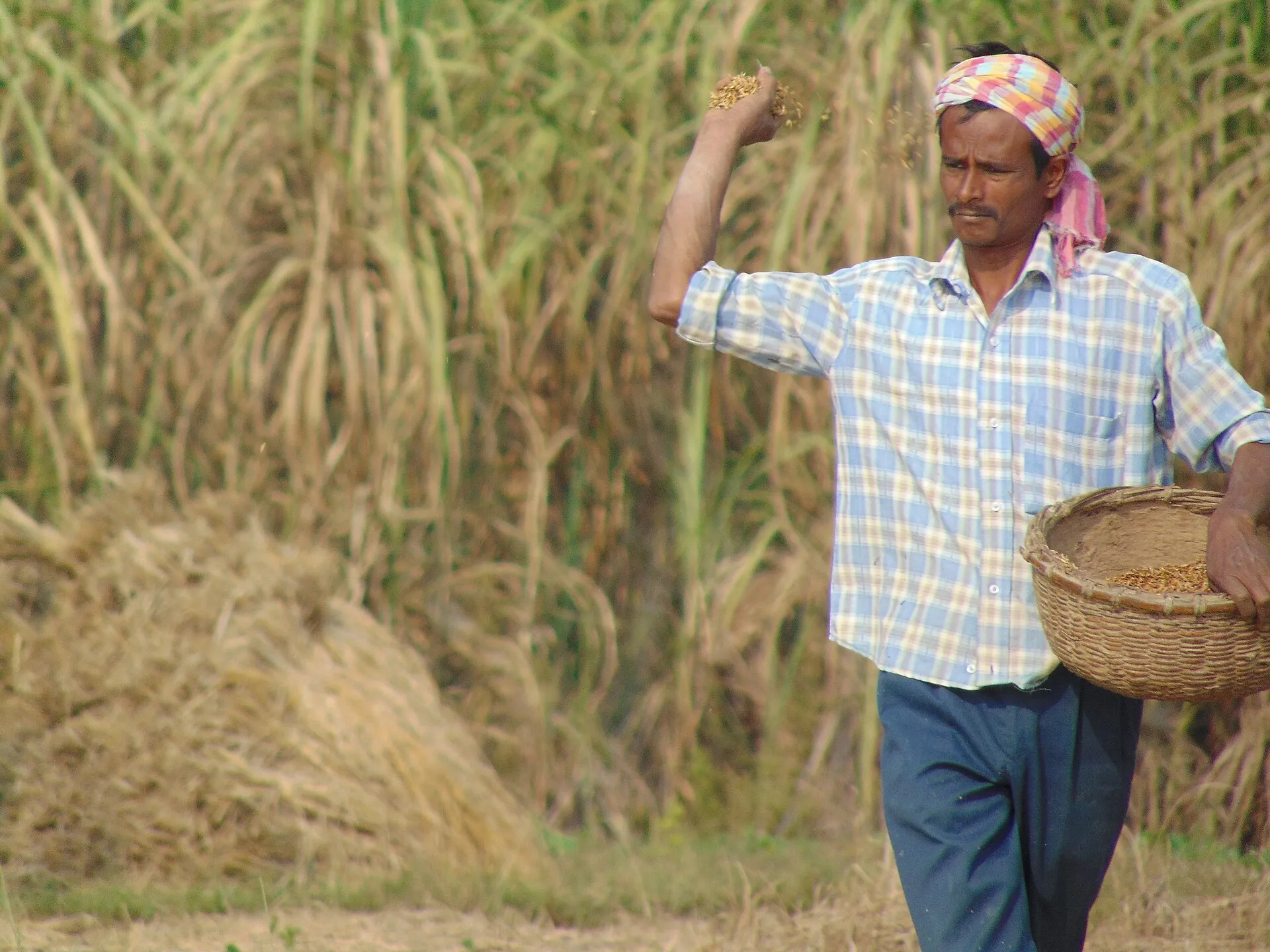
Karma is the Hindu teaching that actions have consequences that ripen over time: good deeds bring good results and harmful deeds bring suffering, in this life or in lives to come. From the Sanskrit word karman, meaning act or deed, karma is the causal law that drives samsara, the cycle of rebirth. It is not fate: because present actions are being made now, the future is being written now, and intention counts as much as the outward act.
- Punjabi name
- ਕਰਮ
- Word
- From the Sanskrit karman, an act or deed
- Teaching
- Actions ripen into results, in this life or a later one, in proportion to the deed
- Drives
- Samsara, the cycle of birth, death and rebirth
- Counts most
- Intention: the same act done deliberately or by accident does not bear the same fruit
- Four kinds
- Sanchita (stored), Prarabdha (now ripening), Agami (being made for the future), Kriyamana (immediate)
All 8 facts
- Earliest sense
- In the early Vedic texts, ritual action; the ethical sense grew later
- Shared with
- Buddhism, Jainism and Sikhism, each with its own reading
Karma is the idea that the moral universe keeps accounts. Nothing done with intention simply vanishes: every deed plants something, and what is planted eventually ripens, whether quickly or across lifetimes. It is one of the most widely known of all Hindu teachings, shared in different forms with Buddhism, Jainism and Sikhism, and it answers two questions at once: why do the good suffer and the wicked prosper, and what should a person do about it.
What is karma?
Karma comes from the Sanskrit karman, simply an act or deed. As a teaching it is the universal causal law by which an action, and the intention behind it, determines the future experience of the one who acts. It works through samsara, the cycle of rebirth: the conditions of this life reflect deeds of lives before, and the deeds of this life shape lives to come. In its earliest appearances, in Vedic texts of roughly 1000 to 700 BCE, karman meant ritual and sacrificial action whose fruit the gods delivered; the wider ethical sense, covering all intentional action, grew as the Upanishads and the epics developed the teaching. The Brihadaranyaka Upanishad states the ethical turn plainly: a person becomes good by good deeds and bad by bad deeds.
Intention counts as much as the act
Karma is not a mechanical score of outer behaviour. The tradition weighs the mind behind the deed: an injury caused by genuine accident does not carry the fruit of an injury plotted and enjoyed, and a gift given for show does not ripen like a gift given in secret kindness. Desire and attachment strengthen the bond: action done while craving its reward binds the doer to the wheel, while action done as duty, without clutching at results, gradually loosens it. This is why the Bhagavad Gita's central counsel is not to stop acting but to act without attachment, and why intention, in karma's accounting, is itself a deed.
A deed ends in a moment, but its fruit may fall years or lifetimes later, so the schools had to explain how an act bridges that gap. The Vedic tradition spoke of apurva, a latent potency laid down by an act, which sprouts in time like a seed into its fruit. Yoga and Buddhist teachers gave psychological answers: an act leaves samskaras, dispositional tendencies, and vasanas, inner traces that shape character, habit and perception, so that karma works in part as the slow formation of the person who acted. Jain teaching is the most physical of all: karma is a fine material substance that settles on the soul, the jiva, making it heavy and impure and miring it in the world of rebirth, to be shed only by disciplined living. The pictures differ, but they agree on the core point: nothing intentional is ever only in the past.
The four kinds of karma
Teachers traditionally sort karma into four kinds. Sanchita is the whole store accumulated over past lives, too vast to ripen at once. Prarabdha is the portion of that store allotted to this life, already ripening: it shapes the family, body and circumstances one is born into, and even the liberated are said to live out its remainder. Kriyamana is the karma being made now that bears fruit soon, and Agami is the karma being made now that will ripen in future lives. The picture matters because it separates what cannot be changed, the prarabdha already in motion, from what can: the deeds being chosen today.
Is karma the same as fate?
No, and the tradition is firm on the point. Fate would mean the future is fixed and effort useless; karma says the opposite, that the present was shaped by the past precisely because actions have consequences, and the future will be shaped the same way by actions taken now. Free will is real inside the teaching: prarabdha explains the hand one is dealt, but the playing of it is one's own. Karma also gives the tradition its main explanation of undeserved suffering and unearned fortune, the child born into hardship or ease, without laying either on the whim of a god: both are harvests, and every life is also a sowing.
One teaching, several traditions
The teaching travelled, and changed as it travelled. Buddhism kept karma and rebirth but denied the traveller: there is no eternal soul passing from body to body, only a conditioned stream of events, and release is not a better rebirth but nirvana, the ending of the craving that keeps the wheel turning. Jainism made karma the centre of its whole path. Because karmic matter binds the soul through passion and violence, the Jain life of strict non-violence, truthfulness and non-possession is a deliberate programme for stopping new karma from flowing in and shedding the old, until the soul stands free. Hindu, Buddhist and Jain readings disagree about what carries karma and what ends it, but all three use it the same way: as the reason to live carefully, and as the explanation of why careful living matters.
Across the traditions, strict doctrine adds one more rule: karma is individual, and one person's deeds cannot ripen as another person's results. Lived religion is softer. Hindu families make offerings for their ancestors, Buddhists and Hindus both practise the transfer of merit, dedicating the good of an act to a parent, a teacher or all beings, and pilgrimages are undertaken for the benefit of relatives living and dead. Teachers reconcile the two in different ways. In Punjab, where a family's honour and fortune rise and fall together, everyday speech has always treated karam as something a household carries together, not only something a soul carries alone.
Karma and the way out
Karma binds because the wheel it drives, samsara, is endless: every ripened fruit is also a new seed of desire and action. The goal of the spiritual life is therefore not merely good karma, which buys a better rebirth, but freedom from the wheel altogether, moksha. The paths differ: knowledge of the self, devotion, and selfless action done as offering, which the Gita calls karma yoga, action that no longer binds because its fruit is given up. Until that freedom, karma works alongside dharma: dharma says what action is right, karma says what action does.
Karma in Punjab
The word karam lives deep in Punjabi speech, in blessings and curses and in the everyday verdict that a person's fortune is the fruit of their karam. Sikh teaching took the idea up and set it under two greater words: hukam, the divine order within which everything happens, and nadar, grace. Guru Nanak Dev Ji kept the sowing and reaping picture at the heart of the teaching, and Sikh teachers explain that he also placed a door in the wall of its arithmetic: karma can be undone by divine grace, received by living in remembrance of the Naam, working honestly, serving others and surrendering to hukam. The account book is real, but it is not a prison. The shared Punjabi vocabulary still runs on the seed and harvest picture: as you sow, so shall you reap is a Punjabi proverb as much as a doctrine.
ਕਰਮ ਇਹ ਵਿਚਾਰ ਹੈ ਕਿ ਨੈਤਿਕ ਸੰਸਾਰ ਹਿਸਾਬ ਕਿਤਾਬ ਰੱਖਦਾ ਹੈ। ਮਨਸਾ ਨਾਲ ਕੀਤਾ ਕੁਝ ਵੀ ਸਿਰਫ਼ ਅਲੋਪ ਨਹੀਂ ਹੁੰਦਾ: ਹਰ ਕਰਮ ਕੁਝ ਬੀਜਦਾ ਹੈ, ਅਤੇ ਜੋ ਬੀਜਿਆ ਜਾਂਦਾ ਹੈ ਉਹ ਅਖੀਰ ਪੱਕਦਾ ਹੈ, ਭਾਵੇਂ ਛੇਤੀ ਜਾਂ ਜਨਮਾਂ ਪਾਰ। ਇਹ ਸਾਰੀਆਂ ਹਿੰਦੂ ਸਿੱਖਿਆਵਾਂ ਵਿੱਚੋਂ ਸਭ ਤੋਂ ਵੱਧ ਜਾਣੀਆਂ ਜਾਣ ਵਾਲਿਆਂ ਵਿੱਚੋਂ ਇੱਕ ਹੈ, ਬੁੱਧ ਧਰਮ, ਜੈਨ ਧਰਮ ਅਤੇ ਸਿੱਖ ਧਰਮ ਨਾਲ ਵੱਖ ਵੱਖ ਰੂਪਾਂ ਵਿੱਚ ਸਾਂਝੀ, ਅਤੇ ਇਹ ਇੱਕੋ ਵਾਰ ਦੋ ਸਵਾਲਾਂ ਦੇ ਜਵਾਬ ਦਿੰਦੀ ਹੈ: ਚੰਗੇ ਦੁੱਖ ਕਿਉਂ ਭੋਗਦੇ ਹਨ ਅਤੇ ਦੁਸ਼ਟ ਕਿਉਂ ਫਲਦੇ ਫੁੱਲਦੇ ਹਨ, ਅਤੇ ਮਨੁੱਖ ਨੂੰ ਇਸ ਬਾਰੇ ਕੀ ਕਰਨਾ ਚਾਹੀਦਾ ਹੈ।
ਕਰਮ ਕੀ ਹੈ?
ਕਰਮ ਸੰਸਕ੍ਰਿਤ ਕਰਮਨ ਤੋਂ ਆਉਂਦਾ ਹੈ, ਸਿਰਫ਼ ਇੱਕ ਕਰਮ ਜਾਂ ਕੰਮ। ਸਿੱਖਿਆ ਵਜੋਂ ਇਹ ਉਹ ਸਰਵਵਿਆਪੀ ਕਾਰਣ ਨੇਮ ਹੈ ਜਿਸ ਨਾਲ ਇੱਕ ਕਰਮ, ਅਤੇ ਇਸ ਪਿੱਛੇ ਦੀ ਮਨਸਾ, ਕਰਨ ਵਾਲੇ ਦੇ ਭਵਿੱਖੀ ਅਨੁਭਵ ਨੂੰ ਨਿਰਧਾਰਤ ਕਰਦੀ ਹੈ। ਇਹ ਸੰਸਾਰ, ਪੁਨਰ ਜਨਮ ਦੇ ਚੱਕਰ, ਰਾਹੀਂ ਕੰਮ ਕਰਦਾ ਹੈ: ਇਸ ਜਨਮ ਦੀਆਂ ਹਾਲਤਾਂ ਪਿਛਲੇ ਜਨਮਾਂ ਦੇ ਕਰਮਾਂ ਨੂੰ ਦਰਸਾਉਂਦੀਆਂ ਹਨ, ਅਤੇ ਇਸ ਜਨਮ ਦੇ ਕਰਮ ਆਉਣ ਵਾਲੇ ਜਨਮਾਂ ਨੂੰ ਘੜਦੇ ਹਨ। ਆਪਣੀਆਂ ਸਭ ਤੋਂ ਪੁਰਾਣੀਆਂ ਪੇਸ਼ਕਾਰੀਆਂ ਵਿੱਚ, ਲਗਭਗ 1000 ਤੋਂ 700 ਈਸਾ ਪੂਰਵ ਦੇ ਵੈਦਿਕ ਗ੍ਰੰਥਾਂ ਵਿੱਚ, ਕਰਮਨ ਦਾ ਅਰਥ ਰੀਤੀ ਅਤੇ ਬਲੀਦਾਨ ਕਰਮ ਸੀ ਜਿਸ ਦਾ ਫਲ ਦੇਵਤੇ ਦਿੰਦੇ ਸਨ। ਵਿਆਪਕ ਨੈਤਿਕ ਅਰਥ, ਸਾਰੇ ਮਨਸਾ ਵਾਲੇ ਕਰਮਾਂ ਨੂੰ ਘੇਰਦਾ ਹੋਇਆ, ਉਪਨਿਸ਼ਦਾਂ ਅਤੇ ਮਹਾਕਾਵਾਂ ਵੱਲੋਂ ਸਿੱਖਿਆ ਨੂੰ ਵਿਕਸਤ ਕਰਨ ਨਾਲ ਵਧਿਆ। ਬ੍ਰਿਹਦਾਰਣਯਕ ਉਪਨਿਸ਼ਦ ਨੈਤਿਕ ਮੋੜ ਨੂੰ ਸਾਫ਼ ਕਹਿੰਦਾ ਹੈ: ਮਨੁੱਖ ਚੰਗੇ ਕਰਮਾਂ ਨਾਲ ਚੰਗਾ ਬਣਦਾ ਹੈ ਅਤੇ ਮਾੜੇ ਕਰਮਾਂ ਨਾਲ ਮਾੜਾ।
ਮਨਸਾ ਬਾਹਰੀ ਕਰਮ ਜਿੰਨੀ ਹੀ ਮਹੱਤਵਪੂਰਨ ਹੈ
ਕਰਮ ਬਾਹਰੀ ਵਿਹਾਰ ਦਾ ਮਸ਼ੀਨੀ ਹਿਸਾਬ ਨਹੀਂ ਹੈ। ਪਰੰਪਰਾ ਕਰਮ ਪਿੱਛੇ ਦੇ ਮਨ ਨੂੰ ਤੋਲਦੀ ਹੈ: ਸੱਚੀ ਦੁਰਘਟਨਾ ਨਾਲ ਹੋਈ ਸੱਟ ਉਸ ਸੱਟ ਦਾ ਫਲ ਨਹੀਂ ਰੱਖਦੀ ਜੋ ਸੋਚ ਸਮਝ ਕੇ ਅਤੇ ਮਜ਼ੇ ਨਾਲ ਕੀਤੀ ਗਈ ਹੋਵੇ, ਅਤੇ ਦਿਖਾਵੇ ਲਈ ਦਿੱਤਾ ਦਾਨ ਉਸ ਦਾਨ ਵਾਂਗ ਨਹੀਂ ਪੱਕਦਾ ਜੋ ਚੁੱਪ ਕਰਕੇ ਦਿਆਲਤਾ ਨਾਲ ਦਿੱਤਾ ਗਿਆ ਹੋਵੇ। ਲਾਲਸਾ ਅਤੇ ਮੋਹ ਬੰਧਨ ਨੂੰ ਮਜ਼ਬੂਤ ਕਰਦੇ ਹਨ: ਫਲ ਦੀ ਤਾਂਘ ਨਾਲ ਕੀਤਾ ਕਰਮ ਕਰਨ ਵਾਲੇ ਨੂੰ ਚੱਕਰ ਨਾਲ ਬੰਨ੍ਹਦਾ ਹੈ, ਜਦੋਂ ਕਿ ਫਰਜ਼ ਵਜੋਂ, ਨਤੀਜਿਆਂ ਨੂੰ ਪਕੜੇ ਬਿਨਾਂ, ਕੀਤਾ ਕਰਮ ਇਸ ਨੂੰ ਹੌਲੀ ਹੌਲੀ ਢਿੱਲਾ ਕਰਦਾ ਹੈ। ਇਸੇ ਲਈ ਭਗਵਦ ਗੀਤਾ ਦੀ ਕੇਂਦਰੀ ਸਲਾਹ ਕਰਮ ਬੰਦ ਕਰਨਾ ਨਹੀਂ, ਸਗੋਂ ਮੋਹ ਤੋਂ ਬਿਨਾਂ ਕਰਮ ਕਰਨਾ ਹੈ, ਅਤੇ ਇਸੇ ਲਈ ਮਨਸਾ, ਕਰਮ ਦੇ ਹਿਸਾਬ ਵਿੱਚ, ਆਪਣੇ ਆਪ ਵਿੱਚ ਇੱਕ ਕਰਮ ਹੈ।
ਇੱਕ ਕਰਮ ਪਲ ਵਿੱਚ ਖਤਮ ਹੋ ਜਾਂਦਾ ਹੈ, ਪਰ ਇਸ ਦਾ ਫਲ ਸਾਲਾਂ ਜਾਂ ਜਨਮਾਂ ਬਾਅਦ ਪੈ ਸਕਦਾ ਹੈ, ਇਸ ਲਈ ਸੰਪਰਦਾਵਾਂ ਨੂੰ ਸਮਝਾਉਣਾ ਪਿਆ ਕਿ ਇੱਕ ਕਰਮ ਉਸ ਫਾਸਲੇ ਨੂੰ ਕਿਵੇਂ ਪਾਰ ਕਰਦਾ ਹੈ। ਵੈਦਿਕ ਪਰੰਪਰਾ ਅਪੂਰਵ ਦੀ ਗੱਲ ਕਰਦੀ ਸੀ, ਇੱਕ ਕਰਮ ਵੱਲੋਂ ਰੱਖੀ ਗਈ ਸੁਪਤ ਸ਼ਕਤੀ, ਜੋ ਸਮੇਂ ਨਾਲ ਬੀਜ ਵਾਂਗ ਆਪਣੇ ਫਲ ਵਿੱਚ ਉੱਗਦੀ ਹੈ। ਯੋਗ ਅਤੇ ਬੁੱਧ ਅਧਿਆਪਕਾਂ ਨੇ ਮਨੋਵਿਗਿਆਨਕ ਜਵਾਬ ਦਿੱਤੇ: ਇੱਕ ਕਰਮ ਸੰਸਕਾਰ, ਸੁਭਾਅ ਦੀਆਂ ਪ੍ਰਵਿਰਤੀਆਂ, ਅਤੇ ਵਾਸਨਾਵਾਂ, ਅੰਦਰਲੇ ਨਿਸ਼ਾਨ, ਛੱਡਦਾ ਹੈ ਜੋ ਚਰਿੱਤਰ, ਆਦਤ ਅਤੇ ਧਾਰਨਾ ਨੂੰ ਘੜਦੇ ਹਨ, ਇਸ ਤਰ੍ਹਾਂ ਕਰਮ ਕੁਝ ਹੱਦ ਤੱਕ ਕਰਨ ਵਾਲੇ ਮਨੁੱਖ ਦੀ ਹੌਲੀ ਉਸਾਰੀ ਵਜੋਂ ਕੰਮ ਕਰਦਾ ਹੈ। ਜੈਨ ਸਿੱਖਿਆ ਸਭ ਤੋਂ ਵੱਧ ਭੌਤਿਕ ਹੈ: ਕਰਮ ਇੱਕ ਸੂਖਮ ਭੌਤਿਕ ਪਦਾਰਥ ਹੈ ਜੋ ਆਤਮਾ, ਜੀਵ, ਉੱਤੇ ਜੰਮਦਾ ਹੈ, ਇਸ ਨੂੰ ਭਾਰੀ ਅਤੇ ਅਸ਼ੁੱਧ ਬਣਾਉਂਦਾ ਹੈ ਅਤੇ ਪੁਨਰ ਜਨਮ ਦੇ ਸੰਸਾਰ ਵਿੱਚ ਫਸਾਉਂਦਾ ਹੈ, ਜੋ ਸਿਰਫ਼ ਅਨੁਸ਼ਾਸਨ ਵਾਲੇ ਜੀਵਨ ਨਾਲ ਹੀ ਝੜਦਾ ਹੈ। ਤਸਵੀਰਾਂ ਵੱਖਰੀਆਂ ਹਨ, ਪਰ ਉਹ ਕੇਂਦਰੀ ਗੱਲ ਉੱਤੇ ਸਹਿਮਤ ਹਨ: ਮਨਸਾ ਵਾਲਾ ਕੁਝ ਵੀ ਕਦੇ ਸਿਰਫ਼ ਅਤੀਤ ਵਿੱਚ ਨਹੀਂ ਹੁੰਦਾ।
ਕਰਮ ਦੀਆਂ ਚਾਰ ਕਿਸਮਾਂ
ਅਧਿਆਪਕ ਰਵਾਇਤੀ ਤੌਰ ਉੱਤੇ ਕਰਮ ਨੂੰ ਚਾਰ ਕਿਸਮਾਂ ਵਿੱਚ ਵੰਡਦੇ ਹਨ। ਸੰਚਿਤ ਪਿਛਲੇ ਜਨਮਾਂ ਵਿੱਚ ਇਕੱਠਾ ਹੋਇਆ ਸਾਰਾ ਭੰਡਾਰ ਹੈ, ਇੱਕੋ ਵਾਰ ਪੱਕਣ ਲਈ ਬਹੁਤ ਵਿਸ਼ਾਲ। ਪ੍ਰਾਰਬਧ ਉਸ ਭੰਡਾਰ ਦਾ ਉਹ ਹਿੱਸਾ ਹੈ ਜੋ ਇਸ ਜਨਮ ਲਈ ਨਿਰਧਾਰਤ ਹੈ, ਪਹਿਲਾਂ ਹੀ ਪੱਕ ਰਿਹਾ ਹੈ: ਇਹ ਉਸ ਪਰਿਵਾਰ, ਸਰੀਰ ਅਤੇ ਹਾਲਤਾਂ ਨੂੰ ਘੜਦਾ ਹੈ ਜਿਨ੍ਹਾਂ ਵਿੱਚ ਮਨੁੱਖ ਜਨਮਦਾ ਹੈ, ਅਤੇ ਮੁਕਤ ਹੋਏ ਵੀ ਇਸ ਦੇ ਬਾਕੀ ਹਿੱਸੇ ਨੂੰ ਜਿਉਂਦੇ ਕਹੇ ਜਾਂਦੇ ਹਨ। ਕ੍ਰਿਯਮਾਣ ਉਹ ਕਰਮ ਹੈ ਜੋ ਹੁਣ ਬਣ ਰਿਹਾ ਹੈ ਅਤੇ ਜਿਸ ਦਾ ਫਲ ਛੇਤੀ ਮਿਲਦਾ ਹੈ, ਅਤੇ ਆਗਾਮੀ ਉਹ ਕਰਮ ਹੈ ਜੋ ਹੁਣ ਬਣ ਰਿਹਾ ਹੈ ਅਤੇ ਆਉਣ ਵਾਲੇ ਜਨਮਾਂ ਵਿੱਚ ਪੱਕੇਗਾ। ਇਹ ਤਸਵੀਰ ਮਹੱਤਵਪੂਰਨ ਹੈ ਕਿਉਂਕਿ ਇਹ ਉਸ ਨੂੰ ਵੱਖ ਕਰਦੀ ਹੈ ਜੋ ਬਦਲਿਆ ਨਹੀਂ ਜਾ ਸਕਦਾ, ਪਹਿਲਾਂ ਹੀ ਚੱਲ ਰਿਹਾ ਪ੍ਰਾਰਬਧ, ਉਸ ਤੋਂ ਜੋ ਬਦਲਿਆ ਜਾ ਸਕਦਾ ਹੈ: ਅੱਜ ਚੁਣੇ ਜਾ ਰਹੇ ਕਰਮ।
ਕੀ ਕਰਮ ਕਿਸਮਤ ਵਾਂਗ ਹੀ ਹੈ?
ਨਹੀਂ, ਅਤੇ ਪਰੰਪਰਾ ਇਸ ਗੱਲ ਉੱਤੇ ਪੱਕੀ ਹੈ। ਕਿਸਮਤ ਦਾ ਅਰਥ ਹੋਵੇਗਾ ਕਿ ਭਵਿੱਖ ਤੈਅ ਹੈ ਅਤੇ ਮਿਹਨਤ ਬੇਕਾਰ ਹੈ। ਕਰਮ ਇਸ ਦੇ ਉਲਟ ਕਹਿੰਦਾ ਹੈ, ਕਿ ਵਰਤਮਾਨ ਅਤੀਤ ਨਾਲ ਇਸੇ ਲਈ ਘੜਿਆ ਗਿਆ ਕਿਉਂਕਿ ਕਰਮਾਂ ਦੇ ਨਤੀਜੇ ਹੁੰਦੇ ਹਨ, ਅਤੇ ਭਵਿੱਖ ਵੀ ਇਸੇ ਤਰ੍ਹਾਂ ਹੁਣ ਕੀਤੇ ਕਰਮਾਂ ਨਾਲ ਘੜਿਆ ਜਾਵੇਗਾ। ਸਿੱਖਿਆ ਦੇ ਅੰਦਰ ਅਜ਼ਾਦ ਮਰਜ਼ੀ ਅਸਲੀ ਹੈ: ਪ੍ਰਾਰਬਧ ਉਹ ਹੱਥ ਸਮਝਾਉਂਦਾ ਹੈ ਜੋ ਮਨੁੱਖ ਨੂੰ ਮਿਲਿਆ ਹੈ, ਪਰ ਇਸ ਨੂੰ ਖੇਡਣਾ ਉਸ ਦਾ ਆਪਣਾ ਹੈ। ਕਰਮ ਪਰੰਪਰਾ ਨੂੰ ਬਿਨਾਂ ਵਜ੍ਹਾ ਦੁੱਖ ਅਤੇ ਬਿਨਾਂ ਕਮਾਈ ਕਿਸਮਤ ਦੀ ਮੁੱਖ ਵਿਆਖਿਆ ਵੀ ਦਿੰਦਾ ਹੈ, ਮੁਸ਼ਕਲ ਜਾਂ ਸੌਖ ਵਿੱਚ ਜਨਮਿਆ ਬੱਚਾ, ਦੋਵਾਂ ਵਿੱਚੋਂ ਕਿਸੇ ਨੂੰ ਵੀ ਕਿਸੇ ਦੇਵਤੇ ਦੀ ਮਨਮਰਜ਼ੀ ਉੱਤੇ ਪਾਏ ਬਿਨਾਂ: ਦੋਵੇਂ ਵਾਢੀਆਂ ਹਨ, ਅਤੇ ਹਰ ਜਨਮ ਇੱਕ ਬਿਜਾਈ ਵੀ ਹੈ।
ਇੱਕ ਸਿੱਖਿਆ, ਕਈ ਪਰੰਪਰਾਵਾਂ
ਇਹ ਸਿੱਖਿਆ ਅੱਗੇ ਗਈ, ਅਤੇ ਜਾਂਦੀ ਜਾਂਦੀ ਬਦਲ ਗਈ। ਬੁੱਧ ਧਰਮ ਨੇ ਕਰਮ ਅਤੇ ਪੁਨਰ ਜਨਮ ਨੂੰ ਰੱਖਿਆ ਪਰ ਯਾਤਰੀ ਨੂੰ ਇਨਕਾਰ ਕਰ ਦਿੱਤਾ: ਕੋਈ ਸਦੀਵੀ ਆਤਮਾ ਇੱਕ ਸਰੀਰ ਤੋਂ ਦੂਜੇ ਸਰੀਰ ਵਿੱਚ ਨਹੀਂ ਜਾਂਦੀ, ਸਿਰਫ਼ ਹਾਲਤਾਂ ਨਾਲ ਬੱਝੀ ਘਟਨਾਵਾਂ ਦੀ ਧਾਰਾ ਹੈ, ਅਤੇ ਮੁਕਤੀ ਚੰਗਾ ਪੁਨਰ ਜਨਮ ਨਹੀਂ ਸਗੋਂ ਨਿਰਵਾਣ ਹੈ, ਉਸ ਤਾਂਘ ਦਾ ਅੰਤ ਜੋ ਚੱਕਰ ਨੂੰ ਘੁਮਾਉਂਦੀ ਰਹਿੰਦੀ ਹੈ। ਜੈਨ ਧਰਮ ਨੇ ਕਰਮ ਨੂੰ ਆਪਣੇ ਸਾਰੇ ਰਾਹ ਦਾ ਕੇਂਦਰ ਬਣਾ ਲਿਆ। ਕਿਉਂਕਿ ਕਰਮੀ ਪਦਾਰਥ ਆਤਮਾ ਨੂੰ ਭਾਵਨਾ ਅਤੇ ਹਿੰਸਾ ਰਾਹੀਂ ਬੰਨ੍ਹਦਾ ਹੈ, ਸਖ਼ਤ ਅਹਿੰਸਾ, ਸੱਚ ਅਤੇ ਅਪਰਿਗ੍ਰਹਿ ਦਾ ਜੈਨ ਜੀਵਨ ਨਵੇਂ ਕਰਮ ਨੂੰ ਅੰਦਰ ਆਉਣ ਤੋਂ ਰੋਕਣ ਅਤੇ ਪੁਰਾਣੇ ਨੂੰ ਝਾੜਨ ਦਾ ਸੋਚਿਆ ਸਮਝਿਆ ਕਾਰਜਕ੍ਰਮ ਹੈ, ਜਦੋਂ ਤੱਕ ਆਤਮਾ ਮੁਕਤ ਨਾ ਖੜ੍ਹੀ ਹੋ ਜਾਵੇ। ਹਿੰਦੂ, ਬੁੱਧ ਅਤੇ ਜੈਨ ਵਿਆਖਿਆਵਾਂ ਇਸ ਗੱਲ ਉੱਤੇ ਮਤਭੇਦ ਰੱਖਦੀਆਂ ਹਨ ਕਿ ਕਰਮ ਨੂੰ ਕੌਣ ਚੁੱਕਦਾ ਹੈ ਅਤੇ ਇਸ ਨੂੰ ਕੀ ਖਤਮ ਕਰਦਾ ਹੈ, ਪਰ ਤਿੰਨੇ ਇਸ ਨੂੰ ਇੱਕੋ ਤਰ੍ਹਾਂ ਵਰਤਦੀਆਂ ਹਨ: ਧਿਆਨ ਨਾਲ ਜਿਉਣ ਦਾ ਕਾਰਨ ਵਜੋਂ, ਅਤੇ ਇਸ ਵਿਆਖਿਆ ਵਜੋਂ ਕਿ ਧਿਆਨ ਨਾਲ ਜਿਉਣਾ ਕਿਉਂ ਮਹੱਤਵਪੂਰਨ ਹੈ।
ਸਾਰੀਆਂ ਪਰੰਪਰਾਵਾਂ ਵਿੱਚ, ਸਖ਼ਤ ਸਿਧਾਂਤ ਇੱਕ ਹੋਰ ਨੇਮ ਜੋੜਦਾ ਹੈ: ਕਰਮ ਵਿਅਕਤੀਗਤ ਹੈ, ਅਤੇ ਇੱਕ ਮਨੁੱਖ ਦੇ ਕਰਮ ਦੂਜੇ ਮਨੁੱਖ ਦੇ ਨਤੀਜਿਆਂ ਵਜੋਂ ਨਹੀਂ ਪੱਕ ਸਕਦੇ। ਜੀਵਿਆ ਧਰਮ ਨਰਮ ਹੈ। ਹਿੰਦੂ ਪਰਿਵਾਰ ਆਪਣੇ ਪੂਰਵਜਾਂ ਲਈ ਭੇਟਾਂ ਚੜ੍ਹਾਉਂਦੇ ਹਨ, ਬੁੱਧ ਅਤੇ ਹਿੰਦੂ ਦੋਵੇਂ ਪੁੰਨ ਦੇ ਤਬਾਦਲੇ ਦਾ ਅਭਿਆਸ ਕਰਦੇ ਹਨ, ਇੱਕ ਕਰਮ ਦੀ ਭਲਾਈ ਨੂੰ ਮਾਪੇ, ਅਧਿਆਪਕ ਜਾਂ ਸਾਰੇ ਜੀਵਾਂ ਲਈ ਸਮਰਪਿਤ ਕਰਦੇ ਹੋਏ, ਅਤੇ ਤੀਰਥ ਯਾਤਰਾਵਾਂ ਜਿਉਂਦੇ ਅਤੇ ਮਰੇ ਰਿਸ਼ਤੇਦਾਰਾਂ ਦੇ ਭਲੇ ਲਈ ਕੀਤੀਆਂ ਜਾਂਦੀਆਂ ਹਨ। ਅਧਿਆਪਕ ਦੋਵਾਂ ਨੂੰ ਵੱਖ ਵੱਖ ਤਰੀਕਿਆਂ ਨਾਲ ਮੇਲਦੇ ਹਨ। ਪੰਜਾਬ ਵਿੱਚ, ਜਿੱਥੇ ਪਰਿਵਾਰ ਦੀ ਇੱਜ਼ਤ ਅਤੇ ਕਿਸਮਤ ਇਕੱਠੇ ਚੜ੍ਹਦੇ ਡਿੱਗਦੇ ਹਨ, ਰੋਜ਼ਾਨਾ ਬੋਲੀ ਨੇ ਕਰਮ ਨੂੰ ਹਮੇਸ਼ਾ ਉਸ ਚੀਜ਼ ਵਜੋਂ ਲਿਆ ਹੈ ਜੋ ਪਰਿਵਾਰ ਇਕੱਠਾ ਚੁੱਕਦਾ ਹੈ, ਨਾ ਕਿ ਸਿਰਫ਼ ਉਹ ਜੋ ਆਤਮਾ ਇਕੱਲੀ ਚੁੱਕਦੀ ਹੈ।
ਕਰਮ ਅਤੇ ਬਾਹਰ ਦਾ ਰਾਹ
ਕਰਮ ਇਸ ਲਈ ਬੰਨ੍ਹਦਾ ਹੈ ਕਿਉਂਕਿ ਜਿਸ ਚੱਕਰ ਨੂੰ ਇਹ ਚਲਾਉਂਦਾ ਹੈ, ਸੰਸਾਰ, ਬੇਅੰਤ ਹੈ: ਹਰ ਪੱਕਿਆ ਫਲ ਇੱਛਾ ਅਤੇ ਕਰਮ ਦਾ ਨਵਾਂ ਬੀਜ ਵੀ ਹੈ। ਇਸ ਲਈ ਅਧਿਆਤਮਕ ਜੀਵਨ ਦਾ ਟੀਚਾ ਸਿਰਫ਼ ਚੰਗਾ ਕਰਮ ਨਹੀਂ, ਜੋ ਚੰਗਾ ਪੁਨਰ ਜਨਮ ਖਰੀਦਦਾ ਹੈ, ਸਗੋਂ ਚੱਕਰ ਤੋਂ ਪੂਰੀ ਅਜ਼ਾਦੀ ਹੈ, ਮੋਕਸ਼। ਰਾਹ ਵੱਖਰੇ ਹਨ: ਆਤਮਾ ਦਾ ਗਿਆਨ, ਭਗਤੀ, ਅਤੇ ਭੇਟ ਵਜੋਂ ਕੀਤਾ ਨਿਰਸਵਾਰਥ ਕਰਮ, ਜਿਸ ਨੂੰ ਗੀਤਾ ਕਰਮ ਯੋਗ ਕਹਿੰਦੀ ਹੈ, ਉਹ ਕਰਮ ਜੋ ਹੋਰ ਨਹੀਂ ਬੰਨ੍ਹਦਾ ਕਿਉਂਕਿ ਇਸ ਦਾ ਫਲ ਛੱਡ ਦਿੱਤਾ ਗਿਆ ਹੈ। ਉਸ ਅਜ਼ਾਦੀ ਤੱਕ, ਕਰਮ ਧਰਮ ਦੇ ਨਾਲ ਨਾਲ ਕੰਮ ਕਰਦਾ ਹੈ: ਧਰਮ ਕਹਿੰਦਾ ਹੈ ਕਿ ਕਿਹੜਾ ਕਰਮ ਸਹੀ ਹੈ, ਕਰਮ ਕਹਿੰਦਾ ਹੈ ਕਿ ਕਰਮ ਕੀ ਕਰਦਾ ਹੈ।
ਪੰਜਾਬ ਵਿੱਚ ਕਰਮ
ਕਰਮ ਸ਼ਬਦ ਪੰਜਾਬੀ ਬੋਲੀ ਵਿੱਚ ਡੂੰਘਾ ਵਸਿਆ ਹੈ, ਅਸੀਸਾਂ ਅਤੇ ਸਰਾਪਾਂ ਵਿੱਚ ਅਤੇ ਰੋਜ਼ਾਨਾ ਦੇ ਉਸ ਫੈਸਲੇ ਵਿੱਚ ਕਿ ਮਨੁੱਖ ਦੀ ਕਿਸਮਤ ਉਸ ਦੇ ਕਰਮਾਂ ਦਾ ਫਲ ਹੈ। ਸਿੱਖ ਸਿੱਖਿਆ ਨੇ ਇਸ ਵਿਚਾਰ ਨੂੰ ਲਿਆ ਅਤੇ ਇਸ ਨੂੰ ਦੋ ਵੱਡੇ ਸ਼ਬਦਾਂ ਹੇਠ ਰੱਖਿਆ: ਹੁਕਮ, ਉਹ ਬ੍ਰਹਮ ਕ੍ਰਮ ਜਿਸ ਦੇ ਅੰਦਰ ਸਭ ਕੁਝ ਵਾਪਰਦਾ ਹੈ, ਅਤੇ ਨਦਰ, ਕਿਰਪਾ। ਗੁਰੂ ਨਾਨਕ ਦੇਵ ਜੀ ਨੇ ਬਿਜਾਈ ਅਤੇ ਵਾਢੀ ਦੀ ਤਸਵੀਰ ਨੂੰ ਸਿੱਖਿਆ ਦੇ ਦਿਲ ਵਿੱਚ ਰੱਖਿਆ, ਅਤੇ ਸਿੱਖ ਅਧਿਆਪਕ ਸਮਝਾਉਂਦੇ ਹਨ ਕਿ ਉਨ੍ਹਾਂ ਨੇ ਇਸ ਦੇ ਹਿਸਾਬ ਦੀ ਕੰਧ ਵਿੱਚ ਇੱਕ ਦਰਵਾਜ਼ਾ ਵੀ ਰੱਖਿਆ: ਕਰਮ ਬ੍ਰਹਮ ਕਿਰਪਾ ਨਾਲ ਮਿਟਾਇਆ ਜਾ ਸਕਦਾ ਹੈ, ਜੋ ਨਾਮ ਦੇ ਸਿਮਰਨ ਵਿੱਚ ਰਹਿ ਕੇ, ਇਮਾਨਦਾਰੀ ਨਾਲ ਕੰਮ ਕਰ ਕੇ, ਦੂਜਿਆਂ ਦੀ ਸੇਵਾ ਕਰ ਕੇ ਅਤੇ ਹੁਕਮ ਅੱਗੇ ਝੁਕ ਕੇ ਪ੍ਰਾਪਤ ਹੁੰਦੀ ਹੈ। ਹਿਸਾਬ ਕਿਤਾਬ ਅਸਲੀ ਹੈ, ਪਰ ਇਹ ਕੈਦ ਨਹੀਂ ਹੈ। ਸਾਂਝੀ ਪੰਜਾਬੀ ਸ਼ਬਦਾਵਲੀ ਅਜੇ ਵੀ ਬੀਜ ਅਤੇ ਵਾਢੀ ਦੀ ਤਸਵੀਰ ਉੱਤੇ ਚੱਲਦੀ ਹੈ: ਜੈਸਾ ਬੀਜੀਏ, ਤੈਸਾ ਵੱਢੀਏ, ਪੰਜਾਬੀ ਅਖਾਣ ਵੀ ਹੈ ਅਤੇ ਸਿਧਾਂਤ ਵੀ।
More religion entries to explore
Jugti is free and independent. Reader support keeps the Kosh growing.
Support