
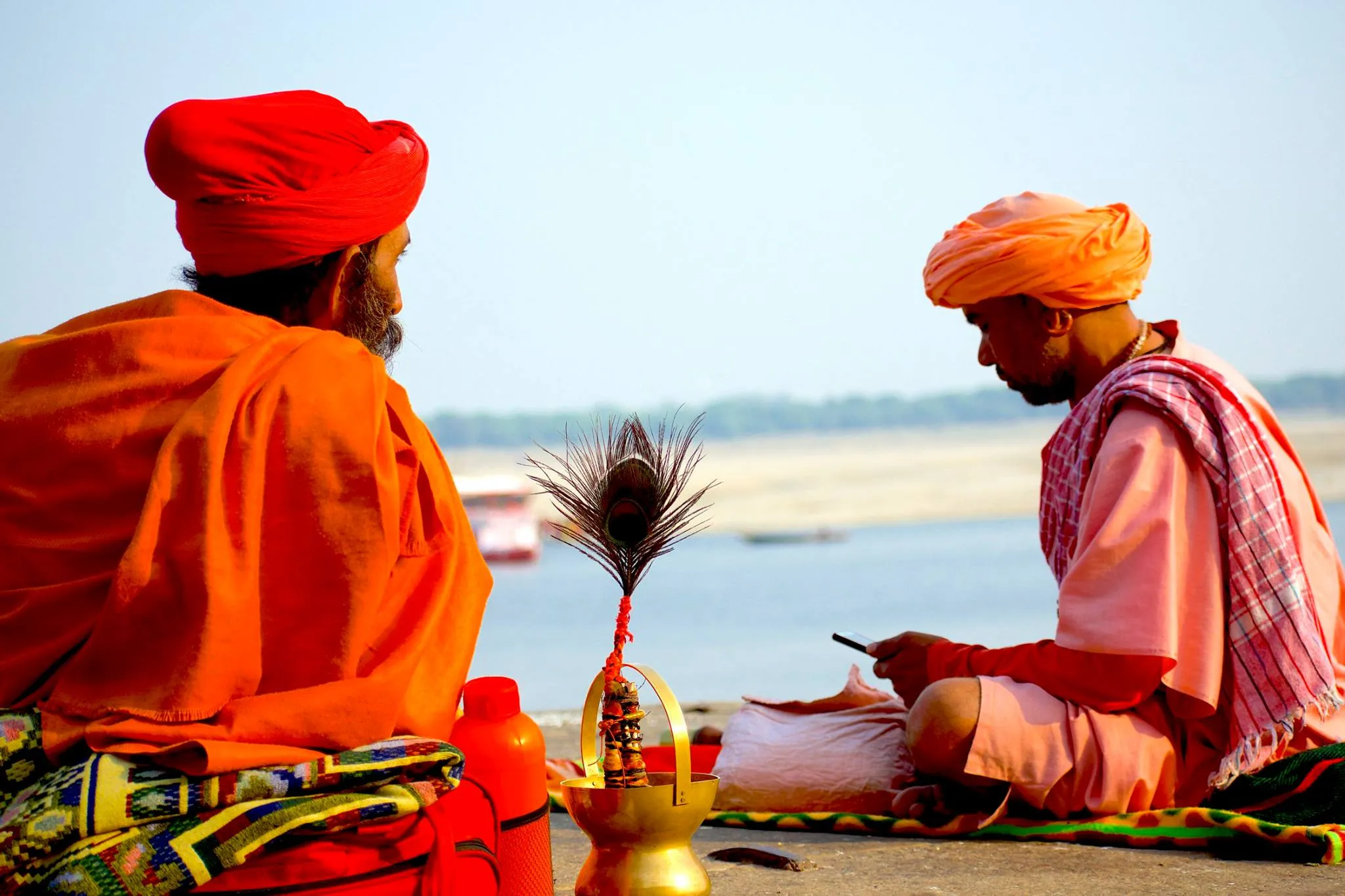
Moksha is liberation: release from samsara, the endless cycle of birth, death and rebirth driven by karma. It is the fourth and highest of the aims of Hindu life. Traditions describe it as the realisation of the atman, the true self, and of its relation to Brahman, the ultimate reality, and they map different roads to it: knowledge, devotion, selfless action and meditation. One who wins it while alive is a jivanmukta, free in this very life.
- Punjabi name
- ਮੋਕਸ਼
- Meaning
- Release or liberation, from the Sanskrit root muc, to free
- Freedom from
- Samsara, the cycle of birth, death and rebirth
- Place among aims
- The fourth and highest purushartha, after dharma, artha and kama
- Realisation
- Knowledge of the atman (self) and its relation to Brahman (ultimate reality)
- Four paths
- Jnana (knowledge), bhakti (devotion), karma (selfless action), raja (meditation)
All 8 facts
- Freed while living
- A jivanmukta
- Sacred geography
- Kashi (Varanasi), where dying is widely believed to grant liberation
If karma is the law and samsara the wheel, moksha is the exit. It is the moment the account closes for good: no more births, no more deaths, no more ripening of deeds. Hindu traditions argue richly about what exactly that freedom is and how it is won, but they agree it is real, that it is the highest thing a human life can reach, and that everything else the tradition teaches, duty, worship, discipline, is finally aimed at it.
What is moksha?
Moksha, from the Sanskrit root muc, to free or release, is liberation from samsara, the cycle of birth, death and rebirth through which every being travels, life after life, according to karma. It is the fourth of the purusharthas, the aims of life, standing after dharma, artha and kama, and above them: wealth and pleasure belong to lives inside the wheel, while moksha ends the wheel itself. The Upanishads give the teaching its classic form, turning the goal from a better heaven into knowledge: to know the self, the atman, truly, and to know what the atman is in relation to Brahman, the reality beneath all things.
What the schools say liberation is
The schools differ, and the differences matter to their followers. Advaita Vedanta, taught by Shankara, holds that atman and Brahman are one and always were: liberation is not a journey to somewhere new but the removal of the ignorance that hid an identity already true, like waking from a dream. Devotional traditions picture it otherwise: the soul, freed, lives eternally in loving nearness to God, and some bhakti teachers say plainly that a devotee would rather keep loving God than dissolve into oneness, so devotion itself becomes the goal. Samkhya frames release as discrimination, viveka: seeing clearly that purusha, pure consciousness, was never truly entangled in prakriti, the material world, at all.
The four paths
Tradition maps four great roads, the yogas, and expects different travellers to take different ones. Jnana yoga, the path of knowledge, works by study, reflection and meditation on the self until the false identifications fall away. Bhakti yoga, the path of devotion, surrenders to a chosen deity, Krishna or Shiva or the goddess, in love and trust, and counts on grace. Karma yoga, the path of action taught in the Bhagavad Gita, acts fully in the world but gives up the fruit, so action stops binding. Raja yoga, the path of meditation, disciplines body and mind through the practices Patanjali set out. Most lives, teachers admit, mix the four.
Free while living: the jivanmukta
Moksha need not wait for death. A jivanmukta is one liberated while still alive: the knowledge has landed, the binding karma is burnt, and what remains is prarabdha, the already-ripening portion, which runs out like an arrow already loosed or a potter's wheel still turning after the pot is done. Such a person is described as acting in the world without being of it, untouched by praise or blame, and their presence is itself treated as a teaching. When the body finally falls, there is no return: videhamukti, liberation at death, is complete.
Kashi and the geography of liberation
Place itself can promise moksha. Above all stands Kashi, Varanasi, Shiva's own city on the Ganga, where it is widely believed that to die within the sacred boundary is to be liberated outright, with Shiva himself whispering the liberating mantra into the ear of the dying. Pilgrims and the aged have travelled to Kashi for centuries to end their days there, and its cremation ghats, Manikarnika first among them, burn day and night. Other tirthas carry kindred promises, but Kashi's is the most absolute: the city itself is held to stand outside the wheel.
Moksha in Punjab
Punjab speaks of mukti in the same breath as its Sikh heritage, where liberation is likewise the soul's release from rebirth, won not by ritual accumulation but by grace, honest living and remembrance of the divine Name: the vocabulary of moksha passed into everyday Punjabi, in which mukti means freedom in every sense. Hindu families in Punjab hold the same hopes as elsewhere, and Punjabi pilgrims form a familiar part of the crowds at Kashi, Haridwar and the Char Dham. The idea shapes quieter things too: the reverence for the dying and the dead, and the belief that a life's last thoughts matter, all follow from taking liberation, not heaven, as the journey's end.
ਜੇ ਕਰਮ ਕਾਨੂੰਨ ਹੈ ਅਤੇ ਸੰਸਾਰ ਚੱਕਰ, ਤਾਂ ਮੋਕਸ਼ ਬਾਹਰ ਨਿਕਲਣ ਦਾ ਰਾਹ ਹੈ ਇਹ ਉਹ ਪਲ ਹੈ ਜਦੋਂ ਹਿਸਾਬ ਹਮੇਸ਼ਾ ਲਈ ਬੰਦ ਹੋ ਜਾਂਦਾ ਹੈ: ਨਾ ਹੋਰ ਜਨਮ, ਨਾ ਹੋਰ ਮੌਤਾਂ, ਨਾ ਕਰਮਾਂ ਦਾ ਹੋਰ ਪੱਕਣਾ ਹਿੰਦੂ ਪਰੰਪਰਾਵਾਂ ਇਸ ਬਾਰੇ ਅਮੀਰ ਬਹਿਸ ਕਰਦੀਆਂ ਹਨ ਕਿ ਉਹ ਆਜ਼ਾਦੀ ਠੀਕ ਠੀਕ ਕੀ ਹੈ ਅਤੇ ਕਿਵੇਂ ਜਿੱਤੀ ਜਾਂਦੀ ਹੈ, ਪਰ ਉਹ ਸਹਿਮਤ ਹਨ ਕਿ ਇਹ ਅਸਲੀ ਹੈ, ਕਿ ਇਹ ਸਭ ਤੋਂ ਉੱਚੀ ਚੀਜ਼ ਹੈ ਜਿਸ ਤੱਕ ਮਨੁੱਖੀ ਜੀਵਨ ਪਹੁੰਚ ਸਕਦਾ ਹੈ, ਅਤੇ ਕਿ ਪਰੰਪਰਾ ਜੋ ਕੁਝ ਵੀ ਸਿਖਾਉਂਦੀ ਹੈ, ਫਰਜ਼, ਪੂਜਾ, ਅਨੁਸ਼ਾਸਨ, ਅੰਤ ਵਿੱਚ ਇਸੇ ਵੱਲ ਨਿਸ਼ਾਨਾ ਹੈ
ਮੋਕਸ਼ ਕੀ ਹੈ?
ਮੋਕਸ਼, ਸੰਸਕ੍ਰਿਤ ਧਾਤੂ ਮੁਚ ਤੋਂ, ਜਿਸ ਦਾ ਅਰਥ ਹੈ ਆਜ਼ਾਦ ਕਰਨਾ ਜਾਂ ਛੱਡਣਾ, ਸੰਸਾਰ ਤੋਂ ਮੁਕਤੀ ਹੈ, ਜਨਮ, ਮੌਤ ਅਤੇ ਮੁੜ ਜਨਮ ਦਾ ਚੱਕਰ ਜਿਸ ਰਾਹੀਂ ਹਰ ਜੀਵ ਕਰਮ ਅਨੁਸਾਰ ਜੀਵਨ ਦਰ ਜੀਵਨ ਸਫਰ ਕਰਦਾ ਹੈ ਇਹ ਪੁਰੁਸ਼ਾਰਥਾਂ, ਜੀਵਨ ਦੇ ਟੀਚਿਆਂ, ਵਿੱਚੋਂ ਚੌਥਾ ਹੈ, ਧਰਮ, ਅਰਥ ਅਤੇ ਕਾਮ ਤੋਂ ਬਾਅਦ ਅਤੇ ਉਨ੍ਹਾਂ ਤੋਂ ਉੱਪਰ ਖੜ੍ਹਾ: ਧਨ ਅਤੇ ਸੁਖ ਚੱਕਰ ਦੇ ਅੰਦਰ ਦੇ ਜੀਵਨਾਂ ਦੇ ਹਨ, ਜਦੋਂ ਕਿ ਮੋਕਸ਼ ਚੱਕਰ ਨੂੰ ਹੀ ਖਤਮ ਕਰ ਦਿੰਦਾ ਹੈ ਉਪਨਿਸ਼ਦ ਇਸ ਸਿੱਖਿਆ ਨੂੰ ਇਸ ਦਾ ਸ਼ਾਸਤਰੀ ਰੂਪ ਦਿੰਦੇ ਹਨ, ਟੀਚੇ ਨੂੰ ਬਿਹਤਰ ਸਵਰਗ ਤੋਂ ਗਿਆਨ ਵੱਲ ਮੋੜਦੇ ਹਨ: ਆਪਣੇ ਆਪ ਨੂੰ, ਆਤਮਾ ਨੂੰ, ਸੱਚਮੁੱਚ ਜਾਣਨਾ, ਅਤੇ ਜਾਣਨਾ ਕਿ ਆਤਮਾ ਬ੍ਰਹਮ, ਸਭ ਚੀਜ਼ਾਂ ਦੇ ਹੇਠਾਂ ਦੀ ਹਕੀਕਤ, ਨਾਲ ਕਿਸ ਸਬੰਧ ਵਿੱਚ ਹੈ
ਸੰਪ੍ਰਦਾਵਾਂ ਕੀ ਕਹਿੰਦੀਆਂ ਹਨ ਕਿ ਮੁਕਤੀ ਕੀ ਹੈ
ਸੰਪ੍ਰਦਾਵਾਂ ਵੱਖ ਵੱਖ ਹਨ, ਅਤੇ ਇਹ ਫਰਕ ਉਨ੍ਹਾਂ ਦੇ ਮੰਨਣ ਵਾਲਿਆਂ ਲਈ ਮਹੱਤਵ ਰੱਖਦੇ ਹਨ ਸ਼ੰਕਰ ਵੱਲੋਂ ਸਿਖਾਇਆ ਅਦਵੈਤ ਵੇਦਾਂਤ ਮੰਨਦਾ ਹੈ ਕਿ ਆਤਮਾ ਅਤੇ ਬ੍ਰਹਮ ਇੱਕ ਹਨ ਅਤੇ ਹਮੇਸ਼ਾ ਸਨ: ਮੁਕਤੀ ਕਿਸੇ ਨਵੀਂ ਥਾਂ ਦੀ ਯਾਤਰਾ ਨਹੀਂ ਸਗੋਂ ਉਸ ਅਗਿਆਨਤਾ ਨੂੰ ਹਟਾਉਣਾ ਹੈ ਜਿਸ ਨੇ ਪਹਿਲਾਂ ਤੋਂ ਸੱਚੀ ਪਹਿਚਾਣ ਨੂੰ ਲੁਕਾਇਆ ਸੀ, ਸੁਪਨੇ ਤੋਂ ਜਾਗਣ ਵਾਂਗ ਭਗਤੀ ਪਰੰਪਰਾਵਾਂ ਇਸ ਨੂੰ ਹੋਰ ਤਰ੍ਹਾਂ ਵੇਖਦੀਆਂ ਹਨ: ਆਤਮਾ, ਆਜ਼ਾਦ ਹੋ ਕੇ, ਪਰਮਾਤਮਾ ਦੀ ਪਿਆਰ ਭਰੀ ਨੇੜਤਾ ਵਿੱਚ ਸਦਾ ਜੀਉਂਦੀ ਹੈ, ਅਤੇ ਕੁਝ ਭਗਤੀ ਅਧਿਆਪਕ ਸਾਫ ਕਹਿੰਦੇ ਹਨ ਕਿ ਇੱਕ ਭਗਤ ਏਕਤਾ ਵਿੱਚ ਘੁਲਣ ਨਾਲੋਂ ਪਰਮਾਤਮਾ ਨੂੰ ਪਿਆਰ ਕਰਦੇ ਰਹਿਣਾ ਪਸੰਦ ਕਰੇਗਾ, ਇਸ ਲਈ ਭਗਤੀ ਆਪਣੇ ਆਪ ਵਿੱਚ ਟੀਚਾ ਬਣ ਜਾਂਦੀ ਹੈ ਸਾਂਖਯ ਮੁਕਤੀ ਨੂੰ ਵਿਵੇਕ, ਸੂਝਬੂਝ, ਵਜੋਂ ਪੇਸ਼ ਕਰਦਾ ਹੈ: ਸਾਫ ਵੇਖਣਾ ਕਿ ਪੁਰੁਸ਼, ਸ਼ੁੱਧ ਚੇਤਨਾ, ਕਦੇ ਸੱਚਮੁੱਚ ਪ੍ਰਕ੍ਰਿਤੀ, ਪਦਾਰਥਕ ਸੰਸਾਰ, ਵਿੱਚ ਉਲਝਿਆ ਹੀ ਨਹੀਂ ਸੀ
ਚਾਰ ਰਾਹ
ਪਰੰਪਰਾ ਚਾਰ ਮਹਾਨ ਰਾਹਾਂ, ਯੋਗਾਂ, ਦਾ ਨਕਸ਼ਾ ਬਣਾਉਂਦੀ ਹੈ, ਅਤੇ ਉਮੀਦ ਕਰਦੀ ਹੈ ਕਿ ਵੱਖ ਵੱਖ ਯਾਤਰੀ ਵੱਖ ਵੱਖ ਲੈਣਗੇ ਗਿਆਨ ਯੋਗ, ਗਿਆਨ ਦਾ ਰਾਹ, ਅਧਿਐਨ, ਚਿੰਤਨ ਅਤੇ ਆਪਣੇ ਆਪ ਉੱਤੇ ਧਿਆਨ ਨਾਲ ਕੰਮ ਕਰਦਾ ਹੈ ਜਦੋਂ ਤੱਕ ਝੂਠੀਆਂ ਪਹਿਚਾਣਾਂ ਡਿੱਗ ਨਾ ਜਾਣ ਭਗਤੀ ਯੋਗ, ਭਗਤੀ ਦਾ ਰਾਹ, ਇੱਕ ਚੁਣੇ ਦੇਵਤੇ, ਕ੍ਰਿਸ਼ਨ ਜਾਂ ਸ਼ਿਵ ਜਾਂ ਦੇਵੀ, ਅੱਗੇ ਪਿਆਰ ਅਤੇ ਭਰੋਸੇ ਵਿੱਚ ਸਮਰਪਿਤ ਹੁੰਦਾ ਹੈ, ਅਤੇ ਕਿਰਪਾ ਉੱਤੇ ਭਰੋਸਾ ਕਰਦਾ ਹੈ ਕਰਮ ਯੋਗ, ਭਗਵਦ ਗੀਤਾ ਵਿੱਚ ਸਿਖਾਇਆ ਕਰਮ ਦਾ ਰਾਹ, ਸੰਸਾਰ ਵਿੱਚ ਪੂਰੀ ਤਰ੍ਹਾਂ ਕਰਮ ਕਰਦਾ ਹੈ ਪਰ ਫਲ ਤਿਆਗ ਦਿੰਦਾ ਹੈ, ਇਸ ਲਈ ਕਰਮ ਬੰਨ੍ਹਣਾ ਬੰਦ ਕਰ ਦਿੰਦਾ ਹੈ ਰਾਜ ਯੋਗ, ਧਿਆਨ ਦਾ ਰਾਹ, ਪਤੰਜਲੀ ਵੱਲੋਂ ਦੱਸੇ ਅਭਿਆਸਾਂ ਰਾਹੀਂ ਸਰੀਰ ਅਤੇ ਮਨ ਨੂੰ ਅਨੁਸ਼ਾਸਿਤ ਕਰਦਾ ਹੈ ਅਧਿਆਪਕ ਮੰਨਦੇ ਹਨ ਕਿ ਜ਼ਿਆਦਾਤਰ ਜੀਵਨ ਚਾਰਾਂ ਨੂੰ ਰਲਾਉਂਦੇ ਹਨ
ਜੀਉਂਦੇ ਜੀ ਆਜ਼ਾਦ: ਜੀਵਨਮੁਕਤ
ਮੋਕਸ਼ ਨੂੰ ਮੌਤ ਦੀ ਉਡੀਕ ਕਰਨ ਦੀ ਲੋੜ ਨਹੀਂ ਜੀਵਨਮੁਕਤ ਉਹ ਹੈ ਜੋ ਜੀਉਂਦੇ ਜੀ ਮੁਕਤ ਹੋ ਗਿਆ: ਗਿਆਨ ਪਹੁੰਚ ਗਿਆ ਹੈ, ਬੰਨ੍ਹਣ ਵਾਲਾ ਕਰਮ ਸੜ ਗਿਆ ਹੈ, ਅਤੇ ਜੋ ਬਚਿਆ ਹੈ ਉਹ ਪ੍ਰਾਰਬਧ ਹੈ, ਪਹਿਲਾਂ ਤੋਂ ਪੱਕ ਰਿਹਾ ਹਿੱਸਾ, ਜੋ ਛੱਡੇ ਗਏ ਤੀਰ ਜਾਂ ਘੜਾ ਬਣਨ ਤੋਂ ਬਾਅਦ ਵੀ ਘੁੰਮਦੇ ਘੁਮਿਆਰ ਦੇ ਚੱਕ ਵਾਂਗ ਖਤਮ ਹੁੰਦਾ ਹੈ ਅਜਿਹੇ ਇਨਸਾਨ ਨੂੰ ਸੰਸਾਰ ਵਿੱਚ ਕਰਮ ਕਰਦੇ ਪਰ ਇਸ ਦਾ ਨਾ ਹੋਣ ਵਾਲੇ ਵਜੋਂ ਦਰਸਾਇਆ ਜਾਂਦਾ ਹੈ, ਸਿਫਤ ਜਾਂ ਨਿੰਦਿਆ ਤੋਂ ਅਛੂਤਾ, ਅਤੇ ਉਸ ਦੀ ਹਾਜ਼ਰੀ ਨੂੰ ਆਪਣੇ ਆਪ ਵਿੱਚ ਇੱਕ ਸਿੱਖਿਆ ਮੰਨਿਆ ਜਾਂਦਾ ਹੈ ਜਦੋਂ ਸਰੀਰ ਅੰਤ ਵਿੱਚ ਡਿੱਗਦਾ ਹੈ, ਕੋਈ ਵਾਪਸੀ ਨਹੀਂ ਹੁੰਦੀ: ਵਿਦੇਹਮੁਕਤੀ, ਮੌਤ ਉੱਤੇ ਮੁਕਤੀ, ਪੂਰੀ ਹੁੰਦੀ ਹੈ
ਕਾਸ਼ੀ ਅਤੇ ਮੁਕਤੀ ਦਾ ਭੂਗੋਲ
ਥਾਂ ਆਪਣੇ ਆਪ ਵਿੱਚ ਮੋਕਸ਼ ਦਾ ਵਾਅਦਾ ਕਰ ਸਕਦੀ ਹੈ ਸਭ ਤੋਂ ਉੱਪਰ ਕਾਸ਼ੀ, ਵਾਰਾਣਸੀ, ਖੜ੍ਹੀ ਹੈ, ਗੰਗਾ ਉੱਤੇ ਸ਼ਿਵ ਦਾ ਆਪਣਾ ਸ਼ਹਿਰ, ਜਿੱਥੇ ਵਿਆਪਕ ਤੌਰ ਉੱਤੇ ਮੰਨਿਆ ਜਾਂਦਾ ਹੈ ਕਿ ਪਵਿੱਤਰ ਹੱਦ ਦੇ ਅੰਦਰ ਮਰਨਾ ਸਿੱਧਾ ਮੁਕਤੀ ਹੈ, ਖੁਦ ਸ਼ਿਵ ਮਰਨ ਵਾਲੇ ਦੇ ਕੰਨ ਵਿੱਚ ਮੁਕਤੀ ਵਾਲਾ ਮੰਤਰ ਫੂਕਦਾ ਹੈ ਸ਼ਰਧਾਲੂ ਅਤੇ ਬਜ਼ੁਰਗ ਸਦੀਆਂ ਤੋਂ ਆਪਣੇ ਦਿਨ ਉੱਥੇ ਮੁਕਾਉਣ ਲਈ ਕਾਸ਼ੀ ਜਾਂਦੇ ਰਹੇ ਹਨ, ਅਤੇ ਇਸ ਦੇ ਸਸਕਾਰ ਘਾਟ, ਉਨ੍ਹਾਂ ਵਿੱਚੋਂ ਪਹਿਲਾ ਮਣੀਕਰਣਿਕਾ, ਦਿਨ ਰਾਤ ਬਲਦੇ ਹਨ ਹੋਰ ਤੀਰਥ ਵੀ ਅਜਿਹੇ ਵਾਅਦੇ ਰੱਖਦੇ ਹਨ, ਪਰ ਕਾਸ਼ੀ ਦਾ ਸਭ ਤੋਂ ਪੱਕਾ ਹੈ: ਸ਼ਹਿਰ ਨੂੰ ਖੁਦ ਚੱਕਰ ਤੋਂ ਬਾਹਰ ਖੜ੍ਹਾ ਮੰਨਿਆ ਜਾਂਦਾ ਹੈ
ਪੰਜਾਬ ਵਿੱਚ ਮੋਕਸ਼
ਪੰਜਾਬ ਮੁਕਤੀ ਦੀ ਗੱਲ ਆਪਣੀ ਸਿੱਖ ਵਿਰਾਸਤ ਨਾਲ ਇੱਕੋ ਸਾਹ ਵਿੱਚ ਕਰਦਾ ਹੈ, ਜਿੱਥੇ ਮੁਕਤੀ ਵੀ ਆਤਮਾ ਦੀ ਮੁੜ ਜਨਮ ਤੋਂ ਛੁਟਕਾਰਾ ਹੈ, ਰੀਤਾਂ ਦੇ ਇਕੱਠ ਨਾਲ ਨਹੀਂ ਸਗੋਂ ਕਿਰਪਾ, ਇਮਾਨਦਾਰ ਜੀਵਨ ਅਤੇ ਨਾਮ ਦੇ ਸਿਮਰਨ ਨਾਲ ਜਿੱਤੀ ਗਈ: ਮੋਕਸ਼ ਦੀ ਸ਼ਬਦਾਵਲੀ ਰੋਜ਼ਾਨਾ ਪੰਜਾਬੀ ਵਿੱਚ ਲੰਘ ਗਈ, ਜਿਸ ਵਿੱਚ ਮੁਕਤੀ ਦਾ ਅਰਥ ਹਰ ਭਾਵ ਵਿੱਚ ਆਜ਼ਾਦੀ ਹੈ ਪੰਜਾਬ ਦੇ ਹਿੰਦੂ ਪਰਿਵਾਰ ਉਹੀ ਉਮੀਦਾਂ ਰੱਖਦੇ ਹਨ ਜੋ ਹੋਰ ਥਾਵਾਂ ਉੱਤੇ ਹਨ, ਅਤੇ ਪੰਜਾਬੀ ਸ਼ਰਧਾਲੂ ਕਾਸ਼ੀ, ਹਰਿਦੁਆਰ ਅਤੇ ਚਾਰ ਧਾਮ ਦੀਆਂ ਭੀੜਾਂ ਦਾ ਜਾਣਿਆ ਪਛਾਣਿਆ ਹਿੱਸਾ ਹਨ ਇਹ ਵਿਚਾਰ ਸ਼ਾਂਤ ਚੀਜ਼ਾਂ ਨੂੰ ਵੀ ਆਕਾਰ ਦਿੰਦਾ ਹੈ: ਮਰਨ ਵਾਲਿਆਂ ਅਤੇ ਮੋਇਆਂ ਪ੍ਰਤੀ ਆਦਰ, ਅਤੇ ਇਹ ਵਿਸ਼ਵਾਸ ਕਿ ਜੀਵਨ ਦੇ ਆਖਰੀ ਵਿਚਾਰ ਮਹੱਤਵ ਰੱਖਦੇ ਹਨ, ਸਭ ਇਸ ਗੱਲ ਤੋਂ ਨਿਕਲਦੇ ਹਨ ਕਿ ਯਾਤਰਾ ਦੇ ਅੰਤ ਵਜੋਂ ਸਵਰਗ ਨਹੀਂ, ਮੁਕਤੀ ਨੂੰ ਲਿਆ ਜਾਂਦਾ ਹੈ