
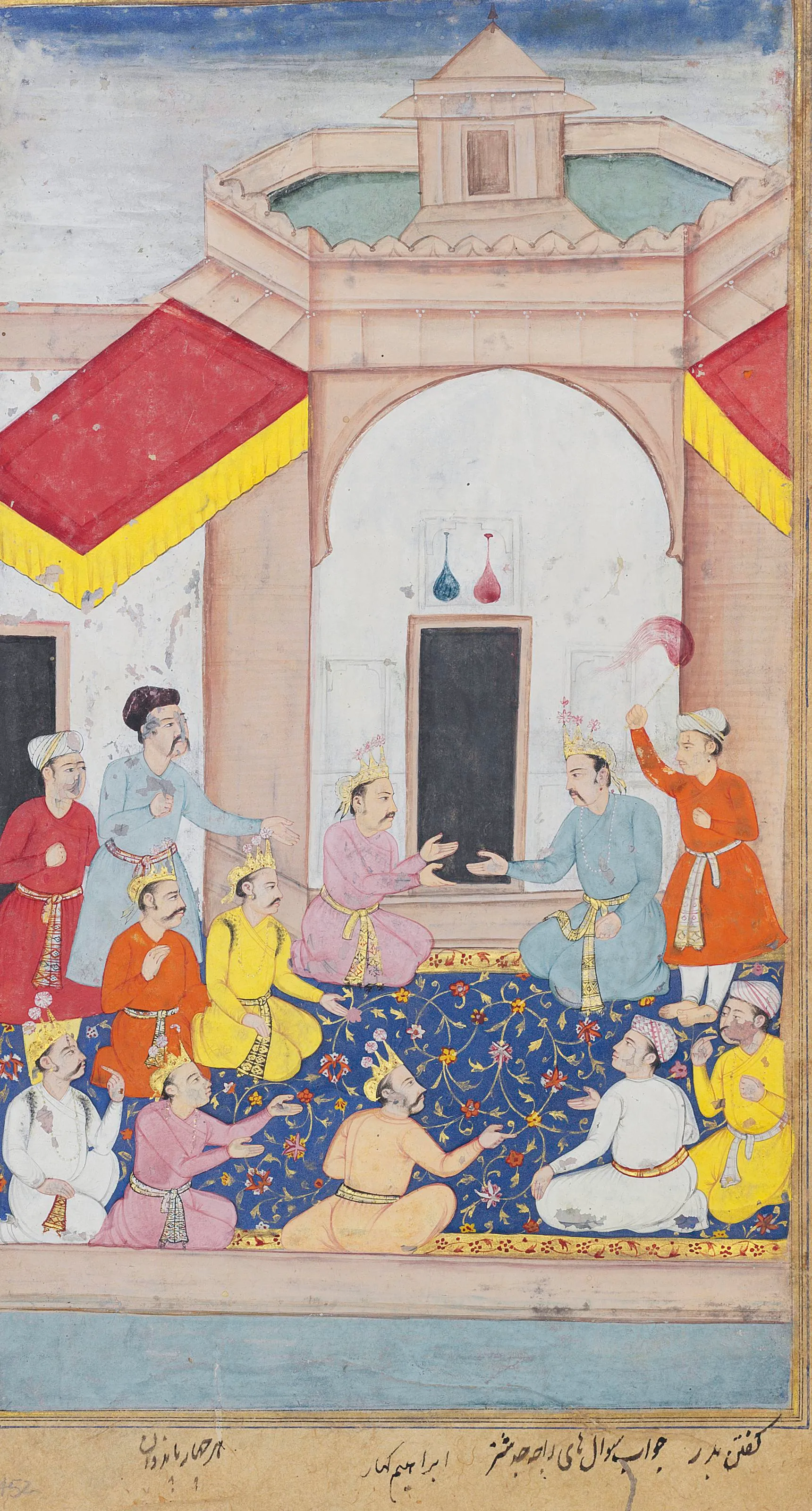
Dharma is the Hindu teaching of that which upholds: the order of the world and the right conduct that sustains it. From the Sanskrit root dhri, to hold up or sustain, dharma means duty, law, virtue and one's proper path, fitted to a person's station in society (varna) and stage of life (ashrama). It is the first of the four aims of human life, and it regulates the others: wealth and pleasure are to be pursued only within dharma, and liberation is its final horizon.
- Punjabi name
- ਧਰਮ
- Word
- From the Sanskrit root dhri, to uphold or sustain
- Core sense
- That which upholds the order of the world: duty, law, right conduct, one's proper path
- Fitted by
- Varna (one's station) and ashrama (one's stage of life)
- Four stages
- Brahmacharya (student), grihastha (householder), vanaprastha (retiree), sannyasa (renunciant)
- Four aims of life
- Dharma, artha (prosperity), kama (pleasure), moksha (liberation); dharma regulates artha and kama
All 8 facts
- Common duties
- Sadharana dharma: duties held by all, such as truthfulness, non-injury and generosity
- Key texts
- The Dharmashastras, including the Laws of Manu; the epics and the Bhagavad Gita
Dharma is the load-bearing idea of Hindu life. It names whatever holds the world up: the order of nature, the law of society, the duty of a person, and the path by which a person lives rightly inside all three. Where the English word religion points at belief, dharma points at conduct: not what you profess, but what you do, and whether what you do sustains or breaks the order you live in.
What is dharma?
The word comes from the Sanskrit root dhri, to hold, bear or sustain, and dharma is literally that which upholds. In the oldest hymns the idea appears as rita, the order by which the sun rises, the seasons turn and sacrifice works; dharma grows from that cosmic order into a social and personal one. It is at once the way things are meant to be, the law that keeps them so, and the duty laid on each person to play their part. A king's dharma, a parent's dharma and a student's dharma are all dharma, but they are not the same acts.
Duty fitted to station and stage
Classical teaching fits dharma to two measures. The first is varna, one's station: the Rig Veda's Purusha Sukta hymn pictures society as one body, with Brahmins from the mouth, Kshatriyas from the arms, Vaishyas from the thighs and Shudras from the feet, each with work the whole needs. The second is ashrama, the stage of life: brahmacharya, the celibate student; grihastha, the householder who raises a family and carries the economy; vanaprastha, the retiree who withdraws toward the forest; and sannyasa, the renunciant who lets the world go. Against these fitted duties stands sadharana dharma, the duty common to everyone: truthfulness, non-injury, purity, self-restraint and generosity, which no station excuses a person from. This scheme was written down in the Dharmashastra texts, the law books of classical Hinduism, of which the most famous is the Laws of Manu, dated by scholars to roughly 200 BCE to 200 CE: detailed codes setting out the duties of each varna and ashrama, the rules of marriage, inheritance, kingship and penance, and the conduct expected of a person at every point of life.
The first of the four aims
Hindu teaching sets human life four aims, the purusharthas. Dharma comes first; artha, wealth and power, second; kama, pleasure and love, third; and moksha, liberation, last and highest. The ordering is a moral instruction: artha and kama are good and are meant to be enjoyed, but only inside dharma's fence. Wealth seized by fraud and pleasure taken by force are not aims but failures, and the epics return to the point in story after story, above all the Mahabharata, whose whole war grows out of a king's house pursuing artha and kama outside dharma. What a person does inside dharma becomes karma, and karma shapes what comes next.
When duties collide: the Gita's question
The tradition is honest that fitted duties can collide, and its greatest text is built on such a collision. In the Bhagavad Gita, Arjuna stands between two dharmas: as a Kshatriya he must fight a just war; as a grandson, nephew and pupil he must not kill his own elders and teachers. Krishna's answer reframes the question: duty is to be judged by station and by the good of the whole order, action must be done without attachment to its fruits, and the varna that matters is grounded, the Gita says, in a person's qualities (guna) and work (karma) rather than in birth alone. The episode has made dharma a living argument in Indian life ever since: not a rulebook that ends thought, but a standard that demands it.
Dharma in Punjab
Punjab's own religious vocabulary is saturated with the word: dharam in Punjabi means religion itself, a dharamshala is a house of rest built as duty, and to call an act be-dharmi is to call it a betrayal of one's obligations. Sikh teaching inherited the term and re-centred it: the Gurus kept the insistence on righteous conduct and honest work, kirat karni, while rejecting the idea that birth fixes a person's worth or duty, teaching instead one human family before one God. The Punjabi village still runs heavily on dharma in its social sense: obligations to parents, to guests, to the poor at the door, and to the dead, felt as duties that no contract wrote down.
ਧਰਮ ਹਿੰਦੂ ਜੀਵਨ ਦਾ ਭਾਰ ਚੁੱਕਣ ਵਾਲਾ ਵਿਚਾਰ ਹੈ ਇਹ ਉਸ ਸਭ ਦਾ ਨਾਮ ਹੈ ਜੋ ਸੰਸਾਰ ਨੂੰ ਖੜ੍ਹਾ ਰੱਖਦਾ ਹੈ: ਕੁਦਰਤ ਦਾ ਕ੍ਰਮ, ਸਮਾਜ ਦਾ ਕਾਨੂੰਨ, ਇਨਸਾਨ ਦਾ ਫਰਜ਼, ਅਤੇ ਉਹ ਰਾਹ ਜਿਸ ਨਾਲ ਇਨਸਾਨ ਇਨ੍ਹਾਂ ਤਿੰਨਾਂ ਦੇ ਅੰਦਰ ਸਹੀ ਢੰਗ ਨਾਲ ਜੀਉਂਦਾ ਹੈ ਜਿੱਥੇ ਅੰਗਰੇਜ਼ੀ ਸ਼ਬਦ ਰਿਲਿਜਨ ਵਿਸ਼ਵਾਸ ਵੱਲ ਇਸ਼ਾਰਾ ਕਰਦਾ ਹੈ, ਧਰਮ ਆਚਰਣ ਵੱਲ ਇਸ਼ਾਰਾ ਕਰਦਾ ਹੈ: ਇਹ ਨਹੀਂ ਕਿ ਤੁਸੀਂ ਕੀ ਮੰਨਦੇ ਹੋ, ਸਗੋਂ ਇਹ ਕਿ ਤੁਸੀਂ ਕੀ ਕਰਦੇ ਹੋ, ਅਤੇ ਕੀ ਤੁਹਾਡਾ ਕੀਤਾ ਉਸ ਕ੍ਰਮ ਨੂੰ ਸੰਭਾਲਦਾ ਹੈ ਜਾਂ ਤੋੜਦਾ ਹੈ ਜਿਸ ਵਿੱਚ ਤੁਸੀਂ ਜੀਉਂਦੇ ਹੋ
ਧਰਮ ਕੀ ਹੈ?
ਇਹ ਸ਼ਬਦ ਸੰਸਕ੍ਰਿਤ ਧਾਤੂ ਧ੍ਰਿ ਤੋਂ ਆਇਆ ਹੈ, ਜਿਸ ਦਾ ਅਰਥ ਹੈ ਫੜਨਾ, ਚੁੱਕਣਾ ਜਾਂ ਸੰਭਾਲਣਾ, ਅਤੇ ਧਰਮ ਸ਼ਾਬਦਿਕ ਤੌਰ ਉੱਤੇ ਉਹ ਹੈ ਜੋ ਸੰਭਾਲਦਾ ਹੈ ਸਭ ਤੋਂ ਪੁਰਾਣੇ ਭਜਨਾਂ ਵਿੱਚ ਇਹ ਵਿਚਾਰ ਰਿਤ ਵਜੋਂ ਆਉਂਦਾ ਹੈ, ਉਹ ਕ੍ਰਮ ਜਿਸ ਨਾਲ ਸੂਰਜ ਚੜ੍ਹਦਾ ਹੈ, ਮੌਸਮ ਬਦਲਦੇ ਹਨ ਅਤੇ ਬਲੀਦਾਨ ਕੰਮ ਕਰਦਾ ਹੈ; ਧਰਮ ਉਸ ਬ੍ਰਹਿਮੰਡੀ ਕ੍ਰਮ ਵਿੱਚੋਂ ਸਮਾਜਿਕ ਅਤੇ ਨਿੱਜੀ ਕ੍ਰਮ ਵਿੱਚ ਵਧਦਾ ਹੈ ਇਹ ਇੱਕੋ ਸਮੇਂ ਉਹ ਹੈ ਜਿਵੇਂ ਚੀਜ਼ਾਂ ਹੋਣੀਆਂ ਚਾਹੀਦੀਆਂ ਹਨ, ਉਹ ਕਾਨੂੰਨ ਜੋ ਉਨ੍ਹਾਂ ਨੂੰ ਇਸੇ ਤਰ੍ਹਾਂ ਰੱਖਦਾ ਹੈ, ਅਤੇ ਹਰ ਇਨਸਾਨ ਉੱਤੇ ਪਾਇਆ ਫਰਜ਼ ਕਿ ਉਹ ਆਪਣਾ ਹਿੱਸਾ ਨਿਭਾਵੇ ਇੱਕ ਰਾਜੇ ਦਾ ਧਰਮ, ਇੱਕ ਮਾਤਾ ਪਿਤਾ ਦਾ ਧਰਮ ਅਤੇ ਇੱਕ ਵਿਦਿਆਰਥੀ ਦਾ ਧਰਮ ਸਭ ਧਰਮ ਹਨ, ਪਰ ਉਹ ਇੱਕੋ ਕਰਮ ਨਹੀਂ ਹਨ
ਸਥਾਨ ਅਤੇ ਪੜਾਅ ਅਨੁਸਾਰ ਫਰਜ਼
ਸ਼ਾਸਤਰੀ ਸਿੱਖਿਆ ਧਰਮ ਨੂੰ ਦੋ ਮਾਪਾਂ ਅਨੁਸਾਰ ਫਿੱਟ ਕਰਦੀ ਹੈ ਪਹਿਲਾ ਹੈ ਵਰਨ, ਕਿਸੇ ਦਾ ਸਥਾਨ: ਰਿਗਵੇਦ ਦਾ ਪੁਰੁਸ਼ ਸੂਕਤ ਸਮਾਜ ਨੂੰ ਇੱਕ ਸਰੀਰ ਵਜੋਂ ਦਰਸਾਉਂਦਾ ਹੈ, ਬ੍ਰਾਹਮਣ ਮੂੰਹ ਤੋਂ, ਕਸ਼ਤਰੀ ਬਾਹਾਂ ਤੋਂ, ਵੈਸ਼ ਪੱਟਾਂ ਤੋਂ ਅਤੇ ਸ਼ੂਦਰ ਪੈਰਾਂ ਤੋਂ, ਹਰ ਇੱਕ ਕੋਲ ਉਹ ਕੰਮ ਜਿਸ ਦੀ ਪੂਰੇ ਨੂੰ ਲੋੜ ਹੈ ਦੂਜਾ ਹੈ ਆਸ਼ਰਮ, ਜੀਵਨ ਦਾ ਪੜਾਅ: ਬ੍ਰਹਮਚਰਯ, ਬ੍ਰਹਮਚਾਰੀ ਵਿਦਿਆਰਥੀ; ਗ੍ਰਿਹਸਥ, ਘਰਬਾਰ ਵਾਲਾ ਜੋ ਪਰਿਵਾਰ ਪਾਲਦਾ ਹੈ ਅਤੇ ਆਰਥਿਕਤਾ ਚੁੱਕਦਾ ਹੈ; ਵਾਨਪ੍ਰਸਥ, ਸੇਵਾ ਮੁਕਤ ਜੋ ਜੰਗਲ ਵੱਲ ਹਟਦਾ ਹੈ; ਅਤੇ ਸੰਨਿਆਸ, ਤਿਆਗੀ ਜੋ ਸੰਸਾਰ ਨੂੰ ਛੱਡ ਦਿੰਦਾ ਹੈ ਇਨ੍ਹਾਂ ਫਿੱਟ ਫਰਜ਼ਾਂ ਦੇ ਸਾਹਮਣੇ ਸਧਾਰਨ ਧਰਮ ਖੜ੍ਹਾ ਹੈ, ਹਰ ਕਿਸੇ ਲਈ ਸਾਂਝਾ ਫਰਜ਼: ਸੱਚ, ਅਹਿੰਸਾ, ਪਵਿੱਤਰਤਾ, ਸੰਜਮ ਅਤੇ ਉਦਾਰਤਾ, ਜਿਸ ਤੋਂ ਕੋਈ ਸਥਾਨ ਕਿਸੇ ਨੂੰ ਮਾਫ ਨਹੀਂ ਕਰਦਾ ਇਹ ਯੋਜਨਾ ਧਰਮਸ਼ਾਸਤਰ ਗ੍ਰੰਥਾਂ ਵਿੱਚ ਲਿਖੀ ਗਈ, ਸ਼ਾਸਤਰੀ ਹਿੰਦੂ ਧਰਮ ਦੀਆਂ ਕਾਨੂੰਨ ਕਿਤਾਬਾਂ, ਜਿਨ੍ਹਾਂ ਵਿੱਚੋਂ ਸਭ ਤੋਂ ਮਸ਼ਹੂਰ ਮਨੂ ਦੇ ਨਿਯਮ ਹਨ, ਜਿਨ੍ਹਾਂ ਨੂੰ ਵਿਦਵਾਨ ਲਗਭਗ 200 ਈਸਾ ਪੂਰਵ ਤੋਂ 200 ਈਸਵੀ ਵਿੱਚ ਰੱਖਦੇ ਹਨ: ਵਿਸਤ੍ਰਿਤ ਨਿਯਮ ਜੋ ਹਰ ਵਰਨ ਅਤੇ ਆਸ਼ਰਮ ਦੇ ਫਰਜ਼, ਵਿਆਹ, ਵਿਰਾਸਤ, ਰਾਜ ਅਤੇ ਪ੍ਰਾਸਚਿਤ ਦੇ ਨਿਯਮ, ਅਤੇ ਜੀਵਨ ਦੇ ਹਰ ਮੋੜ ਉੱਤੇ ਇਨਸਾਨ ਤੋਂ ਉਮੀਦ ਕੀਤਾ ਆਚਰਣ ਦੱਸਦੇ ਹਨ
ਚਾਰ ਟੀਚਿਆਂ ਵਿੱਚੋਂ ਪਹਿਲਾ
ਹਿੰਦੂ ਸਿੱਖਿਆ ਮਨੁੱਖੀ ਜੀਵਨ ਨੂੰ ਚਾਰ ਟੀਚੇ, ਪੁਰੁਸ਼ਾਰਥ, ਦਿੰਦੀ ਹੈ ਧਰਮ ਪਹਿਲਾ ਆਉਂਦਾ ਹੈ; ਅਰਥ, ਧਨ ਅਤੇ ਸ਼ਕਤੀ, ਦੂਜਾ; ਕਾਮ, ਸੁਖ ਅਤੇ ਪਿਆਰ, ਤੀਜਾ; ਅਤੇ ਮੋਕਸ਼, ਮੁਕਤੀ, ਆਖਰੀ ਅਤੇ ਸਭ ਤੋਂ ਉੱਚਾ ਇਹ ਕ੍ਰਮ ਇੱਕ ਨੈਤਿਕ ਹਦਾਇਤ ਹੈ: ਅਰਥ ਅਤੇ ਕਾਮ ਚੰਗੇ ਹਨ ਅਤੇ ਉਨ੍ਹਾਂ ਦਾ ਅਨੰਦ ਲੈਣਾ ਚਾਹੀਦਾ ਹੈ, ਪਰ ਸਿਰਫ ਧਰਮ ਦੀ ਵਾੜ ਦੇ ਅੰਦਰ ਧੋਖੇ ਨਾਲ ਖੋਹਿਆ ਧਨ ਅਤੇ ਜ਼ੋਰ ਨਾਲ ਲਿਆ ਸੁਖ ਟੀਚੇ ਨਹੀਂ ਸਗੋਂ ਅਸਫਲਤਾਵਾਂ ਹਨ, ਅਤੇ ਮਹਾਂਕਾਵਿ ਕਥਾ ਦਰ ਕਥਾ ਇਸ ਗੱਲ ਉੱਤੇ ਵਾਪਸ ਆਉਂਦੇ ਹਨ, ਸਭ ਤੋਂ ਵੱਧ ਮਹਾਭਾਰਤ, ਜਿਸ ਦੀ ਸਾਰੀ ਜੰਗ ਇੱਕ ਰਾਜ ਘਰਾਣੇ ਵੱਲੋਂ ਧਰਮ ਤੋਂ ਬਾਹਰ ਅਰਥ ਅਤੇ ਕਾਮ ਦੇ ਪਿੱਛੇ ਪੈਣ ਵਿੱਚੋਂ ਵਧਦੀ ਹੈ ਜੋ ਕੁਝ ਇਨਸਾਨ ਧਰਮ ਦੇ ਅੰਦਰ ਕਰਦਾ ਹੈ ਉਹ ਕਰਮ ਬਣਦਾ ਹੈ, ਅਤੇ ਕਰਮ ਆਕਾਰ ਦਿੰਦਾ ਹੈ ਕਿ ਅੱਗੇ ਕੀ ਆਵੇਗਾ
ਜਦੋਂ ਫਰਜ਼ ਟਕਰਾਉਂਦੇ ਹਨ: ਗੀਤਾ ਦਾ ਸਵਾਲ
ਪਰੰਪਰਾ ਇਮਾਨਦਾਰ ਹੈ ਕਿ ਫਿੱਟ ਫਰਜ਼ ਟਕਰਾ ਸਕਦੇ ਹਨ, ਅਤੇ ਇਸ ਦਾ ਸਭ ਤੋਂ ਮਹਾਨ ਗ੍ਰੰਥ ਅਜਿਹੇ ਹੀ ਟਕਰਾਅ ਉੱਤੇ ਬਣਿਆ ਹੈ ਭਗਵਦ ਗੀਤਾ ਵਿੱਚ ਅਰਜੁਨ ਦੋ ਧਰਮਾਂ ਵਿਚਕਾਰ ਖੜ੍ਹਾ ਹੈ: ਕਸ਼ਤਰੀ ਵਜੋਂ ਉਸ ਨੂੰ ਨਿਆਂ ਵਾਲੀ ਜੰਗ ਲੜਨੀ ਹੀ ਹੈ; ਪੋਤਰੇ, ਭਤੀਜੇ ਅਤੇ ਚੇਲੇ ਵਜੋਂ ਉਸ ਨੂੰ ਆਪਣੇ ਵੱਡਿਆਂ ਅਤੇ ਗੁਰੂਆਂ ਨੂੰ ਨਹੀਂ ਮਾਰਨਾ ਚਾਹੀਦਾ ਕ੍ਰਿਸ਼ਨ ਦਾ ਜਵਾਬ ਸਵਾਲ ਨੂੰ ਨਵਾਂ ਰੂਪ ਦਿੰਦਾ ਹੈ: ਫਰਜ਼ ਨੂੰ ਸਥਾਨ ਅਤੇ ਪੂਰੇ ਕ੍ਰਮ ਦੀ ਭਲਾਈ ਨਾਲ ਪਰਖਿਆ ਜਾਣਾ ਚਾਹੀਦਾ ਹੈ, ਕਰਮ ਇਸ ਦੇ ਫਲਾਂ ਨਾਲ ਲਗਾਅ ਤੋਂ ਬਿਨਾਂ ਕੀਤਾ ਜਾਣਾ ਚਾਹੀਦਾ ਹੈ, ਅਤੇ ਜੋ ਵਰਨ ਮਹੱਤਵ ਰੱਖਦਾ ਹੈ ਉਹ, ਗੀਤਾ ਕਹਿੰਦੀ ਹੈ, ਸਿਰਫ ਜਨਮ ਨਾਲ ਨਹੀਂ ਸਗੋਂ ਇਨਸਾਨ ਦੇ ਗੁਣਾਂ ਅਤੇ ਕੰਮ ਉੱਤੇ ਅਧਾਰਿਤ ਹੈ ਇਸ ਘਟਨਾ ਨੇ ਧਰਮ ਨੂੰ ਉਦੋਂ ਤੋਂ ਭਾਰਤੀ ਜੀਵਨ ਵਿੱਚ ਇੱਕ ਜੀਉਂਦੀ ਬਹਿਸ ਬਣਾ ਦਿੱਤਾ ਹੈ: ਕੋਈ ਨਿਯਮ ਪੁਸਤਕ ਨਹੀਂ ਜੋ ਸੋਚ ਨੂੰ ਖਤਮ ਕਰੇ, ਸਗੋਂ ਇੱਕ ਮਾਪਦੰਡ ਜੋ ਇਸ ਦੀ ਮੰਗ ਕਰਦਾ ਹੈ
ਪੰਜਾਬ ਵਿੱਚ ਧਰਮ
ਪੰਜਾਬ ਦੀ ਆਪਣੀ ਧਾਰਮਿਕ ਸ਼ਬਦਾਵਲੀ ਇਸ ਸ਼ਬਦ ਨਾਲ ਭਰੀ ਹੋਈ ਹੈ: ਪੰਜਾਬੀ ਵਿੱਚ ਧਰਮ ਦਾ ਅਰਥ ਖੁਦ ਮਜ਼ਹਬ ਹੈ, ਧਰਮਸ਼ਾਲਾ ਫਰਜ਼ ਵਜੋਂ ਬਣਾਇਆ ਆਰਾਮ ਘਰ ਹੈ, ਅਤੇ ਕਿਸੇ ਕਰਮ ਨੂੰ ਬੇਧਰਮੀ ਕਹਿਣਾ ਇਸ ਨੂੰ ਆਪਣੀਆਂ ਜ਼ਿੰਮੇਵਾਰੀਆਂ ਨਾਲ ਧੋਖਾ ਕਹਿਣਾ ਹੈ ਸਿੱਖ ਸਿੱਖਿਆ ਨੇ ਇਸ ਸ਼ਬਦ ਨੂੰ ਵਿਰਾਸਤ ਵਿੱਚ ਲਿਆ ਅਤੇ ਇਸ ਨੂੰ ਮੁੜ ਕੇਂਦਰਿਤ ਕੀਤਾ: ਗੁਰੂਆਂ ਨੇ ਨੇਕ ਆਚਰਣ ਅਤੇ ਇਮਾਨਦਾਰ ਕਿਰਤ, ਕਿਰਤ ਕਰਨੀ, ਉੱਤੇ ਜ਼ੋਰ ਕਾਇਮ ਰੱਖਿਆ, ਜਦੋਂ ਕਿ ਇਸ ਵਿਚਾਰ ਨੂੰ ਰੱਦ ਕੀਤਾ ਕਿ ਜਨਮ ਇਨਸਾਨ ਦੀ ਕੀਮਤ ਜਾਂ ਫਰਜ਼ ਤੈਅ ਕਰਦਾ ਹੈ, ਇਸ ਦੀ ਥਾਂ ਇੱਕ ਪਰਮਾਤਮਾ ਅੱਗੇ ਇੱਕ ਮਨੁੱਖੀ ਪਰਿਵਾਰ ਦੀ ਸਿੱਖਿਆ ਦਿੱਤੀ ਪੰਜਾਬੀ ਪਿੰਡ ਅਜੇ ਵੀ ਇਸ ਦੇ ਸਮਾਜਿਕ ਅਰਥ ਵਿੱਚ ਧਰਮ ਉੱਤੇ ਬਹੁਤ ਚਲਦਾ ਹੈ: ਮਾਤਾ ਪਿਤਾ ਪ੍ਰਤੀ, ਮਹਿਮਾਨਾਂ ਪ੍ਰਤੀ, ਦਰਵਾਜ਼ੇ ਉੱਤੇ ਆਏ ਗਰੀਬ ਪ੍ਰਤੀ, ਅਤੇ ਮੋਇਆਂ ਪ੍ਰਤੀ ਜ਼ਿੰਮੇਵਾਰੀਆਂ, ਉਹ ਫਰਜ਼ ਜੋ ਕਿਸੇ ਸਮਝੌਤੇ ਨੇ ਨਹੀਂ ਲਿਖੇ