
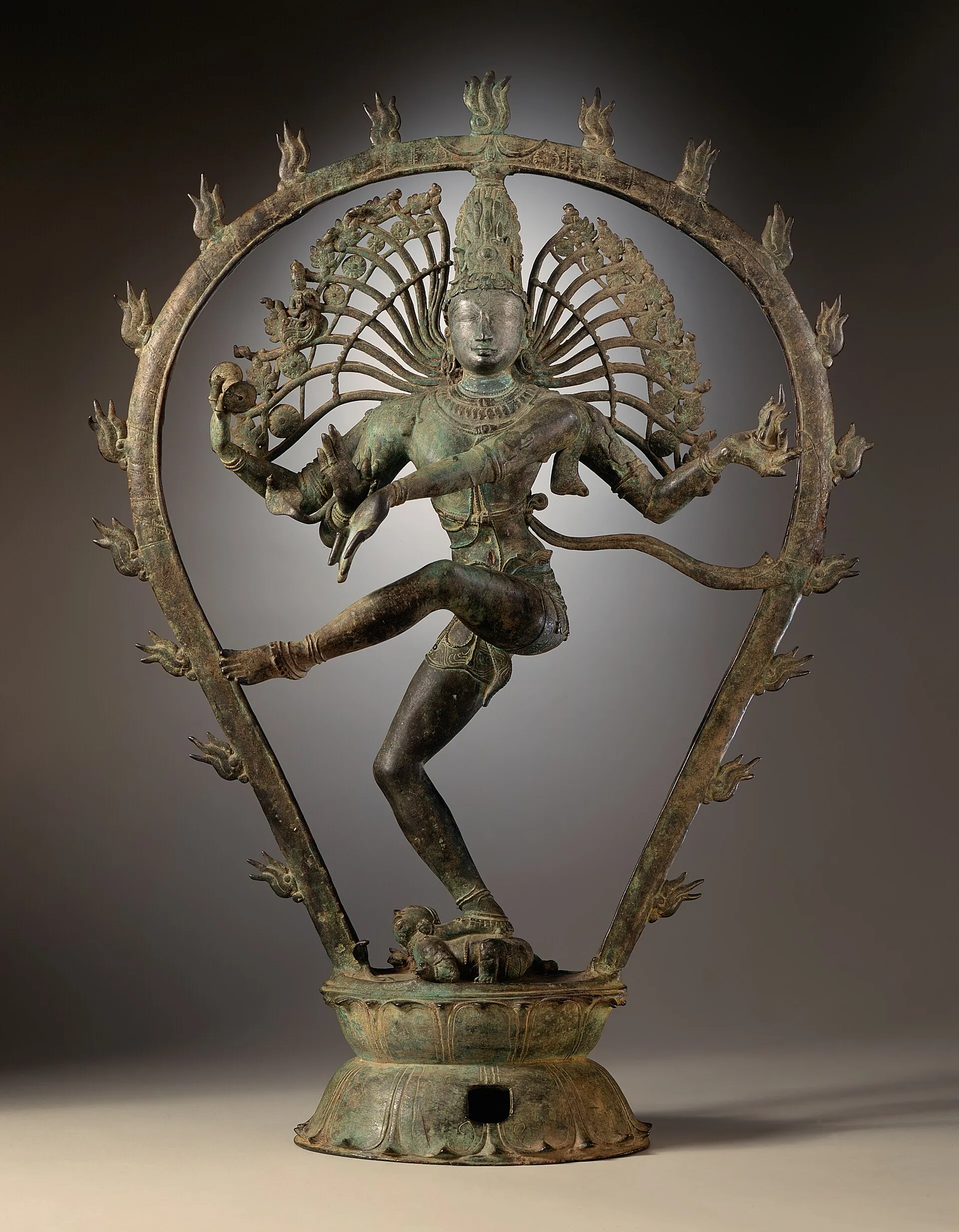
Shiva is one of the principal gods of Hinduism. In the Trimurti, the threefold form of the divine, he is the destroyer who brings the universe to its end so it can be made again, while his followers in the Shaiva tradition worship him as the supreme God himself. He is the great yogi of Mount Kailash, the lord of the cosmic dance, and the god worshipped in temples across India in the form of the lingam.
- Punjabi name
- ਸ਼ਿਵ
- Role
- The destroyer in the Trimurti; supreme God in Shaivism
- Other names
- Mahadev, Maheshvara, Rudra, Shankara, Bholenath, Nilkantha
- Consort
- Sati, then Parvati
- Children
- Ganesha and Kartikeya (Skanda)
- Abode
- Mount Kailash
All 10 facts
- Mount (vahana)
- Nandi, the bull
- Symbols
- Lingam, third eye, crescent moon, trident (trishula), drum (damaru), the serpent Vasuki, the Ganga in his hair
- Main festival
- Maha Shivratri
- Sacred cities
- Varanasi, Kedarnath, Ujjain, Somnath (among the twelve Jyotirlingas)
Shiva is one of the main deities of Hinduism, the destroyer in the Trimurti alongside Brahma the creator and Vishnu the preserver, and the supreme God for the Shaiva tradition, one of Hinduism's largest. He is at once an ascetic meditating on a Himalayan peak and a householder with a family, a dancer whose movement shakes the universe and a still point of silence. Hindus worship him in countless temples, most often not as a statue but as the lingam, his rounded stone emblem.
Who is Shiva?
Shiva's name means the auspicious one. Within the Trimurti, his task is destruction, but Hindu teaching treats that destruction as necessary and even kind: what is worn out is dissolved so that creation can begin again, and the individual soul is freed toward liberation, called moksha. For Shaiva Hindus, Shiva is not one god among three but God entire, performing creation, preservation and destruction himself. On a personal level, devotees turn to him for help in daily life, and his reputation as Bholenath, the simple-hearted lord who is easily pleased, makes him one of the most approachable of gods.
Forms and symbols
Shiva appears in many forms. As Nataraja, the lord of the dance, he dances inside a ring of flames, his steps enacting the rhythm of the cosmos. As a meditating yogi he sits ash-smeared on Mount Kailash, the river Ganga caught in his matted hair, a crescent moon on his forehead and the serpent Vasuki around his neck. His third eye, opened in anger, burns whatever it looks upon. Other forms include Bhairava, his fierce aspect linked with cremation grounds; Ardhanarishvara, half Shiva and half Parvati; and Dakshinamurti, the silent teacher of wisdom. Above all there is the lingam, the form in which he is worshipped daily in temples from Kedarnath to Rameswaram.
Stories told about Shiva
The epics and Puranas tell many stories of Shiva. When the gods and demons churned the ocean of milk for the nectar of immortality, a terrible poison rose first; Shiva drank it to save the world and held it in his throat, which turned blue and gave him the name Nilkantha. When the goddess Sati, his first wife, died after her father Daksha insulted him, Shiva carried her body in grief, and the places where her body parts fell became the Shakti Peethas, sacred to the goddess. He burned Kama, the god of desire, to ash with his third eye, then married Parvati, the daughter of the Himalaya, who is Sati reborn. Together they are the parents of Ganesha and Kartikeya. It was Shiva who broke the fall of the heavenly Ganga in his hair when the river descended to earth, and Shiva who destroyed the triple city of the demons with a single arrow.
How is Shiva worshipped?
Shiva's great festival is Maha Shivratri, the night of Shiva, when devotees fast, pour water and milk over the lingam and keep vigil. The month of Shravan is sacred to him, and Mondays are his day. Twelve shrines are honoured above others as Jyotirlingas, places where Shiva is said to have appeared as a column of light. On Jugti you can read about several of them: the Kashi Vishwanath Temple in Varanasi, Kedarnath high in the Himalaya, Somnath on the Gujarat coast and Mahakaleshwar at Ujjain. The cave shrine of Amarnath, where an ice lingam forms each year, draws hundreds of thousands of pilgrims, and Pashupatinath in Kathmandu is among the holiest Shiva temples in the world.
Shiva in Punjab
Every detail of Shiva's image carries a meaning. The crescent moon rests in his hair, marking his mastery over time; the river Ganga, whose fall to earth would have shattered the world, is caught and tamed in his locks and released as a gentle stream. The third eye on his forehead burned the god of desire, Kama, to ash when he dared disturb Shiva's meditation, and it stands for the wisdom that sees beyond appearances. His trident, the trishul, matches the three qualities of nature, and his hourglass drum, the damru, beats out the rhythms of creation. Snakes coil at his neck, for he is lord over death and poison, and his body is smeared with sacred ash, a reminder that all things pass. Facing his shrine in every temple sits his attendant, the bull Nandi, patient and still, waiting on his master.
The five temples of the elements
Among Shiva's countless temples, five in the Tamil country hold a special place as the Pancha Bhuta Sthalam, where he is worshipped in the form of the five elements. He is earth at Ekambareswarar in Kanchipuram, water at Jambukeswarar near Tiruchirappalli, fire at Arunachaleswarar in Tiruvannamalai, where a great beacon is lit on the hilltop at the Karthigai Deepam festival, air at Srikalahasti, and space itself at Chidambaram, the temple of his cosmic dance. A pilgrim who visits all five has honoured Shiva as the substance of the whole physical world, an idea his devotees sum up in the claim that the universe is his body.
Shiva is worshipped across Punjab, where Maha Shivratri is kept with fasts, night-long singing and fairs at Shiva temples in towns and villages on both sides of the border. In Pakistani Punjab, the Katas Raj temples near Chakwal form one of the most important Shiva sites in the region: tradition holds that Shiva wept here for Sati, and his tears formed the sacred pond around which the temple cluster stands. Punjabi Hindus also join the Amarnath pilgrimage in large numbers each summer. You can browse the region's temples in our mandirs of India guide.
ਸ਼ਿਵ ਹਿੰਦੂ ਧਰਮ ਦੇ ਮੁੱਖ ਦੇਵਤਿਆਂ ਵਿੱਚੋਂ ਇੱਕ ਹਨ, ਬ੍ਰਹਮਾ ਸਿਰਜਣਹਾਰ ਅਤੇ ਵਿਸ਼ਨੂੰ ਪਾਲਣਹਾਰ ਦੇ ਨਾਲ ਤ੍ਰਿਮੂਰਤੀ ਵਿੱਚ ਸੰਹਾਰਕ, ਅਤੇ ਸ਼ੈਵ ਪਰੰਪਰਾ ਲਈ ਪਰਮ ਪਰਮਾਤਮਾ, ਜੋ ਹਿੰਦੂ ਧਰਮ ਦੀਆਂ ਸਭ ਤੋਂ ਵੱਡੀਆਂ ਪਰੰਪਰਾਵਾਂ ਵਿੱਚੋਂ ਇੱਕ ਹੈ ਉਹ ਇੱਕੋ ਸਮੇਂ ਹਿਮਾਲੇ ਦੀ ਚੋਟੀ ਉੱਤੇ ਧਿਆਨ ਕਰਨ ਵਾਲੇ ਤਪੱਸਵੀ ਵੀ ਹਨ ਅਤੇ ਪਰਿਵਾਰ ਵਾਲੇ ਗ੍ਰਹਿਸਥੀ ਵੀ, ਅਜਿਹੇ ਨਾਚੇ ਜਿਨ੍ਹਾਂ ਦੀ ਚਾਲ ਬ੍ਰਹਿਮੰਡ ਨੂੰ ਹਿਲਾ ਦਿੰਦੀ ਹੈ ਅਤੇ ਸ਼ਾਂਤੀ ਦਾ ਸਥਿਰ ਕੇਂਦਰ ਵੀ ਹਿੰਦੂ ਉਨ੍ਹਾਂ ਨੂੰ ਅਣਗਿਣਤ ਮੰਦਰਾਂ ਵਿੱਚ ਪੂਜਦੇ ਹਨ, ਅਕਸਰ ਮੂਰਤੀ ਵਜੋਂ ਨਹੀਂ ਸਗੋਂ ਲਿੰਗਮ ਵਜੋਂ, ਜੋ ਉਨ੍ਹਾਂ ਦਾ ਗੋਲ ਪੱਥਰ ਦਾ ਪ੍ਰਤੀਕ ਹੈ
ਸ਼ਿਵ ਕੌਣ ਹਨ?
ਸ਼ਿਵ ਨਾਮ ਦਾ ਅਰਥ ਹੈ ਸ਼ੁਭ ਕਰਨ ਵਾਲਾ ਤ੍ਰਿਮੂਰਤੀ ਵਿੱਚ ਉਨ੍ਹਾਂ ਦਾ ਕੰਮ ਸੰਹਾਰ ਹੈ, ਪਰ ਹਿੰਦੂ ਸਿੱਖਿਆ ਇਸ ਸੰਹਾਰ ਨੂੰ ਜ਼ਰੂਰੀ ਅਤੇ ਕਿਰਪਾਲੂ ਮੰਨਦੀ ਹੈ: ਜੋ ਘਸਿਆ ਪੁਰਾਣਾ ਹੈ ਉਹ ਮਿਟਦਾ ਹੈ ਤਾਂ ਕਿ ਸਿਰਜਣਾ ਫਿਰ ਸ਼ੁਰੂ ਹੋ ਸਕੇ, ਅਤੇ ਜੀਵ ਆਤਮਾ ਮੁਕਤੀ ਵੱਲ ਮੁਕਤ ਹੁੰਦੀ ਹੈ ਸ਼ੈਵ ਹਿੰਦੂਆਂ ਲਈ ਸ਼ਿਵ ਤਿੰਨਾਂ ਵਿੱਚੋਂ ਇੱਕ ਦੇਵਤਾ ਨਹੀਂ, ਸਗੋਂ ਸੰਪੂਰਨ ਪਰਮਾਤਮਾ ਹਨ, ਜੋ ਸਿਰਜਣਾ, ਪਾਲਣਾ ਅਤੇ ਸੰਹਾਰ ਸਭ ਆਪ ਕਰਦੇ ਹਨ ਨਿੱਜੀ ਪੱਧਰ ਉੱਤੇ ਸ਼ਰਧਾਲੂ ਰੋਜ਼ਾਨਾ ਜੀਵਨ ਵਿੱਚ ਮਦਦ ਲਈ ਉਨ੍ਹਾਂ ਵੱਲ ਮੁੜਦੇ ਹਨ, ਅਤੇ ਭੋਲੇਨਾਥ ਵਜੋਂ ਉਨ੍ਹਾਂ ਦੀ ਸਾਖ, ਜੋ ਸਿੱਧੇ ਦਿਲ ਵਾਲੇ ਅਤੇ ਛੇਤੀ ਪ੍ਰਸੰਨ ਹੋਣ ਵਾਲੇ ਪ੍ਰਭੂ ਹਨ, ਉਨ੍ਹਾਂ ਨੂੰ ਸਭ ਤੋਂ ਸੌਖੇ ਪਹੁੰਚ ਵਾਲੇ ਦੇਵਤਿਆਂ ਵਿੱਚੋਂ ਇੱਕ ਬਣਾਉਂਦੀ ਹੈ
ਰੂਪ ਅਤੇ ਪ੍ਰਤੀਕ
ਸ਼ਿਵ ਕਈ ਰੂਪਾਂ ਵਿੱਚ ਦਿੱਸਦੇ ਹਨ ਨਟਰਾਜ ਵਜੋਂ, ਨਾਚ ਦੇ ਪ੍ਰਭੂ, ਉਹ ਅੱਗ ਦੇ ਘੇਰੇ ਵਿੱਚ ਨੱਚਦੇ ਹਨ, ਉਨ੍ਹਾਂ ਦੇ ਕਦਮ ਬ੍ਰਹਿਮੰਡ ਦੀ ਤਾਲ ਬਣਦੇ ਹਨ ਧਿਆਨ ਕਰਨ ਵਾਲੇ ਯੋਗੀ ਵਜੋਂ ਉਹ ਕੈਲਾਸ਼ ਪਰਬਤ ਉੱਤੇ ਸੁਆਹ ਮਲ ਕੇ ਬੈਠਦੇ ਹਨ, ਗੰਗਾ ਨਦੀ ਉਨ੍ਹਾਂ ਦੀਆਂ ਜਟਾਵਾਂ ਵਿੱਚ ਰੁਕੀ ਹੋਈ ਹੈ, ਮੱਥੇ ਉੱਤੇ ਚੰਦਰਮਾ ਅਤੇ ਗਲੇ ਵਿੱਚ ਸੱਪ ਵਾਸੁਕੀ ਹੈ ਉਨ੍ਹਾਂ ਦੀ ਤੀਜੀ ਅੱਖ, ਗੁੱਸੇ ਵਿੱਚ ਖੁੱਲ੍ਹ ਕੇ, ਜਿਸ ਵੱਲ ਵੇਖੇ ਉਸ ਨੂੰ ਸਾੜ ਦਿੰਦੀ ਹੈ ਹੋਰ ਰੂਪਾਂ ਵਿੱਚ ਭੈਰਵ ਹਨ, ਜੋ ਸ਼ਮਸ਼ਾਨਾਂ ਨਾਲ ਜੁੜਿਆ ਉਨ੍ਹਾਂ ਦਾ ਉਗਰ ਰੂਪ ਹੈ; ਅਰਧਨਾਰੀਸ਼ਵਰ, ਅੱਧੇ ਸ਼ਿਵ ਅਤੇ ਅੱਧੀ ਪਾਰਵਤੀ; ਅਤੇ ਦਕਸ਼ਿਣਾਮੂਰਤੀ, ਗਿਆਨ ਦੇ ਮੌਨ ਅਧਿਆਪਕ ਸਭ ਤੋਂ ਉੱਪਰ ਲਿੰਗਮ ਹੈ, ਜਿਸ ਰੂਪ ਵਿੱਚ ਕੇਦਾਰਨਾਥ ਤੋਂ ਰਾਮੇਸ਼ਵਰਮ ਤੱਕ ਮੰਦਰਾਂ ਵਿੱਚ ਰੋਜ਼ ਉਨ੍ਹਾਂ ਦੀ ਪੂਜਾ ਹੁੰਦੀ ਹੈ
ਸ਼ਿਵ ਬਾਰੇ ਕਥਾਵਾਂ
ਮਹਾਂਕਾਵਿ ਅਤੇ ਪੁਰਾਣ ਸ਼ਿਵ ਦੀਆਂ ਕਈ ਕਥਾਵਾਂ ਦੱਸਦੇ ਹਨ ਜਦੋਂ ਦੇਵਤਿਆਂ ਅਤੇ ਦੈਂਤਾਂ ਨੇ ਅੰਮ੍ਰਿਤ ਲਈ ਦੁੱਧ ਦੇ ਸਮੁੰਦਰ ਨੂੰ ਰਿੜਕਿਆ, ਤਾਂ ਪਹਿਲਾਂ ਭਿਆਨਕ ਜ਼ਹਿਰ ਨਿਕਲਿਆ; ਸ਼ਿਵ ਨੇ ਸੰਸਾਰ ਨੂੰ ਬਚਾਉਣ ਲਈ ਉਹ ਜ਼ਹਿਰ ਪੀ ਲਿਆ ਅਤੇ ਆਪਣੇ ਗਲੇ ਵਿੱਚ ਰੋਕ ਲਿਆ, ਜਿਸ ਨਾਲ ਉਨ੍ਹਾਂ ਦਾ ਗਲਾ ਨੀਲਾ ਹੋ ਗਿਆ ਅਤੇ ਉਨ੍ਹਾਂ ਨੂੰ ਨੀਲਕੰਠ ਨਾਮ ਮਿਲਿਆ ਜਦੋਂ ਉਨ੍ਹਾਂ ਦੀ ਪਹਿਲੀ ਪਤਨੀ ਸਤੀ ਦੀ ਮੌਤ ਹੋ ਗਈ, ਕਿਉਂਕਿ ਉਸ ਦੇ ਪਿਤਾ ਦਕਸ਼ ਨੇ ਸ਼ਿਵ ਦਾ ਅਪਮਾਨ ਕੀਤਾ ਸੀ, ਤਾਂ ਸ਼ਿਵ ਨੇ ਦੁੱਖ ਵਿੱਚ ਉਸ ਦਾ ਸਰੀਰ ਚੁੱਕ ਕੇ ਘੁੰਮਿਆ, ਅਤੇ ਜਿੱਥੇ ਉਸ ਦੇ ਸਰੀਰ ਦੇ ਅੰਗ ਡਿੱਗੇ ਉਹ ਥਾਂ ਸ਼ਕਤੀ ਪੀਠ ਬਣ ਗਏ, ਜੋ ਦੇਵੀ ਲਈ ਪਵਿੱਤਰ ਹਨ ਉਨ੍ਹਾਂ ਨੇ ਕਾਮਦੇਵ ਨੂੰ ਆਪਣੀ ਤੀਜੀ ਅੱਖ ਨਾਲ ਸਾੜ ਕੇ ਸੁਆਹ ਕਰ ਦਿੱਤਾ, ਫਿਰ ਪਾਰਵਤੀ ਨਾਲ ਵਿਆਹ ਕੀਤਾ, ਜੋ ਹਿਮਾਲੇ ਦੀ ਧੀ ਅਤੇ ਸਤੀ ਦਾ ਪੁਨਰਜਨਮ ਹੈ ਦੋਵੇਂ ਮਿਲ ਕੇ ਗਣੇਸ਼ ਅਤੇ ਕਾਰਤਿਕੇਯ ਦੇ ਮਾਪੇ ਹਨ ਇਹ ਸ਼ਿਵ ਹੀ ਸਨ ਜਿਨ੍ਹਾਂ ਨੇ ਸਵਰਗੀ ਗੰਗਾ ਦੇ ਧਰਤੀ ਉੱਤੇ ਉਤਰਨ ਵੇਲੇ ਉਸ ਦਾ ਵੇਗ ਆਪਣੀਆਂ ਜਟਾਵਾਂ ਵਿੱਚ ਰੋਕਿਆ, ਅਤੇ ਸ਼ਿਵ ਹੀ ਸਨ ਜਿਨ੍ਹਾਂ ਨੇ ਦੈਂਤਾਂ ਦੇ ਤਿੰਨ ਸ਼ਹਿਰਾਂ ਨੂੰ ਇੱਕੋ ਤੀਰ ਨਾਲ ਨਸ਼ਟ ਕੀਤਾ
ਸ਼ਿਵ ਦੀ ਪੂਜਾ ਕਿਵੇਂ ਹੁੰਦੀ ਹੈ?
ਸ਼ਿਵ ਦਾ ਵੱਡਾ ਤਿਉਹਾਰ ਮਹਾ ਸ਼ਿਵਰਾਤਰੀ ਹੈ, ਸ਼ਿਵ ਦੀ ਰਾਤ, ਜਦੋਂ ਸ਼ਰਧਾਲੂ ਵਰਤ ਰੱਖਦੇ ਹਨ, ਲਿੰਗਮ ਉੱਤੇ ਪਾਣੀ ਅਤੇ ਦੁੱਧ ਚੜ੍ਹਾਉਂਦੇ ਹਨ ਅਤੇ ਰਾਤ ਭਰ ਜਾਗਰਣ ਕਰਦੇ ਹਨ ਸਾਵਣ ਦਾ ਮਹੀਨਾ ਉਨ੍ਹਾਂ ਲਈ ਪਵਿੱਤਰ ਹੈ, ਅਤੇ ਸੋਮਵਾਰ ਉਨ੍ਹਾਂ ਦਾ ਦਿਨ ਹੈ ਬਾਰਾਂ ਸਥਾਨ ਜੋਤਿਰਲਿੰਗਾਂ ਵਜੋਂ ਸਭ ਤੋਂ ਉੱਚੇ ਮੰਨੇ ਜਾਂਦੇ ਹਨ, ਜਿੱਥੇ ਕਿਹਾ ਜਾਂਦਾ ਹੈ ਕਿ ਸ਼ਿਵ ਚਾਨਣ ਦੇ ਥੰਮ ਵਜੋਂ ਪ੍ਰਗਟ ਹੋਏ ਸਨ ਜੁਗਤੀ ਉੱਤੇ ਤੁਸੀਂ ਉਨ੍ਹਾਂ ਵਿੱਚੋਂ ਕਈਆਂ ਬਾਰੇ ਪੜ੍ਹ ਸਕਦੇ ਹੋ: ਵਾਰਾਨਸੀ ਦਾ ਕਾਸ਼ੀ ਵਿਸ਼ਵਨਾਥ ਮੰਦਰ, ਹਿਮਾਲੇ ਵਿੱਚ ਉੱਚਾ ਕੇਦਾਰਨਾਥ, ਗੁਜਰਾਤ ਦੇ ਕੰਢੇ ਉੱਤੇ ਸੋਮਨਾਥ ਅਤੇ ਉਜੈਨ ਦਾ ਮਹਾਕਾਲੇਸ਼ਵਰ ਅਮਰਨਾਥ ਦੀ ਗੁਫਾ ਵਾਲਾ ਸਥਾਨ, ਜਿੱਥੇ ਹਰ ਸਾਲ ਬਰਫ ਦਾ ਲਿੰਗਮ ਬਣਦਾ ਹੈ, ਲੱਖਾਂ ਸ਼ਰਧਾਲੂਆਂ ਨੂੰ ਖਿੱਚਦਾ ਹੈ, ਅਤੇ ਕਾਠਮੰਡੂ ਦਾ ਪਸ਼ੂਪਤੀਨਾਥ ਸੰਸਾਰ ਦੇ ਸਭ ਤੋਂ ਪਵਿੱਤਰ ਸ਼ਿਵ ਮੰਦਰਾਂ ਵਿੱਚੋਂ ਇੱਕ ਹੈ
ਪੰਜਾਬ ਵਿੱਚ ਸ਼ਿਵ
ਸ਼ਿਵ ਦੀ ਤਸਵੀਰ ਦਾ ਹਰ ਵੇਰਵਾ ਇੱਕ ਅਰਥ ਰੱਖਦਾ ਹੈ ਅਰਧ ਚੰਦ ਉਨ੍ਹਾਂ ਦੇ ਵਾਲਾਂ ਵਿੱਚ ਟਿਕਿਆ ਹੈ, ਜੋ ਸਮੇਂ ਉੱਤੇ ਉਨ੍ਹਾਂ ਦੇ ਅਧਿਕਾਰ ਨੂੰ ਦਰਸਾਉਂਦਾ ਹੈ; ਗੰਗਾ ਨਦੀ, ਜਿਸ ਦਾ ਧਰਤੀ ਉੱਤੇ ਡਿੱਗਣਾ ਸੰਸਾਰ ਨੂੰ ਚੂਰ ਕਰ ਦਿੰਦਾ, ਉਨ੍ਹਾਂ ਦੀਆਂ ਜਟਾਂ ਵਿੱਚ ਫੜੀ ਅਤੇ ਕਾਬੂ ਕੀਤੀ ਗਈ ਅਤੇ ਇੱਕ ਕੋਮਲ ਧਾਰਾ ਵਜੋਂ ਛੱਡੀ ਗਈ ਉਨ੍ਹਾਂ ਦੇ ਮੱਥੇ ਉੱਤੇ ਤੀਜੀ ਅੱਖ ਨੇ ਇੱਛਾ ਦੇ ਦੇਵਤੇ ਕਾਮ ਨੂੰ ਸੁਆਹ ਕਰ ਦਿੱਤਾ ਜਦੋਂ ਉਸ ਨੇ ਸ਼ਿਵ ਦੇ ਧਿਆਨ ਵਿੱਚ ਵਿਘਨ ਪਾਉਣ ਦੀ ਹਿੰਮਤ ਕੀਤੀ, ਅਤੇ ਇਹ ਉਸ ਸੂਝ ਲਈ ਖੜ੍ਹੀ ਹੈ ਜੋ ਦਿਖਾਵਿਆਂ ਤੋਂ ਪਰੇ ਵੇਖਦੀ ਹੈ ਉਨ੍ਹਾਂ ਦਾ ਤ੍ਰਿਸ਼ੂਲ ਕੁਦਰਤ ਦੇ ਤਿੰਨਾਂ ਗੁਣਾਂ ਨਾਲ ਮੇਲ ਖਾਂਦਾ ਹੈ, ਅਤੇ ਉਨ੍ਹਾਂ ਦਾ ਡਮਰੂ ਸਿਰਜਣਾ ਦੀਆਂ ਲਹਿਰਾਂ ਵਜਾਉਂਦਾ ਹੈ ਸੱਪ ਉਨ੍ਹਾਂ ਦੇ ਗਲੇ ਦੁਆਲੇ ਲਿਪਟਦੇ ਹਨ, ਕਿਉਂਕਿ ਉਹ ਮੌਤ ਅਤੇ ਜ਼ਹਿਰ ਦੇ ਮਾਲਕ ਹਨ, ਅਤੇ ਉਨ੍ਹਾਂ ਦਾ ਸਰੀਰ ਪਵਿੱਤਰ ਰਾਖ ਨਾਲ ਲਿਪਿਆ ਹੁੰਦਾ ਹੈ, ਇੱਕ ਯਾਦ ਕਰਾਉਣ ਵਾਲੀ ਗੱਲ ਕਿ ਸਭ ਚੀਜ਼ਾਂ ਲੰਘ ਜਾਂਦੀਆਂ ਹਨ ਹਰ ਮੰਦਰ ਵਿੱਚ ਉਨ੍ਹਾਂ ਦੇ ਸਥਾਨ ਅੱਗੇ ਉਨ੍ਹਾਂ ਦਾ ਸੇਵਕ, ਨੰਦੀ ਬੈਲ, ਸਬਰ ਅਤੇ ਸ਼ਾਂਤ ਬੈਠਾ ਆਪਣੇ ਮਾਲਕ ਦੀ ਉਡੀਕ ਕਰਦਾ ਹੈ
ਪੰਜ ਤੱਤਾਂ ਦੇ ਪੰਜ ਮੰਦਰ
ਸ਼ਿਵ ਦੇ ਅਣਗਿਣਤ ਮੰਦਰਾਂ ਵਿੱਚੋਂ, ਤਾਮਿਲ ਦੇਸ਼ ਦੇ ਪੰਜ ਮੰਦਰ ਪੰਚ ਭੂਤ ਸਥਲਮ ਵਜੋਂ ਵਿਸ਼ੇਸ਼ ਸਥਾਨ ਰੱਖਦੇ ਹਨ, ਜਿੱਥੇ ਉਨ੍ਹਾਂ ਨੂੰ ਪੰਜ ਤੱਤਾਂ ਦੇ ਰੂਪ ਵਿੱਚ ਪੂਜਿਆ ਜਾਂਦਾ ਹੈ ਉਹ ਕਾਂਚੀਪੁਰਮ ਦੇ ਏਕੰਬਰੇਸ਼ਵਰ ਵਿੱਚ ਧਰਤੀ ਹਨ, ਤਿਰੁਚਿਰਾਪੱਲੀ ਨੇੜੇ ਜੰਬੂਕੇਸ਼ਵਰ ਵਿੱਚ ਪਾਣੀ ਹਨ, ਤਿਰੁਵੰਨਾਮਲਾਈ ਦੇ ਅਰੁਣਾਚਲੇਸ਼ਵਰ ਵਿੱਚ ਅੱਗ ਹਨ, ਜਿੱਥੇ ਕਾਰਤੀਗਾਈ ਦੀਪਮ ਤਿਉਹਾਰ ਉੱਤੇ ਪਹਾੜੀ ਚੋਟੀ ਉੱਤੇ ਇੱਕ ਮਹਾਨ ਬੱਤੀ ਜਗਾਈ ਜਾਂਦੀ ਹੈ, ਸ਼੍ਰੀਕਾਲਹਸਤੀ ਵਿੱਚ ਹਵਾ ਹਨ, ਅਤੇ ਚਿਦੰਬਰਮ ਵਿੱਚ ਆਪ ਸਪੇਸ ਹਨ, ਜੋ ਉਨ੍ਹਾਂ ਦੇ ਬ੍ਰਹਿਮੰਡੀ ਨਾਚ ਦਾ ਮੰਦਰ ਹੈ ਜੋ ਯਾਤਰੀ ਸਾਰੇ ਪੰਜਾਂ ਦੇ ਦਰਸ਼ਨ ਕਰਦਾ ਹੈ, ਉਸ ਨੇ ਸ਼ਿਵ ਨੂੰ ਸਾਰੇ ਭੌਤਿਕ ਸੰਸਾਰ ਦੇ ਪਦਾਰਥ ਵਜੋਂ ਸਤਿਕਾਰਿਆ ਹੈ, ਇੱਕ ਵਿਚਾਰ ਜਿਸ ਨੂੰ ਉਨ੍ਹਾਂ ਦੇ ਸ਼ਰਧਾਲੂ ਇਸ ਦਾਅਵੇ ਵਿੱਚ ਸਮੇਟਦੇ ਹਨ ਕਿ ਬ੍ਰਹਿਮੰਡ ਉਨ੍ਹਾਂ ਦਾ ਸਰੀਰ ਹੈ
ਸ਼ਿਵ ਦੀ ਪੂਜਾ ਸਾਰੇ ਪੰਜਾਬ ਵਿੱਚ ਹੁੰਦੀ ਹੈ, ਜਿੱਥੇ ਮਹਾ ਸ਼ਿਵਰਾਤਰੀ ਵਰਤਾਂ, ਰਾਤ ਭਰ ਦੇ ਕੀਰਤਨ ਅਤੇ ਸਰਹੱਦ ਦੇ ਦੋਵੇਂ ਪਾਸੇ ਕਸਬਿਆਂ ਅਤੇ ਪਿੰਡਾਂ ਦੇ ਸ਼ਿਵ ਮੰਦਰਾਂ ਵਿੱਚ ਮੇਲਿਆਂ ਨਾਲ ਮਨਾਈ ਜਾਂਦੀ ਹੈ ਪਾਕਿਸਤਾਨੀ ਪੰਜਾਬ ਵਿੱਚ, ਚਕਵਾਲ ਦੇ ਨੇੜੇ ਕਟਾਸ ਰਾਜ ਮੰਦਰ ਇਸ ਖੇਤਰ ਦੇ ਸਭ ਤੋਂ ਮਹੱਤਵਪੂਰਨ ਸ਼ਿਵ ਸਥਾਨਾਂ ਵਿੱਚੋਂ ਇੱਕ ਹੈ: ਪਰੰਪਰਾ ਮੰਨਦੀ ਹੈ ਕਿ ਸ਼ਿਵ ਨੇ ਇੱਥੇ ਸਤੀ ਲਈ ਹੰਝੂ ਵਹਾਏ, ਅਤੇ ਉਨ੍ਹਾਂ ਦੇ ਹੰਝੂਆਂ ਨਾਲ ਉਹ ਪਵਿੱਤਰ ਤਲਾਅ ਬਣਿਆ ਜਿਸ ਦੇ ਆਲੇ ਦੁਆਲੇ ਮੰਦਰਾਂ ਦਾ ਸਮੂਹ ਖੜ੍ਹਾ ਹੈ ਪੰਜਾਬੀ ਹਿੰਦੂ ਹਰ ਗਰਮੀਆਂ ਵਿੱਚ ਵੱਡੀ ਗਿਣਤੀ ਵਿੱਚ ਅਮਰਨਾਥ ਯਾਤਰਾ ਵਿੱਚ ਵੀ ਸ਼ਾਮਲ ਹੁੰਦੇ ਹਨ ਤੁਸੀਂ ਸਾਡੀ ਭਾਰਤ ਦੇ ਮੰਦਰਾਂ ਵਾਲੀ ਗਾਈਡ ਵਿੱਚ ਖੇਤਰ ਦੇ ਮੰਦਰ ਵੇਖ ਸਕਦੇ ਹੋ