

Brothers (2016) is Manju Kapur's sixth novel, published by Penguin Random House India. It follows the Gaina family, a Jat family from Lalbanga village near Ajmer in Rajasthan, across some seventy years, from the freedom struggle to the Emergency. The novel opens with its own ending: Himmat Singh Gaina, chief minister of Rajasthan, has been shot by his younger brother Mangal, and the rest of the book works backwards to show how two generations of brothers arrived at that killing, with Mangal's wife Tapti at the centre of the story.
English- Author
- Manju Kapur
- Published
- 2016, Penguin Random House India
- Language
- English
- Form
- Novel
- Setting
- Lalbanga village near Ajmer, Rajasthan; 1930s to 2010s
- Previous novel
- Custody (2011)
- Next novel
- The Gallery (2023)
About the book
Brothers is a novel by Manju Kapur, published by Penguin Random House India in October 2016. It is her sixth novel, and the first to leave Delhi, the city where her earlier books were set. The story moves between Lalbanga, a village near Ajmer, the town of Ajmer itself and the city of Jaipur, and it follows one family, the Gainas, across some seventy years, from the freedom struggle through caste politics to the Emergency. At its centre is a question Kapur asks in all her novels: what does family cost the women and the younger sons who live inside it?
The novel is built on a striking piece of structure. It opens with its own ending, and then works backwards to explain how that ending came about. Reviewers noted the device at once: with the outcome already known, Kapur has to work doubly hard to keep the reader engaged in the working out of the plot, and she manages it. The result is a family saga that is also a portrait of Rajasthan changing across the twentieth century, from a world of villages and landlords to one of elections, ministries and television news.
What happens in Brothers?
The book begins with the assassination of Himmat Singh Gaina, chief minister of Rajasthan, shot by his younger brother Mangal. Tapti, Mangal's wife and Himmat's on-off lover, is left facing an uncertain future, bereft of a husband, now jailed indefinitely, and of the only source of happiness and affection she had ever known. From that ending, the story steps back two generations to show how the family arrived there.
In the ancestral village of Lalbanga, the brothers' uncle Virpal flees rural life for Ajmer, bent on joining Gandhi in protesting against British rule. His brother Dhanpal is left behind and, in stark contrast, is corralled into joining the British army to fight the Germans in Africa. Both brothers escape the fatal consequences such twists of life could produce: Dhanpal returns from the war scarred but alive, while a childless Brahmin happens upon Virpal sleeping rough and takes him in. That chain of chance sets the tone for what follows, as Virpal's nephew Himmat takes up his uncle's political ambitions and rises to the top.
Himmat's family believes his rise is built on fate and connections rather than on charisma and sheer hard work, and his brother Mangal expects, and is granted, similar sponsorship. But Mangal does not have the drive or the talent to put it to good use. When his projects fail, he is resentful and lays the blame squarely on his brother. The jealousy and bitterness build, year by year, into the foundation for the eventual killing.
ਕਿਤਾਬ ਬਾਰੇ
Brothers ਮੰਜੂ ਕਪੂਰ ਦਾ ਨਾਵਲ ਹੈ, ਜੋ ਅਕਤੂਬਰ 2016 ਵਿੱਚ ਪੈਂਗੁਇਨ ਰੈਂਡਮ ਹਾਊਸ ਇੰਡੀਆ ਵੱਲੋਂ ਛਪਿਆ। ਇਹ ਉਸ ਦਾ ਛੇਵਾਂ ਨਾਵਲ ਹੈ, ਅਤੇ ਪਹਿਲਾ ਨਾਵਲ ਹੈ ਜੋ ਦਿੱਲੀ ਤੋਂ ਬਾਹਰ ਨਿਕਲਦਾ ਹੈ। ਕਹਾਣੀ ਅਜਮੇਰ ਨੇੜਲੇ ਪਿੰਡ ਲਾਲਬੰਗਾ, ਅਜਮੇਰ ਸ਼ਹਿਰ ਅਤੇ ਜੈਪੁਰ ਵਿਚਕਾਰ ਚਲਦੀ ਹੈ, ਅਤੇ ਇਹ ਗੈਨਾ ਪਰਿਵਾਰ ਨੂੰ ਲਗਭਗ ਸੱਤਰ ਸਾਲਾਂ ਵਿੱਚ ਦੱਸਦੀ ਹੈ, ਆਜ਼ਾਦੀ ਸੰਗਰਾਮ ਤੋਂ ਜਾਤ ਸਿਆਸਤ ਅਤੇ ਐਮਰਜੈਂਸੀ ਤੱਕ। ਇਸ ਦੇ ਕੇਂਦਰ ਵਿੱਚ ਉਹੀ ਸਵਾਲ ਹੈ ਜੋ ਕਪੂਰ ਆਪਣੇ ਹਰ ਨਾਵਲ ਵਿੱਚ ਪੁੱਛਦੀ ਹੈ: ਪਰਿਵਾਰ ਉਨ੍ਹਾਂ ਔਰਤਾਂ ਅਤੇ ਛੋਟੇ ਪੁੱਤਰਾਂ ਤੋਂ ਕੀ ਕੀਮਤ ਮੰਗਦਾ ਹੈ ਜੋ ਇਸ ਦੇ ਅੰਦਰ ਰਹਿੰਦੇ ਹਨ।
ਨਾਵਲ ਇੱਕ ਖ਼ਾਸ ਬਣਤਰ ਉੱਤੇ ਖੜ੍ਹਾ ਹੈ। ਇਹ ਆਪਣੇ ਅੰਤ ਨਾਲ ਸ਼ੁਰੂ ਹੁੰਦਾ ਹੈ, ਅਤੇ ਫਿਰ ਪਿੱਛੇ ਮੁੜ ਕੇ ਦੱਸਦਾ ਹੈ ਕਿ ਉਹ ਅੰਤ ਕਿਵੇਂ ਆਇਆ। ਆਲੋਚਕਾਂ ਨੇ ਇਹ ਤਰਕੀਬ ਤੁਰੰਤ ਵੇਖੀ: ਅੰਤ ਪਹਿਲਾਂ ਹੀ ਪਤਾ ਹੋਣ ਕਰਕੇ ਕਪੂਰ ਨੂੰ ਪਾਠਕ ਨੂੰ ਕਹਾਣੀ ਵਿੱਚ ਬੰਨ੍ਹੀ ਰੱਖਣ ਲਈ ਦੁੱਗਣੀ ਮਿਹਨਤ ਕਰਨੀ ਪੈਂਦੀ ਹੈ, ਅਤੇ ਉਹ ਇਹ ਕਰ ਵਿਖਾਉਂਦੀ ਹੈ। ਨਤੀਜਾ ਇੱਕ ਪਰਿਵਾਰਕ ਗਾਥਾ ਹੈ ਜੋ ਵੀਹਵੀਂ ਸਦੀ ਵਿੱਚ ਬਦਲਦੇ ਰਾਜਸਥਾਨ ਦੀ ਤਸਵੀਰ ਵੀ ਹੈ, ਪਿੰਡਾਂ ਦੀ ਦੁਨੀਆ ਤੋਂ ਚੋਣਾਂ ਅਤੇ ਮੰਤਰਾਲਿਆਂ ਦੀ ਦੁਨੀਆ ਤੱਕ।
Brothers ਵਿੱਚ ਕੀ ਹੁੰਦਾ ਹੈ?
ਕਿਤਾਬ ਰਾਜਸਥਾਨ ਦੇ ਮੁੱਖ ਮੰਤਰੀ ਹਿੰਮਤ ਸਿੰਘ ਗੈਨਾ ਦੀ ਹੱਤਿਆ ਨਾਲ ਸ਼ੁਰੂ ਹੁੰਦੀ ਹੈ, ਜਿਸ ਨੂੰ ਉਸ ਦੇ ਛੋਟੇ ਭਰਾ ਮੰਗਲ ਨੇ ਗੋਲੀ ਮਾਰੀ ਹੁੰਦੀ ਹੈ। ਮੰਗਲ ਦੀ ਪਤਨੀ ਅਤੇ ਹਿੰਮਤ ਦੀ ਕਦੇ ਕਦਾਈਂ ਪ੍ਰੇਮਿਕਾ ਤਪਤੀ ਅਨਿਸ਼ਚਿਤ ਭਵਿੱਖ ਸਾਹਮਣੇ ਖੜ੍ਹੀ ਰਹਿ ਜਾਂਦੀ ਹੈ, ਪਤੀ ਤੋਂ ਵਾਂਝੀ, ਜੋ ਹੁਣ ਅਣਮਿੱਥੇ ਸਮੇਂ ਲਈ ਜੇਲ੍ਹ ਵਿੱਚ ਹੈ, ਅਤੇ ਉਸ ਖ਼ੁਸ਼ੀ ਅਤੇ ਮੁਹੱਬਤ ਤੋਂ ਵੀ ਵਾਂਝੀ ਜੋ ਉਸ ਨੇ ਕਦੇ ਜਾਣੀ ਸੀ। ਇਸ ਅੰਤ ਤੋਂ ਕਹਾਣੀ ਦੋ ਪੀੜ੍ਹੀਆਂ ਪਿੱਛੇ ਮੁੜਦੀ ਹੈ ਤਾਂ ਜੋ ਵੇਖਿਆ ਜਾ ਸਕੇ ਕਿ ਪਰਿਵਾਰ ਉੱਥੇ ਕਿਵੇਂ ਪਹੁੰਚਿਆ।
ਪੁਸ਼ਤੈਨੀ ਪਿੰਡ ਲਾਲਬੰਗਾ ਵਿੱਚ ਭਰਾਵਾਂ ਦਾ ਚਾਚਾ ਵੀਰਪਾਲ ਪੇਂਡੂ ਜੀਵਨ ਛੱਡ ਕੇ ਅਜਮੇਰ ਚਲਾ ਜਾਂਦਾ ਹੈ, ਬਰਤਾਨਵੀ ਰਾਜ ਵਿਰੁੱਧ ਗਾਂਧੀ ਦੇ ਵਿਰੋਧ ਵਿੱਚ ਸ਼ਾਮਲ ਹੋਣ ਦੇ ਇਰਾਦੇ ਨਾਲ। ਉਸ ਦਾ ਭਰਾ ਧਨਪਾਲ ਪਿੱਛੇ ਰਹਿ ਜਾਂਦਾ ਹੈ ਅਤੇ, ਇਸ ਦੇ ਬਿਲਕੁਲ ਉਲਟ, ਉਸ ਨੂੰ ਬਰਤਾਨਵੀ ਫ਼ੌਜ ਵਿੱਚ ਭਰਤੀ ਕਰ ਲਿਆ ਜਾਂਦਾ ਹੈ ਤਾਂ ਜੋ ਉਹ ਅਫ਼ਰੀਕਾ ਵਿੱਚ ਜਰਮਨਾਂ ਨਾਲ ਲੜੇ। ਦੋਵੇਂ ਭਰਾ ਜੀਵਨ ਦੇ ਇਨ੍ਹਾਂ ਮੋੜਾਂ ਦੇ ਘਾਤਕ ਨਤੀਜਿਆਂ ਤੋਂ ਬਚ ਜਾਂਦੇ ਹਨ: ਧਨਪਾਲ ਜੰਗ ਤੋਂ ਜ਼ਖ਼ਮੀ ਪਰ ਜਿਉਂਦਾ ਪਰਤਦਾ ਹੈ, ਜਦੋਂ ਕਿ ਇੱਕ ਬੇਔਲਾਦ ਬ੍ਰਾਹਮਣ ਵੀਰਪਾਲ ਨੂੰ ਖੁੱਲ੍ਹੇ ਵਿੱਚ ਸੁੱਤਾ ਵੇਖ ਕੇ ਉਸ ਨੂੰ ਆਪਣੇ ਘਰ ਲੈ ਜਾਂਦਾ ਹੈ। ਇਤਫ਼ਾਕਾਂ ਦੀ ਇਹੀ ਲੜੀ ਅੱਗੇ ਦਾ ਰਾਹ ਤੈਅ ਕਰਦੀ ਹੈ, ਜਦੋਂ ਵੀਰਪਾਲ ਦਾ ਭਤੀਜਾ ਹਿੰਮਤ ਆਪਣੇ ਚਾਚੇ ਦੀਆਂ ਸਿਆਸੀ ਇੱਛਾਵਾਂ ਨੂੰ ਅੱਗੇ ਵਧਾਉਂਦਾ ਹੈ ਅਤੇ ਸਿਖਰ ਤੱਕ ਪਹੁੰਚਦਾ ਹੈ।
ਹਿੰਮਤ ਦਾ ਪਰਿਵਾਰ ਮੰਨਦਾ ਹੈ ਕਿ ਉਸ ਦੀ ਤਰੱਕੀ ਕਿਸਮਤ ਅਤੇ ਸੰਪਰਕਾਂ ਦੀ ਦੇਣ ਹੈ, ਨਾ ਕਿ ਉਸ ਦੇ ਆਕਰਸ਼ਣ ਅਤੇ ਸਖ਼ਤ ਮਿਹਨਤ ਦੀ, ਅਤੇ ਉਸ ਦਾ ਭਰਾ ਮੰਗਲ ਵੀ ਉਸੇ ਤਰ੍ਹਾਂ ਦੀ ਮਦਦ ਦੀ ਉਮੀਦ ਰੱਖਦਾ ਹੈ, ਜੋ ਉਸ ਨੂੰ ਮਿਲਦੀ ਵੀ ਹੈ। ਪਰ ਮੰਗਲ ਕੋਲ ਉਸ ਨੂੰ ਚੰਗੀ ਤਰ੍ਹਾਂ ਵਰਤਣ ਦੀ ਲਗਨ ਜਾਂ ਯੋਗਤਾ ਨਹੀਂ ਹੈ। ਜਦੋਂ ਉਸ ਦੇ ਕੰਮ ਨਾਕਾਮ ਹੁੰਦੇ ਹਨ ਤਾਂ ਉਹ ਨਾਰਾਜ਼ ਹੋ ਜਾਂਦਾ ਹੈ ਅਤੇ ਦੋਸ਼ ਸਿੱਧਾ ਆਪਣੇ ਭਰਾ ਸਿਰ ਮੜ੍ਹਦਾ ਹੈ। ਇਹ ਈਰਖਾ ਅਤੇ ਕੁੜੱਤਣ ਸਾਲ ਦਰ ਸਾਲ ਵਧਦੀ ਹੈ ਅਤੇ ਆਖ਼ਰਕਾਰ ਕਤਲ ਦੀ ਨੀਂਹ ਬਣ ਜਾਂਦੀ ਹੈ।
Tapti at the centre
For all its title, Brothers is as much Tapti's novel as it is the men's. She is the wife of one brother and the lover of the other, an intelligent and ambitious woman caught between two men who both want to own her future. The story follows her through the same seventy years, and the women of the family change with the times around her: the first generation's wives, Gulabi and Mithari, live lives shaped by the village and by duty, while the second generation's women, Sonal and Tapti, are educated, restless and unwilling to accept the roles handed to them.
Tapti's position is the novel's moral knot. Himmat is a reformer, especially on women's rights and the caste system, yet he turns the modern way to his own advantage, divorcing his first wife and justifying an affair with his sister-in-law. Mangal, who becomes a murderer, remains closer to the village and the family than his brother does. Neither man is simply good or bad, and Kapur refuses to judge either of them for the reader. What she shows, instead, is how a woman with ambition and intelligence is left with almost no room to move in a family where the men hold the power and the land.
Two generations, one rope
Tying the two plots together, quite literally as it is a recurring metaphor, is the rope of the village where every brother is born. All four are unable to escape completely the umbilical cord that binds them to Lalbanga: its old laws and superstitions, its caste wars, and the grinding poverty of a rural community eking out a living from an unforgiving climate. Worse, being both farmers and born into the lowly Jat caste, they are at a disadvantage when it comes to climbing the greasy pole of a city career.
This tension between country and town, and ultimately between new and old, runs through the whole book. Himmat is afraid of being sucked back into the earth from which he had emerged, yet when Mangal is disrespectful of the land that supports them, Himmat reproves him. Kapur's point, as one reviewer put it, is that it is possible to take the boy out of the village but not the village out of the boy. She offers no solution to that conundrum, which is one India itself is facing in its transition to a developed economy, but by depicting both sides of the argument she leads the reader towards a resolution.
The author
Manju Kapur was born in Amritsar in 1948, a year after Partition divided her province, and taught English literature at Miranda House, University of Delhi, for almost thirty years. Her first novel, Difficult Daughters (1998), won the Commonwealth Writers' Prize for Best First Book and became a bestseller in India. A Married Woman (2002), Home (2006), The Immigrant (2008) and Custody (2011) followed, each a close study of middle-class family life, and each of them has its own entry in this Kosh. Brothers was her sixth novel, and her seventh, The Gallery, appeared in 2023. She lives in New Delhi.
Reception and legacy
Brothers was widely reviewed on publication, and critics praised the confidence with which Kapur handled her difficult structure, opening with the murder and still holding the reader through seventy years of backstory. The Asian Review of Books called the prose brusque yet evocative, and noted how the novel refuses to offer easy answers about village and city, tradition and change. Scholars have since studied the book for its portrayal of two generations of women, and for the way it treats egalitarianism as a promise that traditional society keeps breaking.
In Kapur's work, Brothers stands apart as her Rajasthan novel, the one book that left her familiar Delhi behind for the villages and small towns of the state next door. It is also the book in which her long-standing subjects, marriage, caste, ambition and the price women pay for men's choices, are given their largest canvas, across two generations of one family.
ਕਹਾਣੀ ਦੇ ਕੇਂਦਰ ਵਿੱਚ ਤਪਤੀ
ਆਪਣੇ ਨਾਂ ਦੇ ਬਾਵਜੂਦ Brothers ਜਿੰਨਾ ਮਰਦਾਂ ਦਾ ਨਾਵਲ ਹੈ, ਓਨਾ ਹੀ ਤਪਤੀ ਦਾ ਵੀ ਹੈ। ਉਹ ਇੱਕ ਭਰਾ ਦੀ ਪਤਨੀ ਅਤੇ ਦੂਜੇ ਭਰਾ ਦੀ ਪ੍ਰੇਮਿਕਾ ਹੈ, ਇੱਕ ਅਕਲਮੰਦ ਅਤੇ ਮਹੱਤਵਾਕਾਂਖੀ ਔਰਤ ਜੋ ਦੋ ਮਰਦਾਂ ਵਿਚਕਾਰ ਫਸੀ ਹੋਈ ਹੈ। ਕਹਾਣੀ ਉਸ ਨੂੰ ਉਨ੍ਹਾਂ ਸੱਤਰ ਸਾਲਾਂ ਵਿੱਚੋਂ ਲੰਘਾਉਂਦੀ ਹੈ, ਅਤੇ ਪਰਿਵਾਰ ਦੀਆਂ ਔਰਤਾਂ ਉਸ ਦੇ ਆਲੇ-ਦੁਆਲੇ ਦੇ ਸਮੇਂ ਨਾਲ ਬਦਲਦੀਆਂ ਹਨ: ਪਹਿਲੀ ਪੀੜ੍ਹੀ ਦੀਆਂ ਪਤਨੀਆਂ ਗੁਲਾਬੀ ਅਤੇ ਮਿਠਾਰੀ ਪਿੰਡ ਅਤੇ ਫ਼ਰਜ਼ ਨਾਲ ਬੱਝੀਆਂ ਜ਼ਿੰਦਗੀਆਂ ਜਿਉਂਦੀਆਂ ਹਨ, ਜਦੋਂ ਕਿ ਦੂਜੀ ਪੀੜ੍ਹੀ ਦੀਆਂ ਔਰਤਾਂ ਸੋਨਲ ਅਤੇ ਤਪਤੀ ਪੜ੍ਹੀਆਂ ਲਿਖੀਆਂ, ਬੇਚੈਨ ਅਤੇ ਉਨ੍ਹਾਂ ਨੂੰ ਦਿੱਤੇ ਗਏ ਰੋਲ ਮੰਨਣ ਤੋਂ ਇਨਕਾਰੀ ਹਨ।
ਤਪਤੀ ਦੀ ਸਥਿਤੀ ਨਾਵਲ ਦੀ ਨੈਤਿਕ ਗੰਢ ਹੈ। ਹਿੰਮਤ ਇੱਕ ਸੁਧਾਰਵਾਦੀ ਹੈ, ਖ਼ਾਸ ਤੌਰ ਉੱਤੇ ਔਰਤਾਂ ਦੇ ਹੱਕਾਂ ਅਤੇ ਜਾਤ ਪ੍ਰਥਾ ਬਾਰੇ, ਪਰ ਉਹ ਆਧੁਨਿਕ ਤਰੀਕੇ ਨੂੰ ਆਪਣੇ ਫ਼ਾਇਦੇ ਲਈ ਵਰਤਦਾ ਹੈ, ਆਪਣੀ ਪਹਿਲੀ ਪਤਨੀ ਨੂੰ ਤਲਾਕ ਦਿੰਦਾ ਹੈ ਅਤੇ ਆਪਣੀ ਭਰਜਾਈ ਨਾਲ ਸਬੰਧ ਨੂੰ ਜਾਇਜ਼ ਠਹਿਰਾਉਂਦਾ ਹੈ। ਮੰਗਲ, ਜੋ ਕਾਤਲ ਬਣ ਜਾਂਦਾ ਹੈ, ਆਪਣੇ ਭਰਾ ਨਾਲੋਂ ਪਿੰਡ ਅਤੇ ਪਰਿਵਾਰ ਦੇ ਨੇੜੇ ਰਹਿੰਦਾ ਹੈ। ਦੋਵਾਂ ਵਿੱਚੋਂ ਕੋਈ ਵੀ ਸਿਰਫ਼ ਚੰਗਾ ਜਾਂ ਸਿਰਫ਼ ਮਾੜਾ ਨਹੀਂ ਹੈ, ਅਤੇ ਕਪੂਰ ਪਾਠਕ ਲਈ ਉਨ੍ਹਾਂ ਬਾਰੇ ਫ਼ੈਸਲਾ ਨਹੀਂ ਸੁਣਾਉਂਦੀ। ਉਹ ਇਸ ਦੀ ਬਜਾਏ ਇਹ ਵੇਖਾਉਂਦੀ ਹੈ ਕਿ ਮਹੱਤਵਾਕਾਂਖਾ ਅਤੇ ਅਕਲ ਵਾਲੀ ਔਰਤ ਕੋਲ ਇੱਕ ਅਜਿਹੇ ਪਰਿਵਾਰ ਵਿੱਚ ਚੱਲਣ ਲਈ ਲਗਭਗ ਕੋਈ ਥਾਂ ਨਹੀਂ ਬਚਦੀ, ਜਿੱਥੇ ਮਰਦਾਂ ਕੋਲ ਸ਼ਕਤੀ ਅਤੇ ਜ਼ਮੀਨ ਹੈ।
ਭਰਾਵਾਂ ਦੀਆਂ ਦੋ ਪੀੜ੍ਹੀਆਂ, ਇੱਕ ਰੱਸੀ
ਦੋਵੇਂ ਕਹਾਣੀਆਂ ਨੂੰ ਜੋੜਨ ਵਾਲੀ ਚੀਜ਼, ਸ਼ਾਬਦਿਕ ਤੌਰ ਉੱਤੇ ਵੀ, ਉਹ ਰੱਸੀ ਹੈ ਜੋ ਪਿੰਡ ਦੀ ਹੈ, ਜਿੱਥੇ ਹਰ ਭਰਾ ਜੰਮਿਆ ਹੈ। ਚਾਰੇ ਭਰਾ ਉਸ ਨਾਭੀਨਾਲ ਤੋਂ ਪੂਰੀ ਤਰ੍ਹਾਂ ਨਹੀਂ ਨਿਕਲ ਸਕਦੇ ਜੋ ਉਨ੍ਹਾਂ ਨੂੰ ਲਾਲਬੰਗਾ ਨਾਲ ਬੰਨ੍ਹਦੀ ਹੈ: ਉਸ ਦੇ ਪੁਰਾਣੇ ਕਾਨੂੰਨ ਅਤੇ ਵਹਿਮ, ਉਸ ਦੀਆਂ ਜਾਤੀ ਲੜਾਈਆਂ, ਅਤੇ ਇੱਕ ਪੇਂਡੂ ਭਾਈਚਾਰੇ ਦੀ ਘਸਾਉਣ ਵਾਲੀ ਗ਼ਰੀਬੀ, ਜੋ ਇੱਕ ਬੇਰਹਿਮ ਮਾਹੌਲ ਵਿੱਚੋਂ ਰੋਜ਼ੀ ਕਮਾਉਂਦਾ ਹੈ। ਕਿਸਾਨ ਹੋਣ ਕਰਕੇ ਅਤੇ ਨੀਵੀਂ ਜੱਟ ਜਾਤ ਵਿੱਚ ਜੰਮੇ ਹੋਣ ਕਰਕੇ ਉਹ ਸ਼ਹਿਰ ਵਿੱਚ ਅੱਗੇ ਵਧਣ ਵਿੱਚ ਪਿੱਛੇ ਰਹਿ ਜਾਂਦੇ ਹਨ।
ਪਿੰਡ ਅਤੇ ਸ਼ਹਿਰ ਵਿਚਕਾਰ, ਅਤੇ ਆਖ਼ਰਕਾਰ ਪੁਰਾਣੇ ਅਤੇ ਨਵੇਂ ਵਿਚਕਾਰ, ਇਹ ਤਣਾਅ ਪੂਰੀ ਕਿਤਾਬ ਵਿੱਚ ਚਲਦਾ ਹੈ। ਹਿੰਮਤ ਡਰਦਾ ਹੈ ਕਿ ਉਹ ਉਸ ਮਿੱਟੀ ਵਿੱਚ ਵਾਪਸ ਖਿੱਚਿਆ ਜਾਵੇਗਾ ਜਿਸ ਵਿੱਚੋਂ ਉਹ ਨਿਕਲਿਆ ਸੀ, ਪਰ ਜਦੋਂ ਮੰਗਲ ਉਸ ਜ਼ਮੀਨ ਦਾ ਨਿਰਾਦਰ ਕਰਦਾ ਹੈ ਜੋ ਉਨ੍ਹਾਂ ਦਾ ਪਾਲਣ ਪੋਸ਼ਣ ਕਰਦੀ ਹੈ ਤਾਂ ਹਿੰਮਤ ਉਸ ਨੂੰ ਝਿੜਕਦਾ ਹੈ। ਕਪੂਰ ਦਾ ਨੁਕਤਾ, ਜਿਵੇਂ ਇੱਕ ਆਲੋਚਕ ਨੇ ਕਿਹਾ, ਇਹ ਹੈ ਕਿ ਮੁੰਡੇ ਨੂੰ ਪਿੰਡੋਂ ਕੱਢਿਆ ਜਾ ਸਕਦਾ ਹੈ ਪਰ ਪਿੰਡ ਨੂੰ ਮੁੰਡੇ ਵਿੱਚੋਂ ਨਹੀਂ ਕੱਢਿਆ ਜਾ ਸਕਦਾ। ਇਸ ਪਹੇਲੀ ਦਾ ਉਹ ਕੋਈ ਹੱਲ ਨਹੀਂ ਦਿੰਦੀ, ਜੋ ਭਾਰਤ ਦੇ ਸਾਹਮਣੇ ਵੀ ਹੈ, ਜਦੋਂ ਉਹ ਵਿਕਸਿਤ ਅਰਥਚਾਰੇ ਵੱਲ ਵਧ ਰਿਹਾ ਹੈ, ਪਰ ਦਲੀਲ ਦੇ ਦੋਵੇਂ ਪਾਸੇ ਵੇਖਾ ਕੇ ਉਹ ਪਾਠਕ ਨੂੰ ਹੱਲ ਵੱਲ ਲੈ ਜਾਂਦੀ ਹੈ।
ਲੇਖਕ ਬਾਰੇ
ਮੰਜੂ ਕਪੂਰ ਦਾ ਜਨਮ 1948 ਵਿੱਚ ਅੰਮ੍ਰਿਤਸਰ ਵਿੱਚ ਹੋਇਆ, ਵੰਡ ਤੋਂ ਇੱਕ ਸਾਲ ਬਾਅਦ, ਜਿਸ ਨੇ ਉਸ ਦੇ ਸੂਬੇ ਨੂੰ ਵੰਡਿਆ ਸੀ, ਅਤੇ ਉਸ ਨੇ ਦਿੱਲੀ ਯੂਨੀਵਰਸਿਟੀ ਦੇ ਮਿਰਾਂਡਾ ਹਾਊਸ ਵਿੱਚ ਲਗਭਗ ਤੀਹ ਸਾਲ ਅੰਗਰੇਜ਼ੀ ਸਾਹਿਤ ਪੜ੍ਹਾਇਆ। ਉਸ ਦਾ ਪਹਿਲਾ ਨਾਵਲ Difficult Daughters (1998) ਨੇ ਸਰਵੋਤਮ ਪਹਿਲੀ ਕਿਤਾਬ ਦਾ ਕਾਮਨਵੈਲਥ ਰਾਈਟਰਜ਼ ਪ੍ਰਾਈਜ਼ ਜਿੱਤਿਆ ਅਤੇ ਭਾਰਤ ਵਿੱਚ ਬੈਸਟਸੈਲਰ ਬਣਿਆ। A Married Woman (2002), Home (2006), The Immigrant (2008) ਅਤੇ Custody (2011) ਇਸ ਤੋਂ ਬਾਅਦ ਆਏ, ਹਰ ਇੱਕ ਮੱਧ ਵਰਗੀ ਪਰਿਵਾਰਕ ਜੀਵਨ ਦਾ ਨੇੜਿਉਂ ਅਧਿਐਨ ਹੈ, ਅਤੇ ਉਨ੍ਹਾਂ ਵਿੱਚੋਂ ਹਰ ਇੱਕ ਦੀ ਇਸ ਕੋਸ਼ ਵਿੱਚ ਆਪਣੀ ਐਂਟਰੀ ਹੈ। Brothers ਉਸ ਦਾ ਛੇਵਾਂ ਨਾਵਲ ਸੀ, ਅਤੇ ਸੱਤਵਾਂ, The Gallery, 2023 ਵਿੱਚ ਆਇਆ। ਉਹ ਨਵੀਂ ਦਿੱਲੀ ਵਿੱਚ ਰਹਿੰਦੀ ਹੈ।
ਸਵਾਗਤ ਅਤੇ ਵਿਰਾਸਤ
Brothers ਛਪਣ ਉੱਤੇ ਵਿਆਪਕ ਤੌਰ ਉੱਤੇ ਆਲੋਚਨਾ ਦਾ ਵਿਸ਼ਾ ਬਣਿਆ, ਅਤੇ ਆਲੋਚਕਾਂ ਨੇ ਉਸ ਭਰੋਸੇ ਦੀ ਸ਼ਲਾਘਾ ਕੀਤੀ ਜਿਸ ਨਾਲ ਕਪੂਰ ਨੇ ਆਪਣੀ ਔਖੀ ਬਣਤਰ ਨੂੰ ਸੰਭਾਲਿਆ, ਕਤਲ ਨਾਲ ਸ਼ੁਰੂ ਕਰਕੇ ਵੀ ਸੱਤਰ ਸਾਲਾਂ ਦੀ ਪਿਛੋਕੜ ਵਿੱਚ ਪਾਠਕ ਨੂੰ ਬੰਨ੍ਹੀ ਰੱਖਿਆ। ਏਸ਼ੀਅਨ ਰਿਵਿਊ ਆਫ਼ ਬੁੱਕਸ ਨੇ ਉਸ ਦੇ ਗਦ ਨੂੰ ਸੰਖੇਪ ਪਰ ਭਾਵਪੂਰਨ ਕਿਹਾ, ਅਤੇ ਨੋਟ ਕੀਤਾ ਕਿ ਨਾਵਲ ਪਿੰਡ ਅਤੇ ਸ਼ਹਿਰ, ਰਿਵਾਜ ਅਤੇ ਤਬਦੀਲੀ ਬਾਰੇ ਸੌਖੇ ਜਵਾਬ ਨਹੀਂ ਦਿੰਦਾ। ਵਿਦਵਾਨਾਂ ਨੇ ਇਸ ਤੋਂ ਬਾਅਦ ਇਸ ਕਿਤਾਬ ਨੂੰ ਔਰਤਾਂ ਦੀਆਂ ਦੋ ਪੀੜ੍ਹੀਆਂ ਦੇ ਚਿਤਰਣ ਲਈ, ਅਤੇ ਉਸ ਤਰੀਕੇ ਲਈ ਪੜ੍ਹਿਆ ਹੈ ਜਿਸ ਨਾਲ ਇਹ ਬਰਾਬਰੀ ਨੂੰ ਇੱਕ ਵਾਅਦੇ ਵਜੋਂ ਵੇਖਾਉਂਦੀ ਹੈ, ਜਿਸ ਨੂੰ ਰਵਾਇਤੀ ਸਮਾਜ ਵਾਰ ਵਾਰ ਤੋੜਦਾ ਹੈ।
ਕਪੂਰ ਦੀ ਰਚਨਾ ਵਿੱਚ Brothers ਉਸ ਦੇ ਰਾਜਸਥਾਨੀ ਨਾਵਲ ਵਜੋਂ ਵੱਖਰਾ ਖੜ੍ਹਾ ਹੈ, ਉਹ ਇੱਕੋ ਕਿਤਾਬ ਜਿਸ ਨੇ ਉਸ ਦੀ ਜਾਣੀ ਪਛਾਣੀ ਦਿੱਲੀ ਨੂੰ ਛੱਡ ਕੇ ਗੁਆਂਢੀ ਸੂਬੇ ਦੇ ਪਿੰਡਾਂ ਅਤੇ ਛੋਟੇ ਸ਼ਹਿਰਾਂ ਵੱਲ ਰੁਖ਼ ਕੀਤਾ। ਇਹ ਉਹ ਕਿਤਾਬ ਵੀ ਹੈ ਜਿਸ ਵਿੱਚ ਉਸ ਦੇ ਸਦਾ ਦੇ ਵਿਸ਼ੇ, ਵਿਆਹ, ਜਾਤ, ਮਹੱਤਵਾਕਾਂਖਾ ਅਤੇ ਮਰਦਾਂ ਦੀਆਂ ਚੋਣਾਂ ਦੀ ਔਰਤਾਂ ਨੂੰ ਚੁਕਾਉਣੀ ਪੈਂਦੀ ਕੀਮਤ, ਨੂੰ ਸਭ ਤੋਂ ਵੱਡਾ ਫ਼ਲਕ ਮਿਲਿਆ ਹੈ।
Editions and translations
- BrothersEnglish · originalOriginal
The author
Connected
More to read
Brothers in the news
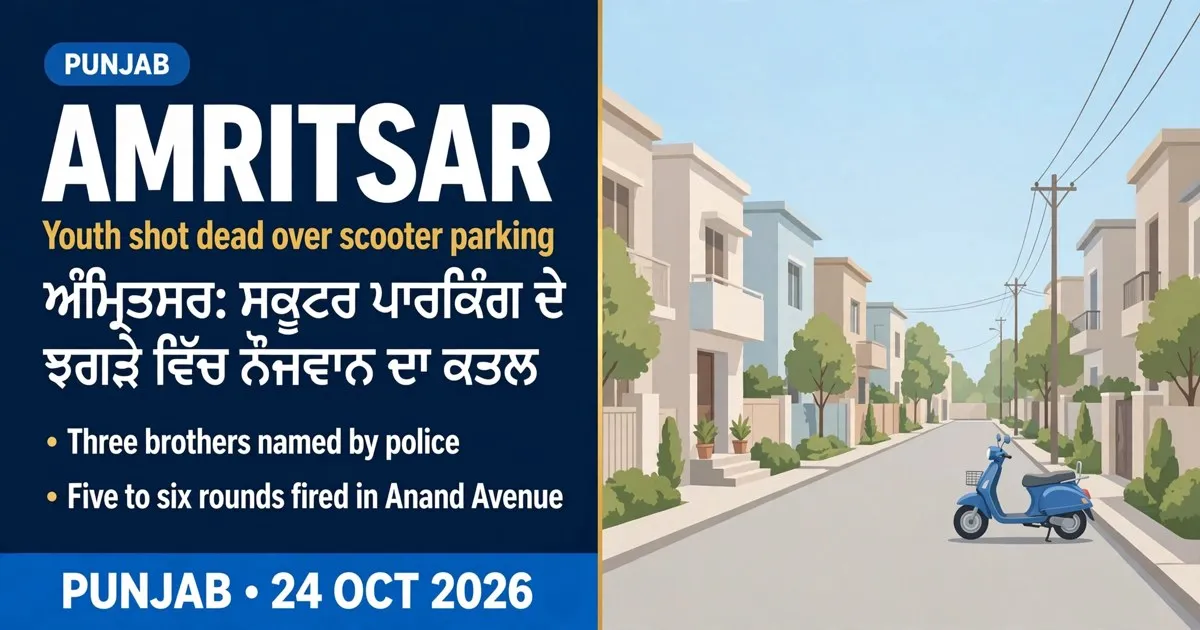 Amritsar: Youth Shot Dead Outside Home in Row Over Parked Scooter, Three Brothers Namedਅੰਮ੍ਰਿਤਸਰ: ਸਕੂਟਰ ਪਾਰਕਿੰਗ ਦੇ ਮਾਮੂਲੀ ਝਗੜੇ ਵਿੱਚ ਨੌਜਵਾਨ ਨੂੰ ਗੋਲੀਆਂ ਮਾਰ ਕੇ ਕਤਲ, ਤਿੰਨ ਭਰਾ ਨਾਮਜ਼ਦ
 Hooked at 9 and 12: Viral Video Exposes Kapurthala Brothers' Drug Use, Peddler Arrested9 ਤੇ 12 ਸਾਲ ਦੇ ਭਰਾ ਨਸ਼ੇ ਦੀ ਲਪੇਟ ਵਿੱਚ: ਕਪੂਰਥਲਾ ਵੀਡੀਓ ਤੋਂ ਬਾਅਦ ਤਸਕਰ ਗ੍ਰਿਫ਼ਤਾਰ
Sources (3)
Jugti is free and independent. Reader support keeps the Kosh growing.
Support