
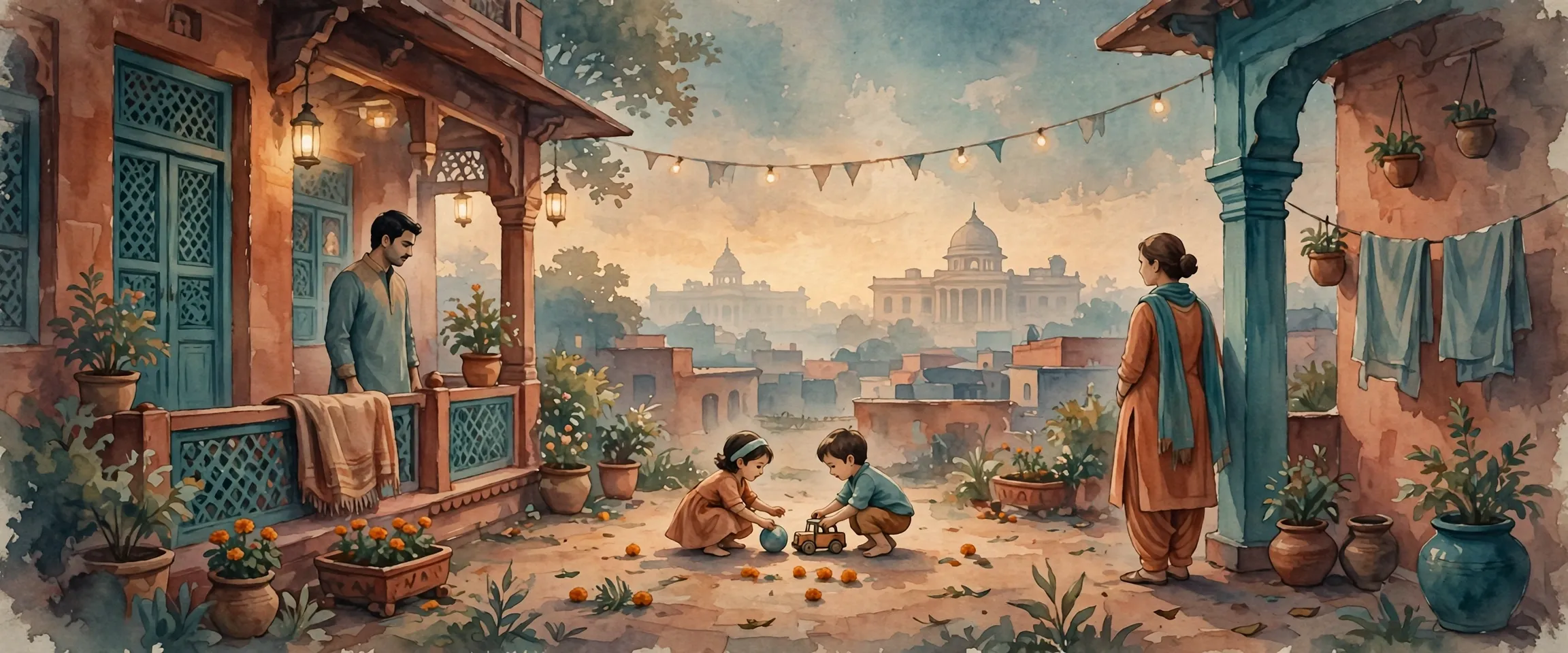
Custody (2011) is Manju Kapur's fifth novel, set in the new-money Delhi of the late 1990s. When Shagun leaves her husband Raman for his boss Ashok Khanna, their two children, Arjun and Roohi, become the stakes in a bitter divorce and custody fight, while Ishita, a divorced woman who cannot have children, finds a second chance at family as their stepmother. The novel was adapted for television as Yeh Hai Mohabbatein, which ran on Star Plus from 2013 to 2019.
English- Author
- Manju Kapur
- Published
- 2011, Faber & Faber
- Language
- English
- Form
- Novel
- Pages
- 432
- Setting
- Delhi, late 1990s
All 8 facts
- Adaptation
- Yeh Hai Mohabbatein, Star Plus, 2013-2019, 1,895 episodes
- Previous novel
- The Immigrant (2008)
About the book
Custody is a novel by Manju Kapur, published by Faber & Faber in 2011. It is her fifth novel, following Difficult Daughters (1998), A Married Woman (2002), Home (2006) and The Immigrant (2008). The book is set in Delhi in the late 1990s, in the years when India's economy was opening up and foreign goods and foreign companies were arriving in the capital. Like Kapur's earlier novels, it is a close study of upper-middle-class family life, but its subject is the one her earlier books circled without entering: divorce. When a marriage breaks, the novel asks, who pays, and who decides what happens to the children? At 432 pages, it is a long, detailed portrait of two marriages coming apart and a third being built from their wreckage.
What happens in Custody?
The novel opens in a Delhi that looks, from the outside, perfect. Raman, a marketing executive at a global drinks company, and his beautiful wife Shagun have two children, Arjun and Roohi, and a comfortable life in the city's new-money colonies. Then Raman's new boss arrives: Ashok Khanna, a suave senior executive sent to rescue the company's business in India. Shagun, bored by the flawless routine of her marriage, begins an affair with him, and when she asks Raman for a divorce, he refuses. What follows is a long and ugly fight. Shagun keeps the children from him and uses them as leverage; Raman answers with expensive gifts and promises, trying to buy their affection back. The courts become a second battlefield, where lawyers and hearings decide who the children live with and who pays for what.
Into this broken household comes Ishita, a young woman whose own marriage has ended because she cannot have children, and who has been sent away by her husband's family. She marries Raman and becomes Arjun and Roohi's stepmother, determined to build the family she was denied. But the courts threaten the security of her new home, and when Shagun fights for the children again, Ishita must decide what she is willing to risk to keep them. The novel ends with the family remade but scarred: the children have watched their parents use them as pieces in a game, and the adults have learned how much a divorce can cost everyone it touches.
Shagun, Raman and Ishita
Kapur builds the novel around three adults, each of whom the reader is invited to judge and then to understand. Shagun is beautiful, restless and hungry for a larger life than the one her marriage offers, and her affair with Ashok is presented as both a search for freedom and a selfish act with terrible costs. Raman is a hard-working, responsible man who loves his children and cannot understand why his wife is leaving him; his refusal to grant a divorce is both a wound and a weapon. Ashok Khanna, the boss, is the catalyst: charming and well connected, able to open doors to good schools, and careless about the damage he leaves behind. Ishita is the novel's moral centre. Divorced and childless in a society that measures a woman by her children, she finds in Raman's children a second chance at motherhood, and her fight to keep them is the fight of a woman who has already lost one family and will not lose another. Around them, the children Arjun and Roohi watch everything: old enough to understand that they are wanted, young enough to be pulled in both directions.
ਕਿਤਾਬ ਬਾਰੇ
ਕਸਟਡੀ ਮੰਜੂ ਕਪੂਰ ਦਾ ਨਾਵਲ ਹੈ, ਜੋ 2011 ਵਿੱਚ ਫੇਬਰ ਐਂਡ ਫੇਬਰ ਨੇ ਛਾਪਿਆ। ਇਹ ਉਸ ਦਾ ਪੰਜਵਾਂ ਨਾਵਲ ਹੈ, ਡਿਫ਼ੀਕਲਟ ਡਾਟਰਜ਼ (1998), ਅ ਮੈਰੀਡ ਵੂਮਨ (2002), ਹੋਮ (2006) ਅਤੇ ਦ ਇਮੀਗ੍ਰੈਂਟ (2008) ਤੋਂ ਬਾਅਦ। ਕਿਤਾਬ 1990ਵਿਆਂ ਦੇ ਅਖ਼ੀਰ ਦੀ ਦਿੱਲੀ ਵਿੱਚ ਸਥਿਤ ਹੈ, ਉਨ੍ਹਾਂ ਸਾਲਾਂ ਵਿੱਚ ਜਦੋਂ ਭਾਰਤ ਦੀ ਅਰਥ ਵਿਵਸਥਾ ਖੁੱਲ੍ਹ ਰਹੀ ਸੀ ਅਤੇ ਵਿਦੇਸ਼ੀ ਸਮਾਨ ਅਤੇ ਵਿਦੇਸ਼ੀ ਕੰਪਨੀਆਂ ਰਾਜਧਾਨੀ ਵਿੱਚ ਆ ਰਹੀਆਂ ਸਨ। ਕਪੂਰ ਦੇ ਪਹਿਲੇ ਨਾਵਲਾਂ ਵਾਂਗ ਇਹ ਉੱਚ ਮੱਧ ਵਰਗੀ ਪਰਿਵਾਰਕ ਜੀਵਨ ਦਾ ਨੇੜਲਾ ਅਧਿਐਨ ਹੈ, ਪਰ ਇਸ ਦਾ ਵਿਸ਼ਾ ਉਹ ਹੈ ਜਿਸ ਨੂੰ ਉਸ ਦੀਆਂ ਪਹਿਲੀਆਂ ਕਿਤਾਬਾਂ ਨੇ ਛੂਹਿਆ ਨਹੀਂ ਸੀ: ਤਲਾਕ। ਜਦੋਂ ਵਿਆਹ ਟੁੱਟਦਾ ਹੈ, ਤਾਂ ਨਾਵਲ ਪੁੱਛਦਾ ਹੈ, ਕੀਮਤ ਕੌਣ ਚੁਕਾਉਂਦਾ ਹੈ ਅਤੇ ਬੱਚਿਆਂ ਦਾ ਕੀ ਹੋਵੇਗਾ, ਇਹ ਕੌਣ ਤੈਅ ਕਰਦਾ ਹੈ? 432 ਸਫ਼ਿਆਂ ਵਿੱਚ ਇਹ ਦੋ ਵਿਆਹਾਂ ਦੇ ਟੁੱਟਣ ਅਤੇ ਤੀਜੇ ਦੇ ਉਨ੍ਹਾਂ ਦੇ ਮਲਬੇ ਤੋਂ ਬਣਨ ਦਾ ਲੰਮਾ, ਵਿਸਥਾਰ ਵਾਲਾ ਚਿਤਰ ਹੈ।
ਕਸਟਡੀ ਵਿੱਚ ਕੀ ਹੁੰਦਾ ਹੈ?
ਨਾਵਲ ਇੱਕ ਅਜਿਹੀ ਦਿੱਲੀ ਵਿੱਚ ਸ਼ੁਰੂ ਹੁੰਦਾ ਹੈ ਜੋ ਬਾਹਰੋਂ ਸੰਪੂਰਨ ਲੱਗਦੀ ਹੈ। ਰਮਨ, ਇੱਕ ਵਿਸ਼ਵ ਪੀਣ ਵਾਲੇ ਪਦਾਰਥਾਂ ਦੀ ਕੰਪਨੀ ਵਿੱਚ ਮਾਰਕੀਟਿੰਗ ਅਧਿਕਾਰੀ, ਅਤੇ ਉਸ ਦੀ ਸੁੰਦਰ ਪਤਨੀ ਸ਼ਗੁਨ ਦੇ ਦੋ ਬੱਚੇ, ਅਰਜੁਨ ਅਤੇ ਰੂਹੀ, ਹਨ ਅਤੇ ਸ਼ਹਿਰ ਦੀਆਂ ਨਵੇਂ ਪੈਸੇ ਵਾਲੀਆਂ ਬਸਤੀਆਂ ਵਿੱਚ ਉਨ੍ਹਾਂ ਦਾ ਆਰਾਮਦਾਇਕ ਜੀਵਨ ਹੈ। ਫਿਰ ਰਮਨ ਦਾ ਨਵਾਂ ਮਾਲਕ ਆਉਂਦਾ ਹੈ: ਅਸ਼ੋਕ ਖੰਨਾ, ਇੱਕ ਸੁਭਾਅ ਵਾਲਾ ਸੀਨੀਅਰ ਅਧਿਕਾਰੀ ਜਿਸ ਨੂੰ ਭਾਰਤ ਵਿੱਚ ਕੰਪਨੀ ਦਾ ਕਾਰੋਬਾਰ ਬਚਾਉਣ ਲਈ ਭੇਜਿਆ ਗਿਆ ਹੈ। ਸ਼ਗੁਨ, ਆਪਣੇ ਵਿਆਹ ਦੀ ਬੇਦਾਗ਼ ਰੁਟੀਨ ਤੋਂ ਅੱਕੀ ਹੋਈ, ਉਸ ਨਾਲ ਸੰਬੰਧ ਬਣਾ ਲੈਂਦੀ ਹੈ ਅਤੇ ਜਦੋਂ ਉਹ ਰਮਨ ਤੋਂ ਤਲਾਕ ਮੰਗਦੀ ਹੈ, ਤਾਂ ਉਹ ਇਨਕਾਰ ਕਰ ਦਿੰਦਾ ਹੈ। ਇਸ ਤੋਂ ਬਾਅਦ ਇੱਕ ਲੰਮੀ ਅਤੇ ਭੈੜੀ ਲੜਾਈ ਸ਼ੁਰੂ ਹੁੰਦੀ ਹੈ। ਸ਼ਗੁਨ ਬੱਚਿਆਂ ਨੂੰ ਉਸ ਤੋਂ ਦੂਰ ਰੱਖਦੀ ਹੈ ਅਤੇ ਉਨ੍ਹਾਂ ਨੂੰ ਦਾਅ ਵਜੋਂ ਵਰਤਦੀ ਹੈ; ਰਮਨ ਮਹਿੰਗੇ ਤੋਹਫ਼ਿਆਂ ਅਤੇ ਵਾਅਦਿਆਂ ਨਾਲ ਜਵਾਬ ਦਿੰਦਾ ਹੈ, ਉਨ੍ਹਾਂ ਦਾ ਪਿਆਰ ਵਾਪਸ ਖਰੀਦਣ ਦੀ ਕੋਸ਼ਿਸ਼ ਕਰਦਾ ਹੈ। ਅਦਾਲਤਾਂ ਦੂਜਾ ਮੈਦਾਨ ਬਣ ਜਾਂਦੀਆਂ ਹਨ, ਜਿੱਥੇ ਵਕੀਲ ਅਤੇ ਸੁਣਵਾਈਆਂ ਤੈਅ ਕਰਦੀਆਂ ਹਨ ਕਿ ਬੱਚੇ ਕਿਸ ਨਾਲ ਰਹਿਣਗੇ ਅਤੇ ਖ਼ਰਚਾ ਕੌਣ ਦੇਵੇਗਾ।
ਇਸ ਟੁੱਟੇ ਘਰ ਵਿੱਚ ਇਸ਼ਿਤਾ ਆਉਂਦੀ ਹੈ, ਇੱਕ ਨੌਜਵਾਨ ਔਰਤ ਜਿਸ ਦਾ ਆਪਣਾ ਵਿਆਹ ਇਸ ਲਈ ਖ਼ਤਮ ਹੋ ਗਿਆ ਕਿਉਂਕਿ ਉਹ ਬੱਚੇ ਪੈਦਾ ਨਹੀਂ ਕਰ ਸਕਦੀ ਸੀ ਅਤੇ ਜਿਸ ਨੂੰ ਉਸ ਦੇ ਪਤੀ ਦੇ ਪਰਿਵਾਰ ਨੇ ਕੱਢ ਦਿੱਤਾ ਸੀ। ਉਹ ਰਮਨ ਨਾਲ ਵਿਆਹ ਕਰਦੀ ਹੈ ਅਤੇ ਅਰਜੁਨ ਅਤੇ ਰੂਹੀ ਦੀ ਮਤਰੇਈ ਮਾਂ ਬਣ ਜਾਂਦੀ ਹੈ, ਉਸ ਪਰਿਵਾਰ ਨੂੰ ਬਣਾਉਣ ਦਾ ਪੱਕਾ ਇਰਾਦਾ ਕਰ ਕੇ ਜੋ ਉਸ ਨੂੰ ਨਹੀਂ ਮਿਲਿਆ ਸੀ। ਪਰ ਅਦਾਲਤਾਂ ਉਸ ਦੇ ਨਵੇਂ ਘਰ ਦੀ ਸੁਰੱਖਿਆ ਨੂੰ ਖ਼ਤਰੇ ਵਿੱਚ ਪਾਉਂਦੀਆਂ ਹਨ ਅਤੇ ਜਦੋਂ ਸ਼ਗੁਨ ਬੱਚਿਆਂ ਲਈ ਫਿਰ ਲੜਦੀ ਹੈ, ਤਾਂ ਇਸ਼ਿਤਾ ਨੂੰ ਤੈਅ ਕਰਨਾ ਪੈਂਦਾ ਹੈ ਕਿ ਉਨ੍ਹਾਂ ਨੂੰ ਰੱਖਣ ਲਈ ਉਹ ਕੀ ਜੋਖ਼ਮ ਲਵੇਗੀ। ਨਾਵਲ ਇੱਕ ਮੁੜ ਬਣੇ ਪਰ ਜ਼ਖ਼ਮੀ ਪਰਿਵਾਰ ਨਾਲ ਖ਼ਤਮ ਹੁੰਦਾ ਹੈ: ਬੱਚਿਆਂ ਨੇ ਵੇਖਿਆ ਹੈ ਕਿ ਉਨ੍ਹਾਂ ਦੇ ਮਾਪਿਆਂ ਨੇ ਉਨ੍ਹਾਂ ਨੂੰ ਖੇਡ ਦੇ ਮੋਹਰਿਆਂ ਵਾਂਗ ਵਰਤਿਆ ਹੈ ਅਤੇ ਬਾਲਗ਼ਾਂ ਨੇ ਸਿੱਖ ਲਿਆ ਹੈ ਕਿ ਤਲਾਕ ਹਰ ਜੀਅ ਨੂੰ ਕਿੰਨਾ ਮਹਿੰਗਾ ਪੈ ਸਕਦਾ ਹੈ।
ਸ਼ਗੁਨ, ਰਮਨ ਅਤੇ ਇਸ਼ਿਤਾ
ਕਪੂਰ ਨਾਵਲ ਨੂੰ ਤਿੰਨ ਬਾਲਗ਼ਾਂ ਦੁਆਲੇ ਬਣਾਉਂਦੀ ਹੈ, ਜਿਨ੍ਹਾਂ ਵਿੱਚੋਂ ਹਰ ਇੱਕ ਨੂੰ ਪਾਠਕ ਪਹਿਲਾਂ ਨਿਰਣਾ ਕਰਦਾ ਹੈ ਅਤੇ ਫਿਰ ਸਮਝਦਾ ਹੈ। ਸ਼ਗੁਨ ਸੁੰਦਰ, ਬੇਚੈਨ ਅਤੇ ਆਪਣੇ ਵਿਆਹ ਤੋਂ ਵੱਡੇ ਜੀਵਨ ਦੀ ਭੁੱਖੀ ਹੈ ਅਤੇ ਅਸ਼ੋਕ ਨਾਲ ਉਸ ਦਾ ਸੰਬੰਧ ਆਜ਼ਾਦੀ ਦੀ ਭਾਲ ਅਤੇ ਭਿਆਨਕ ਕੀਮਤ ਵਾਲਾ ਸੁਆਰਥੀ ਕੰਮ, ਦੋਵੇਂ ਵਜੋਂ ਦੱਸਿਆ ਗਿਆ ਹੈ। ਰਮਨ ਇੱਕ ਮਿਹਨਤੀ, ਜ਼ਿੰਮੇਵਾਰ ਆਦਮੀ ਹੈ ਜੋ ਆਪਣੇ ਬੱਚਿਆਂ ਨੂੰ ਪਿਆਰ ਕਰਦਾ ਹੈ ਅਤੇ ਸਮਝ ਨਹੀਂ ਸਕਦਾ ਕਿ ਉਸ ਦੀ ਪਤਨੀ ਉਸ ਨੂੰ ਕਿਉਂ ਛੱਡ ਰਹੀ ਹੈ; ਤਲਾਕ ਦੇਣ ਤੋਂ ਉਸ ਦਾ ਇਨਕਾਰ ਇੱਕ ਜ਼ਖ਼ਮ ਅਤੇ ਇੱਕ ਹਥਿਆਰ, ਦੋਵੇਂ ਹੈ। ਅਸ਼ੋਕ ਖੰਨਾ, ਮਾਲਕ, ਉਤਪ੍ਰੇਰਕ ਹੈ: ਮਨਮੋਹਕ ਅਤੇ ਪਹੁੰਚ ਵਾਲਾ, ਚੰਗੇ ਸਕੂਲਾਂ ਦੇ ਦਰਵਾਜ਼ੇ ਖੋਲ੍ਹਣ ਦੇ ਸਮਰੱਥ ਅਤੇ ਆਪਣੇ ਪਿੱਛੇ ਹੋਏ ਨੁਕਸਾਨ ਤੋਂ ਬੇਪਰਵਾਹ। ਇਸ਼ਿਤਾ ਨਾਵਲ ਦਾ ਨੈਤਿਕ ਕੇਂਦਰ ਹੈ। ਇੱਕ ਅਜਿਹੇ ਸਮਾਜ ਵਿੱਚ ਤਲਾਕਸ਼ੁਦਾ ਅਤੇ ਬੇਔਲਾਦ ਜੋ ਔਰਤ ਨੂੰ ਉਸ ਦੇ ਬੱਚਿਆਂ ਨਾਲ ਮਾਪਦਾ ਹੈ, ਉਹ ਰਮਨ ਦੇ ਬੱਚਿਆਂ ਵਿੱਚ ਮਾਂ ਬਣਨ ਦਾ ਦੂਜਾ ਮੌਕਾ ਲੱਭਦੀ ਹੈ ਅਤੇ ਉਨ੍ਹਾਂ ਨੂੰ ਰੱਖਣ ਦੀ ਉਸ ਦੀ ਲੜਾਈ ਉਸ ਔਰਤ ਦੀ ਲੜਾਈ ਹੈ ਜੋ ਇੱਕ ਪਰਿਵਾਰ ਪਹਿਲਾਂ ਹੀ ਗੁਆ ਚੁੱਕੀ ਹੈ ਅਤੇ ਦੂਜਾ ਨਹੀਂ ਗੁਆਉਣਾ ਚਾਹੁੰਦੀ। ਉਨ੍ਹਾਂ ਦੇ ਆਲੇ ਦੁਆਲੇ ਬੱਚੇ ਅਰਜੁਨ ਅਤੇ ਰੂਹੀ ਸਭ ਕੁਝ ਵੇਖਦੇ ਹਨ: ਇੰਨੇ ਵੱਡੇ ਕਿ ਸਮਝ ਸਕਣ ਕਿ ਉਨ੍ਹਾਂ ਨੂੰ ਚਾਹਿਆ ਜਾਂਦਾ ਹੈ, ਇੰਨੇ ਛੋਟੇ ਕਿ ਦੋਵੇਂ ਪਾਸੇ ਖਿੱਚੇ ਜਾਂਦੇ ਹਨ।
Children caught in the middle: the novel's themes
The novel's sharpest writing is about what divorce does to children. Arjun and Roohi are not innocent bystanders: they are the prize. Both parents bribe them, coach them and use their love as a weapon, and the courts, for all their procedure, cannot see what the children see. Kapur also writes about the two taboos that shape her heroines: infidelity and infertility. Shagun's affair breaks the rules of her marriage and her class; Ishita's inability to have children ends her first marriage and defines her second. Set against the Delhi of the late 1990s, the novel catches a moment when money, foreign brands and new jobs were changing what Indian families expected from marriage, and when women with education and ambition were beginning to ask for more than the roles their mothers had accepted. The courts are a constant presence: a maze of procedure, slow and expensive, that turns private pain into public contest.
The author
Manju Kapur was born in Amritsar in 1948 and taught English literature at Miranda House, University of Delhi, for almost thirty years. Her first novel, Difficult Daughters (1998), won the Commonwealth Writers' Prize for Best First Book and became a bestseller in India; it told the story of a Punjabi woman in 1940s Amritsar and Lahore who fights for an education. A Married Woman (2002) and Home (2006) followed, each a close study of middle-class Delhi family life, and The Immigrant (2008) took her characters to Canada. Kapur has said she identified most with Raman, the father traumatised by the loss of his children. She lives in New Delhi.
Reception and legacy
Custody was widely read but divided reviewers. Readers praised Kapur's eye for the detail of upper-middle-class Delhi life and the unnerving honesty with which she shows parents treating their children as commodities in a divorce. The most persistent criticism is that the children themselves stay at the edges of the story: Arjun and Roohi are shown as pawns in their parents' game and only gain a voice of their own towards the end. One reviewer called the book a summer read that is easily forgotten after the last page, while others valued it as Kapur's most focused study of how legal structures shape private lives. Whatever the verdict, the book found a second life on television. Yeh Hai Mohabbatein, the Star Plus serial based on Custody, ran from 3 December 2013 to 18 December 2019 for 1,895 episodes, one of the longest-running Indian television dramas, and it carried the story of Raman, Ishita and Shagun far beyond the novel's readership, with remakes in several Indian languages.
ਵਿਚਕਾਰ ਫਸੇ ਬੱਚੇ: ਨਾਵਲ ਦੇ ਵਿਸ਼ੇ
ਨਾਵਲ ਦੀ ਸਭ ਤੋਂ ਤਿੱਖੀ ਲਿਖਤ ਇਸ ਬਾਰੇ ਹੈ ਕਿ ਤਲਾਕ ਬੱਚਿਆਂ ਨਾਲ ਕੀ ਕਰਦਾ ਹੈ। ਅਰਜੁਨ ਅਤੇ ਰੂਹੀ ਬੇਗੁਨਾਹ ਦਰਸ਼ਕ ਨਹੀਂ ਹਨ: ਉਹ ਇਨਾਮ ਹਨ। ਦੋਵੇਂ ਮਾਪੇ ਉਨ੍ਹਾਂ ਨੂੰ ਰਿਸ਼ਵਤ ਦਿੰਦੇ ਹਨ, ਸਿਖਾਉਂਦੇ ਹਨ ਅਤੇ ਉਨ੍ਹਾਂ ਦੇ ਪਿਆਰ ਨੂੰ ਹਥਿਆਰ ਵਜੋਂ ਵਰਤਦੇ ਹਨ ਅਤੇ ਅਦਾਲਤਾਂ, ਆਪਣੀ ਸਾਰੀ ਕਾਰਵਾਈ ਦੇ ਬਾਵਜੂਦ, ਉਹ ਨਹੀਂ ਵੇਖ ਸਕਦੀਆਂ ਜੋ ਬੱਚੇ ਵੇਖਦੇ ਹਨ। ਕਪੂਰ ਉਨ੍ਹਾਂ ਦੋ ਵਰਜਨਾਵਾਂ ਬਾਰੇ ਵੀ ਲਿਖਦੀ ਹੈ ਜੋ ਉਸ ਦੀਆਂ ਨਾਇਕਾਵਾਂ ਨੂੰ ਘੜਦੀਆਂ ਹਨ: ਬੇਵਫ਼ਾਈ ਅਤੇ ਬੇਔਲਾਦੀ। ਸ਼ਗੁਨ ਦਾ ਸੰਬੰਧ ਉਸ ਦੇ ਵਿਆਹ ਅਤੇ ਉਸ ਦੀ ਜਮਾਤ ਦੇ ਨਿਯਮ ਤੋੜਦਾ ਹੈ; ਇਸ਼ਿਤਾ ਦਾ ਬੱਚੇ ਪੈਦਾ ਨਾ ਕਰ ਸਕਣਾ ਉਸ ਦਾ ਪਹਿਲਾ ਵਿਆਹ ਖ਼ਤਮ ਕਰਦਾ ਹੈ ਅਤੇ ਉਸ ਦੇ ਦੂਜੇ ਨੂੰ ਪਰਿਭਾਸ਼ਤ ਕਰਦਾ ਹੈ। 1990ਵਿਆਂ ਦੇ ਅਖ਼ੀਰ ਦੀ ਦਿੱਲੀ ਦੇ ਪਿਛੋਕੜ ਵਿੱਚ ਨਾਵਲ ਉਸ ਪਲ ਨੂੰ ਫੜਦਾ ਹੈ ਜਦੋਂ ਪੈਸਾ, ਵਿਦੇਸ਼ੀ ਬ੍ਰਾਂਡ ਅਤੇ ਨਵੀਆਂ ਨੌਕਰੀਆਂ ਬਦਲ ਰਹੀਆਂ ਸਨ ਕਿ ਭਾਰਤੀ ਪਰਿਵਾਰ ਵਿਆਹ ਤੋਂ ਕੀ ਉਮੀਦ ਕਰਦੇ ਹਨ ਅਤੇ ਜਦੋਂ ਸਿੱਖਿਅਤ ਅਤੇ ਮਹੱਤਵਾਕਾਂਖੀ ਔਰਤਾਂ ਆਪਣੀਆਂ ਮਾਵਾਂ ਵਾਲੇ ਕਿਰਦਾਰਾਂ ਤੋਂ ਵੱਧ ਮੰਗਣ ਲੱਗੀਆਂ ਸਨ। ਅਦਾਲਤਾਂ ਹਮੇਸ਼ਾ ਮੌਜੂਦ ਹਨ: ਕਾਰਵਾਈ ਦਾ ਇੱਕ ਭੁਲੇਖਾ, ਹੌਲੀ ਅਤੇ ਮਹਿੰਗਾ, ਜੋ ਨਿੱਜੀ ਦਰਦ ਨੂੰ ਜਨਤਕ ਮੁਕਾਬਲੇ ਵਿੱਚ ਬਦਲ ਦਿੰਦਾ ਹੈ।
ਲੇਖਕਾ
ਮੰਜੂ ਕਪੂਰ ਦਾ ਜਨਮ 1948 ਵਿੱਚ ਅੰਮ੍ਰਿਤਸਰ ਵਿੱਚ ਹੋਇਆ ਅਤੇ ਉਸ ਨੇ ਦਿੱਲੀ ਯੂਨੀਵਰਸਿਟੀ ਦੇ ਮਿਰਾਂਡਾ ਹਾਊਸ ਵਿੱਚ ਲਗਭਗ ਤੀਹ ਸਾਲ ਅੰਗਰੇਜ਼ੀ ਸਾਹਿਤ ਪੜ੍ਹਾਇਆ। ਉਸ ਦਾ ਪਹਿਲਾ ਨਾਵਲ, ਡਿਫ਼ੀਕਲਟ ਡਾਟਰਜ਼ (1998), ਨੇ ਸਰਵੋਤਮ ਪਹਿਲੀ ਕਿਤਾਬ ਦਾ ਕਾਮਨਵੈਲਥ ਰਾਈਟਰਜ਼ ਪੁਰਸਕਾਰ ਜਿੱਤਿਆ ਅਤੇ ਭਾਰਤ ਵਿੱਚ ਸਭ ਤੋਂ ਵੱਧ ਵਿਕਣ ਵਾਲਾ ਬਣ ਗਿਆ; ਇਹ 1940ਵਿਆਂ ਦੇ ਅੰਮ੍ਰਿਤਸਰ ਅਤੇ ਲਾਹੌਰ ਵਿੱਚ ਇੱਕ ਪੰਜਾਬੀ ਔਰਤ ਦੀ ਕਹਾਣੀ ਹੈ ਜੋ ਸਿੱਖਿਆ ਲਈ ਲੜਦੀ ਹੈ। ਅ ਮੈਰੀਡ ਵੂਮਨ (2002) ਅਤੇ ਹੋਮ (2006) ਉਸ ਤੋਂ ਬਾਅਦ ਆਏ, ਹਰ ਇੱਕ ਮੱਧ ਵਰਗੀ ਦਿੱਲੀ ਪਰਿਵਾਰਕ ਜੀਵਨ ਦਾ ਨੇੜਲਾ ਅਧਿਐਨ, ਅਤੇ ਦ ਇਮੀਗ੍ਰੈਂਟ (2008) ਉਸ ਦੇ ਪਾਤਰਾਂ ਨੂੰ ਕੈਨੇਡਾ ਲੈ ਗਿਆ। ਕਪੂਰ ਨੇ ਕਿਹਾ ਹੈ ਕਿ ਉਸ ਨੇ ਸਭ ਤੋਂ ਵੱਧ ਰਮਨ ਨਾਲ ਆਪਣਾਪਣ ਮਹਿਸੂਸ ਕੀਤਾ, ਉਹ ਪਿਤਾ ਜੋ ਆਪਣੇ ਬੱਚਿਆਂ ਦੇ ਖੁੱਸ ਜਾਣ ਨਾਲ ਸਦਮੇ ਵਿੱਚ ਸੀ। ਉਹ ਨਵੀਂ ਦਿੱਲੀ ਵਿੱਚ ਰਹਿੰਦੀ ਹੈ।
ਸਵਾਗਤ ਅਤੇ ਵਿਰਾਸਤ
ਕਸਟਡੀ ਨੂੰ ਵਿਆਪਕ ਪੱਧਰ ਉੱਤੇ ਪੜ੍ਹਿਆ ਗਿਆ ਪਰ ਆਲੋਚਕਾਂ ਵਿੱਚ ਇਸ ਉੱਤੇ ਮਤਭੇਦ ਰਿਹਾ। ਪਾਠਕਾਂ ਨੇ ਉੱਚ ਮੱਧ ਵਰਗੀ ਦਿੱਲੀ ਜੀਵਨ ਦੇ ਵੇਰਵੇ ਵੱਲ ਕਪੂਰ ਦੀ ਨਜ਼ਰ ਅਤੇ ਉਸ ਬੇਚੈਨ ਕਰਨ ਵਾਲੀ ਇਮਾਨਦਾਰੀ ਦੀ ਸ਼ਲਾਘਾ ਕੀਤੀ ਜਿਸ ਨਾਲ ਉਹ ਮਾਪਿਆਂ ਨੂੰ ਤਲਾਕ ਵਿੱਚ ਆਪਣੇ ਬੱਚਿਆਂ ਨੂੰ ਵਸਤੂ ਵਾਂਗ ਵਰਤਦਿਆਂ ਦਿਖਾਉਂਦੀ ਹੈ। ਸਭ ਤੋਂ ਲਗਾਤਾਰ ਆਲੋਚਨਾ ਇਹ ਹੈ ਕਿ ਬੱਚੇ ਖ਼ੁਦ ਕਹਾਣੀ ਦੇ ਕਿਨਾਰੇ ਰਹਿੰਦੇ ਹਨ: ਅਰਜੁਨ ਅਤੇ ਰੂਹੀ ਨੂੰ ਆਪਣੇ ਮਾਪਿਆਂ ਦੀ ਖੇਡ ਦੇ ਮੋਹਰਿਆਂ ਵਜੋਂ ਦਿਖਾਇਆ ਗਿਆ ਹੈ ਅਤੇ ਉਹ ਸਿਰਫ਼ ਅੰਤ ਵੱਲ ਆਪਣੀ ਆਵਾਜ਼ ਲੱਭਦੇ ਹਨ। ਇੱਕ ਆਲੋਚਕ ਨੇ ਕਿਤਾਬ ਨੂੰ ਗਰਮੀਆਂ ਦੀ ਪੜ੍ਹਤ ਕਿਹਾ ਜੋ ਆਖ਼ਰੀ ਸਫ਼ੇ ਤੋਂ ਬਾਅਦ ਆਸਾਨੀ ਨਾਲ ਭੁੱਲ ਜਾਂਦੀ ਹੈ, ਜਦੋਂ ਕਿ ਦੂਜਿਆਂ ਨੇ ਇਸ ਨੂੰ ਕਾਨੂੰਨੀ ਢਾਂਚਿਆਂ ਦੇ ਨਿੱਜੀ ਜੀਵਨ ਨੂੰ ਘੜਨ ਦੇ ਕਪੂਰ ਦੇ ਸਭ ਤੋਂ ਕੇਂਦਰਿਤ ਅਧਿਐਨ ਵਜੋਂ ਮੰਨਿਆ। ਫ਼ੈਸਲਾ ਜੋ ਵੀ ਹੋਵੇ, ਕਿਤਾਬ ਨੂੰ ਟੈਲੀਵਿਜ਼ਨ ਉੱਤੇ ਦੂਜਾ ਜੀਵਨ ਮਿਲਿਆ। ਯੇ ਹੈ ਮੁਹੱਬਤਾਂ, ਕਸਟਡੀ ਉੱਤੇ ਅਧਾਰਤ ਸਟਾਰ ਪਲੱਸ ਧਾਰਾਵਾਹਿਕ, 3 ਦਸੰਬਰ 2013 ਤੋਂ 18 ਦਸੰਬਰ 2019 ਤੱਕ 1,895 ਕਿਸ਼ਤਾਂ ਚੱਲਿਆ, ਭਾਰਤ ਦੇ ਸਭ ਤੋਂ ਲੰਮੇ ਚੱਲਣ ਵਾਲੇ ਟੈਲੀਵਿਜ਼ਨ ਨਾਟਕਾਂ ਵਿੱਚੋਂ ਇੱਕ, ਅਤੇ ਇਸ ਨੇ ਰਮਨ, ਇਸ਼ਿਤਾ ਅਤੇ ਸ਼ਗੁਨ ਦੀ ਕਹਾਣੀ ਨੂੰ ਨਾਵਲ ਦੇ ਪਾਠਕਾਂ ਤੋਂ ਕਿਤੇ ਦੂਰ ਤੱਕ ਪਹੁੰਚਾਇਆ, ਕਈ ਭਾਰਤੀ ਭਾਸ਼ਾਵਾਂ ਵਿੱਚ ਮੁੜ ਬਣਾਇਆ ਗਿਆ।
Editions and translations
- CustodyEnglish, original, Faber & Faber, 2011, 432 pages, ISBN 9780571274024Original
The author
Connected
More to read
Custody in the news
 ED Gets 7-Day Custody of Promoter in Remigate Case as Punjab Revokes Mohali Waiverਰੈਮੀਗੇਟ ਮਾਮਲਾ: ਪ੍ਰਮੋਟਰ ਗਰਗ ਸੱਤ ਦਿਨ ਈਡੀ ਹਿਰਾਸਤ 'ਚ, ਪੰਜਾਬ ਨੇ ਮੁਹਾਲੀ ਦੀ ਮੁਆਫ਼ੀ ਰੱਦ ਕੀਤੀ
Sources (4)
Jugti is free and independent. Reader support keeps the Kosh growing.
Support