
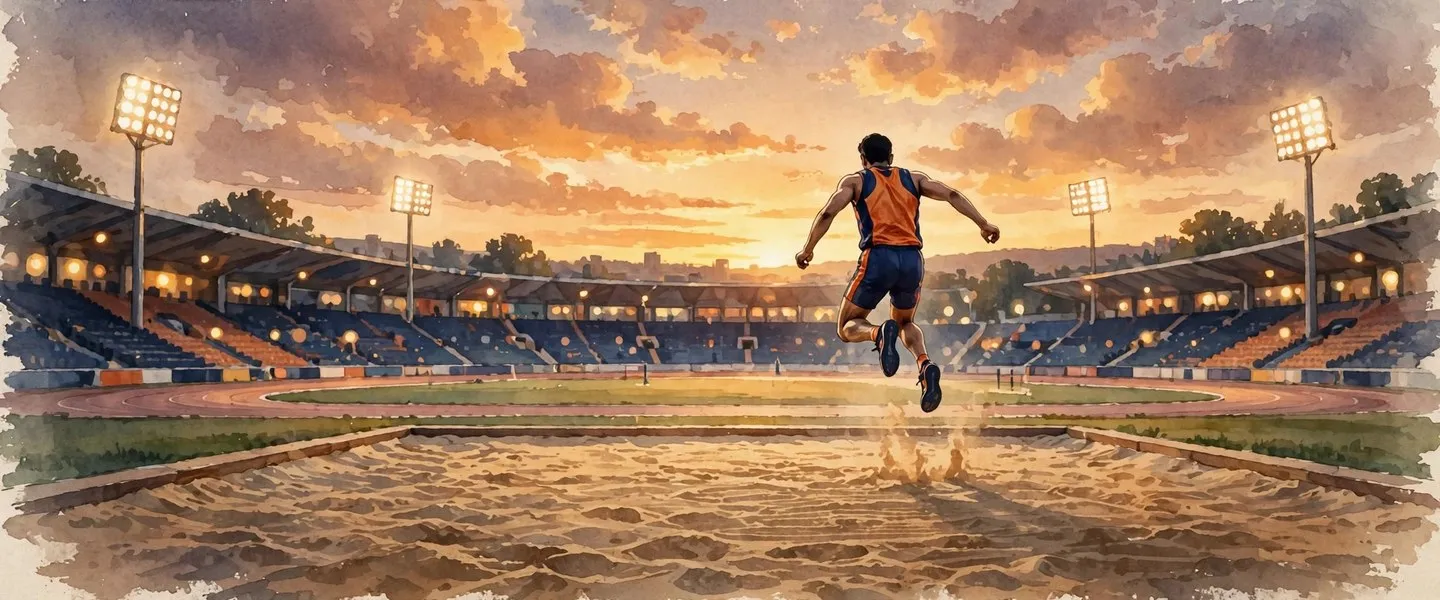
Arpinder Singh (born 30 December 1992, Harsha Chhina, Amritsar district) is an Indian triple jumper who won gold at the 2018 Asian Games in Jakarta and bronze at the 2014 Commonwealth Games in Glasgow. His personal best of 17.17 metres, set in 2014, was an Indian national record at the time, and he received the Arjuna Award in 2021.
- Punjabi name
- ਅਰਪਿੰਦਰ ਸਿੰਘ
- Born
- 30 December 1992, Harsha Chhina, Amritsar district, Punjab
- Sport
- Athletics, triple jump
- Personal best
- 17.17 m, Lucknow, 8 June 2014 (national record at the time)
- Asian Games
- Gold, Jakarta 2018 (16.77 m)
- Commonwealth Games
- Bronze, Glasgow 2014
All 13 facts
- Asian Championships
- Bronze, Pune 2013
- Asian Indoor Games
- Gold, Ashgabat 2017
- Continental Cup
- Bronze, Ostrava 2018
- Honour
- Arjuna Award, 2021
- Coaches
- D. S. Bal; S. S. Pannu; Jeremy Fischer (United States)
- Height
- 1.89 m
- Home district
- Amritsar, Majha region
Arpinder Singh is an Indian triple jumper from Harsha Chhina, a village in Amritsar district, Punjab. He won the triple jump gold medal at the 2018 Asian Games in Jakarta, the first Indian to win that title in 48 years, and took bronze at the 2014 Commonwealth Games in Glasgow. His personal best of 17.17 metres, set in 2014, stood as an Indian national record.
Early life
Arpinder Singh was born on 30 December 1992 in Harsha Chhina, a small village in Amritsar district with only a few thousand people. Nobody in the village practised athletics, and nobody in his family had been an athlete before him. His father, Jagbir Singh, had served as a soldier in the Indian Army and played hockey and kabaddi, and he believed hard work and routine mattered more than talent alone.
Jagbir woke his son at 3 in the morning to run five kilometres, a routine the boy hated at the time and later credited with preparing him for the life of an athlete. Arpinder has said that becoming an athlete was his dream from the age of 10. Villagers told his father the boy would not do well in life, and the family heard the same doubts for years. His father kept backing him anyway.
As a boy Arpinder tried the 100 metres, the 200 metres, the 400 metres and the long jump. He had no real success in any of them, and for a while it looked as if the doubters might be right.
Finding the triple jump
When Arpinder was 14, his father took him to coach D. S. Bal in Amritsar. Bal watched him and asked him to try the triple jump, saying his height would suit the event. The first month was hard, but the event soon started to make sense to him.
Then came a setback. A bad back injury put him in bed for three months, and at that age three months can feel like a lifetime. People around him said his career might already be over. His father stood by him, and once he recovered he moved to Ludhiana to train under coach S. S. Pannu.
None of this came cheap. The family lived hand to mouth, and his father mortgaged the one and a half acres of land they owned to pay for his training. It was a gamble the whole family took together, and it took years to pay off.
Breakthrough: 17.17 metres and Commonwealth bronze
The investment started to show in 2011, when Arpinder jumped an Indian junior record of 16.63 metres. His big break came in June 2014 at the National Inter-State Championships in Lucknow, where he jumped 17.17 metres. The jump beat his previous best of 16.84 metres, broke the national record held by Renjith Maheshwary, and qualified him for the Commonwealth Games.
Weeks later, at the 2014 Commonwealth Games in Glasgow, he won the bronze medal in the triple jump. He had already won bronze at the 2013 Asian Championships in Pune, and in 2017 he won gold at the Asian Indoor Games in Ashgabat. Step by step, the boy from Harsha Chhina had become one of Asia's best triple jumpers.
How did Arpinder Singh win Asian Games gold?
On 29 August 2018, India's National Sports Day, Arpinder won the triple jump gold medal at the 18th Asian Games in Jakarta with a jump of 16.77 metres. It was India's first gold medal in the men's triple jump at the Asian Games in 48 years. The previous Indian winner had been Mohinder Singh Gill, at the 1970 Asian Games in Bangkok.
The win changed how his home village saw him. Where people had once told his father the boy would amount to nothing, they now came to his family with praise and pride. A few weeks later he tested himself against the best in the world at the Continental Cup in Ostrava, finishing third behind the great American jumper Christian Taylor to take the bronze medal.
Honours and later life
The road to Jakarta had not been smooth. After the Glasgow bronze, Arpinder moved to London and spent ten months training there in the build-up to the 2016 Olympics in Rio. He changed much of his technique in that period, worked harder than ever, and cycled 15 kilometres to and from practice every day, yet his jumping got worse. That year he could not clear 16 metres and never made it to Rio.
He went back to India and rebuilt his training, working twice a day, two hours in the morning and two hours in the evening. The distances came back, and in 2018 he was jumping over 17 metres again. He carried a back injury into the Commonwealth Games at Gold Coast in April 2018 and missed out on a medal there, but four months later he was Asian champion.
After the Asian Games he announced a move to the United States to train under Jeremy Fischer, the coach of the American jumper Will Claye, and set himself the target of jumping 17.80 metres. In 2021 he received the Arjuna Award, one of India's highest sporting honours. World Athletics still lists season's bests for him in 2024, showing a career that has stretched well beyond a decade at the top.
Legacy
Arpinder's gold medal mattered beyond his own career. Indian athletics has long been dominated by track events, and his win put a field event, and the triple jump in particular, in front of a new audience. He has said that young people in India now want to take up the triple jump and the javelin, and that more people are paying attention to what Indian field athletes achieve.
For Punjab, his story is a reminder that champions can come from the smallest villages. Harsha Chhina had no athletics tradition when he was growing up, and his family had little money. What it had was a father who believed in his son, coaches who saw what the boy could become, and a young athlete who refused to listen when people told him he would fail.
ਅਰਪਿੰਦਰ ਸਿੰਘ ਭਾਰਤ ਦਾ ਟ੍ਰਿਪਲ ਜੰਪਰ ਹੈ, ਜਿਸਦਾ ਜਨਮ ਅੰਮ੍ਰਿਤਸਰ ਜ਼ਿਲ੍ਹੇ ਦੇ ਪਿੰਡ ਹਰਸ਼ਾ ਛੀਨਾ ਵਿੱਚ ਹੋਇਆ। ਉਸਨੇ 2018 ਦੀਆਂ ਜਕਾਰਤਾ ਏਸ਼ਿਆਈ ਖੇਡਾਂ ਵਿੱਚ ਟ੍ਰਿਪਲ ਜੰਪ ਦਾ ਸੋਨ ਤਗਮਾ ਜਿੱਤਿਆ ਅਤੇ 48 ਸਾਲਾਂ ਵਿੱਚ ਇਹ ਖਿਤਾਬ ਜਿੱਤਣ ਵਾਲਾ ਪਹਿਲਾ ਭਾਰਤੀ ਬਣਿਆ, ਅਤੇ 2014 ਦੀਆਂ ਗਲਾਸਗੋ ਰਾਸ਼ਟਰਮੰਡਲ ਖੇਡਾਂ ਵਿੱਚ ਕਾਂਸੀ ਦਾ ਤਗਮਾ ਜਿੱਤਿਆ। ਉਸਦਾ ਨਿੱਜੀ ਸਰਬੋਤਮ 17.17 ਮੀਟਰ 2014 ਵਿੱਚ ਬਣਿਆ ਸੀ, ਜੋ ਉਸ ਸਮੇਂ ਭਾਰਤ ਦਾ ਰਾਸ਼ਟਰੀ ਰਿਕਾਰਡ ਸੀ।
ਮੁਢਲਾ ਜੀਵਨ
ਅਰਪਿੰਦਰ ਸਿੰਘ ਦਾ ਜਨਮ 30 ਦਸੰਬਰ 1992 ਨੂੰ ਅੰਮ੍ਰਿਤਸਰ ਜ਼ਿਲ੍ਹੇ ਦੇ ਛੋਟੇ ਜਿਹੇ ਪਿੰਡ ਹਰਸ਼ਾ ਛੀਨਾ ਵਿੱਚ ਹੋਇਆ, ਜਿੱਥੇ ਸਿਰਫ ਕੁਝ ਹਜ਼ਾਰ ਲੋਕ ਰਹਿੰਦੇ ਸਨ। ਪਿੰਡ ਵਿੱਚ ਕੋਈ ਵੀ ਐਥਲੈਟਿਕਸ ਨਹੀਂ ਕਰਦਾ ਸੀ, ਅਤੇ ਉਸਦੇ ਪਰਿਵਾਰ ਵਿੱਚ ਵੀ ਉਸ ਤੋਂ ਪਹਿਲਾਂ ਕੋਈ ਖਿਡਾਰੀ ਨਹੀਂ ਸੀ। ਉਸਦੇ ਪਿਤਾ ਜਗਬੀਰ ਸਿੰਘ ਭਾਰਤੀ ਫੌਜ ਵਿੱਚ ਸਿਪਾਹੀ ਰਹੇ ਸਨ ਅਤੇ ਹਾਕੀ ਤੇ ਕਬੱਡੀ ਖੇਡਦੇ ਸਨ, ਅਤੇ ਉਹ ਮੰਨਦੇ ਸਨ ਕਿ ਸਖ਼ਤ ਮਿਹਨਤ ਅਤੇ ਅਨੁਸ਼ਾਸਨ ਪ੍ਰਤਿਭਾ ਨਾਲੋਂ ਵੱਧ ਮਾਇਨੇ ਰੱਖਦੇ ਹਨ।
ਜਗਬੀਰ ਆਪਣੇ ਬੇਟੇ ਨੂੰ ਸਵੇਰੇ 3 ਵਜੇ ਉਠਾ ਕੇ ਪੰਜ ਕਿਲੋਮੀਟਰ ਦੌੜਾਉਂਦੇ ਸਨ, ਇਹ ਆਦਤ ਬੱਚੇ ਨੂੰ ਉਸ ਸਮੇਂ ਬਹੁਤ ਬੁਰੀ ਲਗਦੀ ਸੀ ਪਰ ਬਾਅਦ ਵਿੱਚ ਉਸਨੇ ਮੰਨਿਆ ਕਿ ਇਸ ਨੇ ਹੀ ਉਸਨੂੰ ਖਿਡਾਰੀ ਦੇ ਜੀਵਨ ਲਈ ਤਿਆਰ ਕੀਤਾ। ਅਰਪਿੰਦਰ ਨੇ ਕਿਹਾ ਹੈ ਕਿ 10 ਸਾਲ ਦੀ ਉਮਰ ਤੋਂ ਹੀ ਖਿਡਾਰੀ ਬਣਨਾ ਉਸਦਾ ਸੁਪਨਾ ਸੀ। ਪਿੰਡ ਦੇ ਲੋਕ ਉਸਦੇ ਪਿਤਾ ਨੂੰ ਕਹਿੰਦੇ ਸਨ ਕਿ ਮੁੰਡਾ ਜੀਵਨ ਵਿੱਚ ਕੁਝ ਨਹੀਂ ਕਰ ਸਕੇਗਾ, ਅਤੇ ਪਰਿਵਾਰ ਨੇ ਇਹ ਗੱਲਾਂ ਸਾਲਾਂ ਤੱਕ ਸੁਣੀਆਂ। ਉਸਦੇ ਪਿਤਾ ਫਿਰ ਵੀ ਉਸਦਾ ਸਾਥ ਦਿੰਦੇ ਰਹੇ।
ਬਚਪਨ ਵਿੱਚ ਅਰਪਿੰਦਰ ਨੇ 100 ਮੀਟਰ, 200 ਮੀਟਰ, 400 ਮੀਟਰ ਅਤੇ ਲੰਬੀ ਛਾਲ ਦੀ ਕੋਸ਼ਿਸ਼ ਕੀਤੀ। ਇਨ੍ਹਾਂ ਵਿੱਚੋਂ ਕਿਸੇ ਵਿੱਚ ਵੀ ਉਸਨੂੰ ਕੋਈ ਖਾਸ ਸਫਲਤਾ ਨਹੀਂ ਮਿਲੀ, ਅਤੇ ਕੁਝ ਸਮੇਂ ਲਈ ਲੱਗਿਆ ਕਿ ਸ਼ੱਕ ਕਰਨ ਵਾਲੇ ਸਹੀ ਹੋ ਸਕਦੇ ਹਨ।
ਟ੍ਰਿਪਲ ਜੰਪ ਵੱਲ ਮੋੜ
ਜਦੋਂ ਅਰਪਿੰਦਰ 14 ਸਾਲ ਦਾ ਸੀ, ਉਸਦੇ ਪਿਤਾ ਉਸਨੂੰ ਅੰਮ੍ਰਿਤਸਰ ਵਿੱਚ ਕੋਚ ਡੀ. ਐਸ. ਬਾਲ ਕੋਲ ਲੈ ਗਏ। ਬਾਲ ਨੇ ਉਸਨੂੰ ਦੇਖਿਆ ਅਤੇ ਟ੍ਰਿਪਲ ਜੰਪ ਦੀ ਕੋਸ਼ਿਸ਼ ਕਰਨ ਲਈ ਕਿਹਾ, ਕਿਉਂਕਿ ਉਸਦਾ ਕੱਦ ਇਸ ਖੇਡ ਲਈ ਢੁਕਵਾਂ ਸੀ। ਪਹਿਲਾ ਮਹੀਨਾ ਔਖਾ ਰਿਹਾ, ਪਰ ਜਲਦੀ ਹੀ ਇਹ ਖੇਡ ਉਸਨੂੰ ਸਮਝ ਆਉਣ ਲੱਗੀ।
ਫਿਰ ਇੱਕ ਝਟਕਾ ਲੱਗਾ। ਪਿੱਠ ਦੀ ਗੰਭੀਰ ਸੱਟ ਕਾਰਨ ਉਸਨੂੰ ਤਿੰਨ ਮਹੀਨੇ ਬਿਸਤਰੇ ਵਿੱਚ ਆਰਾਮ ਕਰਨਾ ਪਿਆ, ਅਤੇ ਉਸ ਉਮਰ ਵਿੱਚ ਤਿੰਨ ਮਹੀਨੇ ਬਹੁਤ ਲੰਬੇ ਲੱਗਦੇ ਹਨ। ਆਲੇ ਦੁਆਲੇ ਦੇ ਲੋਕ ਕਹਿਣ ਲੱਗੇ ਕਿ ਉਸਦਾ ਕਰੀਅਰ ਸ਼ੁਰੂ ਹੋਣ ਤੋਂ ਪਹਿਲਾਂ ਹੀ ਖਤਮ ਹੋ ਸਕਦਾ ਹੈ। ਉਸਦੇ ਪਿਤਾ ਉਸਦੇ ਨਾਲ ਖੜ੍ਹੇ ਰਹੇ, ਅਤੇ ਠੀਕ ਹੋਣ ਤੋਂ ਬਾਅਦ ਉਹ ਲੁਧਿਆਣਾ ਚਲਾ ਗਿਆ, ਜਿੱਥੇ ਉਸਨੇ ਕੋਚ ਐਸ. ਐਸ. ਪੰਨੂ ਕੋਲ ਸਿਖਲਾਈ ਲਈ।
ਇਹ ਸਭ ਸਸਤਾ ਨਹੀਂ ਸੀ। ਪਰਿਵਾਰ ਮੁਸ਼ਕਲ ਨਾਲ ਗੁਜ਼ਾਰਾ ਕਰਦਾ ਸੀ, ਅਤੇ ਉਸਦੇ ਪਿਤਾ ਨੇ ਉਸਦੀ ਸਿਖਲਾਈ ਦਾ ਖਰਚਾ ਚੁੱਕਣ ਲਈ ਆਪਣੀ ਡੇਢ ਏਕੜ ਜ਼ਮੀਨ ਗਹਿਣੇ ਰੱਖ ਦਿੱਤੀ। ਇਹ ਇੱਕ ਜੋਖਮ ਸੀ ਜੋ ਸਾਰੇ ਪਰਿਵਾਰ ਨੇ ਮਿਲ ਕੇ ਲਿਆ, ਅਤੇ ਇਸਦਾ ਕਰਜ਼ਾ ਚੁਕਾਉਣ ਵਿੱਚ ਸਾਲ ਲੱਗ ਗਏ।
ਸਫਲਤਾ: 17.17 ਮੀਟਰ ਅਤੇ ਰਾਸ਼ਟਰਮੰਡਲ ਕਾਂਸੀ
ਇਹ ਨਿਵੇਸ਼ 2011 ਵਿੱਚ ਰੰਗ ਲਿਆਉਣ ਲੱਗਾ, ਜਦੋਂ ਅਰਪਿੰਦਰ ਨੇ 16.63 ਮੀਟਰ ਦੀ ਛਾਲ ਨਾਲ ਭਾਰਤ ਦਾ ਜੂਨੀਅਰ ਰਿਕਾਰਡ ਬਣਾਇਆ। ਉਸਦੀ ਵੱਡੀ ਸਫਲਤਾ ਜੂਨ 2014 ਵਿੱਚ ਲਖਨਊ ਵਿੱਚ ਨੈਸ਼ਨਲ ਇੰਟਰ ਸਟੇਟ ਚੈਂਪੀਅਨਸ਼ਿਪ ਵਿੱਚ ਮਿਲੀ, ਜਿੱਥੇ ਉਸਨੇ 17.17 ਮੀਟਰ ਦੀ ਛਾਲ ਲਾਈ। ਇਸ ਛਾਲ ਨੇ ਉਸਦਾ ਪਿਛਲਾ ਸਰਬੋਤਮ 16.84 ਮੀਟਰ ਤੋੜਿਆ, ਰੈਂਜਿਥ ਮਹੇਸ਼ਵਰੀ ਦਾ ਰਾਸ਼ਟਰੀ ਰਿਕਾਰਡ ਤੋੜਿਆ, ਅਤੇ ਉਸਨੂੰ ਰਾਸ਼ਟਰਮੰਡਲ ਖੇਡਾਂ ਲਈ ਕੁਆਲੀਫਾਈ ਕਰਵਾਇਆ।
ਕੁਝ ਹਫਤਿਆਂ ਬਾਅਦ, 2014 ਦੀਆਂ ਗਲਾਸਗੋ ਰਾਸ਼ਟਰਮੰਡਲ ਖੇਡਾਂ ਵਿੱਚ, ਉਸਨੇ ਟ੍ਰਿਪਲ ਜੰਪ ਵਿੱਚ ਕਾਂਸੀ ਦਾ ਤਗਮਾ ਜਿੱਤਿਆ। ਇਸ ਤੋਂ ਪਹਿਲਾਂ ਉਹ 2013 ਵਿੱਚ ਪੁਣੇ ਵਿੱਚ ਏਸ਼ਿਆਈ ਚੈਂਪੀਅਨਸ਼ਿਪ ਵਿੱਚ ਕਾਂਸੀ ਦਾ ਤਗਮਾ ਜਿੱਤ ਚੁੱਕਾ ਸੀ, ਅਤੇ 2017 ਵਿੱਚ ਅਸ਼ਗਾਬਾਤ ਵਿੱਚ ਏਸ਼ਿਆਈ ਇਨਡੋਰ ਖੇਡਾਂ ਵਿੱਚ ਸੋਨ ਤਗਮਾ ਜਿੱਤਿਆ। ਕਦਮ ਦਰ ਕਦਮ, ਹਰਸ਼ਾ ਛੀਨਾ ਦਾ ਮੁੰਡਾ ਏਸ਼ੀਆ ਦੇ ਸਭ ਤੋਂ ਵਧੀਆ ਟ੍ਰਿਪਲ ਜੰਪਰਾਂ ਵਿੱਚੋਂ ਇੱਕ ਬਣ ਗਿਆ।
ਅਰਪਿੰਦਰ ਸਿੰਘ ਨੇ ਏਸ਼ਿਆਈ ਖੇਡਾਂ ਵਿੱਚ ਸੋਨ ਤਗਮਾ ਕਿਵੇਂ ਜਿੱਤਿਆ?
29 ਅਗਸਤ 2018 ਨੂੰ, ਭਾਰਤ ਦੇ ਰਾਸ਼ਟਰੀ ਖੇਡ ਦਿਵਸ ਵਾਲੇ ਦਿਨ, ਅਰਪਿੰਦਰ ਨੇ ਜਕਾਰਤਾ ਵਿੱਚ 18ਵੀਆਂ ਏਸ਼ਿਆਈ ਖੇਡਾਂ ਵਿੱਚ 16.77 ਮੀਟਰ ਦੀ ਛਾਲ ਨਾਲ ਟ੍ਰਿਪਲ ਜੰਪ ਦਾ ਸੋਨ ਤਗਮਾ ਜਿੱਤਿਆ। ਇਹ 48 ਸਾਲਾਂ ਵਿੱਚ ਏਸ਼ਿਆਈ ਖੇਡਾਂ ਵਿੱਚ ਪੁਰਸ਼ ਟ੍ਰਿਪਲ ਜੰਪ ਵਿੱਚ ਭਾਰਤ ਦਾ ਪਹਿਲਾ ਸੋਨ ਤਗਮਾ ਸੀ। ਇਸ ਤੋਂ ਪਹਿਲਾਂ ਭਾਰਤ ਲਈ ਇਹ ਖਿਤਾਬ ਮੋਹਿੰਦਰ ਸਿੰਘ ਗਿੱਲ ਨੇ 1970 ਵਿੱਚ ਬੈਂਕਾਕ ਏਸ਼ਿਆਈ ਖੇਡਾਂ ਵਿੱਚ ਜਿੱਤਿਆ ਸੀ।
ਇਸ ਜਿੱਤ ਨੇ ਉਸਦੇ ਪਿੰਡ ਦਾ ਉਸ ਪ੍ਰਤੀ ਨਜ਼ਰੀਆ ਬਦਲ ਦਿੱਤਾ। ਜਿੱਥੇ ਲੋਕ ਪਹਿਲਾਂ ਉਸਦੇ ਪਿਤਾ ਨੂੰ ਕਹਿੰਦੇ ਸਨ ਕਿ ਮੁੰਡਾ ਕੁਝ ਨਹੀਂ ਬਣੇਗਾ, ਹੁਣ ਉਹੀ ਲੋਕ ਉਸਦੇ ਪਰਿਵਾਰ ਕੋਲ ਤਾਰੀਫ਼ਾਂ ਅਤੇ ਮਾਣ ਨਾਲ ਆਉਣ ਲੱਗੇ। ਕੁਝ ਹਫਤਿਆਂ ਬਾਅਦ ਉਸਨੇ ਓਸਟਰਾਵਾ ਵਿੱਚ ਕਾਂਟੀਨੈਂਟਲ ਕੱਪ ਵਿੱਚ ਦੁਨੀਆ ਦੇ ਸਭ ਤੋਂ ਵਧੀਆ ਖਿਡਾਰੀਆਂ ਨਾਲ ਮੁਕਾਬਲਾ ਕੀਤਾ ਅਤੇ ਮਹਾਨ ਅਮਰੀਕੀ ਜੰਪਰ ਕ੍ਰਿਸਚੀਅਨ ਟੇਲਰ ਤੋਂ ਪਿੱਛੇ ਤੀਜੇ ਸਥਾਨ ਉੱਤੇ ਰਹਿ ਕੇ ਕਾਂਸੀ ਦਾ ਤਗਮਾ ਜਿੱਤਿਆ।
ਸਨਮਾਨ ਅਤੇ ਬਾਅਦ ਦਾ ਜੀਵਨ
ਜਕਾਰਤਾ ਤੱਕ ਦਾ ਰਸਤਾ ਸੌਖਾ ਨਹੀਂ ਸੀ। ਗਲਾਸਗੋ ਦੇ ਕਾਂਸੀ ਤੋਂ ਬਾਅਦ, ਅਰਪਿੰਦਰ ਲੰਡਨ ਚਲਾ ਗਿਆ ਅਤੇ 2016 ਰਿਓ ਓਲੰਪਿਕ ਦੀ ਤਿਆਰੀ ਵਿੱਚ ਉੱਥੇ ਦਸ ਮਹੀਨੇ ਸਿਖਲਾਈ ਲਈ। ਉਸ ਸਮੇਂ ਉਸਨੇ ਆਪਣੀ ਤਕਨੀਕ ਵਿੱਚ ਬਹੁਤ ਬਦਲਾਅ ਕੀਤੇ, ਪਹਿਲਾਂ ਨਾਲੋਂ ਜ਼ਿਆਦਾ ਮਿਹਨਤ ਕੀਤੀ, ਅਤੇ ਹਰ ਰੋਜ਼ ਅਭਿਆਸ ਲਈ 15 ਕਿਲੋਮੀਟਰ ਸਾਈਕਲ ਚਲਾਉਂਦਾ ਸੀ, ਫਿਰ ਵੀ ਉਸਦੀ ਛਾਲ ਘੱਟ ਹੁੰਦੀ ਗਈ। ਉਸ ਸਾਲ ਉਹ 16 ਮੀਟਰ ਵੀ ਨਹੀਂ ਛਾਲ ਸਕਿਆ ਅਤੇ ਰਿਓ ਨਹੀਂ ਜਾ ਸਕਿਆ।
ਉਹ ਭਾਰਤ ਵਾਪਸ ਆ ਗਿਆ ਅਤੇ ਆਪਣੀ ਸਿਖਲਾਈ ਮੁੜ ਬਣਾਈ, ਦਿਨ ਵਿੱਚ ਦੋ ਵਾਰੀ, ਸਵੇਰੇ ਦੋ ਘੰਟੇ ਅਤੇ ਸ਼ਾਮ ਨੂੰ ਦੋ ਘੰਟੇ ਅਭਿਆਸ ਕਰਦਾ ਸੀ। ਦੂਰੀਆਂ ਵਾਪਸ ਆ ਗਈਆਂ, ਅਤੇ 2018 ਵਿੱਚ ਉਹ ਫਿਰ 17 ਮੀਟਰ ਤੋਂ ਵੱਧ ਛਾਲ ਰਿਹਾ ਸੀ। ਅਪ੍ਰੈਲ 2018 ਵਿੱਚ ਗੋਲਡ ਕੋਸਟ ਰਾਸ਼ਟਰਮੰਡਲ ਖੇਡਾਂ ਵਿੱਚ ਉਹ ਪਿੱਠ ਦੀ ਸੱਟ ਨਾਲ ਖੇਡਿਆ ਅਤੇ ਤਗਮੇ ਤੋਂ ਖੁੰਝ ਗਿਆ, ਪਰ ਚਾਰ ਮਹੀਨਿਆਂ ਬਾਅਦ ਉਹ ਏਸ਼ਿਆਈ ਚੈਂਪੀਅਨ ਸੀ।
ਏਸ਼ਿਆਈ ਖੇਡਾਂ ਤੋਂ ਬਾਅਦ ਉਸਨੇ ਅਮਰੀਕਾ ਜਾ ਕੇ ਜੇਰੇਮੀ ਫਿਸ਼ਰ ਕੋਲ ਸਿਖਲਾਈ ਲੈਣ ਦਾ ਐਲਾਨ ਕੀਤਾ, ਜੋ ਅਮਰੀਕੀ ਜੰਪਰ ਵਿਲ ਕਲੇਅ ਦਾ ਕੋਚ ਹੈ, ਅਤੇ ਆਪਣੇ ਲਈ 17.80 ਮੀਟਰ ਦਾ ਨਿਸ਼ਾਨਾ ਰੱਖਿਆ। 2021 ਵਿੱਚ ਉਸਨੂੰ ਅਰਜੁਨ ਪੁਰਸਕਾਰ ਮਿਲਿਆ, ਜੋ ਭਾਰਤ ਦੇ ਸਭ ਤੋਂ ਵੱਡੇ ਖੇਡ ਸਨਮਾਨਾਂ ਵਿੱਚੋਂ ਇੱਕ ਹੈ। ਵਰਲਡ ਐਥਲੈਟਿਕਸ ਵਿੱਚ ਉਸਦੇ 2024 ਦੇ ਸੀਜ਼ਨ ਦੇ ਸਰਬੋਤਮ ਨਤੀਜੇ ਵੀ ਦਰਜ ਹਨ, ਜੋ ਦਿਖਾਉਂਦੇ ਹਨ ਕਿ ਉਸਦਾ ਕਰੀਅਰ ਸਿਖਰ ਉੱਤੇ ਇੱਕ ਦਹਾਕੇ ਤੋਂ ਵੱਧ ਸਮਾਂ ਚੱਲਿਆ ਹੈ।
ਵਿਰਾਸਤ
ਅਰਪਿੰਦਰ ਦਾ ਸੋਨ ਤਗਮਾ ਉਸਦੇ ਆਪਣੇ ਕਰੀਅਰ ਤੋਂ ਵੱਧ ਮਾਇਨੇ ਰੱਖਦਾ ਸੀ। ਭਾਰਤੀ ਐਥਲੈਟਿਕਸ ਵਿੱਚ ਲੰਬੇ ਸਮੇਂ ਤੋਂ ਦੌੜਾਂ ਦਾ ਦਬਦਬਾ ਰਿਹਾ ਹੈ, ਅਤੇ ਉਸਦੀ ਜਿੱਤ ਨੇ ਇੱਕ ਫੀਲਡ ਈਵੈਂਟ, ਖਾਸ ਕਰਕੇ ਟ੍ਰਿਪਲ ਜੰਪ, ਨੂੰ ਨਵੇਂ ਦਰਸ਼ਕਾਂ ਸਾਹਮਣੇ ਲਿਆਂਦਾ। ਉਸਨੇ ਕਿਹਾ ਹੈ ਕਿ ਹੁਣ ਭਾਰਤ ਵਿੱਚ ਨੌਜਵਾਨ ਟ੍ਰਿਪਲ ਜੰਪ ਅਤੇ ਜੈਵਲਿਨ ਅਪਣਾਉਣਾ ਚਾਹੁੰਦੇ ਹਨ, ਅਤੇ ਲੋਕ ਭਾਰਤੀ ਫੀਲਡ ਖਿਡਾਰੀਆਂ ਦੀਆਂ ਪ੍ਰਾਪਤੀਆਂ ਵੱਲ ਜ਼ਿਆਦਾ ਧਿਆਨ ਦੇ ਰਹੇ ਹਨ।
ਪੰਜਾਬ ਲਈ, ਉਸਦੀ ਕਹਾਣੀ ਇਹ ਯਾਦ ਦਿਵਾਉਂਦੀ ਹੈ ਕਿ ਚੈਂਪੀਅਨ ਸਭ ਤੋਂ ਛੋਟੇ ਪਿੰਡਾਂ ਤੋਂ ਵੀ ਆ ਸਕਦੇ ਹਨ। ਜਦੋਂ ਉਹ ਵੱਡਾ ਹੋ ਰਿਹਾ ਸੀ, ਹਰਸ਼ਾ ਛੀਨਾ ਵਿੱਚ ਐਥਲੈਟਿਕਸ ਦੀ ਕੋਈ ਪਰੰਪਰਾ ਨਹੀਂ ਸੀ, ਅਤੇ ਉਸਦੇ ਪਰਿਵਾਰ ਕੋਲ ਬਹੁਤਾ ਪੈਸਾ ਨਹੀਂ ਸੀ। ਜੋ ਕੁਝ ਸੀ, ਉਹ ਇੱਕ ਪਿਤਾ ਸੀ ਜਿਸਨੂੰ ਆਪਣੇ ਬੇਟੇ ਉੱਤੇ ਭਰੋਸਾ ਸੀ, ਕੋਚ ਸਨ ਜਿਨ੍ਹਾਂ ਨੇ ਮੁੰਡੇ ਵਿੱਚ ਸੰਭਾਵਨਾ ਦੇਖੀ, ਅਤੇ ਇੱਕ ਨੌਜਵਾਨ ਖਿਡਾਰੀ ਸੀ ਜਿਸਨੇ ਉਨ੍ਹਾਂ ਲੋਕਾਂ ਦੀ ਗੱਲ ਨਹੀਂ ਸੁਣੀ ਜੋ ਕਹਿੰਦੇ ਸਨ ਕਿ ਉਹ ਅਸਫਲ ਹੋਵੇਗਾ।
People



Places
More sports
See all
Sources (5)
Jugti is free and independent. Reader support keeps the Kosh growing.
Support