

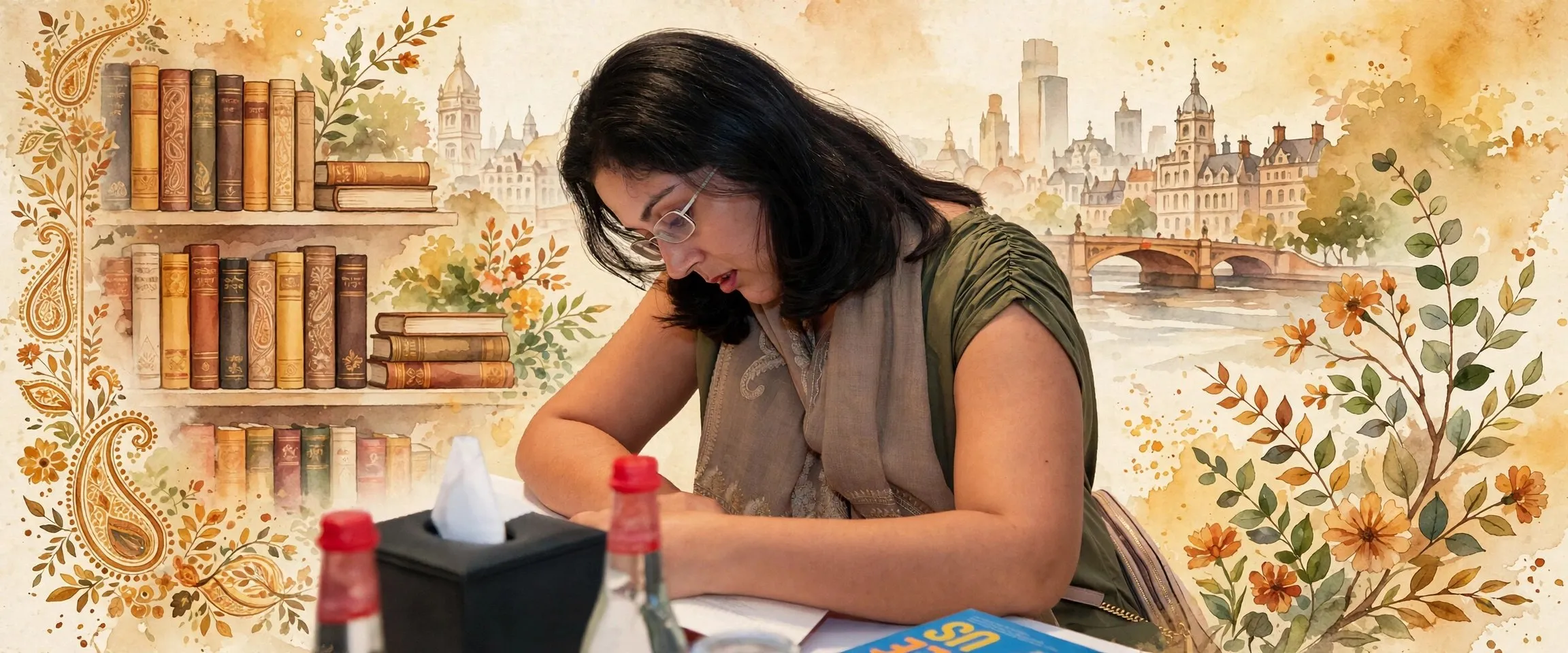
Bapsi Sidhwa (1938 to 2024) was a Pakistani novelist raised in Lahore who wrote in English. Her novel Ice Candy Man (1988), published in the United States as Cracking India, tells the 1947 Partition of Punjab through the eyes of a young Parsi girl in Lahore and is counted among the finest novels of Partition.
Life at a glance
- 1938Born Karachi, British India
- 1978First book The Crow Eaters
- 1988Best known for Ice Candy Man
- 1991Best known for published in the US as Cracking India
- 2024Died Houston, Texas, United States
- Punjabi name
- ਬਾਪਸੀ ਸਿਧਵਾ
- Born
- 11 August 1938, Karachi, British India
- Died
- 25 December 2024, Houston, Texas, United States
- Raised in
- Lahore, Punjab
- Education
- BA, Kinnaird College for Women, Lahore, 1957
- Languages
- English (wrote in); Gujarati and Urdu spoken
All 9 facts
- Community
- Parsi Zoroastrian
- Best known for
- Ice Candy Man (1988), published in the US as Cracking India (1991)
- Honours
- Sitara-i-Imtiaz, Pakistan, 1991; Premio Mondello for foreign authors, 2007
Bapsi Sidhwa (11 August 1938 to 25 December 2024) was a Pakistani novelist who wrote in English and lived much of her later life in the United States. Raised in Lahore, she drew on her own childhood in that city during the 1947 Partition to write Ice Candy Man, published in America as Cracking India, the novel that carried her name around the world.
Early life
She was born in Karachi to Parsi Zoroastrian parents, Peshotan and Tehmina Bhandara, and moved with her family to Lahore when she was about three months old. At the age of two she contracted polio, which meant major surgeries in childhood and left its mark on her for the rest of her life. The small Parsi community of Lahore, neither Hindu, Muslim nor Sikh, watched the approach of Partition from the edge of the storm, and the child watched with it: she later recalled walking with the family gardener a few months before Partition and coming upon a gunny sack that held a young man's body. The scene stayed with her, and decades later it found its way into her novel.
Sidhwa called herself a Punjabi-Parsi. Her first language was Gujarati, her second Urdu and her third English, the language she read and wrote in best. She took her BA from Kinnaird College for Women in Lahore in 1957, married at nineteen and moved to Bombay. That marriage ended after five years and she returned to Lahore, separated for years from her son by the new border's restrictions. She married again, to Noshir Sidhwa, raised three more children, five in all, and began her career as an author.
Writing career
Lahore is the centre of her fiction. Her first novel, The Crow Eaters (1978), is a comic portrait of a Parsi family in the colonial city, and it was especially acclaimed, receiving the David Higham award. The Bride (1982), published in the United States as The Pakistani Bride, tells of a young bride carried into the tribal hills of the north. Then came the book her city had been waiting inside her since 1947: Ice Candy Man, published in England in 1988 and in the United States in 1991 as Cracking India. Narrated by Lenny, a Parsi girl disabled by polio, it shows the mixed streets of Lahore tearing themselves apart, and it remains the fullest novel of Partition written from inside Lahore itself.
An American Brat (1993) followed a Parsi girl to America. In 2006 she published Water: A Novel, written from Deepa Mehta's film Water, and edited City of Sin and Splendour, an anthology of writings on Lahore. Her work with Mehta ran in both directions: Mehta's 1998 film Earth is made from Ice Candy Man, and Sidhwa wrote the novel of Mehta's Water. Alongside the writing she taught at Columbia University, the University of Houston, Rice University, Mount Holyoke College and Brandeis University, among others.
What is Bapsi Sidhwa best known for?
Bapsi Sidhwa is best known for Ice Candy Man (1988), her novel of the 1947 Partition seen through the eyes of a child in Lahore. The University of Southampton's summary is plain: it is her best known work, and it draws directly on her own childhood in the city at the time of Partition. In 2019 BBC News placed the novel on its list of the 100 most influential novels, a sign of how far a story rooted in one Lahore street has travelled.
Honours and later life
Pakistan gave her the Sitara-i-Imtiaz, its highest national honour in the arts, in 1991. She held a Bunting Fellowship at Radcliffe and Harvard in 1986, won the Lila Wallace-Reader's Digest Writer's Award in 1994, was inducted into the Zoroastrian Hall of Fame in 2000, and in 2007 received Italy's Premio Mondello for foreign authors for Water. The Citizens Archive of Pakistan released a documentary on her life, Bapsi: Silences of My Life, in 2022. She died in Houston, Texas, on 25 December 2024, at the age of 86.
Legacy
Sidhwa wrote the Parsi community into the centre of the Partition story, where the standard accounts had left it at the margins, and she wrote Lahore as a lost shared world rather than as a prize fought over by two new nations. For Punjabi readers on both sides of the border, and for the diaspora that carries Lahore in family memory, Lenny's street remains one of the clearest windows into 1947. Her novel Ice Candy Man has its own entry in this Kosh.
ਬਾਪਸੀ ਸਿਧਵਾ (11 ਅਗਸਤ 1938 ਤੋਂ 25 ਦਸੰਬਰ 2024) ਇੱਕ ਪਾਕਿਸਤਾਨੀ ਨਾਵਲਕਾਰ ਸੀ, ਜਿਸ ਨੇ ਅੰਗਰੇਜ਼ੀ ਵਿੱਚ ਲਿਖਿਆ ਅਤੇ ਆਪਣੇ ਬਾਅਦ ਦੇ ਜੀਵਨ ਦਾ ਵੱਡਾ ਹਿੱਸਾ ਅਮਰੀਕਾ ਵਿੱਚ ਬਿਤਾਇਆ। ਲਾਹੌਰ ਵਿੱਚ ਪਲੀ ਹੋਈ, ਉਸ ਨੇ 1947 ਦੀ ਵੰਡ ਦੌਰਾਨ ਉਸ ਸ਼ਹਿਰ ਵਿੱਚ ਆਪਣੇ ਬਚਪਨ ਨੂੰ ਆਈਸ ਕੈਂਡੀ ਮੈਨ ਵਿੱਚ ਬਦਲਿਆ, ਜੋ ਅਮਰੀਕਾ ਵਿੱਚ ਕਰੈਕਿੰਗ ਇੰਡੀਆ ਨਾਂ ਨਾਲ ਛਪਿਆ, ਉਹ ਨਾਵਲ ਜਿਸ ਨੇ ਉਸ ਦਾ ਨਾਂ ਦੁਨੀਆ ਭਰ ਵਿੱਚ ਪਹੁੰਚਾਇਆ।
ਮੁੱਢਲਾ ਜੀਵਨ
ਉਸ ਦਾ ਜਨਮ ਕਰਾਚੀ ਵਿੱਚ ਪਾਰਸੀ ਜ਼ਰਥੁਸ਼ਤੀ ਮਾਪਿਆਂ, ਪੇਸ਼ੋਤਨ ਅਤੇ ਤਹਿਮੀਨਾ ਭੰਡਾਰਾ, ਦੇ ਘਰ ਹੋਇਆ, ਅਤੇ ਉਹ ਲਗਭਗ ਤਿੰਨ ਮਹੀਨਿਆਂ ਦੀ ਉਮਰ ਵਿੱਚ ਪਰਿਵਾਰ ਨਾਲ ਲਾਹੌਰ ਆ ਗਈ। ਦੋ ਸਾਲ ਦੀ ਉਮਰ ਵਿੱਚ ਉਸ ਨੂੰ ਪੋਲੀਓ ਹੋ ਗਿਆ, ਜਿਸ ਕਾਰਨ ਬਚਪਨ ਵਿੱਚ ਵੱਡੇ ਆਪਰੇਸ਼ਨ ਹੋਏ ਅਤੇ ਇਸ ਦਾ ਅਸਰ ਸਾਰੀ ਉਮਰ ਰਿਹਾ। ਲਾਹੌਰ ਦਾ ਛੋਟਾ ਪਾਰਸੀ ਭਾਈਚਾਰਾ, ਨਾ ਹਿੰਦੂ, ਨਾ ਮੁਸਲਮਾਨ, ਨਾ ਸਿੱਖ, ਵੰਡ ਦੇ ਤੂਫ਼ਾਨ ਨੂੰ ਕਿਨਾਰੇ ਤੋਂ ਵੇਖ ਰਿਹਾ ਸੀ, ਅਤੇ ਬੱਚੀ ਵੀ ਨਾਲ ਵੇਖ ਰਹੀ ਸੀ: ਬਾਅਦ ਵਿੱਚ ਉਸ ਨੇ ਯਾਦ ਕੀਤਾ ਕਿ ਵੰਡ ਤੋਂ ਕੁਝ ਮਹੀਨੇ ਪਹਿਲਾਂ ਉਹ ਪਰਿਵਾਰ ਦੇ ਮਾਲੀ ਨਾਲ ਤੁਰ ਰਹੀ ਸੀ ਕਿ ਉਨ੍ਹਾਂ ਨੂੰ ਇੱਕ ਬੋਰੀ ਮਿਲੀ, ਜਿਸ ਵਿੱਚ ਇੱਕ ਨੌਜਵਾਨ ਦੀ ਲਾਸ਼ ਸੀ। ਇਹ ਦ੍ਰਿਸ਼ ਉਸ ਨਾਲ ਰਿਹਾ, ਅਤੇ ਦਹਾਕਿਆਂ ਬਾਅਦ ਉਸ ਦੇ ਨਾਵਲ ਵਿੱਚ ਆ ਗਿਆ।
ਸਿਧਵਾ ਆਪਣੇ ਆਪ ਨੂੰ ਪੰਜਾਬੀ-ਪਾਰਸੀ ਕਹਿੰਦੀ ਸੀ। ਉਸ ਦੀ ਪਹਿਲੀ ਭਾਸ਼ਾ ਗੁਜਰਾਤੀ, ਦੂਜੀ ਉਰਦੂ ਅਤੇ ਤੀਜੀ ਅੰਗਰੇਜ਼ੀ ਸੀ, ਜਿਸ ਭਾਸ਼ਾ ਵਿੱਚ ਉਹ ਸਭ ਤੋਂ ਵਧੀਆ ਪੜ੍ਹਦੀ ਅਤੇ ਲਿਖਦੀ ਸੀ। ਉਸ ਨੇ 1957 ਵਿੱਚ ਲਾਹੌਰ ਦੇ ਕਿਨੇਅਰਡ ਕਾਲਜ ਫਾਰ ਵੂਮੈਨ ਤੋਂ ਬੀ.ਏ. ਕੀਤੀ, ਉਨ੍ਹੀਂ ਸਾਲ ਦੀ ਉਮਰ ਵਿੱਚ ਵਿਆਹ ਕਰ ਕੇ ਬੰਬਈ ਚਲੀ ਗਈ। ਉਹ ਵਿਆਹ ਪੰਜ ਸਾਲ ਬਾਅਦ ਖ਼ਤਮ ਹੋ ਗਿਆ ਅਤੇ ਉਹ ਲਾਹੌਰ ਮੁੜ ਆਈ, ਨਵੀਂ ਸਰਹੱਦ ਦੀਆਂ ਪਾਬੰਦੀਆਂ ਕਾਰਨ ਸਾਲਾਂ ਤੱਕ ਆਪਣੇ ਪੁੱਤਰ ਤੋਂ ਵੱਖ ਰਹੀ। ਉਸ ਨੇ ਫਿਰ ਨੋਸ਼ੀਰ ਸਿਧਵਾ ਨਾਲ ਵਿਆਹ ਕੀਤਾ, ਹੋਰ ਤਿੰਨ ਬੱਚੇ, ਕੁੱਲ ਪੰਜ, ਪਾਲੇ, ਅਤੇ ਲੇਖਕ ਵਜੋਂ ਆਪਣਾ ਕੈਰੀਅਰ ਸ਼ੁਰੂ ਕੀਤਾ।
ਲੇਖਣ ਕੈਰੀਅਰ
ਲਾਹੌਰ ਉਸ ਦੀ ਕਹਾਣੀ-ਕਲਾ ਦਾ ਕੇਂਦਰ ਹੈ। ਉਸ ਦਾ ਪਹਿਲਾ ਨਾਵਲ, ਦਾ ਕ੍ਰੋ ਈਟਰਜ਼ (1978), ਬਸਤੀਵਾਦੀ ਸ਼ਹਿਰ ਵਿੱਚ ਇੱਕ ਪਾਰਸੀ ਪਰਿਵਾਰ ਦੀ ਹਾਸਰਸ ਤਸਵੀਰ ਹੈ, ਅਤੇ ਇਸ ਦੀ ਖ਼ਾਸ ਸ਼ਲਾਘਾ ਹੋਈ, ਇਸ ਨੂੰ ਡੇਵਿਡ ਹਾਈਗਮ ਇਨਾਮ ਮਿਲਿਆ। ਦਾ ਬ੍ਰਾਈਡ (1982), ਜੋ ਅਮਰੀਕਾ ਵਿੱਚ ਦਾ ਪਾਕਿਸਤਾਨੀ ਬ੍ਰਾਈਡ ਨਾਂ ਨਾਲ ਛਪਿਆ, ਇੱਕ ਨੌਜਵਾਨ ਦੁਲਹਨ ਦੀ ਕਹਾਣੀ ਹੈ ਜਿਸ ਨੂੰ ਉੱਤਰ ਦੀਆਂ ਕਬਾਇਲੀ ਪਹਾੜੀਆਂ ਵਿੱਚ ਲਿਜਾਇਆ ਜਾਂਦਾ ਹੈ। ਫਿਰ ਉਹ ਕਿਤਾਬ ਆਈ ਜੋ 1947 ਤੋਂ ਉਸ ਦੇ ਅੰਦਰ ਉਸ ਦੇ ਸ਼ਹਿਰ ਦੀ ਉਡੀਕ ਕਰ ਰਹੀ ਸੀ: ਆਈਸ ਕੈਂਡੀ ਮੈਨ, ਜੋ 1988 ਵਿੱਚ ਇੰਗਲੈਂਡ ਵਿੱਚ ਅਤੇ 1991 ਵਿੱਚ ਅਮਰੀਕਾ ਵਿੱਚ ਕਰੈਕਿੰਗ ਇੰਡੀਆ ਨਾਂ ਨਾਲ ਛਪਿਆ। ਲੈਨੀ, ਪੋਲੀਓ ਨਾਲ ਅਪਾਹਜ ਇੱਕ ਪਾਰਸੀ ਕੁੜੀ, ਦੀ ਜ਼ਬਾਨੀ ਇਹ ਨਾਵਲ ਲਾਹੌਰ ਦੀਆਂ ਮਿਲੀਆਂ-ਜੁਲੀਆਂ ਗਲੀਆਂ ਨੂੰ ਆਪਸ ਵਿੱਚ ਟੁੱਟਦਿਆਂ ਵਿਖਾਉਂਦਾ ਹੈ, ਅਤੇ ਇਹ ਲਾਹੌਰ ਦੇ ਅੰਦਰੋਂ ਲਿਖਿਆ ਵੰਡ ਦਾ ਸਭ ਤੋਂ ਪੂਰਾ ਨਾਵਲ ਬਣਿਆ ਰਹਿੰਦਾ ਹੈ।
ਐਨ ਅਮਰੀਕਨ ਬ੍ਰੈਟ (1993) ਵਿੱਚ ਇੱਕ ਪਾਰਸੀ ਕੁੜੀ ਅਮਰੀਕਾ ਜਾਂਦੀ ਹੈ। 2006 ਵਿੱਚ ਉਸ ਨੇ ਵਾਟਰ: ਅ ਨਾਵਲ ਪ੍ਰਕਾਸ਼ਿਤ ਕੀਤਾ, ਜੋ ਦੀਪਾ ਮਹਿਤਾ ਦੀ ਫ਼ਿਲਮ ਵਾਟਰ ਤੋਂ ਲਿਖਿਆ ਗਿਆ, ਅਤੇ ਸਿਟੀ ਆਫ਼ ਸਿਨ ਐਂਡ ਸਪਲੈਂਡਰ, ਲਾਹੌਰ ਬਾਰੇ ਲਿਖਤਾਂ ਦਾ ਸੰਗ੍ਰਹਿ, ਸੰਪਾਦਿਤ ਕੀਤਾ। ਮਹਿਤਾ ਨਾਲ ਉਸ ਦਾ ਕੰਮ ਦੋਵਾਂ ਪਾਸਿਆਂ ਤੋਂ ਚੱਲਿਆ: ਮਹਿਤਾ ਦੀ 1998 ਦੀ ਫ਼ਿਲਮ ਅਰਥ ਆਈਸ ਕੈਂਡੀ ਮੈਨ ਤੋਂ ਬਣੀ ਹੈ, ਅਤੇ ਸਿਧਵਾ ਨੇ ਮਹਿਤਾ ਦੀ ਵਾਟਰ ਦਾ ਨਾਵਲ ਲਿਖਿਆ। ਲਿਖਣ ਦੇ ਨਾਲ ਨਾਲ ਉਸ ਨੇ ਕੋਲੰਬੀਆ ਯੂਨੀਵਰਸਿਟੀ, ਹਿਊਸਟਨ ਯੂਨੀਵਰਸਿਟੀ, ਰਾਈਸ ਯੂਨੀਵਰਸਿਟੀ, ਮਾਊਂਟ ਹੋਲੀਓਕ ਕਾਲਜ ਅਤੇ ਬ੍ਰੈਂਡਾਈਸ ਯੂਨੀਵਰਸਿਟੀ ਵਿੱਚ ਵੀ ਪੜ੍ਹਾਇਆ।
ਬਾਪਸੀ ਸਿਧਵਾ ਸਭ ਤੋਂ ਵੱਧ ਕਿਸ ਲਈ ਜਾਣੀ ਜਾਂਦੀ ਹੈ?
ਬਾਪਸੀ ਸਿਧਵਾ ਸਭ ਤੋਂ ਵੱਧ ਆਈਸ ਕੈਂਡੀ ਮੈਨ (1988) ਲਈ ਜਾਣੀ ਜਾਂਦੀ ਹੈ, ਉਸ ਦਾ 1947 ਦੀ ਵੰਡ ਬਾਰੇ ਨਾਵਲ ਜੋ ਲਾਹੌਰ ਵਿੱਚ ਇੱਕ ਬੱਚੀ ਦੀਆਂ ਅੱਖਾਂ ਰਾਹੀਂ ਵੇਖਿਆ ਗਿਆ ਹੈ। ਸਾਊਥੈਂਪਟਨ ਯੂਨੀਵਰਸਿਟੀ ਦਾ ਸਾਰ ਸਾਦਾ ਹੈ: ਇਹ ਉਸ ਦਾ ਸਭ ਤੋਂ ਮਸ਼ਹੂਰ ਕੰਮ ਹੈ, ਅਤੇ ਇਹ ਵੰਡ ਦੇ ਸਮੇਂ ਸ਼ਹਿਰ ਵਿੱਚ ਉਸ ਦੇ ਆਪਣੇ ਬਚਪਨ ਉੱਤੇ ਸਿੱਧਾ ਅਧਾਰਤ ਹੈ। 2019 ਵਿੱਚ ਬੀਬੀਸੀ ਨਿਊਜ਼ ਨੇ ਇਸ ਨਾਵਲ ਨੂੰ 100 ਸਭ ਤੋਂ ਪ੍ਰਭਾਵਸ਼ਾਲੀ ਨਾਵਲਾਂ ਦੀ ਸੂਚੀ ਵਿੱਚ ਰੱਖਿਆ, ਇਸ ਗੱਲ ਦਾ ਸਬੂਤ ਕਿ ਲਾਹੌਰ ਦੀ ਇੱਕ ਗਲੀ ਵਿੱਚ ਜੜ੍ਹਾਂ ਰੱਖਣ ਵਾਲੀ ਕਹਾਣੀ ਕਿੰਨੀ ਦੂਰ ਤੱਕ ਗਈ ਹੈ।
ਸਨਮਾਨ ਅਤੇ ਬਾਅਦ ਦਾ ਜੀਵਨ
ਪਾਕਿਸਤਾਨ ਨੇ 1991 ਵਿੱਚ ਉਸ ਨੂੰ ਕਲਾ ਵਿੱਚ ਆਪਣਾ ਸਭ ਤੋਂ ਵੱਡਾ ਰਾਸ਼ਟਰੀ ਸਨਮਾਨ, ਸਿਤਾਰਾ-ਏ-ਇਮਤਿਆਜ਼, ਦਿੱਤਾ। ਉਸ ਨੇ 1986 ਵਿੱਚ ਰੈਡਕਲਿਫ਼ ਅਤੇ ਹਾਰਵਰਡ ਵਿਖੇ ਬੰਟਿੰਗ ਫੈਲੋਸ਼ਿਪ ਲਈ, 1994 ਵਿੱਚ ਲੀਲਾ ਵਾਲੇਸ-ਰੀਡਰਜ਼ ਡਾਈਜੈਸਟ ਰਾਈਟਰਜ਼ ਇਨਾਮ ਜਿੱਤਿਆ, 2000 ਵਿੱਚ ਜ਼ਰਥੁਸ਼ਤੀ ਹਾਲ ਆਫ਼ ਫੇਮ ਵਿੱਚ ਸ਼ਾਮਲ ਹੋਈ, ਅਤੇ 2007 ਵਿੱਚ ਵਾਟਰ ਲਈ ਇਟਲੀ ਦਾ ਵਿਦੇਸ਼ੀ ਲੇਖਕਾਂ ਲਈ ਪ੍ਰੇਮੀਓ ਮੋਂਡੇਲੋ ਮਿਲਿਆ। ਪਾਕਿਸਤਾਨ ਦੇ ਸਿਟੀਜ਼ਨਜ਼ ਆਰਕਾਈਵ ਨੇ 2022 ਵਿੱਚ ਉਸ ਦੇ ਜੀਵਨ ਉੱਤੇ ਇੱਕ ਦਸਤਾਵੇਜ਼ੀ ਫ਼ਿਲਮ, ਬਾਪਸੀ: ਸਾਈਲੈਂਸਿਜ਼ ਆਫ਼ ਮਾਈ ਲਾਈਫ਼, ਜਾਰੀ ਕੀਤੀ। ਉਸ ਦੀ ਮੌਤ 25 ਦਸੰਬਰ 2024 ਨੂੰ ਹਿਊਸਟਨ, ਟੈਕਸਾਸ ਵਿੱਚ 86 ਸਾਲ ਦੀ ਉਮਰ ਵਿੱਚ ਹੋਈ।
ਵਿਰਾਸਤ
ਸਿਧਵਾ ਨੇ ਪਾਰਸੀ ਭਾਈਚਾਰੇ ਨੂੰ ਵੰਡ ਦੀ ਕਹਾਣੀ ਦੇ ਕੇਂਦਰ ਵਿੱਚ ਲਿਖਿਆ, ਜਿੱਥੇ ਆਮ ਬਿਰਤਾਂਤਾਂ ਨੇ ਇਸ ਨੂੰ ਕਿਨਾਰੇ ਉੱਤੇ ਛੱਡਿਆ ਸੀ, ਅਤੇ ਉਸ ਨੇ ਲਾਹੌਰ ਨੂੰ ਇੱਕ ਗੁਆਚੀ ਸਾਂਝੀ ਦੁਨੀਆ ਵਜੋਂ ਲਿਖਿਆ, ਨਾ ਕਿ ਦੋ ਨਵੇਂ ਮੁਲਕਾਂ ਵਿਚਾਲੇ ਲੜਿਆ ਗਿਆ ਇਨਾਮ। ਸਰਹੱਦ ਦੇ ਦੋਵਾਂ ਪਾਸੇ ਦੇ ਪੰਜਾਬੀ ਪਾਠਕਾਂ ਲਈ, ਅਤੇ ਉਸ ਡਾਇਸਪੋਰਾ ਲਈ ਜੋ ਲਾਹੌਰ ਨੂੰ ਪਰਿਵਾਰ ਦੀਆਂ ਯਾਦਾਂ ਵਿੱਚ ਚੁੱਕੀ ਫਿਰਦਾ ਹੈ, ਲੈਨੀ ਦੀ ਗਲੀ 1947 ਵੱਲ ਵੇਖਣ ਦੀਆਂ ਸਭ ਤੋਂ ਸਾਫ਼ ਖਿੜਕੀਆਂ ਵਿੱਚੋਂ ਇੱਕ ਬਣੀ ਰਹਿੰਦੀ ਹੈ। ਉਸ ਦੇ ਨਾਵਲ ਆਈਸ ਕੈਂਡੀ ਮੈਨ ਦੀ ਇਸ ਕੋਸ਼ ਵਿੱਚ ਆਪਣੀ ਐਂਟਰੀ ਹੈ।
Works
People


More people


Jugti is free and independent. Reader support keeps the Kosh growing.
Support