
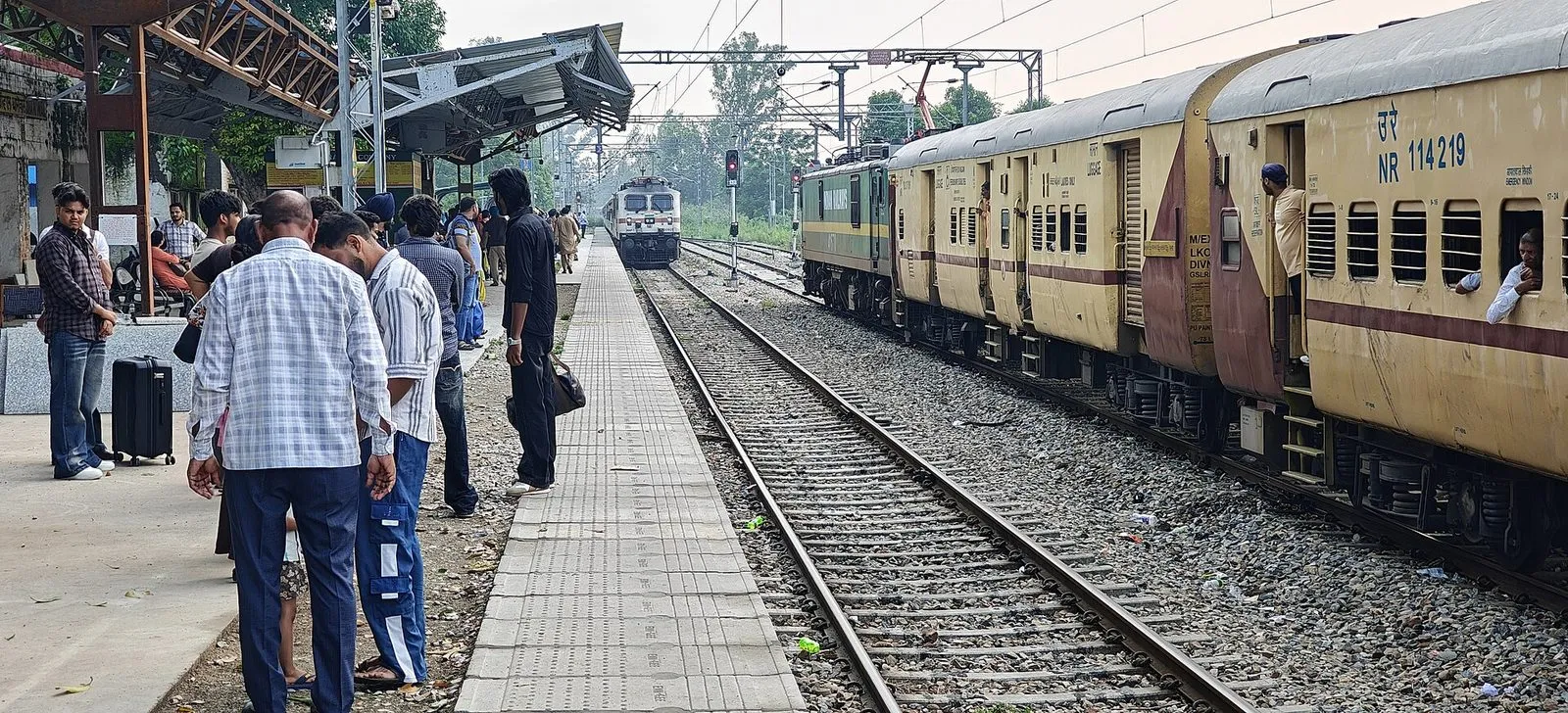
Dhariwal is a small industrial town in Gurdaspur district, about 13 km from Gurdaspur on the road to Batala. For much of the twentieth century its name travelled across north India on the blankets and tweeds of the Dhariwal woolen mill. The town stands on the banks of the Upper Bari Doab canal, and the 2011 census counted 16,772 residents.
- Facts
- Type
- Town
- District
- Gurdaspur
- Region
- Majha, Punjab (India)
- Population
- 16,772 (2011 census)
- Known for
- Dhariwal woolen mill — blankets and tweeds
- Location
- 13 km from Gurdaspur, on the Gurdaspur–Batala road
- Canal
- Upper Bari Doab Canal (completed 1879)
History
Dhariwal's story is the story of a single industry. The town grew up around its woolen mill, which for much of the twentieth century made Dhariwal one of the best-known manufacturing names in Punjab. Dhariwal blankets, tweeds and worsted cloth were sold in bazaars from Peshawar to Calcutta, and the mill's chimneys and workers' colonies shaped the town's entire geography. Long before the mill, this was canal-irrigated farmland of the Majha: the Upper Bari Doab Canal, completed in 1879 under British rule, brought perennial water to the tract between the Ravi and the Beas, and Dhariwal sits on its banks.
Like the rest of Gurdaspur district, Dhariwal was reshaped by Partition in 1947, when refugee families arrived from the districts across the new border and settled into the mill's workforce and the town's expanding bazaars. The decades after independence were the mill's heyday; its later decline mirrored the fate of many of north India's old textile units. Today Dhariwal is a municipal council town of thirteen wards, still identified everywhere in the region with the blankets that carried its name.
Geography & people
Dhariwal lies about 13 kilometres from Gurdaspur on the Gurdaspur–Batala highway, in the Upper Bari Doab plain at roughly 250 metres above sea level. Wheat and paddy dominate the surrounding fields, fed by the canal network. The town's population was 16,772 at the 2011 census, with a literacy rate of about 70 per cent. Punjabi is the language of daily life, and the town's religious mix — Hindu, Sikh and a large Christian community — reflects the old mill workforce drawn from across the region.
The climate is the humid subtropical of north-western India: hot summers, a monsoon that brings most of the year's rain between June and September, and winters of dense fog when daytime temperatures can fall to single digits.
Places of interest
The old woolen mill complex remains Dhariwal's landmark, even in its diminished state — a reminder of the industrial Punjab that once was. The canal banks on the town's edge are a favourite evening walk, and the grain market serves the surrounding villages. Gurdaspur city, with its historic associations, is a short drive away, and Batala's gurdwaras and foundries lie in the other direction.
Notable people
Dhariwal has no single nationally famous native to boast of; its pride is collective. Generations of mill hands, dyers, weavers and traders built the town's reputation stitch by stitch, and their families still form the backbone of its bazaars and neighbourhoods. The town's story is less about famous sons than about an industrial working class that put a small Majha town on the commercial map of north India.
ਇਤਿਹਾਸ
ਧਾਰੀਵਾਲ ਦੀ ਕਹਾਣੀ ਇੱਕੋ ਉਦਯੋਗ ਦੀ ਕਹਾਣੀ ਹੈ। ਇਹ ਸ਼ਹਿਰ ਆਪਣੀ ਊਨੀ ਮਿੱਲ ਦੇ ਆਲੇ-ਦੁਆਲੇ ਵਧਿਆ, ਜਿਸ ਨੇ ਵੀਹਵੀਂ ਸਦੀ ਦੇ ਵੱਡੇ ਹਿੱਸੇ ਵਿੱਚ ਧਾਰੀਵਾਲ ਨੂੰ ਪੰਜਾਬ ਦੇ ਸਭ ਤੋਂ ਜਾਣੇ-ਪਛਾਣੇ ਉਦਯੋਗਿਕ ਨਾਵਾਂ ਵਿੱਚੋਂ ਇੱਕ ਬਣਾ ਦਿੱਤਾ। ਧਾਰੀਵਾਲ ਦੇ ਕੰਬਲ, ਟਵੀਡ ਅਤੇ ਊਨੀ ਕੱਪੜੇ ਪਿਸ਼ੌਰ ਤੋਂ ਕਲਕੱਤਾ ਤੱਕ ਦੇ ਬਾਜ਼ਾਰਾਂ ਵਿੱਚ ਵਿਕਦੇ ਸਨ। ਮਿੱਲ ਤੋਂ ਪਹਿਲਾਂ ਇਹ ਮਾਝੇ ਦੀ ਨਹਿਰੀ ਜ਼ਮੀਨ ਸੀ: 1879 ਵਿੱਚ ਮੁਕੰਮਲ ਹੋਈ ਅੱਪਰ ਬਾਰੀ ਦੋਆਬ ਨਹਿਰ ਨੇ ਰਾਵੀ ਅਤੇ ਬਿਆਸ ਵਿਚਕਾਰਲੇ ਇਲਾਕੇ ਨੂੰ ਸਿੰਜਿਆ, ਅਤੇ ਧਾਰੀਵਾਲ ਇਸ ਦੇ ਕੰਢੇ ਉੱਤੇ ਵਸਿਆ ਹੈ।
1947 ਦੀ ਵੰਡ ਨੇ ਧਾਰੀਵਾਲ ਨੂੰ ਵੀ ਬਦਲ ਦਿੱਤਾ, ਜਦੋਂ ਸਰਹੱਦ ਪਾਰੋਂ ਸ਼ਰਨਾਰਥੀ ਪਰਿਵਾਰ ਆਏ ਅਤੇ ਮਿੱਲ ਦੇ ਕਾਮਿਆਂ ਅਤੇ ਵਧਦੇ ਬਾਜ਼ਾਰਾਂ ਵਿੱਚ ਵੱਸ ਗਏ। ਆਜ਼ਾਦੀ ਤੋਂ ਬਾਅਦ ਦੇ ਦਹਾਕੇ ਮਿੱਲ ਦੇ ਸੁਨਹਿਰੀ ਦੌਰ ਸਨ। ਅੱਜ ਧਾਰੀਵਾਲ ਤੇਰਾਂ ਵਾਰਡਾਂ ਵਾਲਾ ਨਗਰ ਕੌਂਸਲ ਸ਼ਹਿਰ ਹੈ, ਜਿਸ ਦੀ ਪਛਾਣ ਅਜੇ ਵੀ ਉਨ੍ਹਾਂ ਕੰਬਲਾਂ ਨਾਲ ਜੁੜੀ ਹੈ ਜਿਨ੍ਹਾਂ ਨੇ ਇਸ ਦਾ ਨਾਂ ਘਰ-ਘਰ ਪਹੁੰਚਾਇਆ।
ਭੂਗੋਲ ਅਤੇ ਲੋਕ
ਧਾਰੀਵਾਲ ਗੁਰਦਾਸਪੁਰ ਤੋਂ ਲਗਭਗ 13 ਕਿਲੋਮੀਟਰ ਦੂਰ ਗੁਰਦਾਸਪੁਰ–ਬਟਾਲਾ ਸੜਕ ਉੱਤੇ, ਸਮੁੰਦਰ ਤਲ ਤੋਂ ਲਗਭਗ 250 ਮੀਟਰ ਦੀ ਉਚਾਈ ਉੱਤੇ ਸਥਿਤ ਹੈ। ਆਲੇ-ਦੁਆਲੇ ਦੇ ਖੇਤਾਂ ਵਿੱਚ ਕਣਕ ਅਤੇ ਝੋਨਾ ਹੁੰਦਾ ਹੈ। 2011 ਦੀ ਮਰਦਮਸ਼ੁਮਾਰੀ ਅਨੁਸਾਰ ਆਬਾਦੀ 16,772 ਸੀ। ਪੰਜਾਬੀ ਰੋਜ਼ਾਨਾ ਜੀਵਨ ਦੀ ਭਾਸ਼ਾ ਹੈ।
ਦੇਖਣਯੋਗ ਥਾਵਾਂ
ਪੁਰਾਣੀ ਊਨੀ ਮਿੱਲ ਦਾ ਕੰਪਲੈਕਸ ਅੱਜ ਵੀ ਧਾਰੀਵਾਲ ਦੀ ਪਛਾਣ ਹੈ। ਸ਼ਹਿਰ ਦੇ ਨਾਲ ਲੱਗਦੀ ਨਹਿਰ ਦੇ ਕੰਢੇ ਸ਼ਾਮ ਦੀ ਸੈਰ ਲਈ ਲੋਕਪ੍ਰਿਯ ਹਨ, ਅਤੇ ਅਨਾਜ ਮੰਡੀ ਆਲੇ-ਦੁਆਲੇ ਦੇ ਪਿੰਡਾਂ ਦੀ ਸੇਵਾ ਕਰਦੀ ਹੈ।
ਪ੍ਰਸਿੱਧ ਲੋਕ
ਧਾਰੀਵਾਲ ਦਾ ਮਾਣ ਕਿਸੇ ਇੱਕ ਮਸ਼ਹੂਰ ਵਿਅਕਤੀ ਵਿੱਚ ਨਹੀਂ, ਸਗੋਂ ਸਮੂਹਿਕ ਮਿਹਨਤ ਵਿੱਚ ਹੈ। ਮਿੱਲ ਦੇ ਕਾਮਿਆਂ, ਰੰਗਰੇਜ਼ਾਂ, ਜੁਲਾਹਿਆਂ ਅਤੇ ਵਪਾਰੀਆਂ ਦੀਆਂ ਪੀੜ੍ਹੀਆਂ ਨੇ ਇਸ ਛੋਟੇ ਜਿਹੇ ਮਾਝੀ ਸ਼ਹਿਰ ਨੂੰ ਉੱਤਰੀ ਭਾਰਤ ਦੇ ਵਪਾਰਕ ਨਕਸ਼ੇ ਉੱਤੇ ਲਿਆਂਦਾ।
Timeline
- 1879The Upper Bari Doab Canal is completed, irrigating the Dhariwal tract.
- 1947Partition brings refugee families into the mill town's workforce.
- 2011Census records a population of 16,772.
Dhariwal in the news
No stories link to this entry yet.