
Baba Zorawar Singh Ji (17 November 1696 to 26 December 1704) was the third son of Guru Gobind Singh Ji and Mata Jito Ji, and the elder of the two younger Sahibzade. At eight years old he was taken prisoner at Sirhind with his little brother Fateh Singh Ji, refused again and again to give up his faith, and was bricked alive on the orders of Wazir Khan, the Mughal governor of Sirhind. With his elder brothers, who had died at Chamkaur a few days earlier, he is one of the Char Sahibzade, the four princes remembered every day in the Sikh prayer of Ardas.
- Punjabi name
- ਬਾਬਾ ਜ਼ੋਰਾਵਰ ਸਿੰਘ ਜੀ
- Born
- 17 November 1696, Anandpur Sahib
- Father
- Guru Gobind Singh Ji
- Mother
- Mata Jito Ji (Mata Ajit Kaur Ji)
- Grandmother
- Mata Gujri Ji
- Brothers
- Ajit Singh Ji, Jujhar Singh Ji, Fateh Singh Ji
All 9 facts
- Died
- 26 December 1704, Sirhind, aged 8 (some accounts say 27 December)
- Place of martyrdom
- Fatehgarh Sahib, Sirhind
- Known for
- Martyrdom at Sirhind with younger brother Fateh Singh Ji
Baba Zorawar Singh Ji (17 November 1696 to 26 December 1704) was the third son of Guru Gobind Singh Ji and Mata Jito Ji, and the elder of the two younger Sahibzade. At eight years old he was taken prisoner at Sirhind with his little brother Fateh Singh Ji, refused again and again to give up his faith, and was bricked alive on the orders of Wazir Khan, the Mughal governor of Sirhind. With his elder brothers, who had died at Chamkaur a few days earlier, he is one of the Char Sahibzade, the four princes remembered every day in the Sikh prayer of Ardas.
Who was Baba Zorawar Singh Ji?
Baba Zorawar Singh Ji was born at Anandpur Sahib on 17 November 1696, the third son of Guru Gobind Singh Ji and Mata Jito Ji, who is also known as Mata Ajit Kaur Ji. His elder brothers were Ajit Singh Ji and Jujhar Singh Ji, and his younger brother was Fateh Singh Ji, who was about five years old when the family left Anandpur. Together the four brothers are remembered as the Char Sahibzade, the four princes. His name, Zorawar, speaks of strength, and the boy who carried it was not yet nine when he was asked to prove it.
His mother died on 5 December 1700, when Zorawar Singh Ji was four years old, and his grandmother Mata Gujri Ji took charge of the two younger boys and raised them. He grew up at Anandpur Sahib in the years when his father was building the Khalsa and defending the town against the hill chiefs and the Mughal armies, and he learned scripture and the use of arms alongside his brothers. He was too young to ride out with the fighting men, but old enough to understand what his father asked of a Sikh.
Most accounts give his birth date as 17 November 1696 at Anandpur Sahib, and this entry follows that date. SikhiWiki gives 28 November 1696 instead. The year, 1696, and the place, Anandpur Sahib, are agreed on. Some accounts say he was nine at the time of his death, counting his age by the year rather than the month; by the dates above he was eight.
How did the family reach Sirhind?
By the winter of 1704 Anandpur Sahib had been under siege for months. The Mughal armies of Sirhind and Lahore, joined by the hill chiefs, had cut off all supplies, and food and ammunition were exhausted. The besiegers promised safe passage if the Guru would leave, swearing oaths on the Quran. The Guru knew the oaths were false, but he was prevailed upon, chiefly by his mother Mata Gujri Ji, to leave. On the night of 5 and 6 December 1704 the Sikhs slipped out of Anandpur.
The promise was broken at once. As the column crossed the rain-swollen river Sarsa, the pursuing army fell on it, and in the confusion of that cold night Mata Gujri Ji and the two younger Sahibzade were separated from the rest. Their cook Gangu, who had crossed with them, took the three to his own house in the village of Kheri, now called Saheri, near Morinda in Ropar district. There he stole the saddlebag with their money and jewellery, and then, hoping for a reward, reported them to the Mughal officials at Morinda.
On the morning of 7 December 1704, the day of the Battle of Chamkaur, the officials Jani Khan and Mani Khan Ranghar took the two boys and their grandmother into custody. The next day they were sent to Sirhind and locked in the Thanda Burj, the cold tower of the fort, an open tower that was bitter in the December wind. There the old grandmother kept the boys in her lap and told them stories from Sikh history through the long nights.
What happened in Wazir Khan's court?
On 24 December 1704 the two boys were brought before Wazir Khan in a grand public gathering, with hundreds of armed soldiers standing around them. The governor's men told them that their father, their elder brothers and all the Sikhs had been killed, and offered them riches, comfort and their lives if they would accept Islam. The boys refused. They answered that their grandfather, Guru Tegh Bahadur Ji, had given his head rather than his faith, and they would do the same.
A courtier named Suchanand Khatri insulted them, saying that the children of a snake are always venomous. Nawab Sher Muhammad Khan of Malerkotla, who had fought against Guru Gobind Singh Ji at Chamkaur and lost his own kinsmen there, was moved by the boys' courage and refused to take part in harming children. At his pleading the boys were given more time to think, and they spent two more days of the severe winter in their grandmother's lap in the Cold Tower. Nothing moved them.
How were the younger Sahibzade martyred?
On 25 December 1704 Wazir Khan ordered the boys to be sealed alive in a wall. According to the tradition, as the masonry rose around their small bodies and reached their chests, it crumbled, and the boys were sent back to the Cold Tower for another night. Once more they were offered their lives for their faith, and once more they refused.
Most accounts give 26 December 1704 as the day of their martyrdom, when the boys were sealed alive in the wall at Sirhind. Some accounts say the killing was completed the next day, on 27 December. The early Sikh chronicles describe the death more plainly, saying the boys were beheaded, while the popular tradition remembers them bricked alive, and the two tellings agree on what matters: two children of eight and five were killed in Mughal custody because they would not give up their faith. Mata Gujri Ji, who had been kept in the Cold Tower a little distance away, died the same day when the news reached her.
A wealthy banker of Sirhind named Diwan Todar Mal took on the task of cremating the three bodies. He had to buy the ground for it, and the price was set by laying gold coins edge to edge across the plot. The place where the bodies were cremated is now marked by Gurdwara Jyoti Saroop, and the place where the boys died is marked by Gurdwara Fatehgarh Sahib.
Why is 26 December remembered every year?
Every year on 26 December, Veer Bal Diwas honours the younger Sahibzade in India and the diaspora, and the Shaheedi Jor Mela is held at Fatehgarh Sahib from 25 to 28 December, when thousands of pilgrims come to the shrines. The four Sahibzade are named every day in Ardas, the Sikh prayer, so that no Sikh child grows up without hearing of them.
The story did not end at Sirhind. In 1710 Banda Singh Bahadur broke Wazir Khan's army at Chappar Chiri and took Sirhind, and Wazir Khan was killed in the battle. The town, and the district around it, are called Fatehgarh Sahib, the fort of victory, a name that carries the younger brother's name, Fateh. What was done to two children in a cold tower in December 1704 is still answered, every December, by crowds of families bringing their own children to the same ground to remember them.
What stands at Fatehgarh Sahib today?
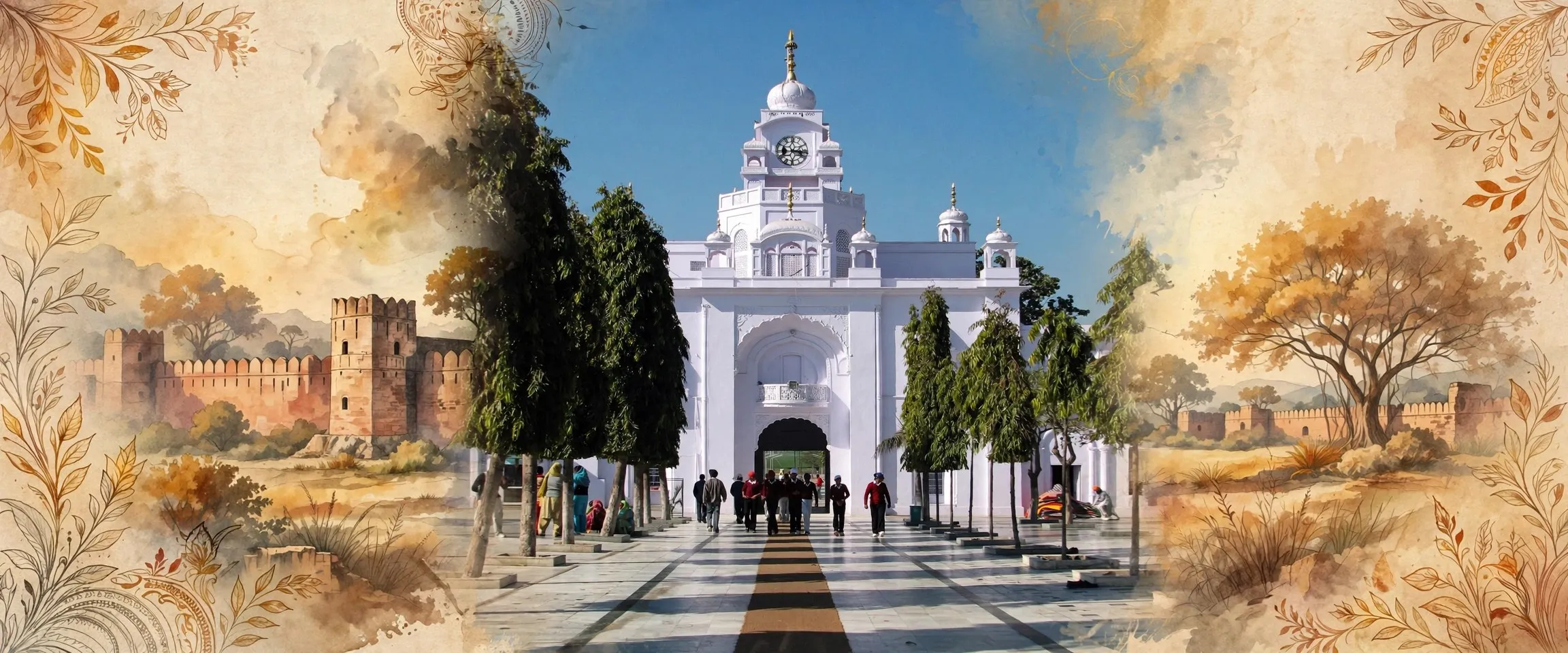
Gurdwara Fatehgarh Sahib stands where the younger Sahibzade were martyred, and its white marble halls draw pilgrims through the year and in great numbers every December. A short distance away, Gurdwara Jyoti Saroop marks the spot where Diwan Todar Mal cremated the three bodies, and the Thanda Burj, the Cold Tower where the boys spent their last nights with their grandmother, still stands as part of the complex.
A 19th-century mural at Takht Hazur Sahib shows Guru Gobind Singh Ji with his four sons, and Zorawar Singh Ji is shown seated beside his father, a young prince in gold. Visitors to Fatehgarh Sahib usually begin at the main gurdwara, walk to Jyoti Saroop, and spend time at the Cold Tower, where the winter wind still cuts through the open stone. The nearest town is Sirhind, on the road between Ambala and Ludhiana, and the shrines are open to all visitors.
ਬਾਬਾ ਜ਼ੋਰਾਵਰ ਸਿੰਘ ਜੀ (17 ਨਵੰਬਰ 1696 ਤੋਂ 26 ਦਸੰਬਰ 1704) ਗੁਰੂ ਗੋਬਿੰਦ ਸਿੰਘ ਜੀ ਅਤੇ ਮਾਤਾ ਜੀਤੋ ਜੀ ਦੇ ਤੀਜੇ ਪੁੱਤਰ ਸਨ ਅਤੇ ਦੋ ਛੋਟੇ ਸਾਹਿਬਜ਼ਾਦਿਆਂ ਵਿੱਚੋਂ ਵੱਡੇ ਸਨ। ਅੱਠ ਸਾਲ ਦੀ ਉਮਰ ਵਿੱਚ ਉਨ੍ਹਾਂ ਨੂੰ ਛੋਟੇ ਭਰਾ ਫ਼ਤਹਿ ਸਿੰਘ ਜੀ ਨਾਲ ਸਰਹਿੰਦ ਵਿਖੇ ਕੈਦ ਕਰ ਲਿਆ ਗਿਆ, ਉਨ੍ਹਾਂ ਨੇ ਵਾਰ ਵਾਰ ਆਪਣਾ ਧਰਮ ਛੱਡਣ ਤੋਂ ਇਨਕਾਰ ਕਰ ਦਿੱਤਾ, ਅਤੇ ਸਰਹਿੰਦ ਦੇ ਮੁਗ਼ਲ ਸੂਬੇਦਾਰ ਵਜ਼ੀਰ ਖ਼ਾਨ ਦੇ ਹੁਕਮ ਉੱਤੇ ਉਨ੍ਹਾਂ ਨੂੰ ਕੰਧ ਵਿੱਚ ਚਿਣ ਦਿੱਤਾ ਗਿਆ। ਆਪਣੇ ਵੱਡੇ ਭਰਾਵਾਂ ਨਾਲ, ਜੋ ਕੁਝ ਦਿਨ ਪਹਿਲਾਂ ਚਮਕੌਰ ਵਿੱਚ ਸ਼ਹੀਦ ਹੋਏ ਸਨ, ਉਹ ਚਾਰ ਸਾਹਿਬਜ਼ਾਦਿਆਂ ਵਿੱਚੋਂ ਇੱਕ ਹਨ, ਜਿਨ੍ਹਾਂ ਨੂੰ ਹਰ ਰੋਜ਼ ਅਰਦਾਸ ਵਿੱਚ ਯਾਦ ਕੀਤਾ ਜਾਂਦਾ ਹੈ।
ਬਾਬਾ ਜ਼ੋਰਾਵਰ ਸਿੰਘ ਜੀ ਕੌਣ ਸਨ?
ਬਾਬਾ ਜ਼ੋਰਾਵਰ ਸਿੰਘ ਜੀ ਦਾ ਜਨਮ 17 ਨਵੰਬਰ 1696 ਨੂੰ ਅਨੰਦਪੁਰ ਸਾਹਿਬ ਵਿਖੇ ਹੋਇਆ ਸੀ। ਉਹ ਗੁਰੂ ਗੋਬਿੰਦ ਸਿੰਘ ਜੀ ਅਤੇ ਮਾਤਾ ਜੀਤੋ ਜੀ, ਜਿਨ੍ਹਾਂ ਨੂੰ ਮਾਤਾ ਅਜੀਤ ਕੌਰ ਜੀ ਵੀ ਕਿਹਾ ਜਾਂਦਾ ਹੈ, ਦੇ ਤੀਜੇ ਪੁੱਤਰ ਸਨ। ਉਨ੍ਹਾਂ ਦੇ ਵੱਡੇ ਭਰਾ ਅਜੀਤ ਸਿੰਘ ਜੀ ਅਤੇ ਜੁਝਾਰ ਸਿੰਘ ਜੀ ਸਨ, ਅਤੇ ਛੋਟਾ ਭਰਾ ਫ਼ਤਹਿ ਸਿੰਘ ਜੀ ਸੀ, ਜੋ ਪਰਿਵਾਰ ਦੇ ਅਨੰਦਪੁਰ ਛੱਡਣ ਵੇਲੇ ਲਗਭਗ ਪੰਜ ਸਾਲ ਦਾ ਸੀ। ਚਾਰੇ ਭਰਾਵਾਂ ਨੂੰ ਇਕੱਠਿਆਂ ਚਾਰ ਸਾਹਿਬਜ਼ਾਦੇ ਕਿਹਾ ਜਾਂਦਾ ਹੈ। ਉਨ੍ਹਾਂ ਦੇ ਨਾਂ ਜ਼ੋਰਾਵਰ ਦਾ ਅਰਥ ਹੈ ਤਾਕਤ ਵਾਲਾ, ਅਤੇ ਜਿਸ ਬੱਚੇ ਦਾ ਇਹ ਨਾਂ ਸੀ, ਉਸ ਤੋਂ ਨੌਂ ਸਾਲ ਦੀ ਉਮਰ ਤੋਂ ਪਹਿਲਾਂ ਹੀ ਇਸ ਨੂੰ ਸਾਬਤ ਕਰਨ ਲਈ ਕਿਹਾ ਗਿਆ।
ਉਨ੍ਹਾਂ ਦੀ ਮਾਤਾ ਦਾ ਦੇਹਾਂਤ 5 ਦਸੰਬਰ 1700 ਨੂੰ ਹੋ ਗਿਆ ਸੀ, ਜਦੋਂ ਜ਼ੋਰਾਵਰ ਸਿੰਘ ਜੀ ਚਾਰ ਸਾਲ ਦੇ ਸਨ, ਅਤੇ ਉਨ੍ਹਾਂ ਦੀ ਦਾਦੀ ਮਾਤਾ ਗੁਜਰੀ ਜੀ ਨੇ ਦੋਵਾਂ ਛੋਟੇ ਬੱਚਿਆਂ ਦੀ ਸੰਭਾਲ ਕੀਤੀ ਅਤੇ ਉਨ੍ਹਾਂ ਨੂੰ ਪਾਲਿਆ। ਉਹ ਅਨੰਦਪੁਰ ਸਾਹਿਬ ਵਿੱਚ ਉਨ੍ਹਾਂ ਸਾਲਾਂ ਵਿੱਚ ਵੱਡੇ ਹੋਏ ਜਦੋਂ ਉਨ੍ਹਾਂ ਦੇ ਪਿਤਾ ਜੀ ਖ਼ਾਲਸਾ ਸਾਜ ਰਹੇ ਸਨ ਅਤੇ ਪਹਾੜੀ ਰਾਜਿਆਂ ਅਤੇ ਮੁਗ਼ਲ ਫ਼ੌਜਾਂ ਤੋਂ ਸ਼ਹਿਰ ਦੀ ਰੱਖਿਆ ਕਰ ਰਹੇ ਸਨ, ਅਤੇ ਉਨ੍ਹਾਂ ਨੇ ਆਪਣੇ ਭਰਾਵਾਂ ਨਾਲ ਗੁਰਬਾਣੀ ਅਤੇ ਹਥਿਆਰ ਚਲਾਉਣਾ ਸਿੱਖਿਆ। ਉਹ ਲੜਨ ਵਾਲਿਆਂ ਨਾਲ ਜਾਣ ਲਈ ਬਹੁਤ ਛੋਟੇ ਸਨ, ਪਰ ਇਹ ਸਮਝਣ ਲਈ ਕਾਫ਼ੀ ਵੱਡੇ ਸਨ ਕਿ ਉਨ੍ਹਾਂ ਦੇ ਪਿਤਾ ਜੀ ਇੱਕ ਸਿੱਖ ਤੋਂ ਕੀ ਮੰਗਦੇ ਹਨ।
ਜ਼ਿਆਦਾਤਰ ਲੇਖ ਉਨ੍ਹਾਂ ਦੇ ਜਨਮ ਦੀ ਤਰੀਕ 17 ਨਵੰਬਰ 1696 ਨੂੰ ਅਨੰਦਪੁਰ ਸਾਹਿਬ ਦੱਸਦੇ ਹਨ, ਅਤੇ ਇਹ ਲੇਖ ਉਸੇ ਤਰੀਕ ਨੂੰ ਮੰਨਦਾ ਹੈ। ਸਿੱਖੀਵਿਕੀ ਵਿੱਚ 28 ਨਵੰਬਰ 1696 ਦਰਜ ਹੈ। ਸਾਲ, 1696, ਅਤੇ ਥਾਂ, ਅਨੰਦਪੁਰ ਸਾਹਿਬ, ਬਾਰੇ ਸਭ ਸਹਿਮਤ ਹਨ। ਕੁਝ ਲੇਖ ਕਹਿੰਦੇ ਹਨ ਕਿ ਉਨ੍ਹਾਂ ਦੀ ਮੌਤ ਵੇਲੇ ਉਮਰ ਨੌਂ ਸਾਲ ਸੀ, ਕਿਉਂਕਿ ਉਹ ਸਾਲ ਦੇ ਹਿਸਾਬ ਨਾਲ ਗਿਣਦੇ ਹਨ, ਮਹੀਨੇ ਦੇ ਹਿਸਾਬ ਨਾਲ ਨਹੀਂ। ਉੱਪਰ ਦਿੱਤੀਆਂ ਤਰੀਕਾਂ ਮੁਤਾਬਕ ਉਨ੍ਹਾਂ ਦੀ ਉਮਰ ਅੱਠ ਸਾਲ ਸੀ।
ਪਰਿਵਾਰ ਸਰਹਿੰਦ ਕਿਵੇਂ ਪਹੁੰਚਿਆ?
1704 ਦੀ ਸਰਦੀ ਤੱਕ ਅਨੰਦਪੁਰ ਸਾਹਿਬ ਮਹੀਨਿਆਂ ਤੋਂ ਘੇਰੇ ਵਿੱਚ ਸੀ। ਸਰਹਿੰਦ ਅਤੇ ਲਾਹੌਰ ਦੀਆਂ ਮੁਗ਼ਲ ਫ਼ੌਜਾਂ, ਪਹਾੜੀ ਰਾਜਿਆਂ ਨਾਲ ਮਿਲ ਕੇ, ਸਾਰੀ ਰਸਦ ਰੋਕ ਚੁੱਕੀਆਂ ਸਨ, ਅਤੇ ਖਾਣਾ ਅਤੇ ਗੋਲਾ ਬਾਰੂਦ ਖ਼ਤਮ ਹੋ ਗਿਆ ਸੀ। ਘੇਰਾ ਪਾਉਣ ਵਾਲਿਆਂ ਨੇ ਵਾਅਦਾ ਕੀਤਾ ਕਿ ਜੇ ਗੁਰੂ ਜੀ ਚਲੇ ਜਾਣ ਤਾਂ ਉਨ੍ਹਾਂ ਨੂੰ ਸੁਰੱਖਿਅਤ ਰਸਤਾ ਦਿੱਤਾ ਜਾਵੇਗਾ, ਅਤੇ ਕੁਰਾਨ ਉੱਤੇ ਸੌਂਹ ਖਾਧੀ। ਗੁਰੂ ਜੀ ਜਾਣਦੇ ਸਨ ਕਿ ਸੌਂਹਾਂ ਝੂਠੀਆਂ ਹਨ, ਪਰ ਆਪਣੀ ਮਾਤਾ ਮਾਤਾ ਗੁਜਰੀ ਜੀ ਦੇ ਕਹਿਣ ਉੱਤੇ ਉਹ ਚਲੇ ਜਾਣ ਲਈ ਮੰਨ ਗਏ। 5 ਅਤੇ 6 ਦਸੰਬਰ 1704 ਦੀ ਰਾਤ ਨੂੰ ਸਿੱਖ ਅਨੰਦਪੁਰ ਤੋਂ ਨਿਕਲ ਗਏ।
ਵਾਅਦਾ ਤੁਰੰਤ ਤੋੜ ਦਿੱਤਾ ਗਿਆ। ਜਦੋਂ ਕਾਫ਼ਲਾ ਬਾਰਸ਼ ਨਾਲ ਭਰੀ ਸਰਸਾ ਨਦੀ ਪਾਰ ਕਰ ਰਿਹਾ ਸੀ, ਤਾਂ ਪਿੱਛਾ ਕਰਦੀ ਫ਼ੌਜ ਨੇ ਹਮਲਾ ਕਰ ਦਿੱਤਾ, ਅਤੇ ਉਸ ਠੰਢੀ ਰਾਤ ਦੀ ਗੜਬੜ ਵਿੱਚ ਮਾਤਾ ਗੁਜਰੀ ਜੀ ਅਤੇ ਦੋ ਛੋਟੇ ਸਾਹਿਬਜ਼ਾਦੇ ਬਾਕੀਆਂ ਤੋਂ ਵਿੱਛੜ ਗਏ। ਉਨ੍ਹਾਂ ਦਾ ਰਸੋਈਆ ਗੰਗੂ, ਜੋ ਉਨ੍ਹਾਂ ਨਾਲ ਨਦੀ ਪਾਰ ਕਰ ਗਿਆ ਸੀ, ਤਿੰਨਾਂ ਨੂੰ ਮੋਰਿੰਡਾ ਨੇੜੇ ਖੇੜੀ ਪਿੰਡ, ਜਿਸ ਨੂੰ ਹੁਣ ਸਾਹੇਰੀ ਕਿਹਾ ਜਾਂਦਾ ਹੈ, ਆਪਣੇ ਘਰ ਲੈ ਗਿਆ। ਉੱਥੇ ਉਸ ਨੇ ਉਨ੍ਹਾਂ ਦੀ ਪੈਸੇ ਅਤੇ ਗਹਿਣਿਆਂ ਵਾਲੀ ਖੁਰਜੀਨ ਚੁਰਾ ਲਈ, ਅਤੇ ਫਿਰ ਇਨਾਮ ਦੀ ਆਸ ਵਿੱਚ ਮੋਰਿੰਡਾ ਦੇ ਮੁਗ਼ਲ ਅਧਿਕਾਰੀਆਂ ਨੂੰ ਉਨ੍ਹਾਂ ਬਾਰੇ ਦੱਸ ਦਿੱਤਾ।
7 ਦਸੰਬਰ 1704 ਦੀ ਸਵੇਰ ਨੂੰ, ਚਮਕੌਰ ਦੀ ਲੜਾਈ ਵਾਲੇ ਦਿਨ, ਜਾਨੀ ਖ਼ਾਨ ਅਤੇ ਮਾਨੀ ਖ਼ਾਨ ਰੰਘੜ ਨੇ ਦੋਵਾਂ ਬੱਚਿਆਂ ਅਤੇ ਉਨ੍ਹਾਂ ਦੀ ਦਾਦੀ ਨੂੰ ਗਿਰਫ਼ਤਾਰ ਕਰ ਲਿਆ। ਅਗਲੇ ਦਿਨ ਉਨ੍ਹਾਂ ਨੂੰ ਸਰਹਿੰਦ ਭੇਜ ਦਿੱਤਾ ਗਿਆ ਅਤੇ ਕਿਲ੍ਹੇ ਦੇ ਠੰਢੇ ਬੁਰਜ, ਇੱਕ ਖੁੱਲ੍ਹੇ ਬੁਰਜ, ਵਿੱਚ ਬੰਦ ਕਰ ਦਿੱਤਾ ਗਿਆ, ਜੋ ਦਸੰਬਰ ਦੀ ਠੰਢੀ ਹਵਾ ਵਿੱਚ ਬਹੁਤ ਠੰਢਾ ਸੀ। ਉੱਥੇ ਬੁੱਢੀ ਦਾਦੀ ਬੱਚਿਆਂ ਨੂੰ ਆਪਣੀ ਗੋਦ ਵਿੱਚ ਰੱਖਦੀ ਸੀ ਅਤੇ ਲੰਬੀਆਂ ਰਾਤਾਂ ਵਿੱਚ ਉਨ੍ਹਾਂ ਨੂੰ ਸਿੱਖ ਇਤਿਹਾਸ ਦੀਆਂ ਕਹਾਣੀਆਂ ਸੁਣਾਉਂਦੀ ਸੀ।
ਵਜ਼ੀਰ ਖ਼ਾਨ ਦੀ ਕਚਹਿਰੀ ਵਿੱਚ ਕੀ ਹੋਇਆ?
24 ਦਸੰਬਰ 1704 ਨੂੰ ਦੋਵਾਂ ਬੱਚਿਆਂ ਨੂੰ ਵਜ਼ੀਰ ਖ਼ਾਨ ਅੱਗੇ ਇੱਕ ਵੱਡੀ ਖੁੱਲ੍ਹੀ ਕਚਹਿਰੀ ਵਿੱਚ ਪੇਸ਼ ਕੀਤਾ ਗਿਆ, ਜਿੱਥੇ ਸੈਂਕੜੇ ਹਥਿਆਰਬੰਦ ਸਿਪਾਹੀ ਉਨ੍ਹਾਂ ਦੇ ਆਲੇ ਦੁਆਲੇ ਖੜ੍ਹੇ ਸਨ। ਸੂਬੇਦਾਰ ਦੇ ਆਦਮੀਆਂ ਨੇ ਉਨ੍ਹਾਂ ਨੂੰ ਦੱਸਿਆ ਕਿ ਉਨ੍ਹਾਂ ਦੇ ਪਿਤਾ, ਉਨ੍ਹਾਂ ਦੇ ਵੱਡੇ ਭਰਾ ਅਤੇ ਸਾਰੇ ਸਿੱਖ ਮਾਰੇ ਜਾ ਚੁੱਕੇ ਹਨ, ਅਤੇ ਵਾਅਦਾ ਕੀਤਾ ਕਿ ਜੇ ਉਹ ਇਸਲਾਮ ਕਬੂਲ ਕਰ ਲੈਣ ਤਾਂ ਉਨ੍ਹਾਂ ਨੂੰ ਦੌਲਤ, ਸੁੱਖ ਅਤੇ ਜਾਨ ਬਖ਼ਸ਼ ਦਿੱਤੀ ਜਾਵੇਗੀ। ਬੱਚਿਆਂ ਨੇ ਇਨਕਾਰ ਕਰ ਦਿੱਤਾ। ਉਨ੍ਹਾਂ ਨੇ ਜਵਾਬ ਦਿੱਤਾ ਕਿ ਉਨ੍ਹਾਂ ਦੇ ਦਾਦਾ ਗੁਰੂ ਤੇਗ਼ ਬਹਾਦਰ ਜੀ ਨੇ ਧਰਮ ਦੀ ਖ਼ਾਤਰ ਸੀਸ ਦਿੱਤਾ ਸੀ, ਆਪਣਾ ਧਰਮ ਨਹੀਂ, ਅਤੇ ਉਹ ਵੀ ਇਹੋ ਕਰਨਗੇ।
ਸੁਚਾਨੰਦ ਖ਼ਤਰੀ ਨਾਂ ਦੇ ਇੱਕ ਦਰਬਾਰੀ ਨੇ ਉਨ੍ਹਾਂ ਦੀ ਬੇਇੱਜ਼ਤੀ ਕੀਤੀ ਅਤੇ ਕਿਹਾ ਕਿ ਸੱਪ ਦੇ ਬੱਚੇ ਹਮੇਸ਼ਾ ਜ਼ਹਿਰੀਲੇ ਹੁੰਦੇ ਹਨ। ਮਲੇਰਕੋਟਲੇ ਦੇ ਨਵਾਬ ਸ਼ੇਰ ਮੁਹੰਮਦ ਖ਼ਾਨ, ਜੋ ਚਮਕੌਰ ਵਿੱਚ ਗੁਰੂ ਗੋਬਿੰਦ ਸਿੰਘ ਜੀ ਵਿਰੁੱਧ ਲੜਿਆ ਸੀ ਅਤੇ ਉਸ ਦੇ ਆਪਣੇ ਰਿਸ਼ਤੇਦਾਰ ਮਾਰੇ ਗਏ ਸਨ, ਬੱਚਿਆਂ ਦੀ ਹਿੰਮਤ ਤੋਂ ਪ੍ਰਭਾਵਿਤ ਹੋਇਆ ਅਤੇ ਉਸ ਨੇ ਬੱਚਿਆਂ ਨੂੰ ਨੁਕਸਾਨ ਪਹੁੰਚਾਉਣ ਵਿੱਚ ਹਿੱਸਾ ਲੈਣ ਤੋਂ ਇਨਕਾਰ ਕਰ ਦਿੱਤਾ। ਉਸ ਦੇ ਕਹਿਣ ਉੱਤੇ ਬੱਚਿਆਂ ਨੂੰ ਸੋਚਣ ਲਈ ਹੋਰ ਸਮਾਂ ਦਿੱਤਾ ਗਿਆ, ਅਤੇ ਉਨ੍ਹਾਂ ਨੇ ਸਖ਼ਤ ਸਰਦੀ ਦੇ ਦੋ ਹੋਰ ਦਿਨ ਆਪਣੀ ਦਾਦੀ ਦੀ ਗੋਦ ਵਿੱਚ ਠੰਢੇ ਬੁਰਜ ਵਿੱਚ ਬਿਤਾਏ। ਕਿਸੇ ਚੀਜ਼ ਨੇ ਉਨ੍ਹਾਂ ਨੂੰ ਡੋਲਾਇਆ ਨਹੀਂ।
ਛੋਟੇ ਸਾਹਿਬਜ਼ਾਦੇ ਕਿਵੇਂ ਸ਼ਹੀਦ ਹੋਏ?
25 ਦਸੰਬਰ 1704 ਨੂੰ ਵਜ਼ੀਰ ਖ਼ਾਨ ਨੇ ਹੁਕਮ ਦਿੱਤਾ ਕਿ ਬੱਚਿਆਂ ਨੂੰ ਕੰਧ ਵਿੱਚ ਜਿਉਂਦੇ ਚਿਣ ਦਿੱਤਾ ਜਾਵੇ। ਪਰੰਪਰਾ ਮੁਤਾਬਕ, ਜਦੋਂ ਕੰਧ ਉਨ੍ਹਾਂ ਦੇ ਛੋਟੇ ਸਰੀਰਾਂ ਦੇ ਆਲੇ ਦੁਆਲੇ ਉੱਠੀ ਅਤੇ ਉਨ੍ਹਾਂ ਦੀ ਛਾਤੀ ਤੱਕ ਪਹੁੰਚੀ, ਤਾਂ ਉਹ ਡਿੱਗ ਪਈ, ਅਤੇ ਬੱਚਿਆਂ ਨੂੰ ਇੱਕ ਹੋਰ ਰਾਤ ਲਈ ਠੰਢੇ ਬੁਰਜ ਵਿੱਚ ਵਾਪਸ ਭੇਜ ਦਿੱਤਾ ਗਿਆ। ਉਨ੍ਹਾਂ ਨੂੰ ਇੱਕ ਵਾਰ ਫਿਰ ਆਪਣੇ ਧਰਮ ਦੇ ਬਦਲੇ ਜਾਨ ਦੀ ਪੇਸ਼ਕਸ਼ ਕੀਤੀ ਗਈ, ਅਤੇ ਉਨ੍ਹਾਂ ਨੇ ਇੱਕ ਵਾਰ ਫਿਰ ਇਨਕਾਰ ਕਰ ਦਿੱਤਾ।
ਜ਼ਿਆਦਾਤਰ ਲੇਖ ਉਨ੍ਹਾਂ ਦੀ ਸ਼ਹਾਦਤ ਦੀ ਤਰੀਕ 26 ਦਸੰਬਰ 1704 ਦੱਸਦੇ ਹਨ, ਜਦੋਂ ਬੱਚਿਆਂ ਨੂੰ ਸਰਹਿੰਦ ਵਿਖੇ ਕੰਧ ਵਿੱਚ ਜਿਉਂਦੇ ਚਿਣ ਦਿੱਤਾ ਗਿਆ। ਕੁਝ ਲੇਖ ਕਹਿੰਦੇ ਹਨ ਕਿ ਇਹ ਕੰਮ ਅਗਲੇ ਦਿਨ, 27 ਦਸੰਬਰ ਨੂੰ ਪੂਰਾ ਹੋਇਆ। ਪੁਰਾਣੇ ਸਿੱਖ ਇਤਿਹਾਸ ਵਿੱਚ ਮੌਤ ਨੂੰ ਹੋਰ ਸਾਦੇ ਢੰਗ ਨਾਲ ਦੱਸਿਆ ਗਿਆ ਹੈ, ਕਿ ਬੱਚਿਆਂ ਦੇ ਸਿਰ ਧੜ ਤੋਂ ਵੱਖ ਕਰ ਦਿੱਤੇ ਗਏ ਸਨ, ਜਦੋਂ ਕਿ ਲੋਕ ਪਰੰਪਰਾ ਉਨ੍ਹਾਂ ਨੂੰ ਕੰਧ ਵਿੱਚ ਚਿਣਿਆ ਹੋਇਆ ਯਾਦ ਕਰਦੀ ਹੈ, ਅਤੇ ਦੋਵੇਂ ਗੱਲਾਂ ਇੱਕੋ ਗੱਲ ਉੱਤੇ ਸਹਿਮਤ ਹਨ: ਅੱਠ ਅਤੇ ਪੰਜ ਸਾਲ ਦੇ ਦੋ ਬੱਚੇ ਮੁਗ਼ਲ ਕੈਦ ਵਿੱਚ ਇਸ ਲਈ ਮਾਰੇ ਗਏ ਕਿਉਂਕਿ ਉਨ੍ਹਾਂ ਨੇ ਆਪਣਾ ਧਰਮ ਨਹੀਂ ਛੱਡਿਆ। ਮਾਤਾ ਗੁਜਰੀ ਜੀ, ਜੋ ਥੋੜ੍ਹੀ ਦੂਰ ਠੰਢੇ ਬੁਰਜ ਵਿੱਚ ਰੱਖੀ ਗਈ ਸੀ, ਨੇ ਖ਼ਬਰ ਸੁਣਦਿਆਂ ਹੀ ਉਸੇ ਦਿਨ ਦਮ ਤੋੜ ਦਿੱਤਾ।
ਸਰਹਿੰਦ ਦੇ ਇੱਕ ਅਮੀਰ ਸਾਹੂਕਾਰ ਦੀਵਾਨ ਟੋਡਰ ਮੱਲ ਨੇ ਤਿੰਨਾਂ ਦੇਹਾਂ ਦਾ ਸਸਕਾਰ ਕਰਨ ਦਾ ਕੰਮ ਆਪਣੇ ਸਿਰ ਲਿਆ। ਉਸ ਨੂੰ ਇਸ ਲਈ ਜ਼ਮੀਨ ਖਰੀਦਣੀ ਪਈ, ਅਤੇ ਕੀਮਤ ਇਸ ਤਰ੍ਹਾਂ ਤੈਅ ਕੀਤੀ ਗਈ ਕਿ ਸੋਨੇ ਦੇ ਸਿੱਕੇ ਕਿਨਾਰੇ ਨਾਲ ਕਿਨਾਰਾ ਜੋੜ ਕੇ ਪਲਾਟ ਉੱਤੇ ਵਿਛਾ ਦਿੱਤੇ ਗਏ। ਜਿੱਥੇ ਦੇਹਾਂ ਦਾ ਸਸਕਾਰ ਕੀਤਾ ਗਿਆ, ਉੱਥੇ ਹੁਣ ਗੁਰਦੁਆਰਾ ਜੋਤੀ ਸਰੂਪ ਖੜ੍ਹਾ ਹੈ, ਅਤੇ ਜਿੱਥੇ ਬੱਚੇ ਸ਼ਹੀਦ ਹੋਏ, ਉੱਥੇ ਗੁਰਦੁਆਰਾ ਫ਼ਤਹਿਗੜ੍ਹ ਸਾਹਿਬ ਖੜ੍ਹਾ ਹੈ।
26 ਦਸੰਬਰ ਹਰ ਸਾਲ ਕਿਉਂ ਯਾਦ ਕੀਤਾ ਜਾਂਦਾ ਹੈ?
ਹਰ ਸਾਲ 26 ਦਸੰਬਰ ਨੂੰ ਵੀਰ ਬਾਲ ਦਿਵਸ ਭਾਰਤ ਅਤੇ ਵਿਦੇਸ਼ਾਂ ਵਿੱਚ ਛੋਟੇ ਸਾਹਿਬਜ਼ਾਦਿਆਂ ਦੀ ਯਾਦ ਵਿੱਚ ਮਨਾਇਆ ਜਾਂਦਾ ਹੈ, ਅਤੇ 25 ਤੋਂ 28 ਦਸੰਬਰ ਤੱਕ ਫ਼ਤਹਿਗੜ੍ਹ ਸਾਹਿਬ ਵਿਖੇ ਸ਼ਹੀਦੀ ਜੋੜ ਮੇਲਾ ਲੱਗਦਾ ਹੈ, ਜਿੱਥੇ ਹਜ਼ਾਰਾਂ ਸ਼ਰਧਾਲੂ ਆਉਂਦੇ ਹਨ। ਚਾਰ ਸਾਹਿਬਜ਼ਾਦਿਆਂ ਦਾ ਨਾਂ ਹਰ ਰੋਜ਼ ਅਰਦਾਸ ਵਿੱਚ ਲਿਆ ਜਾਂਦਾ ਹੈ, ਤਾਂ ਜੋ ਕੋਈ ਸਿੱਖ ਬੱਚਾ ਉਨ੍ਹਾਂ ਬਾਰੇ ਸੁਣੇ ਬਿਨਾਂ ਵੱਡਾ ਨਾ ਹੋਵੇ।
ਕਹਾਣੀ ਸਰਹਿੰਦ ਉੱਤੇ ਖ਼ਤਮ ਨਹੀਂ ਹੋਈ। 1710 ਵਿੱਚ ਬੰਦਾ ਸਿੰਘ ਬਹਾਦਰ ਨੇ ਚੱਪੜ ਚਿੜੀ ਵਿਖੇ ਵਜ਼ੀਰ ਖ਼ਾਨ ਦੀ ਫ਼ੌਜ ਨੂੰ ਹਰਾਇਆ ਅਤੇ ਸਰਹਿੰਦ ਉੱਤੇ ਕਬਜ਼ਾ ਕਰ ਲਿਆ, ਅਤੇ ਵਜ਼ੀਰ ਖ਼ਾਨ ਉਸ ਲੜਾਈ ਵਿੱਚ ਮਾਰਿਆ ਗਿਆ। ਸ਼ਹਿਰ ਅਤੇ ਉਸ ਦੇ ਆਲੇ ਦੁਆਲੇ ਦੇ ਜ਼ਿਲ੍ਹੇ ਦਾ ਨਾਂ ਫ਼ਤਹਿਗੜ੍ਹ ਸਾਹਿਬ ਹੈ, ਜਿਸ ਦਾ ਅਰਥ ਹੈ ਜਿੱਤ ਦਾ ਕਿਲ੍ਹਾ, ਅਤੇ ਇਸ ਵਿੱਚ ਛੋਟੇ ਭਰਾ ਦਾ ਨਾਂ ਫ਼ਤਹਿ ਜਿਉਂਦਾ ਹੈ। ਦਸੰਬਰ 1704 ਵਿੱਚ ਇੱਕ ਠੰਢੇ ਬੁਰਜ ਵਿੱਚ ਦੋ ਬੱਚਿਆਂ ਨਾਲ ਜੋ ਕੀਤਾ ਗਿਆ ਸੀ, ਉਸ ਦਾ ਜਵਾਬ ਹਰ ਦਸੰਬਰ ਵਿੱਚ ਪਰਿਵਾਰਾਂ ਵੱਲੋਂ ਦਿੱਤਾ ਜਾਂਦਾ ਹੈ, ਜੋ ਆਪਣੇ ਬੱਚਿਆਂ ਨੂੰ ਲੈ ਕੇ ਉਸੇ ਧਰਤੀ ਉੱਤੇ ਉਨ੍ਹਾਂ ਨੂੰ ਯਾਦ ਕਰਨ ਆਉਂਦੇ ਹਨ।
ਫ਼ਤਹਿਗੜ੍ਹ ਸਾਹਿਬ ਵਿਖੇ ਅੱਜ ਕੀ ਖੜ੍ਹਾ ਹੈ?
ਗੁਰਦੁਆਰਾ ਫ਼ਤਹਿਗੜ੍ਹ ਸਾਹਿਬ ਉਸ ਥਾਂ ਉੱਤੇ ਖੜ੍ਹਾ ਹੈ ਜਿੱਥੇ ਛੋਟੇ ਸਾਹਿਬਜ਼ਾਦੇ ਸ਼ਹੀਦ ਹੋਏ ਸਨ, ਅਤੇ ਇਸ ਦੇ ਚਿੱਟੇ ਸੰਗਮਰਮਰ ਦੇ ਹਾਲ ਸਾਲ ਭਰ ਅਤੇ ਹਰ ਦਸੰਬਰ ਵਿੱਚ ਵੱਡੀ ਗਿਣਤੀ ਵਿੱਚ ਸ਼ਰਧਾਲੂਆਂ ਨੂੰ ਖਿੱਚਦੇ ਹਨ। ਥੋੜ੍ਹੀ ਦੂਰ ਗੁਰਦੁਆਰਾ ਜੋਤੀ ਸਰੂਪ ਉਸ ਥਾਂ ਨੂੰ ਦਰਸਾਉਂਦਾ ਹੈ ਜਿੱਥੇ ਦੀਵਾਨ ਟੋਡਰ ਮੱਲ ਨੇ ਤਿੰਨਾਂ ਦੇਹਾਂ ਦਾ ਸਸਕਾਰ ਕੀਤਾ ਸੀ, ਅਤੇ ਠੰਢਾ ਬੁਰਜ, ਜਿੱਥੇ ਬੱਚਿਆਂ ਨੇ ਆਪਣੀ ਦਾਦੀ ਨਾਲ ਆਖ਼ਰੀ ਰਾਤਾਂ ਬਿਤਾਈਆਂ ਸਨ, ਅੱਜ ਵੀ ਇਸੇ ਅਸਥਾਨ ਦਾ ਹਿੱਸਾ ਹੈ।
ਤਖ਼ਤ ਹਜ਼ੂਰ ਸਾਹਿਬ ਵਿਖੇ 19ਵੀਂ ਸਦੀ ਦੀ ਇੱਕ ਕੰਧ ਚਿੱਤਰ ਵਿੱਚ ਗੁਰੂ ਗੋਬਿੰਦ ਸਿੰਘ ਜੀ ਆਪਣੇ ਚਾਰ ਪੁੱਤਰਾਂ ਨਾਲ ਦਿਖਾਈ ਦਿੰਦੇ ਹਨ, ਅਤੇ ਜ਼ੋਰਾਵਰ ਸਿੰਘ ਜੀ ਆਪਣੇ ਪਿਤਾ ਜੀ ਦੇ ਨੇੜੇ ਸੁਨਹਿਰੀ ਕੱਪੜਿਆਂ ਵਿੱਚ ਬੈਠੇ ਦਿਖਾਈ ਦਿੰਦੇ ਹਨ। ਫ਼ਤਹਿਗੜ੍ਹ ਸਾਹਿਬ ਆਉਣ ਵਾਲੇ ਸ਼ਰਧਾਲੂ ਆਮ ਤੌਰ ਉੱਤੇ ਮੁੱਖ ਗੁਰਦੁਆਰੇ ਤੋਂ ਸ਼ੁਰੂ ਕਰਦੇ ਹਨ, ਫਿਰ ਜੋਤੀ ਸਰੂਪ ਜਾਂਦੇ ਹਨ, ਅਤੇ ਠੰਢੇ ਬੁਰਜ ਵਿੱਚ ਕੁਝ ਸਮਾਂ ਬਿਤਾਉਂਦੇ ਹਨ, ਜਿੱਥੇ ਸਰਦੀ ਦੀ ਹਵਾ ਅੱਜ ਵੀ ਖੁੱਲ੍ਹੇ ਪੱਥਰਾਂ ਵਿੱਚੋਂ ਲੰਘਦੀ ਹੈ। ਨੇੜਲਾ ਸ਼ਹਿਰ ਸਰਹਿੰਦ ਹੈ, ਜੋ ਅੰਬਾਲਾ ਅਤੇ ਲੁਧਿਆਣਾ ਵਿਚਕਾਰ ਸੜਕ ਉੱਤੇ ਹੈ, ਅਤੇ ਇਹ ਅਸਥਾਨ ਸਾਰੇ ਆਉਣ ਵਾਲਿਆਂ ਲਈ ਖੁੱਲ੍ਹੇ ਹਨ।
More religion entries to explore
Sources (5)
Jugti is free and independent. Reader support keeps the Kosh growing.
Support