
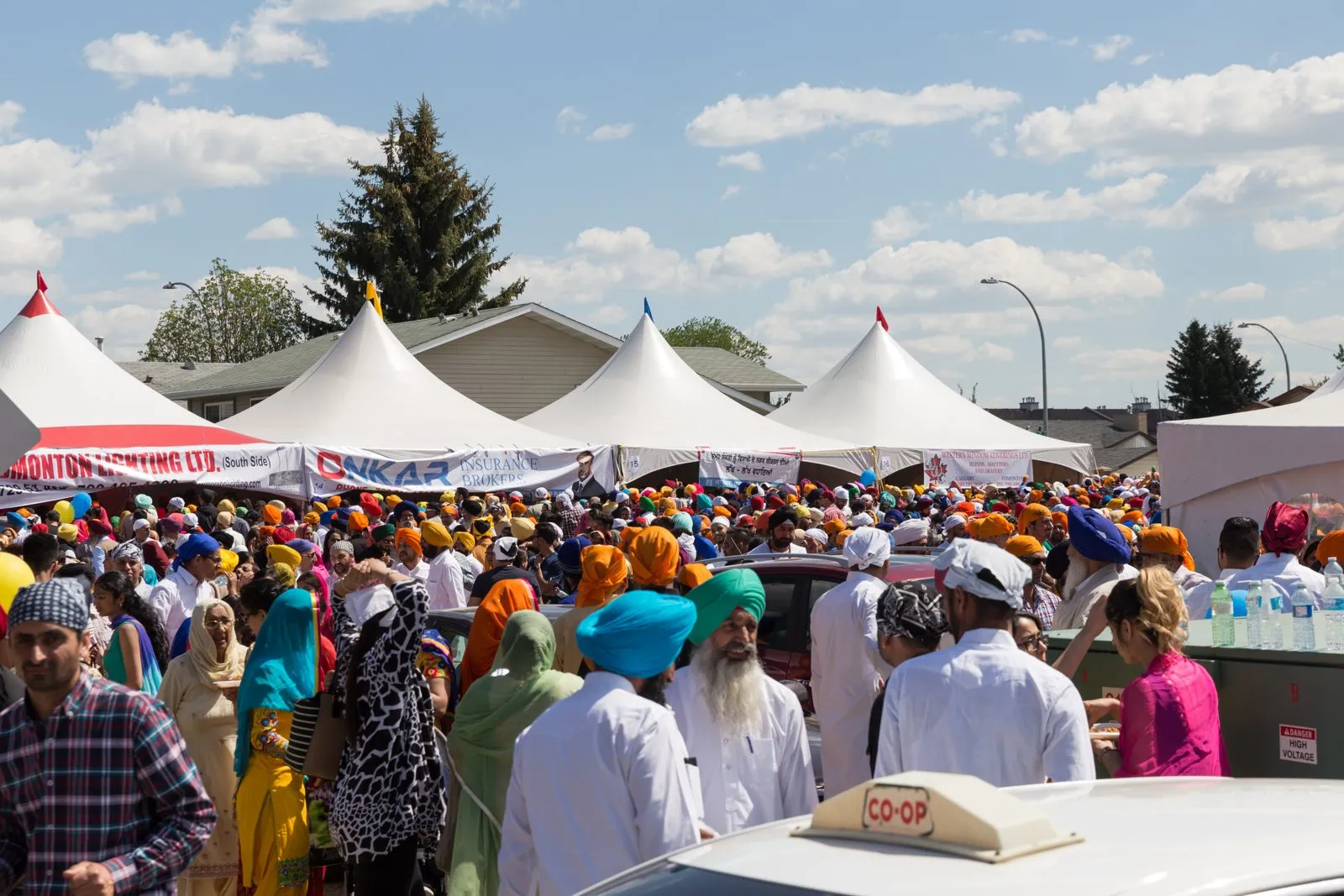
Vaisakhi is Punjab's great spring festival, celebrated every year on 13 or 14 April. For farmers it marks the ripening of the winter wheat harvest; for Sikhs it is the anniversary of the birth of the Khalsa — the order founded by Guru Gobind Singh Ji at Anandpur Sahib on 13 April 1699.
- Facts
- Date
- 13 or 14 April
- Month
- Vaisakh (first day of the month)
- Also known as
- Baisakhi · Khalsa Sajna Divas
- Khalsa founded
- 13 April 1699, Anandpur Sahib
- Region
- Punjab · South Asia & diaspora
What is Vaisakhi?
Vaisakhi is the great spring festival of Punjab, celebrated every year on 13 or 14 April. For farmers it marks the ripening of the winter harvest; for Sikhs it is the anniversary of the birth of the Khalsa — the sovereign order founded by Guru Gobind Singh Ji at Anandpur Sahib on 13 April 1699. It is the most colourful and joyful day of the Sikh calendar.
The harvest festival
Long before it took on its Sikh meaning, Vaisakhi was the thanksgiving festival of Punjab's fields. It falls in the month of Vaisakh, when the rabi crop — the winter wheat and barley — is ripe and ready to be cut. Farmers gather for aawat pauni, the custom of harvesting together, and villages celebrate with fairs, folk songs, and the bhangra dance, which began as a harvest celebration.
Vaisakhi also marks the sun's entry into the month of Vaisakh (Mesha Sankranti), and it is the traditional solar new year across much of North India, where it is also called Baisakhi. For many Hindu communities the day is observed with ritual bathing in sacred rivers, visits to temples, and giving of charity.
1699: the birth of the Khalsa
Vaisakhi took its central Sikh meaning in 1699. After the martyrdom of his father Guru Tegh Bahadur Ji, Guru Gobind Singh Ji called a special gathering at Kesgarh in Anandpur Sahib on Vaisakhi day. Before the assembled sangat he demanded the head of a true Sikh. Five men — the Panj Pyare, the Five Beloved — rose one by one, and each was led inside and returned alive. The Guru had tested their devotion.
Guru Gobind Singh Ji then gave the five Amrit, the sacred nectar stirred with a khanda, and in turn took Amrit from their hands — declaring that he and the Khalsa were now one. Every Sikh who takes Amrit commits to the Khalsa's code, including the five articles of faith — Kes, Kara, Kanga, Kirpan, and Kachera — and to a life of courage, service, and defence of the innocent. That day transformed the community of Nanak's followers into the Khalsa Panth.
How Vaisakhi is celebrated
Vaisakhi is celebrated much like a Gurpurab. Gurdwaras are decorated, the congregation gathers for kirtan and religious discourses, and many Sikhs choose Vaisakhi as the day to receive Amrit and be formally initiated into the Khalsa. After the prayers, karah parshad is served, and the function ends with langar, the community meal.
The day's signature event is the nagar kirtan — a street procession led by the Panj Pyare in saffron robes, with singing, chanting, and music flowing through the streets. Nihang Singh warriors demonstrate gatka, the Sikh martial art, and horsemanship displays. Great fairs are held at Anandpur Sahib (Takht Kesgarh Sahib, the birthplace of the Khalsa), Harmandir Sahib in Amritsar, and Takht Damdama Sahib in Talwandi Sabo. The day also carries a solemn memory: the Jallianwala Bagh massacre of 13 April 1919, when British troops fired on a Vaisakhi-day gathering in Amritsar.
Vaisakhi around the world
Wherever Sikhs have settled, Vaisakhi goes with them. In Canada, the Surrey Nagar Kirtan has drawn crowds of several hundred thousand, making it among the largest Vaisakhi celebrations outside India, and Vancouver's parade — first held in 1979 — is that city's largest single-day festival. Toronto and Malton hold their own nagar kirtans. In Britain, Southall and Birmingham host major processions; in the United States, Manhattan and Los Angeles hold parades and full-day kirtan programs. Sikh pilgrims also cross into Pakistan for Vaisakhi, gathering at Nankana Sahib and Panja Sahib.
When is Vaisakhi celebrated?
Vaisakhi is celebrated on 13 or 14 April every year — the first day of the month of Vaisakh. The exact date shifts slowly over the centuries, but in our time it falls on 13 April in most years. One of the three Sikh festivals still calculated by the traditional Bikrami calendar, it is a public holiday in Punjab.
Why is Vaisakhi the most important Sikh festival?
Because it is the birthday of the Khalsa. On 13 April 1699 Guru Gobind Singh Ji created the Khalsa Panth at Anandpur Sahib, giving the Sikh community its identity, its code of conduct, and its five articles of faith. For Sikhs, Vaisakhi is known as Khalsa Sajna Divas — the day the Khalsa was born.
What does the word Vaisakhi mean?
Vaisakhi comes from Vaisakh, the name of the Punjabi month in which it falls. It simply means 'relating to Vaisakh'. In the Doabi and Malwai dialects of Punjabi it is pronounced Baisakhi, and some Jammu communities call it Basoa.
ਵੈਸਾਖੀ ਕੀ ਹੈ?
ਵੈਸਾਖੀ ਪੰਜਾਬ ਦਾ ਵੱਡਾ ਬਸੰਤ ਤਿਉਹਾਰ ਹੈ ਜੋ ਹਰ ਸਾਲ 13 ਜਾਂ 14 ਅਪ੍ਰੈਲ ਨੂੰ ਮਨਾਇਆ ਜਾਂਦਾ ਹੈ। ਕਿਸਾਨਾਂ ਲਈ ਇਹ ਸਿਆਲੂ ਫ਼ਸਲ ਦੇ ਪੱਕਣ ਦਾ ਸਮਾਂ ਹੈ; ਸਿੱਖਾਂ ਲਈ ਇਹ ਖ਼ਾਲਸਾ ਦੇ ਜਨਮ ਦਾ ਦਿਹਾੜਾ ਹੈ — ਜੋ ਗੁਰੂ ਗੋਬਿੰਦ ਸਿੰਘ ਜੀ ਨੇ 13 ਅਪ੍ਰੈਲ 1699 ਨੂੰ ਅਨੰਦਪੁਰ ਸਾਹਿਬ ਵਿੱਚ ਸਾਜਿਆ ਸੀ। ਇਹ ਸਿੱਖ ਕਲੰਡਰ ਦਾ ਸਭ ਤੋਂ ਰੰਗਲਾ ਦਿਨ ਹੈ।
ਫ਼ਸਲ ਦਾ ਤਿਉਹਾਰ
ਆਪਣੇ ਸਿੱਖ ਅਰਥ ਤੋਂ ਪਹਿਲਾਂ ਵੈਸਾਖੀ ਪੰਜਾਬ ਦੇ ਖੇਤਾਂ ਦਾ ਸ਼ੁਕਰਾਨਾ ਤਿਉਹਾਰ ਸੀ। ਇਹ ਵੈਸਾਖ ਦੇ ਮਹੀਨੇ ਵਿੱਚ ਆਉਂਦੀ ਹੈ, ਜਦੋਂ ਸਿਆਲੂ ਫ਼ਸਲ — ਕਣਕ ਤੇ ਜੌਂ — ਪੱਕ ਕੇ ਤਿਆਰ ਹੋ ਜਾਂਦੀ ਹੈ। ਕਿਸਾਨ ਆਵਤ-ਪੌਣੀ ਲਈ ਇਕੱਠੇ ਹੁੰਦੇ ਹਨ, ਪਿੰਡਾਂ ਵਿੱਚ ਮੇਲੇ ਲੱਗਦੇ ਹਨ ਅਤੇ ਭੰਗੜਾ — ਜੋ ਅਸਲ ਵਿੱਚ ਫ਼ਸਲ ਦਾ ਨਾਚ ਸੀ — ਪਾਇਆ ਜਾਂਦਾ ਹੈ।
1699: ਖ਼ਾਲਸੇ ਦਾ ਜਨਮ
1699 ਦੀ ਵੈਸਾਖੀ ਨੂੰ ਵੈਸਾਖੀ ਦਾ ਕੇਂਦਰੀ ਸਿੱਖ ਅਰਥ ਬਣਿਆ। ਆਪਣੇ ਪਿਤਾ ਗੁਰੂ ਤੇਗ਼ ਬਹਾਦਰ ਜੀ ਦੀ ਸ਼ਹਾਦਤ ਤੋਂ ਬਾਅਦ ਗੁਰੂ ਗੋਬਿੰਦ ਸਿੰਘ ਜੀ ਨੇ ਅਨੰਦਪੁਰ ਸਾਹਿਬ ਦੇ ਕੇਸਗੜ੍ਹ ਵਿੱਚ ਵਿਸ਼ੇਸ਼ ਇਕੱਠ ਕੀਤਾ। ਸੰਗਤ ਦੇ ਸਾਹਮਣੇ ਉਨ੍ਹਾਂ ਨੇ ਸੱਚੇ ਸਿੱਖ ਦਾ ਸੀਸ ਮੰਗਿਆ। ਪੰਜ ਪਿਆਰੇ — ਪੰਜ ਪਿਆਰੇ — ਇੱਕ-ਇੱਕ ਕਰਕੇ ਅੱਗੇ ਆਏ ਅਤੇ ਉਨ੍ਹਾਂ ਦੀ ਭਗਤੀ ਦੀ ਪਰੀਖਿਆ ਪੂਰੀ ਹੋਈ।
ਗੁਰੂ ਗੋਬਿੰਦ ਸਿੰਘ ਜੀ ਨੇ ਪੰਜਾਂ ਨੂੰ ਅੰਮ੍ਰਿਤ ਛਕਾਇਆ ਅਤੇ ਫਿਰ ਉਨ੍ਹਾਂ ਦੇ ਹੱਥੋਂ ਅੰਮ੍ਰਿਤ ਲਿਆ — ਇਹ ਐਲਾਨ ਕਰਦੇ ਹੋਏ ਕਿ ਹੁਣ ਗੁਰੂ ਅਤੇ ਖ਼ਾਲਸਾ ਇੱਕ ਹਨ। ਅੰਮ੍ਰਿਤ ਲੈਣ ਵਾਲਾ ਹਰ ਸਿੱਖ ਖ਼ਾਲਸੇ ਦੀ ਰਹਿਤ ਨਾਲ ਬੱਝਦਾ ਹੈ — ਪੰਜ ਕਕਾਰਾਂ (ਕੇਸ, ਕੜਾ, ਕੰਘਾ, ਕ੍ਰਿਪਾਣ, ਕਛਹਿਰਾ) ਸਮੇਤ — ਅਤੇ ਬਹਾਦਰੀ, ਸੇਵਾ ਤੇ ਨਿਆਂ ਦੀ ਰੱਖਿਆ ਦਾ ਵਚਨ ਦਿੰਦਾ ਹੈ।
ਵੈਸਾਖੀ ਕਿਵੇਂ ਮਨਾਈ ਜਾਂਦੀ ਹੈ
ਵੈਸਾਖੀ ਗੁਰਪੁਰਬ ਵਾਂਗ ਮਨਾਈ ਜਾਂਦੀ ਹੈ। ਗੁਰਦੁਆਰੇ ਸਜਾਏ ਜਾਂਦੇ ਹਨ, ਕੀਰਤਨ ਅਤੇ ਕਥਾ ਹੁੰਦੀ ਹੈ, ਅਤੇ ਬਹੁਤ ਸਾਰੇ ਸਿੱਖ ਵੈਸਾਖੀ ਨੂੰ ਅੰਮ੍ਰਿਤ ਲੈਣ ਦਾ ਦਿਨ ਚੁਣਦੇ ਹਨ। ਅਰਦਾਸ ਤੋਂ ਬਾਅਦ ਕੜਾਹ ਪ੍ਰਸ਼ਾਦ ਵਰਤਾਇਆ ਜਾਂਦਾ ਹੈ ਅਤੇ ਸਮਾਗਮ ਲੰਗਰ ਨਾਲ ਸਮਾਪਤ ਹੁੰਦਾ ਹੈ।
ਦਿਨ ਦਾ ਮੁੱਖ ਸਮਾਗਮ ਨਗਰ ਕੀਰਤਨ ਹੈ — ਪੰਜ ਪਿਆਰਿਆਂ ਦੀ ਅਗਵਾਈ ਵਿੱਚ ਗਲੀਆਂ ਵਿੱਚੋਂ ਕੀਰਤਨ ਦਾ ਜਲੂਸ। ਨਿਹੰਗ ਸਿੰਘ ਗਤਕਾ ਦੇ ਜੌਹਰ ਵਿਖਾਉਂਦੇ ਹਨ। ਅਨੰਦਪੁਰ ਸਾਹਿਬ (ਤਖ਼ਤ ਕੇਸਗੜ੍ਹ ਸਾਹਿਬ), ਹਰਿਮੰਦਰ ਸਾਹਿਬ ਅੰਮ੍ਰਿਤਸਰ ਅਤੇ ਤਖ਼ਤ ਦਮਦਮਾ ਸਾਹਿਬ ਤਲਵੰਡੀ ਸਾਬੋ ਵਿੱਚ ਵੱਡੇ ਮੇਲੇ ਲੱਗਦੇ ਹਨ।
ਦੁਨੀਆਂ ਭਰ ਵਿੱਚ ਵੈਸਾਖੀ
ਜਿੱਥੇ ਵੀ ਸਿੱਖ ਵੱਸੇ, ਵੈਸਾਖੀ ਉਨ੍ਹਾਂ ਨਾਲ ਗਈ। ਕੈਨੇਡਾ ਦੇ ਸਰੀ ਵਿੱਚ ਨਗਰ ਕੀਰਤਨ ਵਿੱਚ ਲੱਖਾਂ ਲੋਕ ਆਉਂਦੇ ਹਨ, ਵੈਂਕੂਵਰ ਦੀ ਪਰੇਡ ਉਸ ਸ਼ਹਿਰ ਦਾ ਸਭ ਤੋਂ ਵੱਡਾ ਇੱਕ-ਦਿਨਾ ਤਿਉਹਾਰ ਹੈ। ਟੋਰਾਂਟੋ, ਬ੍ਰਿਟੇਨ ਦੇ ਸਾਊਥਾਲ ਤੇ ਬਰਮਿੰਘਮ, ਅਤੇ ਅਮਰੀਕਾ ਵਿੱਚ ਵੀ ਨਗਰ ਕੀਰਤਨ ਹੁੰਦੇ ਹਨ।
ਵੈਸਾਖੀ ਕਦੋਂ ਮਨਾਈ ਜਾਂਦੀ ਹੈ?
ਵੈਸਾਖੀ ਹਰ ਸਾਲ 13 ਜਾਂ 14 ਅਪ੍ਰੈਲ ਨੂੰ — ਵੈਸਾਖ ਮਹੀਨੇ ਦੇ ਪਹਿਲੇ ਦਿਨ — ਮਨਾਈ ਜਾਂਦੀ ਹੈ। ਇਹ ਪੰਜਾਬ ਵਿੱਚ ਸਰਕਾਰੀ ਛੁੱਟੀ ਹੁੰਦੀ ਹੈ।
ਵੈਸਾਖੀ ਸਿੱਖਾਂ ਦਾ ਸਭ ਤੋਂ ਮਹੱਤਵਪੂਰਨ ਤਿਉਹਾਰ ਕਿਉਂ ਹੈ?
ਕਿਉਂਕਿ ਇਹ ਖ਼ਾਲਸੇ ਦਾ ਜਨਮ ਦਿਹਾੜਾ ਹੈ। 13 ਅਪ੍ਰੈਲ 1699 ਨੂੰ ਗੁਰੂ ਗੋਬਿੰਦ ਸਿੰਘ ਜੀ ਨੇ ਅਨੰਦਪੁਰ ਸਾਹਿਬ ਵਿੱਚ ਖ਼ਾਲਸਾ ਪੰਥ ਸਾਜਿਆ, ਜਿਸ ਨੇ ਸਿੱਖ ਕੌਮ ਨੂੰ ਪਛਾਣ, ਰਹਿਤ ਅਤੇ ਪੰਜ ਕਕਾਰ ਦਿੱਤੇ। ਸਿੱਖਾਂ ਲਈ ਵੈਸਾਖੀ ਨੂੰ ਖ਼ਾਲਸਾ ਸਾਜਣਾ ਦਿਵਸ ਕਿਹਾ ਜਾਂਦਾ ਹੈ।