
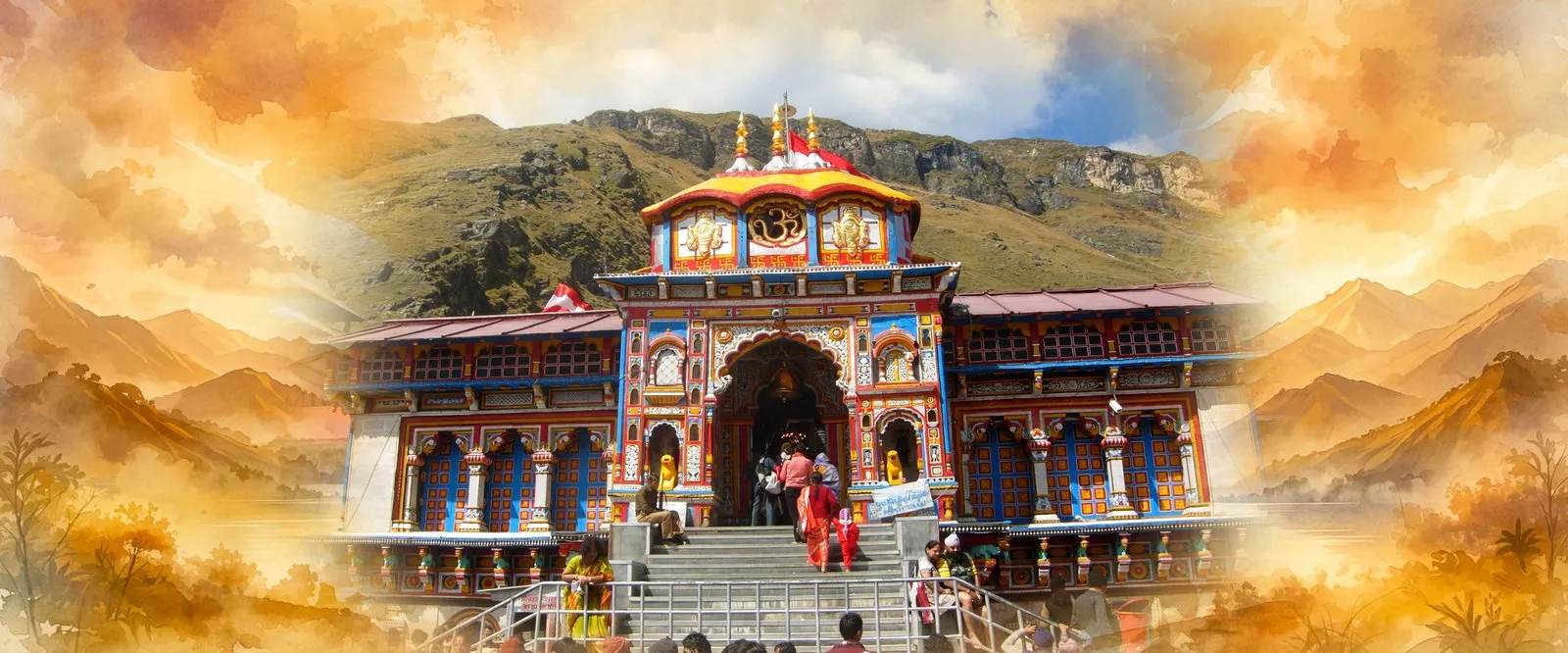
Badrinath Temple is an ancient Hindu temple of Vishnu as Badrinarayan in the Garhwal Himalayas of Uttarakhand, standing at 3,133 metres on the Alaknanda river. It is the northern shrine of the Char Dham circuit, one of the 108 Divya Desams and one of the five Panch Badri temples, and it opens about six months a year from late April to early November.
- Punjabi name
- ਬਦਰੀਨਾਥ ਮੰਦਰ
- Country
- India
- State
- Uttarakhand
- District
- Chamoli
- Deity
- Vishnu, as Badrinarayan
- Elevation
- 3,133 m (10,279 ft)
All 10 facts
- Open
- Late April to early November, about six months a year
- Pilgrimage
- Char Dham (north), Divya Desam, Panch Badri (Vishal Badri)
- Visitors
- 2.8 million visits recorded in two months of 2022
- Administered by
- Shri Badarinath Kedarnath Temple Committee, Uttarakhand government
What is Badrinath Temple?
Badrinath Temple is a Hindu temple dedicated to Vishnu as Badrinarayan, standing at 3,133 metres in Chamoli district, Uttarakhand. It is the northern shrine of the Char Dham, one of the 108 Divya Desams of Vaishnavism, and one of the five Panch Badri temples. The temple opens about six months a year, from late April to early November.
The temple sits on the banks of the Alaknanda river in the Garhwal Himalayas, its brightly painted facade and gold-trimmed conical spire rising against the mountains. Inside the sanctum stands a small black stone image of Vishnu, about a foot tall, seated in meditation with the conch and discus in his hands, beneath a depiction of the Badri tree. Many devotees regard this image as svayam vyakta, self-manifested rather than carved by human hands.
Each open season draws enormous crowds: in 2022, about 2.8 million visits were recorded in just two months. Badrinath's pull is not only religious; it is one of the great temples of India whose name carries centuries of pilgrimage tradition, scripture, and story.
Why is Badrinath one of the Char Dham?
The Char Dham, the "four abodes", are four of Hinduism's holiest pilgrimage sites, one at each corner of the Indian subcontinent, and Badrinath is the northern one. Tradition attributes the circuit to the 9th-century philosopher Adi Shankara, who is also linked to the temple's own history. A complete Char Dham pilgrimage takes the devotee from Ramanathaswamy Temple in Rameswaram in the deep south to Badrinath in the high north, and the circuit remains one of the most demanding and meritorious journeys in Hindu life.
Badrinath's Vaishnava standing rests on older ground too. It is counted among the 108 Divya Desams, the holy abodes of Vishnu glorified by the Alvar saints in the Naalayira Divya Prabandham, the 7th to 9th-century Tamil canon. It is also Vishal Badri, the first of the five Panch Badri temples. Its name runs through the Puranas: the Vishnu Purana and the Bhagavata Purana mention it, the Skanda Purana says there is no shrine like Badrinath, and the Mahabharata knows it as a place of penance.
Its Himalayan neighbour on the pilgrimage map is Kedarnath Temple, the great Shiva shrine administered, like Badrinath, by the Shri Badarinath Kedarnath Temple Committee. Where Kedarnath is Shiva's mountain seat, Badrinath is Vishnu's: the two temples together anchor the Uttarakhand pilgrimage known as the Chota Char Dham.
When is Badrinath Temple open?
The temple opens for about six months a year, roughly from late April to early November. In winter the shrine is buried in snow and the doors are closed; when spring returns, they are opened again in a ceremony that draws thousands. Anyone planning a visit must fit the mountain's calendar, not their own: the season is short, and the busiest weeks fill quickly.
Before darshan, pilgrims bathe in the Tapt Kund, a group of hot sulphur springs just below the temple whose water stays around 55 degrees Celsius all year. Two more sacred ponds, the Narad Kund and the Surya Kund, lie within the temple premises. The bath in the steaming kund, with cold mountain air above, is for many pilgrims the first act of the pilgrimage itself.
The deity and the legends behind the name
The presiding deity is Vishnu as Badrinarayan, shown seated in padmasana, the lotus posture of meditation, carved from black granite or Shaligram stone. He holds the shankha (conch) and the chakra (discus), and the image is set beneath the Badri tree. Lakshmi is worshipped beside him, sometimes as Badridevi.
Tradition says the name Badri comes from the badri, or jujube, tree. The legend tells that when Vishnu sat in deep meditation here, Lakshmi took the form of the Badri tree and sheltered him from the harsh weather, and the place became known as Badrika Ashrama, the hermitage of the Badri. Another tradition, found in the Bhagavata Purana, holds that the sages Nara and Narayana performed their penance at this spot.
A history of recovery and rebuilding
Local tradition traces the temple's worship back further than any building: it says the sage Narada first served the image here. The image was later recovered from the Tapt Kund by Adi Shankara in the 9th century, who re-established the shrine with the help of the Parmar ruler Kanak Pal. The hereditary successors of that line carried the title "Bolanda Badrinath", the speaking Badrinath.
The shrine as it stands is younger than its legends. In the 16th century the king of Garhwal moved the murti to the present temple, and the Garhwal kings of the 17th century expanded it. After the great Garhwal earthquake of 1803 damaged it badly, the temple was largely rebuilt by the King of Jaipur. Today it is administered by the Shri Badarinath Kedarnath Temple Committee under the Uttarakhand government, and its head priest, the Rawal, is traditionally chosen in consultation with the Garhwal and Travancore royal families.
The temple's architecture
The temple is made of three connected structures: the Garbhagriha (the sanctum), the Darshan Mandapa (the worship hall), and the Sabha Mandapa (the assembly hall). The sanctum rises in a conical roof about 15 metres tall, crowned with a gilt gold cupola. The stone facade carries arched windows, and a broad flight of stairs climbs to a tall arched gateway.
Painted in bold reds, blues and golds, the front of the temple is among the most recognisable sights of the Himalayan pilgrimage. The colours are renewed over the years, but the form, the three halls and the gold-topped spire, has been kept through every rebuilding.
Planning a visit to Badrinath
Come prepared for altitude and cold: at 3,133 metres the weather can turn quickly even in summer, and warm clothing is needed through the season. The temple town has lodging and food for pilgrims, but rooms in the peak weeks are booked out early. Most visitors combine Badrinath with Kedarnath, the two great Uttarakhand shrines of one committee and one season.
Those drawn to India's great temple traditions can continue the journey south to Somnath Temple in Gujarat, the first of the twelve Jyotirlingas, or explore the full circuit through our guide to Hindu mandirs in India.
ਬਦਰੀਨਾਥ ਮੰਦਰ ਕੀ ਹੈ?
ਬਦਰੀਨਾਥ ਮੰਦਰ ਭਗਵਾਨ ਵਿਸ਼ਨੂੰ ਨੂੰ ਬਦਰੀਨਾਰਾਇਣ ਦੇ ਰੂਪ ਵਿੱਚ ਸਮਰਪਿਤ ਹਿੰਦੂ ਮੰਦਰ ਹੈ ਇਹ ਉੱਤਰਾਖੰਡ ਦੇ ਚਮੋਲੀ ਜ਼ਿਲ੍ਹੇ ਵਿੱਚ ਸਮੁੰਦਰ ਤਲ ਤੋਂ 3,133 ਮੀਟਰ ਦੀ ਉਚਾਈ 'ਤੇ ਸਥਿਤ ਹੈ ਇਹ ਚਾਰ ਧਾਮ ਯਾਤਰਾ ਦਾ ਉੱਤਰੀ ਧਾਮ ਹੈ, ਵੈਸ਼ਨਵ ਧਰਮ ਦੇ 108 ਦਿਵਯ ਦੇਸਮਾਂ ਵਿੱਚੋਂ ਇੱਕ ਹੈ ਅਤੇ ਪੰਜ ਪੰਚ ਬਦਰੀ ਮੰਦਰਾਂ ਵਿੱਚੋਂ ਇੱਕ ਹੈ ਇਹ ਮੰਦਰ ਸਾਲ ਵਿੱਚ ਲਗਭਗ ਛੇ ਮਹੀਨੇ, ਅਪ੍ਰੈਲ ਦੇ ਅਖੀਰ ਤੋਂ ਨਵੰਬਰ ਦੇ ਸ਼ੁਰੂ ਤੱਕ ਖੁੱਲ੍ਹਾ ਰਹਿੰਦਾ ਹੈ
ਇਹ ਮੰਦਰ ਗੜ੍ਹਵਾਲ ਹਿਮਾਲਿਆ ਵਿੱਚ ਅਲਕਨੰਦਾ ਨਦੀ ਦੇ ਕੰਢੇ 'ਤੇ ਸਥਿਤ ਹੈ ਇਸ ਦਾ ਰੰਗ-ਬਰੰਗਾ ਮੁਖ-ਦੁਆਰ ਅਤੇ ਸੁਨਹਿਰੀ ਕਲਸ਼ ਵਾਲਾ ਸ਼ਿਖਰ ਪਹਾੜਾਂ ਦੇ ਪਿਛੋਕੜ ਵਿੱਚ ਦੂਰੋਂ ਹੀ ਦਿਖਾਈ ਦਿੰਦਾ ਹੈ ਗਰਭਗ੍ਰਹਿ ਦੇ ਅੰਦਰ ਵਿਸ਼ਨੂੰ ਦੀ ਕਾਲੇ ਪੱਥਰ ਦੀ ਛੋਟੀ ਮੂਰਤੀ ਹੈ, ਜੋ ਲਗਭਗ ਇੱਕ ਫੁੱਟ ਉੱਚੀ ਹੈ ਭਗਵਾਨ ਧਿਆਨ ਦੀ ਮੁਦਰਾ ਵਿੱਚ ਬੈਠੇ ਹਨ, ਹੱਥਾਂ ਵਿੱਚ ਸ਼ੰਖ ਅਤੇ ਚੱਕਰ ਹਨ, ਅਤੇ ਉਨ੍ਹਾਂ ਦੇ ਉੱਪਰ ਬਦਰੀ ਦਾ ਰੁੱਖ ਦਿਖਾਇਆ ਗਿਆ ਹੈ ਬਹੁਤ ਸਾਰੇ ਸ਼ਰਧਾਲੂ ਇਸ ਮੂਰਤੀ ਨੂੰ ਸਵੈ-ਪ੍ਰਗਟ ਮੰਨਦੇ ਹਨ, ਅਰਥਾਤ ਮਨੁੱਖਾਂ ਦੇ ਹੱਥਾਂ ਨਾਲ ਤਰਾਸ਼ੀ ਹੋਈ ਨਹੀਂ
ਹਰ ਖੁੱਲ੍ਹੇ ਮੌਸਮ ਵਿੱਚ ਇੱਥੇ ਭਾਰੀ ਭੀੜ ਆਉਂਦੀ ਹੈ: 2022 ਵਿੱਚ ਸਿਰਫ਼ ਦੋ ਮਹੀਨਿਆਂ ਵਿੱਚ ਲਗਭਗ 28 ਲੱਖ ਦਰਸ਼ਨ ਦਰਜ ਕੀਤੇ ਗਏ ਬਦਰੀਨਾਥ ਦਾ ਆਕਰਸ਼ਣ ਸਿਰਫ਼ ਧਾਰਮਿਕ ਨਹੀਂ ਹੈ; ਇਹ ਭਾਰਤ ਦੇ ਮਹਾਨ ਮੰਦਰਾਂ ਵਿੱਚੋਂ ਇੱਕ ਹੈ, ਜਿਸ ਦੇ ਨਾਂ ਨਾਲ ਸਦੀਆਂ ਦੀ ਯਾਤਰਾ ਪਰੰਪਰਾ, ਗ੍ਰੰਥ ਅਤੇ ਕਥਾਵਾਂ ਜੁੜੀਆਂ ਹੋਈਆਂ ਹਨ
ਬਦਰੀਨਾਥ ਚਾਰ ਧਾਮਾਂ ਵਿੱਚੋਂ ਇੱਕ ਕਿਉਂ ਹੈ?
ਚਾਰ ਧਾਮ ਹਿੰਦੂ ਧਰਮ ਦੇ ਚਾਰ ਪਵਿੱਤਰ ਤੀਰਥ ਸਥਾਨ ਹਨ, ਜੋ ਉਪਮਹਾਂਦੀਪ ਦੇ ਚਾਰੇ ਕੋਣਿਆਂ ਵਿੱਚ ਸਥਿਤ ਹਨ, ਅਤੇ ਬਦਰੀਨਾਥ ਉਨ੍ਹਾਂ ਵਿੱਚੋਂ ਉੱਤਰੀ ਧਾਮ ਹੈ ਪਰੰਪਰਾ ਅਨੁਸਾਰ ਇਸ ਯਾਤਰਾ ਚੱਕਰ ਦੀ ਸਥਾਪਨਾ 9ਵੀਂ ਸਦੀ ਦੇ ਦਾਰਸ਼ਨਿਕ ਆਦਿ ਸ਼ੰਕਰਾਚਾਰੀਆ ਨੇ ਕੀਤੀ ਸੀ, ਜਿਨ੍ਹਾਂ ਦਾ ਨਾਂ ਇਸ ਮੰਦਰ ਦੇ ਇਤਿਹਾਸ ਨਾਲ ਵੀ ਜੁੜਿਆ ਹੋਇਆ ਹੈ ਪੂਰੀ ਚਾਰ ਧਾਮ ਯਾਤਰਾ ਵਿੱਚ ਸ਼ਰਧਾਲੂ ਦੱਖਣ ਦੇ ਰਾਮੇਸ਼ਵਰਮ ਦੇ ਰਾਮਨਾਥਸੁਆਮੀ ਮੰਦਰ ਤੋਂ ਉੱਤਰ ਦੇ ਬਦਰੀਨਾਥ ਤੱਕ ਜਾਂਦਾ ਹੈ, ਅਤੇ ਇਹ ਯਾਤਰਾ ਹਿੰਦੂ ਜੀਵਨ ਦੀਆਂ ਸਭ ਤੋਂ ਕਠਿਨ ਅਤੇ ਪੁੰਨਦਾਇਕ ਯਾਤਰਾਵਾਂ ਵਿੱਚੋਂ ਇੱਕ ਮੰਨੀ ਜਾਂਦੀ ਹੈ
ਵੈਸ਼ਨਵ ਧਰਮ ਵਿੱਚ ਬਦਰੀਨਾਥ ਦੀ ਮਹੱਤਤਾ ਹੋਰ ਵੀ ਪੁਰਾਣੀ ਨੀਂਹ 'ਤੇ ਖੜ੍ਹੀ ਹੈ ਇਹ 108 ਦਿਵਯ ਦੇਸਮਾਂ ਵਿੱਚ ਗਿਣਿਆ ਜਾਂਦਾ ਹੈ, ਜੋ ਵਿਸ਼ਨੂੰ ਦੇ ਉਹ ਪਵਿੱਤਰ ਧਾਮ ਹਨ ਜਿਨ੍ਹਾਂ ਦਾ ਗੁਣਗਾਨ ਆਲਵਾਰ ਸੰਤਾਂ ਨੇ 7ਵੀਂ ਤੋਂ 9ਵੀਂ ਸਦੀ ਦੇ ਤਮਿਲ ਗ੍ਰੰਥ ਨਾਲਾਇਰਾ ਦਿਵਯ ਪ੍ਰਬੰਧਮ ਵਿੱਚ ਕੀਤਾ ਸੀ ਇਹ ਵਿਸ਼ਾਲ ਬਦਰੀ ਵੀ ਹੈ, ਜੋ ਪੰਜ ਪੰਚ ਬਦਰੀ ਮੰਦਰਾਂ ਵਿੱਚੋਂ ਪਹਿਲਾ ਹੈ ਇਸ ਦਾ ਨਾਂ ਪੁਰਾਣਾਂ ਵਿੱਚ ਵਾਰ-ਵਾਰ ਆਉਂਦਾ ਹੈ: ਵਿਸ਼ਨੂੰ ਪੁਰਾਣ ਅਤੇ ਭਾਗਵਤ ਪੁਰਾਣ ਵਿੱਚ ਇਸ ਦਾ ਜ਼ਿਕਰ ਹੈ, ਸਕੰਦ ਪੁਰਾਣ ਕਹਿੰਦਾ ਹੈ ਕਿ ਬਦਰੀਨਾਥ ਵਰਗਾ ਕੋਈ ਧਾਮ ਨਹੀਂ, ਅਤੇ ਮਹਾਭਾਰਤ ਇਸ ਨੂੰ ਤਪੱਸਿਆ ਦੀ ਥਾਂ ਵਜੋਂ ਜਾਣਦਾ ਹੈ
ਯਾਤਰਾ ਦੇ ਨਕਸ਼ੇ 'ਤੇ ਇਸ ਦਾ ਹਿਮਾਲਿਆਈ ਗੁਆਂਢੀ ਕੇਦਾਰਨਾਥ ਮੰਦਰ ਹੈ, ਜੋ ਸ਼ਿਵ ਦਾ ਮਹਾਨ ਧਾਮ ਹੈ ਅਤੇ ਬਦਰੀਨਾਥ ਵਾਂਗ ਸ਼੍ਰੀ ਬਦਰੀਨਾਥ ਕੇਦਾਰਨਾਥ ਮੰਦਰ ਕਮੇਟੀ ਦੇ ਪ੍ਰਬੰਧ ਹੇਠ ਹੈ ਜਿੱਥੇ ਕੇਦਾਰਨਾਥ ਸ਼ਿਵ ਦਾ ਪਹਾੜੀ ਆਸਨ ਹੈ, ਉੱਥੇ ਬਦਰੀਨਾਥ ਵਿਸ਼ਨੂੰ ਦਾ ਧਾਮ ਹੈ: ਇਹ ਦੋਵੇਂ ਮੰਦਰ ਮਿਲ ਕੇ ਉੱਤਰਾਖੰਡ ਦੀ ਛੋਟਾ ਚਾਰ ਧਾਮ ਯਾਤਰਾ ਦੀ ਨੀਂਹ ਹਨ
ਬਦਰੀਨਾਥ ਮੰਦਰ ਕਦੋਂ ਖੁੱਲ੍ਹਦਾ ਹੈ?
ਇਹ ਮੰਦਰ ਸਾਲ ਵਿੱਚ ਲਗਭਗ ਛੇ ਮਹੀਨੇ, ਅਪ੍ਰੈਲ ਦੇ ਅਖੀਰ ਤੋਂ ਨਵੰਬਰ ਦੇ ਸ਼ੁਰੂ ਤੱਕ ਖੁੱਲ੍ਹਾ ਰਹਿੰਦਾ ਹੈ ਸਰਦੀਆਂ ਵਿੱਚ ਇਹ ਧਾਮ ਬਰਫ਼ ਵਿੱਚ ਦੱਬ ਜਾਂਦਾ ਹੈ ਅਤੇ ਕਪਾਟ ਬੰਦ ਕਰ ਦਿੱਤੇ ਜਾਂਦੇ ਹਨ; ਬਸੰਤ ਆਉਣ 'ਤੇ ਕਪਾਟ ਫਿਰ ਖੋਲ੍ਹੇ ਜਾਂਦੇ ਹਨ, ਜਿਸ ਸਮਾਰੋਹ ਵਿੱਚ ਹਜ਼ਾਰਾਂ ਸ਼ਰਧਾਲੂ ਸ਼ਾਮਲ ਹੁੰਦੇ ਹਨ ਯਾਤਰਾ ਦੀ ਯੋਜਨਾ ਬਣਾਉਣ ਵਾਲੇ ਨੂੰ ਪਹਾੜ ਦੇ ਕੈਲੰਡਰ ਮੁਤਾਬਕ ਚੱਲਣਾ ਪੈਂਦਾ ਹੈ, ਆਪਣੇ ਮੁਤਾਬਕ ਨਹੀਂ: ਮੌਸਮ ਛੋਟਾ ਹੁੰਦਾ ਹੈ, ਅਤੇ ਭੀੜ ਵਾਲੇ ਹਫ਼ਤਿਆਂ ਵਿੱਚ ਜਗ੍ਹਾ ਜਲਦੀ ਭਰ ਜਾਂਦੀ ਹੈ
ਦਰਸ਼ਨ ਤੋਂ ਪਹਿਲਾਂ ਸ਼ਰਧਾਲੂ ਤਪਤ ਕੁੰਡ ਵਿੱਚ ਇਸ਼ਨਾਨ ਕਰਦੇ ਹਨ, ਜੋ ਮੰਦਰ ਦੇ ਠੀਕ ਹੇਠਾਂ ਗਰਮ ਗੰਧਕ ਦੇ ਚਸ਼ਮਿਆਂ ਦਾ ਸਮੂਹ ਹੈ, ਜਿਸ ਦਾ ਪਾਣੀ ਸਾਰਾ ਸਾਲ ਲਗਭਗ 55 ਡਿਗਰੀ ਸੈਲਸੀਅਸ ਰਹਿੰਦਾ ਹੈ ਮੰਦਰ ਪਰਿਸਰ ਵਿੱਚ ਦੋ ਹੋਰ ਪਵਿੱਤਰ ਕੁੰਡ ਵੀ ਹਨ: ਨਾਰਦ ਕੁੰਡ ਅਤੇ ਸੂਰਯ ਕੁੰਡ ਭਾਫ਼ ਉੱਠਦੇ ਕੁੰਡ ਵਿੱਚ ਇਸ਼ਨਾਨ, ਜਦੋਂ ਉੱਪਰ ਪਹਾੜੀ ਠੰਢੀ ਹਵਾ ਹੋਵੇ, ਬਹੁਤ ਸਾਰੇ ਸ਼ਰਧਾਲੂਆਂ ਲਈ ਯਾਤਰਾ ਦਾ ਪਹਿਲਾ ਕਦਮ ਹੁੰਦਾ ਹੈ
ਮੂਰਤੀ ਅਤੇ ਨਾਂ ਪਿੱਛੇ ਕਥਾਵਾਂ
ਇੱਥੋਂ ਦੇ ਮੁੱਖ ਦੇਵਤਾ ਬਦਰੀਨਾਰਾਇਣ ਰੂਪ ਵਿੱਚ ਵਿਸ਼ਨੂੰ ਹਨ, ਜੋ ਪਦਮਾਸਨ ਵਿੱਚ, ਧਿਆਨ ਦੀ ਮੁਦਰਾ ਵਿੱਚ ਬਿਰਾਜਮਾਨ ਦਿਖਾਏ ਗਏ ਹਨ ਮੂਰਤੀ ਕਾਲੇ ਗ੍ਰੇਨਾਈਟ ਜਾਂ ਸ਼ਾਲੀਗ੍ਰਾਮ ਪੱਥਰ ਦੀ ਬਣੀ ਹੋਈ ਹੈ ਉਨ੍ਹਾਂ ਦੇ ਹੱਥਾਂ ਵਿੱਚ ਸ਼ੰਖ ਅਤੇ ਚੱਕਰ ਹਨ, ਅਤੇ ਮੂਰਤੀ ਬਦਰੀ ਦੇ ਰੁੱਖ ਹੇਠਾਂ ਸਥਾਪਿਤ ਹੈ ਉਨ੍ਹਾਂ ਦੇ ਨਾਲ ਲਕਸ਼ਮੀ ਦੀ ਵੀ ਪੂਜਾ ਹੁੰਦੀ ਹੈ, ਜਿਨ੍ਹਾਂ ਨੂੰ ਕਈ ਵਾਰ ਬਦਰੀਦੇਵੀ ਕਿਹਾ ਜਾਂਦਾ ਹੈ
ਪਰੰਪਰਾ ਕਹਿੰਦੀ ਹੈ ਕਿ ਬਦਰੀ ਨਾਂ ਬਦਰੀ, ਯਾਨੀ ਬੇਰ ਦੇ ਰੁੱਖ ਤੋਂ ਆਇਆ ਹੈ ਕਥਾ ਹੈ ਕਿ ਜਦੋਂ ਵਿਸ਼ਨੂੰ ਇੱਥੇ ਗਹਿਰੇ ਧਿਆਨ ਵਿੱਚ ਬੈਠੇ, ਤਾਂ ਲਕਸ਼ਮੀ ਨੇ ਬਦਰੀ ਦੇ ਰੁੱਖ ਦਾ ਰੂਪ ਧਾਰ ਕੇ ਉਨ੍ਹਾਂ ਨੂੰ ਕਠੋਰ ਮੌਸਮ ਤੋਂ ਬਚਾਇਆ, ਅਤੇ ਇਹ ਥਾਂ ਬਦਰਿਕਾ ਆਸ਼ਰਮ, ਬਦਰੀ ਦਾ ਤਪੋਵਨ, ਕਹਾਉਣ ਲੱਗੀ ਇੱਕ ਹੋਰ ਪਰੰਪਰਾ, ਜੋ ਭਾਗਵਤ ਪੁਰਾਣ ਵਿੱਚ ਮਿਲਦੀ ਹੈ, ਕਹਿੰਦੀ ਹੈ ਕਿ ਨਰ ਅਤੇ ਨਾਰਾਇਣ ਰਿਸ਼ੀਆਂ ਨੇ ਇਸੇ ਥਾਂ 'ਤੇ ਤਪੱਸਿਆ ਕੀਤੀ ਸੀ
ਮੁੜ ਖੋਜ ਅਤੇ ਮੁੜ ਉਸਾਰੀ ਦਾ ਇਤਿਹਾਸ
ਸਥਾਨਕ ਪਰੰਪਰਾ ਮੰਦਰ ਦੀ ਪੂਜਾ ਨੂੰ ਕਿਸੇ ਵੀ ਇਮਾਰਤ ਤੋਂ ਪੁਰਾਣੀ ਦੱਸਦੀ ਹੈ: ਕਿਹਾ ਜਾਂਦਾ ਹੈ ਕਿ ਰਿਸ਼ੀ ਨਾਰਦ ਨੇ ਇੱਥੇ ਸਭ ਤੋਂ ਪਹਿਲਾਂ ਮੂਰਤੀ ਦੀ ਸੇਵਾ ਕੀਤੀ ਸੀ ਬਾਅਦ ਵਿੱਚ 9ਵੀਂ ਸਦੀ ਵਿੱਚ ਆਦਿ ਸ਼ੰਕਰਾਚਾਰੀਆ ਨੇ ਤਪਤ ਕੁੰਡ ਵਿੱਚੋਂ ਮੂਰਤੀ ਕੱਢੀ ਅਤੇ ਪਰਮਾਰ ਰਾਜਾ ਕਨਕ ਪਾਲ ਦੀ ਸਹਾਇਤਾ ਨਾਲ ਧਾਮ ਦੀ ਮੁੜ ਸਥਾਪਨਾ ਕੀਤੀ ਉਸ ਵੰਸ਼ ਦੇ ਵਾਰਸ ਪੀੜ੍ਹੀ-ਦਰ-ਪੀੜ੍ਹੀ ਬੋਲੰਦਾ ਬਦਰੀਨਾਥ ਦੀ ਪਦਵੀ ਧਾਰਨ ਕਰਦੇ ਰਹੇ
ਜਿਵੇਂ ਇਹ ਅੱਜ ਖੜ੍ਹਾ ਹੈ, ਇਹ ਧਾਮ ਆਪਣੀਆਂ ਕਥਾਵਾਂ ਨਾਲੋਂ ਨਵਾਂ ਹੈ 16ਵੀਂ ਸਦੀ ਵਿੱਚ ਗੜ੍ਹਵਾਲ ਦੇ ਰਾਜੇ ਨੇ ਮੂਰਤੀ ਨੂੰ ਮੌਜੂਦਾ ਮੰਦਰ ਵਿੱਚ ਸਥਾਪਿਤ ਕੀਤਾ, ਅਤੇ 17ਵੀਂ ਸਦੀ ਦੇ ਗੜ੍ਹਵਾਲ ਰਾਜਿਆਂ ਨੇ ਇਸ ਦਾ ਵਿਸਤਾਰ ਕੀਤਾ 1803 ਦੇ ਭਿਆਨਕ ਗੜ੍ਹਵਾਲ ਭੂਚਾਲ ਵਿੱਚ ਇਸ ਨੂੰ ਭਾਰੀ ਨੁਕਸਾਨ ਪਹੁੰਚਿਆ, ਜਿਸ ਤੋਂ ਬਾਅਦ ਜੈਪੁਰ ਦੇ ਰਾਜੇ ਨੇ ਇਸ ਦਾ ਵੱਡੇ ਪੱਧਰ 'ਤੇ ਮੁੜ ਨਿਰਮਾਣ ਕਰਵਾਇਆ ਅੱਜ ਇਸ ਦਾ ਪ੍ਰਬੰਧ ਉੱਤਰਾਖੰਡ ਸਰਕਾਰ ਅਧੀਨ ਸ਼੍ਰੀ ਬਦਰੀਨਾਥ ਕੇਦਾਰਨਾਥ ਮੰਦਰ ਕਮੇਟੀ ਕੋਲ ਹੈ, ਅਤੇ ਮੁੱਖ ਪੁਜਾਰੀ, ਰਾਵਲ, ਦੀ ਚੋਣ ਪਰੰਪਰਾਗਤ ਤੌਰ 'ਤੇ ਗੜ੍ਹਵਾਲ ਅਤੇ ਤ੍ਰਾਵਣਕੋਰ ਦੇ ਸ਼ਾਹੀ ਪਰਿਵਾਰਾਂ ਦੀ ਸਲਾਹ ਨਾਲ ਹੁੰਦੀ ਹੈ
ਮੰਦਰ ਦੀ ਵਾਸਤੂਕਲਾ
ਇਹ ਮੰਦਰ ਤਿੰਨ ਜੁੜੀਆਂ ਇਮਾਰਤਾਂ ਦਾ ਬਣਿਆ ਹੋਇਆ ਹੈ: ਗਰਭਗ੍ਰਹਿ (ਮੁੱਖ ਪਵਿੱਤਰ ਕੋਠੜੀ), ਦਰਸ਼ਨ ਮੰਡਪ (ਪੂਜਾ ਹਾਲ) ਅਤੇ ਸਭਾ ਮੰਡਪ (ਸਭਾ ਹਾਲ) ਗਰਭਗ੍ਰਹਿ ਲਗਭਗ 15 ਮੀਟਰ ਉੱਚੇ ਸ਼ੰਕੂ ਆਕਾਰ ਦੇ ਸ਼ਿਖਰ ਵਿੱਚ ਉੱਠਦਾ ਹੈ, ਜਿਸ 'ਤੇ ਸੁਨਹਿਰੀ ਕਲਸ਼ ਹੈ ਪੱਥਰ ਦੇ ਮੁਖ-ਭਾਗ ਵਿੱਚ ਕਮਾਨਦਾਰ ਖਿੜਕੀਆਂ ਹਨ, ਅਤੇ ਚੌੜੀਆਂ ਪੌੜੀਆਂ ਇੱਕ ਉੱਚੇ ਕਮਾਨਦਾਰ ਪ੍ਰਵੇਸ਼ ਦੁਆਰ ਤੱਕ ਜਾਂਦੀਆਂ ਹਨ
ਗੂੜ੍ਹੇ ਲਾਲ, ਨੀਲੇ ਅਤੇ ਸੁਨਹਿਰੀ ਰੰਗਾਂ ਵਿੱਚ ਰੰਗਿਆ ਮੰਦਰ ਦਾ ਮੁਖ-ਦੁਆਰ ਹਿਮਾਲਿਆਈ ਯਾਤਰਾ ਦੇ ਸਭ ਤੋਂ ਪਛਾਣੇ ਜਾਣ ਵਾਲੇ ਦ੍ਰਿਸ਼ਾਂ ਵਿੱਚੋਂ ਇੱਕ ਹੈ ਸਾਲਾਂ ਦੌਰਾਨ ਰੰਗ ਨਵੇਂ ਕੀਤੇ ਜਾਂਦੇ ਰਹੇ ਹਨ, ਪਰ ਹਰ ਮੁੜ ਉਸਾਰੀ ਵਿੱਚ ਰੂਪ, ਤਿੰਨ ਹਾਲ ਅਤੇ ਸੁਨਹਿਰੀ ਸ਼ਿਖਰ, ਕਾਇਮ ਰੱਖਿਆ ਗਿਆ ਹੈ
ਬਦਰੀਨਾਥ ਦੀ ਯਾਤਰਾ ਦੀ ਯੋਜਨਾ
ਉਚਾਈ ਅਤੇ ਠੰਢ ਲਈ ਤਿਆਰ ਰਹੋ: 3,133 ਮੀਟਰ 'ਤੇ ਮੌਸਮ ਗਰਮੀਆਂ ਵਿੱਚ ਵੀ ਅਚਾਨਕ ਬਦਲ ਸਕਦਾ ਹੈ, ਅਤੇ ਪੂਰੇ ਮੌਸਮ ਵਿੱਚ ਗਰਮ ਕੱਪੜਿਆਂ ਦੀ ਲੋੜ ਹੁੰਦੀ ਹੈ ਮੰਦਰ ਕਸਬੇ ਵਿੱਚ ਯਾਤਰੀਆਂ ਲਈ ਰਹਿਣ ਅਤੇ ਖਾਣ ਦਾ ਪ੍ਰਬੰਧ ਹੈ, ਪਰ ਭੀੜ ਵਾਲੇ ਹਫ਼ਤਿਆਂ ਵਿੱਚ ਕਮਰੇ ਪਹਿਲਾਂ ਹੀ ਭਰ ਜਾਂਦੇ ਹਨ ਜ਼ਿਆਦਾਤਰ ਯਾਤਰੀ ਬਦਰੀਨਾਥ ਨੂੰ ਕੇਦਾਰਨਾਥ ਨਾਲ ਜੋੜਦੇ ਹਨ, ਜੋ ਇੱਕੋ ਕਮੇਟੀ ਅਤੇ ਇੱਕੋ ਮੌਸਮ ਦੇ ਦੋ ਮਹਾਨ ਉੱਤਰਾਖੰਡੀ ਧਾਮ ਹਨ
ਭਾਰਤ ਦੀਆਂ ਮਹਾਨ ਮੰਦਰ ਪਰੰਪਰਾਵਾਂ ਵੱਲ ਖਿੱਚੇ ਯਾਤਰੀ ਗੁਜਰਾਤ ਦੇ ਸੋਮਨਾਥ ਮੰਦਰ ਤੱਕ ਯਾਤਰਾ ਜਾਰੀ ਰੱਖ ਸਕਦੇ ਹਨ, ਜੋ ਬਾਰ੍ਹਾਂ ਜਯੋਤਿਰਲਿੰਗਾਂ ਵਿੱਚੋਂ ਪਹਿਲਾ ਹੈ, ਜਾਂ ਭਾਰਤ ਦੇ ਹਿੰਦੂ ਮੰਦਰਾਂ ਬਾਰੇ ਸਾਡੀ ਗਾਈਡ ਰਾਹੀਂ ਪੂਰੇ ਚੱਕਰ ਦੀ ਖੋਜ ਕਰ ਸਕਦੇ ਹਨ