
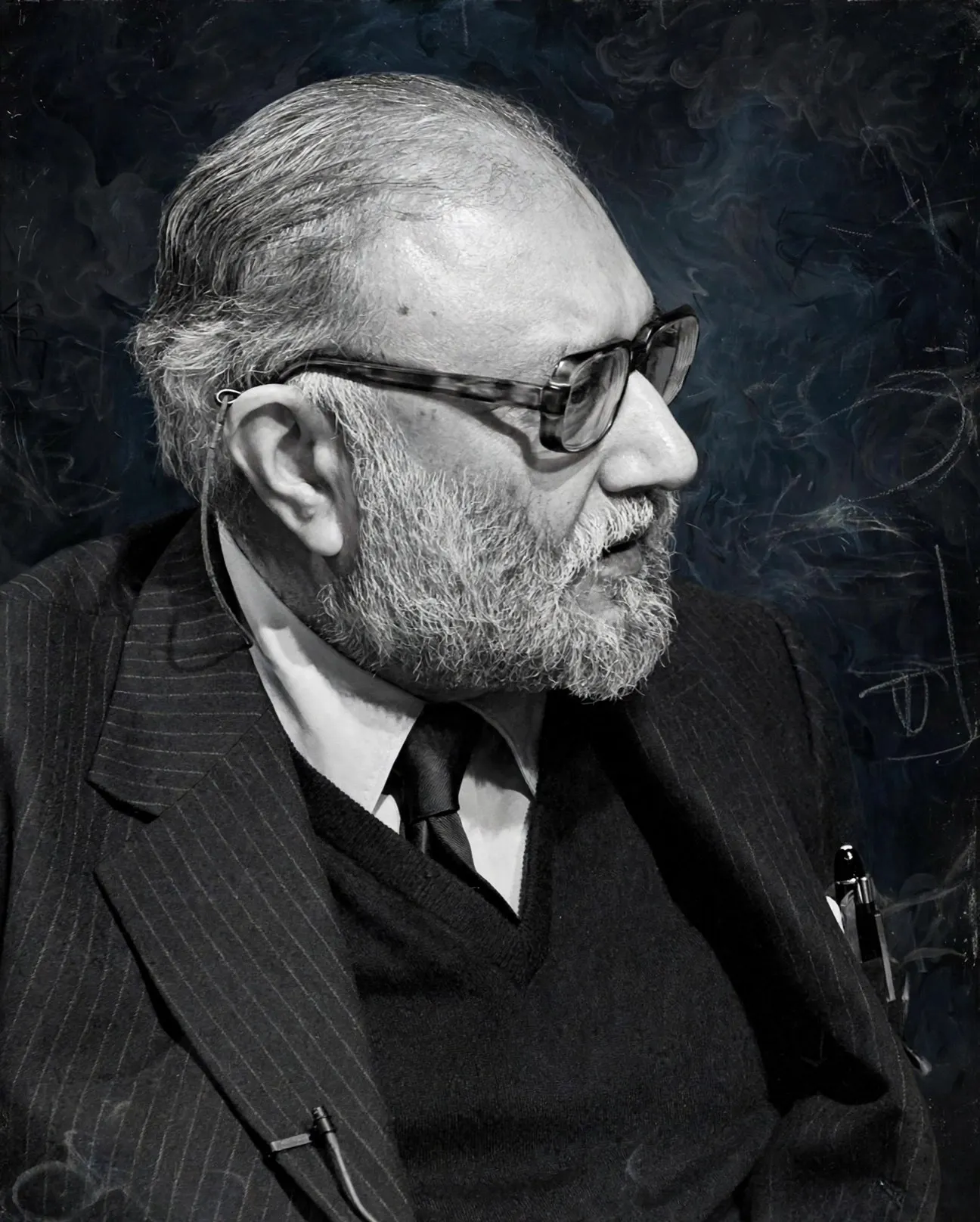
Abdus Salam (1926 to 1996), born in Jhang in Punjab, was a theoretical physicist who shared the 1979 Nobel Prize in Physics for the electroweak theory, becoming the first Pakistani Nobel laureate, and founded the ICTP in Trieste for scientists from the developing world.
Life at a glance
- 1926Born Jhang, Punjab
- 1959Honour Fellow of the Royal Society
- 1961Founded SUPARCO
- 1964Founded Trieste
- 1979Honour Nobel Prize in Physics
- 1996Died Oxford
- Punjabi name
- ਅਬਦੁਸ ਸਲਾਮ
- Born
- 29 January 1926, Jhang, Punjab
- Home town
- Jhang
- District
- Jhang
- Region
- West Punjab
- Field
- Theoretical physics
All 10 facts
- Known for
- Electroweak theory; Nobel Prize in Physics 1979
- Founded
- SUPARCO (1961); ICTP, Trieste (1964)
- Honours
- Fellow of the Royal Society (1959); Nobel Prize in Physics (1979)
- Died
- 21 November 1996, Oxford
Abdus Salam was born on 29 January 1926 in Jhang, in the Punjab Province of British India, now in Pakistan, into a Punjabi family professing the Ahmadiyya faith. His father, Chaudhary Muhammad Hussain, was a school teacher in Jhang. The family had deep roots in the town, and the boy who grew up there would become the most decorated scientist Punjab has produced.
A record-breaking schoolboy from Jhang
Salam's school record became local legend. At fourteen he scored the highest marks ever recorded in the matriculation examination of the University of the Punjab, and when he cycled home to Jhang the whole town turned out to welcome him. He studied at Government College, Lahore, taking his master's degree in mathematics in 1946 with record marks, after publishing as a student an elegant solution to a problem first studied by the great Indian mathematician Srinivasa Ramanujan.
Cambridge, Lahore and Imperial College
A scholarship took him to St John's College, Cambridge, where he graduated in 1949 with a Double First in mathematics and physics, won the Smith's Prize in 1950, and completed a doctorate whose thesis, Developments in Quantum Theory of Fields, won the Adams Prize. He returned to Lahore as a professor at Government College from 1951 to 1954 and chaired the mathematics department at the University of the Punjab, even introducing a course in quantum mechanics. But research facilities at home were thin, and in 1957 he took up a chair at Imperial College, London. There he built one of the world's leading theoretical physics groups. At thirty-three, in 1959, he was elected a Fellow of the Royal Society, one of the youngest people ever to receive the honour.
What is the electroweak theory he helped build?
The work that won the Nobel Prize answered a deceptively simple question: are the forces of nature really separate? Salam, working in the same direction as Sheldon Glashow and Steven Weinberg, helped show that electromagnetism and the weak interaction, the force behind some kinds of radioactive decay, are two faces of a single electroweak force. The theory predicted a new phenomenon, the weak neutral current, which experiments later confirmed. In 1979 the three men shared the Nobel Prize in Physics, making Salam the first Pakistani Nobel laureate and the first Muslim to win a Nobel Prize in science. His other contributions include the Pati-Salam model of 1974, developed with Jogesh Pati, and work on supersymmetry and the Higgs mechanism.
Building science in Pakistan
Through his years in London and Trieste, Salam spent much of his energy building Pakistan's scientific institutions. He was scientific advisor to the Ministry of Science and Technology from 1960 to 1974, founded the Space and Upper Atmosphere Research Commission, SUPARCO, in 1961 and served as its first director, and played a central role in the country's atomic energy programme. He is remembered as a founder and scientific father of theoretical physics in Pakistan, and generations of Pakistani physicists passed through the departments and programmes he created.
The ICTP and a worldwide classroom
Salam believed that scientific thought is the common heritage of humankind, and that poor countries lost their best minds when talented students had to emigrate for good to do research. In 1964 he founded the International Centre for Theoretical Physics in Trieste, Italy, a place where physicists from the developing world could work at the highest level and still stay connected to home. He directed the centre until 1993, and after his death it was renamed the Abdus Salam International Centre for Theoretical Physics. He also founded the Third World Academy of Sciences, linking researchers across the developing world.
Departure in 1974 and final years
In 1974, Pakistan's Parliament passed a constitutional amendment declaring members of the Ahmadiyya community, to which Salam belonged, to be non-Muslim. Salam left Pakistan in protest and resigned his advisory roles, though he kept his ties with the country and its scientists for the rest of his life. He died in Oxford on 21 November 1996, aged seventy, and his body was brought back to Pakistan for burial. The honours list tells the scale of the career: the Smith's Prize and Adams Prize at Cambridge, the Hughes Medal, the Royal Medal, the Copley Medal, and, above them all, the Nobel Prize that a schoolteacher's son from Jhang carried home to Punjab.
ਅਬਦੁਸ ਸਲਾਮ ਦਾ ਜਨਮ 29 ਜਨਵਰੀ 1926 ਨੂੰ ਬ੍ਰਿਟਿਸ਼ ਭਾਰਤ ਦੇ ਪੰਜਾਬ ਸੂਬੇ ਦੇ ਝੰਗ ਵਿੱਚ ਹੋਇਆ, ਜੋ ਹੁਣ ਪਾਕਿਸਤਾਨ ਵਿੱਚ ਹੈ, ਇੱਕ ਪੰਜਾਬੀ ਪਰਿਵਾਰ ਵਿੱਚ ਜੋ ਅਹਿਮਦੀਆ ਅਕੀਦੇ ਨੂੰ ਮੰਨਦਾ ਸੀ। ਉਸ ਦੇ ਪਿਤਾ ਚੌਧਰੀ ਮੁਹੰਮਦ ਹੁਸੈਨ ਝੰਗ ਵਿੱਚ ਸਕੂਲ ਅਧਿਆਪਕ ਸਨ। ਪਰਿਵਾਰ ਦੀਆਂ ਜੜ੍ਹਾਂ ਉਸ ਸ਼ਹਿਰ ਵਿੱਚ ਡੂੰਘੀਆਂ ਸਨ, ਅਤੇ ਉੱਥੇ ਵੱਡਾ ਹੋਇਆ ਮੁੰਡਾ ਆਉਣ ਵਾਲੇ ਸਮੇਂ ਵਿੱਚ ਪੰਜਾਬ ਦਾ ਸਭ ਤੋਂ ਵੱਧ ਸਨਮਾਨਿਤ ਵਿਗਿਆਨੀ ਬਣਨ ਵਾਲਾ ਸੀ।
ਝੰਗ ਦਾ ਰਿਕਾਰਡ ਤੋੜਨ ਵਾਲਾ ਸਕੂਲੀ ਮੁੰਡਾ
ਸਲਾਮ ਦਾ ਸਕੂਲੀ ਰਿਕਾਰਡ ਇਲਾਕੇ ਵਿੱਚ ਕਹਾਣੀ ਬਣ ਗਿਆ। ਚੌਦਾਂ ਸਾਲ ਦੀ ਉਮਰ ਵਿੱਚ ਉਸ ਨੇ ਪੰਜਾਬ ਯੂਨੀਵਰਸਿਟੀ ਦੇ ਮੈਟ੍ਰਿਕ ਇਮਤਿਹਾਨ ਵਿੱਚ ਉਸ ਸਮੇਂ ਤੱਕ ਦੇ ਸਭ ਤੋਂ ਵੱਧ ਅੰਕ ਹਾਸਲ ਕੀਤੇ, ਅਤੇ ਜਦੋਂ ਉਹ ਸਾਈਕਲ ਚਲਾ ਕੇ ਝੰਗ ਘਰ ਪਰਤਿਆ ਤਾਂ ਪੂਰਾ ਸ਼ਹਿਰ ਉਸ ਦੇ ਸਵਾਗਤ ਲਈ ਨਿਕਲ ਆਇਆ। ਉਸ ਨੇ ਗੌਰਮਿੰਟ ਕਾਲਜ, ਲਾਹੌਰ ਵਿੱਚ ਪੜ੍ਹਾਈ ਕੀਤੀ ਅਤੇ 1946 ਵਿੱਚ ਰਿਕਾਰਡ ਅੰਕਾਂ ਨਾਲ ਗਣਿਤ ਵਿੱਚ ਮਾਸਟਰ ਡਿਗਰੀ ਕੀਤੀ; ਵਿਦਿਆਰਥੀ ਹੁੰਦਿਆਂ ਹੀ ਉਸ ਨੇ ਮਹਾਨ ਭਾਰਤੀ ਗਣਿਤ-ਸ਼ਾਸਤਰੀ ਸ੍ਰੀਨਿਵਾਸ ਰਾਮਾਨੁਜਨ ਵੱਲੋਂ ਪਹਿਲਾਂ ਅਧਿਐਨ ਕੀਤੀ ਇੱਕ ਸਮੱਸਿਆ ਦਾ ਸੋਹਣਾ ਹੱਲ ਵੀ ਪ੍ਰਕਾਸ਼ਿਤ ਕੀਤਾ ਸੀ।
ਕੈਂਬਰਿਜ, ਲਾਹੌਰ ਅਤੇ ਇੰਪੀਰੀਅਲ ਕਾਲਜ
ਇੱਕ ਸਕਾਲਰਸ਼ਿਪ ਉਸ ਨੂੰ ਸੇਂਟ ਜੌਨਜ਼ ਕਾਲਜ, ਕੈਂਬਰਿਜ ਲੈ ਗਈ, ਜਿੱਥੇ ਉਸ ਨੇ 1949 ਵਿੱਚ ਗਣਿਤ ਅਤੇ ਭੌਤਿਕੀ ਵਿੱਚ ਡਬਲ ਫਰਸਟ ਨਾਲ ਗ੍ਰੈਜੂਏਸ਼ਨ ਕੀਤੀ, 1950 ਵਿੱਚ ਸਮਿਥ ਇਨਾਮ ਜਿੱਤਿਆ, ਅਤੇ ਡਾਕਟਰੇਟ ਪੂਰੀ ਕੀਤੀ ਜਿਸ ਦੇ ਥੀਸਿਸ, ਡਿਵੈਲਪਮੈਂਟਸ ਇਨ ਕੁਆਂਟਮ ਥਿਊਰੀ ਆਫ਼ ਫ਼ੀਲਡਜ਼, ਨੂੰ ਐਡਮਜ਼ ਇਨਾਮ ਮਿਲਿਆ। ਉਹ ਲਾਹੌਰ ਪਰਤਿਆ ਅਤੇ 1951 ਤੋਂ 1954 ਤੱਕ ਗੌਰਮਿੰਟ ਕਾਲਜ ਵਿੱਚ ਪ੍ਰੋਫੈਸਰ ਰਿਹਾ, ਪੰਜਾਬ ਯੂਨੀਵਰਸਿਟੀ ਦੇ ਗਣਿਤ ਵਿਭਾਗ ਦਾ ਮੁਖੀ ਵੀ ਬਣਿਆ ਅਤੇ ਕੁਆਂਟਮ ਮਕੈਨਿਕਸ ਦਾ ਕੋਰਸ ਵੀ ਸ਼ੁਰੂ ਕੀਤਾ। ਪਰ ਘਰ ਵਿੱਚ ਖੋਜ ਦੀਆਂ ਸਹੂਲਤਾਂ ਘੱਟ ਸਨ, ਅਤੇ 1957 ਵਿੱਚ ਉਸ ਨੇ ਇੰਪੀਰੀਅਲ ਕਾਲਜ, ਲੰਡਨ ਵਿੱਚ ਪ੍ਰੋਫੈਸਰ ਦੀ ਕੁਰਸੀ ਸੰਭਾਲੀ। ਉੱਥੇ ਉਸ ਨੇ ਦੁਨੀਆ ਦੇ ਮੋਹਰੀ ਸਿਧਾਂਤਕ ਭੌਤਿਕੀ ਸਮੂਹਾਂ ਵਿੱਚੋਂ ਇੱਕ ਬਣਾਇਆ। ਤੇਤੀ ਸਾਲ ਦੀ ਉਮਰ ਵਿੱਚ, 1959 ਵਿੱਚ, ਉਹ ਰਾਇਲ ਸੋਸਾਇਟੀ ਦਾ ਫੈਲੋ ਚੁਣਿਆ ਗਿਆ, ਇਹ ਸਨਮਾਨ ਪਾਉਣ ਵਾਲਿਆਂ ਵਿੱਚੋਂ ਸਭ ਤੋਂ ਘੱਟ ਉਮਰ ਵਾਲਿਆਂ ਵਿੱਚ ਇੱਕ।
ਉਹ ਇਲੈਕਟ੍ਰੋਵੀਕ ਸਿਧਾਂਤ ਕੀ ਹੈ ਜੋ ਉਸ ਨੇ ਬਣਾਉਣ ਵਿੱਚ ਮਦਦ ਕੀਤੀ?
ਜਿਸ ਕੰਮ ਨੂੰ ਨੋਬਲ ਇਨਾਮ ਮਿਲਿਆ, ਉਸ ਨੇ ਇੱਕ ਸਾਦਾ ਜਿਹਾ ਲੱਗਦਾ ਸਵਾਲ ਦਾ ਜਵਾਬ ਦਿੱਤਾ: ਕੀ ਕੁਦਰਤ ਦੀਆਂ ਤਾਕਤਾਂ ਸੱਚਮੁੱਚ ਵੱਖ ਵੱਖ ਹਨ? ਸਲਾਮ ਨੇ, ਸ਼ੈਲਡਨ ਗਲਾਸ਼ੋ ਅਤੇ ਸਟੀਵਨ ਵਾਈਨਬਰਗ ਵੱਲੋਂ ਵੀ ਉਸੇ ਦਿਸ਼ਾ ਵਿੱਚ ਹੋ ਰਹੇ ਕੰਮ ਦੇ ਨਾਲ, ਇਹ ਦਰਸਾਉਣ ਵਿੱਚ ਮਦਦ ਕੀਤੀ ਕਿ ਬਿਜਲਈ-ਚੁੰਬਕੀ ਤਾਕਤ ਅਤੇ ਕਮਜ਼ੋਰ ਤਾਕਤ, ਜੋ ਕੁਝ ਕਿਸਮਾਂ ਦੇ ਰੇਡੀਓਐਕਟਿਵ ਸੜਨ ਪਿੱਛੇ ਹੁੰਦੀ ਹੈ, ਅਸਲ ਵਿੱਚ ਇੱਕੋ ਇਲੈਕਟ੍ਰੋਵੀਕ ਤਾਕਤ ਦੇ ਦੋ ਰੂਪ ਹਨ। ਇਸ ਸਿਧਾਂਤ ਨੇ ਇੱਕ ਨਵੀਂ ਘਟਨਾ, ਕਮਜ਼ੋਰ ਨਿਰਪੱਖ ਕਰੰਟ, ਦੀ ਭਵਿੱਖਬਾਣੀ ਕੀਤੀ, ਜਿਸ ਦੀ ਪੁਸ਼ਟੀ ਬਾਅਦ ਵਿੱਚ ਪ੍ਰਯੋਗਾਂ ਨੇ ਕੀਤੀ। 1979 ਵਿੱਚ ਤਿੰਨਾਂ ਨੇ ਭੌਤਿਕੀ ਦਾ ਨੋਬਲ ਇਨਾਮ ਸਾਂਝਾ ਕੀਤਾ, ਅਤੇ ਸਲਾਮ ਪਾਕਿਸਤਾਨ ਦਾ ਪਹਿਲਾ ਨੋਬਲ ਜੇਤੂ ਅਤੇ ਵਿਗਿਆਨ ਵਿੱਚ ਨੋਬਲ ਇਨਾਮ ਜਿੱਤਣ ਵਾਲਾ ਪਹਿਲਾ ਮੁਸਲਮਾਨ ਬਣਿਆ। ਉਸ ਦੇ ਹੋਰ ਯੋਗਦਾਨਾਂ ਵਿੱਚ 1974 ਦਾ ਪਾਟੀ-ਸਲਾਮ ਮਾਡਲ, ਜੋ ਉਸ ਨੇ ਜੋਗੇਸ਼ ਪਾਟੀ ਨਾਲ ਮਿਲ ਕੇ ਬਣਾਇਆ, ਅਤੇ ਸੁਪਰਸਿਮੈਟਰੀ ਅਤੇ ਹਿਗਜ਼ ਵਿਧੀ ਉੱਤੇ ਕੰਮ ਸ਼ਾਮਲ ਹਨ।
ਪਾਕਿਸਤਾਨ ਵਿੱਚ ਵਿਗਿਆਨ ਦੀ ਉਸਾਰੀ
ਲੰਡਨ ਅਤੇ ਟ੍ਰੀਐਸਟ ਵਾਲਿਆਂ ਸਾਲਾਂ ਦੌਰਾਨ ਸਲਾਮ ਨੇ ਆਪਣੀ ਬਹੁਤੀ ਤਾਕਤ ਪਾਕਿਸਤਾਨ ਦੇ ਵਿਗਿਆਨਿਕ ਅਦਾਰੇ ਬਣਾਉਣ ਵਿੱਚ ਲਾਈ। ਉਹ 1960 ਤੋਂ 1974 ਤੱਕ ਵਿਗਿਆਨ ਅਤੇ ਤਕਨਾਲੋਜੀ ਮੰਤਰਾਲੇ ਦਾ ਵਿਗਿਆਨਿਕ ਸਲਾਹਕਾਰ ਰਿਹਾ, 1961 ਵਿੱਚ ਸਪੇਸ ਐਂਡ ਅੱਪਰ ਐਟਮੋਸਫੀਅਰ ਰਿਸਰਚ ਕਮਿਸ਼ਨ, ਸੁਪਾਰਕੋ, ਦੀ ਸਥਾਪਨਾ ਕੀਤੀ ਅਤੇ ਇਸ ਦਾ ਪਹਿਲਾ ਨਿਰਦੇਸ਼ਕ ਬਣਿਆ, ਅਤੇ ਦੇਸ਼ ਦੇ ਪਰਮਾਣੂ ਊਰਜਾ ਪ੍ਰੋਗਰਾਮ ਵਿੱਚ ਕੇਂਦਰੀ ਭੂਮਿਕਾ ਨਿਭਾਈ। ਉਸ ਨੂੰ ਪਾਕਿਸਤਾਨ ਵਿੱਚ ਸਿਧਾਂਤਕ ਭੌਤਿਕੀ ਦਾ ਬਾਨੀ ਅਤੇ ਵਿਗਿਆਨਿਕ ਪਿਤਾ ਮੰਨਿਆ ਜਾਂਦਾ ਹੈ, ਅਤੇ ਪਾਕਿਸਤਾਨੀ ਭੌਤਿਕ ਵਿਗਿਆਨੀਆਂ ਦੀਆਂ ਪੀੜ੍ਹੀਆਂ ਉਸ ਦੇ ਬਣਾਏ ਵਿਭਾਗਾਂ ਅਤੇ ਪ੍ਰੋਗਰਾਮਾਂ ਵਿੱਚੋਂ ਲੰਘੀਆਂ।
ਆਈਸੀਟੀਪੀ ਅਤੇ ਦੁਨੀਆ ਭਰ ਦੀ ਕਲਾਸ
ਸਲਾਮ ਮੰਨਦਾ ਸੀ ਕਿ ਵਿਗਿਆਨਿਕ ਸੋਚ ਮਨੁੱਖਤਾ ਦੀ ਸਾਂਝੀ ਵਿਰਾਸਤ ਹੈ, ਅਤੇ ਗਰੀਬ ਦੇਸ਼ ਆਪਣੇ ਸਭ ਤੋਂ ਵਧੀਆ ਦਿਮਾਗ ਉਦੋਂ ਗੁਆ ਬੈਠਦੇ ਹਨ ਜਦੋਂ ਹੋਣਹਾਰ ਵਿਦਿਆਰਥੀਆਂ ਨੂੰ ਖੋਜ ਲਈ ਹਮੇਸ਼ਾ ਲਈ ਬਾਹਰ ਜਾਣਾ ਪੈਂਦਾ ਹੈ। 1964 ਵਿੱਚ ਉਸ ਨੇ ਇਟਲੀ ਦੇ ਟ੍ਰੀਐਸਟ ਵਿੱਚ ਇੰਟਰਨੈਸ਼ਨਲ ਸੈਂਟਰ ਫਾਰ ਥਿਓਰੈਟਿਕਲ ਫਿਜ਼ਿਕਸ ਦੀ ਸਥਾਪਨਾ ਕੀਤੀ, ਇੱਕ ਅਜਿਹੀ ਥਾਂ ਜਿੱਥੇ ਵਿਕਾਸਸ਼ੀਲ ਦੇਸ਼ਾਂ ਦੇ ਭੌਤਿਕ ਵਿਗਿਆਨੀ ਉੱਚੇ ਪੱਧਰ ਦਾ ਕੰਮ ਕਰ ਸਕਣ ਅਤੇ ਘਰ ਨਾਲ ਵੀ ਜੁੜੇ ਰਹਿਣ। ਉਹ 1993 ਤੱਕ ਇਸ ਕੇਂਦਰ ਦਾ ਨਿਰਦੇਸ਼ਕ ਰਿਹਾ, ਅਤੇ ਉਸ ਦੀ ਮੌਤ ਤੋਂ ਬਾਅਦ ਇਸ ਦਾ ਨਾਂ ਅਬਦੁਸ ਸਲਾਮ ਇੰਟਰਨੈਸ਼ਨਲ ਸੈਂਟਰ ਫਾਰ ਥਿਓਰੈਟਿਕਲ ਫਿਜ਼ਿਕਸ ਰੱਖ ਦਿੱਤਾ ਗਿਆ। ਉਸ ਨੇ ਥਰਡ ਵਰਲਡ ਅਕੈਡਮੀ ਆਫ਼ ਸਾਇੰਸਜ਼ ਦੀ ਸਥਾਪਨਾ ਵੀ ਕੀਤੀ, ਜਿਸ ਨੇ ਵਿਕਾਸਸ਼ੀਲ ਦੁਨੀਆ ਦੇ ਖੋਜਕਾਰਾਂ ਨੂੰ ਆਪਸ ਵਿੱਚ ਜੋੜਿਆ।
1974 ਵਿੱਚ ਵਿਦਾਈ ਅਤੇ ਆਖਰੀ ਸਾਲ
1974 ਵਿੱਚ ਪਾਕਿਸਤਾਨ ਦੀ ਪਾਰਲੀਮੈਂਟ ਨੇ ਇੱਕ ਸੰਵਿਧਾਨਕ ਸੋਧ ਪਾਸ ਕੀਤੀ ਜਿਸ ਨਾਲ ਅਹਿਮਦੀਆ ਭਾਈਚਾਰੇ ਦੇ ਮੈਂਬਰਾਂ, ਜਿਸ ਨਾਲ ਸਲਾਮ ਸੰਬੰਧਿਤ ਸੀ, ਨੂੰ ਗੈਰ-ਮੁਸਲਿਮ ਐਲਾਨ ਦਿੱਤਾ ਗਿਆ। ਸਲਾਮ ਨੇ ਰੋਸ ਵਜੋਂ ਪਾਕਿਸਤਾਨ ਛੱਡ ਦਿੱਤਾ ਅਤੇ ਆਪਣੀਆਂ ਸਲਾਹਕਾਰ ਜ਼ਿੰਮੇਵਾਰੀਆਂ ਤੋਂ ਅਸਤੀਫ਼ਾ ਦੇ ਦਿੱਤਾ, ਹਾਲਾਂਕਿ ਉਹ ਸਾਰੀ ਉਮਰ ਦੇਸ਼ ਅਤੇ ਇਸ ਦੇ ਵਿਗਿਆਨੀਆਂ ਨਾਲ ਜੁੜਿਆ ਰਿਹਾ। ਉਸ ਦੀ ਮੌਤ 21 ਨਵੰਬਰ 1996 ਨੂੰ ਆਕਸਫੋਰਡ ਵਿੱਚ ਸੱਤਰ ਸਾਲ ਦੀ ਉਮਰ ਵਿੱਚ ਹੋਈ, ਅਤੇ ਉਸ ਦੀ ਮ੍ਰਿਤਕ ਦੇਹ ਨੂੰ ਦਫ਼ਨਾਉਣ ਲਈ ਪਾਕਿਸਤਾਨ ਲਿਆਂਦਾ ਗਿਆ। ਸਨਮਾਨਾਂ ਦੀ ਸੂਚੀ ਇਸ ਕੈਰੀਅਰ ਦਾ ਪੈਮਾਨਾ ਦੱਸਦੀ ਹੈ: ਕੈਂਬਰਿਜ ਦੇ ਸਮਿਥ ਅਤੇ ਐਡਮਜ਼ ਇਨਾਮ, ਹਿਊਜ਼ ਮੈਡਲ, ਰਾਇਲ ਮੈਡਲ, ਕੋਪਲੀ ਮੈਡਲ, ਅਤੇ ਸਭ ਤੋਂ ਉੱਪਰ ਉਹ ਨੋਬਲ ਇਨਾਮ ਜੋ ਝੰਗ ਦੇ ਇੱਕ ਸਕੂਲ ਅਧਿਆਪਕ ਦਾ ਪੁੱਤਰ ਪੰਜਾਬ ਘਰ ਲੈ ਕੇ ਆਇਆ।
People

Places

More people


Jugti is free and independent. Reader support keeps the Kosh growing.
Support