
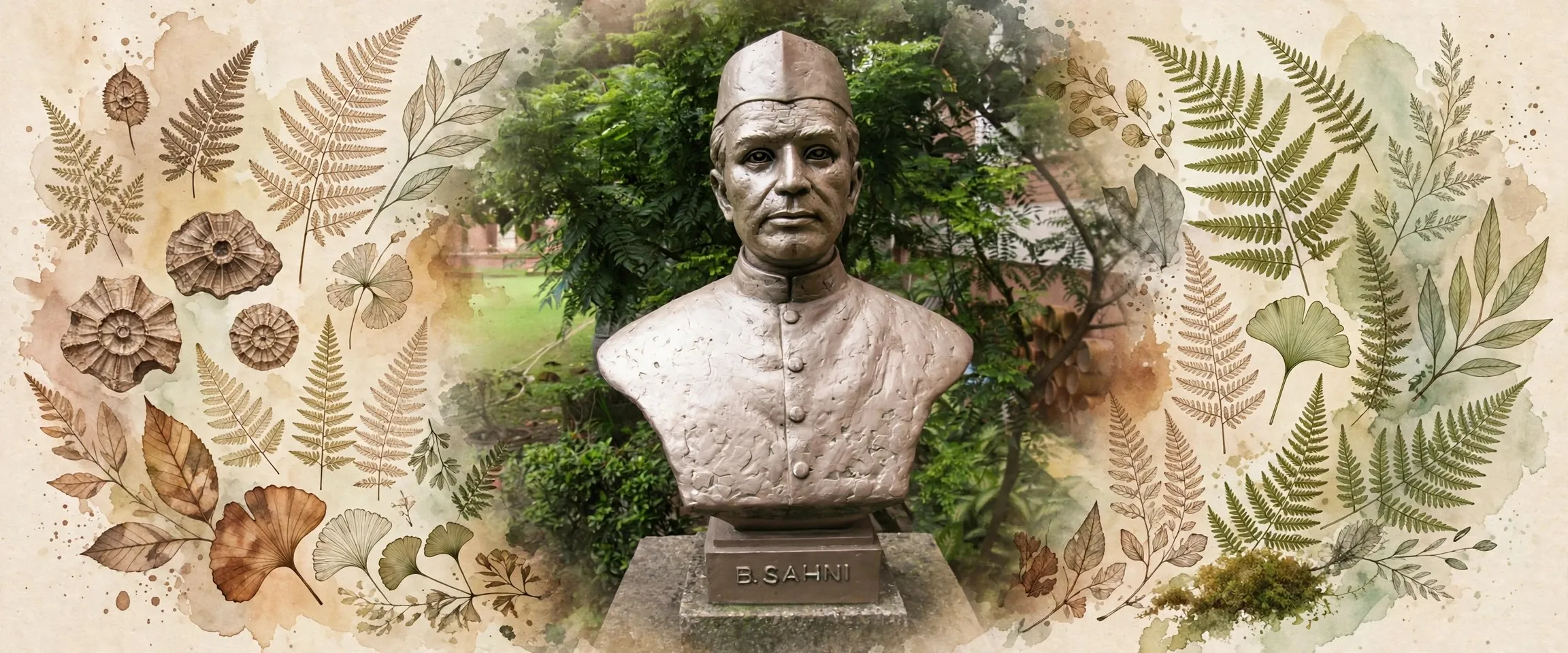
Birbal Sahni (1891 to 1949), born in Bhera in Punjab, was a palaeobotanist who founded the study of fossil plants in India, built the botany department at the University of Lucknow from 1921, became the first Indian botanist elected a Fellow of the Royal Society in 1936, and founded the Lucknow institute that now bears his name.
Life at a glance
- 1891Born Bhera, Punjab
- 1936Honour Fellow of the Royal Society
- 1946Founded Lucknow
- 1949Died Lucknow
- Punjabi name
- ਬੀਰਬਲ ਸਾਹਨੀ
- Born
- 14 November 1891, Bhera, Punjab
- Home town
- Bhera
- District
- Sargodha
- Region
- West Punjab
- Field
- Palaeobotany
All 10 facts
- Known for
- Pentoxylales and Indian Gondwana fossil plants
- Founded
- Institute of Palaeobotany, Lucknow (1946)
- Honours
- Fellow of the Royal Society (1936)
- Died
- 10 April 1949, Lucknow
Birbal Sahni (1891 to 1949) was a palaeobotanist from Bhera in Punjab who founded the study of fossil plants as a research discipline in India. Working from the University of Lucknow, he read ancient forests from stone, linked India's fossil flora to debates about drifting continents, and founded the Lucknow institute that now bears his name.
Early life in Bhera and Lahore
Birbal Sahni was born on 14 November 1891 in Bhera, a small town in Shahpur district of Punjab, in what is now Pakistan. Bhera lies in today's Sargodha district, close to the Salt Range and the Khewra salt mines, and the rocks and hills around his birthplace were part of his childhood landscape. His family came from Dera Ismail Khan, and visits to Bhera kept the young boy close to the geology that would later shape his science.
His father, Ruchi Ram Sahni, was a professor of chemistry at Government College, Lahore, a pioneer of science education who had worked with leading physicists of the age, including Ernest Rutherford and Niels Bohr, and who founded the Punjab Science Institute. Every summer he took his sons on long treks through the Himalayas. At home in Lahore, Birbal learned botany from Shiv Ram Kashyap, remembered as the father of Indian bryology, studied at the Mission and Central Model schools and at Government College, and took his BSc in 1911.
Cambridge and the fossil plants
Sahni followed his brothers to England and graduated from Emmanuel College, Cambridge, in 1914. There he came under the influence of Albert Charles Seward, the leading student of fossil plants of the day, and the partnership shaped his life's work. In 1919 the University of London awarded him a DSc for his research on fossil plants, and in 1920 he and Seward published their Revision of Indian Gondwana Plants, a reworking of the fossil flora of the ancient southern supercontinent.
After a brief spell working in Munich with the plant morphologist Karl Ritter von Goebel, Sahni returned to India. He taught for about a year as professor of botany at Banaras Hindu University and at the University of the Punjab. In 1920 he married Savitri Suri, who shared his work closely for the rest of his life. Cambridge recognised his standing in 1929 with the degree of ScD.
What did Birbal Sahni discover?
Birbal Sahni's discoveries gave names and order to India's fossil plants: he described new fossil species from the Rajmahal Hills, recognised a new group of fossil gymnosperms, the Pentoxylales, and showed how the Glossopteris flora connected the ancient landmasses of the southern hemisphere. Among his best known finds were Williamsonia sewardiana, a petrified fossil plant he described in 1932, and Homoxylon rajmahalense, a petrified wood from the Rajmahal Hills that resembled the wood of a living flowering plant yet came from Jurassic rocks. He was among the first to argue that the conifers Taxus, Torreya and Cephalotaxus deserved their own order, the Taxales.
His fossils also spoke to geology. Sahni described Glossopteris in detail, compared the fossil floras of India and Australia with those of China and Sumatra, and in 1936 wrote on Wegener's theory of continental drift in the light of palaeobotanical evidence. From fossil palms like Nipa in the Deccan beds he argued that parts of central India had once been coastline, and he even tried to estimate how fast the Himalayas were rising from the heights at which fossils were found.
The Lucknow years
In 1921 Sahni became the first professor and head of the new botany department at the University of Lucknow, and he stayed in that chair until his death. Lucknow had no tradition in his subject when he arrived. Within a few years his department had become the first centre in India for botanical and palaeobotanical research, drawing devoted students from across the country, many of whom carried the subject to universities of their own.
Recognition followed. In 1936 he was elected a Fellow of the Royal Society in London, the first Indian botanist to receive that honour. He served as president of the National Academy of Sciences, India, in 1937 to 1939 and again in 1943 to 1944, and as general president of the Indian Science Congress in 1940. Before his death he had been elected an honorary president of the International Botanical Congress planned for Stockholm in 1950.
Beyond botany: coins, clay and Harappa
Sahni refused to stay inside one subject. Studying wood remains from Harappa, he noticed they came from conifers and argued that the city's people must have traded with mountain regions where conifers grow. In 1936 he examined coins and moulds dating to about 100 BC from Khokra Kot and wrote a noted study of how coins were cast in ancient India, work that later earned him the Nelson Wright Medal for numismatics in 1945. He also played the sitar and the violin, modelled in clay, and played chess and tennis.
The institute and final years
Sahni wanted Indian palaeobotany to outlive him, so he built it a home. He founded the Palaeobotanical Society, which established the Institute of Palaeobotany on 10 September 1946. The institute began inside his own botany department at Lucknow and then moved to its own premises at 53 University Road. On 3 April 1949 Prime Minister Jawaharlal Nehru laid the foundation stone of its new building.
A week later, on 10 April 1949, Sahni died of a heart attack in Lucknow, aged 57. His wife Savitri carried the young institute forward after his death and helped win it international recognition. The institute was later renamed the Birbal Sahni Institute of Palaeobotany in his honour, and today, as the Birbal Sahni Institute of Palaeosciences, it remains the centre he imagined, built on his own library and collections.
Legacy
Birbal Sahni is remembered as the founder of palaeobotany in India: the scientist who showed that stones could be read as forests, and that India's rocks held evidence for how continents and climates had changed. A Birbal Sahni Gold Medal for botany students keeps his name in front of each new generation, and busts of him stand at institutions including the Geological Survey of India in Kolkata and the Birla Industrial and Technological Museum.
His story also belongs to Punjab. A boy from Bhera, in today's Sargodha district, educated in Lahore and Cambridge, he stands in the line of Punjab born scientists who carried Indian science to world standing, the line that later produced figures such as Abdus Salam of Jhang and Har Gobind Khorana. Bhera may be a small town, but through Sahni it is written into the history of how the world learned to read its oldest plants.
ਬੀਰਬਲ ਸਾਹਨੀ (1891 ਤੋਂ 1949) ਪੰਜਾਬ ਦੇ ਭੇਰਾ ਤੋਂ ਇੱਕ ਪੁਰਾਤਨ ਬਨਸਪਤੀ ਵਿਗਿਆਨੀ ਸਨ, ਜਿਨ੍ਹਾਂ ਨੇ ਭਾਰਤ ਵਿੱਚ ਜੀਵਾਸ਼ਮ ਪੌਦਿਆਂ ਦੇ ਅਧਿਐਨ ਨੂੰ ਇੱਕ ਖੋਜ ਖੇਤਰ ਵਜੋਂ ਸਥਾਪਿਤ ਕੀਤਾ। ਲਖਨਊ ਯੂਨੀਵਰਸਿਟੀ ਤੋਂ ਕੰਮ ਕਰਦਿਆਂ ਉਨ੍ਹਾਂ ਨੇ ਪੱਥਰਾਂ ਵਿੱਚੋਂ ਪ੍ਰਾਚੀਨ ਜੰਗਲ ਪੜ੍ਹੇ, ਭਾਰਤ ਦੇ ਜੀਵਾਸ਼ਮ ਪੌਦਿਆਂ ਨੂੰ ਮਹਾਂਦੀਪਾਂ ਦੇ ਖਿਸਕਣ ਬਾਰੇ ਬਹਿਸਾਂ ਨਾਲ ਜੋੜਿਆ, ਅਤੇ ਲਖਨਊ ਵਿੱਚ ਉਹ ਸੰਸਥਾ ਬਣਾਈ ਜਿਸ ਉੱਤੇ ਅੱਜ ਉਨ੍ਹਾਂ ਦਾ ਨਾਂ ਹੈ।
ਭੇਰਾ ਅਤੇ ਲਾਹੌਰ ਵਿੱਚ ਮੁਢਲਾ ਜੀਵਨ
ਬੀਰਬਲ ਸਾਹਨੀ ਦਾ ਜਨਮ 14 ਨਵੰਬਰ 1891 ਨੂੰ ਪੰਜਾਬ ਦੇ ਸ਼ਾਹਪੁਰ ਜ਼ਿਲ੍ਹੇ ਦੇ ਛੋਟੇ ਜਿਹੇ ਕਸਬੇ ਭੇਰਾ ਵਿੱਚ ਹੋਇਆ, ਜੋ ਹੁਣ ਪਾਕਿਸਤਾਨ ਵਿੱਚ ਹੈ। ਭੇਰਾ ਅੱਜ ਦੇ ਸਰਗੋਧਾ ਜ਼ਿਲ੍ਹੇ ਵਿੱਚ ਹੈ, ਲੂਣ ਦੀ ਸ਼੍ਰੇਣੀ ਅਤੇ ਖੇਵੜਾ ਦੀਆਂ ਲੂਣ ਖਾਣਾਂ ਦੇ ਨੇੜੇ, ਅਤੇ ਉਨ੍ਹਾਂ ਦੇ ਜਨਮ ਸਥਾਨ ਦੇ ਆਲੇ ਦੁਆਲੇ ਦੀਆਂ ਚਟਾਨਾਂ ਅਤੇ ਪਹਾੜੀਆਂ ਉਨ੍ਹਾਂ ਦੇ ਬਚਪਨ ਦਾ ਹਿੱਸਾ ਸਨ। ਉਨ੍ਹਾਂ ਦਾ ਪਰਿਵਾਰ ਡੇਰਾ ਇਸਮਾਈਲ ਖਾਨ ਤੋਂ ਆਇਆ ਸੀ, ਅਤੇ ਭੇਰਾ ਦੀਆਂ ਫੇਰੀਆਂ ਨੇ ਛੋਟੇ ਮੁੰਡੇ ਨੂੰ ਉਸ ਭੂ ਵਿਗਿਆਨ ਦੇ ਨੇੜੇ ਰੱਖਿਆ ਜਿਸ ਨੇ ਅੱਗੇ ਚੱਲ ਕੇ ਉਨ੍ਹਾਂ ਦੇ ਵਿਗਿਆਨ ਨੂੰ ਘੜਿਆ।
ਉਨ੍ਹਾਂ ਦੇ ਪਿਤਾ ਰੁਚੀ ਰਾਮ ਸਾਹਨੀ ਗੌਰਮਿੰਟ ਕਾਲਜ, ਲਾਹੌਰ ਵਿੱਚ ਰਸਾਇਣ ਵਿਗਿਆਨ ਦੇ ਪ੍ਰੋਫੈਸਰ ਸਨ, ਵਿਗਿਆਨ ਸਿੱਖਿਆ ਦੇ ਮੋਹਰੀ, ਜਿਨ੍ਹਾਂ ਨੇ ਆਪਣੇ ਸਮੇਂ ਦੇ ਮੋਹਰੀ ਭੌਤਿਕ ਵਿਗਿਆਨੀਆਂ, ਅਰਨੈਸਟ ਰਦਰਫੋਰਡ ਅਤੇ ਨੀਲਸ ਬੋਰ ਸਮੇਤ, ਨਾਲ ਕੰਮ ਕੀਤਾ ਸੀ ਅਤੇ ਪੰਜਾਬ ਸਾਇੰਸ ਇੰਸਟੀਚਿਊਟ ਦੀ ਸਥਾਪਨਾ ਕੀਤੀ ਸੀ। ਹਰ ਗਰਮੀਆਂ ਵਿੱਚ ਉਹ ਆਪਣੇ ਪੁੱਤਰਾਂ ਨੂੰ ਹਿਮਾਲਿਆ ਦੀਆਂ ਲੰਬੀਆਂ ਸੈਰਾਂ ਉੱਤੇ ਲੈ ਜਾਂਦੇ ਸਨ। ਲਾਹੌਰ ਘਰ ਵਿੱਚ ਬੀਰਬਲ ਨੇ ਸ਼ਿਵ ਰਾਮ ਕਸ਼ਯਪ ਤੋਂ ਬਨਸਪਤੀ ਸਿੱਖੀ, ਜਿਨ੍ਹਾਂ ਨੂੰ ਭਾਰਤੀ ਬ੍ਰਾਇਓਲੋਜੀ ਦਾ ਪਿਤਾ ਕਿਹਾ ਜਾਂਦਾ ਹੈ, ਮਿਸ਼ਨ ਅਤੇ ਸੈਂਟਰਲ ਮਾਡਲ ਸਕੂਲਾਂ ਅਤੇ ਗੌਰਮਿੰਟ ਕਾਲਜ ਵਿੱਚ ਪੜ੍ਹਾਈ ਕੀਤੀ, ਅਤੇ 1911 ਵਿੱਚ ਬੀਐਸਸੀ ਕੀਤੀ।
ਕੈਂਬਰਿਜ ਅਤੇ ਜੀਵਾਸ਼ਮ ਪੌਦੇ
ਸਾਹਨੀ ਆਪਣੇ ਭਰਾਵਾਂ ਦੇ ਪਿੱਛੇ ਇੰਗਲੈਂਡ ਗਏ ਅਤੇ 1914 ਵਿੱਚ ਇਮੈਨੁਅਲ ਕਾਲਜ, ਕੈਂਬਰਿਜ ਤੋਂ ਗ੍ਰੈਜੂਏਸ਼ਨ ਕੀਤੀ। ਉੱਥੇ ਉਹ ਐਲਬਰਟ ਚਾਰਲਸ ਸੀਵਰਡ ਦੇ ਪ੍ਰਭਾਵ ਹੇਠ ਆਏ, ਜੋ ਉਸ ਸਮੇਂ ਜੀਵਾਸ਼ਮ ਪੌਦਿਆਂ ਦੇ ਸਭ ਤੋਂ ਵੱਡੇ ਵਿਦਵਾਨ ਸਨ, ਅਤੇ ਇਸ ਸਾਂਝ ਨੇ ਉਨ੍ਹਾਂ ਦੇ ਜੀਵਨ ਦੇ ਕੰਮ ਨੂੰ ਦਿਸ਼ਾ ਦਿੱਤੀ। 1919 ਵਿੱਚ ਲੰਡਨ ਯੂਨੀਵਰਸਿਟੀ ਨੇ ਜੀਵਾਸ਼ਮ ਪੌਦਿਆਂ ਉੱਤੇ ਉਨ੍ਹਾਂ ਦੀ ਖੋਜ ਲਈ ਉਨ੍ਹਾਂ ਨੂੰ ਡੀਐਸਸੀ ਦਿੱਤੀ, ਅਤੇ 1920 ਵਿੱਚ ਉਨ੍ਹਾਂ ਨੇ ਸੀਵਰਡ ਨਾਲ ਮਿਲ ਕੇ ਰਿਵਿਜ਼ਨ ਆਫ਼ ਇੰਡੀਅਨ ਗੋਂਡਵਾਨਾ ਪਲਾਂਟਸ ਪ੍ਰਕਾਸ਼ਿਤ ਕੀਤਾ, ਜੋ ਪ੍ਰਾਚੀਨ ਦੱਖਣੀ ਮਹਾਂਦੀਪ ਦੇ ਜੀਵਾਸ਼ਮ ਪੌਦਿਆਂ ਦਾ ਨਵਾਂ ਅਧਿਐਨ ਸੀ।
ਮਿਊਨਿਖ ਵਿੱਚ ਪੌਦਾ ਰੂਪ ਵਿਗਿਆਨੀ ਕਾਰਲ ਰਿਟਰ ਫਾਨ ਗੋਬਲ ਨਾਲ ਕੁਝ ਸਮਾਂ ਕੰਮ ਕਰਨ ਤੋਂ ਬਾਅਦ ਸਾਹਨੀ ਭਾਰਤ ਪਰਤ ਆਏ। ਉਨ੍ਹਾਂ ਨੇ ਲਗਭਗ ਇੱਕ ਸਾਲ ਬਨਾਰਸ ਹਿੰਦੂ ਯੂਨੀਵਰਸਿਟੀ ਅਤੇ ਪੰਜਾਬ ਯੂਨੀਵਰਸਿਟੀ ਵਿੱਚ ਬਨਸਪਤੀ ਦੇ ਪ੍ਰੋਫੈਸਰ ਵਜੋਂ ਪੜ੍ਹਾਇਆ। 1920 ਵਿੱਚ ਉਨ੍ਹਾਂ ਦਾ ਵਿਆਹ ਸਾਵਿਤਰੀ ਸੂਰੀ ਨਾਲ ਹੋਇਆ, ਜੋ ਸਾਰੀ ਉਮਰ ਉਨ੍ਹਾਂ ਦੇ ਕੰਮ ਦੀ ਨੇੜਲੀ ਸਾਥੀ ਰਹੀ। ਕੈਂਬਰਿਜ ਨੇ 1929 ਵਿੱਚ ਐਸਸੀਡੀ ਦੀ ਡਿਗਰੀ ਦੇ ਕੇ ਉਨ੍ਹਾਂ ਦੀ ਥਾਂ ਨੂੰ ਮਾਨਤਾ ਦਿੱਤੀ।
ਬੀਰਬਲ ਸਾਹਨੀ ਨੇ ਕੀ ਖੋਜਿਆ?
ਬੀਰਬਲ ਸਾਹਨੀ ਦੀਆਂ ਖੋਜਾਂ ਨੇ ਭਾਰਤ ਦੇ ਜੀਵਾਸ਼ਮ ਪੌਦਿਆਂ ਨੂੰ ਨਾਂ ਅਤੇ ਤਰਤੀਬ ਦਿੱਤੀ: ਉਨ੍ਹਾਂ ਨੇ ਰਾਜਮਹਲ ਪਹਾੜੀਆਂ ਤੋਂ ਨਵੀਆਂ ਜੀਵਾਸ਼ਮ ਪ੍ਰਜਾਤੀਆਂ ਦਾ ਵਰਣਨ ਕੀਤਾ, ਜੀਵਾਸ਼ਮ ਜਿਮਨੋਸਪਰਮਾਂ ਦੇ ਇੱਕ ਨਵੇਂ ਸਮੂਹ, ਪੈਂਟੋਕਸਾਈਲੇਲਸ, ਨੂੰ ਪਛਾਣਿਆ, ਅਤੇ ਦਿਖਾਇਆ ਕਿ ਗਲੋਸੋਪਟੇਰਿਸ ਬਨਸਪਤੀ ਦੱਖਣੀ ਗੋਲਾਰਧ ਦੀਆਂ ਪ੍ਰਾਚੀਨ ਧਰਤੀਆਂ ਨੂੰ ਕਿਵੇਂ ਜੋੜਦੀ ਸੀ। ਉਨ੍ਹਾਂ ਦੀਆਂ ਸਭ ਤੋਂ ਜਾਣੀਆਂ ਖੋਜਾਂ ਵਿੱਚ ਵਿਲੀਅਮਸੋਨੀਆ ਸੀਵਰਡੀਆਨਾ ਸੀ, ਇੱਕ ਪੱਥਰ ਬਣਿਆ ਜੀਵਾਸ਼ਮ ਪੌਦਾ ਜਿਸ ਦਾ ਵਰਣਨ ਉਨ੍ਹਾਂ ਨੇ 1932 ਵਿੱਚ ਕੀਤਾ, ਅਤੇ ਹੋਮੋਕਸਾਈਲੋਨ ਰਾਜਮਹਲੈਂਸੇ, ਰਾਜਮਹਲ ਪਹਾੜੀਆਂ ਦੀ ਇੱਕ ਪੱਥਰ ਬਣੀ ਲੱਕੜ, ਜੋ ਜੀਵਤ ਫੁੱਲਦਾਰ ਪੌਦੇ ਦੀ ਲੱਕੜ ਵਰਗੀ ਸੀ ਪਰ ਜੂਰਾਸਿਕ ਚਟਾਨਾਂ ਵਿੱਚੋਂ ਮਿਲੀ ਸੀ। ਉਹ ਪਹਿਲਿਆਂ ਵਿੱਚੋਂ ਸਨ ਜਿਨ੍ਹਾਂ ਨੇ ਕਿਹਾ ਕਿ ਕੋਨੀਫਰ ਟੈਕਸਸ, ਟੋਰੀਆ ਅਤੇ ਸੈਫਾਲੋਟੈਕਸਸ ਆਪਣੇ ਵੱਖਰੇ ਵਰਗ, ਟੈਕਸੇਲਸ, ਦੇ ਹੱਕਦਾਰ ਹਨ।
ਉਨ੍ਹਾਂ ਦੇ ਜੀਵਾਸ਼ਮ ਭੂ ਵਿਗਿਆਨ ਨੂੰ ਵੀ ਬੋਲਦੇ ਸਨ। ਸਾਹਨੀ ਨੇ ਗਲੋਸੋਪਟੇਰਿਸ ਦਾ ਵਿਸਤਾਰ ਨਾਲ ਵਰਣਨ ਕੀਤਾ, ਭਾਰਤ ਅਤੇ ਆਸਟਰੇਲੀਆ ਦੇ ਜੀਵਾਸ਼ਮ ਪੌਦਿਆਂ ਦੀ ਚੀਨ ਅਤੇ ਸੁਮਾਤਰਾ ਦੇ ਪੌਦਿਆਂ ਨਾਲ ਤੁਲਨਾ ਕੀਤੀ, ਅਤੇ 1936 ਵਿੱਚ ਪੁਰਾਤਨ ਬਨਸਪਤੀ ਦੇ ਸਬੂਤਾਂ ਦੀ ਰੌਸ਼ਨੀ ਵਿੱਚ ਵੇਗਨਰ ਦੇ ਮਹਾਂਦੀਪ ਖਿਸਕਣ ਸਿਧਾਂਤ ਉੱਤੇ ਲਿਖਿਆ। ਦੱਖਣ ਦੀਆਂ ਪਰਤਾਂ ਵਿੱਚ ਨਿਪਾ ਵਰਗੇ ਜੀਵਾਸ਼ਮ ਖਜੂਰਾਂ ਤੋਂ ਉਨ੍ਹਾਂ ਨੇ ਦਲੀਲ ਦਿੱਤੀ ਕਿ ਮੱਧ ਭਾਰਤ ਦੇ ਕੁਝ ਹਿੱਸੇ ਕਦੇ ਸਮੁੰਦਰੀ ਕੰਢੇ ਸਨ, ਅਤੇ ਉਨ੍ਹਾਂ ਨੇ ਜੀਵਾਸ਼ਮ ਮਿਲਣ ਦੀਆਂ ਉਚਾਈਆਂ ਤੋਂ ਹਿਮਾਲਿਆ ਦੇ ਉੱਠਣ ਦੀ ਰਫ਼ਤਾਰ ਅੰਦਾਜ਼ਣ ਦੀ ਕੋਸ਼ਿਸ਼ ਵੀ ਕੀਤੀ।
ਲਖਨਊ ਵਾਲੇ ਸਾਲ
1921 ਵਿੱਚ ਸਾਹਨੀ ਲਖਨਊ ਯੂਨੀਵਰਸਿਟੀ ਦੇ ਨਵੇਂ ਬਨਸਪਤੀ ਵਿਭਾਗ ਦੇ ਪਹਿਲੇ ਪ੍ਰੋਫੈਸਰ ਅਤੇ ਮੁਖੀ ਬਣੇ, ਅਤੇ ਮੌਤ ਤੱਕ ਉਸੇ ਕੁਰਸੀ ਉੱਤੇ ਰਹੇ। ਜਦੋਂ ਉਹ ਪਹੁੰਚੇ ਤਾਂ ਲਖਨਊ ਵਿੱਚ ਉਨ੍ਹਾਂ ਦੇ ਵਿਸ਼ੇ ਦੀ ਕੋਈ ਪਰੰਪਰਾ ਨਹੀਂ ਸੀ। ਕੁਝ ਹੀ ਸਾਲਾਂ ਵਿੱਚ ਉਨ੍ਹਾਂ ਦਾ ਵਿਭਾਗ ਭਾਰਤ ਵਿੱਚ ਬਨਸਪਤੀ ਅਤੇ ਪੁਰਾਤਨ ਬਨਸਪਤੀ ਖੋਜ ਦਾ ਪਹਿਲਾ ਕੇਂਦਰ ਬਣ ਗਿਆ, ਜਿਸ ਨੇ ਦੇਸ਼ ਭਰ ਤੋਂ ਸਮਰਪਿਤ ਵਿਦਿਆਰਥੀ ਖਿੱਚੇ, ਜਿਨ੍ਹਾਂ ਵਿੱਚੋਂ ਕਈਆਂ ਨੇ ਇਹ ਵਿਸ਼ਾ ਆਪਣੀਆਂ ਯੂਨੀਵਰਸਿਟੀਆਂ ਤੱਕ ਪਹੁੰਚਾਇਆ।
ਮਾਨਤਾ ਵੀ ਮਿਲੀ। 1936 ਵਿੱਚ ਉਹ ਲੰਡਨ ਦੀ ਰਾਇਲ ਸੋਸਾਇਟੀ ਦੇ ਫੈਲੋ ਚੁਣੇ ਗਏ, ਇਹ ਸਨਮਾਨ ਪਾਉਣ ਵਾਲੇ ਪਹਿਲੇ ਭਾਰਤੀ ਬਨਸਪਤੀ ਵਿਗਿਆਨੀ। ਉਹ 1937 ਤੋਂ 1939 ਅਤੇ ਫਿਰ 1943 ਤੋਂ 1944 ਵਿੱਚ ਭਾਰਤ ਦੀ ਨੈਸ਼ਨਲ ਅਕੈਡਮੀ ਆਫ਼ ਸਾਇੰਸਜ਼ ਦੇ ਪ੍ਰਧਾਨ ਰਹੇ, ਅਤੇ 1940 ਵਿੱਚ ਇੰਡੀਅਨ ਸਾਇੰਸ ਕਾਂਗਰਸ ਦੇ ਜਨਰਲ ਪ੍ਰਧਾਨ ਬਣੇ। ਮੌਤ ਤੋਂ ਪਹਿਲਾਂ ਉਹ 1950 ਵਿੱਚ ਸਟਾਕਹੋਮ ਲਈ ਤੈਅ ਅੰਤਰਰਾਸ਼ਟਰੀ ਬਨਸਪਤੀ ਕਾਂਗਰਸ ਦੇ ਸਨਮਾਨਿਤ ਪ੍ਰਧਾਨ ਵਜੋਂ ਚੁਣੇ ਜਾ ਚੁੱਕੇ ਸਨ।
ਬਨਸਪਤੀ ਤੋਂ ਪਰੇ: ਸਿੱਕੇ, ਮਿੱਟੀ ਅਤੇ ਹੜੱਪਾ
ਸਾਹਨੀ ਇੱਕੋ ਵਿਸ਼ੇ ਵਿੱਚ ਬੱਝਣ ਨੂੰ ਤਿਆਰ ਨਹੀਂ ਸਨ। ਹੜੱਪਾ ਤੋਂ ਮਿਲੀ ਲੱਕੜ ਦੇ ਅਵਸ਼ੇਸ਼ਾਂ ਦਾ ਅਧਿਐਨ ਕਰਦਿਆਂ ਉਨ੍ਹਾਂ ਨੇ ਵੇਖਿਆ ਕਿ ਉਹ ਕੋਨੀਫਰਾਂ ਦੀ ਸੀ, ਅਤੇ ਦਲੀਲ ਦਿੱਤੀ ਕਿ ਉਸ ਸ਼ਹਿਰ ਦੇ ਲੋਕਾਂ ਦੇ ਪਹਾੜੀ ਇਲਾਕਿਆਂ ਨਾਲ ਵਪਾਰਕ ਸਬੰਧ ਜ਼ਰੂਰ ਹੋਣਗੇ ਜਿੱਥੇ ਕੋਨੀਫਰ ਉੱਗਦੇ ਹਨ। 1936 ਵਿੱਚ ਉਨ੍ਹਾਂ ਨੇ ਖੋਖਰਾ ਕੋਟ ਤੋਂ ਮਿਲੇ ਲਗਭਗ 100 ਈਸਾ ਪੂਰਵ ਦੇ ਸਿੱਕਿਆਂ ਅਤੇ ਸਾਂਚਿਆਂ ਦੀ ਜਾਂਚ ਕੀਤੀ ਅਤੇ ਪ੍ਰਾਚੀਨ ਭਾਰਤ ਵਿੱਚ ਸਿੱਕੇ ਢਾਲਣ ਦੇ ਢੰਗ ਉੱਤੇ ਇੱਕ ਪ੍ਰਸਿੱਧ ਅਧਿਐਨ ਲਿਖਿਆ, ਜਿਸ ਕੰਮ ਲਈ ਉਨ੍ਹਾਂ ਨੂੰ 1945 ਵਿੱਚ ਸਿੱਕਾ ਵਿਗਿਆਨ ਦਾ ਨੈਲਸਨ ਰਾਈਟ ਮੈਡਲ ਮਿਲਿਆ। ਉਹ ਸਿਤਾਰ ਅਤੇ ਵਾਇਲਿਨ ਵੀ ਵਜਾਉਂਦੇ ਸਨ, ਮਿੱਟੀ ਦੇ ਮਾਡਲ ਬਣਾਉਂਦੇ ਸਨ, ਅਤੇ ਸ਼ਤਰੰਜ ਅਤੇ ਟੈਨਿਸ ਖੇਡਦੇ ਸਨ।
ਸੰਸਥਾ ਅਤੇ ਆਖਰੀ ਸਾਲ
ਸਾਹਨੀ ਚਾਹੁੰਦੇ ਸਨ ਕਿ ਭਾਰਤੀ ਪੁਰਾਤਨ ਬਨਸਪਤੀ ਉਨ੍ਹਾਂ ਤੋਂ ਬਾਅਦ ਵੀ ਜੀਵੇ, ਇਸ ਲਈ ਉਨ੍ਹਾਂ ਨੇ ਇਸ ਲਈ ਘਰ ਬਣਾਇਆ। ਉਨ੍ਹਾਂ ਨੇ ਪੈਲੀਓਬੋਟੈਨੀਕਲ ਸੋਸਾਇਟੀ ਦੀ ਸਥਾਪਨਾ ਕੀਤੀ, ਜਿਸ ਨੇ 10 ਸਤੰਬਰ 1946 ਨੂੰ ਇੰਸਟੀਚਿਊਟ ਆਫ਼ ਪੈਲੀਓਬੋਟਨੀ ਸਥਾਪਿਤ ਕੀਤਾ। ਸੰਸਥਾ ਲਖਨਊ ਵਿੱਚ ਉਨ੍ਹਾਂ ਦੇ ਆਪਣੇ ਬਨਸਪਤੀ ਵਿਭਾਗ ਵਿੱਚ ਸ਼ੁਰੂ ਹੋਈ ਅਤੇ ਫਿਰ 53 ਯੂਨੀਵਰਸਿਟੀ ਰੋਡ ਉੱਤੇ ਆਪਣੀ ਥਾਂ ਉੱਤੇ ਚਲੀ ਗਈ। 3 ਅਪ੍ਰੈਲ 1949 ਨੂੰ ਪ੍ਰਧਾਨ ਮੰਤਰੀ ਜਵਾਹਰ ਲਾਲ ਨਹਿਰੂ ਨੇ ਇਸ ਦੀ ਨਵੀਂ ਇਮਾਰਤ ਦਾ ਨੀਂਹ ਪੱਥਰ ਰੱਖਿਆ।
ਇੱਕ ਹਫ਼ਤੇ ਬਾਅਦ, 10 ਅਪ੍ਰੈਲ 1949 ਨੂੰ, ਸਾਹਨੀ ਦਾ ਲਖਨਊ ਵਿੱਚ ਦਿਲ ਦੇ ਦੌਰੇ ਨਾਲ 57 ਸਾਲ ਦੀ ਉਮਰ ਵਿੱਚ ਦੇਹਾਂਤ ਹੋ ਗਿਆ। ਉਨ੍ਹਾਂ ਦੀ ਪਤਨੀ ਸਾਵਿਤਰੀ ਨੇ ਉਨ੍ਹਾਂ ਦੀ ਮੌਤ ਤੋਂ ਬਾਅਦ ਨੌਜਵਾਨ ਸੰਸਥਾ ਨੂੰ ਅੱਗੇ ਵਧਾਇਆ ਅਤੇ ਇਸ ਨੂੰ ਅੰਤਰਰਾਸ਼ਟਰੀ ਮਾਨਤਾ ਦਿਵਾਉਣ ਵਿੱਚ ਮਦਦ ਕੀਤੀ। ਬਾਅਦ ਵਿੱਚ ਸੰਸਥਾ ਦਾ ਨਾਂ ਉਨ੍ਹਾਂ ਦੇ ਸਨਮਾਨ ਵਿੱਚ ਬੀਰਬਲ ਸਾਹਨੀ ਇੰਸਟੀਚਿਊਟ ਆਫ਼ ਪੈਲੀਓਬੋਟਨੀ ਰੱਖਿਆ ਗਿਆ, ਅਤੇ ਅੱਜ, ਬੀਰਬਲ ਸਾਹਨੀ ਇੰਸਟੀਚਿਊਟ ਆਫ਼ ਪੈਲੀਓਸਾਇੰਸਜ਼ ਵਜੋਂ, ਇਹ ਉਹੀ ਕੇਂਦਰ ਹੈ ਜਿਸ ਦੀ ਉਨ੍ਹਾਂ ਨੇ ਕਲਪਨਾ ਕੀਤੀ ਸੀ, ਉਨ੍ਹਾਂ ਦੀ ਆਪਣੀ ਲਾਇਬ੍ਰੇਰੀ ਅਤੇ ਸੰਗ੍ਰਹਿ ਉੱਤੇ ਖੜ੍ਹਾ।
ਵਿਰਾਸਤ
ਬੀਰਬਲ ਸਾਹਨੀ ਨੂੰ ਭਾਰਤ ਵਿੱਚ ਪੁਰਾਤਨ ਬਨਸਪਤੀ ਦੇ ਬਾਨੀ ਵਜੋਂ ਯਾਦ ਕੀਤਾ ਜਾਂਦਾ ਹੈ: ਉਹ ਵਿਗਿਆਨੀ ਜਿਸ ਨੇ ਦਿਖਾਇਆ ਕਿ ਪੱਥਰਾਂ ਨੂੰ ਜੰਗਲਾਂ ਵਾਂਗ ਪੜ੍ਹਿਆ ਜਾ ਸਕਦਾ ਹੈ, ਅਤੇ ਭਾਰਤ ਦੀਆਂ ਚਟਾਨਾਂ ਵਿੱਚ ਇਸ ਗੱਲ ਦੇ ਸਬੂਤ ਹਨ ਕਿ ਮਹਾਂਦੀਪ ਅਤੇ ਮੌਸਮ ਕਿਵੇਂ ਬਦਲੇ ਸਨ। ਬਨਸਪਤੀ ਦੇ ਵਿਦਿਆਰਥੀਆਂ ਲਈ ਬੀਰਬਲ ਸਾਹਨੀ ਗੋਲਡ ਮੈਡਲ ਉਨ੍ਹਾਂ ਦਾ ਨਾਂ ਹਰ ਨਵੀਂ ਪੀੜ੍ਹੀ ਸਾਹਮਣੇ ਰੱਖਦਾ ਹੈ, ਅਤੇ ਉਨ੍ਹਾਂ ਦੇ ਬੁੱਤ ਕੋਲਕਾਤਾ ਵਿੱਚ ਭਾਰਤੀ ਭੂ ਵਿਗਿਆਨ ਸਰਵੇਖਣ ਅਤੇ ਬਿਰਲਾ ਉਦਯੋਗਿਕ ਅਤੇ ਤਕਨੀਕੀ ਅਜਾਇਬ ਘਰ ਸਮੇਤ ਸੰਸਥਾਵਾਂ ਵਿੱਚ ਲੱਗੇ ਹਨ।
ਉਨ੍ਹਾਂ ਦੀ ਕਹਾਣੀ ਪੰਜਾਬ ਦੀ ਵੀ ਹੈ। ਅੱਜ ਦੇ ਸਰਗੋਧਾ ਜ਼ਿਲ੍ਹੇ ਦੇ ਭੇਰਾ ਦਾ ਮੁੰਡਾ, ਜਿਸ ਨੇ ਲਾਹੌਰ ਅਤੇ ਕੈਂਬਰਿਜ ਵਿੱਚ ਪੜ੍ਹਾਈ ਕੀਤੀ, ਪੰਜਾਬ ਵਿੱਚ ਜਨਮੇ ਉਨ੍ਹਾਂ ਵਿਗਿਆਨੀਆਂ ਦੀ ਕਤਾਰ ਵਿੱਚ ਖੜ੍ਹਾ ਹੈ ਜਿਨ੍ਹਾਂ ਨੇ ਭਾਰਤੀ ਵਿਗਿਆਨ ਨੂੰ ਦੁਨੀਆ ਦੀ ਥਾਂ ਦਿਵਾਈ, ਉਹੀ ਕਤਾਰ ਜਿਸ ਨੇ ਅੱਗੇ ਝੰਗ ਦੇ ਅਬਦੁਸ ਸਲਾਮ ਅਤੇ ਹਰ ਗੋਬਿੰਦ ਖੁਰਾਣਾ ਵਰਗੇ ਨਾਂ ਦਿੱਤੇ। ਭੇਰਾ ਛੋਟਾ ਜਿਹਾ ਕਸਬਾ ਹੋ ਸਕਦਾ ਹੈ, ਪਰ ਸਾਹਨੀ ਰਾਹੀਂ ਇਹ ਉਸ ਇਤਿਹਾਸ ਵਿੱਚ ਲਿਖਿਆ ਗਿਆ ਹੈ ਕਿ ਦੁਨੀਆ ਨੇ ਆਪਣੇ ਸਭ ਤੋਂ ਪੁਰਾਣੇ ਪੌਦੇ ਪੜ੍ਹਨੇ ਕਿਵੇਂ ਸਿੱਖੇ।
People



Places

More people


Sources (2)
Jugti is free and independent. Reader support keeps the Kosh growing.
Support