
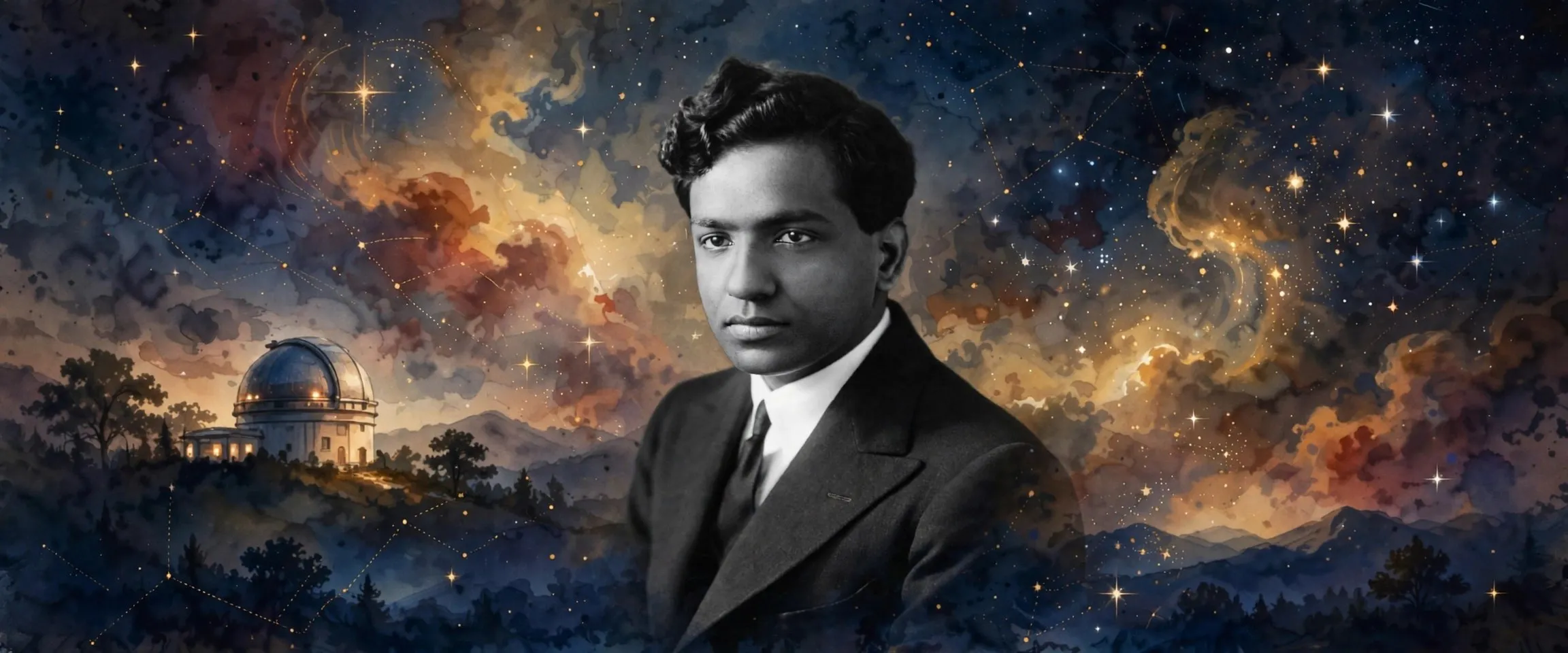
Subrahmanyan Chandrasekhar (1910 to 1995), born in Lahore, Punjab, was an astrophysicist who worked out the Chandrasekhar limit, the maximum mass of a white dwarf star, and shared the 1983 Nobel Prize in Physics. He spent most of his career at the University of Chicago.
Life at a glance
- 1910Born Lahore, Punjab
- 1944Honour Fellow of the Royal Society
- 1983Honour Nobel Prize in Physics
- 1984Honour Copley Medal
- 1995Died Chicago
- Punjabi name
- ਸੁਬਰਾਮਨੀਅਨ ਚੰਦਰਸ਼ੇਖਰ
- Born
- 19 October 1910, Lahore, Punjab
- Birthplace
- Lahore, Punjab
- District
- Lahore
- Region
- West Punjab
- Field
- Astrophysics
All 9 facts
- Known for
- Chandrasekhar limit; Nobel Prize in Physics 1983
- Honours
- Fellow of the Royal Society (1944); Copley Medal (1984); Nobel Prize in Physics (1983)
- Died
- 21 August 1995, Chicago
Subrahmanyan Chandrasekhar (1910 to 1995) was an astrophysicist born in Lahore, Punjab, who changed how science understands the death of stars. As a young man he calculated the Chandrasekhar limit, the maximum mass of a white dwarf star, and in 1983 he shared the Nobel Prize in Physics.
Early life in Lahore and Madras
Subrahmanyan Chandrasekhar was born on 19 October 1910 in Lahore, then part of British India and now in Pakistan. He was the third child and first son in a Tamil family settled far from its southern roots. His father, C. Subrahmanya Ayyar, was a government auditor posted in Lahore as Deputy Auditor General of the Northwestern Railways. His mother, Sita, was a woman of serious intellectual interests who translated Henrik Ibsen's play A Doll's House into Tamil. His uncle was C. V. Raman, who won the Nobel Prize in Physics in 1930, so the boy grew up in a family where science carried the highest prestige.
Chandrasekhar was taught at home until he was twelve. The family moved from Lahore to Allahabad in 1916 and settled permanently in Madras in 1918. He attended the Hindu High School in Triplicane from 1922 to 1925, then studied at Presidency College, Madras, from 1925 to 1930. He was publishing research papers while still a student: his first, on the Compton effect and the new quantum statistics, appeared in 1929 after a lecture by Arnold Sommerfeld fired his interest. He took his BSc in physics in June 1930 and won a Government of India scholarship to study at Cambridge.
What is the Chandrasekhar limit?
The Chandrasekhar limit is the maximum mass a white dwarf star can have, about 1.44 times the mass of the Sun. A white dwarf is the dense, burnt-out core left when a star like the Sun runs out of fuel. It no longer burns, and what holds it up against its own gravity is the pressure of its packed electrons. On the sea voyage from India to England in 1930, the nineteen-year-old Chandrasekhar combined quantum physics with Einstein's theory of relativity and showed that this electron pressure has a ceiling. Above about 1.44 solar masses, nothing can stop the collapse. Such a star keeps falling in on itself, blows off its outer layers in a supernova explosion, and ends as a neutron star. A still heavier star collapses all the way into a black hole. This single calculation, made on a ship, laid the ground for the modern understanding of supernovae, neutron stars and black holes.
Cambridge and the clash with Eddington
At Trinity College, Cambridge, Chandrasekhar worked as a research student under Ralph Fowler, the theorist whose work on white dwarfs his own voyage calculations had extended. On Paul Dirac's advice he spent a year at the institute in Copenhagen, in Niels Bohr's circle. He took his PhD in the summer of 1933 and was elected to a Prize Fellowship at Trinity for 1933 to 1936, only the second Indian to receive one, sixteen years after Srinivasa Ramanujan.
Then came the episode that shaped his early career. In January 1935 he presented his complete theory of white dwarfs at a meeting of the Royal Astronomical Society in London. Arthur Eddington, the most famous astrophysicist in Britain and until then a supporter, spoke immediately after him and publicly attacked the theory, dismissing the relativistic reasoning behind the limit. Leading physicists such as Bohr and Léon Rosenfeld privately found Eddington's arguments weak, but few would challenge him in public. Chandrasekhar finished the work anyway, setting it out in his 1939 book An Introduction to the Study of Stellar Structure, and then deliberately moved to other fields. His limit was resisted for decades before astronomers accepted it in full, and the Nobel Prize that recognised it came nearly half a century later.
The Chicago years
On a visit to Harvard in 1936, Chandrasekhar was offered a post by Otto Struve and President Robert Maynard Hutchins of the University of Chicago. He married Lalitha Doraiswamy, a friend from his Presidency College days, in India in September 1936, and joined the Chicago faculty in January 1937, working at the Yerkes Observatory in Wisconsin. He never left. He became a full professor in 1943, took American citizenship in 1953, and held the Morton D. Hull Distinguished Service Professorship from 1952 until he became emeritus in 1986. From 1952 to 1971 he also edited The Astrophysical Journal, the leading journal in his field, and was known for its exacting standards.
His way of working was distinctive. He would choose one field, master it completely over about a decade, publish the papers, sum it up in a book, and then start again in a new field as if from the beginning. In this way he moved from stellar structure to stellar dynamics, then to radiative transfer, set out in his 1950 book Radiative Transfer, then to hydrodynamic and hydromagnetic stability, then to the equilibrium of rotating masses, and finally to the mathematical theory of black holes, crowned by The Mathematical Theory of Black Holes in 1983. Along the way he wrote ten books in all. During the Second World War he also did ballistics work for the United States Army at the Aberdeen Proving Ground in Maryland.
Honours and later life
Recognition came steadily, if slowly. Chandrasekhar was elected a Fellow of the Royal Society in 1944. He received the Gold Medal of the Royal Astronomical Society in 1953, the Royal Medal of the Royal Society in 1962, the United States National Medal of Science in 1966, and the Padma Vibhushan, one of India's highest civilian honours, in 1968. In 1983 he shared the Nobel Prize in Physics with William A. Fowler, cited for his theoretical studies of the physical processes of importance to the structure and evolution of the stars. The Copley Medal of the Royal Society, its oldest and most prestigious award, followed in 1984. He worked to the end of his life: his last book, Newton's Principia for the Common Reader, appeared in 1995. He died in Chicago on 21 August 1995, aged 84.
Legacy
The Chandrasekhar limit is now a foundation of astrophysics: it explains why some stars die quietly as white dwarfs while others end in supernova explosions, and it pointed the way to neutron stars and black holes before either was observed. In 1999 NASA launched its Chandra X-ray Observatory, named in his honour; Chandra is also the Sanskrit word for the Moon, and the observatory has transformed the study of hot, violent regions of the universe. On this site he stands in a remarkable Punjab-born line of Nobel laureates in science, alongside Abdus Salam of Jhang and Har Gobind Khorana of Raipur, three scientists from one province whose work changed physics and biology. Chandrasekhar is remembered not only for the limit that bears his name but for the rigour, patience and intellectual honesty with which he pursued it, waiting fifty years for the recognition his shipboard calculation deserved.
ਸੁਬਰਾਮਨੀਅਨ ਚੰਦਰਸ਼ੇਖਰ (1910 ਤੋਂ 1995) ਪੰਜਾਬ ਦੇ ਲਾਹੌਰ ਵਿੱਚ ਜਨਮੇ ਖਗੋਲ ਭੌਤਿਕ ਵਿਗਿਆਨੀ ਸਨ, ਜਿਨ੍ਹਾਂ ਨੇ ਤਾਰਿਆਂ ਦੀ ਮੌਤ ਬਾਰੇ ਵਿਗਿਆਨ ਦੀ ਸਮਝ ਬਦਲ ਦਿੱਤੀ। ਨੌਜਵਾਨੀ ਵਿੱਚ ਹੀ ਉਨ੍ਹਾਂ ਨੇ ਚੰਦਰਸ਼ੇਖਰ ਸੀਮਾ ਕੱਢੀ, ਜੋ ਕਿਸੇ ਚਿੱਟੇ ਬੌਣੇ ਤਾਰੇ ਦਾ ਵੱਧ ਤੋਂ ਵੱਧ ਪੁੰਜ ਹੈ, ਅਤੇ 1983 ਵਿੱਚ ਉਨ੍ਹਾਂ ਨੇ ਭੌਤਿਕੀ ਦਾ ਨੋਬਲ ਇਨਾਮ ਸਾਂਝਾ ਕੀਤਾ।
ਲਾਹੌਰ ਅਤੇ ਮਦਰਾਸ ਵਿੱਚ ਮੁੱਢਲਾ ਜੀਵਨ
ਸੁਬਰਾਮਨੀਅਨ ਚੰਦਰਸ਼ੇਖਰ ਦਾ ਜਨਮ 19 ਅਕਤੂਬਰ 1910 ਨੂੰ ਲਾਹੌਰ ਵਿੱਚ ਹੋਇਆ, ਜੋ ਉਦੋਂ ਬ੍ਰਿਟਿਸ਼ ਭਾਰਤ ਦਾ ਹਿੱਸਾ ਸੀ ਅਤੇ ਹੁਣ ਪਾਕਿਸਤਾਨ ਵਿੱਚ ਹੈ। ਉਹ ਆਪਣੀਆਂ ਦੱਖਣੀ ਜੜ੍ਹਾਂ ਤੋਂ ਦੂਰ ਵਸੇ ਇੱਕ ਤਮਿਲ ਪਰਿਵਾਰ ਦੇ ਤੀਜੇ ਬੱਚੇ ਅਤੇ ਪਹਿਲੇ ਪੁੱਤਰ ਸਨ। ਉਨ੍ਹਾਂ ਦੇ ਪਿਤਾ ਸੀ. ਸੁਬਰਾਮਨੀਅ ਆਇਅਰ ਸਰਕਾਰੀ ਆਡੀਟਰ ਸਨ ਅਤੇ ਲਾਹੌਰ ਵਿੱਚ ਉੱਤਰ ਪੱਛਮੀ ਰੇਲਵੇ ਦੇ ਡਿਪਟੀ ਆਡੀਟਰ ਜਨਰਲ ਵਜੋਂ ਤਾਇਨਾਤ ਸਨ। ਉਨ੍ਹਾਂ ਦੀ ਮਾਤਾ ਸੀਤਾ ਗੰਭੀਰ ਬੌਧਿਕ ਰੁਚੀਆਂ ਵਾਲੀ ਔਰਤ ਸੀ, ਜਿਨ੍ਹਾਂ ਨੇ ਹੈਨਰਿਕ ਇਬਸਨ ਦੇ ਨਾਟਕ ਦਾ ਤਮਿਲ ਵਿੱਚ ਅਨੁਵਾਦ ਕੀਤਾ ਸੀ। ਉਨ੍ਹਾਂ ਦੇ ਚਾਚਾ ਸੀ. ਵੀ. ਰਮਨ ਸਨ, ਜਿਨ੍ਹਾਂ ਨੇ 1930 ਵਿੱਚ ਭੌਤਿਕੀ ਦਾ ਨੋਬਲ ਇਨਾਮ ਜਿੱਤਿਆ, ਇਸ ਲਈ ਮੁੰਡਾ ਇੱਕ ਅਜਿਹੇ ਪਰਿਵਾਰ ਵਿੱਚ ਵੱਡਾ ਹੋਇਆ ਜਿੱਥੇ ਵਿਗਿਆਨ ਨੂੰ ਸਭ ਤੋਂ ਵੱਡਾ ਸਨਮਾਨ ਮਿਲਦਾ ਸੀ।
ਚੰਦਰਸ਼ੇਖਰ ਨੂੰ ਬਾਰਾਂ ਸਾਲ ਦੀ ਉਮਰ ਤੱਕ ਘਰ ਵਿੱਚ ਹੀ ਪੜ੍ਹਾਇਆ ਗਿਆ। ਪਰਿਵਾਰ 1916 ਵਿੱਚ ਲਾਹੌਰ ਤੋਂ ਇਲਾਹਾਬਾਦ ਗਿਆ ਅਤੇ 1918 ਵਿੱਚ ਪੱਕੇ ਤੌਰ 'ਤੇ ਮਦਰਾਸ ਵਿੱਚ ਵਸ ਗਿਆ। ਉਨ੍ਹਾਂ ਨੇ 1922 ਤੋਂ 1925 ਤੱਕ ਤ੍ਰਿਪਲੀਕੇਨ ਦੇ ਹਿੰਦੂ ਹਾਈ ਸਕੂਲ ਵਿੱਚ ਪੜ੍ਹਾਈ ਕੀਤੀ, ਫਿਰ 1925 ਤੋਂ 1930 ਤੱਕ ਪ੍ਰੈਜ਼ੀਡੈਂਸੀ ਕਾਲਜ, ਮਦਰਾਸ ਵਿੱਚ ਪੜ੍ਹੇ। ਉਹ ਵਿਦਿਆਰਥੀ ਹੁੰਦੇ ਹੋਏ ਹੀ ਖੋਜ ਪੱਤਰ ਛਪਵਾ ਰਹੇ ਸਨ: ਉਨ੍ਹਾਂ ਦਾ ਪਹਿਲਾ ਪੱਤਰ 1929 ਵਿੱਚ ਆਇਆ, ਜਦੋਂ ਆਰਨੋਲਡ ਸੋਮਰਫੈਲਡ ਦੇ ਇੱਕ ਭਾਸ਼ਣ ਨੇ ਉਨ੍ਹਾਂ ਦੀ ਰੁਚੀ ਜਗਾਈ। ਉਨ੍ਹਾਂ ਨੇ ਜੂਨ 1930 ਵਿੱਚ ਭੌਤਿਕੀ ਵਿੱਚ ਬੀਐਸਸੀ ਕੀਤੀ ਅਤੇ ਕੈਂਬਰਿਜ ਵਿੱਚ ਪੜ੍ਹਨ ਲਈ ਭਾਰਤ ਸਰਕਾਰ ਦੀ ਵਜ਼ੀਫ਼ਾ ਸਕਾਲਰਸ਼ਿਪ ਜਿੱਤੀ।
ਚੰਦਰਸ਼ੇਖਰ ਸੀਮਾ ਕੀ ਹੈ?
ਚੰਦਰਸ਼ੇਖਰ ਸੀਮਾ ਕਿਸੇ ਚਿੱਟੇ ਬੌਣੇ ਤਾਰੇ ਦਾ ਵੱਧ ਤੋਂ ਵੱਧ ਪੁੰਜ ਹੈ, ਜੋ ਸੂਰਜ ਦੇ ਪੁੰਜ ਦਾ ਲਗਭਗ 1.44 ਗੁਣਾ ਹੈ। ਚਿੱਟਾ ਬੌਣਾ ਤਾਰਾ ਉਹ ਸੰਘਣਾ, ਸੁੱਕਿਆ ਹੋਇਆ ਕੇਂਦਰ ਹੁੰਦਾ ਹੈ ਜੋ ਸੂਰਜ ਵਰਗੇ ਤਾਰੇ ਦਾ ਬਾਲਣ ਖਤਮ ਹੋਣ 'ਤੇ ਬਚਦਾ ਹੈ। ਇਹ ਹੋਰ ਨਹੀਂ ਬਲਦਾ, ਅਤੇ ਇਸ ਨੂੰ ਆਪਣੀ ਹੀ ਗੁਰੂਤਾ ਖਿੱਚ ਤੋਂ ਡਿੱਗਣ ਤੋਂ ਰੋਕਦਾ ਹੈ ਇਸ ਦੇ ਘੁੱਟੇ ਹੋਏ ਇਲੈਕਟ੍ਰੋਨਾਂ ਦਾ ਦਬਾਅ। 1930 ਵਿੱਚ ਭਾਰਤ ਤੋਂ ਇੰਗਲੈਂਡ ਦੇ ਸਮੁੰਦਰੀ ਸਫ਼ਰ ਦੌਰਾਨ ਉੱਨੀ ਸਾਲ ਦੇ ਚੰਦਰਸ਼ੇਖਰ ਨੇ ਕੁਆਂਟਮ ਭੌਤਿਕੀ ਨੂੰ ਆਈਨਸਟਾਈਨ ਦੇ ਸਾਪੇਖਤਾ ਸਿਧਾਂਤ ਨਾਲ ਜੋੜ ਕੇ ਦਿਖਾਇਆ ਕਿ ਇਸ ਇਲੈਕਟ੍ਰੋਨ ਦਬਾਅ ਦੀ ਇੱਕ ਹੱਦ ਹੈ। ਲਗਭਗ 1.44 ਸੂਰਜੀ ਪੁੰਜ ਤੋਂ ਉੱਪਰ, ਕੁਝ ਵੀ ਡਿੱਗਣ ਨੂੰ ਰੋਕ ਨਹੀਂ ਸਕਦਾ। ਅਜਿਹਾ ਤਾਰਾ ਆਪਣੇ ਆਪ ਵਿੱਚ ਢਹਿੰਦਾ ਰਹਿੰਦਾ ਹੈ, ਸੁਪਰਨੋਵਾ ਧਮਾਕੇ ਵਿੱਚ ਆਪਣੀਆਂ ਬਾਹਰੀ ਪਰਤਾਂ ਉਡਾ ਦਿੰਦਾ ਹੈ, ਅਤੇ ਨਿਊਟ੍ਰੋਨ ਤਾਰਾ ਬਣ ਕੇ ਸਮਾਪਤ ਹੁੰਦਾ ਹੈ। ਇਸ ਤੋਂ ਵੀ ਭਾਰੀ ਤਾਰਾ ਪੂਰੀ ਤਰ੍ਹਾਂ ਬਲੈਕ ਹੋਲ ਵਿੱਚ ਢਹਿ ਜਾਂਦਾ ਹੈ। ਇੱਕ ਜਹਾਜ਼ 'ਤੇ ਕੀਤੀ ਇਸ ਇੱਕੋ ਗਣਨਾ ਨੇ ਸੁਪਰਨੋਵਾ, ਨਿਊਟ੍ਰੋਨ ਤਾਰਿਆਂ ਅਤੇ ਬਲੈਕ ਹੋਲਾਂ ਦੀ ਆਧੁਨਿਕ ਸਮਝ ਦੀ ਨੀਂਹ ਰੱਖੀ।
ਕੈਂਬਰਿਜ ਅਤੇ ਐਡਿੰਗਟਨ ਨਾਲ ਟਕਰਾਅ
ਟ੍ਰਿਨਿਟੀ ਕਾਲਜ, ਕੈਂਬਰਿਜ ਵਿੱਚ ਚੰਦਰਸ਼ੇਖਰ ਨੇ ਰਾਲਫ਼ ਫਾਉਲਰ ਦੀ ਅਗਵਾਈ ਹੇਠ ਖੋਜ ਵਿਦਿਆਰਥੀ ਵਜੋਂ ਕੰਮ ਕੀਤਾ, ਉਹੀ ਸਿਧਾਂਤਕਾਰ ਜਿਸ ਦੇ ਚਿੱਟੇ ਬੌਣਿਆਂ ਬਾਰੇ ਕੰਮ ਨੂੰ ਉਨ੍ਹਾਂ ਦੀਆਂ ਸਫ਼ਰ ਵਾਲੀਆਂ ਗਣਨਾਵਾਂ ਨੇ ਅੱਗੇ ਵਧਾਇਆ ਸੀ। ਪਾਲ ਡਿਰਾਕ ਦੀ ਸਲਾਹ 'ਤੇ ਉਨ੍ਹਾਂ ਨੇ ਕੋਪਨਹੇਗਨ ਦੇ ਸੰਸਥਾਨ ਵਿੱਚ ਨੀਲਜ਼ ਬੋਰ ਦੇ ਘੇਰੇ ਵਿੱਚ ਇੱਕ ਸਾਲ ਬਿਤਾਇਆ। ਉਨ੍ਹਾਂ ਨੇ 1933 ਦੀਆਂ ਗਰਮੀਆਂ ਵਿੱਚ ਪੀਐਚਡੀ ਕੀਤੀ ਅਤੇ 1933 ਤੋਂ 1936 ਲਈ ਟ੍ਰਿਨਿਟੀ ਕਾਲਜ ਦੀ ਪ੍ਰਾਈਜ਼ ਫੈਲੋਸ਼ਿਪ ਲਈ ਚੁਣੇ ਗਏ, ਸ੍ਰੀਨਿਵਾਸ ਰਾਮਾਨੁਜਨ ਤੋਂ ਸੋਲਾਂ ਸਾਲ ਬਾਅਦ ਇਹ ਸਨਮਾਨ ਪਾਉਣ ਵਾਲੇ ਸਿਰਫ਼ ਦੂਜੇ ਭਾਰਤੀ।
ਫਿਰ ਉਹ ਘਟਨਾ ਵਾਪਰੀ ਜਿਸ ਨੇ ਉਨ੍ਹਾਂ ਦੇ ਮੁੱਢਲੇ ਕੈਰੀਅਰ ਨੂੰ ਆਕਾਰ ਦਿੱਤਾ। ਜਨਵਰੀ 1935 ਵਿੱਚ ਉਨ੍ਹਾਂ ਨੇ ਲੰਡਨ ਵਿੱਚ ਰਾਇਲ ਐਸਟ੍ਰੋਨੋਮਿਕਲ ਸੋਸਾਇਟੀ ਦੀ ਬੈਠਕ ਵਿੱਚ ਚਿੱਟੇ ਬੌਣਿਆਂ ਦਾ ਆਪਣਾ ਪੂਰਾ ਸਿਧਾਂਤ ਪੇਸ਼ ਕੀਤਾ। ਆਰਥਰ ਐਡਿੰਗਟਨ, ਬ੍ਰਿਟੇਨ ਦੇ ਸਭ ਤੋਂ ਮਸ਼ਹੂਰ ਖਗੋਲ ਭੌਤਿਕ ਵਿਗਿਆਨੀ ਅਤੇ ਉਦੋਂ ਤੱਕ ਉਨ੍ਹਾਂ ਦੇ ਸਮਰਥਕ, ਨੇ ਉਨ੍ਹਾਂ ਤੋਂ ਤੁਰੰਤ ਬਾਅਦ ਬੋਲ ਕੇ ਸਿਧਾਂਤ 'ਤੇ ਸਰੇਆਮ ਹਮਲਾ ਕੀਤਾ ਅਤੇ ਸੀਮਾ ਦੇ ਪਿੱਛੇ ਦੀ ਸਾਪੇਖਤਾਵਾਦੀ ਦਲੀਲ ਨੂੰ ਰੱਦ ਕਰ ਦਿੱਤਾ। ਬੋਰ ਅਤੇ ਲਿਓਨ ਰੋਜ਼ਨਫੈਲਡ ਵਰਗੇ ਪ੍ਰਮੁੱਖ ਭੌਤਿਕ ਵਿਗਿਆਨੀਆਂ ਨੇ ਨਿੱਜੀ ਤੌਰ 'ਤੇ ਐਡਿੰਗਟਨ ਦੀਆਂ ਦਲੀਲਾਂ ਨੂੰ ਕਮਜ਼ੋਰ ਪਾਇਆ, ਪਰ ਸਰੇਆਮ ਉਸ ਨੂੰ ਚੁਣੌਤੀ ਦੇਣ ਵਾਲੇ ਬਹੁਤ ਘੱਟ ਸਨ। ਚੰਦਰਸ਼ੇਖਰ ਨੇ ਫਿਰ ਵੀ ਕੰਮ ਪੂਰਾ ਕੀਤਾ, ਇਸ ਨੂੰ ਆਪਣੀ 1939 ਦੀ ਕਿਤਾਬ ਵਿੱਚ ਪੇਸ਼ ਕੀਤਾ, ਅਤੇ ਫਿਰ ਜਾਣਬੁੱਝ ਕੇ ਹੋਰ ਖੇਤਰਾਂ ਵੱਲ ਚਲੇ ਗਏ। ਉਨ੍ਹਾਂ ਦੀ ਸੀਮਾ ਦਾ ਦਹਾਕਿਆਂ ਤੱਕ ਵਿਰੋਧ ਹੁੰਦਾ ਰਿਹਾ, ਫਿਰ ਖਗੋਲ ਵਿਗਿਆਨੀਆਂ ਨੇ ਇਸ ਨੂੰ ਪੂਰੀ ਤਰ੍ਹਾਂ ਸਵੀਕਾਰ ਕਰ ਲਿਆ, ਅਤੇ ਇਸ ਨੂੰ ਮਾਨਤਾ ਦੇਣ ਵਾਲਾ ਨੋਬਲ ਇਨਾਮ ਲਗਭਗ ਅੱਧੀ ਸਦੀ ਬਾਅਦ ਆਇਆ।
ਸ਼ਿਕਾਗੋ ਦੇ ਸਾਲ
1936 ਵਿੱਚ ਹਾਰਵਰਡ ਦੀ ਯਾਤਰਾ ਦੌਰਾਨ, ਓਟੋ ਸਟ੍ਰੂਵ ਅਤੇ ਸ਼ਿਕਾਗੋ ਯੂਨੀਵਰਸਿਟੀ ਦੇ ਪ੍ਰੈਜ਼ੀਡੈਂਟ ਰੌਬਰਟ ਮੇਨਾਰਡ ਹਚਿਨਜ਼ ਨੇ ਚੰਦਰਸ਼ੇਖਰ ਨੂੰ ਅਹੁਦਾ ਪੇਸ਼ ਕੀਤਾ। ਉਨ੍ਹਾਂ ਨੇ ਸਤੰਬਰ 1936 ਵਿੱਚ ਭਾਰਤ ਵਿੱਚ ਆਪਣੀ ਪ੍ਰੈਜ਼ੀਡੈਂਸੀ ਕਾਲਜ ਦੇ ਦਿਨਾਂ ਦੀ ਸਾਥੀ ਲਲਿਤਾ ਦੋਰਾਇਸਵਾਮੀ ਨਾਲ ਵਿਆਹ ਕੀਤਾ, ਅਤੇ ਜਨਵਰੀ 1937 ਵਿੱਚ ਸ਼ਿਕਾਗੋ ਦੇ ਅਧਿਆਪਕ ਵਰਗ ਵਿੱਚ ਸ਼ਾਮਲ ਹੋ ਗਏ, ਵਿਸਕਾਨਸਿਨ ਦੀ ਯਰਕਸ ਆਬਜ਼ਰਵੇਟਰੀ ਵਿੱਚ ਕੰਮ ਕਰਦੇ ਹੋਏ। ਉਹ ਕਦੇ ਨਹੀਂ ਗਏ। ਉਹ 1943 ਵਿੱਚ ਪੂਰੇ ਪ੍ਰੋਫੈਸਰ ਬਣੇ, 1953 ਵਿੱਚ ਅਮਰੀਕੀ ਨਾਗਰਿਕਤਾ ਲਈ, ਅਤੇ 1952 ਤੋਂ 1986 ਵਿੱਚ ਐਮੇਰੀਟਸ ਬਣਨ ਤੱਕ ਮੋਰਟਨ ਡੀ. ਹਲ ਡਿਸਟਿੰਗੂਇਸ਼ਡ ਸਰਵਿਸ ਪ੍ਰੋਫੈਸਰ ਰਹੇ। 1952 ਤੋਂ 1971 ਤੱਕ ਉਨ੍ਹਾਂ ਨੇ ਆਪਣੇ ਖੇਤਰ ਦੀ ਪ੍ਰਮੁੱਖ ਪੱਤ੍ਰਿਕਾ ਦੀ ਸੰਪਾਦਨਾ ਵੀ ਕੀਤੀ, ਜੋ ਆਪਣੇ ਸਖ਼ਤ ਮਿਆਰਾਂ ਲਈ ਜਾਣੀ ਜਾਂਦੀ ਸੀ।
ਉਨ੍ਹਾਂ ਦਾ ਕੰਮ ਕਰਨ ਦਾ ਤਰੀਕਾ ਵੱਖਰਾ ਸੀ। ਉਹ ਇੱਕ ਖੇਤਰ ਚੁਣਦੇ, ਲਗਭਗ ਇੱਕ ਦਹਾਕੇ ਵਿੱਚ ਇਸ ਨੂੰ ਪੂਰੀ ਤਰ੍ਹਾਂ ਆਪਣਾ ਬਣਾ ਲੈਂਦੇ, ਪੱਤਰ ਛਾਪਦੇ, ਇਸ ਨੂੰ ਇੱਕ ਕਿਤਾਬ ਵਿੱਚ ਸਮੇਟਦੇ, ਅਤੇ ਫਿਰ ਜਿਵੇਂ ਸ਼ੁਰੂਆਤ ਤੋਂ ਨਵੇਂ ਖੇਤਰ ਵਿੱਚ ਚਲੇ ਜਾਂਦੇ। ਇਸ ਤਰ੍ਹਾਂ ਉਹ ਤਾਰਾ ਸੰਰਚਨਾ ਤੋਂ ਤਾਰਾ ਗਤੀ ਵਿਗਿਆਨ ਵੱਲ, ਫਿਰ ਵਿਕਿਰਣ ਸਥਾਨਾਂਤਰਣ ਵੱਲ, ਫਿਰ ਜਲਗਤੀ ਅਤੇ ਜਲਚੁੰਬਕੀ ਸਥਿਰਤਾ ਵੱਲ, ਫਿਰ ਘੁੰਮਦੇ ਪੁੰਜਾਂ ਦੇ ਸੰਤੁਲਨ ਵੱਲ, ਅਤੇ ਅੰਤ ਵਿੱਚ ਬਲੈਕ ਹੋਲਾਂ ਦੇ ਗਣਿਤਿਕ ਸਿਧਾਂਤ ਵੱਲ ਗਏ, ਜਿਸ ਦਾ ਸਿਖਰ 1983 ਦੀ ਉਨ੍ਹਾਂ ਦੀ ਕਿਤਾਬ ਸੀ। ਕੁੱਲ ਮਿਲਾ ਕੇ ਉਨ੍ਹਾਂ ਨੇ ਦਸ ਕਿਤਾਬਾਂ ਲਿਖੀਆਂ। ਦੂਜੇ ਵਿਸ਼ਵ ਯੁੱਧ ਦੌਰਾਨ ਉਨ੍ਹਾਂ ਨੇ ਮੈਰੀਲੈਂਡ ਵਿੱਚ ਅਮਰੀਕੀ ਫੌਜ ਲਈ ਬੈਲਿਸਟਿਕਸ ਦਾ ਕੰਮ ਵੀ ਕੀਤਾ।
ਸਨਮਾਨ ਅਤੇ ਮਗਰਲਾ ਜੀਵਨ
ਮਾਨਤਾ ਲਗਾਤਾਰ ਮਿਲਦੀ ਰਹੀ, ਭਾਵੇਂ ਹੌਲੀ ਹੌਲੀ। ਚੰਦਰਸ਼ੇਖਰ 1944 ਵਿੱਚ ਰਾਇਲ ਸੋਸਾਇਟੀ ਦੇ ਫੈਲੋ ਚੁਣੇ ਗਏ। ਉਨ੍ਹਾਂ ਨੇ 1953 ਵਿੱਚ ਰਾਇਲ ਐਸਟ੍ਰੋਨੋਮਿਕਲ ਸੋਸਾਇਟੀ ਦਾ ਸੋਨ ਤਗਮਾ, 1962 ਵਿੱਚ ਰਾਇਲ ਸੋਸਾਇਟੀ ਦਾ ਰਾਇਲ ਮੈਡਲ, 1966 ਵਿੱਚ ਅਮਰੀਕਾ ਦਾ ਨੈਸ਼ਨਲ ਮੈਡਲ ਆਫ਼ ਸਾਇੰਸ, ਅਤੇ 1968 ਵਿੱਚ ਭਾਰਤ ਦੇ ਸਭ ਤੋਂ ਵੱਡੇ ਨਾਗਰਿਕ ਸਨਮਾਨਾਂ ਵਿੱਚੋਂ ਇੱਕ ਪਦਮ ਵਿਭੂਸ਼ਣ ਪ੍ਰਾਪਤ ਕੀਤਾ। 1983 ਵਿੱਚ ਉਨ੍ਹਾਂ ਨੇ ਵਿਲੀਅਮ ਏ. ਫਾਉਲਰ ਨਾਲ ਭੌਤਿਕੀ ਦਾ ਨੋਬਲ ਇਨਾਮ ਸਾਂਝਾ ਕੀਤਾ, ਤਾਰਿਆਂ ਦੀ ਸੰਰਚਨਾ ਅਤੇ ਵਿਕਾਸ ਲਈ ਮਹੱਤਵਪੂਰਨ ਭੌਤਿਕ ਪ੍ਰਕਿਰਿਆਵਾਂ ਦੇ ਸਿਧਾਂਤਕ ਅਧਿਐਨ ਲਈ। ਰਾਇਲ ਸੋਸਾਇਟੀ ਦਾ ਸਭ ਤੋਂ ਪੁਰਾਣਾ ਅਤੇ ਸਭ ਤੋਂ ਵੱਕਾਰੀ ਕੋਪਲੇ ਮੈਡਲ 1984 ਵਿੱਚ ਮਿਲਿਆ। ਉਹ ਆਪਣੇ ਜੀਵਨ ਦੇ ਅੰਤ ਤੱਕ ਕੰਮ ਕਰਦੇ ਰਹੇ: ਉਨ੍ਹਾਂ ਦੀ ਆਖਰੀ ਕਿਤਾਬ 1995 ਵਿੱਚ ਆਈ। ਉਨ੍ਹਾਂ ਦਾ ਦੇਹਾਂਤ 21 ਅਗਸਤ 1995 ਨੂੰ ਸ਼ਿਕਾਗੋ ਵਿੱਚ 84 ਸਾਲ ਦੀ ਉਮਰ ਵਿੱਚ ਹੋਇਆ।
ਵਿਰਾਸਤ
ਚੰਦਰਸ਼ੇਖਰ ਸੀਮਾ ਹੁਣ ਖਗੋਲ ਭੌਤਿਕੀ ਦੀ ਨੀਂਹ ਹੈ: ਇਹ ਦੱਸਦੀ ਹੈ ਕਿ ਕੁਝ ਤਾਰੇ ਚਿੱਟੇ ਬੌਣਿਆਂ ਵਜੋਂ ਸ਼ਾਂਤੀ ਨਾਲ ਕਿਉਂ ਮਰਦੇ ਹਨ ਜਦਕਿ ਕੁਝ ਸੁਪਰਨੋਵਾ ਧਮਾਕਿਆਂ ਵਿੱਚ ਕਿਉਂ ਸਮਾਪਤ ਹੁੰਦੇ ਹਨ, ਅਤੇ ਇਸ ਨੇ ਨਿਊਟ੍ਰੋਨ ਤਾਰਿਆਂ ਅਤੇ ਬਲੈਕ ਹੋਲਾਂ ਵੱਲ ਰਾਹ ਦਿਖਾਇਆ, ਇਸ ਤੋਂ ਪਹਿਲਾਂ ਕਿ ਇਹਨਾਂ ਵਿੱਚੋਂ ਕੋਈ ਵੀ ਵੇਖਿਆ ਗਿਆ ਹੋਵੇ। 1999 ਵਿੱਚ ਨਾਸਾ ਨੇ ਆਪਣੀ ਚੰਦਰ ਐਕਸਰੇ ਆਬਜ਼ਰਵੇਟਰੀ ਲਾਂਚ ਕੀਤੀ, ਜੋ ਉਨ੍ਹਾਂ ਦੇ ਸਨਮਾਨ ਵਿੱਚ ਨਾਮਕ ਹੈ; ਚੰਦਰ ਚੰਦਰਮਾ ਲਈ ਸੰਸਕ੍ਰਿਤ ਸ਼ਬਦ ਵੀ ਹੈ, ਅਤੇ ਇਸ ਆਬਜ਼ਰਵੇਟਰੀ ਨੇ ਬ੍ਰਹਿਮੰਡ ਦੇ ਗਰਮ, ਹਿੰਸਕ ਖੇਤਰਾਂ ਦੇ ਅਧਿਐਨ ਨੂੰ ਬਦਲ ਦਿੱਤਾ ਹੈ। ਇਸ ਸਾਈਟ 'ਤੇ ਉਹ ਵਿਗਿਆਨ ਵਿੱਚ ਪੰਜਾਬ ਵਿੱਚ ਜਨਮੇ ਨੋਬਲ ਜੇਤੂਆਂ ਦੀ ਇੱਕ ਸ਼ਾਨਦਾਰ ਕਤਾਰ ਵਿੱਚ ਖੜ੍ਹੇ ਹਨ, ਝੰਗ ਦੇ ਅਬਦੁਸ ਸਲਾਮ ਅਤੇ ਰਾਏਪੁਰ ਦੇ ਹਰ ਗੋਬਿੰਦ ਖੁਰਾਣਾ ਦੇ ਨਾਲ, ਇੱਕ ਸੂਬੇ ਦੇ ਤਿੰਨ ਵਿਗਿਆਨੀ ਜਿਨ੍ਹਾਂ ਦੇ ਕੰਮ ਨੇ ਭੌਤਿਕੀ ਅਤੇ ਜੀਵ ਵਿਗਿਆਨ ਨੂੰ ਬਦਲ ਦਿੱਤਾ। ਚੰਦਰਸ਼ੇਖਰ ਨੂੰ ਸਿਰਫ਼ ਉਸ ਸੀਮਾ ਲਈ ਨਹੀਂ ਯਾਦ ਕੀਤਾ ਜਾਂਦਾ ਜੋ ਉਨ੍ਹਾਂ ਦੇ ਨਾਂ 'ਤੇ ਹੈ, ਸਗੋਂ ਉਸ ਸਖ਼ਤੀ, ਸਬਰ ਅਤੇ ਬੌਧਿਕ ਇਮਾਨਦਾਰੀ ਲਈ ਵੀ ਜਿਸ ਨਾਲ ਉਨ੍ਹਾਂ ਨੇ ਇਸ ਦਾ ਪਿੱਛਾ ਕੀਤਾ, ਉਸ ਮਾਨਤਾ ਲਈ ਪੰਜਾਹ ਸਾਲ ਉਡੀਕ ਕੀਤੀ ਜਿਸ ਦੀ ਉਨ੍ਹਾਂ ਦੀ ਜਹਾਜ਼ ਵਾਲੀ ਗਣਨਾ ਹੱਕਦਾਰ ਸੀ।
People


Places

More people


Sources (3)
Jugti is free and independent. Reader support keeps the Kosh growing.
Support