
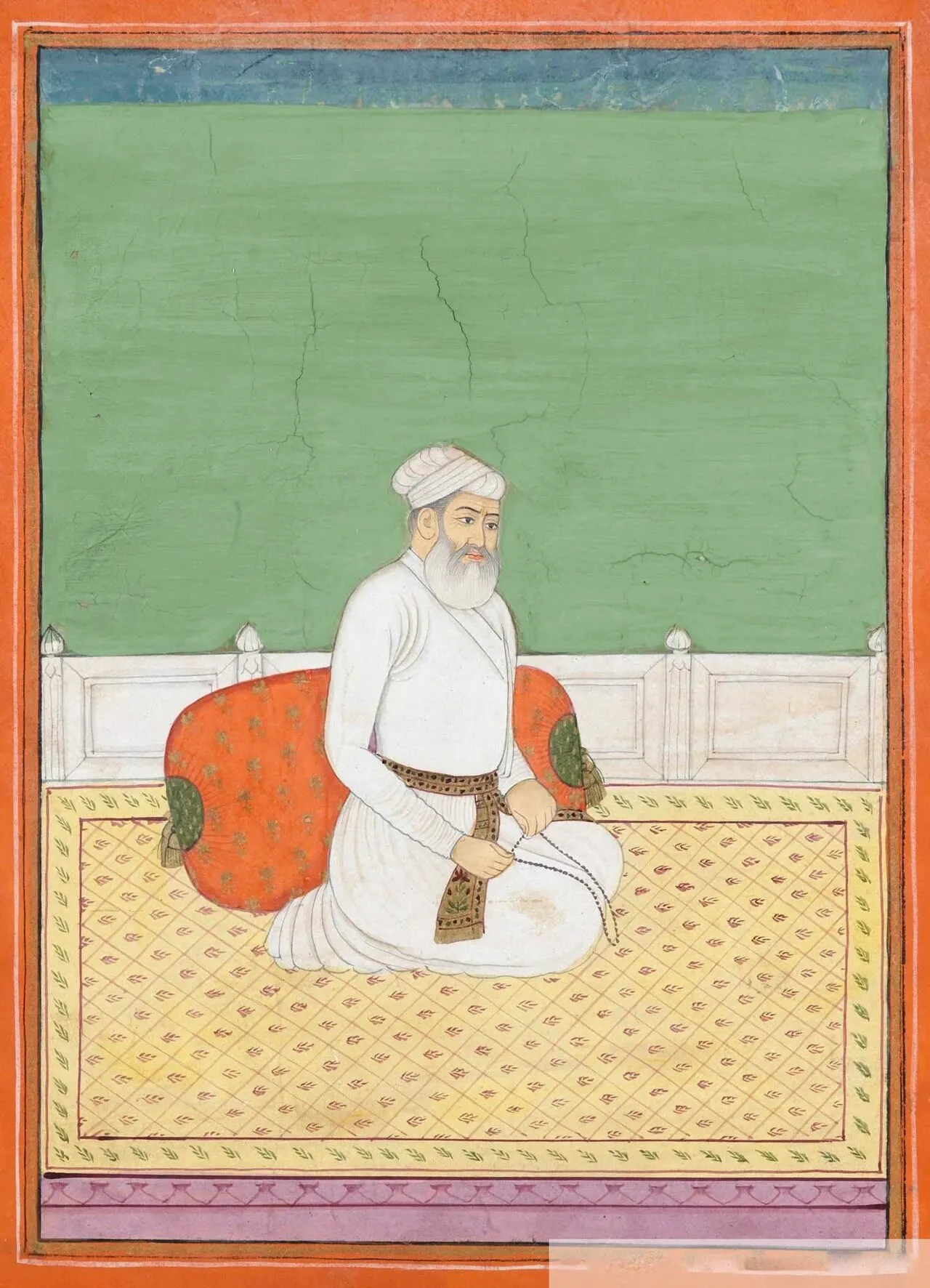
Guru Amar Das Ji (1479 to 1574) was the third Sikh Guru, who became Guru at the age of 73 and led the Sikh community for 22 years. From Goindwal Sahib he built the Baoli Sahib, created the Manji system of preachers, made langar compulsory before an audience, and composed the Anand Sahib.
- Punjabi name
- ਗੁਰੂ ਅਮਰ ਦਾਸ ਜੀ
- Years
- 1479 to 1574
- Known for
- Anand Sahib, Manji system, langar rule
- Region
- Majha
- Born
- 5 May 1479, Basarke, near Amritsar
- Father
- Tej Bhan, a farmer and trader of Basarke
All 11 facts
- Became Guru
- 1552, at the age of 73, succeeding Guru Angad Dev Ji
- Seat
- Goindwal Sahib, on the River Beas
- Hymns
- 907 hymns in the Guru Granth Sahib, including the Anand Sahib
- Died
- 1 September 1574, Goindwal, aged 95
- Successor
- Guru Ram Das Ji, his son-in-law (Bhai Jetha)
Guru Amar Das Ji (1479 to 1574) was the third Guru of the Sikhs, a leader who took up the Guruship at the age of 73 and spent 22 years turning a small following into an organised community. From his new seat at Goindwal Sahib on the River Beas, he raised the great Baoli Sahib, set up the Manji system of trained preachers, made the shared langar meal the doorway to his audience, and composed the Anand Sahib, the Song of Bliss sung by Sikhs to this day.
Early life and the road to Khadur Sahib
Amar Das was born on 5 May 1479 at Basarke, a village near Amritsar, the eldest son of Tej Bhan, a farmer and trader. He grew up a devout Hindu of the Vaishnav tradition, fasting, giving charity and making regular pilgrimages to the Ganges at Haridwar. He married and raised a family of two sons and two daughters, and by every account he was respected in his village as a man of prayer who was still searching for a teacher.
That search ended around 1540, when he heard his niece Bibi Amro singing hymns. Bibi Amro was married into the family of Guru Angad Dev Ji, and the words she sang were the hymns of Guru Nanak. Amar Das, by then about sixty years old, travelled to Khadur Sahib and placed himself at the second Guru's feet. He never really left. For years he served the Guru's household with complete devotion, rising before dawn to carry water from the River Beas for Guru Angad Dev Ji's bath, and doing the humblest work of the congregation without ever asking for recognition.
Becoming the third Guru
When Guru Angad Dev Ji passed away in 1552, he named Amar Das, not one of his own sons, as his successor. The new Guru was 73 years old, older than either of the Gurus before him had lived to be, yet he led the community for a full 22 years. He shifted the centre of the Sikh community from Khadur Sahib to Goindwal, a town Guru Angad Dev Ji had founded on the Beas, and made it the headquarters of a fast-growing faith. His age became part of his authority: Sikhs remember him as a grandfather figure whose long life of prayer and service stood behind every decision he took.
Goindwal and the Baoli Sahib
At Goindwal, Guru Amar Das Ji began the work that still defines the town: the Baoli Sahib, a great stepped well sunk into the bank of the Beas. The baoli descends through 84 steps to the water, and Sikh tradition holds that a pilgrim who bathes and recites the Japji Sahib on each step is freed from the cycle of 84 lakh (8.4 million) life forms. Whether taken literally or as teaching, the message was his: liberation comes through prayer joined with humble effort, step by step. The Baoli Sahib at Goindwal drew pilgrims from across Punjab and made Goindwal the first great pilgrimage centre of the Sikhs.
The Manji system and the rule of langar
As congregations multiplied, Guru Amar Das Ji divided the Sikh world into 22 districts called manjis, named after the string bed on which the preacher sat to teach. He appointed a devoted Sikh to lead each manji, and notably, women were appointed among the preachers, carrying the Guru's teaching to villages he could never visit. The manji holders taught, settled disputes, collected the community's offerings and kept distant congregations tied to Goindwal. It was the first administrative system of the Sikh faith.
His other great rule reshaped Sikh society at its table. No one, of any caste, rank or religion, could meet the Guru before first sitting in pangat, the row of the langar, and eating the common meal: Pehle Pangat, phir Sangat, first the row, then the congregation. When the Mughal emperor Akbar visited Goindwal, he too sat on the floor with ordinary people and ate langar before his audience with the Guru. In one meal, the rule made equality something every visitor had to practise, not merely hear preached.
Anand Sahib and the hymns of the third Guru
Guru Amar Das Ji composed 907 hymns that are preserved in the Guru Granth Sahib, the third largest contribution of any Guru. The best loved of them is the Anand Sahib, the Song of Bliss, a composition of 40 pauris (stanzas) in Raag Ramkali. The Anand Sahib forms part of the Nitnem, the daily prayers of the Sikhs, and its closing verses are sung at moments of joy, at the Anand Karaj wedding ceremony, and at the conclusion of congregational worship. Its teaching matches his life: true bliss is not found in ritual or wealth, but in a mind stilled by the Guru's word.
Reforms for women and for society
Guru Amar Das Ji used his authority against the cruellest customs of his time. He condemned sati, the burning of a widow on her husband's funeral pyre, and spoke against the purdah that hid women from public life. He encouraged widows to remarry, appointed women as preachers in the manji system, and treated the birth of a daughter as no less welcome than a son. He also gave the community shared festivals of gathering, bringing Sikhs together at Goindwal for Diwali, Vaisakhi and Maghi, so that a scattered following stayed one people.
Final years and succession
In his last years the Guru faced a delicate question of succession. His own sons had claims, but the disciple he trusted most was his son-in-law Bhai Jetha, husband of his daughter Bibi Bhani, whose service at Goindwal had been as tireless as his own. Passing over his sons, Guru Amar Das Ji named Bhai Jetha as the fourth Guru, Guru Ram Das Ji. The collections of hymns prepared at Goindwal in his time, the Goindwal Pothis, were kept by his son Baba Mohan and later served the compilation of the Sikh scripture. Guru Amar Das Ji died at Goindwal on 1 September 1574, aged 95, the longest-lived of the ten Gurus.
Why did Guru Amar Das Ji make langar compulsory before an audience?
He wanted equality to be practised, not just preached. By requiring every visitor, from a labourer to Emperor Akbar, to sit in the pangat and eat the same food from the same kitchen before meeting him, he broke the rules of caste at the exact moment a visitor might expect privilege. The rule, Pehle Pangat, phir Sangat, still shapes how gurdwaras receive their guests.
What is the Baoli Sahib at Goindwal?
The Baoli Sahib is the great stepped well Guru Amar Das Ji built at Goindwal Sahib on the River Beas, beginning in his first years as Guru. Its 84 steps lead down to the water, and tradition teaches that bathing there while reciting the Japji Sahib on each step frees the soul from the 8.4 million life forms of the cycle of rebirth. It remains one of the oldest and most visited Sikh shrines in Punjab.
ਗੁਰੂ ਅਮਰ ਦਾਸ ਜੀ (1479 ਤੋਂ 1574) ਸਿੱਖਾਂ ਦੇ ਤੀਜੇ ਗੁਰੂ ਸਨ, ਜਿਨ੍ਹਾਂ ਨੇ 73 ਸਾਲ ਦੀ ਉਮਰ ਵਿੱਚ ਗੁਰਗੱਦੀ ਸੰਭਾਲੀ ਅਤੇ 22 ਸਾਲ ਇੱਕ ਛੋਟੀ ਜਿਹੀ ਸੰਗਤ ਨੂੰ ਇੱਕ ਸੰਗਠਿਤ ਕੌਮ ਵਿੱਚ ਬਦਲਣ ਵਿੱਚ ਲਾਏ ਬਿਆਸ ਦਰਿਆ ਦੇ ਕੰਢੇ ਆਪਣੇ ਨਵੇਂ ਕੇਂਦਰ ਗੋਇੰਦਵਾਲ ਸਾਹਿਬ ਤੋਂ ਉਨ੍ਹਾਂ ਨੇ ਮਹਾਨ ਬਾਉਲੀ ਸਾਹਿਬ ਬਣਵਾਈ, ਸਿੱਖਿਆ ਦੇ ਪ੍ਰਚਾਰ ਲਈ ਮੰਜੀ ਪ੍ਰਣਾਲੀ ਕਾਇਮ ਕੀਤੀ, ਲੰਗਰ ਨੂੰ ਆਪਣੇ ਦਰਸ਼ਨਾਂ ਦਾ ਦਰਵਾਜ਼ਾ ਬਣਾਇਆ ਅਤੇ ਅਨੰਦ ਸਾਹਿਬ ਦੀ ਰਚਨਾ ਕੀਤੀ, ਜੋ ਅੱਜ ਵੀ ਸਿੱਖਾਂ ਵੱਲੋਂ ਗਾਈ ਜਾਣ ਵਾਲੀ ਬਾਣੀ ਹੈ
ਮੁੱਢਲਾ ਜੀਵਨ ਅਤੇ ਖਡੂਰ ਸਾਹਿਬ ਦਾ ਰਾਹ
ਅਮਰ ਦਾਸ ਜੀ ਦਾ ਜਨਮ 5 ਮਈ 1479 ਨੂੰ ਅੰਮ੍ਰਿਤਸਰ ਨੇੜੇ ਪਿੰਡ ਬਸਰਕੇ ਵਿੱਚ ਹੋਇਆ ਉਹ ਇੱਕ ਕਿਸਾਨ ਅਤੇ ਵਪਾਰੀ ਤੇਜ ਭਾਨ ਦੇ ਸਭ ਤੋਂ ਵੱਡੇ ਪੁੱਤਰ ਸਨ ਉਹ ਵੈਸ਼ਨਵ ਪਰੰਪਰਾ ਦੇ ਸ਼ਰਧਾਲੂ ਹਿੰਦੂ ਵਜੋਂ ਵੱਡੇ ਹੋਏ, ਵਰਤ ਰੱਖਦੇ, ਦਾਨ ਕਰਦੇ ਅਤੇ ਹਰਿਦੁਆਰ ਗੰਗਾ ਦੀ ਯਾਤਰਾ 'ਤੇ ਜਾਂਦੇ ਰਹੇ ਉਨ੍ਹਾਂ ਦਾ ਵਿਆਹ ਹੋਇਆ, ਦੋ ਪੁੱਤਰ ਅਤੇ ਦੋ ਧੀਆਂ ਹੋਈਆਂ, ਅਤੇ ਪਿੰਡ ਵਿੱਚ ਉਨ੍ਹਾਂ ਨੂੰ ਇੱਕ ਅਜਿਹੇ ਭਗਤ ਵਜੋਂ ਸਤਕਾਰ ਮਿਲਦਾ ਸੀ ਜੋ ਅਜੇ ਵੀ ਕਿਸੇ ਸੱਚੇ ਗੁਰੂ ਦੀ ਭਾਲ ਵਿੱਚ ਸਨ
ਉਹ ਭਾਲ ਲਗਭਗ 1540 ਵਿੱਚ ਪੂਰੀ ਹੋਈ, ਜਦੋਂ ਉਨ੍ਹਾਂ ਨੇ ਆਪਣੀ ਭਤੀਜੀ ਬੀਬੀ ਅਮਰੋ ਨੂੰ ਸ਼ਬਦ ਗਾਉਂਦਿਆਂ ਸੁਣਿਆ ਬੀਬੀ ਅਮਰੋ ਦਾ ਵਿਆਹ ਗੁਰੂ ਅੰਗਦ ਦੇਵ ਜੀ ਦੇ ਪਰਿਵਾਰ ਵਿੱਚ ਹੋਇਆ ਸੀ, ਅਤੇ ਉਹ ਗੁਰੂ ਨਾਨਕ ਦੇਵ ਜੀ ਦੇ ਸ਼ਬਦ ਗਾ ਰਹੀ ਸੀ ਉਸ ਸਮੇਂ ਲਗਭਗ ਸੱਠ ਸਾਲ ਦੇ ਅਮਰ ਦਾਸ ਜੀ ਖਡੂਰ ਸਾਹਿਬ ਗਏ ਅਤੇ ਦੂਜੇ ਗੁਰੂ ਦੇ ਚਰਨਾਂ ਵਿੱਚ ਬੈਠ ਗਏ ਫਿਰ ਉਹ ਕਦੇ ਮੁੜ ਕੇ ਨਹੀਂ ਗਏ ਸਾਲਾਂ ਤੱਕ ਉਨ੍ਹਾਂ ਨੇ ਗੁਰੂ ਦੇ ਘਰ ਦੀ ਪੂਰੀ ਸ਼ਰਧਾ ਨਾਲ ਸੇਵਾ ਕੀਤੀ, ਤੜਕੇ ਉੱਠ ਕੇ ਗੁਰੂ ਅੰਗਦ ਦੇਵ ਜੀ ਦੇ ਇਸ਼ਨਾਨ ਲਈ ਬਿਆਸ ਤੋਂ ਪਾਣੀ ਢੋਂਦੇ ਰਹੇ, ਅਤੇ ਬਿਨਾਂ ਕਿਸੇ ਮਾਨ-ਸਨਮਾਨ ਦੀ ਇੱਛਾ ਦੇ ਸੰਗਤ ਦਾ ਸਭ ਤੋਂ ਸਾਧਾਰਨ ਕੰਮ ਕਰਦੇ ਰਹੇ
ਤੀਜੇ ਗੁਰੂ ਬਣਨਾ
1552 ਵਿੱਚ ਗੁਰੂ ਅੰਗਦ ਦੇਵ ਜੀ ਦੇ ਅਕਾਲ ਚਲਾਣੇ ਸਮੇਂ ਉਨ੍ਹਾਂ ਨੇ ਆਪਣੇ ਪੁੱਤਰਾਂ ਦੀ ਬਜਾਏ ਅਮਰ ਦਾਸ ਜੀ ਨੂੰ ਆਪਣਾ ਵਾਰਿਸ ਥਾਪਿਆ ਨਵੇਂ ਗੁਰੂ ਦੀ ਉਮਰ 73 ਸਾਲ ਸੀ, ਜੋ ਪਹਿਲੇ ਦੋਵਾਂ ਗੁਰੂਆਂ ਦੀ ਕੁੱਲ ਉਮਰ ਤੋਂ ਵੱਧ ਸੀ, ਫਿਰ ਵੀ ਉਨ੍ਹਾਂ ਨੇ ਪੂਰੇ 22 ਸਾਲ ਕੌਮ ਦੀ ਅਗਵਾਈ ਕੀਤੀ ਉਨ੍ਹਾਂ ਨੇ ਸਿੱਖ ਕੌਮ ਦਾ ਕੇਂਦਰ ਖਡੂਰ ਸਾਹਿਬ ਤੋਂ ਗੋਇੰਦਵਾਲ ਲੈ ਆਂਦਾ, ਜੋ ਗੁਰੂ ਅੰਗਦ ਦੇਵ ਜੀ ਨੇ ਬਿਆਸ ਕੰਢੇ ਵਸਾਇਆ ਸੀ, ਅਤੇ ਇਸ ਨੂੰ ਤੇਜ਼ੀ ਨਾਲ ਵਧ ਰਹੇ ਧਰਮ ਦਾ ਮੁੱਖ ਕੇਂਦਰ ਬਣਾਇਆ ਉਨ੍ਹਾਂ ਦੀ ਉਮਰ ਉਨ੍ਹਾਂ ਦੇ ਅਧਿਕਾਰ ਦਾ ਹਿੱਸਾ ਬਣ ਗਈ: ਸਿੱਖ ਉਨ੍ਹਾਂ ਨੂੰ ਇੱਕ ਦਾਦਾ-ਸਰੂਪ ਵਜੋਂ ਯਾਦ ਕਰਦੇ ਹਨ, ਜਿਨ੍ਹਾਂ ਦੇ ਹਰ ਫ਼ੈਸਲੇ ਪਿੱਛੇ ਪ੍ਰਾਰਥਨਾ ਅਤੇ ਸੇਵਾ ਦਾ ਲੰਮਾ ਜੀਵਨ ਖੜ੍ਹਾ ਸੀ
ਗੋਇੰਦਵਾਲ ਅਤੇ ਬਾਉਲੀ ਸਾਹਿਬ
ਗੋਇੰਦਵਾਲ ਵਿੱਚ ਗੁਰੂ ਅਮਰ ਦਾਸ ਜੀ ਨੇ ਉਹ ਕੰਮ ਸ਼ੁਰੂ ਕੀਤਾ ਜੋ ਅੱਜ ਵੀ ਸ਼ਹਿਰ ਦੀ ਪਛਾਣ ਹੈ: ਬਾਉਲੀ ਸਾਹਿਬ, ਬਿਆਸ ਦੇ ਕੰਢੇ ਵਿੱਚ ਖੋਦੀ ਗਈ ਇੱਕ ਵੱਡੀ ਪੌੜੀਆਂ ਵਾਲੀ ਖੂਹੀ ਬਾਉਲੀ 84 ਪੌੜੀਆਂ ਉੱਤਰ ਕੇ ਪਾਣੀ ਤੱਕ ਜਾਂਦੀ ਹੈ, ਅਤੇ ਸਿੱਖ ਪਰੰਪਰਾ ਅਨੁਸਾਰ ਜੋ ਸ਼ਰਧਾਲੂ ਹਰ ਪੌੜੀ 'ਤੇ ਜਪੁਜੀ ਸਾਹਿਬ ਦਾ ਪਾਠ ਕਰਕੇ ਇਸ਼ਨਾਨ ਕਰਦਾ ਹੈ, ਉਹ 84 ਲੱਖ ਜੂਨਾਂ ਦੇ ਚੱਕਰ ਤੋਂ ਮੁਕਤ ਹੋ ਜਾਂਦਾ ਹੈ ਇਸ ਨੂੰ ਅੱਖਰ-ਅੱਖਰ ਮੰਨੀਏ ਜਾਂ ਸਿੱਖਿਆ ਵਜੋਂ, ਸੁਨੇਹਾ ਉਨ੍ਹਾਂ ਦਾ ਆਪਣਾ ਸੀ: ਮੁਕਤੀ ਪ੍ਰਾਰਥਨਾ ਅਤੇ ਨਿਮਰ ਮਿਹਨਤ ਨਾਲ, ਪੌੜੀ ਦਰ ਪੌੜੀ ਮਿਲਦੀ ਹੈ ਬਾਉਲੀ ਸਾਹਿਬ ਨੇ ਪੰਜਾਬ ਭਰ ਤੋਂ ਸ਼ਰਧਾਲੂ ਖਿੱਚੇ ਅਤੇ ਗੋਇੰਦਵਾਲ ਨੂੰ ਸਿੱਖਾਂ ਦਾ ਪਹਿਲਾ ਮਹਾਨ ਤੀਰਥ ਕੇਂਦਰ ਬਣਾਇਆ
ਮੰਜੀ ਪ੍ਰਣਾਲੀ ਅਤੇ ਲੰਗਰ ਦਾ ਨਿਯਮ
ਜਿਵੇਂ-ਜਿਵੇਂ ਸੰਗਤਾਂ ਵਧੀਆਂ, ਗੁਰੂ ਅਮਰ ਦਾਸ ਜੀ ਨੇ ਸਿੱਖ ਸੰਸਾਰ ਨੂੰ 22 ਇਲਾਕਿਆਂ ਵਿੱਚ ਵੰਡਿਆ, ਜਿਨ੍ਹਾਂ ਨੂੰ ਮੰਜੀਆਂ ਕਿਹਾ ਜਾਂਦਾ ਸੀ, ਉਸ ਮੰਜੀ ਦੇ ਨਾਂ 'ਤੇ ਜਿਸ 'ਤੇ ਬੈਠ ਕੇ ਪ੍ਰਚਾਰਕ ਸਿੱਖਿਆ ਦਿੰਦਾ ਸੀ ਉਨ੍ਹਾਂ ਨੇ ਹਰ ਮੰਜੀ ਦੀ ਅਗਵਾਈ ਲਈ ਇੱਕ ਸ਼ਰਧਾਲੂ ਸਿੱਖ ਥਾਪਿਆ, ਅਤੇ ਖ਼ਾਸ ਗੱਲ ਇਹ ਕਿ ਪ੍ਰਚਾਰਕਾਂ ਵਿੱਚ ਔਰਤਾਂ ਵੀ ਸ਼ਾਮਲ ਸਨ, ਜੋ ਗੁਰੂ ਦੀ ਸਿੱਖਿਆ ਉਨ੍ਹਾਂ ਪਿੰਡਾਂ ਤੱਕ ਲੈ ਗਈਆਂ ਜਿੱਥੇ ਉਹ ਖੁਦ ਕਦੇ ਨਹੀਂ ਜਾ ਸਕਦੇ ਸਨ ਮੰਜੀ ਧਾਰਕ ਸਿੱਖਿਆ ਦਿੰਦੇ, ਝਗੜੇ ਨਿਪਟਾਉਂਦੇ, ਕੌਮ ਦੀਆਂ ਭੇਟਾਂ ਇਕੱਠੀਆਂ ਕਰਦੇ ਅਤੇ ਦੂਰ ਦੀਆਂ ਸੰਗਤਾਂ ਨੂੰ ਗੋਇੰਦਵਾਲ ਨਾਲ ਜੋੜੀ ਰੱਖਦੇ ਇਹ ਸਿੱਖ ਧਰਮ ਦੀ ਪਹਿਲੀ ਪ੍ਰਬੰਧਕੀ ਪ੍ਰਣਾਲੀ ਸੀ
ਉਨ੍ਹਾਂ ਦੇ ਦੂਜੇ ਮਹਾਨ ਨਿਯਮ ਨੇ ਸਿੱਖ ਸਮਾਜ ਨੂੰ ਉਸ ਦੀ ਮੇਜ਼ 'ਤੇ ਹੀ ਬਦਲ ਦਿੱਤਾ ਕੋਈ ਵੀ ਵਿਅਕਤੀ, ਕਿਸੇ ਵੀ ਜਾਤ, ਅਹੁਦੇ ਜਾਂ ਧਰਮ ਦਾ ਹੋਵੇ, ਗੁਰੂ ਨੂੰ ਉਦੋਂ ਤੱਕ ਨਹੀਂ ਮਿਲ ਸਕਦਾ ਸੀ ਜਦੋਂ ਤੱਕ ਉਹ ਪਹਿਲਾਂ ਪੰਗਤ ਵਿੱਚ ਬੈਠ ਕੇ ਲੰਗਰ ਨਾ ਛਕ ਲਵੇ: ਪਹਿਲੇ ਪੰਗਤ, ਫਿਰ ਸੰਗਤ ਜਦੋਂ ਮੁਗਲ ਬਾਦਸ਼ਾਹ ਅਕਬਰ ਗੋਇੰਦਵਾਲ ਆਇਆ, ਤਾਂ ਉਸ ਨੇ ਵੀ ਆਮ ਲੋਕਾਂ ਨਾਲ ਫ਼ਰਸ਼ 'ਤੇ ਬੈਠ ਕੇ ਲੰਗਰ ਛਕਿਆ, ਫਿਰ ਗੁਰੂ ਨਾਲ ਮੁਲਾਕਾਤ ਕੀਤੀ ਇੱਕ ਖਾਣੇ ਵਿੱਚ ਇਸ ਨਿਯਮ ਨੇ ਬਰਾਬਰੀ ਨੂੰ ਅਜਿਹੀ ਚੀਜ਼ ਬਣਾ ਦਿੱਤਾ ਜਿਸ ਦਾ ਅਭਿਆਸ ਹਰ ਆਉਣ ਵਾਲੇ ਨੂੰ ਕਰਨਾ ਪੈਂਦਾ ਸੀ, ਸਿਰਫ਼ ਸੁਣਨਾ ਨਹੀਂ
ਅਨੰਦ ਸਾਹਿਬ ਅਤੇ ਤੀਜੇ ਗੁਰੂ ਦੀ ਬਾਣੀ
ਗੁਰੂ ਅਮਰ ਦਾਸ ਜੀ ਨੇ 907 ਸ਼ਬਦਾਂ ਦੀ ਰਚਨਾ ਕੀਤੀ, ਜੋ ਸ੍ਰੀ ਗੁਰੂ ਗ੍ਰੰਥ ਸਾਹਿਬ ਵਿੱਚ ਦਰਜ ਹਨ, ਕਿਸੇ ਵੀ ਗੁਰੂ ਦੀ ਤੀਜੀ ਸਭ ਤੋਂ ਵੱਡੀ ਦੇਣ ਇਨ੍ਹਾਂ ਵਿੱਚੋਂ ਸਭ ਤੋਂ ਪਿਆਰਾ ਹੈ ਅਨੰਦ ਸਾਹਿਬ, ਰਾਗ ਰਾਮਕਲੀ ਵਿੱਚ 40 ਪਉੜੀਆਂ ਦੀ ਰਚਨਾ ਅਨੰਦ ਸਾਹਿਬ ਨਿਤਨੇਮ ਦਾ ਹਿੱਸਾ ਹੈ, ਸਿੱਖਾਂ ਦੀਆਂ ਰੋਜ਼ਾਨਾ ਅਰਦਾਸਾਂ ਵਿੱਚ ਸ਼ਾਮਲ ਹੈ, ਅਤੇ ਇਸ ਦੀਆਂ ਆਖ਼ਰੀ ਪਉੜੀਆਂ ਖੁਸ਼ੀ ਦੇ ਮੌਕਿਆਂ 'ਤੇ, ਅਨੰਦ ਕਾਰਜ ਦੀ ਰਸਮ ਵਿੱਚ ਅਤੇ ਸੰਗਤੀ ਕੀਰਤਨ ਦੇ ਅੰਤ 'ਤੇ ਗਾਈਆਂ ਜਾਂਦੀਆਂ ਹਨ ਇਸ ਦੀ ਸਿੱਖਿਆ ਉਨ੍ਹਾਂ ਦੇ ਜੀਵਨ ਵਰਗੀ ਹੈ: ਸੱਚਾ ਅਨੰਦ ਰਸਮਾਂ ਜਾਂ ਦੌਲਤ ਵਿੱਚ ਨਹੀਂ, ਗੁਰੂ ਦੇ ਸ਼ਬਦ ਨਾਲ ਸ਼ਾਂਤ ਹੋਏ ਮਨ ਵਿੱਚ ਮਿਲਦਾ ਹੈ
ਔਰਤਾਂ ਅਤੇ ਸਮਾਜ ਲਈ ਸੁਧਾਰ
ਗੁਰੂ ਅਮਰ ਦਾਸ ਜੀ ਨੇ ਆਪਣੇ ਅਧਿਕਾਰ ਦੀ ਵਰਤੋਂ ਆਪਣੇ ਸਮੇਂ ਦੀਆਂ ਸਭ ਤੋਂ ਕਰੂਰ ਰਸਮਾਂ ਖ਼ਿਲਾਫ਼ ਕੀਤੀ ਉਨ੍ਹਾਂ ਨੇ ਸਤੀ ਪ੍ਰਥਾ ਦੀ ਨਿੰਦਾ ਕੀਤੀ, ਜਿਸ ਵਿੱਚ ਵਿਧਵਾ ਨੂੰ ਪਤੀ ਦੀ ਚਿਤਾ 'ਤੇ ਸਾੜਿਆ ਜਾਂਦਾ ਸੀ, ਅਤੇ ਉਸ ਪਰਦੇ ਖ਼ਿਲਾਫ਼ ਬੋਲੇ ਜੋ ਔਰਤਾਂ ਨੂੰ ਜਨਤਕ ਜੀਵਨ ਤੋਂ ਲੁਕਾਉਂਦਾ ਸੀ ਉਨ੍ਹਾਂ ਨੇ ਵਿਧਵਾਵਾਂ ਨੂੰ ਦੁਬਾਰਾ ਵਿਆਹ ਕਰਨ ਲਈ ਉਤਸ਼ਾਹਿਤ ਕੀਤਾ, ਮੰਜੀ ਪ੍ਰਣਾਲੀ ਵਿੱਚ ਔਰਤਾਂ ਨੂੰ ਪ੍ਰਚਾਰਕ ਥਾਪਿਆ, ਅਤੇ ਧੀ ਦੇ ਜਨਮ ਨੂੰ ਪੁੱਤਰ ਦੇ ਜਨਮ ਜਿੰਨਾ ਹੀ ਸਵਾਗਤਯੋਗ ਮੰਨਿਆ ਉਨ੍ਹਾਂ ਨੇ ਕੌਮ ਨੂੰ ਇਕੱਠ ਦੇ ਸਾਂਝੇ ਤਿਉਹਾਰ ਵੀ ਦਿੱਤੇ, ਦੀਵਾਲੀ, ਵਿਸਾਖੀ ਅਤੇ ਮਾਘੀ 'ਤੇ ਸਿੱਖਾਂ ਨੂੰ ਗੋਇੰਦਵਾਲ ਇਕੱਠਾ ਕੀਤਾ, ਤਾਂ ਕਿ ਖਿੰਡੀ ਹੋਈ ਸੰਗਤ ਇੱਕ ਕੌਮ ਬਣੀ ਰਹੇ
ਆਖ਼ਰੀ ਸਾਲ ਅਤੇ ਵਾਰਿਸ
ਆਖ਼ਰੀ ਸਾਲਾਂ ਵਿੱਚ ਗੁਰੂ ਜੀ ਸਾਹਮਣੇ ਵਾਰਿਸ ਦਾ ਨਾਜ਼ੁਕ ਸਵਾਲ ਸੀ ਉਨ੍ਹਾਂ ਦੇ ਆਪਣੇ ਪੁੱਤਰਾਂ ਦੇ ਦਾਅਵੇ ਸਨ, ਪਰ ਜਿਸ ਸਿੱਖ 'ਤੇ ਉਨ੍ਹਾਂ ਨੂੰ ਸਭ ਤੋਂ ਵੱਧ ਭਰੋਸਾ ਸੀ, ਉਹ ਉਨ੍ਹਾਂ ਦੇ ਜਵਾਈ ਭਾਈ ਜੇਠਾ ਸਨ, ਉਨ੍ਹਾਂ ਦੀ ਧੀ ਬੀਬੀ ਭਾਣੀ ਦੇ ਪਤੀ, ਜਿਨ੍ਹਾਂ ਦੀ ਗੋਇੰਦਵਾਲ ਵਿੱਚ ਸੇਵਾ ਉਨ੍ਹਾਂ ਦੀ ਆਪਣੀ ਸੇਵਾ ਜਿੰਨੀ ਹੀ ਅਥੱਕ ਸੀ ਆਪਣੇ ਪੁੱਤਰਾਂ ਨੂੰ ਪਿੱਛੇ ਛੱਡ ਕੇ, ਗੁਰੂ ਅਮਰ ਦਾਸ ਜੀ ਨੇ ਭਾਈ ਜੇਠਾ ਜੀ ਨੂੰ ਚੌਥਾ ਗੁਰੂ, ਗੁਰੂ ਰਾਮ ਦਾਸ ਜੀ ਥਾਪਿਆ ਉਨ੍ਹਾਂ ਦੇ ਸਮੇਂ ਗੋਇੰਦਵਾਲ ਵਿੱਚ ਤਿਆਰ ਹੋਈਆਂ ਬਾਣੀ ਦੀਆਂ ਪੋਥੀਆਂ, ਗੋਇੰਦਵਾਲ ਪੋਥੀਆਂ, ਉਨ੍ਹਾਂ ਦੇ ਪੁੱਤਰ ਬਾਬਾ ਮੋਹਨ ਕੋਲ ਰਹੀਆਂ ਅਤੇ ਬਾਅਦ ਵਿੱਚ ਸਿੱਖ ਗ੍ਰੰਥ ਦੀ ਸੰਪਾਦਨਾ ਵਿੱਚ ਕੰਮ ਆਈਆਂ ਗੁਰੂ ਅਮਰ ਦਾਸ ਜੀ 1 ਸਤੰਬਰ 1574 ਨੂੰ ਗੋਇੰਦਵਾਲ ਵਿੱਚ 95 ਸਾਲ ਦੀ ਉਮਰ ਵਿੱਚ ਅਕਾਲ ਚਲਾਣਾ ਕਰ ਗਏ, ਦਸ ਗੁਰੂਆਂ ਵਿੱਚੋਂ ਸਭ ਤੋਂ ਲੰਮੀ ਉਮਰ ਵਾਲੇ
ਗੁਰੂ ਅਮਰ ਦਾਸ ਜੀ ਨੇ ਦਰਸ਼ਨਾਂ ਤੋਂ ਪਹਿਲਾਂ ਲੰਗਰ ਕਿਉਂ ਲਾਜ਼ਮੀ ਕੀਤਾ?
ਉਹ ਚਾਹੁੰਦੇ ਸਨ ਕਿ ਬਰਾਬਰੀ ਦਾ ਅਭਿਆਸ ਕੀਤਾ ਜਾਵੇ, ਸਿਰਫ਼ ਪ੍ਰਚਾਰ ਨਾ ਹੋਵੇ ਹਰ ਆਉਣ ਵਾਲੇ ਨੂੰ, ਮਜ਼ਦੂਰ ਤੋਂ ਲੈ ਕੇ ਬਾਦਸ਼ਾਹ ਅਕਬਰ ਤੱਕ, ਪੰਗਤ ਵਿੱਚ ਬੈਠ ਕੇ ਇੱਕੋ ਰਸੋਈ ਦਾ ਇੱਕੋ ਜਿਹਾ ਖਾਣਾ ਖਾਣਾ ਪੈਂਦਾ ਸੀ, ਇਸ ਲਈ ਜਾਤ ਦੇ ਨਿਯਮ ਉਸੇ ਪਲ ਟੁੱਟ ਜਾਂਦੇ ਸਨ ਜਦੋਂ ਕੋਈ ਵਿਸ਼ੇਸ਼ ਅਧਿਕਾਰ ਦੀ ਉਮੀਦ ਕਰ ਸਕਦਾ ਸੀ ਇਹ ਨਿਯਮ, ਪਹਿਲੇ ਪੰਗਤ, ਫਿਰ ਸੰਗਤ, ਅੱਜ ਵੀ ਤੈਅ ਕਰਦਾ ਹੈ ਕਿ ਗੁਰਦੁਆਰੇ ਆਪਣੇ ਮਹਿਮਾਨਾਂ ਦਾ ਸਵਾਗਤ ਕਿਵੇਂ ਕਰਦੇ ਹਨ
ਗੋਇੰਦਵਾਲ ਵਿਖੇ ਬਾਉਲੀ ਸਾਹਿਬ ਕੀ ਹੈ?
ਬਾਉਲੀ ਸਾਹਿਬ ਉਹ ਵੱਡੀ ਪੌੜੀਆਂ ਵਾਲੀ ਖੂਹੀ ਹੈ ਜੋ ਗੁਰੂ ਅਮਰ ਦਾਸ ਜੀ ਨੇ ਗੁਰੂ ਬਣਨ ਦੇ ਪਹਿਲੇ ਸਾਲਾਂ ਵਿੱਚ ਬਿਆਸ ਦਰਿਆ ਦੇ ਕੰਢੇ ਗੋਇੰਦਵਾਲ ਸਾਹਿਬ ਵਿਖੇ ਬਣਵਾਈ ਇਸ ਦੀਆਂ 84 ਪੌੜੀਆਂ ਪਾਣੀ ਤੱਕ ਜਾਂਦੀਆਂ ਹਨ, ਅਤੇ ਪਰੰਪਰਾ ਸਿਖਾਉਂਦੀ ਹੈ ਕਿ ਹਰ ਪੌੜੀ 'ਤੇ ਜਪੁਜੀ ਸਾਹਿਬ ਦਾ ਪਾਠ ਕਰਕੇ ਇੱਥੇ ਇਸ਼ਨਾਨ ਕਰਨ ਨਾਲ ਆਤਮਾ 84 ਲੱਖ ਜੂਨਾਂ ਦੇ ਚੱਕਰ ਤੋਂ ਮੁਕਤ ਹੋ ਜਾਂਦੀ ਹੈ ਇਹ ਪੰਜਾਬ ਦੇ ਸਭ ਤੋਂ ਪੁਰਾਣੇ ਅਤੇ ਸਭ ਤੋਂ ਵੱਧ ਦਰਸ਼ਨ ਕੀਤੇ ਜਾਣ ਵਾਲੇ ਸਿੱਖ ਅਸਥਾਨਾਂ ਵਿੱਚੋਂ ਇੱਕ ਹੈ