
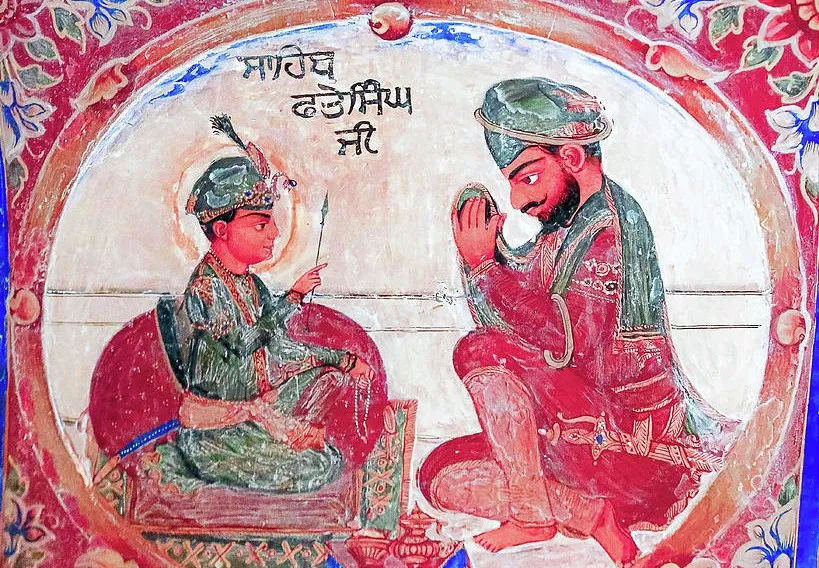
Sahibzada Fateh Singh Ji (1699 to 1704) was the youngest son of Guru Gobind Singh Ji and Mata Jito Ji. Captured with his grandmother Mata Gujri Ji and his brother Zorawar Singh after the flight from Anandpur, he was executed at Sirhind in December 1704 at about six years of age, the youngest of the Char Sahibzade and often described as the youngest martyr in recorded history.
- Punjabi name
- ਸਾਹਿਬਜ਼ਾਦਾ ਫ਼ਤਿਹ ਸਿੰਘ ਜੀ
- Born
- 1699, Anandpur Sahib (25 February in most accounts; some give 12 December)
- Parents
- Guru Gobind Singh Ji and Mata Jito Ji
- Raised by
- His grandmother, Mata Gujri Ji, after his mother's death in 1700
- Martyrdom
- 26 December 1704, Sirhind, aged about 6 (many traditional accounts give 1705)
- Cremated
- At the site of Gurdwara Jyoti Sarup, Fatehgarh Sahib
Sahibzada Fateh Singh Ji was the youngest of the four sons of Guru Gobind Singh Ji, the last born of the Char Sahibzade and the first of them, with his brother Zorawar Singh, whose story the world learned. He was about six years old when he was executed at Sirhind in December 1704, and he is remembered as probably the youngest martyr in recorded history who knowingly laid down his life for his faith: the tradition is careful on the point, because the whole weight of his example rests on the claim that he understood what he was refusing.
The youngest Sahibzada
Fateh Singh was born at Anandpur Sahib in 1699, at the place where Gurdwara Bhora Sahib now stands; most accounts give 25 February, some give 12 December. His mother, Mata Jito Ji, died in December 1700, before his second birthday, and he was raised from infancy by his grandmother Mata Gujri Ji, in whose care he remained to the end. One beloved tradition belongs to his childhood: the little prince appearing before his father dressed all in blue, in a high turban with a loose plume, armed like a tiny soldier at the head of a troop of children, and the Guru laughing and blessing him with the words that a panth of fierce warriors would one day rise in his likeness. On that tradition the blue dress and tall turbans of the Akali Nihangs are traced back to him.
Capture and the Thanda Burj
He was five years old when the siege of Anandpur ended in December 1704. In the night evacuation and the broken oath at the Sarsa river he stayed with his grandmother and his brother Zorawar Singh, was sheltered by the former household servant Gangu at Saheri, and was betrayed by him to the officials at Morinda. At Sirhind the three were locked in the Thanda Burj, the cold tower, where a summer retreat became a freezing cell for an elderly woman and two children in the last week of December. A court servant, Moti Ram Mehta, risked himself to bring them milk and water, and later paid for it with his life and his family's.
What happened in the court at Sirhind?
Twice the brothers were brought before Wazir Khan's court, and twice the machinery of a province was applied to two small children: soldiers drawn up to frighten them, the false news that their father and brothers were dead, offers of treasure and an easy life, and the sentence held over them. The younger boy stood through it beside his brother and did not yield. Where the early accounts say simply that the children were executed, the popular tradition holds that they were bricked alive into a wall and killed when it collapsed; Jugti records both, as the sources give them. The martyrdom is commemorated on 26 December (13 Poh), and in many traditional accounts the year is given as 1705 rather than 1704.
Cremation and the shrines
The bodies of the two boys and of Mata Gujri Ji, who died in the tower on hearing the news, were at first refused even a cremation ground. Diwan Todar Mal, a wealthy banker of Sirhind, bought the plot where they lay by covering it, in the famous telling, with gold coins, and cremated them with honour. Gurdwara Fatehgarh Sahib stands where the bodies were found, Gurdwara Jyoti Sarup where the cremation took place, and Gurdwara Burj Mata Gujri at the Thanda Burj itself. Nearby Gurdwara Bimangarh marks where the bodies were kept through the night before the cremation. Todar Mal's own ruined haveli, the Jahaz Haveli at Sirhind, is still pointed out to pilgrims.
A note on his age
The accounts do not agree on exactly how young he was, and the disagreement is part of his record. If he was born in February 1699 he was five, nearly six, in December 1704; accounts that place his birth in December 1699 make him barely five; the Shaheedi Jor Mela tradition often calls him seven, counting in the Punjabi manner. Sikh reference works describe him as probably the youngest recorded martyr in history who knowingly laid down his life. Jugti gives his age as about six, with the range stated, because the sources themselves carry all three figures and none can be struck out honestly.
How is Sahibzada Fateh Singh Ji remembered?
His name is spoken with his brother's wherever the Chhote Sahibzade are remembered: in the daily ardas of the Sikhs, in the dhadi ballads sung at the Jor Mela, and at Fatehgarh Sahib every December, when lakhs walk the route of the shrines. Since 2022, 26 December is observed across India as Veer Bal Diwas, the day of brave children, for him and his brothers. The Nihang Singhs, in their blue bana, carry the oldest living memorial of all: a dress that tradition says began with a five year old prince dressing up for his father.
ਸਾਹਿਬਜ਼ਾਦਾ ਫ਼ਤਿਹ ਸਿੰਘ ਜੀ, ਗੁਰੂ ਗੋਬਿੰਦ ਸਿੰਘ ਜੀ ਦੇ ਚਾਰ ਪੁੱਤਰਾਂ ਵਿੱਚੋਂ ਸਭ ਤੋਂ ਛੋਟੇ ਸਨ, ਚਾਰ ਸਾਹਿਬਜ਼ਾਦਿਆਂ ਵਿੱਚੋਂ ਸਭ ਤੋਂ ਬਾਅਦ ਜਨਮੇ, ਅਤੇ ਆਪਣੇ ਭਰਾ ਜ਼ੋਰਾਵਰ ਸਿੰਘ ਸਮੇਤ ਉਨ੍ਹਾਂ ਵਿੱਚੋਂ ਪਹਿਲੇ, ਜਿਨ੍ਹਾਂ ਦੀ ਕਥਾ ਸੰਸਾਰ ਨੇ ਸਿੱਖੀ ਦਸੰਬਰ 1704 ਵਿੱਚ ਸਰਹਿੰਦ ਵਿਖੇ ਸ਼ਹੀਦ ਹੋਏ ਤਾਂ ਉਹ ਲਗਭਗ ਛੇ ਸਾਲ ਦੇ ਸਨ, ਅਤੇ ਉਨ੍ਹਾਂ ਨੂੰ ਅਕਸਰ ਇਤਿਹਾਸ ਦਾ ਸਭ ਤੋਂ ਛੋਟੀ ਉਮਰ ਦਾ ਸ਼ਹੀਦ ਕਿਹਾ ਜਾਂਦਾ ਹੈ, ਜਿਸ ਨੇ ਜਾਣ ਬੁੱਝ ਕੇ ਆਪਣੇ ਧਰਮ ਲਈ ਜਾਨ ਦਿੱਤੀ: ਪਰੰਪਰਾ ਇਸ ਗੱਲ ਉੱਤੇ ਸਾਵਧਾਨ ਹੈ, ਕਿਉਂਕਿ ਉਨ੍ਹਾਂ ਦੀ ਮਿਸਾਲ ਦਾ ਸਾਰਾ ਭਾਰ ਇਸੇ ਦਾਅਵੇ ਉੱਤੇ ਟਿਕਿਆ ਹੈ ਕਿ ਉਹ ਸਮਝਦੇ ਸਨ ਕਿ ਉਹ ਕਿਸ ਚੀਜ਼ ਤੋਂ ਇਨਕਾਰ ਕਰ ਰਹੇ ਹਨ
ਸਭ ਤੋਂ ਛੋਟੇ ਸਾਹਿਬਜ਼ਾਦੇ
ਫ਼ਤਿਹ ਸਿੰਘ 1699 ਵਿੱਚ ਅਨੰਦਪੁਰ ਸਾਹਿਬ ਵਿਖੇ ਉਸ ਥਾਂ ਪੈਦਾ ਹੋਏ, ਜਿੱਥੇ ਅੱਜ ਗੁਰਦੁਆਰਾ ਭੋਰਾ ਸਾਹਿਬ ਹੈ; ਜ਼ਿਆਦਾਤਰ ਬਿਰਤਾਂਤ 25 ਫਰਵਰੀ ਦਿੰਦੇ ਹਨ, ਕੁਝ 12 ਦਸੰਬਰ ਉਨ੍ਹਾਂ ਦੀ ਮਾਤਾ, ਮਾਤਾ ਜੀਤੋ ਜੀ, ਦਸੰਬਰ 1700 ਵਿੱਚ ਚਲਾਣਾ ਕਰ ਗਏ, ਉਨ੍ਹਾਂ ਦੇ ਦੂਜੇ ਜਨਮ ਦਿਨ ਤੋਂ ਵੀ ਪਹਿਲਾਂ, ਅਤੇ ਉਹ ਬਚਪਨ ਤੋਂ ਹੀ ਆਪਣੀ ਦਾਦੀ ਮਾਤਾ ਗੁਜਰੀ ਜੀ ਦੀ ਦੇਖਭਾਲ ਵਿੱਚ ਪਲੇ, ਜਿਨ੍ਹਾਂ ਦੇ ਨਾਲ ਉਹ ਅੰਤ ਤੱਕ ਰਹੇ ਉਨ੍ਹਾਂ ਦੇ ਬਚਪਨ ਨਾਲ ਇੱਕ ਪਿਆਰੀ ਸਾਖੀ ਜੁੜੀ ਹੈ: ਨਿੱਕਾ ਸਾਹਿਬਜ਼ਾਦਾ ਆਪਣੇ ਪਿਤਾ ਜੀ ਸਾਹਮਣੇ ਪੂਰਾ ਨੀਲਾ ਬਾਣਾ ਪਾ ਕੇ, ਢਿੱਲੇ ਫਰਲੇ ਵਾਲੀ ਉੱਚੀ ਦਸਤਾਰ ਸਜਾ ਕੇ, ਬੱਚਿਆਂ ਦੀ ਟੋਲੀ ਦੇ ਸਿਰ ਉੱਤੇ ਨਿੱਕੇ ਸਿਪਾਹੀ ਵਾਂਗ ਹਥਿਆਰ ਧਾਰਨ ਕਰ ਕੇ ਆਇਆ, ਅਤੇ ਗੁਰੂ ਜੀ ਹੱਸ ਪਏ ਅਤੇ ਉਸ ਨੂੰ ਅਸੀਸ ਦਿੱਤੀ ਕਿ ਇੱਕ ਦਿਨ ਉਸ ਵਰਗੇ ਭਿਆਨਕ ਯੋਧਿਆਂ ਦਾ ਪੰਥ ਉੱਠੇਗਾ ਇਸੇ ਸਾਖੀ ਨਾਲ ਅਕਾਲੀ ਨਿਹੰਗਾਂ ਦਾ ਨੀਲਾ ਬਾਣਾ ਅਤੇ ਉੱਚੀਆਂ ਦਸਤਾਰਾਂ ਉਨ੍ਹਾਂ ਨਾਲ ਜੋੜੀਆਂ ਜਾਂਦੀਆਂ ਹਨ
ਗ੍ਰਿਫ਼ਤਾਰੀ ਅਤੇ ਠੰਢਾ ਬੁਰਜ
ਦਸੰਬਰ 1704 ਵਿੱਚ ਜਦੋਂ ਅਨੰਦਪੁਰ ਦੀ ਘੇਰਾਬੰਦੀ ਖ਼ਤਮ ਹੋਈ, ਤਾਂ ਉਹ ਪੰਜ ਸਾਲ ਦੇ ਸਨ ਰਾਤ ਦੀ ਨਿਕਾਸੀ ਅਤੇ ਸਰਸਾ ਨਦੀ ਕੰਢੇ ਟੁੱਟੀ ਸਹੁੰ ਵਿੱਚ ਉਹ ਆਪਣੀ ਦਾਦੀ ਅਤੇ ਭਰਾ ਜ਼ੋਰਾਵਰ ਸਿੰਘ ਦੇ ਨਾਲ ਰਹੇ, ਸਹੇੜੀ ਵਿਖੇ ਘਰ ਦੇ ਪੁਰਾਣੇ ਨੌਕਰ ਗੰਗੂ ਨੇ ਉਨ੍ਹਾਂ ਨੂੰ ਠਾਹਰ ਦਿੱਤੀ, ਅਤੇ ਉਸੇ ਨੇ ਉਨ੍ਹਾਂ ਨੂੰ ਮੋਰਿੰਡੇ ਦੇ ਹਾਕਮਾਂ ਕੋਲ ਫੜਵਾ ਦਿੱਤਾ ਸਰਹਿੰਦ ਵਿਖੇ ਤਿੰਨਾਂ ਨੂੰ ਠੰਢੇ ਬੁਰਜ ਵਿੱਚ ਬੰਦ ਕਰ ਦਿੱਤਾ ਗਿਆ, ਜਿੱਥੇ ਗਰਮੀਆਂ ਦਾ ਮਹਿਲ ਦਸੰਬਰ ਦੇ ਆਖ਼ਰੀ ਹਫ਼ਤੇ ਵਿੱਚ ਇੱਕ ਬਜ਼ੁਰਗ ਔਰਤ ਅਤੇ ਦੋ ਬੱਚਿਆਂ ਲਈ ਠੰਢੀ ਕੈਦ ਬਣ ਗਿਆ ਦਰਬਾਰ ਦਾ ਇੱਕ ਸੇਵਕ, ਮੋਤੀ ਰਾਮ ਮਹਿਤਾ, ਜਾਨ ਦੀ ਬਾਜ਼ੀ ਲਾ ਕੇ ਉਨ੍ਹਾਂ ਨੂੰ ਦੁੱਧ ਅਤੇ ਪਾਣੀ ਪਹੁੰਚਾਉਂਦਾ ਰਿਹਾ, ਅਤੇ ਬਾਅਦ ਵਿੱਚ ਇਸ ਦੀ ਕੀਮਤ ਉਸ ਨੇ ਆਪਣੀ ਅਤੇ ਆਪਣੇ ਪਰਿਵਾਰ ਦੀ ਜਾਨ ਨਾਲ ਚੁਕਾਈ
ਸਰਹਿੰਦ ਦੀ ਕਚਹਿਰੀ ਵਿੱਚ ਕੀ ਹੋਇਆ?
ਦੋ ਵਾਰ ਭਰਾਵਾਂ ਨੂੰ ਵਜ਼ੀਰ ਖ਼ਾਨ ਦੀ ਕਚਹਿਰੀ ਵਿੱਚ ਲਿਆਂਦਾ ਗਿਆ, ਅਤੇ ਦੋ ਵਾਰ ਇੱਕ ਪੂਰੇ ਸੂਬੇ ਦੀ ਮਸ਼ੀਨਰੀ ਦੋ ਨਿੱਕੇ ਬੱਚਿਆਂ ਉੱਤੇ ਵਰਤੀ ਗਈ: ਉਨ੍ਹਾਂ ਨੂੰ ਡਰਾਉਣ ਲਈ ਖੜ੍ਹੇ ਸਿਪਾਹੀ, ਇਹ ਝੂਠੀ ਖ਼ਬਰ ਕਿ ਉਨ੍ਹਾਂ ਦੇ ਪਿਤਾ ਅਤੇ ਭਰਾ ਮਾਰੇ ਜਾ ਚੁੱਕੇ ਹਨ, ਖ਼ਜ਼ਾਨੇ ਅਤੇ ਆਰਾਮਦਾਇਕ ਜ਼ਿੰਦਗੀ ਦੀਆਂ ਪੇਸ਼ਕਸ਼ਾਂ, ਅਤੇ ਉਨ੍ਹਾਂ ਦੇ ਸਿਰ ਉੱਤੇ ਲਟਕਦੀ ਸਜ਼ਾ ਛੋਟੇ ਸਾਹਿਬਜ਼ਾਦੇ ਆਪਣੇ ਭਰਾ ਦੇ ਨਾਲ ਡਟੇ ਰਹੇ ਅਤੇ ਨਾ ਝੁਕੇ ਜਿੱਥੇ ਪੁਰਾਣੇ ਬਿਰਤਾਂਤ ਸਿਰਫ਼ ਇੰਨਾ ਕਹਿੰਦੇ ਹਨ ਕਿ ਬੱਚਿਆਂ ਨੂੰ ਸ਼ਹੀਦ ਕੀਤਾ ਗਿਆ, ਉੱਥੇ ਲੋਕ-ਪ੍ਰਚੱਲਿਤ ਪਰੰਪਰਾ ਕਹਿੰਦੀ ਹੈ ਕਿ ਉਨ੍ਹਾਂ ਨੂੰ ਜਿਊਂਦੇ ਹੀ ਕੰਧ ਵਿੱਚ ਚਿਣ ਦਿੱਤਾ ਗਿਆ ਅਤੇ ਕੰਧ ਢਿੱਗਣ ਤੋਂ ਬਾਅਦ ਸ਼ਹੀਦ ਕੀਤਾ ਗਿਆ; ਜੁਗਤੀ ਦੋਵੇਂ ਗੱਲਾਂ ਦਰਜ ਕਰਦੀ ਹੈ, ਜਿਵੇਂ ਸਰੋਤ ਦਿੰਦੇ ਹਨ ਸ਼ਹਾਦਤ 26 ਦਸੰਬਰ (13 ਪੋਹ) ਨੂੰ ਮਨਾਈ ਜਾਂਦੀ ਹੈ, ਅਤੇ ਕਈ ਪਰੰਪਰਾਗਤ ਬਿਰਤਾਂਤਾਂ ਵਿੱਚ ਸਾਲ 1704 ਦੀ ਬਜਾਏ 1705 ਦਿੱਤਾ ਜਾਂਦਾ ਹੈ
ਸਸਕਾਰ ਅਤੇ ਅਸਥਾਨ
ਦੋਹਾਂ ਸਾਹਿਬਜ਼ਾਦਿਆਂ ਅਤੇ ਮਾਤਾ ਗੁਜਰੀ ਜੀ, ਜੋ ਖ਼ਬਰ ਸੁਣ ਕੇ ਬੁਰਜ ਵਿੱਚ ਚਲਾਣਾ ਕਰ ਗਏ ਸਨ, ਦੇ ਸਰੀਰਾਂ ਨੂੰ ਪਹਿਲਾਂ ਸਸਕਾਰ ਲਈ ਥਾਂ ਵੀ ਨਾ ਦਿੱਤੀ ਗਈ ਸਰਹਿੰਦ ਦੇ ਅਮੀਰ ਸ਼ਾਹੂਕਾਰ ਦੀਵਾਨ ਟੋਡਰ ਮੱਲ ਨੇ ਉਹ ਥਾਂ, ਜਿੱਥੇ ਉਹ ਪਏ ਸਨ, ਮਸ਼ਹੂਰ ਕਥਾ ਅਨੁਸਾਰ ਸੋਨੇ ਦੇ ਸਿੱਕਿਆਂ ਨਾਲ ਢੱਕ ਕੇ ਖ਼ਰੀਦੀ, ਅਤੇ ਸਨਮਾਨ ਨਾਲ ਉਨ੍ਹਾਂ ਦਾ ਸਸਕਾਰ ਕੀਤਾ ਗੁਰਦੁਆਰਾ ਫ਼ਤਿਹਗੜ੍ਹ ਸਾਹਿਬ ਉੱਥੇ ਖੜ੍ਹਾ ਹੈ, ਜਿੱਥੇ ਸਰੀਰ ਮਿਲੇ ਸਨ, ਗੁਰਦੁਆਰਾ ਜੋਤੀ ਸਰੂਪ ਉੱਥੇ, ਜਿੱਥੇ ਸਸਕਾਰ ਹੋਇਆ, ਅਤੇ ਗੁਰਦੁਆਰਾ ਬੁਰਜ ਮਾਤਾ ਗੁਜਰੀ ਖ਼ੁਦ ਠੰਢੇ ਬੁਰਜ ਵਿਖੇ ਨੇੜੇ ਹੀ ਗੁਰਦੁਆਰਾ ਬਿਮਾਨਗੜ੍ਹ ਉਸ ਥਾਂ ਨੂੰ ਦਰਸਾਉਂਦਾ ਹੈ, ਜਿੱਥੇ ਸਸਕਾਰ ਤੋਂ ਪਹਿਲਾਂ ਰਾਤ ਭਰ ਸਰੀਰ ਰੱਖੇ ਗਏ ਸਨ ਟੋਡਰ ਮੱਲ ਦੀ ਆਪਣੀ ਖੰਡਰ ਹਵੇਲੀ, ਸਰਹਿੰਦ ਵਿਖੇ ਜਹਾਜ਼ ਹਵੇਲੀ, ਅਜੇ ਵੀ ਸ਼ਰਧਾਲੂਆਂ ਨੂੰ ਦਿਖਾਈ ਜਾਂਦੀ ਹੈ
ਉਨ੍ਹਾਂ ਦੀ ਉਮਰ ਬਾਰੇ ਇੱਕ ਨੋਟ
ਬਿਰਤਾਂਤ ਇਸ ਗੱਲ ਉੱਤੇ ਸਹਿਮਤ ਨਹੀਂ ਕਿ ਉਹ ਅਸਲ ਵਿੱਚ ਕਿੰਨੇ ਛੋਟੇ ਸਨ, ਅਤੇ ਇਹ ਮਤਭੇਦ ਉਨ੍ਹਾਂ ਦੇ ਰਿਕਾਰਡ ਦਾ ਹਿੱਸਾ ਹੈ ਜੇ ਉਹ ਫਰਵਰੀ 1699 ਵਿੱਚ ਪੈਦਾ ਹੋਏ ਸਨ, ਤਾਂ ਦਸੰਬਰ 1704 ਵਿੱਚ ਉਹ ਪੰਜ ਸਾਲ ਦੇ, ਛੇ ਦੇ ਨੇੜੇ, ਸਨ; ਜਿਹੜੇ ਬਿਰਤਾਂਤ ਉਨ੍ਹਾਂ ਦਾ ਜਨਮ ਦਸੰਬਰ 1699 ਵਿੱਚ ਰੱਖਦੇ ਹਨ, ਉਹ ਉਨ੍ਹਾਂ ਨੂੰ ਮਸਾਂ ਪੰਜ ਸਾਲ ਦੇ ਬਣਾਉਂਦੇ ਹਨ; ਸ਼ਹੀਦੀ ਜੋੜ ਮੇਲੇ ਦੀ ਪਰੰਪਰਾ ਅਕਸਰ ਪੰਜਾਬੀ ਗਿਣਤੀ ਅਨੁਸਾਰ ਉਨ੍ਹਾਂ ਨੂੰ ਸੱਤ ਸਾਲ ਦੇ ਕਹਿੰਦੀ ਹੈ ਸਿੱਖ ਹਵਾਲਾ ਗ੍ਰੰਥ ਉਨ੍ਹਾਂ ਨੂੰ ਸੰਭਵ ਤੌਰ ਉੱਤੇ ਇਤਿਹਾਸ ਦਾ ਸਭ ਤੋਂ ਛੋਟੀ ਉਮਰ ਦਾ ਦਰਜ ਸ਼ਹੀਦ ਦੱਸਦੇ ਹਨ, ਜਿਸ ਨੇ ਜਾਣ ਬੁੱਝ ਕੇ ਜਾਨ ਦਿੱਤੀ ਜੁਗਤੀ ਉਨ੍ਹਾਂ ਦੀ ਉਮਰ ਲਗਭਗ ਛੇ ਸਾਲ ਦਿੰਦੀ ਹੈ, ਸੀਮਾ ਸਮੇਤ, ਕਿਉਂਕਿ ਸਰੋਤ ਆਪ ਤਿੰਨੇ ਅੰਕੜੇ ਰੱਖਦੇ ਹਨ ਅਤੇ ਕਿਸੇ ਨੂੰ ਵੀ ਇਮਾਨਦਾਰੀ ਨਾਲ ਕੱਟਿਆ ਨਹੀਂ ਜਾ ਸਕਦਾ
ਸਾਹਿਬਜ਼ਾਦਾ ਫ਼ਤਿਹ ਸਿੰਘ ਜੀ ਨੂੰ ਕਿਵੇਂ ਯਾਦ ਕੀਤਾ ਜਾਂਦਾ ਹੈ?
ਜਿੱਥੇ ਵੀ ਛੋਟੇ ਸਾਹਿਬਜ਼ਾਦਿਆਂ ਨੂੰ ਯਾਦ ਕੀਤਾ ਜਾਂਦਾ ਹੈ, ਉਨ੍ਹਾਂ ਦਾ ਨਾਮ ਉਨ੍ਹਾਂ ਦੇ ਭਰਾ ਨਾਲ ਲਿਆ ਜਾਂਦਾ ਹੈ: ਸਿੱਖਾਂ ਦੀ ਰੋਜ਼ਾਨਾ ਅਰਦਾਸ ਵਿੱਚ, ਜੋੜ ਮੇਲੇ ਵਿੱਚ ਗਾਈਆਂ ਜਾਣ ਵਾਲੀਆਂ ਢਾਡੀ ਵਾਰਾਂ ਵਿੱਚ, ਅਤੇ ਹਰ ਦਸੰਬਰ ਫ਼ਤਿਹਗੜ੍ਹ ਸਾਹਿਬ ਵਿਖੇ, ਜਿੱਥੇ ਲੱਖਾਂ ਲੋਕ ਅਸਥਾਨਾਂ ਦੀ ਯਾਤਰਾ ਕਰਦੇ ਹਨ 2022 ਤੋਂ, 26 ਦਸੰਬਰ ਸਾਰੇ ਭਾਰਤ ਵਿੱਚ ਉਨ੍ਹਾਂ ਅਤੇ ਉਨ੍ਹਾਂ ਦੇ ਭਰਾਵਾਂ ਲਈ ਵੀਰ ਬਾਲ ਦਿਵਸ, ਬਹਾਦਰ ਬੱਚਿਆਂ ਦਾ ਦਿਨ, ਵਜੋਂ ਮਨਾਇਆ ਜਾਂਦਾ ਹੈ ਨਿਹੰਗ ਸਿੰਘ, ਆਪਣੇ ਨੀਲੇ ਬਾਣੇ ਵਿੱਚ, ਸਭ ਤੋਂ ਪੁਰਾਣੀ ਜਿਊਂਦੀ ਯਾਦ ਚੁੱਕੀ ਫਿਰਦੇ ਹਨ: ਇੱਕ ਬਾਣਾ, ਜਿਸ ਬਾਰੇ ਪਰੰਪਰਾ ਕਹਿੰਦੀ ਹੈ ਕਿ ਇਸ ਦੀ ਸ਼ੁਰੂਆਤ ਇੱਕ ਪੰਜ ਸਾਲ ਦੇ ਸਾਹਿਬਜ਼ਾਦੇ ਨੇ ਆਪਣੇ ਪਿਤਾ ਲਈ ਸੱਜ ਕੇ ਕੀਤੀ ਸੀ