
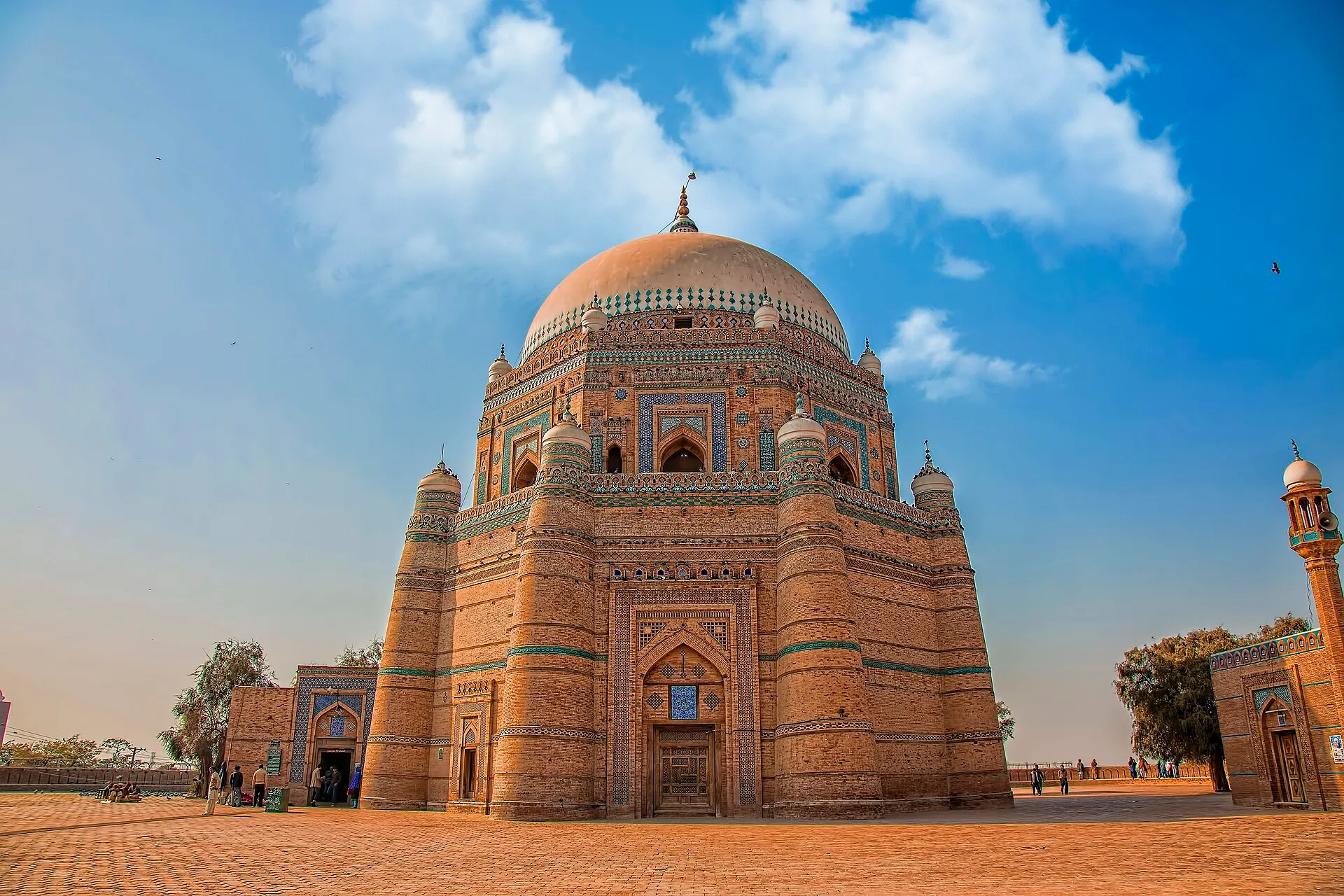
For eight centuries Sufism, the mystical path within Islam, gave Punjab much of its poetry, music and shared sacred geography. The Chishti, Suhrawardi, Qadri and Naqshbandi orders built khanqahs and shrines from Multan and Pakpattan to Lahore and Sirhind, and poets from Baba Farid to Bulleh Shah wrote in Punjabi the verses the whole region still sings. This hub gathers the orders, the poets, the urs festivals and the Kosh's shrine entries in one place.
- Punjabi name
- ਪੰਜਾਬ ਦੀ ਸੂਫ਼ੀ ਵਿਰਾਸਤ
- The orders
- Chishti, Suhrawardi, Qadri and Naqshbandi silsilas (lineages) in Punjab
- First great centre
- Baba Farid's khanqah at Pakpattan, 13th century
- Shrine cities
- Multan, Pakpattan, Lahore, Uch and Sirhind
- The poets
- Baba Farid, Shah Hussain, Sultan Bahu, Bulleh Shah, Waris Shah
- Living practice
- Urs festivals, langar kitchens and qawwali at shrines across both Punjabs
Sufism is the inward, mystical path of Islam, and Punjab is one of its great homelands. From the eleventh century, Sufi sheikhs settled in the river plains between the Indus and the Beas, teaching in the language of the people and opening hospices where travellers of every faith were fed. Their shrines still anchor Punjab's towns, their festivals still fill its calendar, and their poetry, much of it in Punjabi, is sung by Sikhs, Hindus and Muslims alike. The orders and figures below are the map of that heritage, and the Kosh's shrine and festival entries hang from it.
How Sufism took root in Punjab
Islam reached the region first through Sindh and Multan, and the Sufis followed the trade roads. In the eleventh century Ali Hujwiri settled in Lahore and wrote the Kashf al-Mahjub, the first Persian treatise on Sufism; his shrine, Data Darbar, is now the largest in South Asia. The thirteenth century was the golden age: Multan and Pakpattan stood among the great centres of Islamic learning in the subcontinent, and the khanqah, the Sufi hospice, became social infrastructure, offering food, lodging, healing and mediation to anyone who came. Sufi sheikhs advised rulers, translated learning into local tongues, and made the new faith intelligible in the idiom of the land.
The four orders in Punjab
An order, or silsila, is a chain of masters and disciples. The Chishti order, carried across India by Khwaja Moinuddin Chishti, became Punjab's defining order through Baba Farid at Pakpattan: it kept its distance from courts, accepted the devotional music called sama, and fed all comers at his hospice, the world still visible at Baba Farid's shrine. The Suhrawardi order, founded by Shihab al-Din Suhrawardi of Baghdad, was established at Multan by Bahauddin Zakariya, who worked closely with rulers; his grandson Shah Rukn-e-Alam's blue tiled tomb, in this page's photograph, is its monument. The Qadri order, tracing to Abdul Qadir Gilani of Baghdad, spread through central Punjab from the fifteenth century, carried by Sultan Bahu's Sarwari Qadiri line and by the Qadri Noshahi line of Naushah Ganj Bakhsh of Gujrat. The Naqshbandi order, from Baha al-Din Naqshband of Bukhara, is known for silent remembrance of God and a strict insistence on the sharia alongside the mystical path; its Mujaddidi branch was led by Ahmad Sirhindi, from the Punjab town of Sirhind.
The poets who wrote Punjab's soul
Punjab's Sufis did something no court had done: they made Punjabi a literary language. Baba Farid's verses, composed in the thirteenth century, are the oldest substantial Punjabi poetry that survives, and they were treasured so widely that Guru Nanak gathered them into the Sikh scripture. Shah Hussain of Lahore perfected the kafi, the short sung lyric; Sultan Bahu of Jhang wrote his searching siharfi poems; Baba Bulleh Shah of Kasur, disciple of Shah Inayat, wrote the kafis Punjab still sings at every shrine fair; Waris Shah gave the region its great romance, Heer, in 1766; and Mian Muhammad Bakhsh and Khwaja Ghulam Farid carried the tradition into the modern age. Their verses are quoted today by people who could not name the order each poet belonged to, which is precisely the depth of the heritage.
Urs, langar and qawwali
The living centre of the tradition is the shrine, called a dargah or darbar. A saint's death anniversary is celebrated as an urs, literally a wedding, the soul's union with God: for days the shrine is lit, the tomb is washed and draped, and pilgrims arrive from whole districts. The shrine kitchen serves langar, free food for every visitor regardless of faith, the same ethic of feeding that runs through the Five Pillars of Islam and through Punjab's Sikh langars too. At night there is qawwali, the devotional music of the sama assembly, whose classic forms, qaul, hamd, naat, manqabat, marsiya, ghazal and the Punjabi kafi, tradition credits to Amir Khusrau in the thirteenth century; in the twentieth, Nusrat Fateh Ali Khan of Faisalabad carried it to concert halls worldwide. After Partition in 1947, many shrines in East Punjab came to be cared for by local Dalit communities, and their urs gatherings still draw neighbours of every faith, as they always did.
The shrines on the map
Read Punjab's map through its shrines and the region's history falls into place: Multan, the city of saints, where the Suhrawardi tombs rise over the old fort; Pakpattan on the Sutlej crossing, where Baba Farid's hospice turned a ferry town into a pilgrimage city; Lahore, where Hujwiri taught and where Data Darbar still feeds its thousands; Uch, with its cluster of shrines where the orders met the Indus plain; and Sirhind, the Naqshbandi Mujaddidi town between the Sutlej and the Yamuna. In East Punjab the same geography continues at places like Malerkotla, whose Sufi associations kept it a byword for communal peace. The Kosh's shrine entries, linked from this hub, take the two greatest of these places, Pakpattan and Lahore, in turn.
What is a silsila?
A silsila is a chain: each Sufi master, or murshid, was initiated by his own master, and the chain is traced back through the order's founder to the Prophet Muhammad. To join an order is to accept its disciplines of prayer, remembrance (dhikr) and service under a guide. The four orders in Punjab differ in flavour, the Chishtis open and musical, the Naqshbandis sober and silent in their dhikr, but they share the same aim: closeness to God through love, humility and service to people.
Why do Sikhs and Hindus visit Sufi shrines?
Because Punjab's sacred geography is older than its hard borders. Baba Farid's poetry sits inside the Guru Granth Sahib, the shrine langar has never asked a visitor's religion, and the saints are remembered as poets and healers of the whole land, not of one community. A family that keeps a gurdwara's kirtan in the morning may still take an offering to a dargah on Thursday night, the traditional evening for shrine visits, and see no contradiction in it.
ਸੂਫ਼ੀਵਾਦ ਇਸਲਾਮ ਦਾ ਅੰਦਰੂਨੀ, ਰੂਹਾਨੀ ਰਾਹ ਹੈ, ਅਤੇ ਪੰਜਾਬ ਇਸ ਦੇ ਮਹਾਨ ਘਰਾਂ ਵਿੱਚੋਂ ਇੱਕ ਹੈ ਗਿਆਰ੍ਹਵੀਂ ਸਦੀ ਤੋਂ ਸੂਫ਼ੀ ਸ਼ੇਖ਼ ਸਿੰਧ ਅਤੇ ਬਿਆਸ ਦਰਿਆਵਾਂ ਵਿਚਕਾਰਲੇ ਮੈਦਾਨਾਂ ਵਿੱਚ ਵਸੇ, ਲੋਕਾਂ ਦੀ ਭਾਸ਼ਾ ਵਿੱਚ ਸਿੱਖਿਆ ਦਿੱਤੀ ਅਤੇ ਖ਼ਾਨਕਾਹਾਂ ਖੋਲ੍ਹੀਆਂ ਜਿੱਥੇ ਹਰ ਧਰਮ ਦੇ ਮੁਸਾਫ਼ਿਰ ਨੂੰ ਖਾਣਾ ਮਿਲਦਾ ਸੀ ਉਨ੍ਹਾਂ ਦੇ ਦਰਬਾਰ ਅੱਜ ਵੀ ਪੰਜਾਬ ਦੇ ਕਸਬਿਆਂ ਦਾ ਕੇਂਦਰ ਹਨ, ਉਨ੍ਹਾਂ ਦੇ ਮੇਲੇ ਅੱਜ ਵੀ ਇਸ ਦਾ ਕੈਲੰਡਰ ਭਰਦੇ ਹਨ, ਅਤੇ ਉਨ੍ਹਾਂ ਦੀ ਕਵਿਤਾ, ਜਿਸ ਦਾ ਵੱਡਾ ਹਿੱਸਾ ਪੰਜਾਬੀ ਵਿੱਚ ਹੈ, ਸਿੱਖ, ਹਿੰਦੂ ਅਤੇ ਮੁਸਲਮਾਨ ਸਭ ਗਾਉਂਦੇ ਹਨ ਹੇਠ ਦਿੱਤੇ ਸਿਲਸਿਲੇ ਅਤੇ ਹਸਤੀਆਂ ਇਸ ਵਿਰਾਸਤ ਦਾ ਨਕਸ਼ਾ ਹਨ, ਅਤੇ ਕੋਸ਼ ਦੇ ਦਰਬਾਰ ਅਤੇ ਤਿਉਹਾਰ ਵਾਲੇ ਪੰਨੇ ਇਸੇ ਨਾਲ ਜੁੜੇ ਹਨ
ਸੂਫ਼ੀਵਾਦ ਪੰਜਾਬ ਵਿੱਚ ਕਿਵੇਂ ਜੜ੍ਹ ਫੜ ਗਿਆ
ਇਸਲਾਮ ਇਲਾਕੇ ਵਿੱਚ ਪਹਿਲਾਂ ਸਿੰਧ ਅਤੇ ਮੁਲਤਾਨ ਰਾਹੀਂ ਪਹੁੰਚਿਆ, ਅਤੇ ਸੂਫ਼ੀ ਵਪਾਰਕ ਰਾਹਾਂ ਉੱਤੇ ਆਏ ਗਿਆਰ੍ਹਵੀਂ ਸਦੀ ਵਿੱਚ ਅਲੀ ਹੁਜਵੀਰੀ ਲਾਹੌਰ ਵਿੱਚ ਵਸੇ ਅਤੇ ਕਸ਼ਫ਼ ਅਲ-ਮਹਜੂਬ ਲਿਖੀ, ਸੂਫ਼ੀਵਾਦ ਉੱਤੇ ਫ਼ਾਰਸੀ ਦੀ ਪਹਿਲੀ ਪੁਸਤਕ ਉਨ੍ਹਾਂ ਦਾ ਦਰਬਾਰ, ਦਾਤਾ ਦਰਬਾਰ, ਅੱਜ ਦੱਖਣੀ ਏਸ਼ੀਆ ਦਾ ਸਭ ਤੋਂ ਵੱਡਾ ਦਰਬਾਰ ਹੈ ਤੇਰ੍ਹਵੀਂ ਸਦੀ ਸੁਨਹਿਰੀ ਯੁੱਗ ਸੀ ਮੁਲਤਾਨ ਅਤੇ ਪਾਕਪੱਟਣ ਉਪਮਹਾਦੀਪ ਦੇ ਇਸਲਾਮੀ ਗਿਆਨ ਦੇ ਮਹਾਨ ਕੇਂਦਰਾਂ ਵਿੱਚ ਸਨ, ਅਤੇ ਖ਼ਾਨਕਾਹ, ਸੂਫ਼ੀ ਸਰਾਂ, ਸਮਾਜਕ ਢਾਂਚਾ ਬਣ ਗਈ, ਜੋ ਆਉਣ ਵਾਲੇ ਹਰ ਮਨੁੱਖ ਨੂੰ ਖਾਣਾ, ਠਹਿਰਨ, ਇਲਾਜ ਅਤੇ ਵਿਚੋਲਗੀ ਦਿੰਦੀ ਸੀ ਸੂਫ਼ੀ ਸ਼ੇਖ਼ਾਂ ਨੇ ਹਾਕਮਾਂ ਨੂੰ ਸਲਾਹ ਦਿੱਤੀ, ਗਿਆਨ ਨੂੰ ਸਥਾਨਕ ਭਾਸ਼ਾਵਾਂ ਵਿੱਚ ਉਤਾਰਿਆ ਅਤੇ ਨਵੇਂ ਧਰਮ ਨੂੰ ਧਰਤੀ ਦੇ ਮੁਹਾਵਰੇ ਵਿੱਚ ਸਮਝਾਇਆ
ਪੰਜਾਬ ਵਿੱਚ ਚਾਰ ਸਿਲਸਿਲੇ
ਸਿਲਸਿਲਾ ਉਸਤਾਦਾਂ ਅਤੇ ਚੇਲਿਆਂ ਦੀ ਇੱਕ ਲੜੀ ਹੁੰਦੀ ਹੈ ਖ਼ਵਾਜਾ ਮੋਇਨੁਦੀਨ ਚਿਸ਼ਤੀ ਵੱਲੋਂ ਸਾਰੇ ਭਾਰਤ ਵਿੱਚ ਫੈਲਾਇਆ ਚਿਸ਼ਤੀ ਸਿਲਸਿਲਾ ਪਾਕਪੱਟਣ ਦੇ ਬਾਬਾ ਫ਼ਰੀਦ ਰਾਹੀਂ ਪੰਜਾਬ ਦਾ ਪਛਾਣ ਵਾਲਾ ਸਿਲਸਿਲਾ ਬਣਿਆ ਇਸ ਨੇ ਦਰਬਾਰਾਂ ਤੋਂ ਦੂਰੀ ਰੱਖੀ, ਸਮਾਅ ਨਾਂ ਦੇ ਭਗਤੀ ਸੰਗੀਤ ਨੂੰ ਮੰਨਿਆ ਅਤੇ ਆਪਣੀ ਖ਼ਾਨਕਾਹ ਵਿੱਚ ਹਰ ਆਉਣ ਵਾਲੇ ਨੂੰ ਖੁਆਇਆ, ਜੋ ਸੰਸਾਰ ਬਾਬਾ ਫ਼ਰੀਦ ਦੇ ਦਰਬਾਰ ਵਿੱਚ ਅੱਜ ਵੀ ਦਿਸਦਾ ਹੈ ਬਗ਼ਦਾਦ ਦੇ ਸ਼ਿਹਾਬ ਅਲ-ਦੀਨ ਸੁਹਰਾਵਰਦੀ ਵੱਲੋਂ ਸਥਾਪਿਆ ਸੁਹਰਾਵਰਦੀ ਸਿਲਸਿਲਾ ਮੁਲਤਾਨ ਵਿੱਚ ਬਹਾਉਦੀਨ ਜ਼ਕਰੀਆ ਨੇ ਕਾਇਮ ਕੀਤਾ, ਜੋ ਹਾਕਮਾਂ ਨਾਲ ਨੇੜੇ ਰਹੇ ਉਨ੍ਹਾਂ ਦੇ ਪੋਤੇ ਸ਼ਾਹ ਰੁਕਨ-ਏ-ਆਲਮ ਦਾ ਨੀਲੀ ਟਾਈਲਾਂ ਵਾਲਾ ਮੱਕਬਰਾ, ਇਸ ਪੰਨੇ ਦੀ ਤਸਵੀਰ ਵਾਲਾ, ਇਸ ਦੀ ਨਿਸ਼ਾਨੀ ਹੈ ਬਗ਼ਦਾਦ ਦੇ ਅਬਦੁਲ ਕਾਦਰ ਜਿਲਾਨੀ ਤੋਂ ਚਲਿਆ ਕਾਦਰੀ ਸਿਲਸਿਲਾ ਪੰਦਰ੍ਹਵੀਂ ਸਦੀ ਤੋਂ ਵਿਚਕਾਰਲੇ ਪੰਜਾਬ ਵਿੱਚ ਫੈਲਿਆ, ਸੁਲਤਾਨ ਬਾਹੂ ਦੀ ਸਰਵਾਰੀ ਕਾਦਰੀ ਲੜੀ ਅਤੇ ਗੁਜਰਾਤ ਦੇ ਨੌਸ਼ਾਹ ਗੰਜ ਬਖ਼ਸ਼ ਦੀ ਕਾਦਰੀ ਨੌਸ਼ਾਹੀ ਲੜੀ ਰਾਹੀਂ ਬੁਖ਼ਾਰਾ ਦੇ ਬਹਾ ਅਲ-ਦੀਨ ਨਕਸ਼ਬੰਦ ਤੋਂ ਚਲਿਆ ਨਕਸ਼ਬੰਦੀ ਸਿਲਸਿਲਾ ਖ਼ਾਮੋਸ਼ ਜ਼ਿਕਰ ਅਤੇ ਰੂਹਾਨੀ ਰਾਹ ਦੇ ਨਾਲ ਸ਼ਰੀਅਤ ਦੀ ਸਖ਼ਤ ਪਾਬੰਦੀ ਲਈ ਜਾਣਿਆ ਜਾਂਦਾ ਹੈ ਇਸ ਦੀ ਮੁਜੱਦਦੀ ਸ਼ਾਖਾ ਦੀ ਅਗਵਾਈ ਪੰਜਾਬ ਦੇ ਕਸਬੇ ਸਰਹਿੰਦ ਦੇ ਅਹਿਮਦ ਸਰਹਿੰਦੀ ਨੇ ਕੀਤੀ
ਕਵੀ ਜਿਨ੍ਹਾਂ ਨੇ ਪੰਜਾਬ ਦੀ ਰੂਹ ਲਿਖੀ
ਪੰਜਾਬ ਦੇ ਸੂਫ਼ੀਆਂ ਨੇ ਉਹ ਕੰਮ ਕੀਤਾ ਜੋ ਕਿਸੇ ਦਰਬਾਰ ਨੇ ਨਹੀਂ ਕੀਤਾ ਸੀ ਉਨ੍ਹਾਂ ਨੇ ਪੰਜਾਬੀ ਨੂੰ ਸਾਹਿਤਕ ਭਾਸ਼ਾ ਬਣਾਇਆ ਤੇਰ੍ਹਵੀਂ ਸਦੀ ਵਿੱਚ ਰਚੇ ਬਾਬਾ ਫ਼ਰੀਦ ਦੇ ਸ਼ਲੋਕ ਸਭ ਤੋਂ ਪੁਰਾਣੀ ਵੱਡੀ ਪੰਜਾਬੀ ਕਵਿਤਾ ਹਨ ਜੋ ਬਚੀ ਹੈ, ਅਤੇ ਉਨ੍ਹਾਂ ਨੂੰ ਇੰਨਾ ਸਤਕਾਰ ਮਿਲਿਆ ਕਿ ਗੁਰੂ ਨਾਨਕ ਨੇ ਉਨ੍ਹਾਂ ਨੂੰ ਸਿੱਖ ਧਰਮ ਗ੍ਰੰਥ ਵਿੱਚ ਸ਼ਾਮਲ ਕੀਤਾ ਲਾਹੌਰ ਦੇ ਸ਼ਾਹ ਹੁਸੈਨ ਨੇ ਕਾਫ਼ੀ, ਛੋਟੀ ਗਾਈ ਜਾਣ ਵਾਲੀ ਰਚਨਾ, ਨੂੰ ਸਿਖਰ ਦਿੱਤਾ ਝੰਗ ਦੇ ਸੁਲਤਾਨ ਬਾਹੂ ਨੇ ਆਪਣੀਆਂ ਖੋਜ ਭਰੀਆਂ ਸੀਹਰਫ਼ੀਆਂ ਲਿਖੀਆਂ ਸ਼ਾਹ ਇਨਾਯਤ ਦੇ ਚੇਲੇ ਕਸੂਰ ਦੇ ਬਾਬਾ ਬੁੱਲ੍ਹੇ ਸ਼ਾਹ ਨੇ ਉਹ ਕਾਫ਼ੀਆਂ ਲਿਖੀਆਂ ਜੋ ਪੰਜਾਬ ਅੱਜ ਵੀ ਹਰ ਦਰਬਾਰ ਮੇਲੇ ਵਿੱਚ ਗਾਉਂਦਾ ਹੈ ਵਾਰਿਸ ਸ਼ਾਹ ਨੇ ਸੰਨ 1766 ਵਿੱਚ ਇਲਾਕੇ ਨੂੰ ਇਸ ਦੀ ਮਹਾਨ ਪ੍ਰੇਮ ਕਹਾਣੀ ਹੀਰ ਦਿੱਤੀ ਅਤੇ ਮੀਆਂ ਮੁਹੰਮਦ ਬਖ਼ਸ਼ ਅਤੇ ਖ਼ਵਾਜਾ ਗ਼ੁਲਾਮ ਫ਼ਰੀਦ ਨੇ ਇਸ ਪਰੰਪਰਾ ਨੂੰ ਆਧੁਨਿਕ ਯੁੱਗ ਤੱਕ ਪਹੁੰਚਾਇਆ ਉਨ੍ਹਾਂ ਦੇ ਬੋਲ ਅੱਜ ਉਹ ਲੋਕ ਵੀ ਬੋਲਦੇ ਹਨ ਜੋ ਹਰ ਕਵੀ ਦੇ ਸਿਲਸਿਲੇ ਦਾ ਨਾਂ ਨਹੀਂ ਦੱਸ ਸਕਦੇ, ਅਤੇ ਇਹੀ ਇਸ ਵਿਰਾਸਤ ਦੀ ਡੂੰਘਾਈ ਹੈ
ਉਰਸ, ਲੰਗਰ ਅਤੇ ਕੱਵਾਲੀ
ਇਸ ਪਰੰਪਰਾ ਦਾ ਜਿਉਂਦਾ ਕੇਂਦਰ ਦਰਬਾਰ ਹੈ, ਜਿਸ ਨੂੰ ਦਰਗਾਹ ਜਾਂ ਦਰਬਾਰ ਕਿਹਾ ਜਾਂਦਾ ਹੈ ਸੰਤ ਦੇ ਚਲਾਣੇ ਦੀ ਵਰ੍ਹੇਗੰਢ ਉਰਸ ਵਜੋਂ ਮਨਾਈ ਜਾਂਦੀ ਹੈ, ਜਿਸ ਦਾ ਸ਼ਬਦੀ ਅਰਥ ਹੈ ਵਿਆਹ, ਰੂਹ ਦਾ ਖ਼ੁਦਾ ਨਾਲ ਮਿਲਾਪ ਕਈ ਦਿਨ ਦਰਬਾਰ ਸਜਦਾ ਹੈ, ਮੱਕਬਰਾ ਧੋਇਆ ਅਤੇ ਢਕਿਆ ਜਾਂਦਾ ਹੈ, ਅਤੇ ਸਾਰੇ ਜ਼ਿਲ੍ਹਿਆਂ ਤੋਂ ਸ਼ਰਧਾਲੂ ਆਉਂਦੇ ਹਨ ਦਰਬਾਰ ਦੀ ਰਸੋਈ ਲੰਗਰ ਛਕਾਉਂਦੀ ਹੈ, ਹਰ ਆਉਣ ਵਾਲੇ ਲਈ ਧਰਮ ਪੁੱਛੇ ਬਿਨਾਂ ਮੁਫ਼ਤ ਖਾਣਾ, ਖੁਆਉਣ ਦਾ ਉਹੀ ਅਸੂਲ ਜੋ ਇਸਲਾਮ ਦੇ ਪੰਜ ਥੰਮ੍ਹਾਂ ਵਿੱਚ ਵੀ ਚਲਦਾ ਹੈ ਅਤੇ ਪੰਜਾਬ ਦੇ ਸਿੱਖ ਲੰਗਰਾਂ ਵਿੱਚ ਵੀ ਰਾਤ ਨੂੰ ਕੱਵਾਲੀ ਹੁੰਦੀ ਹੈ, ਸਮਾਅ ਸਭਾ ਦਾ ਭਗਤੀ ਸੰਗੀਤ, ਜਿਸ ਦੀਆਂ ਮੂਲ ਸ਼ਕਲਾਂ, ਕੌਲ, ਹਮਦ, ਨਾਅਤ, ਮਨਕਬਤ, ਮਰਸੀਆ, ਗ਼ਜ਼ਲ ਅਤੇ ਪੰਜਾਬੀ ਕਾਫ਼ੀ, ਪਰੰਪਰਾ ਤੇਰ੍ਹਵੀਂ ਸਦੀ ਦੇ ਅਮੀਰ ਖ਼ੁਸਰੋ ਨਾਲ ਜੋੜਦੀ ਹੈ ਵੀਹਵੀਂ ਸਦੀ ਵਿੱਚ ਫ਼ੈਸਲਾਬਾਦ ਦੇ ਨੁਸਰਤ ਫ਼ਤਿਹ ਅਲੀ ਖ਼ਾਨ ਨੇ ਇਸ ਨੂੰ ਦੁਨੀਆ ਭਰ ਦੇ ਸਟੇਜਾਂ ਤੱਕ ਪਹੁੰਚਾਇਆ ਸੰਨ 1947 ਦੀ ਵੰਡ ਤੋਂ ਬਾਅਦ ਪੂਰਬੀ ਪੰਜਾਬ ਦੇ ਬਹੁਤ ਸਾਰੇ ਦਰਬਾਰਾਂ ਦੀ ਸੰਭਾਲ ਸਥਾਨਕ ਦਲਿਤ ਭਾਈਚਾਰਿਆਂ ਕੋਲ ਆ ਗਈ, ਅਤੇ ਉਨ੍ਹਾਂ ਦੇ ਉਰਸ ਇਕੱਠ ਅੱਜ ਵੀ ਹਰ ਧਰਮ ਦੇ ਗੁਆਂਢੀਆਂ ਨੂੰ ਖਿੱਚਦੇ ਹਨ, ਜਿਵੇਂ ਹਮੇਸ਼ਾ ਹੁੰਦਾ ਸੀ
ਨਕਸ਼ੇ ਉੱਤੇ ਦਰਬਾਰ
ਪੰਜਾਬ ਦਾ ਨਕਸ਼ਾ ਇਸ ਦੇ ਦਰਬਾਰਾਂ ਰਾਹੀਂ ਪੜ੍ਹੋ ਤਾਂ ਇਲਾਕੇ ਦਾ ਇਤਿਹਾਸ ਸਾਫ਼ ਹੋ ਜਾਂਦਾ ਹੈ ਮੁਲਤਾਨ, ਸੰਤਾਂ ਦਾ ਸ਼ਹਿਰ, ਜਿੱਥੇ ਸੁਹਰਾਵਰਦੀ ਮੱਕਬਰੇ ਪੁਰਾਣੇ ਕਿਲ੍ਹੇ ਉੱਤੇ ਖੜ੍ਹੇ ਹਨ ਸਤਲੁਜ ਦੇ ਪਾਰ ਉੱਤੇ ਪਾਕਪੱਟਣ, ਜਿੱਥੇ ਬਾਬਾ ਫ਼ਰੀਦ ਦੀ ਖ਼ਾਨਕਾਹ ਨੇ ਇੱਕ ਪੱਤਣ ਵਾਲੇ ਕਸਬੇ ਨੂੰ ਤੀਰਥ ਸ਼ਹਿਰ ਬਣਾ ਦਿੱਤਾ ਲਾਹੌਰ, ਜਿੱਥੇ ਹੁਜਵੀਰੀ ਨੇ ਪੜ੍ਹਾਇਆ ਅਤੇ ਜਿੱਥੇ ਦਾਤਾ ਦਰਬਾਰ ਅੱਜ ਵੀ ਹਜ਼ਾਰਾਂ ਨੂੰ ਖੁਆਉਂਦਾ ਹੈ ਉੱਚ, ਜਿੱਥੇ ਦਰਬਾਰਾਂ ਦੇ ਝੁੰਡ ਵਿੱਚ ਸਿਲਸਿਲੇ ਸਿੰਧ ਮੈਦਾਨ ਨੂੰ ਮਿਲੇ ਅਤੇ ਸਰਹਿੰਦ, ਸਤਲੁਜ ਅਤੇ ਯਮੁਨਾ ਵਿਚਕਾਰ ਨਕਸ਼ਬੰਦੀ ਮੁਜੱਦਦੀ ਕਸਬਾ ਪੂਰਬੀ ਪੰਜਾਬ ਵਿੱਚ ਇਹੀ ਨਕਸ਼ਾ ਮਾਲੇਰਕੋਟਲਾ ਵਰਗੀਆਂ ਥਾਵਾਂ ਉੱਤੇ ਜਾਰੀ ਰਹਿੰਦਾ ਹੈ, ਜਿਸ ਦੇ ਸੂਫ਼ੀ ਸਬੰਧਾਂ ਨੇ ਇਸ ਨੂੰ ਸਾਂਝੀ ਸ਼ਾਂਤੀ ਦੀ ਮਿਸਾਲ ਬਣਾਇਆ ਕੋਸ਼ ਦੇ ਦਰਬਾਰ ਵਾਲੇ ਪੰਨੇ, ਜੋ ਇਸ ਕੇਂਦਰ ਨਾਲ ਜੁੜੇ ਹਨ, ਇਨ੍ਹਾਂ ਵਿੱਚੋਂ ਸਭ ਤੋਂ ਵੱਡੀਆਂ ਦੋ ਥਾਵਾਂ, ਪਾਕਪੱਟਣ ਅਤੇ ਲਾਹੌਰ, ਨੂੰ ਵਾਰੀ ਨਾਲ ਲੈਂਦੇ ਹਨ
ਸਿਲਸਿਲਾ ਕੀ ਹੁੰਦਾ ਹੈ?
ਸਿਲਸਿਲਾ ਇੱਕ ਲੜੀ ਹੈ ਹਰ ਸੂਫ਼ੀ ਉਸਤਾਦ, ਮੁਰਸ਼ਦ, ਨੂੰ ਉਸ ਦੇ ਆਪਣੇ ਉਸਤਾਦ ਨੇ ਦੀਕਸ਼ਾ ਦਿੱਤੀ ਸੀ, ਅਤੇ ਇਹ ਲੜੀ ਸਿਲਸਿਲੇ ਦੇ ਬਾਨੀ ਤੋਂ ਹੁੰਦੀ ਹੋਈ ਪੈਗੰਬਰ ਮੁਹੰਮਦ ਤੱਕ ਜੋੜੀ ਜਾਂਦੀ ਹੈ ਕਿਸੇ ਸਿਲਸਿਲੇ ਵਿੱਚ ਸ਼ਾਮਲ ਹੋਣਾ ਮਤਲਬ ਹੈ ਇੱਕ ਰਹਿਬਰ ਦੀ ਅਗਵਾਈ ਵਿੱਚ ਇਬਾਦਤ, ਜ਼ਿਕਰ ਅਤੇ ਸੇਵਾ ਦੇ ਇਸ ਦੇ ਅਭਿਆਸਾਂ ਨੂੰ ਕਬੂਲਣਾ ਪੰਜਾਬ ਦੇ ਚਾਰ ਸਿਲਸਿਲਿਆਂ ਦਾ ਸੁਆਦ ਵੱਖਰਾ ਹੈ, ਚਿਸ਼ਤੀ ਖੁੱਲ੍ਹੇ ਅਤੇ ਸੰਗੀਤ ਪ੍ਰੇਮੀ, ਨਕਸ਼ਬੰਦੀ ਸਾਦੇ ਅਤੇ ਖ਼ਾਮੋਸ਼ ਜ਼ਿਕਰ ਵਾਲੇ, ਪਰ ਮੰਜ਼ਿਲ ਇੱਕੋ ਹੈ ਪਿਆਰ, ਨਿਮਰਤਾ ਅਤੇ ਲੋਕਾਂ ਦੀ ਸੇਵਾ ਰਾਹੀਂ ਖ਼ੁਦਾ ਦੀ ਨੇੜਤਾ
ਸਿੱਖ ਅਤੇ ਹਿੰਦੂ ਸੂਫ਼ੀ ਦਰਬਾਰਾਂ ਉੱਤੇ ਕਿਉਂ ਜਾਂਦੇ ਹਨ?
ਕਿਉਂਕਿ ਪੰਜਾਬ ਦਾ ਪਵਿੱਤਰ ਨਕਸ਼ਾ ਇਸ ਦੀਆਂ ਸਖ਼ਤ ਸਰਹੱਦਾਂ ਤੋਂ ਪੁਰਾਣਾ ਹੈ ਬਾਬਾ ਫ਼ਰੀਦ ਦੀ ਬਾਣੀ ਗੁਰੂ ਗ੍ਰੰਥ ਸਾਹਿਬ ਵਿੱਚ ਹੈ, ਦਰਬਾਰ ਦੇ ਲੰਗਰ ਨੇ ਕਦੇ ਆਉਣ ਵਾਲੇ ਦਾ ਧਰਮ ਨਹੀਂ ਪੁੱਛਿਆ, ਅਤੇ ਸੰਤ ਸਾਰੀ ਧਰਤੀ ਦੇ ਕਵੀ ਅਤੇ ਵੈਦ ਵਜੋਂ ਯਾਦ ਕੀਤੇ ਜਾਂਦੇ ਹਨ, ਕਿਸੇ ਇੱਕ ਭਾਈਚਾਰੇ ਦੇ ਨਹੀਂ ਕੋਈ ਪਰਿਵਾਰ ਸਵੇਰੇ ਗੁਰਦਵਾਰੇ ਕੀਰਤਨ ਸੁਣਦਾ ਹੈ ਅਤੇ ਵੀਰਵਾਰ ਦੀ ਰਾਤ, ਦਰਬਾਰ ਜਾਣ ਦੀ ਰਵਾਇਤੀ ਸ਼ਾਮ, ਕਿਸੇ ਦਰਗਾਹ ਉੱਤੇ ਚੜ੍ਹਾਵਾ ਵੀ ਚੜ੍ਹਾ ਆਉਂਦਾ ਹੈ, ਅਤੇ ਉਸ ਨੂੰ ਇਸ ਵਿੱਚ ਕੋਈ ਵਿਰੋਧ ਨਹੀਂ ਦਿਸਦਾ