
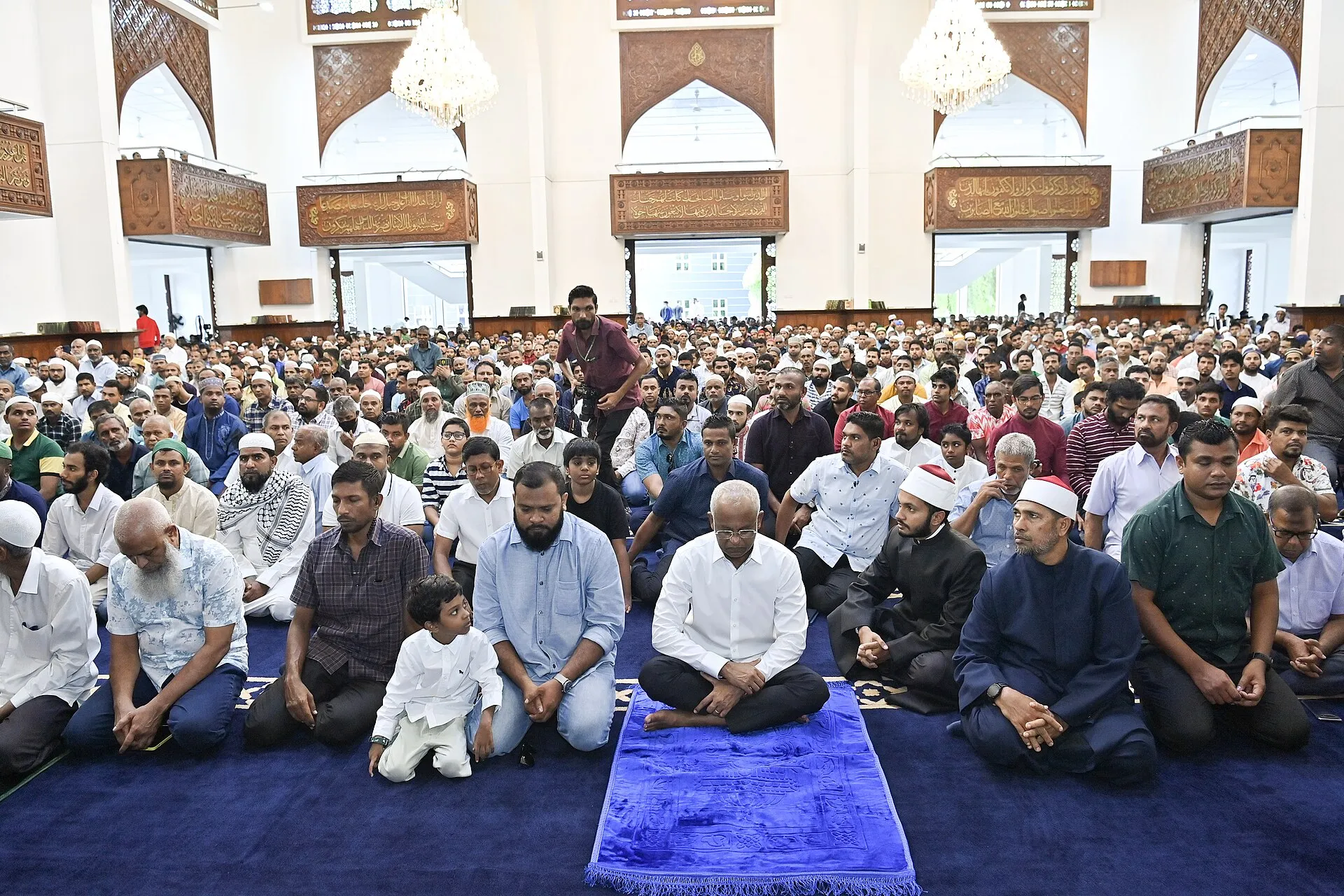
Eid al-Adha, the Festival of Sacrifice, is the second and greater of Islam's two Eids, beginning on the tenth day of Dhu al-Hijjah, the last month of the Islamic calendar, at the climax of the Hajj pilgrimage. It honours the willingness of the prophet Ibrahim, known in English as Abraham, to sacrifice his son in obedience to God, and God's provision of a ram in the son's place, as Islamic tradition tells it. Families who can afford it offer an animal, qurbani, and divide the meat between the poor, relatives and friends, and their own household.
- Punjabi name
- ਈਦ ਅਲ-ਅਜ਼ਹਾ
- Also called
- The Festival of Sacrifice; the Greater Eid; Bakrid in India
- Date
- Begins 10 Dhu al-Hijjah, the twelfth month of the Islamic calendar
- Duration
- Three to four days, the days of Tashreeq
- Commemorates
- Ibrahim's willingness to sacrifice his son, and the ram provided in his place, as Islamic tradition tells it
- Connection
- The climax of the annual Hajj pilgrimage to Mecca
All 9 facts
- Main practice
- Qurbani (udhiyah): the offering of a sheep, goat, cow or camel by those who can afford it
- The meat
- Divided into three parts: for the poor, for relatives and friends, and for the household
- Prayer
- A special congregational Eid prayer on the first morning, followed by a sermon
If Eid al-Fitr is the sweet Eid, Eid al-Adha is the solemn one, a festival of obedience, sacrifice and sharing that falls at the most sacred moment of the Muslim year. While two to three million pilgrims complete the Hajj at Mecca, Muslims in every town of Punjab and every corner of the diaspora keep the same festival at home: a morning prayer in their best clothes, the offering of an animal by those who can afford it, and meat carried to the doors of the poor before it reaches their own tables. Its story is among the oldest shared by Judaism, Christianity and Islam, though each tradition tells it in its own way.
What is Eid al-Adha?
Eid al-Adha, the Festival of Sacrifice, is the second of the two great festivals of Islam. It begins on the tenth day of Dhu al-Hijjah, the twelfth and last month of the Islamic calendar, and continues for three or four days, the days of Tashreeq. It is called the Greater Eid, greater in religious weight than Eid al-Fitr, because it stands at the climax of the Hajj, the pilgrimage that is one of the five pillars of Islam, and because the act it remembers is understood as the supreme test of a prophet's obedience. The day is a public holiday across the Muslim world and in India and Pakistan.
The story of Ibrahim's sacrifice
According to Islamic tradition, the prophet Ibrahim, Abraham in the Bible, was commanded by God in a dream to sacrifice his son. The Quran tells the story in its thirty-seventh chapter without naming the son; Muslim tradition identifies him as Ismail, Ishmael, the elder son, where the biblical account names Isaac. Father and son, in the telling, both submitted: the son told his father to do as he was commanded. As Ibrahim raised the knife, God called out that the vision had been fulfilled, and a ram was provided and sacrificed in the son's place. Tradition adds that Satan tried three times to turn the family from the command and was driven off with stones, an episode the Hajj still re-enacts at Mina. For Muslims the point of the story is not the knife but the surrender: Ibrahim's willingness to give up what he loved most, and God's mercy in accepting the willingness instead of the life.
The Hajj connection
Eid al-Adha is fixed to the Hajj. On the ninth of Dhu al-Hijjah the pilgrims stand in prayer at Arafat, the emotional peak of the pilgrimage; on the tenth, the day of Eid, they stone the pillars at Mina, offer their sacrifice, shave their heads or trim their hair, and return to Mecca to circle the Kaaba. Muslims who are not on the pilgrimage share the day from home: the Eid prayer is timed to the morning of the same date, and the takbir, the proclamation of God's greatness, is recited through the festival days. Punjabi pilgrims in Mecca and their families at home in Malerkotla or Multan are, in this way, keeping one festival in two places.
Qurbani: the sacrifice and the sharing
After the Eid prayer, families who can afford it offer the qurbani, also called udhiyah: a sheep or goat for one household share, or a cow or camel shared between up to seven. The animal must be healthy and of a set minimum age, and its slaughter follows the rules of Islamic practice. The meat is then divided into three parts: one for the poor and needy, one for relatives, friends and neighbours, and one for the family itself. The division is the festival's moral in edible form: the sacrifice counts for little, tradition teaches, if the poor do not eat. In modern times many Muslims, especially in the diaspora, arrange their qurbani through charities that perform it where meat is most needed, including in their home towns in Punjab, while families at home still distribute meat street by street.
Eid al-Adha in Punjab
In India the festival is widely known by its other name, Bakrid. In Punjab its public face is the Eidgah and the mosque courtyard on the first morning, when congregations in Malerkotla and in the Muslim quarters of Ludhiana and Jalandhar gather in their best clothes, and the greetings run for hours. In the days before, livestock markets on the edges of Punjabi towns fill with goats and sheep bought for the qurbani, and butchers work their busiest days of the year. Across the border in Pakistani Punjab, Lahore and the province's towns keep the same festival as a major public holiday, with families travelling home as they do at Eid al-Fitr. Sweets take second place here to meat dishes shared with guests, and, as at both Eids, the poor of the neighbourhood are remembered first.
When is Eid al-Adha?
Eid al-Adha begins on 10 Dhu al-Hijjah and lasts three to four days. Because the Islamic calendar is lunar, the date moves about eleven days earlier in each Gregorian year and can fall in any season. Its date is confirmed by the sighting of the Dhu al-Hijjah moon, and because the festival is tied to the Hajj in Mecca, Muslim communities watch for the Saudi announcement as well as their local moon.
ਜੇ ਈਦ ਅਲ-ਫਿਤਰ ਮਿੱਠੀ ਈਦ ਹੈ, ਤਾਂ ਈਦ ਅਲ-ਅਜ਼ਹਾ ਗੰਭੀਰ ਈਦ ਹੈ, ਆਗਿਆਕਾਰੀ, ਕੁਰਬਾਨੀ ਅਤੇ ਵੰਡ ਦਾ ਤਿਉਹਾਰ ਜੋ ਮੁਸਲਿਮ ਸਾਲ ਦੇ ਸਭ ਤੋਂ ਪਵਿੱਤਰ ਸਮੇਂ ਉੱਤੇ ਆਉਂਦਾ ਹੈ ਜਦੋਂ ਵੀਹ ਤੋਂ ਤੀਹ ਲੱਖ ਯਾਤਰੀ ਮੱਕਾ ਵਿੱਚ ਹੱਜ ਪੂਰਾ ਕਰਦੇ ਹਨ, ਪੰਜਾਬ ਦੇ ਹਰ ਕਸਬੇ ਅਤੇ ਪਰਵਾਸ ਦੇ ਹਰ ਕੋਨੇ ਵਿੱਚ ਮੁਸਲਮਾਨ ਉਹੀ ਤਿਉਹਾਰ ਘਰ ਵਿੱਚ ਮਨਾਉਂਦੇ ਹਨ: ਆਪਣੇ ਸਭ ਤੋਂ ਵਧੀਆ ਕੱਪੜਿਆਂ ਵਿੱਚ ਸਵੇਰ ਦੀ ਨਮਾਜ਼, ਸਮਰੱਥ ਲੋਕਾਂ ਵੱਲੋਂ ਜਾਨਵਰ ਦੀ ਕੁਰਬਾਨੀ, ਅਤੇ ਮੀਟ ਆਪਣੀਆਂ ਮੇਜ਼ਾਂ ਤੋਂ ਪਹਿਲਾਂ ਗਰੀਬਾਂ ਦੇ ਦਰਵਾਜ਼ਿਆਂ ਤੱਕ ਪਹੁੰਚਾਇਆ ਜਾਣਾ ਇਸ ਦੀ ਕਥਾ ਯਹੂਦੀ, ਈਸਾਈ ਅਤੇ ਇਸਲਾਮ ਧਰਮਾਂ ਵਿੱਚ ਸਾਂਝੀਆਂ ਸਭ ਤੋਂ ਪੁਰਾਣੀਆਂ ਕਥਾਵਾਂ ਵਿੱਚੋਂ ਹੈ, ਭਾਵੇਂ ਹਰ ਪਰੰਪਰਾ ਇਸ ਨੂੰ ਆਪਣੇ ਢੰਗ ਨਾਲ ਦੱਸਦੀ ਹੈ
ਈਦ ਅਲ-ਅਜ਼ਹਾ ਕੀ ਹੈ?
ਈਦ ਅਲ-ਅਜ਼ਹਾ, ਕੁਰਬਾਨੀ ਦਾ ਤਿਉਹਾਰ, ਇਸਲਾਮ ਦੇ ਦੋ ਮਹਾਨ ਤਿਉਹਾਰਾਂ ਵਿੱਚੋਂ ਦੂਜਾ ਹੈ ਇਹ ਜ਼ੁ ਅਲ-ਹਿੱਜਾ ਦੇ ਦਸਵੇਂ ਦਿਨ ਸ਼ੁਰੂ ਹੁੰਦਾ ਹੈ, ਇਸਲਾਮੀ ਕੈਲੰਡਰ ਦਾ ਬਾਰ੍ਹਵਾਂ ਅਤੇ ਆਖਰੀ ਮਹੀਨਾ, ਅਤੇ ਤਿੰਨ ਜਾਂ ਚਾਰ ਦਿਨ ਜਾਰੀ ਰਹਿੰਦਾ ਹੈ, ਜਿਨ੍ਹਾਂ ਨੂੰ ਤਸ਼ਰੀਕ ਦੇ ਦਿਨ ਕਿਹਾ ਜਾਂਦਾ ਹੈ ਇਸ ਨੂੰ ਵੱਡੀ ਈਦ ਕਿਹਾ ਜਾਂਦਾ ਹੈ, ਧਾਰਮਿਕ ਭਾਰ ਵਿੱਚ ਈਦ ਅਲ-ਫਿਤਰ ਤੋਂ ਵੱਡੀ, ਕਿਉਂਕਿ ਇਹ ਹੱਜ ਦੇ ਸਿਖਰ ਉੱਤੇ ਖੜ੍ਹੀ ਹੈ, ਉਹ ਯਾਤਰਾ ਜੋ ਇਸਲਾਮ ਦੇ ਪੰਜ ਥੰਮ੍ਹਾਂ ਵਿੱਚੋਂ ਇੱਕ ਹੈ, ਅਤੇ ਕਿਉਂਕਿ ਜਿਸ ਅਮਲ ਦੀ ਇਹ ਯਾਦ ਹੈ, ਉਸ ਨੂੰ ਪੈਗੰਬਰ ਦੀ ਆਗਿਆਕਾਰੀ ਦੀ ਸਰਵੋਤਮ ਪਰੀਖਿਆ ਸਮਝਿਆ ਜਾਂਦਾ ਹੈ ਇਹ ਦਿਨ ਮੁਸਲਿਮ ਸੰਸਾਰ ਭਰ ਵਿੱਚ ਅਤੇ ਭਾਰਤ ਤੇ ਪਾਕਿਸਤਾਨ ਵਿੱਚ ਸਰਕਾਰੀ ਛੁੱਟੀ ਹੈ
ਇਬਰਾਹੀਮ ਦੀ ਕੁਰਬਾਨੀ ਦੀ ਕਥਾ
ਇਸਲਾਮੀ ਪਰੰਪਰਾ ਅਨੁਸਾਰ ਪੈਗੰਬਰ ਇਬਰਾਹੀਮ ਨੂੰ, ਬਾਈਬਲ ਦੇ ਅਬਰਾਹਮ ਨੂੰ, ਸੁਫਨੇ ਵਿੱਚ ਅੱਲਾਹ ਵੱਲੋਂ ਆਪਣੇ ਪੁੱਤਰ ਦੀ ਕੁਰਬਾਨੀ ਦਾ ਹੁਕਮ ਮਿਲਿਆ ਕੁਰਆਨ ਇਹ ਕਥਾ ਆਪਣੇ ਸਤਾਈਵੇਂ ਅਧਿਆਇ ਵਿੱਚ ਪੁੱਤਰ ਦਾ ਨਾਮ ਲਏ ਬਿਨਾਂ ਦੱਸਦਾ ਹੈ; ਮੁਸਲਿਮ ਪਰੰਪਰਾ ਉਸ ਨੂੰ ਇਸਮਾਈਲ, ਵੱਡਾ ਪੁੱਤਰ, ਮੰਨਦੀ ਹੈ, ਜਦੋਂ ਕਿ ਬਾਈਬਲ ਦਾ ਬਿਰਤਾਂਤ ਇਸਹਾਕ ਦਾ ਨਾਮ ਲੈਂਦਾ ਹੈ ਬਿਰਤਾਂਤ ਵਿੱਚ ਪਿਤਾ ਅਤੇ ਪੁੱਤਰ ਦੋਵਾਂ ਨੇ ਸਿਰ ਝੁਕਾਇਆ: ਪੁੱਤਰ ਨੇ ਪਿਤਾ ਨੂੰ ਕਿਹਾ ਕਿ ਜਿਵੇਂ ਹੁਕਮ ਮਿਲਿਆ ਹੈ, ਉਵੇਂ ਕਰੋ ਜਿਵੇਂ ਹੀ ਇਬਰਾਹੀਮ ਨੇ ਛੁਰੀ ਚੁੱਕੀ, ਅੱਲਾਹ ਨੇ ਆਵਾਜ਼ ਦਿੱਤੀ ਕਿ ਸੁਫਨਾ ਪੂਰਾ ਹੋ ਗਿਆ ਹੈ, ਅਤੇ ਪੁੱਤਰ ਦੀ ਥਾਂ ਇੱਕ ਦੁੰਬਾ ਦਿੱਤਾ ਗਿਆ ਜਿਸ ਦੀ ਕੁਰਬਾਨੀ ਦਿੱਤੀ ਗਈ ਪਰੰਪਰਾ ਇਹ ਵੀ ਦੱਸਦੀ ਹੈ ਕਿ ਸ਼ੈਤਾਨ ਨੇ ਤਿੰਨ ਵਾਰ ਪਰਿਵਾਰ ਨੂੰ ਹੁਕਮ ਤੋਂ ਮੋੜਨ ਦੀ ਕੋਸ਼ਿਸ਼ ਕੀਤੀ ਅਤੇ ਪੱਥਰਾਂ ਨਾਲ ਭਜਾਇਆ ਗਿਆ, ਉਹ ਘਟਨਾ ਜਿਸ ਨੂੰ ਹੱਜ ਅੱਜ ਵੀ ਮਿਨਾ ਵਿੱਚ ਦੁਹਰਾਉਂਦਾ ਹੈ ਮੁਸਲਮਾਨਾਂ ਲਈ ਕਥਾ ਦਾ ਨੁਕਤਾ ਛੁਰੀ ਨਹੀਂ, ਸਗੋਂ ਸਮਰਪਣ ਹੈ: ਇਬਰਾਹੀਮ ਦੀ ਆਪਣੀ ਸਭ ਤੋਂ ਪਿਆਰੀ ਚੀਜ਼ ਛੱਡਣ ਦੀ ਤਿਆਰੀ, ਅਤੇ ਅੱਲਾਹ ਦੀ ਮਿਹਰ ਜਿਸ ਨੇ ਜਾਨ ਦੀ ਥਾਂ ਉਹ ਤਿਆਰੀ ਕਬੂਲ ਕੀਤੀ
ਹੱਜ ਨਾਲ ਸੰਬੰਧ
ਈਦ ਅਲ-ਅਜ਼ਹਾ ਹੱਜ ਨਾਲ ਜੁੜੀ ਹੋਈ ਹੈ ਜ਼ੁ ਅਲ-ਹਿੱਜਾ ਦੀ ਨੌਵੀਂ ਤਰੀਕ ਨੂੰ ਯਾਤਰੀ ਅਰਾਫਾਤ ਵਿੱਚ ਅਰਦਾਸ ਲਈ ਖੜ੍ਹਦੇ ਹਨ, ਯਾਤਰਾ ਦਾ ਭਾਵੁਕ ਸਿਖਰ; ਦਸਵੀਂ ਨੂੰ, ਈਦ ਦੇ ਦਿਨ, ਉਹ ਮਿਨਾ ਵਿੱਚ ਥੰਮ੍ਹਾਂ ਨੂੰ ਪੱਥਰ ਮਾਰਦੇ ਹਨ, ਆਪਣੀ ਕੁਰਬਾਨੀ ਦਿੰਦੇ ਹਨ, ਸਿਰ ਮੁੰਡਵਾਉਂਦੇ ਜਾਂ ਵਾਲ ਕਤਰਦੇ ਹਨ, ਅਤੇ ਕਾਬਾ ਦਾ ਚੱਕਰ ਲਗਾਉਣ ਲਈ ਮੱਕਾ ਪਰਤਦੇ ਹਨ ਜੋ ਮੁਸਲਮਾਨ ਯਾਤਰਾ ਉੱਤੇ ਨਹੀਂ ਹਨ, ਉਹ ਦਿਨ ਘਰ ਤੋਂ ਸਾਂਝਾ ਕਰਦੇ ਹਨ: ਈਦ ਦੀ ਨਮਾਜ਼ ਉਸੇ ਤਰੀਕ ਦੀ ਸਵੇਰ ਨੂੰ ਹੁੰਦੀ ਹੈ, ਅਤੇ ਤਕਬੀਰ, ਅੱਲਾਹ ਦੀ ਮਹਾਨਤਾ ਦਾ ਐਲਾਨ, ਤਿਉਹਾਰ ਦੇ ਦਿਨਾਂ ਭਰ ਪੜ੍ਹੀ ਜਾਂਦੀ ਹੈ ਮੱਕਾ ਵਿੱਚ ਪੰਜਾਬੀ ਯਾਤਰੀ ਅਤੇ ਮਾਲੇਰਕੋਟਲਾ ਜਾਂ ਮੁਲਤਾਨ ਵਿੱਚ ਉਨ੍ਹਾਂ ਦੇ ਪਰਿਵਾਰ ਇਸ ਤਰ੍ਹਾਂ ਦੋ ਥਾਵਾਂ ਉੱਤੇ ਇੱਕੋ ਤਿਉਹਾਰ ਮਨਾ ਰਹੇ ਹੁੰਦੇ ਹਨ
ਕੁਰਬਾਨੀ: ਕੁਰਬਾਨੀ ਅਤੇ ਵੰਡ
ਈਦ ਦੀ ਨਮਾਜ਼ ਤੋਂ ਬਾਅਦ ਸਮਰੱਥ ਪਰਿਵਾਰ ਕੁਰਬਾਨੀ ਦਿੰਦੇ ਹਨ, ਜਿਸ ਨੂੰ ਉਜ਼ਹੀਆ ਵੀ ਕਿਹਾ ਜਾਂਦਾ ਹੈ: ਇੱਕ ਹਿੱਸੇ ਲਈ ਭੇਡ ਜਾਂ ਬੱਕਰੀ, ਜਾਂ ਗਾਂ ਜਾਂ ਊਠ ਜੋ ਸੱਤ ਹਿੱਸਿਆਂ ਤੱਕ ਸਾਂਝਾ ਹੁੰਦਾ ਹੈ ਜਾਨਵਰ ਸਿਹਤਮੰਦ ਅਤੇ ਮੁਕਰਰ ਘੱਟੋ ਘੱਟ ਉਮਰ ਦਾ ਹੋਣਾ ਚਾਹੀਦਾ ਹੈ, ਅਤੇ ਇਸ ਦਾ ਜ਼ਿਬਾਹ ਇਸਲਾਮੀ ਅਮਲ ਦੇ ਨਿਯਮਾਂ ਅਨੁਸਾਰ ਹੁੰਦਾ ਹੈ ਫਿਰ ਮੀਟ ਤਿੰਨ ਹਿੱਸਿਆਂ ਵਿੱਚ ਵੰਡਿਆ ਜਾਂਦਾ ਹੈ: ਇੱਕ ਗਰੀਬਾਂ ਅਤੇ ਲੋੜਵੰਦਾਂ ਲਈ, ਇੱਕ ਰਿਸ਼ਤੇਦਾਰਾਂ, ਦੋਸਤਾਂ ਅਤੇ ਗੁਆਂਢੀਆਂ ਲਈ, ਅਤੇ ਇੱਕ ਖੁਦ ਪਰਿਵਾਰ ਲਈ ਇਹ ਵੰਡ ਤਿਉਹਾਰ ਦੀ ਨੈਤਿਕਤਾ ਹੈ ਖਾਣਯੋਗ ਰੂਪ ਵਿੱਚ: ਪਰੰਪਰਾ ਸਿਖਾਉਂਦੀ ਹੈ ਕਿ ਜੇ ਗਰੀਬ ਨਾ ਖਾਣ, ਤਾਂ ਕੁਰਬਾਨੀ ਦਾ ਕੋਈ ਭਾਰ ਨਹੀਂ ਆਧੁਨਿਕ ਸਮੇਂ ਵਿੱਚ ਕਈ ਮੁਸਲਮਾਨ, ਖਾਸ ਕਰਕੇ ਪਰਵਾਸੀ, ਆਪਣੀ ਕੁਰਬਾਨੀ ਖੈਰਾਤੀ ਸੰਸਥਾਵਾਂ ਰਾਹੀਂ ਕਰਵਾਉਂਦੇ ਹਨ ਜੋ ਇਸ ਨੂੰ ਉੱਥੇ ਕਰਦੀਆਂ ਹਨ ਜਿੱਥੇ ਮੀਟ ਦੀ ਸਭ ਤੋਂ ਵੱਧ ਲੋੜ ਹੈ, ਪੰਜਾਬ ਵਿੱਚ ਉਨ੍ਹਾਂ ਦੇ ਆਪਣੇ ਕਸਬਿਆਂ ਸਮੇਤ, ਜਦੋਂ ਕਿ ਘਰ ਦੇ ਪਰਿਵਾਰ ਅੱਜ ਵੀ ਗਲੀ ਗਲੀ ਮੀਟ ਵੰਡਦੇ ਹਨ
ਪੰਜਾਬ ਵਿੱਚ ਈਦ ਅਲ-ਅਜ਼ਹਾ
ਭਾਰਤ ਵਿੱਚ ਇਹ ਤਿਉਹਾਰ ਆਪਣੇ ਦੂਜੇ ਨਾਮ, ਬਕਰੀਦ, ਨਾਲ ਵੱਡੇ ਪੱਧਰ ਉੱਤੇ ਜਾਣਿਆ ਜਾਂਦਾ ਹੈ ਪੰਜਾਬ ਵਿੱਚ ਇਸ ਦਾ ਜਨਤਕ ਚਿਹਰਾ ਪਹਿਲੀ ਸਵੇਰ ਈਦਗਾਹ ਅਤੇ ਮਸਜਿਦ ਦਾ ਵਿਹੜਾ ਹੈ, ਜਿੱਥੇ ਮਾਲੇਰਕੋਟਲਾ ਅਤੇ ਲੁਧਿਆਣਾ ਤੇ ਜਲੰਧਰ ਦੇ ਮੁਸਲਿਮ ਮੁਹੱਲਿਆਂ ਵਿੱਚ ਜਮਾਤਾਂ ਆਪਣੇ ਸਭ ਤੋਂ ਵਧੀਆ ਕੱਪੜਿਆਂ ਵਿੱਚ ਇਕੱਠੀਆਂ ਹੁੰਦੀਆਂ ਹਨ, ਅਤੇ ਮੁਬਾਰਕਾਂ ਘੰਟਿਆਂ ਤੱਕ ਚਲਦੀਆਂ ਹਨ ਪਹਿਲਾਂ ਦੇ ਦਿਨਾਂ ਵਿੱਚ ਪੰਜਾਬੀ ਕਸਬਿਆਂ ਦੇ ਕਿਨਾਰਿਆਂ ਉੱਤੇ ਪਸ਼ੂ ਮੰਡੀਆਂ ਕੁਰਬਾਨੀ ਲਈ ਖਰੀਦੇ ਬੱਕਰਿਆਂ ਅਤੇ ਭੇਡਾਂ ਨਾਲ ਭਰ ਜਾਂਦੀਆਂ ਹਨ, ਅਤੇ ਕਸਾਈਆਂ ਦੇ ਸਾਲ ਦੇ ਸਭ ਤੋਂ ਵਿਅਸਤ ਦਿਨ ਹੁੰਦੇ ਹਨ ਸਰਹੱਦ ਪਾਰ ਪਾਕਿਸਤਾਨੀ ਪੰਜਾਬ ਵਿੱਚ ਲਾਹੌਰ ਅਤੇ ਸੂਬੇ ਦੇ ਕਸਬੇ ਉਹੀ ਤਿਉਹਾਰ ਵੱਡੀ ਸਰਕਾਰੀ ਛੁੱਟੀ ਵਜੋਂ ਮਨਾਉਂਦੇ ਹਨ, ਪਰਿਵਾਰ ਈਦ ਅਲ-ਫਿਤਰ ਵਾਂਗ ਘਰਾਂ ਨੂੰ ਸਫਰ ਕਰਦੇ ਹਨ ਇੱਥੇ ਮਠਿਆਈਆਂ ਮਹਿਮਾਨਾਂ ਨਾਲ ਸਾਂਝੇ ਕੀਤੇ ਮੀਟ ਦੇ ਪਕਵਾਨਾਂ ਤੋਂ ਦੂਜੇ ਸਥਾਨ ਉੱਤੇ ਹਨ, ਅਤੇ, ਦੋਵਾਂ ਈਦਾਂ ਵਾਂਗ, ਮੁਹੱਲੇ ਦੇ ਗਰੀਬਾਂ ਨੂੰ ਪਹਿਲਾਂ ਯਾਦ ਕੀਤਾ ਜਾਂਦਾ ਹੈ
ਈਦ ਅਲ-ਅਜ਼ਹਾ ਕਦੋਂ ਹੁੰਦੀ ਹੈ?
ਈਦ ਅਲ-ਅਜ਼ਹਾ 10 ਜ਼ੁ ਅਲ-ਹਿੱਜਾ ਨੂੰ ਸ਼ੁਰੂ ਹੁੰਦੀ ਹੈ ਅਤੇ ਤਿੰਨ ਤੋਂ ਚਾਰ ਦਿਨ ਚਲਦੀ ਹੈ ਕਿਉਂਕਿ ਇਸਲਾਮੀ ਕੈਲੰਡਰ ਚੰਦਰ ਹੈ, ਤਰੀਕ ਹਰ ਅੰਗਰੇਜ਼ੀ ਸਾਲ ਲਗਭਗ ਗਿਆਰਾਂ ਦਿਨ ਪਹਿਲਾਂ ਆ ਜਾਂਦੀ ਹੈ ਅਤੇ ਕਿਸੇ ਵੀ ਮੌਸਮ ਵਿੱਚ ਆ ਸਕਦੀ ਹੈ ਇਸ ਦੀ ਤਰੀਕ ਜ਼ੁ ਅਲ-ਹਿੱਜਾ ਦੇ ਚੰਦ ਦੇ ਦਿਸਣ ਨਾਲ ਪੱਕੀ ਹੁੰਦੀ ਹੈ, ਅਤੇ ਕਿਉਂਕਿ ਤਿਉਹਾਰ ਮੱਕਾ ਦੇ ਹੱਜ ਨਾਲ ਜੁੜਿਆ ਹੈ, ਮੁਸਲਿਮ ਭਾਈਚਾਰੇ ਆਪਣੇ ਸਥਾਨਕ ਚੰਦ ਦੇ ਨਾਲ ਸਾਊਦੀ ਐਲਾਨ ਉੱਤੇ ਵੀ ਨਜ਼ਰ ਰੱਖਦੇ ਹਨ