
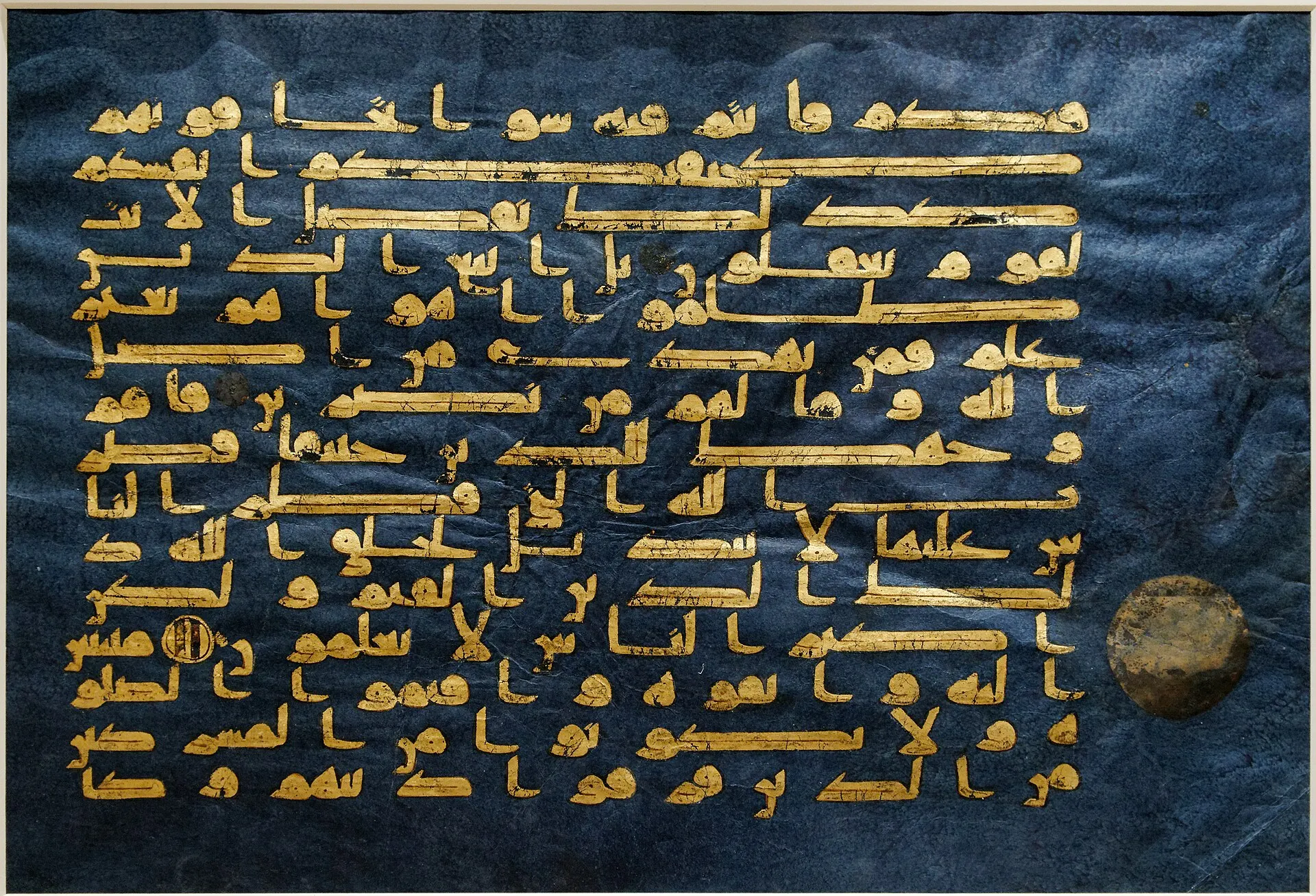
The Quran is the holy book of Islam, which Muslims believe is the word of God revealed to the Prophet Muhammad through the angel Gabriel between 610 and 632 CE. Written in Arabic, it is organised into 114 chapters called surahs, made of verses called ayat, and it guides Muslim belief, worship and daily conduct. It is recited in the five daily prayers, studied in mosques and homes, and memorised in full by believers honoured with the title Hafiz, a tradition that is strong in Punjab's mosques too.
- Punjabi name
- ਕੁਰਆਨ
- Meaning of the name
- Al-Quran means "the recitation" in Arabic
- Language
- Classical Arabic
- Revelation, as Muslims believe
- To the Prophet Muhammad, through the angel Gabriel (Jibril), 610 to 632 CE
- Chapters
- 114 surahs
- Verses
- About 6,236 ayat in the standard Hafs reading
All 10 facts
- First surah
- Al-Fatiha, "The Opening", seven verses
- Longest surah
- Al-Baqarah, "The Cow", 286 verses
- Reading divisions
- 30 juz, one for each day of a month of recitation
- One who memorises it fully
- A Hafiz
Every Muslim home in Punjab, from Malerkotla to Lahore, keeps a copy of one book above all others: the Quran. Muslims believe it is not a book written about God, but the speech of God himself, given to humanity through the Prophet Muhammad. That belief explains the care that surrounds it: the Quran is kept wrapped and high in the house, recited daily, taught to children, and treated as the final authority in questions of faith and conduct. This page explains what the Quran is, how it came into its present form, and how it is read, memorised and honoured.
What is the Quran?
The Quran is the central scripture of Islam. Its name, al-Quran, means the recitation, which points to how it was first received and how it is still mainly experienced: spoken aloud. Its central message is the absolute oneness of God, and it speaks of creation, the prophets of earlier traditions, moral duties, law, charity, family life and the Day of Judgment. Muslims regard it as the final and complete revelation, confirming the messages they believe were given earlier to prophets such as Ibrahim, Musa and Isa, and correcting, in their belief, the forms in which those messages had come down.
How was the Quran revealed, according to Islamic tradition?
Islamic tradition holds that in 610 CE, during the month of Ramadan, the Prophet Muhammad was meditating in the cave of Hira outside Mecca when the angel Gabriel brought him the first words of the revelation, beginning with the command to read. Revelations then continued for about twenty-three years, until 632 CE, in Mecca and later in Medina. Companions memorised the passages as they came, and scribes wrote them on the materials of the time. After the Prophet's death, the first caliph, Abu Bakr, had the text collected into one volume, and the third caliph, Uthman, commissioned the standard written text from which copies were sent to the growing Muslim world. The night in Ramadan on which the first revelation came is commemorated as Laylat al-Qadr, the Night of Decree, in the month's last days.
How is the Quran organised?
The Quran contains 114 chapters, called surahs, each made up of verses called ayat, which means signs. The surahs are not arranged in the order of revelation but roughly by length, longest first after the short opening chapter, Al-Fatiha, whose seven verses are recited in every unit of the daily prayers. The longest surah, Al-Baqarah, runs to 286 verses; the shortest have only three. Chapters are described as Meccan or Medinan, after where their verses were mainly revealed. For convenience in reading, the text is also divided into thirty parts, called juz, so the whole book can be read through in a month, and every surah except the ninth opens with the words known as the Basmala: in the name of God, the Most Gracious, the Most Merciful.
The Hafiz tradition: a book carried in memory
Because the Quran began as recitation, memorising it is one of Islam's oldest honours. A Muslim who has memorised the entire book by heart is called a Hafiz, and the memorisation, hifz, is taught in mosque schools and madrasas where children learn section by section under a teacher. Recitation has its own discipline, tajwid, the rules of pronunciation and melody that keep the Arabic exact. A Hafiz is especially needed in Ramadan, when the whole Quran is recited across the nights of Taraweeh prayers. Punjab's larger mosques and madrasas, including those of Malerkotla, train Hafiz in this way, and a Punjabi Hafiz leading prayers is a familiar figure from Ludhiana to Lahore and in the diaspora's mosques in Canada and Britain.
The Quran in daily life
The Quran shapes the Muslim day directly: verses from it are recited in each of the five daily prayers, and its opening chapter is said many times a day. Families read it at home, gather for its study, and turn to it at births, marriages, illnesses and funerals. Calligraphy of its verses is the supreme decorative art of the Muslim world, carved on mosques like Lahore's Wazir Khan Mosque and written in gold in treasured manuscripts. Reverence has practical forms: most Muslims perform wudu, the ritual washing, before handling the book, keep it in a high and clean place, and never place it on the floor. Translations into many languages, Punjabi among them, are read for understanding, while the Arabic text itself is considered the Quran in the full sense.
Why is the Quran kept in Arabic?
Because Muslims believe the revelation was given in Arabic, the Arabic wording is the scripture itself, and translations are treated as interpretations of its meaning. That is why a Muslim in Punjab who speaks no Arabic still learns to read the Arabic script of the Quran, and why its recitation sounds the same in a Malerkotla mosque as in Mecca, Jakarta or Toronto. The sameness of the text across fourteen centuries and every continent is, for believers, part of the book's preservation and authority.
ਪੰਜਾਬ ਦੇ ਹਰ ਮੁਸਲਿਮ ਘਰ ਵਿੱਚ, ਮਾਲੇਰਕੋਟਲਾ ਤੋਂ ਲਾਹੌਰ ਤੱਕ, ਇੱਕ ਕਿਤਾਬ ਸਭ ਤੋਂ ਉੱਪਰ ਰੱਖੀ ਜਾਂਦੀ ਹੈ: ਕੁਰਆਨ ਮੁਸਲਮਾਨ ਮੰਨਦੇ ਹਨ ਕਿ ਇਹ ਰੱਬ ਬਾਰੇ ਲਿਖੀ ਕਿਤਾਬ ਨਹੀਂ, ਸਗੋਂ ਖੁਦ ਰੱਬ ਦਾ ਕਲਾਮ ਹੈ, ਜੋ ਪੈਗੰਬਰ ਮੁਹੰਮਦ ਰਾਹੀਂ ਮਨੁੱਖਤਾ ਨੂੰ ਦਿੱਤਾ ਗਿਆ ਇਹ ਇਮਾਨ ਇਸ ਦੇ ਦੁਆਲੇ ਦੀ ਦੇਖਭਾਲ ਨੂੰ ਸਮਝਾਉਂਦਾ ਹੈ: ਕੁਰਆਨ ਘਰ ਵਿੱਚ ਲਪੇਟ ਕੇ ਉੱਚੀ ਥਾਂ ਰੱਖਿਆ ਜਾਂਦਾ ਹੈ, ਰੋਜ਼ ਪੜ੍ਹਿਆ ਜਾਂਦਾ ਹੈ, ਬੱਚਿਆਂ ਨੂੰ ਸਿਖਾਇਆ ਜਾਂਦਾ ਹੈ, ਅਤੇ ਇਮਾਨ ਅਤੇ ਆਚਰਣ ਦੇ ਸਵਾਲਾਂ ਵਿੱਚ ਅੰਤਿਮ ਅਧਿਕਾਰ ਮੰਨਿਆ ਜਾਂਦਾ ਹੈ ਇਹ ਪੰਨਾ ਦੱਸਦਾ ਹੈ ਕਿ ਕੁਰਆਨ ਕੀ ਹੈ, ਇਹ ਆਪਣੇ ਮੌਜੂਦਾ ਰੂਪ ਵਿੱਚ ਕਿਵੇਂ ਆਇਆ, ਅਤੇ ਇਹ ਕਿਵੇਂ ਪੜ੍ਹਿਆ, ਯਾਦ ਕੀਤਾ ਅਤੇ ਸਨਮਾਨਿਆ ਜਾਂਦਾ ਹੈ
ਕੁਰਆਨ ਕੀ ਹੈ?
ਕੁਰਆਨ ਇਸਲਾਮ ਦਾ ਕੇਂਦਰੀ ਧਰਮ ਗ੍ਰੰਥ ਹੈ ਇਸ ਦਾ ਨਾਮ, ਅਲ-ਕੁਰਆਨ, ਦਾ ਅਰਥ ਹੈ ਪਾਠ, ਜੋ ਇਸ ਵੱਲ ਇਸ਼ਾਰਾ ਕਰਦਾ ਹੈ ਕਿ ਇਹ ਪਹਿਲਾਂ ਕਿਵੇਂ ਮਿਲਿਆ ਅਤੇ ਅੱਜ ਵੀ ਇਸ ਦਾ ਮੁੱਖ ਅਨੁਭਵ ਕਿਵੇਂ ਹੈ: ਉੱਚੀ ਆਵਾਜ਼ ਵਿੱਚ ਪੜ੍ਹਿਆ ਜਾਣਾ ਇਸ ਦਾ ਕੇਂਦਰੀ ਸੰਦੇਸ਼ ਅੱਲਾਹ ਦੀ ਪੂਰੀ ਇਕਾਈ ਹੈ, ਅਤੇ ਇਹ ਸਸ਼ਟੀ, ਪੁਰਾਣੀਆਂ ਪਰੰਪਰਾਵਾਂ ਦੇ ਪੈਗੰਬਰਾਂ, ਨੈਤਿਕ ਫਰਜ਼ਾਂ, ਕਾਨੂੰਨ, ਖੈਰਾਤ, ਪਰਿਵਾਰਕ ਜੀਵਨ ਅਤੇ ਕਯਾਮਤ ਦੇ ਦਿਨ ਬਾਰੇ ਗੱਲ ਕਰਦਾ ਹੈ ਮੁਸਲਮਾਨ ਇਸ ਨੂੰ ਅੰਤਿਮ ਅਤੇ ਪੂਰਾ ਵਹੀ ਮੰਨਦੇ ਹਨ, ਜੋ ਉਨ੍ਹਾਂ ਦੇ ਇਮਾਨ ਅਨੁਸਾਰ ਇਬਰਾਹੀਮ, ਮੂਸਾ ਅਤੇ ਈਸਾ ਵਰਗੇ ਪੈਗੰਬਰਾਂ ਨੂੰ ਪਹਿਲਾਂ ਦਿੱਤੇ ਸੰਦੇਸ਼ਾਂ ਦੀ ਪੁਸ਼ਟੀ ਕਰਦਾ ਹੈ ਅਤੇ ਉਨ੍ਹਾਂ ਰੂਪਾਂ ਨੂੰ ਸੋਧਦਾ ਹੈ ਜਿਨ੍ਹਾਂ ਵਿੱਚ ਉਹ ਸੰਦੇਸ਼ ਪਹੁੰਚੇ ਸਨ
ਇਸਲਾਮੀ ਪਰੰਪਰਾ ਅਨੁਸਾਰ ਕੁਰਆਨ ਕਿਵੇਂ ਨਾਜ਼ਲ ਹੋਇਆ?
ਇਸਲਾਮੀ ਪਰੰਪਰਾ ਅਨੁਸਾਰ 610 ਈਸਵੀ ਵਿੱਚ, ਰਮਜ਼ਾਨ ਦੇ ਮਹੀਨੇ ਦੌਰਾਨ, ਪੈਗੰਬਰ ਮੁਹੰਮਦ ਮੱਕਾ ਦੇ ਬਾਹਰ ਹਿਰਾ ਗੁਫਾ ਵਿੱਚ ਇਬਾਦਤ ਵਿੱਚ ਸਨ ਜਦੋਂ ਫਰਿਸ਼ਤਾ ਜਿਬਰਾਈਲ ਉਨ੍ਹਾਂ ਕੋਲ ਵਹੀ ਦੇ ਪਹਿਲੇ ਸ਼ਬਦ ਲੈ ਕੇ ਆਇਆ, ਜੋ ਪੜ੍ਹਨ ਦੇ ਹੁਕਮ ਨਾਲ ਸ਼ੁਰੂ ਹੁੰਦੇ ਸਨ ਫਿਰ ਵਹੀ ਲਗਭਗ ਤੇਈ ਸਾਲ, 632 ਈਸਵੀ ਤੱਕ, ਮੱਕਾ ਅਤੇ ਫਿਰ ਮਦੀਨਾ ਵਿੱਚ ਜਾਰੀ ਰਹੀ ਸਾਥੀਆਂ ਨੇ ਆਏ ਹਿੱਸੇ ਯਾਦ ਕਰ ਲਏ, ਅਤੇ ਲਿਖਾਰੀਆਂ ਨੇ ਉਨ੍ਹਾਂ ਨੂੰ ਉਸ ਸਮੇਂ ਦੀਆਂ ਸਮੱਗਰੀਆਂ ਉੱਤੇ ਲਿਖਿਆ ਪੈਗੰਬਰ ਦੇ ਵਿਸਾਲ ਤੋਂ ਬਾਅਦ ਪਹਿਲੇ ਖਲੀਫਾ ਅਬੂ ਬਕਰ ਨੇ ਪਾਠ ਨੂੰ ਇੱਕ ਜਿਲਦ ਵਿੱਚ ਇਕੱਠਾ ਕਰਵਾਇਆ, ਅਤੇ ਤੀਜੇ ਖਲੀਫਾ ਉਸਮਾਨ ਨੇ ਮਿਆਰੀ ਲਿਖਤ ਤਿਆਰ ਕਰਵਾਈ ਜਿਸ ਦੀਆਂ ਨਕਲਾਂ ਵਧਦੇ ਮੁਸਲਿਮ ਸੰਸਾਰ ਵਿੱਚ ਭੇਜੀਆਂ ਗਈਆਂ ਰਮਜ਼ਾਨ ਦੀ ਉਹ ਰਾਤ ਜਿਸ ਵਿੱਚ ਪਹਿਲਾ ਵਹੀ ਆਇਆ, ਮਹੀਨੇ ਦੇ ਆਖਰੀ ਦਿਨਾਂ ਵਿੱਚ ਲੈਲਤ ਅਲ-ਕਦਰ, ਕਦਰ ਦੀ ਰਾਤ, ਵਜੋਂ ਮਨਾਈ ਜਾਂਦੀ ਹੈ
ਕੁਰਆਨ ਕਿਵੇਂ ਤਰਤੀਬ ਦਿੱਤਾ ਗਿਆ ਹੈ?
ਕੁਰਆਨ ਵਿੱਚ 114 ਅਧਿਆਇ ਹਨ, ਜਿਨ੍ਹਾਂ ਨੂੰ ਸੂਰਤ ਕਿਹਾ ਜਾਂਦਾ ਹੈ, ਅਤੇ ਹਰ ਸੂਰਤ ਆਇਤਾਂ ਨਾਮੀ ਛੰਦਾਂ ਦੀ ਬਣੀ ਹੈ, ਜਿਸ ਦਾ ਅਰਥ ਹੈ ਨਿਸ਼ਾਨੀਆਂ ਸੂਰਤਾਂ ਵਹੀ ਦੇ ਕ੍ਰਮ ਵਿੱਚ ਨਹੀਂ, ਸਗੋਂ ਲਗਭਗ ਲੰਬਾਈ ਦੇ ਕ੍ਰਮ ਵਿੱਚ ਹਨ, ਛੋਟੀ ਸ਼ੁਰੂਆਤੀ ਸੂਰਤ ਅਲ-ਫਾਤਿਹਾ ਤੋਂ ਬਾਅਦ ਸਭ ਤੋਂ ਲੰਬੀਆਂ ਪਹਿਲਾਂ, ਜਿਸ ਦੀਆਂ ਸੱਤ ਆਇਤਾਂ ਰੋਜ਼ਾਨਾ ਨਮਾਜ਼ਾਂ ਦੀ ਹਰ ਰਕਾਤ ਵਿੱਚ ਪੜ੍ਹੀਆਂ ਜਾਂਦੀਆਂ ਹਨ ਸਭ ਤੋਂ ਲੰਬੀ ਸੂਰਤ, ਅਲ-ਬਕਰਾ, 286 ਆਇਤਾਂ ਦੀ ਹੈ; ਸਭ ਤੋਂ ਛੋਟੀਆਂ ਸਿਰਫ ਤਿੰਨ ਆਇਤਾਂ ਦੀਆਂ ਹਨ ਅਧਿਆਇ ਮੱਕੀ ਜਾਂ ਮਦਨੀ ਕਹੇ ਜਾਂਦੇ ਹਨ, ਇਸ ਅਨੁਸਾਰ ਕਿ ਉਨ੍ਹਾਂ ਦੀਆਂ ਆਇਤਾਂ ਮੁੱਖ ਤੌਰ ਉੱਤੇ ਕਿੱਥੇ ਨਾਜ਼ਲ ਹੋਈਆਂ ਪੜ੍ਹਨ ਦੀ ਸੌਖ ਲਈ ਪਾਠ ਨੂੰ ਤੀਹ ਹਿੱਸਿਆਂ, ਜੁਜ਼, ਵਿੱਚ ਵੀ ਵੰਡਿਆ ਗਿਆ ਹੈ, ਤਾਂ ਜੋ ਸਾਰੀ ਕਿਤਾਬ ਇੱਕ ਮਹੀਨੇ ਵਿੱਚ ਪੜ੍ਹੀ ਜਾ ਸਕੇ, ਅਤੇ ਨੌਵੀਂ ਸੂਰਤ ਤੋਂ ਬਿਨਾਂ ਹਰ ਸੂਰਤ ਬਿਸਮਿਲਾ ਨਾਮੀ ਸ਼ਬਦਾਂ ਨਾਲ ਖੁੱਲ੍ਹਦੀ ਹੈ: ਅੱਲਾਹ ਦੇ ਨਾਮ ਨਾਲ, ਜੋ ਬੇਹੱਦ ਮਿਹਰਬਾਨ, ਬੇਹੱਦ ਰਹਿਮ ਵਾਲਾ ਹੈ
ਹਾਫਿਜ਼ ਪਰੰਪਰਾ: ਯਾਦ ਵਿੱਚ ਰੱਖੀ ਕਿਤਾਬ
ਕਿਉਂਕਿ ਕੁਰਆਨ ਦੀ ਸ਼ੁਰੂਆਤ ਪਾਠ ਤੋਂ ਹੋਈ, ਇਸ ਨੂੰ ਯਾਦ ਕਰਨਾ ਇਸਲਾਮ ਦੇ ਸਭ ਤੋਂ ਪੁਰਾਣੇ ਸਨਮਾਨਾਂ ਵਿੱਚੋਂ ਇੱਕ ਹੈ ਜਿਸ ਮੁਸਲਮਾਨ ਨੇ ਸਾਰੀ ਕਿਤਾਬ ਜ਼ੁਬਾਨੀ ਯਾਦ ਕਰ ਲਈ ਹੋਵੇ, ਉਸ ਨੂੰ ਹਾਫਿਜ਼ ਕਿਹਾ ਜਾਂਦਾ ਹੈ, ਅਤੇ ਇਹ ਯਾਦ, ਹਿਫਜ਼, ਮਸਜਿਦ ਸਕੂਲਾਂ ਅਤੇ ਮਦਰੱਸਿਆਂ ਵਿੱਚ ਸਿਖਾਈ ਜਾਂਦੀ ਹੈ ਜਿੱਥੇ ਬੱਚੇ ਉਸਤਾਦ ਕੋਲ ਹਿੱਸਾ ਹਿੱਸਾ ਕਰਕੇ ਸਿੱਖਦੇ ਹਨ ਪਾਠ ਦਾ ਆਪਣਾ ਅਨੁਸ਼ਾਸਨ ਹੈ, ਤਜਵੀਦ, ਉਚਾਰਨ ਅਤੇ ਲੈਅ ਦੇ ਨਿਯਮ ਜੋ ਅਰਬੀ ਨੂੰ ਠੀਕ ਰੱਖਦੇ ਹਨ ਹਾਫਿਜ਼ ਦੀ ਖਾਸ ਲੋੜ ਰਮਜ਼ਾਨ ਵਿੱਚ ਹੁੰਦੀ ਹੈ, ਜਦੋਂ ਤਰਾਵੀਹ ਨਮਾਜ਼ਾਂ ਦੀਆਂ ਰਾਤਾਂ ਵਿੱਚ ਸਾਰਾ ਕੁਰਆਨ ਪੜ੍ਹਿਆ ਜਾਂਦਾ ਹੈ ਪੰਜਾਬ ਦੀਆਂ ਵੱਡੀਆਂ ਮਸਜਿਦਾਂ ਅਤੇ ਮਦਰੱਸੇ, ਮਾਲੇਰਕੋਟਲਾ ਸਮੇਤ, ਇਸੇ ਤਰ੍ਹਾਂ ਹਾਫਿਜ਼ ਤਿਆਰ ਕਰਦੇ ਹਨ, ਅਤੇ ਪੰਜਾਬੀ ਹਾਫਿਜ਼ ਦਾ ਨਮਾਜ਼ ਪੜ੍ਹਾਉਣਾ ਲੁਧਿਆਣਾ ਤੋਂ ਲਾਹੌਰ ਤੱਕ ਅਤੇ ਕੈਨੇਡਾ ਤੇ ਬਰਤਾਨੀਆ ਦੀਆਂ ਪਰਵਾਸੀ ਮਸਜਿਦਾਂ ਵਿੱਚ ਜਾਣੀ ਪਛਾਣੀ ਤਸਵੀਰ ਹੈ
ਰੋਜ਼ਾਨਾ ਜੀਵਨ ਵਿੱਚ ਕੁਰਆਨ
ਕੁਰਆਨ ਮੁਸਲਮਾਨ ਦੇ ਦਿਨ ਨੂੰ ਸਿੱਧਾ ਢਾਲਦਾ ਹੈ: ਇਸ ਦੀਆਂ ਆਇਤਾਂ ਪੰਜ ਰੋਜ਼ਾਨਾ ਨਮਾਜ਼ਾਂ ਵਿੱਚੋਂ ਹਰ ਇੱਕ ਵਿੱਚ ਪੜ੍ਹੀਆਂ ਜਾਂਦੀਆਂ ਹਨ, ਅਤੇ ਇਸ ਦਾ ਪਹਿਲਾ ਅਧਿਆਇ ਦਿਨ ਵਿੱਚ ਕਈ ਵਾਰ ਕਿਹਾ ਜਾਂਦਾ ਹੈ ਪਰਿਵਾਰ ਇਸ ਨੂੰ ਘਰ ਵਿੱਚ ਪੜ੍ਹਦੇ ਹਨ, ਇਸ ਦੇ ਅਧਿਐਨ ਲਈ ਇਕੱਠੇ ਹੁੰਦੇ ਹਨ, ਅਤੇ ਜਨਮ, ਵਿਆਹ, ਬਿਮਾਰੀ ਅਤੇ ਮੌਤ ਦੇ ਮੌਕਿਆਂ ਉੱਤੇ ਇਸ ਵੱਲ ਮੁੜਦੇ ਹਨ ਇਸ ਦੀਆਂ ਆਇਤਾਂ ਦੀ ਖਤਾਤੀ ਮੁਸਲਿਮ ਸੰਸਾਰ ਦੀ ਸਰਵੋਤਮ ਸਜਾਵਟੀ ਕਲਾ ਹੈ, ਲਾਹੌਰ ਦੀ ਵਜ਼ੀਰ ਖਾਂ ਮਸਜਿਦ ਵਰਗੀਆਂ ਮਸਜਿਦਾਂ ਉੱਤੇ ਉੱਕਰੀ ਹੋਈ ਅਤੇ ਕੀਮਤੀ ਹੱਥ ਲਿਖਤਾਂ ਵਿੱਚ ਸੋਨੇ ਨਾਲ ਲਿਖੀ ਹੋਈ ਸਤਿਕਾਰ ਦੇ ਅਮਲੀ ਰੂਪ ਹਨ: ਜ਼ਿਆਦਾਤਰ ਮੁਸਲਮਾਨ ਕਿਤਾਬ ਨੂੰ ਛੂਹਣ ਤੋਂ ਪਹਿਲਾਂ ਵੁਜ਼ੂ ਕਰਦੇ ਹਨ, ਇਸ ਨੂੰ ਉੱਚੀ ਅਤੇ ਸਾਫ ਥਾਂ ਰੱਖਦੇ ਹਨ, ਅਤੇ ਕਦੇ ਫਰਸ਼ ਉੱਤੇ ਨਹੀਂ ਰੱਖਦੇ ਪੰਜਾਬੀ ਸਮੇਤ ਕਈ ਭਾਸ਼ਾਵਾਂ ਵਿੱਚ ਇਸ ਦੇ ਅਨੁਵਾਦ ਸਮਝਣ ਲਈ ਪੜ੍ਹੇ ਜਾਂਦੇ ਹਨ, ਜਦੋਂ ਕਿ ਅਰਬੀ ਪਾਠ ਨੂੰ ਹੀ ਪੂਰੇ ਅਰਥ ਵਿੱਚ ਕੁਰਆਨ ਮੰਨਿਆ ਜਾਂਦਾ ਹੈ
ਕੁਰਆਨ ਅਰਬੀ ਵਿੱਚ ਹੀ ਕਿਉਂ ਰੱਖਿਆ ਜਾਂਦਾ ਹੈ?
ਕਿਉਂਕਿ ਮੁਸਲਮਾਨ ਮੰਨਦੇ ਹਨ ਕਿ ਵਹੀ ਅਰਬੀ ਵਿੱਚ ਦਿੱਤਾ ਗਿਆ ਸੀ, ਅਰਬੀ ਸ਼ਬਦਾਵਲੀ ਹੀ ਖੁਦ ਧਰਮ ਗ੍ਰੰਥ ਹੈ, ਅਤੇ ਅਨੁਵਾਦਾਂ ਨੂੰ ਇਸ ਦੇ ਅਰਥ ਦੀ ਵਿਆਖਿਆ ਮੰਨਿਆ ਜਾਂਦਾ ਹੈ ਇਸੇ ਲਈ ਪੰਜਾਬ ਦਾ ਮੁਸਲਮਾਨ, ਜੋ ਅਰਬੀ ਨਹੀਂ ਬੋਲਦਾ, ਫਿਰ ਵੀ ਕੁਰਆਨ ਦੀ ਅਰਬੀ ਲਿਪੀ ਪੜ੍ਹਨੀ ਸਿੱਖਦਾ ਹੈ, ਅਤੇ ਇਸ ਦਾ ਪਾਠ ਮਾਲੇਰਕੋਟਲਾ ਦੀ ਮਸਜਿਦ ਵਿੱਚ ਉਸੇ ਤਰ੍ਹਾਂ ਸੁਣਦਾ ਹੈ ਜਿਵੇਂ ਮੱਕਾ, ਜਕਾਰਤਾ ਜਾਂ ਟੋਰਾਂਟੋ ਵਿੱਚ ਚੌਦਾਂ ਸਦੀਆਂ ਅਤੇ ਹਰ ਮਹਾਦੀਪ ਵਿੱਚ ਪਾਠ ਦਾ ਇੱਕੋ ਜਿਹਾ ਹੋਣਾ, ਇਮਾਨ ਵਾਲਿਆਂ ਲਈ, ਕਿਤਾਬ ਦੀ ਸੰਭਾਲ ਅਤੇ ਅਧਿਕਾਰ ਦਾ ਹਿੱਸਾ ਹੈ