
The Five Pillars of Islam are the five duties that Islamic tradition lays on every Muslim: the Shahada, the declaration that there is no god but God and that Muhammad is the Messenger of God; Salah, prayer five times a day; Zakat, a yearly giving of a portion of wealth to the poor; Sawm, fasting through the month of Ramadan; and Hajj, the pilgrimage to Mecca once in a lifetime for those who are able. Together they shape the daily rhythm and the moral life of Muslim communities, including the Muslims of Punjab.
- Punjabi name
- ਇਸਲਾਮ ਦੇ ਪੰਜ ਥੰਮ੍ਹ
- Number
- Five duties, called arkan al-Islam in Arabic
- The five
- Shahada (faith), Salah (prayer), Zakat (alms), Sawm (fasting), Hajj (pilgrimage)
- Source of the list
- A well-known hadith of the Prophet Muhammad, recorded in the Sahih al-Bukhari and Sahih Muslim collections
- Prayer
- Five times daily: dawn, noon, afternoon, sunset and night
- Zakat rate
- Commonly 2.5 percent of qualifying savings and wealth, given yearly
All 8 facts
- Fast
- Ramadan, the ninth month of the Islamic calendar, dawn to sunset
- Pilgrimage
- To Mecca, in Dhu al-Hijjah, once in a lifetime for those physically and financially able
Islam asks belief and practice to walk together, and its practice is organised around five duties known as the Five Pillars. The image is of a building held up by pillars: remove one, and the structure of a Muslim life is considered incomplete. The list comes from a saying of the Prophet Muhammad preserved in the most respected hadith collections, and the five duties are accepted across the Muslim world, by Sunni and Shia Muslims alike, though schools of law differ on details of how each is carried out.
What are the five pillars of Islam?
The five pillars are the Shahada, the profession of faith; Salah, the daily prayer; Zakat, the obligatory almsgiving; Sawm, the fast kept through the month of Ramadan; and Hajj, the pilgrimage to Mecca. Four of them order time itself: prayer gives the day its rhythm, zakat and the fast give the year its rhythm, and the Hajj marks a lifetime. The first pillar, the Shahada, stands behind them all as the belief the other four express.
Shahada: the declaration of faith
The Shahada is a single sentence, spoken aloud with understanding and conviction: there is no god but God, and Muhammad is the Messenger of God. Muslims regard saying it sincerely as the act that makes a person a Muslim, and it is whispered into the ear of a newborn and hoped to be a believer's last words. Its first half declares tawhid, the absolute oneness of God, which is the central teaching of the Quran; its second half accepts the Prophet Muhammad as God's final messenger. The Shahada is woven through daily life: it forms part of the call to prayer that sounds from mosque minarets five times a day.
Salah: prayer five times a day
Salah is the set ritual prayer performed five times daily: Fajr at dawn, Dhuhr at noon, Asr in the afternoon, Maghrib just after sunset, and Isha at night. Before praying, a Muslim performs wudu, a washing of the hands, face and feet. The prayer itself is a sequence of standing, bowing and prostration, with set recitations in Arabic that always include Al-Fatiha, the opening chapter of the Quran. Salah may be offered anywhere clean, at home, at work or in a field, but the Friday midday prayer is congregational, and mosques fill for it. The prayer times are fixed by the sun, so the pattern of the day shifts gently with the seasons.
Zakat: the alms that purify wealth
Zakat is the duty to give a fixed portion of one's wealth to the poor. It is most commonly calculated at 2.5 percent of a Muslim's savings and qualifying assets held for a full year, above a minimum threshold called the nisab. Tradition teaches that wealth is a trust from God, and that giving this share purifies what remains. Zakat is directed to defined categories of people, headed by the poor and the needy, and in practice it funds food, schooling, medical help and debt relief in Muslim communities. Many Muslims choose Ramadan for their yearly Zakat, when mosques and charities run their biggest collections. Zakat al-Fitr, a smaller giving of food or its value, is a separate duty paid before the Eid prayer that ends the fast, and it is explained on the Eid al-Fitr page.
Sawm: the fast of Ramadan
Sawm is fasting, and its great observance is Ramadan, the ninth month of the Islamic calendar. From dawn to sunset, healthy adult Muslims abstain from food, drink and marital relations; the day begins with a pre-dawn meal, suhoor, and ends with the sunset meal, iftar, often shared with family and neighbours. The fast is understood as training in patience, gratitude and sympathy for the poor, and Ramadan nights add special prayers, Taraweeh, at which long portions of the Quran are recited. Children, the elderly, the ill, travellers and pregnant or nursing women are excused, with missed fasts made up later or replaced by feeding the poor. In Punjab the month is visible in pre-dawn bustle and in iftar tables that, in towns like Malerkotla, famously welcome neighbours of other faiths too.
Hajj: the pilgrimage to Mecca
The Hajj is the pilgrimage to Mecca in Saudi Arabia, required once in a lifetime of every Muslim who is physically and financially able. It takes place over set days in Dhu al-Hijjah, the twelfth month, and gathers millions of pilgrims who perform the same rites: circling the Kaaba, walking between the hills of Safa and Marwah in memory of Hajar, the mother of Ismail, standing in prayer at Arafat, and stoning pillars at Mina that recall Ibrahim's rejection of Satan. Pilgrims wear simple white dress, ihram, which levels rich and poor. The festival of Eid al-Adha falls at the Hajj's climax, so the whole Muslim world shares the day with the pilgrims. For Punjabi Muslims the journey is a life milestone, prepared for over years and celebrated with gatherings when the pilgrim comes home.
The pillars in Punjab
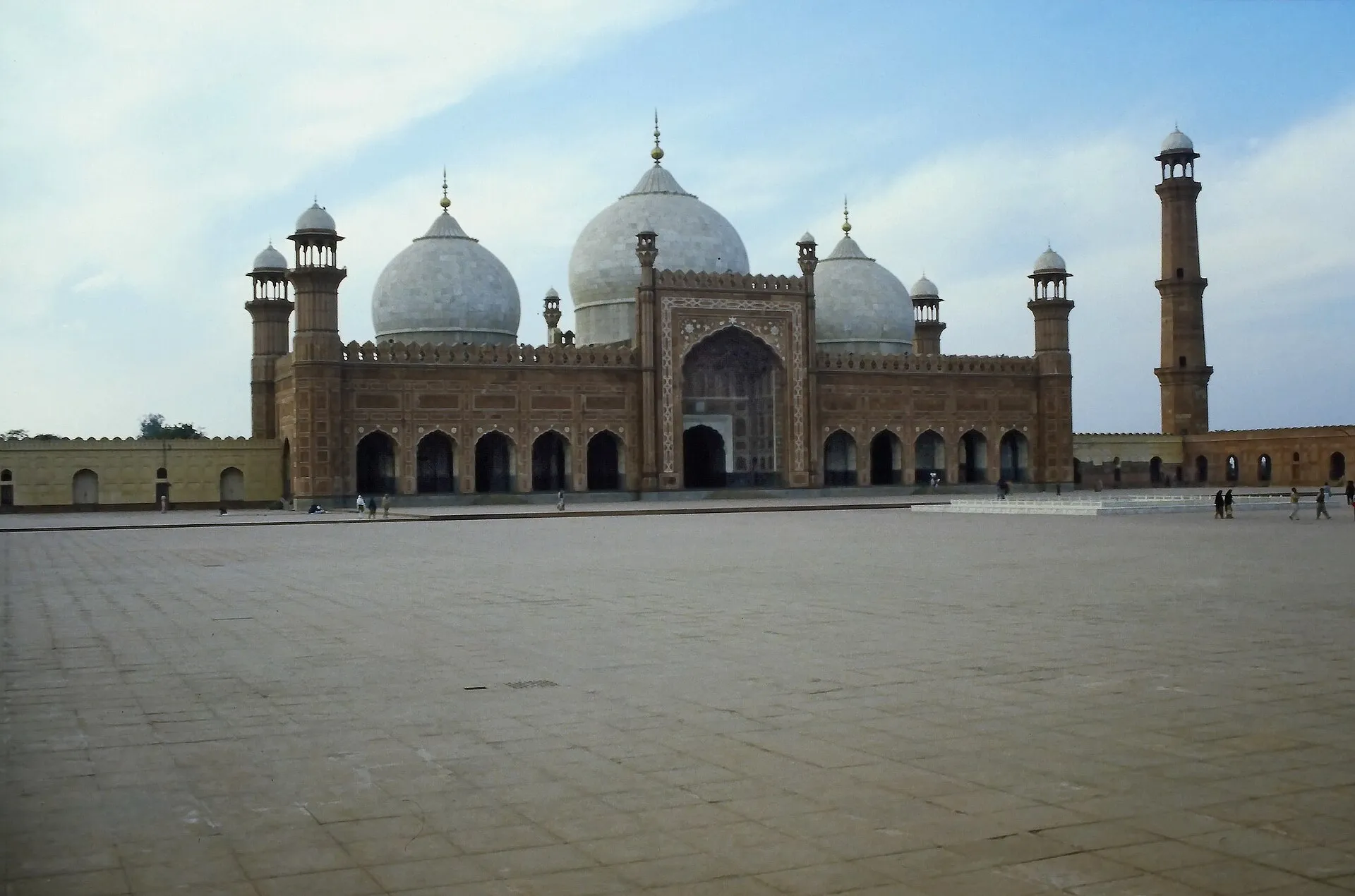
Punjab's Muslims, a small minority in Indian Punjab and the great majority in Pakistani Punjab, live the pillars in the same forms as Muslims everywhere, with a Punjabi texture. The historic heartland on the Indian side is Malerkotla, the state's only Muslim-majority town, where nearly two hundred small mosques serve the neighbourhoods and the town's Eidgah fills at the festivals. The call to prayer, the Ramadan fast and Friday congregations structure the week in Muslim quarters of Ludhiana, Jalandhar and every town of Pakistani Punjab, from Lahore's great Badshahi Mosque to village mosques. The province's Islamic heritage is also carried by its Sufi tradition, whose saints, Baba Farid Ji and Baba Bulleh Shah, are loved across Punjab's faiths.
Do all Muslims practise the pillars in the same way?
The five duties are common ground, but their detailed rules are worked out by the schools of Islamic law, and Sunni and Shia traditions differ on some points of prayer, on the calculation of Zakat and on elements of the fast. Individual practice also varies with health, age and circumstance, which the tradition itself allows for through its exemptions. What does not vary is the standing of the five as the framework of Muslim practice, which is why they are the natural starting point of Jugti's Islam section.
ਇਸਲਾਮ ਵਿੱਚ ਇਮਾਨ ਅਤੇ ਅਮਲ ਨਾਲ ਨਾਲ ਚਲਦੇ ਹਨ, ਅਤੇ ਇਸ ਦੇ ਅਮਲ ਦਾ ਢਾਂਚਾ ਪੰਜ ਫਰਜ਼ਾਂ ਦੁਆਲੇ ਬਣਿਆ ਹੈ ਜਿਨ੍ਹਾਂ ਨੂੰ ਇਸਲਾਮ ਦੇ ਪੰਜ ਥੰਮ੍ਹ ਕਿਹਾ ਜਾਂਦਾ ਹੈ ਤਸਵੀਰ ਕਿਸੇ ਇਮਾਰਤ ਦੀ ਹੈ ਜੋ ਥੰਮ੍ਹਾਂ ਉੱਤੇ ਖੜ੍ਹੀ ਹੋਵੇ: ਇੱਕ ਵੀ ਹਟਾ ਦਿਓ, ਤਾਂ ਮੁਸਲਮਾਨ ਦੀ ਜ਼ਿੰਦਗੀ ਦਾ ਢਾਂਚਾ ਅਧੂਰਾ ਸਮਝਿਆ ਜਾਂਦਾ ਹੈ ਇਹ ਸੂਚੀ ਪੈਗੰਬਰ ਮੁਹੰਮਦ ਦੀ ਇੱਕ ਮਸ਼ਹੂਰ ਹਦੀਸ ਤੋਂ ਆਉਂਦੀ ਹੈ ਜੋ ਸਭ ਤੋਂ ਸਨਮਾਨਿਤ ਹਦੀਸ ਸੰਗ੍ਰਹਿਆਂ ਵਿੱਚ ਦਰਜ ਹੈ, ਅਤੇ ਇਹ ਪੰਜੇ ਫਰਜ਼ ਸਾਰੇ ਮੁਸਲਿਮ ਸੰਸਾਰ ਵਿੱਚ, ਸੁੰਨੀ ਅਤੇ ਸ਼ੀਆ ਦੋਵਾਂ ਵੱਲੋਂ, ਮੰਨੇ ਜਾਂਦੇ ਹਨ, ਭਾਵੇਂ ਫਿਕਹ ਦੇ ਮਜ਼ਹਬਾਂ ਵਿੱਚ ਇਨ੍ਹਾਂ ਦੇ ਨਿਭਾਉਣ ਦੇ ਵੇਰਵੇ ਵੱਖ ਵੱਖ ਹਨ
ਇਸਲਾਮ ਦੇ ਪੰਜ ਥੰਮ੍ਹ ਕਿਹੜੇ ਹਨ?
ਪੰਜ ਥੰਮ੍ਹ ਇਹ ਹਨ: ਸ਼ਹਾਦਾ, ਇਮਾਨ ਦਾ ਇਕਰਾਰ; ਸਲਾਹ, ਰੋਜ਼ਾਨਾ ਨਮਾਜ਼; ਜ਼ਕਾਤ, ਲਾਜ਼ਮੀ ਖੈਰਾਤ; ਸੌਮ, ਰਮਜ਼ਾਨ ਦੇ ਮਹੀਨੇ ਦਾ ਰੋਜ਼ਾ; ਅਤੇ ਹੱਜ, ਮੱਕਾ ਦੀ ਯਾਤਰਾ ਇਨ੍ਹਾਂ ਵਿੱਚੋਂ ਚਾਰ ਸਮੇਂ ਨੂੰ ਵੀ ਤਰਤੀਬ ਦਿੰਦੇ ਹਨ: ਨਮਾਜ਼ ਦਿਨ ਨੂੰ, ਜ਼ਕਾਤ ਅਤੇ ਰੋਜ਼ਾ ਸਾਲ ਨੂੰ, ਅਤੇ ਹੱਜ ਸਾਰੀ ਉਮਰ ਨੂੰ ਪਹਿਲਾ ਥੰਮ੍ਹ, ਸ਼ਹਾਦਾ, ਇਨ੍ਹਾਂ ਸਭ ਦੇ ਪਿੱਛੇ ਉਹ ਇਮਾਨ ਹੈ ਜਿਸ ਨੂੰ ਬਾਕੀ ਚਾਰ ਪ੍ਰਗਟ ਕਰਦੇ ਹਨ
ਸ਼ਹਾਦਾ: ਇਮਾਨ ਦਾ ਇਕਰਾਰ
ਸ਼ਹਾਦਾ ਇੱਕੋ ਵਾਕ ਹੈ, ਜੋ ਸਮਝ ਅਤੇ ਯਕੀਨ ਨਾਲ ਉੱਚੀ ਆਵਾਜ਼ ਵਿੱਚ ਕਿਹਾ ਜਾਂਦਾ ਹੈ: ਅੱਲਾਹ ਤੋਂ ਬਿਨਾਂ ਕੋਈ ਮਾਬੂਦ ਨਹੀਂ, ਅਤੇ ਮੁਹੰਮਦ ਅੱਲਾਹ ਦੇ ਰਸੂਲ ਹਨ ਮੁਸਲਮਾਨ ਮੰਨਦੇ ਹਨ ਕਿ ਇਸ ਨੂੰ ਸੱਚੇ ਦਿਲ ਨਾਲ ਕਹਿਣਾ ਹੀ ਉਹ ਅਮਲ ਹੈ ਜੋ ਕਿਸੇ ਨੂੰ ਮੁਸਲਮਾਨ ਬਣਾਉਂਦਾ ਹੈ, ਅਤੇ ਇਹ ਨਵਜੰਮੇ ਬੱਚੇ ਦੇ ਕੰਨ ਵਿੱਚ ਫੂਕਿਆ ਜਾਂਦਾ ਹੈ ਅਤੇ ਇਮਾਨ ਵਾਲੇ ਦੀਆਂ ਆਖਰੀ ਗੱਲਾਂ ਵਿੱਚ ਹੋਣ ਦੀ ਆਸ ਰੱਖੀ ਜਾਂਦੀ ਹੈ ਇਸ ਦਾ ਪਹਿਲਾ ਹਿੱਸਾ ਤੌਹੀਦ, ਅੱਲਾਹ ਦੀ ਪੂਰੀ ਇਕਾਈ, ਦਾ ਐਲਾਨ ਹੈ, ਜੋ ਕੁਰਆਨ ਦੀ ਕੇਂਦਰੀ ਸਿੱਖਿਆ ਹੈ; ਦੂਜਾ ਹਿੱਸਾ ਪੈਗੰਬਰ ਮੁਹੰਮਦ ਨੂੰ ਅੱਲਾਹ ਦਾ ਅੰਤਿਮ ਰਸੂਲ ਮੰਨਦਾ ਹੈ ਸ਼ਹਾਦਾ ਰੋਜ਼ ਦੀ ਜ਼ਿੰਦਗੀ ਵਿੱਚ ਬੁਣਿਆ ਹੋਇਆ ਹੈ: ਇਹ ਦਿਨ ਵਿੱਚ ਪੰਜ ਵਾਰ ਮਸਜਿਦਾਂ ਦੇ ਮੀਨਾਰਾਂ ਤੋਂ ਆਉਣ ਵਾਲੀ ਅਜ਼ਾਨ ਦਾ ਹਿੱਸਾ ਹੈ
ਸਲਾਹ: ਦਿਨ ਵਿੱਚ ਪੰਜ ਵਾਰ ਨਮਾਜ਼
ਸਲਾਹ ਉਹ ਮੁਕਰਰ ਨਮਾਜ਼ ਹੈ ਜੋ ਦਿਨ ਵਿੱਚ ਪੰਜ ਵਾਰ ਪੜ੍ਹੀ ਜਾਂਦੀ ਹੈ: ਫਜਰ ਸਵੇਰੇ, ਜ਼ੁਹਰ ਦੁਪਹਿਰੇ, ਅਸਰ ਤੀਜੇ ਪਹਿਰ, ਮਗਰਿਬ ਸੂਰਜ ਡੁੱਬਣ ਤੋਂ ਤੁਰੰਤ ਬਾਅਦ, ਅਤੇ ਇਸ਼ਾ ਰਾਤ ਨੂੰ ਨਮਾਜ਼ ਤੋਂ ਪਹਿਲਾਂ ਮੁਸਲਮਾਨ ਵੁਜ਼ੂ ਕਰਦਾ ਹੈ, ਹੱਥ, ਮੂੰਹ ਅਤੇ ਪੈਰ ਧੋਣ ਦੀ ਰਸਮ ਨਮਾਜ਼ ਖੜ੍ਹੇ ਹੋਣ, ਝੁਕਣ ਅਤੇ ਸਿਜਦਾ ਕਰਨ ਦਾ ਕ੍ਰਮ ਹੈ, ਜਿਸ ਵਿੱਚ ਅਰਬੀ ਦੇ ਮੁਕਰਰ ਪਾਠ ਹੁੰਦੇ ਹਨ ਜਿਨ੍ਹਾਂ ਵਿੱਚ ਹਮੇਸ਼ਾ ਕੁਰਆਨ ਦਾ ਪਹਿਲਾ ਅਧਿਆਇ ਅਲ-ਫਾਤਿਹਾ ਸ਼ਾਮਲ ਹੁੰਦਾ ਹੈ ਨਮਾਜ਼ ਕਿਸੇ ਵੀ ਸਾਫ ਥਾਂ, ਘਰ, ਕੰਮ ਉੱਤੇ ਜਾਂ ਖੇਤ ਵਿੱਚ, ਪੜ੍ਹੀ ਜਾ ਸਕਦੀ ਹੈ, ਪਰ ਸ਼ੁੱਕਰਵਾਰ ਦੀ ਦੁਪਹਿਰ ਦੀ ਨਮਾਜ਼ ਜਮਾਤ ਨਾਲ ਹੁੰਦੀ ਹੈ ਅਤੇ ਮਸਜਿਦਾਂ ਇਸ ਲਈ ਭਰ ਜਾਂਦੀਆਂ ਹਨ ਨਮਾਜ਼ ਦੇ ਸਮੇਂ ਸੂਰਜ ਨਾਲ ਮੁਕਰਰ ਹਨ, ਇਸ ਲਈ ਦਿਨ ਦਾ ਢਾਂਚਾ ਮੌਸਮਾਂ ਨਾਲ ਹੌਲੀ ਹੌਲੀ ਬਦਲਦਾ ਰਹਿੰਦਾ ਹੈ
ਜ਼ਕਾਤ: ਉਹ ਖੈਰਾਤ ਜੋ ਦੌਲਤ ਨੂੰ ਪਾਕ ਕਰਦੀ ਹੈ
ਜ਼ਕਾਤ ਆਪਣੀ ਦੌਲਤ ਦਾ ਮੁਕਰਰ ਹਿੱਸਾ ਗਰੀਬਾਂ ਨੂੰ ਦੇਣ ਦਾ ਫਰਜ਼ ਹੈ ਇਹ ਆਮ ਤੌਰ ਉੱਤੇ ਮੁਸਲਮਾਨ ਦੀਆਂ ਬਚਤਾਂ ਅਤੇ ਯੋਗ ਜਾਇਦਾਦ ਦਾ ਢਾਈ ਫੀਸਦੀ ਹਿਸਾਬ ਲਗਾਇਆ ਜਾਂਦਾ ਹੈ, ਜੋ ਪੂਰੇ ਸਾਲ ਲਈ ਨਿਸਾਬ ਨਾਮੀ ਘੱਟੋ ਘੱਟ ਹੱਦ ਤੋਂ ਉੱਪਰ ਹੋਵੇ ਪਰੰਪਰਾ ਸਿਖਾਉਂਦੀ ਹੈ ਕਿ ਦੌਲਤ ਅੱਲਾਹ ਦੀ ਅਮਾਨਤ ਹੈ, ਅਤੇ ਇਹ ਹਿੱਸਾ ਦੇਣ ਨਾਲ ਬਾਕੀ ਦੌਲਤ ਪਾਕ ਹੋ ਜਾਂਦੀ ਹੈ ਜ਼ਕਾਤ ਮੁਕਰਰ ਵਰਗਾਂ ਦੇ ਲੋਕਾਂ ਲਈ ਹੈ, ਜਿਨ੍ਹਾਂ ਵਿੱਚ ਸਭ ਤੋਂ ਪਹਿਲਾਂ ਗਰੀਬ ਅਤੇ ਲੋੜਵੰਦ ਆਉਂਦੇ ਹਨ, ਅਤੇ ਅਮਲ ਵਿੱਚ ਇਹ ਮੁਸਲਿਮ ਭਾਈਚਾਰਿਆਂ ਵਿੱਚ ਖਾਣਾ, ਪੜ੍ਹਾਈ, ਇਲਾਜ ਅਤੇ ਕਰਜ਼ੇ ਤੋਂ ਰਾਹਤ ਦਾ ਸਾਧਨ ਬਣਦੀ ਹੈ ਕਈ ਮੁਸਲਮਾਨ ਆਪਣੀ ਸਾਲਾਨਾ ਜ਼ਕਾਤ ਲਈ ਰਮਜ਼ਾਨ ਨੂੰ ਚੁਣਦੇ ਹਨ, ਜਦੋਂ ਮਸਜਿਦਾਂ ਅਤੇ ਖੈਰਾਤੀ ਸੰਸਥਾਵਾਂ ਸਭ ਤੋਂ ਵੱਡੇ ਇਕੱਠ ਕਰਦੀਆਂ ਹਨ ਜ਼ਕਾਤ ਅਲ-ਫਿਤਰ, ਖਾਣੇ ਜਾਂ ਇਸ ਦੀ ਕੀਮਤ ਦੀ ਛੋਟੀ ਖੈਰਾਤ, ਇੱਕ ਵੱਖਰਾ ਫਰਜ਼ ਹੈ ਜੋ ਰੋਜ਼ਾ ਖਤਮ ਹੋਣ ਦੀ ਈਦ ਦੀ ਨਮਾਜ਼ ਤੋਂ ਪਹਿਲਾਂ ਦਿੱਤਾ ਜਾਂਦਾ ਹੈ, ਅਤੇ ਇਸ ਬਾਰੇ ਈਦ ਅਲ-ਫਿਤਰ ਵਾਲੇ ਪੰਨੇ ਉੱਤੇ ਦੱਸਿਆ ਗਿਆ ਹੈ
ਸੌਮ: ਰਮਜ਼ਾਨ ਦਾ ਰੋਜ਼ਾ
ਸੌਮ ਰੋਜ਼ਾ ਹੈ, ਅਤੇ ਇਸ ਦਾ ਮਹਾਨ ਅਮਲ ਰਮਜ਼ਾਨ ਹੈ, ਇਸਲਾਮੀ ਕੈਲੰਡਰ ਦਾ ਨੌਵਾਂ ਮਹੀਨਾ ਸਵੇਰ ਤੋਂ ਸੂਰਜ ਡੁੱਬਣ ਤੱਕ ਸਿਹਤਮੰਦ ਬਾਲਗ ਮੁਸਲਮਾਨ ਖਾਣ, ਪੀਣ ਅਤੇ ਵਿਆਹੁਤਾ ਸੰਬੰਧਾਂ ਤੋਂ ਪਰਹੇਜ਼ ਕਰਦੇ ਹਨ; ਦਿਨ ਦੀ ਸ਼ੁਰੂਆਤ ਸਵੇਰ ਤੋਂ ਪਹਿਲਾਂ ਦੇ ਖਾਣੇ, ਸੁਹੂਰ, ਨਾਲ ਹੁੰਦੀ ਹੈ ਅਤੇ ਅੰਤ ਸੂਰਜ ਡੁੱਬਣ ਦੇ ਖਾਣੇ, ਇਫਤਾਰ, ਨਾਲ, ਜੋ ਅਕਸਰ ਪਰਿਵਾਰ ਅਤੇ ਗੁਆਂਢੀਆਂ ਨਾਲ ਸਾਂਝਾ ਹੁੰਦਾ ਹੈ ਰੋਜ਼ੇ ਨੂੰ ਸਬਰ, ਸ਼ੁਕਰ ਅਤੇ ਗਰੀਬਾਂ ਲਈ ਹਮਦਰਦੀ ਦੀ ਸਿਖਲਾਈ ਸਮਝਿਆ ਜਾਂਦਾ ਹੈ, ਅਤੇ ਰਮਜ਼ਾਨ ਦੀਆਂ ਰਾਤਾਂ ਵਿੱਚ ਤਰਾਵੀਹ ਨਾਮੀ ਖਾਸ ਨਮਾਜ਼ਾਂ ਜੁੜਦੀਆਂ ਹਨ ਜਿਨ੍ਹਾਂ ਵਿੱਚ ਕੁਰਆਨ ਦੇ ਲੰਬੇ ਹਿੱਸੇ ਪੜ੍ਹੇ ਜਾਂਦੇ ਹਨ ਬੱਚੇ, ਬਜ਼ੁਰਗ, ਬਿਮਾਰ, ਮੁਸਾਫਰ ਅਤੇ ਗਰਭਵਤੀ ਜਾਂ ਦੁੱਧ ਪਿਲਾਉਣ ਵਾਲੀਆਂ ਔਰਤਾਂ ਛੋਟ ਪ੍ਰਾਪਤ ਹਨ, ਛੁੱਟੇ ਰੋਜ਼ੇ ਬਾਅਦ ਵਿੱਚ ਰੱਖੇ ਜਾਂਦੇ ਹਨ ਜਾਂ ਗਰੀਬਾਂ ਨੂੰ ਖਾਣਾ ਖਵਾ ਕੇ ਪੂਰੇ ਕੀਤੇ ਜਾਂਦੇ ਹਨ ਪੰਜਾਬ ਵਿੱਚ ਇਹ ਮਹੀਨਾ ਸਵੇਰ ਤੋਂ ਪਹਿਲਾਂ ਦੀ ਰੌਣਕ ਅਤੇ ਇਫਤਾਰ ਦੀਆਂ ਮੇਜ਼ਾਂ ਵਿੱਚ ਦਿਸਦਾ ਹੈ, ਜੋ ਮਾਲੇਰਕੋਟਲਾ ਵਰਗੇ ਕਸਬਿਆਂ ਵਿੱਚ ਮਸ਼ਹੂਰ ਤੌਰ ਉੱਤੇ ਦੂਜੇ ਧਰਮਾਂ ਦੇ ਗੁਆਂਢੀਆਂ ਦਾ ਵੀ ਸਵਾਗਤ ਕਰਦੀਆਂ ਹਨ
ਹੱਜ: ਮੱਕਾ ਦੀ ਯਾਤਰਾ
ਹੱਜ ਸਾਊਦੀ ਅਰਬ ਦੇ ਸ਼ਹਿਰ ਮੱਕਾ ਦੀ ਯਾਤਰਾ ਹੈ, ਜੋ ਹਰ ਉਸ ਮੁਸਲਮਾਨ ਉੱਤੇ ਉਮਰ ਵਿੱਚ ਇੱਕ ਵਾਰ ਲਾਜ਼ਮੀ ਹੈ ਜੋ ਸਰੀਰਕ ਅਤੇ ਮਾਲੀ ਤੌਰ ਉੱਤੇ ਸਮਰੱਥ ਹੋਵੇ ਇਹ ਬਾਰ੍ਹਵੇਂ ਮਹੀਨੇ ਜ਼ੁ ਅਲ-ਹਿੱਜਾ ਦੇ ਮੁਕਰਰ ਦਿਨਾਂ ਵਿੱਚ ਹੁੰਦਾ ਹੈ ਅਤੇ ਲੱਖਾਂ ਯਾਤਰੀਆਂ ਨੂੰ ਇਕੱਠਾ ਕਰਦਾ ਹੈ ਜੋ ਇੱਕੋ ਜਿਹੀਆਂ ਰਸਮਾਂ ਕਰਦੇ ਹਨ: ਕਾਬਾ ਦਾ ਚੱਕਰ, ਇਸਮਾਈਲ ਦੀ ਮਾਂ ਹਾਜਰਾ ਦੀ ਯਾਦ ਵਿੱਚ ਸਫਾ ਅਤੇ ਮਰਵਾ ਪਹਾੜੀਆਂ ਵਿਚਕਾਰ ਚਲਣਾ, ਅਰਾਫਾਤ ਵਿੱਚ ਅਰਦਾਸ ਲਈ ਖੜ੍ਹਨਾ, ਅਤੇ ਮਿਨਾ ਵਿੱਚ ਉਨ੍ਹਾਂ ਥੰਮ੍ਹਾਂ ਨੂੰ ਪੱਥਰ ਮਾਰਨਾ ਜੋ ਇਬਰਾਹੀਮ ਵੱਲੋਂ ਸ਼ੈਤਾਨ ਨੂੰ ਠੁਕਰਾਉਣ ਦੀ ਯਾਦ ਹਨ ਯਾਤਰੀ ਸਾਦੇ ਚਿੱਟੇ ਕੱਪੜੇ, ਇਹਰਾਮ, ਪਾਉਂਦੇ ਹਨ, ਜੋ ਅਮੀਰ ਅਤੇ ਗਰੀਬ ਨੂੰ ਬਰਾਬਰ ਕਰ ਦਿੰਦਾ ਹੈ ਈਦ ਅਲ-ਅਜ਼ਹਾ ਦਾ ਤਿਉਹਾਰ ਹੱਜ ਦੇ ਸਿਖਰ ਉੱਤੇ ਆਉਂਦਾ ਹੈ, ਇਸ ਲਈ ਸਾਰਾ ਮੁਸਲਿਮ ਸੰਸਾਰ ਉਹ ਦਿਨ ਯਾਤਰੀਆਂ ਨਾਲ ਸਾਂਝਾ ਕਰਦਾ ਹੈ ਪੰਜਾਬੀ ਮੁਸਲਮਾਨਾਂ ਲਈ ਇਹ ਯਾਤਰਾ ਜ਼ਿੰਦਗੀ ਦਾ ਮੀਲ ਪੱਥਰ ਹੈ, ਜਿਸ ਦੀ ਤਿਆਰੀ ਸਾਲਾਂ ਤੋਂ ਹੁੰਦੀ ਹੈ ਅਤੇ ਯਾਤਰੀ ਦੇ ਘਰ ਪਰਤਣ ਉੱਤੇ ਇਕੱਠਾਂ ਨਾਲ ਮਨਾਈ ਜਾਂਦੀ ਹੈ
ਪੰਜਾਬ ਵਿੱਚ ਥੰਮ੍ਹ
ਪੰਜਾਬ ਦੇ ਮੁਸਲਮਾਨ, ਭਾਰਤੀ ਪੰਜਾਬ ਵਿੱਚ ਛੋਟੀ ਘੱਟਗਿਣਤੀ ਅਤੇ ਪਾਕਿਸਤਾਨੀ ਪੰਜਾਬ ਵਿੱਚ ਵੱਡੀ ਬਹੁਗਿਣਤੀ, ਥੰਮ੍ਹਾਂ ਨੂੰ ਉਸੇ ਰੂਪ ਵਿੱਚ ਨਿਭਾਉਂਦੇ ਹਨ ਜਿਵੇਂ ਸਭ ਥਾਂ ਮੁਸਲਮਾਨ, ਪਰ ਪੰਜਾਬੀ ਰੰਗ ਨਾਲ ਭਾਰਤੀ ਪਾਸੇ ਇਸ ਦਾ ਇਤਿਹਾਸਕ ਕੇਂਦਰ ਮਾਲੇਰਕੋਟਲਾ ਹੈ, ਸੂਬੇ ਦਾ ਇੱਕੋ ਇੱਕ ਮੁਸਲਿਮ ਬਹੁਗਿਣਤੀ ਵਾਲਾ ਕਸਬਾ, ਜਿੱਥੇ ਲਗਭਗ ਦੋ ਸੌ ਛੋਟੀਆਂ ਮਸਜਿਦਾਂ ਮੁਹੱਲਿਆਂ ਦੀ ਸੇਵਾ ਕਰਦੀਆਂ ਹਨ ਅਤੇ ਕਸਬੇ ਦੀ ਈਦਗਾਹ ਤਿਉਹਾਰਾਂ ਉੱਤੇ ਭਰ ਜਾਂਦੀ ਹੈ ਅਜ਼ਾਨ, ਰਮਜ਼ਾਨ ਦਾ ਰੋਜ਼ਾ ਅਤੇ ਸ਼ੁੱਕਰਵਾਰ ਦੀਆਂ ਜਮਾਤਾਂ ਲੁਧਿਆਣਾ, ਜਲੰਧਰ ਦੇ ਮੁਸਲਿਮ ਮੁਹੱਲਿਆਂ ਅਤੇ ਪਾਕਿਸਤਾਨੀ ਪੰਜਾਬ ਦੇ ਹਰ ਕਸਬੇ, ਲਾਹੌਰ ਦੀ ਮਹਾਨ ਬਾਦਸ਼ਾਹੀ ਮਸਜਿਦ ਤੋਂ ਪਿੰਡਾਂ ਦੀਆਂ ਮਸਜਿਦਾਂ ਤੱਕ, ਹਫਤੇ ਦਾ ਢਾਂਚਾ ਬਣਾਉਂਦੀਆਂ ਹਨ ਸੂਬੇ ਦੀ ਇਸਲਾਮੀ ਵਿਰਾਸਤ ਇਸ ਦੀ ਸੂਫੀ ਪਰੰਪਰਾ ਵਿੱਚ ਵੀ ਹੈ, ਜਿਸ ਦੇ ਸੰਤ, ਬਾਬਾ ਫਰੀਦ ਜੀ ਅਤੇ ਬਾਬਾ ਬੁੱਲ੍ਹੇ ਸ਼ਾਹ, ਸਾਰੇ ਪੰਜਾਬ ਦੇ ਧਰਮਾਂ ਵਿੱਚ ਪਿਆਰੇ ਹਨ
ਕੀ ਸਾਰੇ ਮੁਸਲਮਾਨ ਥੰਮ੍ਹਾਂ ਨੂੰ ਇੱਕੋ ਤਰ੍ਹਾਂ ਨਿਭਾਉਂਦੇ ਹਨ?
ਪੰਜੇ ਫਰਜ਼ ਸਾਂਝੀ ਜ਼ਮੀਨ ਹਨ, ਪਰ ਇਨ੍ਹਾਂ ਦੇ ਵੇਰਵੇ ਦੇ ਨਿਯਮ ਇਸਲਾਮੀ ਫਿਕਹ ਦੇ ਮਜ਼ਹਬ ਤਿਆਰ ਕਰਦੇ ਹਨ, ਅਤੇ ਸੁੰਨੀ ਅਤੇ ਸ਼ੀਆ ਪਰੰਪਰਾਵਾਂ ਨਮਾਜ਼ ਦੇ ਕੁਝ ਨੁਕਤਿਆਂ, ਜ਼ਕਾਤ ਦੇ ਹਿਸਾਬ ਅਤੇ ਰੋਜ਼ੇ ਦੇ ਕੁਝ ਤੱਤਾਂ ਵਿੱਚ ਵੱਖ ਹਨ ਨਿੱਜੀ ਅਮਲ ਸਿਹਤ, ਉਮਰ ਅਤੇ ਹਾਲਾਤ ਨਾਲ ਵੀ ਬਦਲਦਾ ਹੈ, ਜਿਸ ਦੀ ਛੋਟ ਪਰੰਪਰਾ ਖੁਦ ਦਿੰਦੀ ਹੈ ਜੋ ਨਹੀਂ ਬਦਲਦਾ, ਉਹ ਹੈ ਇਨ੍ਹਾਂ ਪੰਜਾਂ ਦਾ ਮੁਸਲਿਮ ਅਮਲ ਦੇ ਢਾਂਚੇ ਵਜੋਂ ਸਥਾਨ, ਅਤੇ ਇਸੇ ਲਈ ਇਹ ਜੁਗਤੀ ਦੇ ਇਸਲਾਮ ਹਿੱਸੇ ਦਾ ਕੁਦਰਤੀ ਸ਼ੁਰੂਆਤੀ ਬਿੰਦੂ ਹਨ