
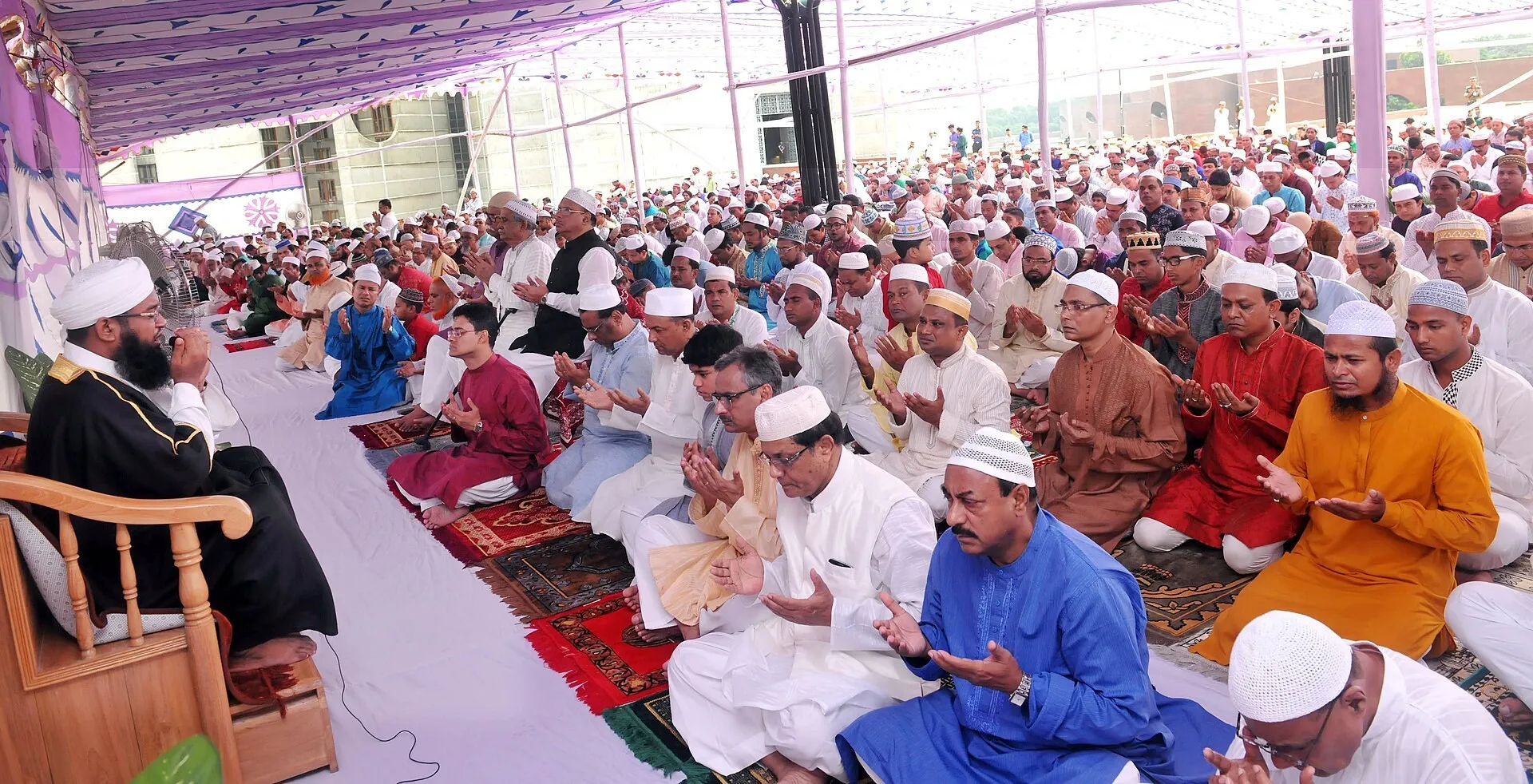
Eid al-Fitr is the festival with which Muslims end the month-long fast of Ramadan, falling on the first day of Shawwal, the tenth month of the Islamic calendar. The day begins with the charity of Zakat al-Fitr, so that the poor can feast too, and with a special congregational Eid prayer in the morning, followed by festive meals, new clothes, visits and gifts of money, called eidi, for children. In Punjab its sweetest symbol is sheer khurma, and its largest gatherings fill the Eidgah of Malerkotla.
- Punjabi name
- ਈਦ ਅਲ-ਫਿਤਰ
- Also called
- The Sweet Eid; the Lesser Eid
- Date
- 1 Shawwal, the tenth month of the Islamic calendar
- Marks
- The end of the Ramadan fast
- Charity due
- Zakat al-Fitr: food, traditionally about 2 kg of a staple per person, or its cash value, given before the Eid prayer
- Prayer
- Salat al-Eid, a special congregational prayer on Eid morning, followed by a sermon
All 9 facts
- Greeting
- Eid Mubarak, "a blessed Eid"
- Signature dishes in South Asia
- Sheer khurma and sevaiyan, sweet vermicelli puddings
- Gift custom
- Eidi: money or gifts given by elders to children
After a month of rising before dawn and fasting until sunset, the end of Ramadan is met with one of the two great festivals of Islam. Eid al-Fitr, the festival of breaking the fast, is a day built for joy: prayers in the open air, tables of sweets, new clothes, embraces, and children counting their eidi money. Its name holds its meaning: fitr is the breaking of the fast, and the festival belongs not to private relief but to the whole community, which is why charity comes before celebration, so that nobody is left out of the feast.
What is Eid al-Fitr?
Eid al-Fitr is the first of the two annual Eids of Islam, the other being Eid al-Adha. It falls on the first day of Shawwal, the month that follows Ramadan in the Islamic lunar calendar. Because the Islamic year is about eleven days shorter than the solar year, Eid moves through the seasons, coming earlier each Gregorian year. Muslims hold that the fast of Ramadan, one of the five pillars of their faith, earns its reward on this day, and that Eid is a day of gratitude, forgiveness and reunion: quarrels are set aside, graves of elders may be visited, and doors are opened to guests.
Chaand Raat: the night the moon is sighted
The festival begins the night before, when the thin crescent of the Shawwal moon is sighted and announced. In South Asia this is Chaand Raat, the night of the moon: bazaars stay open late, women and girls decorate their hands with henna, bangles are bought, and kitchens start on the sweets. Mosques and moon-sighting committees confirm the moon, and where the sky is cloudy the announcement itself becomes the evening's news, in Punjab relayed from mosque loudspeakers and television alike.
Zakat al-Fitr: no one is left out of the feast
Before the Eid prayer, every Muslim who is able must give Zakat al-Fitr, also called fitrana. Traditionally it is a measure of staple food, about two kilograms of wheat, barley, dates or the local staple, for each member of the household, or its value in cash. It is paid early enough, often during the last days of Ramadan, for the poor to buy what they need for Eid. The purpose is plain: the fast that taught sympathy for the hungry ends by feeding them, and the festival is only complete when the poorest household can celebrate too. Mosques in Punjab collect and distribute fitrana in their neighbourhoods, as they do from Toronto to London in the diaspora.
The morning of Eid
On Eid morning it is customary to bathe, wear one's best clothes, often new, and eat something sweet before leaving, a small breakfast that marks the first daytime meal in a month. Then the community gathers for Salat al-Eid, the special Eid prayer, held in large mosques and, where crowds demand, in open Eidgahs and grounds. The prayer is followed by a sermon, and then by the festival's warmest ritual: row upon row of people embracing and greeting one another with Eid Mubarak. The rest of the day belongs to visiting: elders are called on first, children collect eidi, money gifts from relatives, and kitchens serve guests all day.
Sheer khurma, sevaiyan and eidi: Eid in South Asia
In Punjab and across South Asia, Eid al-Fitr has a taste, and it is sweet. Sheer khurma, vermicelli cooked in milk with dates, almonds, pistachios and cardamom, is the dish of the day, prepared in the morning and offered to every visitor; its simpler sister, sweet sevaiyan, is made in most homes. The festival's other name, the Sweet Eid, comes from tables like these. Children dress up early because eidi rewards the dressed: elders press notes into small hands, and the money is spent on toys and bazaars the same day. In Pakistani Punjab the celebrations stretch over public holidays, with families travelling between Lahore, Faisalabad, Multan and their villages.
Eid al-Fitr in Punjab
In Indian Punjab the centre of Eid is Malerkotla, the state's only Muslim-majority town, whose Eidgah, set among canals and meadows and reckoned among the most beautiful in the region, fills with worshippers from the town and surrounding villages. In 2022 the Punjab chief minister joined the Eid prayers at the Malerkotla Idgah, a sign of the town's place in the state's life. Malerkotla is known for shared festivals: through Ramadan its Sikh and Hindu neighbours host iftar meals, and Eid gatherings there draw the whole town. Smaller congregations meet in the mosques of Ludhiana, Jalandhar and Patiala, and Punjabi Muslims in Canada, Britain and the United States keep the same day at their local mosques, with sheer khurma on the table far from home.
When is Eid al-Fitr?
Eid al-Fitr falls on 1 Shawwal each Islamic year, its Gregorian date set by the sighting of the new moon that ends Ramadan. Because the lunar year is shorter, the festival moves about eleven days earlier each year and can fall in any season. In 2026 it fell around 20 March in most countries. Public holidays are declared in India and Pakistan, and in Punjab government offices and schools close for the day.
ਸਵੇਰ ਤੋਂ ਪਹਿਲਾਂ ਉੱਠਣ ਅਤੇ ਸੂਰਜ ਡੁੱਬਣ ਤੱਕ ਰੋਜ਼ਾ ਰੱਖਣ ਦੇ ਇੱਕ ਮਹੀਨੇ ਤੋਂ ਬਾਅਦ, ਰਮਜ਼ਾਨ ਦਾ ਅੰਤ ਇਸਲਾਮ ਦੇ ਦੋ ਮਹਾਨ ਤਿਉਹਾਰਾਂ ਵਿੱਚੋਂ ਇੱਕ ਨਾਲ ਹੁੰਦਾ ਹੈ ਈਦ ਅਲ-ਫਿਤਰ, ਰੋਜ਼ਾ ਖੋਲ੍ਹਣ ਦਾ ਤਿਉਹਾਰ, ਖੁਸ਼ੀ ਲਈ ਬਣਿਆ ਦਿਨ ਹੈ: ਖੁੱਲ੍ਹੀ ਹਵਾ ਵਿੱਚ ਨਮਾਜ਼ਾਂ, ਮਠਿਆਈਆਂ ਦੀਆਂ ਮੇਜ਼ਾਂ, ਨਵੇਂ ਕੱਪੜੇ, ਗਲੇ ਮਿਲਣਾ, ਅਤੇ ਬੱਚਿਆਂ ਵੱਲੋਂ ਆਪਣੀ ਈਦੀ ਗਿਣਨਾ ਇਸ ਦੇ ਨਾਮ ਵਿੱਚ ਹੀ ਇਸ ਦਾ ਅਰਥ ਹੈ: ਫਿਤਰ ਰੋਜ਼ੇ ਦਾ ਖੁੱਲ੍ਹਣਾ ਹੈ, ਅਤੇ ਇਹ ਤਿਉਹਾਰ ਨਿੱਜੀ ਰਾਹਤ ਦਾ ਨਹੀਂ, ਸਗੋਂ ਸਾਰੇ ਭਾਈਚਾਰੇ ਦਾ ਹੈ, ਇਸੇ ਲਈ ਜਸ਼ਨ ਤੋਂ ਪਹਿਲਾਂ ਖੈਰਾਤ ਆਉਂਦੀ ਹੈ, ਤਾਂ ਜੋ ਕੋਈ ਵੀ ਦਾਵਤ ਤੋਂ ਬਾਹਰ ਨਾ ਰਹੇ
ਈਦ ਅਲ-ਫਿਤਰ ਕੀ ਹੈ?
ਈਦ ਅਲ-ਫਿਤਰ ਇਸਲਾਮ ਦੀਆਂ ਦੋ ਸਾਲਾਨਾ ਈਦਾਂ ਵਿੱਚੋਂ ਪਹਿਲੀ ਹੈ, ਦੂਜੀ ਈਦ ਅਲ-ਅਜ਼ਹਾ ਹੈ ਇਹ ਸ਼ਵਾਲ ਦੇ ਪਹਿਲੇ ਦਿਨ ਆਉਂਦੀ ਹੈ, ਉਹ ਮਹੀਨਾ ਜੋ ਇਸਲਾਮੀ ਚੰਦਰ ਕੈਲੰਡਰ ਵਿੱਚ ਰਮਜ਼ਾਨ ਤੋਂ ਬਾਅਦ ਆਉਂਦਾ ਹੈ ਕਿਉਂਕਿ ਇਸਲਾਮੀ ਸਾਲ ਸੂਰਜੀ ਸਾਲ ਨਾਲੋਂ ਲਗਭਗ ਗਿਆਰਾਂ ਦਿਨ ਛੋਟਾ ਹੈ, ਈਦ ਮੌਸਮਾਂ ਵਿੱਚ ਘੁੰਮਦੀ ਹੈ ਅਤੇ ਹਰ ਅੰਗਰੇਜ਼ੀ ਸਾਲ ਪਹਿਲਾਂ ਆ ਜਾਂਦੀ ਹੈ ਮੁਸਲਮਾਨ ਮੰਨਦੇ ਹਨ ਕਿ ਰਮਜ਼ਾਨ ਦਾ ਰੋਜ਼ਾ, ਉਨ੍ਹਾਂ ਦੇ ਇਮਾਨ ਦੇ ਪੰਜ ਥੰਮ੍ਹਾਂ ਵਿੱਚੋਂ ਇੱਕ, ਇਸ ਦਿਨ ਆਪਣਾ ਸਵਾਬ ਪਾਉਂਦਾ ਹੈ, ਅਤੇ ਈਦ ਸ਼ੁਕਰ, ਮਾਫੀ ਅਤੇ ਮੇਲ ਦਾ ਦਿਨ ਹੈ: ਝਗੜੇ ਪਾਸੇ ਰੱਖੇ ਜਾਂਦੇ ਹਨ, ਬਜ਼ੁਰਗਾਂ ਦੀਆਂ ਕਬਰਾਂ ਉੱਤੇ ਜਾਇਆ ਜਾ ਸਕਦਾ ਹੈ, ਅਤੇ ਮਹਿਮਾਨਾਂ ਲਈ ਦਰਵਾਜ਼ੇ ਖੋਲ੍ਹੇ ਜਾਂਦੇ ਹਨ
ਚਾਂਦ ਰਾਤ: ਜਿਸ ਰਾਤ ਚੰਦ ਦਿਸਦਾ ਹੈ
ਤਿਉਹਾਰ ਇੱਕ ਰਾਤ ਪਹਿਲਾਂ ਸ਼ੁਰੂ ਹੁੰਦਾ ਹੈ, ਜਦੋਂ ਸ਼ਵਾਲ ਦੇ ਚੰਦ ਦੀ ਪਤਲੀ ਕਾਂਤੀ ਦਿਸਦੀ ਹੈ ਅਤੇ ਇਸ ਦਾ ਐਲਾਨ ਹੁੰਦਾ ਹੈ ਦੱਖਣੀ ਏਸ਼ੀਆ ਵਿੱਚ ਇਹ ਚਾਂਦ ਰਾਤ ਹੈ, ਚੰਦ ਦੀ ਰਾਤ: ਬਾਜ਼ਾਰ ਦੇਰ ਤੱਕ ਖੁੱਲ੍ਹੇ ਰਹਿੰਦੇ ਹਨ, ਔਰਤਾਂ ਅਤੇ ਕੁੜੀਆਂ ਹੱਥਾਂ ਉੱਤੇ ਮਹਿੰਦੀ ਲਗਾਉਂਦੀਆਂ ਹਨ, ਚੂੜੀਆਂ ਖਰੀਦੀਆਂ ਜਾਂਦੀਆਂ ਹਨ, ਅਤੇ ਰਸੋਈਆਂ ਮਠਿਆਈਆਂ ਸ਼ੁਰੂ ਕਰ ਦਿੰਦੀਆਂ ਹਨ ਮਸਜਿਦਾਂ ਅਤੇ ਚੰਦ ਵੇਖਣ ਵਾਲੀਆਂ ਕਮੇਟੀਆਂ ਚੰਦ ਦੀ ਪੁਸ਼ਟੀ ਕਰਦੀਆਂ ਹਨ, ਅਤੇ ਜਿੱਥੇ ਅਸਮਾਨ ਬੱਦਲਵਾਈ ਹੋਵੇ, ਐਲਾਨ ਖੁਦ ਸ਼ਾਮ ਦੀ ਖਬਰ ਬਣ ਜਾਂਦਾ ਹੈ, ਪੰਜਾਬ ਵਿੱਚ ਮਸਜਿਦਾਂ ਦੇ ਲਾਊਡਸਪੀਕਰਾਂ ਅਤੇ ਟੈਲੀਵਿਜ਼ਨ ਤੋਂ ਇੱਕੋ ਜਿਹਾ
ਜ਼ਕਾਤ ਅਲ-ਫਿਤਰ: ਕੋਈ ਵੀ ਦਾਵਤ ਤੋਂ ਬਾਹਰ ਨਹੀਂ
ਈਦ ਦੀ ਨਮਾਜ਼ ਤੋਂ ਪਹਿਲਾਂ ਹਰ ਸਮਰੱਥ ਮੁਸਲਮਾਨ ਨੂੰ ਜ਼ਕਾਤ ਅਲ-ਫਿਤਰ ਦੇਣੀ ਪੈਂਦੀ ਹੈ, ਜਿਸ ਨੂੰ ਫਿਤਰਾਨਾ ਵੀ ਕਿਹਾ ਜਾਂਦਾ ਹੈ ਪਰੰਪਰਾ ਅਨੁਸਾਰ ਇਹ ਮੁੱਖ ਖਾਣੇ ਦੀ ਮਾਤਰਾ ਹੈ, ਘਰ ਦੇ ਹਰ ਮੈਂਬਰ ਲਈ ਲਗਭਗ ਦੋ ਕਿਲੋ ਕਣਕ, ਜੌਂ, ਖਜੂਰਾਂ ਜਾਂ ਸਥਾਨਕ ਮੁੱਖ ਅਨਾਜ, ਜਾਂ ਨਕਦੀ ਵਿੱਚ ਇਸ ਦੀ ਕੀਮਤ ਇਹ ਇੰਨੀ ਜਲਦੀ ਦਿੱਤੀ ਜਾਂਦੀ ਹੈ, ਅਕਸਰ ਰਮਜ਼ਾਨ ਦੇ ਆਖਰੀ ਦਿਨਾਂ ਵਿੱਚ, ਕਿ ਗਰੀਬ ਈਦ ਲਈ ਲੋੜੀਂਦੀ ਖਰੀਦ ਕਰ ਸਕਣ ਮਕਸਦ ਸਾਫ ਹੈ: ਉਹ ਰੋਜ਼ਾ ਜਿਸ ਨੇ ਭੁੱਖਿਆਂ ਲਈ ਹਮਦਰਦੀ ਸਿਖਾਈ, ਉਨ੍ਹਾਂ ਨੂੰ ਖਾਣਾ ਖਵਾ ਕੇ ਖਤਮ ਹੁੰਦਾ ਹੈ, ਅਤੇ ਤਿਉਹਾਰ ਤਾਂ ਹੀ ਪੂਰਾ ਹੁੰਦਾ ਹੈ ਜਦੋਂ ਸਭ ਤੋਂ ਗਰੀਬ ਘਰ ਵੀ ਜਸ਼ਨ ਮਨਾ ਸਕੇ ਪੰਜਾਬ ਦੀਆਂ ਮਸਜਿਦਾਂ ਆਪਣੇ ਮੁਹੱਲਿਆਂ ਵਿੱਚ ਫਿਤਰਾਨਾ ਇਕੱਠਾ ਕਰਕੇ ਵੰਡਦੀਆਂ ਹਨ, ਜਿਵੇਂ ਪਰਵਾਸ ਵਿੱਚ ਟੋਰਾਂਟੋ ਤੋਂ ਲੰਡਨ ਤੱਕ ਹੁੰਦਾ ਹੈ
ਈਦ ਦੀ ਸਵੇਰ
ਈਦ ਦੀ ਸਵੇਰ ਨੂੰ ਇਸ਼ਨਾਨ ਕਰਨਾ, ਆਪਣੇ ਸਭ ਤੋਂ ਵਧੀਆ ਕੱਪੜੇ, ਅਕਸਰ ਨਵੇਂ, ਪਾਉਣਾ, ਅਤੇ ਨਿਕਲਣ ਤੋਂ ਪਹਿਲਾਂ ਕੁਝ ਮਿੱਠਾ ਖਾਣਾ ਰਿਵਾਜ ਹੈ, ਇੱਕ ਛੋਟਾ ਨਾਸ਼ਤਾ ਜੋ ਇੱਕ ਮਹੀਨੇ ਵਿੱਚ ਦਿਨ ਦਾ ਪਹਿਲਾ ਖਾਣਾ ਹੁੰਦਾ ਹੈ ਫਿਰ ਭਾਈਚਾਰਾ ਸਲਾਤ ਅਲ-ਈਦ, ਈਦ ਦੀ ਖਾਸ ਨਮਾਜ਼, ਲਈ ਇਕੱਠਾ ਹੁੰਦਾ ਹੈ, ਜੋ ਵੱਡੀਆਂ ਮਸਜਿਦਾਂ ਵਿੱਚ ਅਤੇ, ਜਿੱਥੇ ਭੀੜ ਲੋੜ ਕਰੇ, ਖੁੱਲ੍ਹੀਆਂ ਈਦਗਾਹਾਂ ਅਤੇ ਮੈਦਾਨਾਂ ਵਿੱਚ ਹੁੰਦੀ ਹੈ ਨਮਾਜ਼ ਤੋਂ ਬਾਅਦ ਖੁਤਬਾ ਹੁੰਦਾ ਹੈ, ਅਤੇ ਫਿਰ ਤਿਉਹਾਰ ਦੀ ਸਭ ਤੋਂ ਗਰਮ ਰਸਮ: ਕਤਾਰਾਂ ਵਿੱਚ ਲੋਕ ਇੱਕ ਦੂਜੇ ਨੂੰ ਗਲੇ ਮਿਲਦੇ ਹਨ ਅਤੇ ਈਦ ਮੁਬਾਰਕ ਕਹਿੰਦੇ ਹਨ ਬਾਕੀ ਦਿਨ ਮਿਲਣ ਗਿਲਣ ਦਾ ਹੈ: ਪਹਿਲਾਂ ਬਜ਼ੁਰਗਾਂ ਕੋਲ ਜਾਇਆ ਜਾਂਦਾ ਹੈ, ਬੱਚੇ ਈਦੀ, ਰਿਸ਼ਤੇਦਾਰਾਂ ਤੋਂ ਪੈਸਿਆਂ ਦੇ ਤੋਹਫੇ, ਇਕੱਠੀ ਕਰਦੇ ਹਨ, ਅਤੇ ਰਸੋਈਆਂ ਸਾਰਾ ਦਿਨ ਮਹਿਮਾਨਾਂ ਦੀ ਸੇਵਾ ਕਰਦੀਆਂ ਹਨ
ਸ਼ੀਰ ਖੁਰਮਾ, ਸੇਵੀਆਂ ਅਤੇ ਈਦੀ: ਦੱਖਣੀ ਏਸ਼ੀਆ ਵਿੱਚ ਈਦ
ਪੰਜਾਬ ਅਤੇ ਸਾਰੇ ਦੱਖਣੀ ਏਸ਼ੀਆ ਵਿੱਚ ਈਦ ਅਲ-ਫਿਤਰ ਦਾ ਇੱਕ ਸਵਾਦ ਹੈ, ਅਤੇ ਉਹ ਮਿੱਠਾ ਹੈ ਸ਼ੀਰ ਖੁਰਮਾ, ਦੁੱਧ ਵਿੱਚ ਖਜੂਰਾਂ, ਬਦਾਮ, ਪਿਸਤੇ ਅਤੇ ਇਲਾਇਚੀ ਨਾਲ ਪਕਾਈਆਂ ਸੇਵੀਆਂ, ਦਿਨ ਦੀ ਖਾਸ ਚੀਜ਼ ਹੈ, ਜੋ ਸਵੇਰੇ ਤਿਆਰ ਹੁੰਦੀ ਹੈ ਅਤੇ ਹਰ ਆਏ ਮਹਿਮਾਨ ਨੂੰ ਦਿੱਤੀ ਜਾਂਦੀ ਹੈ; ਇਸ ਦੀ ਸਾਦੀ ਭੈਣ, ਮਿੱਠੀਆਂ ਸੇਵੀਆਂ, ਜ਼ਿਆਦਾਤਰ ਘਰਾਂ ਵਿੱਚ ਬਣਦੀ ਹੈ ਤਿਉਹਾਰ ਦਾ ਦੂਜਾ ਨਾਮ, ਮਿੱਠੀ ਈਦ, ਅਜਿਹੀਆਂ ਮੇਜ਼ਾਂ ਤੋਂ ਹੀ ਆਇਆ ਹੈ ਬੱਚੇ ਸਵੇਰੇ ਹੀ ਸੱਜ ਧੱਜ ਜਾਂਦੇ ਹਨ ਕਿਉਂਕਿ ਈਦੀ ਸੱਜੇ ਹੋਇਆਂ ਨੂੰ ਮਿਲਦੀ ਹੈ: ਬਜ਼ੁਰਗ ਛੋਟੇ ਹੱਥਾਂ ਵਿੱਚ ਨੋਟ ਦਿੰਦੇ ਹਨ, ਅਤੇ ਪੈਸੇ ਉਸੇ ਦਿਨ ਖਿਡੌਣਿਆਂ ਅਤੇ ਬਾਜ਼ਾਰਾਂ ਉੱਤੇ ਖਰਚੇ ਜਾਂਦੇ ਹਨ ਪਾਕਿਸਤਾਨੀ ਪੰਜਾਬ ਵਿੱਚ ਜਸ਼ਨ ਸਰਕਾਰੀ ਛੁੱਟੀਆਂ ਵਿੱਚ ਫੈਲਦੇ ਹਨ, ਪਰਿਵਾਰ ਲਾਹੌਰ, ਫੈਸਲਾਬਾਦ, ਮੁਲਤਾਨ ਅਤੇ ਆਪਣੇ ਪਿੰਡਾਂ ਵਿਚਕਾਰ ਸਫਰ ਕਰਦੇ ਹਨ
ਪੰਜਾਬ ਵਿੱਚ ਈਦ ਅਲ-ਫਿਤਰ
ਭਾਰਤੀ ਪੰਜਾਬ ਵਿੱਚ ਈਦ ਦਾ ਕੇਂਦਰ ਮਾਲੇਰਕੋਟਲਾ ਹੈ, ਸੂਬੇ ਦਾ ਇੱਕੋ ਇੱਕ ਮੁਸਲਿਮ ਬਹੁਗਿਣਤੀ ਵਾਲਾ ਕਸਬਾ, ਜਿਸ ਦੀ ਈਦਗਾਹ, ਨਹਿਰਾਂ ਅਤੇ ਮੈਦਾਨਾਂ ਵਿਚਕਾਰ ਸਥਿਤ ਅਤੇ ਇਲਾਕੇ ਦੀਆਂ ਸਭ ਤੋਂ ਸੁੰਦਰ ਈਦਗਾਹਾਂ ਵਿੱਚ ਗਿਣੀ ਜਾਂਦੀ, ਕਸਬੇ ਅਤੇ ਆਸ ਪਾਸ ਦੇ ਪਿੰਡਾਂ ਦੇ ਨਮਾਜ਼ੀਆਂ ਨਾਲ ਭਰ ਜਾਂਦੀ ਹੈ 2022 ਵਿੱਚ ਪੰਜਾਬ ਦੇ ਮੁੱਖ ਮੰਤਰੀ ਮਾਲੇਰਕੋਟਲਾ ਈਦਗਾਹ ਵਿਖੇ ਈਦ ਦੀਆਂ ਨਮਾਜ਼ਾਂ ਵਿੱਚ ਸ਼ਾਮਲ ਹੋਏ, ਜੋ ਸੂਬੇ ਦੀ ਜ਼ਿੰਦਗੀ ਵਿੱਚ ਕਸਬੇ ਦੇ ਸਥਾਨ ਦੀ ਨਿਸ਼ਾਨੀ ਹੈ ਮਾਲੇਰਕੋਟਲਾ ਸਾਂਝੇ ਤਿਉਹਾਰਾਂ ਲਈ ਜਾਣਿਆ ਜਾਂਦਾ ਹੈ: ਰਮਜ਼ਾਨ ਭਰ ਇਸ ਦੇ ਸਿੱਖ ਅਤੇ ਹਿੰਦੂ ਗੁਆਂਢੀ ਇਫਤਾਰ ਦੀਆਂ ਦਾਵਤਾਂ ਕਰਦੇ ਹਨ, ਅਤੇ ਉੱਥੇ ਈਦ ਦੇ ਇਕੱਠ ਸਾਰੇ ਕਸਬੇ ਨੂੰ ਖਿੱਚਦੇ ਹਨ ਛੋਟੀਆਂ ਜਮਾਤਾਂ ਲੁਧਿਆਣਾ, ਜਲੰਧਰ ਅਤੇ ਪਟਿਆਲਾ ਦੀਆਂ ਮਸਜਿਦਾਂ ਵਿੱਚ ਮਿਲਦੀਆਂ ਹਨ, ਅਤੇ ਕੈਨੇਡਾ, ਬਰਤਾਨੀਆ ਅਤੇ ਅਮਰੀਕਾ ਵਿੱਚ ਪੰਜਾਬੀ ਮੁਸਲਮਾਨ ਉਹੀ ਦਿਨ ਆਪਣੀਆਂ ਸਥਾਨਕ ਮਸਜਿਦਾਂ ਵਿੱਚ ਮਨਾਉਂਦੇ ਹਨ, ਘਰ ਤੋਂ ਦੂਰ ਮੇਜ਼ ਉੱਤੇ ਸ਼ੀਰ ਖੁਰਮਾ ਨਾਲ
ਈਦ ਅਲ-ਫਿਤਰ ਕਦੋਂ ਹੁੰਦੀ ਹੈ?
ਈਦ ਅਲ-ਫਿਤਰ ਹਰ ਇਸਲਾਮੀ ਸਾਲ 1 ਸ਼ਵਾਲ ਨੂੰ ਆਉਂਦੀ ਹੈ, ਇਸ ਦੀ ਅੰਗਰੇਜ਼ੀ ਤਰੀਕ ਰਮਜ਼ਾਨ ਨੂੰ ਖਤਮ ਕਰਨ ਵਾਲੇ ਨਵੇਂ ਚੰਦ ਦੇ ਦਿਸਣ ਨਾਲ ਮੁਕਰਰ ਹੁੰਦੀ ਹੈ ਕਿਉਂਕਿ ਚੰਦਰ ਸਾਲ ਛੋਟਾ ਹੈ, ਤਿਉਹਾਰ ਹਰ ਸਾਲ ਲਗਭਗ ਗਿਆਰਾਂ ਦਿਨ ਪਹਿਲਾਂ ਆ ਜਾਂਦਾ ਹੈ ਅਤੇ ਕਿਸੇ ਵੀ ਮੌਸਮ ਵਿੱਚ ਆ ਸਕਦਾ ਹੈ 2026 ਵਿੱਚ ਇਹ ਜ਼ਿਆਦਾਤਰ ਮੁਲਕਾਂ ਵਿੱਚ ਲਗਭਗ 20 ਮਾਰਚ ਨੂੰ ਆਈ ਭਾਰਤ ਅਤੇ ਪਾਕਿਸਤਾਨ ਵਿੱਚ ਸਰਕਾਰੀ ਛੁੱਟੀਆਂ ਐਲਾਨੀਆਂ ਜਾਂਦੀਆਂ ਹਨ, ਅਤੇ ਪੰਜਾਬ ਵਿੱਚ ਸਰਕਾਰੀ ਦਫਤਰ ਅਤੇ ਸਕੂਲ ਉਸ ਦਿਨ ਬੰਦ ਰਹਿੰਦੇ ਹਨ