
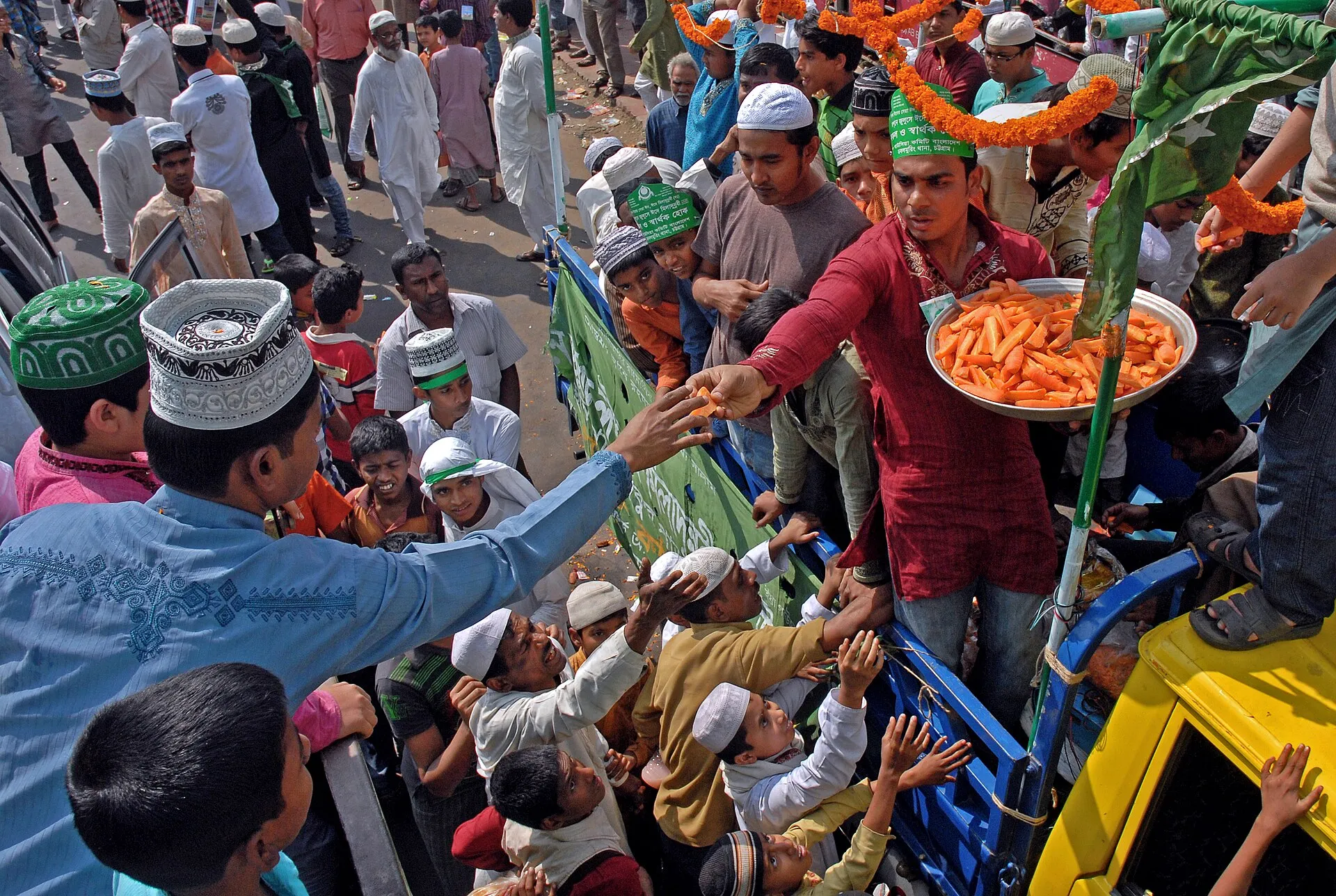
Milad-un-Nabi, also known by its Arabic name Mawlid, is the observance of the birthday of the Prophet Muhammad, kept on 12 Rabi al-Awwal, the third month of the Islamic calendar (17 Rabi al-Awwal in Shia tradition). It is a public holiday in Pakistan, marked in Punjab with processions, naat poetry, decorated mosques and charity, though some schools of thought within Islam do not celebrate it, a range of views this page sets out honestly.
- Punjabi name
- ਮੀਲਾਦ-ਉਨ-ਨਬੀ
- Also called
- Mawlid, Mawlid al-Nabi, Eid Milad-un-Nabi
- Date
- 12 Rabi al-Awwal; 17 Rabi al-Awwal in the Shia tradition
- Marks
- The birth of the Prophet Muhammad at Mecca, c. 570 CE
- First public celebration
- Attributed to Gokbori, a deputy of Salahuddin al-Ayyubi, in the 12th century
- How it is marked
- Processions, naat recitals, gatherings telling the Prophet's life, charity, decorated mosques
- In Pakistan
- A public holiday, with large processions in Lahore and other Punjab cities
Milad-un-Nabi is the day Muslims in much of the world set aside to honour the birth of the Prophet Muhammad, who was born at Mecca in about 570 CE. In Punjab it is one of the most visible days of the Islamic year: mosques and bazaars are dressed in green flags and lights, processions fill the streets, and the air carries naat, poetry sung in the Prophet's praise. It is also, honestly recorded, a day not all Muslims keep, and this page explains both the celebration and the disagreement.
What does Milad-un-Nabi mark?
Mawlid is the Arabic word for a birth or birthday, and Mawlid al-Nabi means the birth of the Prophet. Sunni tradition dates the birth to 12 Rabi al-Awwal, the third month of the Islamic year; Shia tradition keeps 17 Rabi al-Awwal. The exact date was not recorded in the Prophet's lifetime and rests on tradition rather than document, but the twelfth is the date kept across Pakistan and most of the Sunni world. Public celebrations took shape centuries later: the first large public Mawlid is attributed to Gokbori, a deputy of Salahuddin, in the twelfth century, and the day later became an official holiday in the Ottoman Empire.
How is Milad-un-Nabi celebrated?
The heart of the day is remembrance. In mahfil gatherings, scholars and storytellers recount the Prophet's life and character, and naat khwans recite poetry in his praise, a tradition woven deep into Punjab's devotional music. Streets fill with processions, called juloos; in South Asia the great procession is the Jashne Julus, with banners, flags and decorated vehicles, from which sweets are handed out to children, as in this page's photograph. Mosques, homes and bazaars are lit and hung with green flags, food and sweets are distributed to neighbours and the poor, and some devotees keep a fast. Lahore's shrines and mosques, Data Darbar among them, host large gatherings, and the day is a public holiday across Pakistan.
Why do some Muslims not celebrate it?
The disagreement is about origins and permission, and it is centuries old. Critics, including Salafi and Wahhabi scholars, note that neither the Quran nor the practice of the first generations of Muslims records a birthday celebration, and they class the Mawlid as bid'a, an innovation in religion, which they hold to be prohibited; the Deobandi school has taken intermediate positions, accepting private devotion while questioning public festivities. The counter view, held by the majority of Hanafi, Maliki and Shafi'i scholars and by Shia tradition, is that gathering to remember the Prophet's birth, recite poetry and feed people is a commendable act rather than a new act of worship. Readers will meet both views in Punjab itself, sometimes in neighbouring mosques, and the Kosh reports the range without taking a side.
Milad-un-Nabi in Punjab
The Punjabi celebration leans on the region's Sufi culture: the naat, the devotional gathering and the open distribution of food are at home in the world of the shrines described in our guide to the Sufi heritage of Punjab. In Lahore, processions move through the old city and the areas around the great shrines, and towns across both Punjabs light their mosques. For families it is also simply a festive day of visiting, sweets and new clothes for children, closer in mood to a birthday than to the two Eids, which mark sacrifice and the end of Ramadan's fast.
From court ceremony to street festival
Historians trace the earliest court celebrations of the Prophet's birthday to Fatimid Egypt, where the ruling house marked the birthdays of the Prophet and his family; the public, popular festival came later, with the celebrations of Gokbori's era, and spread through the Mamluk and Ottoman worlds until the day became an official Ottoman holiday. Today it is a public holiday in most Muslim majority countries, kept with the same mixture everywhere: recitation, poetry, processions and food shared in the Prophet's name.
When is Milad-un-Nabi in 2026?
By astronomical calculation, 12 Rabi al-Awwal 1448 falls on Tuesday 25 August 2026, and the day is a public holiday in Pakistan. As with all Islamic dates, the confirmed observance follows the sighting of the new moon, and some countries shift the official holiday to the nearest weekend.
ਮੀਲਾਦ-ਉਨ-ਨਬੀ ਉਹ ਦਿਨ ਹੈ ਜੋ ਦੁਨੀਆ ਦੇ ਬਹੁਤੇ ਹਿੱਸਿਆਂ ਦੇ ਮੁਸਲਮਾਨ ਪੈਗੰਬਰ ਮੁਹੰਮਦ ਦੇ ਜਨਮ ਦੀ ਯਾਦ ਵਿੱਚ ਮਨਾਉਂਦੇ ਹਨ, ਜੋ ਲਗਭਗ ਸੰਨ 570 ਈਸਵੀ ਵਿੱਚ ਮੱਕਾ ਵਿਖੇ ਪੈਦਾ ਹੋਏ ਸਨ ਪੰਜਾਬ ਵਿੱਚ ਇਹ ਇਸਲਾਮੀ ਸਾਲ ਦੇ ਸਭ ਤੋਂ ਦਿਸਦੇ ਦਿਨਾਂ ਵਿੱਚੋਂ ਇੱਕ ਹੈ ਮਸਜਿਦਾਂ ਅਤੇ ਬਾਜ਼ਾਰ ਹਰੇ ਝੰਡਿਆਂ ਅਤੇ ਰੌਸ਼ਨੀਆਂ ਨਾਲ ਸਜਾਏ ਜਾਂਦੇ ਹਨ, ਗਲੀਆਂ ਵਿੱਚ ਜਲੂਸ ਨਿਕਲਦੇ ਹਨ ਅਤੇ ਹਵਾ ਵਿੱਚ ਨਾਅਤ, ਪੈਗੰਬਰ ਦੀ ਸਿਫ਼ਤ ਵਿੱਚ ਗਾਈ ਜਾਂਦੀ ਕਵਿਤਾ, ਗੂੰਜਦੀ ਹੈ ਸੱਚ ਇਹ ਵੀ ਹੈ ਕਿ ਇਹ ਦਿਨ ਸਾਰੇ ਮੁਸਲਮਾਨ ਨਹੀਂ ਮਨਾਉਂਦੇ, ਅਤੇ ਇਹ ਪੰਨਾ ਜਸ਼ਨ ਅਤੇ ਮਤਭੇਦ ਦੋਵਾਂ ਨੂੰ ਬਿਆਨ ਕਰਦਾ ਹੈ
ਮੀਲਾਦ-ਉਨ-ਨਬੀ ਕਿਸ ਦੀ ਯਾਦ ਵਿੱਚ ਹੈ?
ਮੌਲਿਦ ਅਰਬੀ ਸ਼ਬਦ ਹੈ ਜਿਸ ਦਾ ਅਰਥ ਹੈ ਜਨਮ ਜਾਂ ਜਨਮ ਦਿਨ, ਅਤੇ ਮੌਲਿਦ ਅਲ-ਨਬੀ ਦਾ ਅਰਥ ਹੈ ਪੈਗੰਬਰ ਦਾ ਜਨਮ ਸੁੰਨੀ ਪਰੰਪਰਾ ਜਨਮ ਨੂੰ ਇਸਲਾਮੀ ਸਾਲ ਦੇ ਤੀਜੇ ਮਹੀਨੇ ਰਬੀ ਅਲ-ਅੱਵਲ ਦੀ 12 ਤਰੀਕ ਨਾਲ ਜੋੜਦੀ ਹੈ ਸ਼ੀਆ ਪਰੰਪਰਾ 17 ਰਬੀ ਅਲ-ਅੱਵਲ ਰੱਖਦੀ ਹੈ ਪੱਕੀ ਤਰੀਕ ਪੈਗੰਬਰ ਦੇ ਜੀਵਨ ਕਾਲ ਵਿੱਚ ਦਰਜ ਨਹੀਂ ਹੋਈ ਸੀ ਅਤੇ ਇਹ ਦਸਤਾਵੇਜ਼ ਦੀ ਥਾਂ ਪਰੰਪਰਾ ਉੱਤੇ ਟਿਕੀ ਹੈ, ਪਰ ਬਾਰ੍ਹਵੀਂ ਤਰੀਕ ਹੀ ਪਾਕਿਸਤਾਨ ਅਤੇ ਬਹੁਤੀ ਸੁੰਨੀ ਦੁਨੀਆ ਵਿੱਚ ਰੱਖੀ ਜਾਂਦੀ ਹੈ ਜਨਤਕ ਜਸ਼ਨ ਸਦੀਆਂ ਬਾਅਦ ਸ਼ਕਲ ਲੈਂਦੇ ਹਨ ਪਹਿਲਾ ਵੱਡਾ ਜਨਤਕ ਮੌਲਿਦ ਬਾਰ੍ਹਵੀਂ ਸਦੀ ਵਿੱਚ ਸਲਾਹੁਦੀਨ ਦੇ ਇੱਕ ਅਧਿਕਾਰੀ ਗੋਕਬੋਰੀ ਨਾਲ ਜੋੜਿਆ ਜਾਂਦਾ ਹੈ, ਅਤੇ ਇਹ ਦਿਨ ਬਾਅਦ ਵਿੱਚ ਉਸਮਾਨੀ ਸਾਮਰਾਜ ਵਿੱਚ ਸਰਕਾਰੀ ਛੁੱਟੀ ਬਣ ਗਿਆ
ਮੀਲਾਦ-ਉਨ-ਨਬੀ ਕਿਵੇਂ ਮਨਾਇਆ ਜਾਂਦਾ ਹੈ?
ਦਿਨ ਦਾ ਕੇਂਦਰ ਯਾਦ ਹੈ ਮਹਿਫ਼ਲ ਨਾਂ ਦੀਆਂ ਸਭਾਵਾਂ ਵਿੱਚ ਵਿਦਵਾਨ ਅਤੇ ਕਿੱਸਾਕਾਰ ਪੈਗੰਬਰ ਦੇ ਜੀਵਨ ਅਤੇ ਸੁਭਾਅ ਨੂੰ ਸੁਣਾਉਂਦੇ ਹਨ, ਅਤੇ ਨਾਅਤਖ਼ਵਾਂ ਉਨ੍ਹਾਂ ਦੀ ਸਿਫ਼ਤ ਵਿੱਚ ਕਵਿਤਾ ਪੜ੍ਹਦੇ ਹਨ, ਜੋ ਪੰਜਾਬ ਦੇ ਭਗਤੀ ਸੰਗੀਤ ਵਿੱਚ ਡੂੰਘੀ ਬੁਣੀ ਹੋਈ ਪਰੰਪਰਾ ਹੈ ਗਲੀਆਂ ਜਲੂਸਾਂ ਨਾਲ ਭਰ ਜਾਂਦੀਆਂ ਹਨ ਦੱਖਣੀ ਏਸ਼ੀਆ ਵਿੱਚ ਵੱਡਾ ਜਲੂਸ ਜਸ਼ਨੇ ਜਲੂਸ ਹੁੰਦਾ ਹੈ, ਜਿਸ ਵਿੱਚ ਝੰਡੇ, ਬੈਨਰ ਅਤੇ ਸਜੀਆਂ ਗੱਡੀਆਂ ਹੁੰਦੀਆਂ ਹਨ ਅਤੇ ਜਿੱਥੋਂ ਬੱਚਿਆਂ ਨੂੰ ਮਠਿਆਈਆਂ ਵੰਡੀਆਂ ਜਾਂਦੀਆਂ ਹਨ, ਜਿਵੇਂ ਇਸ ਪੰਨੇ ਦੀ ਤਸਵੀਰ ਵਿੱਚ ਹੈ ਮਸਜਿਦਾਂ, ਘਰ ਅਤੇ ਬਾਜ਼ਾਰ ਰੌਸ਼ਨੀਆਂ ਨਾਲ ਸਜਾਏ ਜਾਂਦੇ ਹਨ ਅਤੇ ਹਰੇ ਝੰਡੇ ਲਾਏ ਜਾਂਦੇ ਹਨ, ਗੁਆਂਢੀਆਂ ਅਤੇ ਗ਼ਰੀਬਾਂ ਨੂੰ ਖਾਣਾ ਅਤੇ ਮਠਿਆਈਆਂ ਵੰਡੀਆਂ ਜਾਂਦੀਆਂ ਹਨ, ਅਤੇ ਕੁਝ ਸ਼ਰਧਾਲੂ ਰੋਜ਼ਾ ਵੀ ਰੱਖਦੇ ਹਨ ਲਾਹੌਰ ਦੇ ਦਰਬਾਰਾਂ ਅਤੇ ਮਸਜਿਦਾਂ ਵਿੱਚ, ਦਾਤਾ ਦਰਬਾਰ ਸਮੇਤ, ਵੱਡੇ ਇਕੱਠ ਹੁੰਦੇ ਹਨ, ਅਤੇ ਇਹ ਦਿਨ ਸਾਰੇ ਪਾਕਿਸਤਾਨ ਵਿੱਚ ਸਰਕਾਰੀ ਛੁੱਟੀ ਹੁੰਦਾ ਹੈ
ਕੁਝ ਮੁਸਲਮਾਨ ਇਹ ਦਿਨ ਕਿਉਂ ਨਹੀਂ ਮਨਾਉਂਦੇ?
ਮਤਭੇਦ ਮੂਲ ਅਤੇ ਇਜਾਜ਼ਤ ਬਾਰੇ ਹੈ, ਅਤੇ ਇਹ ਸਦੀਆਂ ਪੁਰਾਣਾ ਹੈ ਆਲੋਚਕ, ਜਿਨ੍ਹਾਂ ਵਿੱਚ ਸਲਫ਼ੀ ਅਤੇ ਵਹਾਬੀ ਵਿਦਵਾਨ ਸ਼ਾਮਲ ਹਨ, ਕਹਿੰਦੇ ਹਨ ਕਿ ਨਾ ਕੁਰਾਨ ਵਿੱਚ ਅਤੇ ਨਾ ਮੁਸਲਮਾਨਾਂ ਦੀਆਂ ਪਹਿਲੀਆਂ ਪੀੜ੍ਹੀਆਂ ਦੇ ਅਮਲ ਵਿੱਚ ਜਨਮ ਦਿਨ ਦੇ ਜਸ਼ਨ ਦਾ ਕੋਈ ਜ਼ਿਕਰ ਹੈ, ਅਤੇ ਉਹ ਮੌਲਿਦ ਨੂੰ ਬਿਦਅਤ, ਧਰਮ ਵਿੱਚ ਨਵੀਂ ਘਾੜਤ, ਗਿਣਦੇ ਹਨ, ਜਿਸ ਨੂੰ ਉਹ ਵਰਜਿਤ ਮੰਨਦੇ ਹਨ ਦਿਓਬੰਦੀ ਵਿਚਾਰਧਾਰਾ ਨੇ ਵਿਚਕਾਰਲੇ ਰੁਖ਼ ਲਏ ਹਨ, ਨਿਜੀ ਭਗਤੀ ਨੂੰ ਮੰਨਦੇ ਹੋਏ ਜਨਤਕ ਜਸ਼ਨਾਂ ਉੱਤੇ ਸਵਾਲ ਚੁੱਕਿਆ ਹੈ ਦੂਜਾ ਪੱਖ, ਜੋ ਹਨਫ਼ੀ, ਮਾਲਕੀ ਅਤੇ ਸ਼ਾਫ਼ਈ ਵਿਦਵਾਨਾਂ ਦੀ ਬਹੁਗਿਣਤੀ ਅਤੇ ਸ਼ੀਆ ਪਰੰਪਰਾ ਰੱਖਦੀ ਹੈ, ਇਹ ਹੈ ਕਿ ਪੈਗੰਬਰ ਦੇ ਜਨਮ ਨੂੰ ਯਾਦ ਕਰਨ, ਕਵਿਤਾ ਪੜ੍ਹਨ ਅਤੇ ਲੋਕਾਂ ਨੂੰ ਖੁਆਉਣ ਲਈ ਇਕੱਠ ਹੋਣਾ ਇੱਕ ਚੰਗਾ ਕੰਮ ਹੈ, ਨਵੀਂ ਇਬਾਦਤ ਨਹੀਂ ਪੰਜਾਬ ਵਿੱਚ ਪਾਠਕ ਦੋਵੇਂ ਪੱਖ ਮਿਲਣਗੇ, ਕਦੇ ਕਦੇ ਗੁਆਂਢੀ ਮਸਜਿਦਾਂ ਵਿੱਚ, ਅਤੇ ਕੋਸ਼ ਬਿਨਾਂ ਕੋਈ ਪੱਖ ਲਏ ਇਹ ਸਾਰੀ ਲੜੀ ਦੱਸਦਾ ਹੈ
ਪੰਜਾਬ ਵਿੱਚ ਮੀਲਾਦ-ਉਨ-ਨਬੀ
ਪੰਜਾਬੀ ਜਸ਼ਨ ਇਲਾਕੇ ਦੀ ਸੂਫ਼ੀ ਸੱਭਿਅਤਾ ਉੱਤੇ ਟਿਕਿਆ ਹੈ ਨਾਅਤ, ਭਗਤੀ ਸਭਾ ਅਤੇ ਖਾਣੇ ਦੀ ਖੁੱਲ੍ਹੀ ਵੰਡ ਉਸ ਦਰਬਾਰ ਸੰਸਾਰ ਵਿੱਚ ਘਰ ਵਰਗੀ ਹੈ ਜਿਸ ਦਾ ਵੇਰਵਾ ਸਾਡੀ ਪੰਜਾਬ ਦੀ ਸੂਫ਼ੀ ਵਿਰਾਸਤ ਵਾਲੀ ਰਹਿਨੁਮਾਈ ਵਿੱਚ ਹੈ ਲਾਹੌਰ ਵਿੱਚ ਜਲੂਸ ਪੁਰਾਣੇ ਸ਼ਹਿਰ ਅਤੇ ਵੱਡੇ ਦਰਬਾਰਾਂ ਦੇ ਆਲੇ ਦੁਆਲੇ ਦੇ ਇਲਾਕਿਆਂ ਵਿੱਚੋਂ ਲੰਘਦੇ ਹਨ, ਅਤੇ ਦੋਵਾਂ ਪੰਜਾਬਾਂ ਦੇ ਕਸਬੇ ਆਪਣੀਆਂ ਮਸਜਿਦਾਂ ਸਜਾਉਂਦੇ ਹਨ ਪਰਿਵਾਰਾਂ ਲਈ ਇਹ ਮਿਲਣ, ਮਠਿਆਈਆਂ ਅਤੇ ਬੱਚਿਆਂ ਦੇ ਨਵੇਂ ਕੱਪੜਿਆਂ ਦਾ ਤਿਉਹਾਰ ਵਾਲਾ ਦਿਨ ਵੀ ਹੈ, ਮਾਹੌਲ ਵਜੋਂ ਜਨਮ ਦਿਨ ਦੇ ਨੇੜੇ, ਦੋ ਈਦਾਂ ਨਾਲੋਂ ਵੱਖਰਾ, ਜੋ ਕੁਰਬਾਨੀ ਅਤੇ ਰਮਜ਼ਾਨ ਦੇ ਰੋਜ਼ਿਆਂ ਦੇ ਅੰਤ ਦੀ ਯਾਦ ਦਿਵਾਉਂਦੀਆਂ ਹਨ
ਦਰਬਾਰੀ ਰਸਮ ਤੋਂ ਗਲੀ ਦੇ ਮੇਲੇ ਤੱਕ
ਇਤਿਹਾਸਕਾਰ ਪੈਗੰਬਰ ਦੇ ਜਨਮ ਦਿਨ ਦੇ ਸਭ ਤੋਂ ਪੁਰਾਣੇ ਦਰਬਾਰੀ ਜਸ਼ਨਾਂ ਨੂੰ ਫ਼ਾਤਮੀ ਮਿਸਰ ਨਾਲ ਜੋੜਦੇ ਹਨ, ਜਿੱਥੇ ਹਾਕਮ ਘਰਾਣਾ ਪੈਗੰਬਰ ਅਤੇ ਉਨ੍ਹਾਂ ਦੇ ਪਰਿਵਾਰ ਦੇ ਜਨਮ ਦਿਨ ਮਨਾਉਂਦਾ ਸੀ ਜਨਤਕ, ਲੋਕ ਮੇਲਾ ਬਾਅਦ ਵਿੱਚ ਆਇਆ, ਗੋਕਬੋਰੀ ਦੇ ਯੁੱਗ ਦੇ ਜਸ਼ਨਾਂ ਨਾਲ, ਅਤੇ ਮਮਲੂਕ ਅਤੇ ਉਸਮਾਨੀ ਦੁਨੀਆ ਵਿੱਚ ਫੈਲ ਕੇ ਇਹ ਦਿਨ ਉਸਮਾਨੀ ਸਰਕਾਰੀ ਛੁੱਟੀ ਬਣ ਗਿਆ ਅੱਜ ਇਹ ਬਹੁਤੇ ਮੁਸਲਿਮ ਬਹੁਗਿਣਤੀ ਵਾਲੇ ਦੇਸ਼ਾਂ ਵਿੱਚ ਸਰਕਾਰੀ ਛੁੱਟੀ ਹੈ, ਅਤੇ ਹਰ ਥਾਂ ਇੱਕੋ ਮਿਲਾਅ ਨਾਲ ਮਨਾਇਆ ਜਾਂਦਾ ਹੈ ਤਿਲਾਵਤ, ਕਵਿਤਾ, ਜਲੂਸ ਅਤੇ ਪੈਗੰਬਰ ਦੇ ਨਾਂ ਉੱਤੇ ਵੰਡਿਆ ਖਾਣਾ
2026 ਵਿੱਚ ਮੀਲਾਦ-ਉਨ-ਨਬੀ ਕਦੋਂ ਹੈ?
ਖਗੋਲ ਗਣਨਾ ਅਨੁਸਾਰ 12 ਰਬੀ ਅਲ-ਅੱਵਲ 1448 ਮੰਗਲਵਾਰ 25 ਅਗਸਤ 2026 ਨੂੰ ਪੈਂਦਾ ਹੈ, ਅਤੇ ਇਹ ਦਿਨ ਪਾਕਿਸਤਾਨ ਵਿੱਚ ਸਰਕਾਰੀ ਛੁੱਟੀ ਹੈ ਸਾਰੀਆਂ ਇਸਲਾਮੀ ਤਰੀਕਾਂ ਵਾਂਗ ਪੱਕਾ ਦਿਨ ਨਵੇਂ ਚੰਦ ਦੇ ਦਿਸਣ ਉੱਤੇ ਤੈਅ ਹੁੰਦਾ ਹੈ, ਅਤੇ ਕੁਝ ਦੇਸ਼ ਸਰਕਾਰੀ ਛੁੱਟੀ ਨੂੰ ਨੇੜਲੇ ਹਫ਼ਤੇ ਦੇ ਅੰਤ ਵੱਲ ਖਿਸਕਾ ਦਿੰਦੇ ਹਨ