
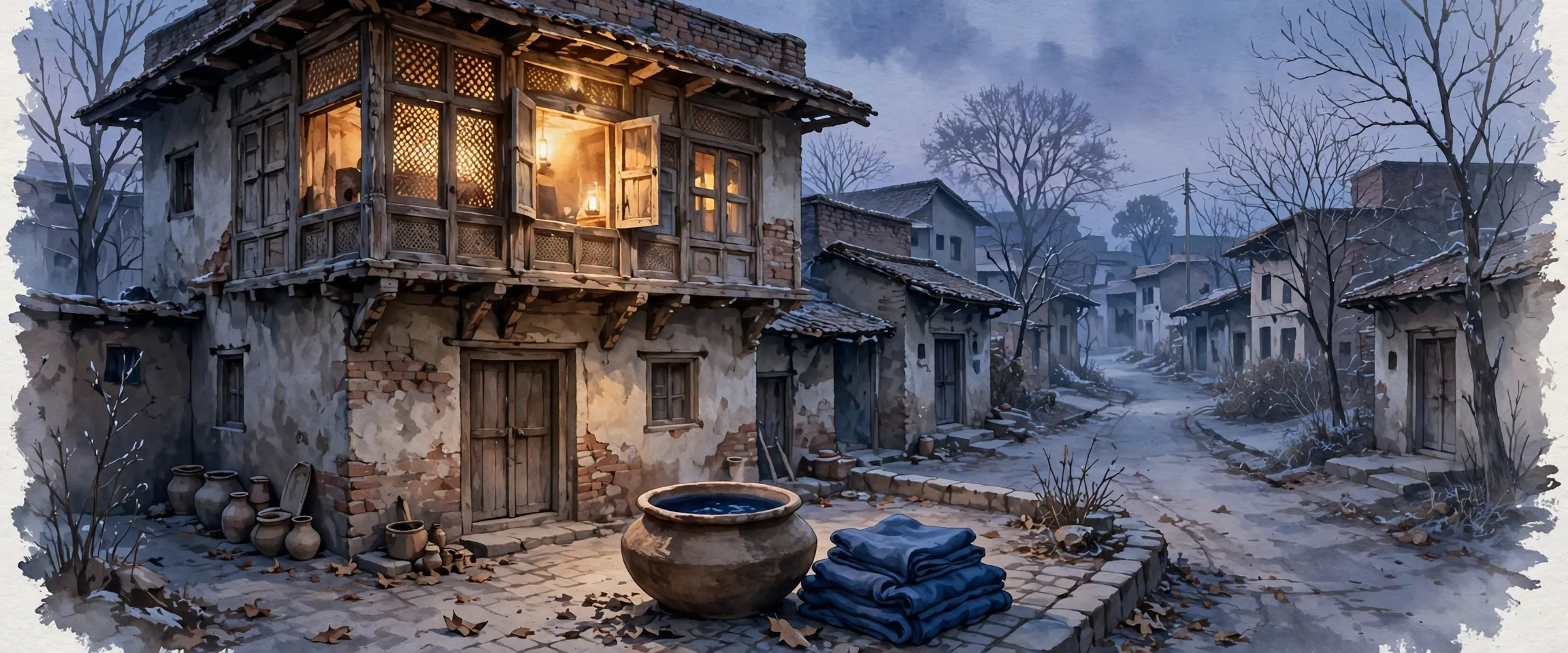
Gurdwara Chubara Sahib at Machhiwara in Ludhiana district marks the house of the masand Gulaba, who hid Guru Gobind Singh Ji and his three Sikhs in his upper room for a night in December 1704 while Mughal patrols searched for them. Here Mata Hardeyi offered handmade clothes that were then dyed blue for the Guru's escape, and the large earthen dye pot is still preserved at the shrine.
- Punjabi name
- ਗੁਰਦੁਆਰਾ ਚੁਬਾਰਾ ਸਾਹਿਬ, ਮਾਛੀਵਾੜਾ
- Town
- Machhiwara
- District
- Ludhiana
- State
- Punjab
- Country
- India
- Associated with
- Guru Gobind Singh Ji
All 10 facts
- Commemorates
- The Guru's night in the upper room of the masand Gulaba's house, December 1704
- Relic
- The large earthen pot in which the Guru's clothes were dyed blue
- Also called
- Gulaba da Chubara
- On the route
- Guru Gobind Singh Marg
Gurdwara Chubara Sahib at Machhiwara, in Ludhiana district, Punjab, marks the house of Gulaba, the local masand who hid Guru Gobind Singh Ji and his three Sikhs for a night in December 1704, while Mughal patrols searched the countryside for them after Chamkaur. Pilgrims know the house as Gulaba da Chubara, Gulaba's upper room, and the shrine still keeps the large earthen pot in which, tradition holds, the Guru's clothes were dyed blue for the escape that followed.
Why is it called Chubara Sahib?
A chubara is the room built on the first floor of a Punjabi house, raised above the courtyard and the street. When the Guru came into Machhiwara town from the garden where he had rested, he was taken into the house of Gulaba, the masand, the local representative of the Guru's court, and lodged in that upper room. The room gave the house its lasting name, and the gurdwara that rose on the site kept it: Chubara Sahib, the shrine of the upper room. It is a domestic name for a domestic act of courage, a family opening its best room to a hunted guest.
From the garden to Gulaba's house
The Guru reached Machhiwara on foot through the thorny jungle after leaving the fortress of Chamkaur Sahib at night. His first halt was a garden about a mile east of the town, kept today by Gurdwara Charan Kamal Sahib, where three of his Sikhs, Bhai Daya Singh, Bhai Dharam Singh and Bhai Man Singh, found him again. A garden is no shelter in a manhunt, so the small party moved into the town itself, to Gulaba's house. Accounts of the family remember two brothers, Gulaba and Punjaba, who in quieter years had carried rations to the Guru's court at Anandpur Sahib. When word came that the Guru was in the area, they asked that he come under their roof, knowing that patrols were out with orders against him. He stayed the night in the upper room while the town held its breath.
Mata Hardeyi's offering
One of the tender details kept at Chubara Sahib concerns an elderly devotee, Mata Hardeyi. In earlier years she had taken a set of handmade clothing to Anandpur Sahib as her yearly offering, but age had kept her from the journey for some time. Hearing that the Guru was now in her own town, she brought the garments she had made and offered them here. The Guru accepted them with thanks, and the offering was about to matter far beyond one old woman's devotion: within hours, those same clothes became part of the plan that carried him out of Machhiwara alive.
What is the dye pot preserved at Chubara Sahib?
From Gulaba's house the Guru moved to the home of two Pathan horse dealers, Ghani Khan and Nabi Khan, whose shrine is told on Jugti's Uchch Da Pir page. The brothers judged that the Guru could only pass the patrols in disguise, dressed in blue as a Muslim holy man, and the clothes Mata Hardeyi had offered were taken to a local dyer to be coloured. The dyer warned that his dye was raw and not ready. Tradition at the shrine holds that the Guru answered that the dye was ready, the clothes were dipped, and they came out coloured better than anyone expected, to the dyer's astonishment. The large earthen pot, the matt or matti, used for the dyeing is still preserved at Chubara Sahib, and visitors are shown it as the house's treasure: an ordinary clay vessel that became part of an extraordinary night.
The shrine today
Chubara Sahib stands in the old town of Machhiwara, a short walk from both the garden shrine of Charan Kamal and the house of Ghani Khan and Nabi Khan, so the whole of the Guru's stay can still be traced on foot, house to house. The gurdwara keeps the rhythm of a living town shrine rather than a monument: daily worship in the Darbar Sahib, and the Gurpurabs of the first, fifth and tenth Gurus kept as its great days, the tenth Guru's Gurpurab carrying the memory of the house itself. Pilgrims who come in December, around the days of the Machhiwara stay, find all the town's shrines full together.
How do you reach Chubara Sahib?
Machhiwara connects by road to the Ludhiana to Chandigarh highway at Samrala, about 42 kilometres away, and to Ropar, about 46 kilometres, by the Guru Gobind Singh Marg, the marked route of the Guru's 1705 journey on which Machhiwara is an early stop. In the town, ask for Gulaba da Chubara in the old quarter: the shrines stand close together, and the natural order is the Guru's own, garden first at Charan Kamal, then the upper room here, then the house of the Pathan brothers. All three appear in Jugti's guide to Gurdwaras in India.
ਗੁਰਦੁਆਰਾ ਚੁਬਾਰਾ ਸਾਹਿਬ ਮਾਛੀਵਾੜਾ ਵਿਖੇ, ਪੰਜਾਬ ਦੇ ਲੁਧਿਆਣਾ ਜ਼ਿਲ੍ਹੇ ਵਿੱਚ, ਮਸੰਦ ਗੁਲਾਬਾ ਦੇ ਘਰ ਨੂੰ ਦਰਸਾਉਂਦਾ ਹੈ, ਜਿਸ ਨੇ ਦਸੰਬਰ 1704 ਵਿੱਚ ਗੁਰੂ ਗੋਬਿੰਦ ਸਿੰਘ ਜੀ ਅਤੇ ਉਨ੍ਹਾਂ ਦੇ ਤਿੰਨ ਸਿੱਖਾਂ ਨੂੰ ਇੱਕ ਰਾਤ ਆਪਣੇ ਘਰ ਲੁਕਾਇਆ ਸੀ, ਜਦੋਂ ਚਮਕੌਰ ਤੋਂ ਬਾਅਦ ਮੁਗ਼ਲ ਗਸ਼ਤੀ ਦਲ ਇਲਾਕੇ ਵਿੱਚ ਉਨ੍ਹਾਂ ਦੀ ਭਾਲ ਕਰ ਰਹੇ ਸਨ ਸ਼ਰਧਾਲੂ ਇਸ ਘਰ ਨੂੰ ਗੁਲਾਬੇ ਦਾ ਚੁਬਾਰਾ ਕਹਿੰਦੇ ਹਨ, ਅਤੇ ਅਸਥਾਨ ਅੱਜ ਵੀ ਉਹ ਵੱਡਾ ਮਿੱਟੀ ਦਾ ਬਰਤਨ ਸੰਭਾਲੀ ਬੈਠਾ ਹੈ, ਜਿਸ ਵਿੱਚ ਪਰੰਪਰਾ ਅਨੁਸਾਰ ਅੱਗੇ ਦੀ ਯਾਤਰਾ ਲਈ ਗੁਰੂ ਜੀ ਦੇ ਕੱਪੜੇ ਨੀਲੇ ਰੰਗੇ ਗਏ ਸਨ
ਇਸ ਦਾ ਨਾਂ ਚੁਬਾਰਾ ਸਾਹਿਬ ਕਿਉਂ ਪਿਆ?
ਚੁਬਾਰਾ ਪੰਜਾਬੀ ਘਰ ਦੀ ਪਹਿਲੀ ਮੰਜ਼ਿਲ ਤੇ ਬਣਿਆ ਕਮਰਾ ਹੁੰਦਾ ਹੈ, ਜੋ ਵਿਹੜੇ ਅਤੇ ਗਲੀ ਤੋਂ ਉੱਪਰ ਹੁੰਦਾ ਹੈ ਜਦੋਂ ਗੁਰੂ ਜੀ ਬਾਗ਼ ਤੋਂ, ਜਿੱਥੇ ਉਨ੍ਹਾਂ ਨੇ ਬਿਸਰਾਮ ਕੀਤਾ ਸੀ, ਮਾਛੀਵਾੜਾ ਕਸਬੇ ਵਿੱਚ ਆਏ, ਤਾਂ ਉਨ੍ਹਾਂ ਨੂੰ ਮਸੰਦ ਗੁਲਾਬਾ ਦੇ ਘਰ ਲਿਜਾਇਆ ਗਿਆ ਅਤੇ ਉਸ ਉੱਪਰਲੇ ਕਮਰੇ ਵਿੱਚ ਠਹਿਰਾਇਆ ਗਿਆ ਉਸੇ ਕਮਰੇ ਤੋਂ ਘਰ ਦਾ ਸਥਾਈ ਨਾਂ ਪਿਆ, ਅਤੇ ਉਸ ਥਾਂ ਬਣੇ ਗੁਰਦੁਆਰੇ ਨੇ ਵੀ ਉਹੀ ਨਾਂ ਰੱਖਿਆ: ਚੁਬਾਰਾ ਸਾਹਿਬ, ਉੱਪਰਲੇ ਕਮਰੇ ਵਾਲਾ ਅਸਥਾਨ ਇਹ ਇੱਕ ਘਰੇਲੂ ਜਿਹਾ ਨਾਂ ਹੈ, ਇੱਕ ਪਰਿਵਾਰ ਦੇ ਉਸ ਹੌਸਲੇ ਲਈ, ਜਿਸ ਨੇ ਸੰਕਟ ਵਿੱਚ ਫਸੇ ਮਹਿਮਾਨ ਲਈ ਆਪਣਾ ਸਭ ਤੋਂ ਚੰਗਾ ਕਮਰਾ ਖੋਲ੍ਹ ਦਿੱਤਾ ਸੀ
ਬਾਗ਼ ਤੋਂ ਗੁਲਾਬਾ ਦੇ ਘਰ ਤੱਕ
ਗੁਰੂ ਜੀ ਚਮਕੌਰ ਦੀ ਗੜ੍ਹੀ ਰਾਤ ਨੂੰ ਛੱਡ ਕੇ ਕੰਡਿਆਲੇ ਜੰਗਲ ਵਿੱਚੋਂ ਪੈਦਲ ਮਾਛੀਵਾੜਾ ਪਹੁੰਚੇ ਸਨ ਉਨ੍ਹਾਂ ਦਾ ਪਹਿਲਾ ਪੜਾਅ ਕਸਬੇ ਤੋਂ ਲਗਭਗ ਇੱਕ ਮੀਲ ਪੂਰਬ ਵੱਲ ਇੱਕ ਬਾਗ਼ ਸੀ, ਜਿੱਥੇ ਅੱਜ ਗੁਰਦੁਆਰਾ ਚਰਨ ਕਮਲ ਸਾਹਿਬ ਹੈ ਅਤੇ ਜਿੱਥੇ ਉਨ੍ਹਾਂ ਦੇ ਤਿੰਨ ਸਿੱਖ, ਭਾਈ ਦਇਆ ਸਿੰਘ, ਭਾਈ ਧਰਮ ਸਿੰਘ ਅਤੇ ਭਾਈ ਮਾਨ ਸਿੰਘ, ਉਨ੍ਹਾਂ ਨੂੰ ਫਿਰ ਆ ਮਿਲੇ ਸਨ ਭਾਲ ਦੇ ਦਿਨਾਂ ਵਿੱਚ ਬਾਗ਼ ਕੋਈ ਪਨਾਹ ਨਹੀਂ ਸੀ, ਇਸ ਲਈ ਛੋਟਾ ਜਿਹਾ ਜਥਾ ਕਸਬੇ ਦੇ ਅੰਦਰ, ਗੁਲਾਬਾ ਦੇ ਘਰ, ਚਲਾ ਗਿਆ ਪਰਿਵਾਰ ਦੀਆਂ ਗੱਲਾਂ ਵਿੱਚ ਦੋ ਭਰਾ ਯਾਦ ਕੀਤੇ ਜਾਂਦੇ ਹਨ, ਗੁਲਾਬਾ ਅਤੇ ਪੰਜਾਬਾ, ਜੋ ਸ਼ਾਂਤ ਦਿਨਾਂ ਵਿੱਚ ਅਨੰਦਪੁਰ ਸਾਹਿਬ ਗੁਰੂ ਜੀ ਦੇ ਦਰਬਾਰ ਵਿੱਚ ਰਾਸ਼ਨ ਪਹੁੰਚਾਇਆ ਕਰਦੇ ਸਨ ਜਦੋਂ ਖ਼ਬਰ ਮਿਲੀ ਕਿ ਗੁਰੂ ਜੀ ਇਲਾਕੇ ਵਿੱਚ ਹਨ, ਤਾਂ ਉਨ੍ਹਾਂ ਨੇ ਬੇਨਤੀ ਕੀਤੀ ਕਿ ਗੁਰੂ ਜੀ ਉਨ੍ਹਾਂ ਦੇ ਘਰ ਆਉਣ, ਹਾਲਾਂਕਿ ਉਹ ਜਾਣਦੇ ਸਨ ਕਿ ਗਸ਼ਤੀ ਦਲ ਉਨ੍ਹਾਂ ਦੇ ਵਿਰੁੱਧ ਹੁਕਮ ਲੈ ਕੇ ਫਿਰ ਰਹੇ ਹਨ ਗੁਰੂ ਜੀ ਨੇ ਉੱਪਰਲੇ ਕਮਰੇ ਵਿੱਚ ਰਾਤ ਕੱਟੀ, ਅਤੇ ਕਸਬਾ ਸਾਹ ਰੋਕੀ ਬੈਠਾ ਰਿਹਾ
ਮਾਤਾ ਹਰਦੇਈ ਜੀ ਦੀ ਭੇਟਾ
ਚੁਬਾਰਾ ਸਾਹਿਬ ਨਾਲ ਜੁੜੀ ਇੱਕ ਪਿਆਰੀ ਗੱਲ ਇੱਕ ਬਜ਼ੁਰਗ ਸ਼ਰਧਾਲੂ, ਮਾਤਾ ਹਰਦੇਈ ਜੀ, ਬਾਰੇ ਹੈ ਪਹਿਲੇ ਸਾਲਾਂ ਵਿੱਚ ਉਹ ਹਰ ਸਾਲ ਆਪਣੇ ਹੱਥਾਂ ਦੇ ਬਣਾਏ ਕੱਪੜੇ ਭੇਟਾ ਵਜੋਂ ਅਨੰਦਪੁਰ ਸਾਹਿਬ ਲੈ ਜਾਇਆ ਕਰਦੇ ਸਨ, ਪਰ ਬੁਢਾਪੇ ਕਾਰਨ ਕੁਝ ਸਮੇਂ ਤੋਂ ਇਹ ਯਾਤਰਾ ਨਹੀਂ ਹੋ ਸਕੀ ਸੀ ਜਦੋਂ ਸੁਣਿਆ ਕਿ ਗੁਰੂ ਜੀ ਹੁਣ ਉਨ੍ਹਾਂ ਦੇ ਆਪਣੇ ਕਸਬੇ ਵਿੱਚ ਹਨ, ਤਾਂ ਉਹ ਆਪਣੇ ਬਣਾਏ ਕੱਪੜੇ ਲੈ ਕੇ ਇੱਥੇ ਆਏ ਅਤੇ ਭੇਟ ਕੀਤੇ ਗੁਰੂ ਜੀ ਨੇ ਧੰਨਵਾਦ ਨਾਲ ਕੱਪੜੇ ਕਬੂਲ ਕੀਤੇ, ਅਤੇ ਉਹ ਭੇਟਾ ਇੱਕ ਬਜ਼ੁਰਗ ਦੀ ਸ਼ਰਧਾ ਤੋਂ ਕਿਤੇ ਵੱਧ ਸਾਬਤ ਹੋਣ ਵਾਲੀ ਸੀ: ਕੁਝ ਘੰਟਿਆਂ ਵਿੱਚ ਉਹੀ ਕੱਪੜੇ ਉਸ ਯੋਜਨਾ ਦਾ ਹਿੱਸਾ ਬਣ ਗਏ, ਜਿਸ ਨਾਲ ਗੁਰੂ ਜੀ ਮਾਛੀਵਾੜੇ ਤੋਂ ਸੁਰੱਖਿਅਤ ਨਿਕਲੇ
ਚੁਬਾਰਾ ਸਾਹਿਬ ਵਿੱਚ ਸੰਭਾਲਿਆ ਰੰਗ ਵਾਲਾ ਬਰਤਨ ਕੀ ਹੈ?
ਗੁਲਾਬਾ ਦੇ ਘਰ ਤੋਂ ਗੁਰੂ ਜੀ ਦੋ ਪਠਾਣ ਘੋੜਿਆਂ ਦੇ ਵਪਾਰੀ, ਗਨੀ ਖ਼ਾਨ ਅਤੇ ਨਬੀ ਖ਼ਾਨ, ਦੇ ਘਰ ਗਏ, ਜਿਨ੍ਹਾਂ ਦੇ ਅਸਥਾਨ ਦੀ ਕਹਾਣੀ ਜੁਗਤੀ ਦੇ ਉੱਚ ਦਾ ਪੀਰ ਵਾਲੇ ਪੰਨੇ ਤੇ ਹੈ ਭਰਾਵਾਂ ਦਾ ਵਿਚਾਰ ਸੀ ਕਿ ਗੁਰੂ ਜੀ ਗਸ਼ਤੀ ਦਲਾਂ ਵਿੱਚੋਂ ਸਿਰਫ਼ ਭੇਸ ਵਿੱਚ ਹੀ ਲੰਘ ਸਕਦੇ ਹਨ, ਨੀਲੇ ਕੱਪੜਿਆਂ ਵਿੱਚ ਇੱਕ ਮੁਸਲਮਾਨ ਪੀਰ ਬਣ ਕੇ, ਅਤੇ ਮਾਤਾ ਹਰਦੇਈ ਜੀ ਦੇ ਦਿੱਤੇ ਕੱਪੜੇ ਰੰਗਣ ਲਈ ਸਥਾਨਕ ਰੰਗਰੇਜ਼ ਕੋਲ ਲਿਜਾਏ ਗਏ ਰੰਗਰੇਜ਼ ਨੇ ਚਿਤਾਵਨੀ ਦਿੱਤੀ ਕਿ ਉਸ ਦਾ ਰੰਗ ਕੱਚਾ ਹੈ ਅਤੇ ਤਿਆਰ ਨਹੀਂ ਅਸਥਾਨ ਦੀ ਪਰੰਪਰਾ ਕਹਿੰਦੀ ਹੈ ਕਿ ਗੁਰੂ ਜੀ ਨੇ ਫ਼ਰਮਾਇਆ ਕਿ ਰੰਗ ਤਿਆਰ ਹੈ, ਕੱਪੜੇ ਡੁਬੋਏ ਗਏ, ਅਤੇ ਉਹ ਸਭ ਦੀ ਆਸ ਤੋਂ ਵਧੀਆ ਰੰਗੇ ਨਿਕਲੇ, ਜਿਸ ਨਾਲ ਰੰਗਰੇਜ਼ ਹੈਰਾਨ ਰਹਿ ਗਿਆ ਰੰਗਣ ਲਈ ਵਰਤਿਆ ਵੱਡਾ ਮਿੱਟੀ ਦਾ ਬਰਤਨ, ਮੱਟ ਜਾਂ ਮੱਟੀ, ਅੱਜ ਵੀ ਚੁਬਾਰਾ ਸਾਹਿਬ ਵਿੱਚ ਸੰਭਾਲਿਆ ਹੋਇਆ ਹੈ, ਅਤੇ ਆਉਣ ਵਾਲਿਆਂ ਨੂੰ ਇਹ ਘਰ ਦਾ ਖ਼ਜ਼ਾਨਾ ਵਜੋਂ ਦਿਖਾਇਆ ਜਾਂਦਾ ਹੈ: ਇੱਕ ਸਾਧਾਰਨ ਮਿੱਟੀ ਦਾ ਬਰਤਨ, ਜੋ ਇੱਕ ਅਸਾਧਾਰਨ ਰਾਤ ਦਾ ਹਿੱਸਾ ਬਣ ਗਿਆ
ਅਸਥਾਨ ਅੱਜ
ਚੁਬਾਰਾ ਸਾਹਿਬ ਮਾਛੀਵਾੜੇ ਦੇ ਪੁਰਾਣੇ ਕਸਬੇ ਵਿੱਚ ਹੈ, ਚਰਨ ਕਮਲ ਦੇ ਬਾਗ਼ ਵਾਲੇ ਅਸਥਾਨ ਅਤੇ ਗਨੀ ਖ਼ਾਨ ਤੇ ਨਬੀ ਖ਼ਾਨ ਦੇ ਘਰ, ਦੋਵਾਂ ਤੋਂ ਥੋੜ੍ਹੀ ਪੈਦਲ ਦੂਰੀ ਤੇ, ਇਸ ਲਈ ਗੁਰੂ ਜੀ ਦੀ ਸਾਰੀ ਠਹਿਰ ਅੱਜ ਵੀ ਪੈਦਲ, ਘਰ ਦਰ ਘਰ, ਵੇਖੀ ਜਾ ਸਕਦੀ ਹੈ ਗੁਰਦੁਆਰਾ ਕਿਸੇ ਯਾਦਗਾਰ ਨਾਲੋਂ ਇੱਕ ਜਿਉਂਦੇ ਕਸਬੇ ਦੇ ਅਸਥਾਨ ਦੀ ਰਫ਼ਤਾਰ ਰੱਖਦਾ ਹੈ: ਦਰਬਾਰ ਸਾਹਿਬ ਵਿੱਚ ਰੋਜ਼ਾਨਾ ਕੀਰਤਨ ਪਾਠ, ਅਤੇ ਪਹਿਲੇ, ਪੰਜਵੇਂ ਅਤੇ ਦਸਵੇਂ ਪਾਤਸ਼ਾਹਾਂ ਦੇ ਗੁਰਪੁਰਬ ਇਸ ਦੇ ਵੱਡੇ ਦਿਨ, ਜਿਨ੍ਹਾਂ ਵਿੱਚ ਦਸਵੇਂ ਪਾਤਸ਼ਾਹ ਦਾ ਗੁਰਪੁਰਬ ਘਰ ਦੀ ਆਪਣੀ ਯਾਦ ਲੈ ਕੇ ਆਉਂਦਾ ਹੈ ਦਸੰਬਰ ਵਿੱਚ, ਮਾਛੀਵਾੜਾ ਠਹਿਰ ਦੇ ਦਿਨਾਂ ਆਲੇ, ਆਉਣ ਵਾਲੇ ਸ਼ਰਧਾਲੂ ਕਸਬੇ ਦੇ ਸਾਰੇ ਅਸਥਾਨ ਇਕੱਠੇ ਭਰੇ ਵੇਖਦੇ ਹਨ
ਚੁਬਾਰਾ ਸਾਹਿਬ ਕਿਵੇਂ ਪਹੁੰਚੀਏ?
ਮਾਛੀਵਾੜਾ ਸੜਕ ਰਾਹੀਂ ਲੁਧਿਆਣਾ ਤੋਂ ਚੰਡੀਗੜ੍ਹ ਸੜਕ ਤੇ ਸਮਰਾਲਾ ਨਾਲ ਜੁੜਦਾ ਹੈ, ਜੋ ਲਗਭਗ 42 ਕਿਲੋਮੀਟਰ ਹੈ, ਅਤੇ ਗੁਰੂ ਗੋਬਿੰਦ ਸਿੰਘ ਮਾਰਗ ਰਾਹੀਂ ਰੋਪੜ ਨਾਲ, ਜੋ ਲਗਭਗ 46 ਕਿਲੋਮੀਟਰ ਹੈ ਇਹ ਮਾਰਗ ਗੁਰੂ ਜੀ ਦੀ 1705 ਦੀ ਯਾਤਰਾ ਦਾ ਨਿਸ਼ਾਨਦੇਹੀ ਵਾਲਾ ਰਾਹ ਹੈ, ਜਿਸ ਤੇ ਮਾਛੀਵਾੜਾ ਮੁੱਢਲਾ ਪੜਾਅ ਹੈ ਕਸਬੇ ਵਿੱਚ ਪੁਰਾਣੇ ਹਿੱਸੇ ਵਿੱਚ ਗੁਲਾਬੇ ਦਾ ਚੁਬਾਰਾ ਪੁੱਛੋ: ਅਸਥਾਨ ਨੇੜੇ ਨੇੜੇ ਹਨ, ਅਤੇ ਕੁਦਰਤੀ ਕ੍ਰਮ ਗੁਰੂ ਜੀ ਵਾਲਾ ਹੀ ਹੈ, ਪਹਿਲਾਂ ਚਰਨ ਕਮਲ ਵਿਖੇ ਬਾਗ਼, ਫਿਰ ਇੱਥੇ ਉੱਪਰਲਾ ਕਮਰਾ, ਫਿਰ ਪਠਾਣ ਭਰਾਵਾਂ ਦਾ ਘਰ ਤਿੰਨੇ ਅਸਥਾਨ ਜੁਗਤੀ ਦੀ ਭਾਰਤ ਦੇ ਗੁਰਦੁਆਰਿਆਂ ਬਾਰੇ ਰਾਹਦਾਰੀ ਵਿੱਚ ਮਿਲਦੇ ਹਨ