
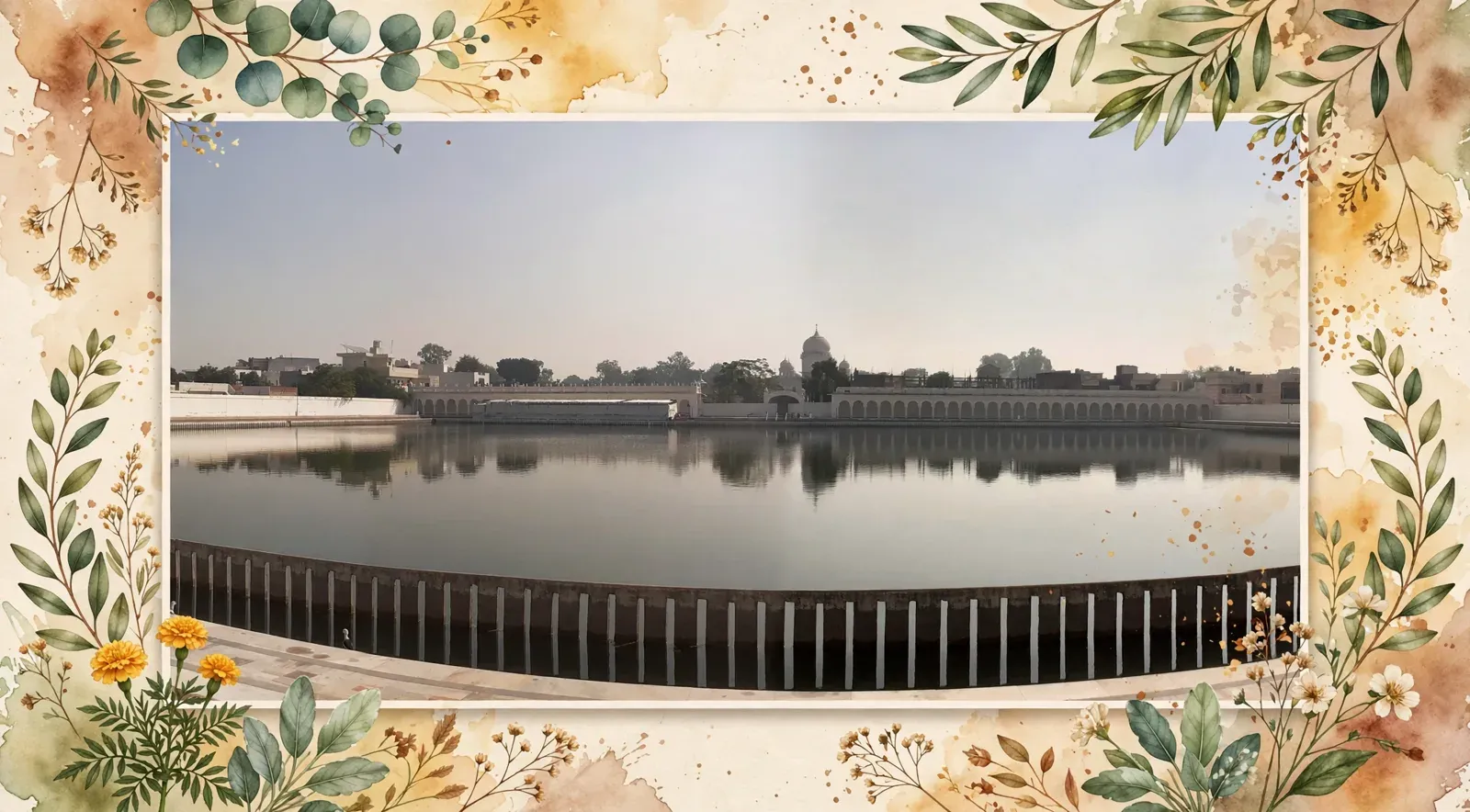
Gurdwara Moti Bagh Sahib is a historic gurdwara in the Moti Bagh area of Patiala, Punjab, marking a halt of Guru Tegh Bahadur Ji on 17 September 1675, after his three month stay with Nawab Saif Ali Khan at Bahadurgarh and on his way toward Samana and Delhi. The present shrine was built in 1852 by Maharaja Narinder Singh of Patiala, near his Moti Bagh Palace, and it is a different shrine from Delhi's Moti Bagh Sahib.
- Punjabi name
- ਗੁਰਦੁਆਰਾ ਮੋਤੀ ਬਾਗ਼ ਸਾਹਿਬ
- Type
- Historic gurdwara
- Country
- India
- City
- Patiala
- District
- Patiala
- Region
- Malwa
All 11 facts
- Location
- Moti Bagh area, near the Old Moti Bagh Palace
- Associated event
- Halt of Guru Tegh Bahadur Ji, 17 September 1675
- Present building
- Built 1852 by Maharaja Narinder Singh of Patiala
- Sarovar
- Yes
- Main festival
- Gurpurabs of Guru Tegh Bahadur Ji
Gurdwara Moti Bagh Sahib is a historic gurdwara in the Moti Bagh area of Patiala, Punjab, marking a halt of Guru Tegh Bahadur Ji in September 1675, on the last journey of his life. After three months as the guest of Nawab Saif Ali Khan at Bahadurgarh, the Guru rested here on 17 September 1675 on his way toward Samana and Delhi, travelling with a small company of devoted Sikhs. The present shrine was built in 1852 by Maharaja Narinder Singh of Patiala, near his Moti Bagh Palace.
What happened at Moti Bagh Sahib in 1675?
At Moti Bagh Sahib in 1675, Guru Tegh Bahadur Ji halted on the road from Bahadurgarh to Samana, days after ending a stay of about three months with his friend Nawab Saif Ali Khan. The halt fell on 17 September 1675 by the traditional dating, and it was brief: a pause, not a residence. Yet Patiala kept it, because everyone who came later understood where that road ended. The Guru was travelling toward Delhi, and toward the martyrdom that would make him, in Sikh memory, the defender of the religious freedom of others. A short rest on that road carries the weight of the whole journey.
Three months at Bahadurgarh
The Patiala halt cannot be told without the stay that came before it. Guru Tegh Bahadur Ji had reached Bahadurgarh, then called Saifabad, on 14 June 1675, coming by way of Kiratpur Sahib and a chain of villages, to meet Nawab Saif Ali Khan, a pious Muslim ruler who had met the Guru earlier and become his ardent admirer. The Guru stayed in the Nawab's garden, where a gurdwara in Bahadurgarh now marks the stay, and the Nawab asked him to remain as long as possible.
At his host's request the Guru stayed through the rainy season, about three months. On several occasions he held diwans inside Bahadurgarh fort itself, so that the Nawab's household could receive his darshan and hear his discourse. It is one of the warmest episodes of the Guru's last year: a Muslim nawab sheltering and honouring a Sikh Guru, in the months before that Guru set out to give his life in defence of a faith that was not his own. The friendship explains the slowness of the farewell. When the rains ended, the journey resumed.
The road to Delhi
On 17 Assu 1732 Bikram, 17 September 1675, Guru Tegh Bahadur Ji left Bahadurgarh to continue toward Samana, stopping on the way at the place Patiala now honours as Moti Bagh Sahib. He did not travel alone. With him were Bhai Gurditta, Bhai Dyala, Bhai Uda Rathor, Bhai Jetha and Diwan Mati Ram, companions whose names the tradition has kept alongside the Guru's on this road. From Moti Bagh the party went on to Samana, where the Guru stayed in the haveli of Muhamad Bakhsish, and then toward Cheeka by way of Karhali and Balbera.
Read against the whole itinerary, Moti Bagh is one bead on a string that runs from Anandpur Sahib's hills to the execution ground in Delhi, where Gurdwara Sis Ganj Sahib now stands. Patiala's other Guru Tegh Bahadur shrine, Gurdwara Dukhniwaran Sahib, belongs to an earlier and gentler visit in 1672, when the Guru came to heal a sick village. Moti Bagh belongs to 1675: the same Guru, three years older, walking calmly toward a death he had chosen for the sake of others. The city holds both memories, and the contrast between them is Patiala's whole lesson in his life.
A palace builder raises the shrine
In 1675 this ground was open, wooded country outside the settlements, and no memorial was raised here for generations. The shrine came only when Patiala itself had become a princely capital. Maharaja Narinder Singh, who built the great Moti Bagh Palace nearby in 1847, constructed this gurdwara in 1852 on the site of the Guru's halt, and the shrine took the name of the palace garden quarter around it: Moti Bagh, the pearl garden. The building stands in the traditional Sikh manner, its white dome crowning the sanctum above spacious courtyards where congregations gather, and the complex keeps a sarovar, as Discover Sikhism records. Daily kirtan, the reading of the Guru Granth Sahib and langar served to all keep the halt a living place of worship rather than a monument.
Not the Delhi Moti Bagh
Visitors sometimes confuse this shrine with Gurdwara Moti Bagh Sahib in Delhi, and the two could hardly be more different in their stories. Delhi's Moti Bagh belongs to Guru Gobind Singh Ji and a later generation. Patiala's Moti Bagh Sahib belongs to his father, Guru Tegh Bahadur Ji, and to September 1675. The shared name is a coincidence of gardens: both grounds were remembered as a bagh, a garden, and both took the name moti, pearl. On Jugti the slugs keep them apart, and so should travellers: this page is Patiala's shrine, in Punjab, on the Bahadurgarh to Samana road.
Visiting Moti Bagh Sahib
The gurdwara stands in the Moti Bagh area of Patiala, near the Old Moti Bagh Palace, today home to the National Institute of Sports, so a visit pairs naturally with the palace quarter and with Dukhniwaran Sahib across the city. Patiala Junction connects the city by rail with Chandigarh, Ambala, Ludhiana and Delhi, and the nearest airport is Chandigarh, about 60 to 65 kilometres away. The shrine is at its fullest at Gurpurabs, when kirtan samagams draw large congregations, but its character is quiet: a garden halt, remembered in a garden city. The Gurdwaras in India guide lists Moti Bagh Sahib among the Guru Tegh Bahadur shrines of Patiala. The city itself is introduced in Jugti's Patiala entry.
ਗੁਰਦੁਆਰਾ ਮੋਤੀ ਬਾਗ਼ ਸਾਹਿਬ ਪੰਜਾਬ ਦੇ ਪਟਿਆਲਾ ਸ਼ਹਿਰ ਦੇ ਮੋਤੀ ਬਾਗ਼ ਖੇਤਰ ਵਿੱਚ ਇੱਕ ਇਤਿਹਾਸਕ ਗੁਰਦੁਆਰਾ ਹੈ, ਜੋ ਗੁਰੂ ਤੇਗ਼ ਬਹਾਦਰ ਜੀ ਦੇ ਸਤੰਬਰ 1675 ਦੇ ਇੱਕ ਠਹਿਰਾਅ ਨੂੰ ਦਰਸਾਉਂਦਾ ਹੈ, ਉਨ੍ਹਾਂ ਦੇ ਜੀਵਨ ਦੀ ਆਖ਼ਰੀ ਯਾਤਰਾ ਉੱਤੇ ਬਹਾਦਰਗੜ੍ਹ ਵਿੱਚ ਨਵਾਬ ਸੈਫ਼ ਅਲੀ ਖ਼ਾਨ ਦੇ ਮਹਿਮਾਨ ਵਜੋਂ ਤਿੰਨ ਮਹੀਨੇ ਬਿਤਾਉਣ ਤੋਂ ਬਾਅਦ, ਗੁਰੂ ਜੀ 17 ਸਤੰਬਰ 1675 ਨੂੰ ਸਮਾਣਾ ਅਤੇ ਦਿੱਲੀ ਵੱਲ ਜਾਂਦਿਆਂ ਇੱਥੇ ਰੁਕੇ, ਆਪਣੇ ਨਾਲ ਸ਼ਰਧਾਲੂ ਸਿੱਖਾਂ ਦੀ ਇੱਕ ਛੋਟੀ ਜਿਹੀ ਟੋਲੀ ਲੈ ਕੇ ਮੌਜੂਦਾ ਅਸਥਾਨ 1852 ਵਿੱਚ ਪਟਿਆਲਾ ਦੇ ਮਹਾਰਾਜਾ ਨਰਿੰਦਰ ਸਿੰਘ ਨੇ ਆਪਣੇ ਮੋਤੀ ਬਾਗ਼ ਮਹਿਲ ਦੇ ਨੇੜੇ ਬਣਵਾਇਆ ਸੀ
1675 ਵਿੱਚ ਮੋਤੀ ਬਾਗ਼ ਸਾਹਿਬ ਵਿਖੇ ਕੀ ਹੋਇਆ ਸੀ?
1675 ਵਿੱਚ ਮੋਤੀ ਬਾਗ਼ ਸਾਹਿਬ ਵਿਖੇ ਗੁਰੂ ਤੇਗ਼ ਬਹਾਦਰ ਜੀ ਬਹਾਦਰਗੜ੍ਹ ਤੋਂ ਸਮਾਣਾ ਜਾਂਦੇ ਰਸਤੇ ਵਿੱਚ ਰੁਕੇ, ਆਪਣੇ ਮਿੱਤਰ ਨਵਾਬ ਸੈਫ਼ ਅਲੀ ਖ਼ਾਨ ਕੋਲ ਲਗਭਗ ਤਿੰਨ ਮਹੀਨਿਆਂ ਦਾ ਠਹਿਰਾਅ ਖ਼ਤਮ ਕਰਨ ਤੋਂ ਕੁਝ ਦਿਨ ਬਾਅਦ ਪਰੰਪਰਕ ਤਾਰੀਖ਼ ਅਨੁਸਾਰ ਇਹ ਠਹਿਰਾਅ 17 ਸਤੰਬਰ 1675 ਨੂੰ ਪਿਆ, ਅਤੇ ਇਹ ਛੋਟਾ ਸੀ: ਇੱਕ ਵਿਰਾਮ, ਨਿਵਾਸ ਨਹੀਂ ਫਿਰ ਵੀ ਪਟਿਆਲਾ ਨੇ ਇਸ ਨੂੰ ਸੰਭਾਲਿਆ, ਕਿਉਂਕਿ ਬਾਅਦ ਵਿੱਚ ਆਉਣ ਵਾਲਾ ਹਰ ਕੋਈ ਸਮਝਦਾ ਸੀ ਕਿ ਉਹ ਰਸਤਾ ਕਿੱਥੇ ਖ਼ਤਮ ਹੁੰਦਾ ਸੀ ਗੁਰੂ ਜੀ ਦਿੱਲੀ ਵੱਲ ਜਾ ਰਹੇ ਸਨ, ਉਸ ਸ਼ਹੀਦੀ ਵੱਲ ਜੋ ਸਿੱਖ ਯਾਦ ਵਿੱਚ ਉਨ੍ਹਾਂ ਨੂੰ ਦੂਜਿਆਂ ਦੀ ਧਾਰਮਿਕ ਆਜ਼ਾਦੀ ਦਾ ਰਾਖਾ ਬਣਾਉਂਦੀ ਹੈ ਉਸ ਰਸਤੇ ਉੱਤੇ ਇੱਕ ਛੋਟਾ ਜਿਹਾ ਆਰਾਮ ਸਾਰੀ ਯਾਤਰਾ ਦਾ ਭਾਰ ਰੱਖਦਾ ਹੈ
ਬਹਾਦਰਗੜ੍ਹ ਵਿੱਚ ਤਿੰਨ ਮਹੀਨੇ
ਪਟਿਆਲਾ ਵਾਲਾ ਠਹਿਰਾਅ ਉਸ ਤੋਂ ਪਹਿਲਾਂ ਵਾਲੇ ਠਹਿਰਾਅ ਤੋਂ ਬਿਨਾਂ ਨਹੀਂ ਦੱਸਿਆ ਜਾ ਸਕਦਾ ਗੁਰੂ ਤੇਗ਼ ਬਹਾਦਰ ਜੀ 14 ਜੂਨ 1675 ਨੂੰ ਬਹਾਦਰਗੜ੍ਹ, ਜਿਸ ਨੂੰ ਉਦੋਂ ਸੈਫ਼ਾਬਾਦ ਕਿਹਾ ਜਾਂਦਾ ਸੀ, ਪਹੁੰਚੇ ਸਨ, ਕੀਰਤਪੁਰ ਸਾਹਿਬ ਅਤੇ ਪਿੰਡਾਂ ਦੀ ਇੱਕ ਲੜੀ ਵਿੱਚੋਂ ਲੰਘ ਕੇ, ਨਵਾਬ ਸੈਫ਼ ਅਲੀ ਖ਼ਾਨ ਨੂੰ ਮਿਲਣ ਲਈ, ਇੱਕ ਧਾਰਮਿਕ ਮੁਸਲਮਾਨ ਹਾਕਮ ਜੋ ਗੁਰੂ ਜੀ ਨੂੰ ਪਹਿਲਾਂ ਮਿਲ ਚੁੱਕਾ ਸੀ ਅਤੇ ਉਨ੍ਹਾਂ ਦਾ ਪੱਕਾ ਸ਼ਰਧਾਲੂ ਬਣ ਗਿਆ ਸੀ ਗੁਰੂ ਜੀ ਨਵਾਬ ਦੇ ਬਾਗ਼ ਵਿੱਚ ਠਹਿਰੇ, ਜਿੱਥੇ ਅੱਜ ਬਹਾਦਰਗੜ੍ਹ ਵਿੱਚ ਇੱਕ ਗੁਰਦੁਆਰਾ ਉਸ ਠਹਿਰਾਅ ਨੂੰ ਦਰਸਾਉਂਦਾ ਹੈ, ਅਤੇ ਨਵਾਬ ਨੇ ਉਨ੍ਹਾਂ ਨੂੰ ਬੇਨਤੀ ਕੀਤੀ ਕਿ ਉਹ ਜਿੰਨਾ ਚਿਰ ਹੋ ਸਕੇ ਰਹਿਣ
ਆਪਣੇ ਮੇਜ਼ਬਾਨ ਦੀ ਬੇਨਤੀ ਉੱਤੇ ਗੁਰੂ ਜੀ ਬਰਸਾਤ ਦਾ ਮੌਸਮ, ਲਗਭਗ ਤਿੰਨ ਮਹੀਨੇ, ਰਹੇ ਕਈ ਵਾਰ ਉਨ੍ਹਾਂ ਨੇ ਬਹਾਦਰਗੜ੍ਹ ਕਿਲ੍ਹੇ ਦੇ ਅੰਦਰ ਹੀ ਦੀਵਾਨ ਸਜਾਏ, ਤਾਂ ਜੋ ਨਵਾਬ ਦਾ ਪਰਿਵਾਰ ਉਨ੍ਹਾਂ ਦੇ ਦਰਸ਼ਨ ਕਰ ਸਕੇ ਅਤੇ ਉਨ੍ਹਾਂ ਦਾ ਉਪਦੇਸ਼ ਸੁਣ ਸਕੇ ਇਹ ਗੁਰੂ ਜੀ ਦੇ ਆਖ਼ਰੀ ਸਾਲ ਦੀਆਂ ਸਭ ਤੋਂ ਨਿੱਘੀਆਂ ਘਟਨਾਵਾਂ ਵਿੱਚੋਂ ਇੱਕ ਹੈ: ਇੱਕ ਮੁਸਲਮਾਨ ਨਵਾਬ ਇੱਕ ਸਿੱਖ ਗੁਰੂ ਨੂੰ ਪਨਾਹ ਅਤੇ ਸਤਕਾਰ ਦੇ ਰਿਹਾ ਹੈ, ਉਨ੍ਹਾਂ ਮਹੀਨਿਆਂ ਵਿੱਚ ਜਿਨ੍ਹਾਂ ਤੋਂ ਬਾਅਦ ਉਹੀ ਗੁਰੂ ਇੱਕ ਅਜਿਹੇ ਧਰਮ ਦੀ ਰਾਖੀ ਲਈ ਆਪਣੀ ਜਾਨ ਦੇਣ ਨਿਕਲਿਆ ਜੋ ਉਸ ਦਾ ਆਪਣਾ ਨਹੀਂ ਸੀ ਇਹ ਮਿੱਤਰਤਾ ਵਿਦਾਇਗੀ ਦੀ ਸੁਸਤੀ ਸਮਝਾਉਂਦੀ ਹੈ ਜਦੋਂ ਬਰਸਾਤ ਖ਼ਤਮ ਹੋਈ, ਯਾਤਰਾ ਮੁੜ ਸ਼ੁਰੂ ਹੋਈ
ਦਿੱਲੀ ਵੱਲ ਦਾ ਰਸਤਾ
17 ਅੱਸੂ 1732 ਬਿਕਰਮੀ, 17 ਸਤੰਬਰ 1675 ਨੂੰ, ਗੁਰੂ ਤੇਗ਼ ਬਹਾਦਰ ਜੀ ਬਹਾਦਰਗੜ੍ਹ ਤੋਂ ਸਮਾਣਾ ਵੱਲ ਅੱਗੇ ਵਧਣ ਲਈ ਨਿਕਲੇ, ਰਸਤੇ ਵਿੱਚ ਉਸ ਥਾਂ ਉੱਤੇ ਰੁਕ ਕੇ ਜਿਸ ਨੂੰ ਪਟਿਆਲਾ ਅੱਜ ਮੋਤੀ ਬਾਗ਼ ਸਾਹਿਬ ਵਜੋਂ ਸਤਕਾਰਦਾ ਹੈ ਉਹ ਇਕੱਲੇ ਯਾਤਰਾ ਨਹੀਂ ਕਰ ਰਹੇ ਸਨ ਉਨ੍ਹਾਂ ਨਾਲ ਭਾਈ ਗੁਰਦਿੱਤਾ, ਭਾਈ ਦਿਆਲਾ, ਭਾਈ ਊਦਾ ਰਾਠੌਰ, ਭਾਈ ਜੇਠਾ ਅਤੇ ਦੀਵਾਨ ਮਤੀ ਰਾਮ ਸਨ, ਉਹ ਸਾਥੀ ਜਿਨ੍ਹਾਂ ਦੇ ਨਾਂ ਪਰੰਪਰਾ ਨੇ ਇਸ ਰਸਤੇ ਉੱਤੇ ਗੁਰੂ ਜੀ ਦੇ ਨਾਲ ਰੱਖੇ ਹਨ ਮੋਤੀ ਬਾਗ਼ ਤੋਂ ਟੋਲੀ ਸਮਾਣਾ ਵੱਲ ਗਈ, ਜਿੱਥੇ ਗੁਰੂ ਜੀ ਮੁਹੰਮਦ ਬਖ਼ਸ਼ਿਸ਼ ਦੀ ਹਵੇਲੀ ਵਿੱਚ ਠਹਿਰੇ, ਅਤੇ ਫਿਰ ਕਰਹਾਲੀ ਅਤੇ ਬਲਬੇਰਾ ਵਿੱਚੋਂ ਲੰਘ ਕੇ ਚੀਕਾ ਵੱਲ
ਸਾਰੇ ਸਫ਼ਰਨਾਮੇ ਨਾਲ ਪੜ੍ਹਿਆਂ, ਮੋਤੀ ਬਾਗ਼ ਉਸ ਲੜੀ ਦਾ ਇੱਕ ਮਣਕਾ ਹੈ ਜੋ ਅਨੰਦਪੁਰ ਸਾਹਿਬ ਦੀਆਂ ਪਹਾੜੀਆਂ ਤੋਂ ਦਿੱਲੀ ਦੀ ਉਸ ਥਾਂ ਤੱਕ ਜਾਂਦੀ ਹੈ ਜਿੱਥੇ ਅੱਜ ਗੁਰਦੁਆਰਾ ਸੀਸ ਗੰਜ ਸਾਹਿਬ ਖੜ੍ਹਾ ਹੈ ਪਟਿਆਲਾ ਦਾ ਦੂਜਾ ਗੁਰੂ ਤੇਗ਼ ਬਹਾਦਰ ਅਸਥਾਨ, ਗੁਰਦੁਆਰਾ ਦੁਖਨਿਵਾਰਨ ਸਾਹਿਬ, 1672 ਦੇ ਪਹਿਲੇ ਅਤੇ ਕੋਮਲ ਫੇਰੇ ਦਾ ਹੈ, ਜਦੋਂ ਗੁਰੂ ਜੀ ਇੱਕ ਬਿਮਾਰ ਪਿੰਡ ਨੂੰ ਠੀਕ ਕਰਨ ਆਏ ਸਨ ਮੋਤੀ ਬਾਗ਼ 1675 ਦਾ ਹੈ: ਉਹੀ ਗੁਰੂ, ਤਿੰਨ ਸਾਲ ਵੱਡੇ, ਸ਼ਾਂਤੀ ਨਾਲ ਇੱਕ ਅਜਿਹੀ ਮੌਤ ਵੱਲ ਤੁਰਦੇ ਹੋਏ ਜੋ ਉਨ੍ਹਾਂ ਨੇ ਦੂਜਿਆਂ ਲਈ ਚੁਣੀ ਸੀ ਸ਼ਹਿਰ ਦੋਵੇਂ ਯਾਦਾਂ ਰੱਖਦਾ ਹੈ, ਅਤੇ ਉਨ੍ਹਾਂ ਵਿਚਕਾਰਲਾ ਫ਼ਰਕ ਹੀ ਉਨ੍ਹਾਂ ਦੇ ਜੀਵਨ ਬਾਰੇ ਪਟਿਆਲਾ ਦਾ ਸਾਰਾ ਸਬਕ ਹੈ
ਇੱਕ ਮਹਿਲ ਬਣਾਉਣ ਵਾਲਾ ਅਸਥਾਨ ਖੜ੍ਹਾ ਕਰਦਾ ਹੈ
1675 ਵਿੱਚ ਇਹ ਧਰਤੀ ਬਸਤੀਆਂ ਤੋਂ ਬਾਹਰ ਖੁੱਲ੍ਹੀ, ਜੰਗਲੀ ਥਾਂ ਸੀ, ਅਤੇ ਪੀੜ੍ਹੀਆਂ ਤੱਕ ਇੱਥੇ ਕੋਈ ਯਾਦਗਾਰ ਨਹੀਂ ਬਣੀ ਅਸਥਾਨ ਉਦੋਂ ਹੀ ਆਇਆ ਜਦੋਂ ਪਟਿਆਲਾ ਆਪ ਇੱਕ ਰਿਆਸਤੀ ਰਾਜਧਾਨੀ ਬਣ ਗਿਆ ਮਹਾਰਾਜਾ ਨਰਿੰਦਰ ਸਿੰਘ, ਜਿਨ੍ਹਾਂ ਨੇ 1847 ਵਿੱਚ ਨੇੜੇ ਹੀ ਵੱਡਾ ਮੋਤੀ ਬਾਗ਼ ਮਹਿਲ ਬਣਵਾਇਆ ਸੀ, ਨੇ 1852 ਵਿੱਚ ਗੁਰੂ ਜੀ ਦੇ ਠਹਿਰਾਅ ਵਾਲੀ ਥਾਂ ਉੱਤੇ ਇਹ ਗੁਰਦੁਆਰਾ ਬਣਵਾਇਆ, ਅਤੇ ਅਸਥਾਨ ਨੇ ਆਪਣੇ ਆਲੇ ਦੁਆਲੇ ਦੇ ਮਹਿਲ ਬਾਗ਼ ਇਲਾਕੇ ਦਾ ਨਾਂ ਲੈ ਲਿਆ: ਮੋਤੀ ਬਾਗ਼, ਮੋਤੀਆਂ ਦਾ ਬਾਗ਼ ਇਮਾਰਤ ਰਵਾਇਤੀ ਸਿੱਖ ਢੰਗ ਵਿੱਚ ਖੜ੍ਹੀ ਹੈ, ਇਸ ਦਾ ਚਿੱਟਾ ਗੁੰਬਦ ਪਵਿੱਤਰ ਸਥਾਨ ਉੱਤੇ ਤਾਜ ਵਾਂਗ ਹੈ ਅਤੇ ਹੇਠਾਂ ਵਿਸ਼ਾਲ ਵਿਹੜੇ ਹਨ ਜਿੱਥੇ ਸੰਗਤਾਂ ਇਕੱਠੀਆਂ ਹੁੰਦੀਆਂ ਹਨ, ਅਤੇ ਕੰਪਲੈਕਸ ਵਿੱਚ ਇੱਕ ਸਰੋਵਰ ਵੀ ਹੈ, ਜਿਵੇਂ ਡਿਸਕਵਰ ਸਿੱਖਿਜ਼ਮ ਦਰਜ ਕਰਦਾ ਹੈ ਰੋਜ਼ਾਨਾ ਕੀਰਤਨ, ਗੁਰੂ ਗ੍ਰੰਥ ਸਾਹਿਬ ਦਾ ਪਾਠ ਅਤੇ ਸਭ ਲਈ ਵਰਤਦਾ ਲੰਗਰ ਇਸ ਠਹਿਰਾਅ ਨੂੰ ਇੱਕ ਯਾਦਗਾਰ ਦੀ ਬਜਾਏ ਜੀਵਤ ਭਗਤੀ ਦੀ ਥਾਂ ਰੱਖਦੇ ਹਨ
ਦਿੱਲੀ ਵਾਲਾ ਮੋਤੀ ਬਾਗ਼ ਨਹੀਂ
ਯਾਤਰੀ ਕਈ ਵਾਰ ਇਸ ਅਸਥਾਨ ਨੂੰ ਦਿੱਲੀ ਦੇ ਗੁਰਦੁਆਰਾ ਮੋਤੀ ਬਾਗ਼ ਸਾਹਿਬ ਨਾਲ ਰਲਾ ਦਿੰਦੇ ਹਨ, ਅਤੇ ਦੋਵਾਂ ਦੀਆਂ ਕਹਾਣੀਆਂ ਇਸ ਤੋਂ ਵੱਧ ਵੱਖਰੀਆਂ ਨਹੀਂ ਹੋ ਸਕਦੀਆਂ ਦਿੱਲੀ ਦਾ ਮੋਤੀ ਬਾਗ਼ ਗੁਰੂ ਗੋਬਿੰਦ ਸਿੰਘ ਜੀ ਅਤੇ ਇੱਕ ਬਾਅਦ ਵਾਲੀ ਪੀੜ੍ਹੀ ਦਾ ਹੈ ਪਟਿਆਲਾ ਦਾ ਮੋਤੀ ਬਾਗ਼ ਸਾਹਿਬ ਉਨ੍ਹਾਂ ਦੇ ਪਿਤਾ, ਗੁਰੂ ਤੇਗ਼ ਬਹਾਦਰ ਜੀ, ਅਤੇ ਸਤੰਬਰ 1675 ਦਾ ਹੈ ਸਾਂਝਾ ਨਾਂ ਬਾਗ਼ਾਂ ਦਾ ਇੱਕ ਇਤਫ਼ਾਕ ਹੈ: ਦੋਵੇਂ ਥਾਵਾਂ ਬਾਗ਼ ਵਜੋਂ ਯਾਦ ਰੱਖੀਆਂ ਗਈਆਂ, ਅਤੇ ਦੋਵਾਂ ਨੇ ਮੋਤੀ ਨਾਂ ਲਿਆ ਜੁਗਤੀ ਉੱਤੇ ਸਲੱਗ ਇਨ੍ਹਾਂ ਨੂੰ ਵੱਖ ਰੱਖਦੇ ਹਨ, ਅਤੇ ਯਾਤਰੀਆਂ ਨੂੰ ਵੀ ਰੱਖਣੇ ਚਾਹੀਦੇ ਹਨ: ਇਹ ਸਫ਼ਾ ਪਟਿਆਲਾ ਦਾ ਅਸਥਾਨ ਹੈ, ਪੰਜਾਬ ਵਿੱਚ, ਬਹਾਦਰਗੜ੍ਹ ਤੋਂ ਸਮਾਣਾ ਰਸਤੇ ਉੱਤੇ
ਮੋਤੀ ਬਾਗ਼ ਸਾਹਿਬ ਜਾਣਾ
ਇਹ ਗੁਰਦੁਆਰਾ ਪਟਿਆਲਾ ਦੇ ਮੋਤੀ ਬਾਗ਼ ਖੇਤਰ ਵਿੱਚ ਖੜ੍ਹਾ ਹੈ, ਪੁਰਾਣੇ ਮੋਤੀ ਬਾਗ਼ ਮਹਿਲ ਦੇ ਨੇੜੇ, ਜੋ ਅੱਜ ਨੈਸ਼ਨਲ ਇੰਸਟੀਚਿਊਟ ਆਫ਼ ਸਪੋਰਟਸ ਦਾ ਘਰ ਹੈ, ਇਸ ਲਈ ਇੱਥੋਂ ਦਾ ਫੇਰਾ ਮਹਿਲ ਇਲਾਕੇ ਅਤੇ ਸ਼ਹਿਰ ਦੇ ਦੂਜੇ ਪਾਸੇ ਦੁਖਨਿਵਾਰਨ ਸਾਹਿਬ ਨਾਲ ਕੁਦਰਤੀ ਤੌਰ ਉੱਤੇ ਜੁੜਦਾ ਹੈ ਪਟਿਆਲਾ ਜੰਕਸ਼ਨ ਸ਼ਹਿਰ ਨੂੰ ਰੇਲ ਰਾਹੀਂ ਚੰਡੀਗੜ੍ਹ, ਅੰਬਾਲਾ, ਲੁਧਿਆਣਾ ਅਤੇ ਦਿੱਲੀ ਨਾਲ ਜੋੜਦਾ ਹੈ, ਅਤੇ ਸਭ ਤੋਂ ਨੇੜਲਾ ਹਵਾਈ ਅੱਡਾ ਚੰਡੀਗੜ੍ਹ ਹੈ, ਲਗਭਗ 60 ਤੋਂ 65 ਕਿਲੋਮੀਟਰ ਦੂਰ ਇਹ ਅਸਥਾਨ ਗੁਰਪੁਰਬਾਂ ਉੱਤੇ ਸਭ ਤੋਂ ਵੱਧ ਭਰਦਾ ਹੈ, ਜਦੋਂ ਕੀਰਤਨ ਸਮਾਗਮ ਵੱਡੀਆਂ ਸੰਗਤਾਂ ਖਿੱਚਦੇ ਹਨ, ਪਰ ਇਸ ਦਾ ਸੁਭਾਅ ਸ਼ਾਂਤ ਹੈ: ਇੱਕ ਬਾਗ਼ ਵਾਲਾ ਠਹਿਰਾਅ, ਇੱਕ ਬਾਗ਼ਾਂ ਵਾਲੇ ਸ਼ਹਿਰ ਵਿੱਚ ਯਾਦ ਰੱਖਿਆ ਹੋਇਆ ਭਾਰਤ ਦੇ ਗੁਰਦੁਆਰੇ ਗਾਈਡ ਮੋਤੀ ਬਾਗ਼ ਸਾਹਿਬ ਨੂੰ ਪਟਿਆਲਾ ਦੇ ਗੁਰੂ ਤੇਗ਼ ਬਹਾਦਰ ਅਸਥਾਨਾਂ ਵਿੱਚ ਗਿਣਦੀ ਹੈ ਸ਼ਹਿਰ ਦੀ ਜਾਣ ਪਛਾਣ ਜੁਗਤੀ ਦੇ ਪਟਿਆਲਾ ਸਫ਼ੇ ਵਿੱਚ ਹੈ