
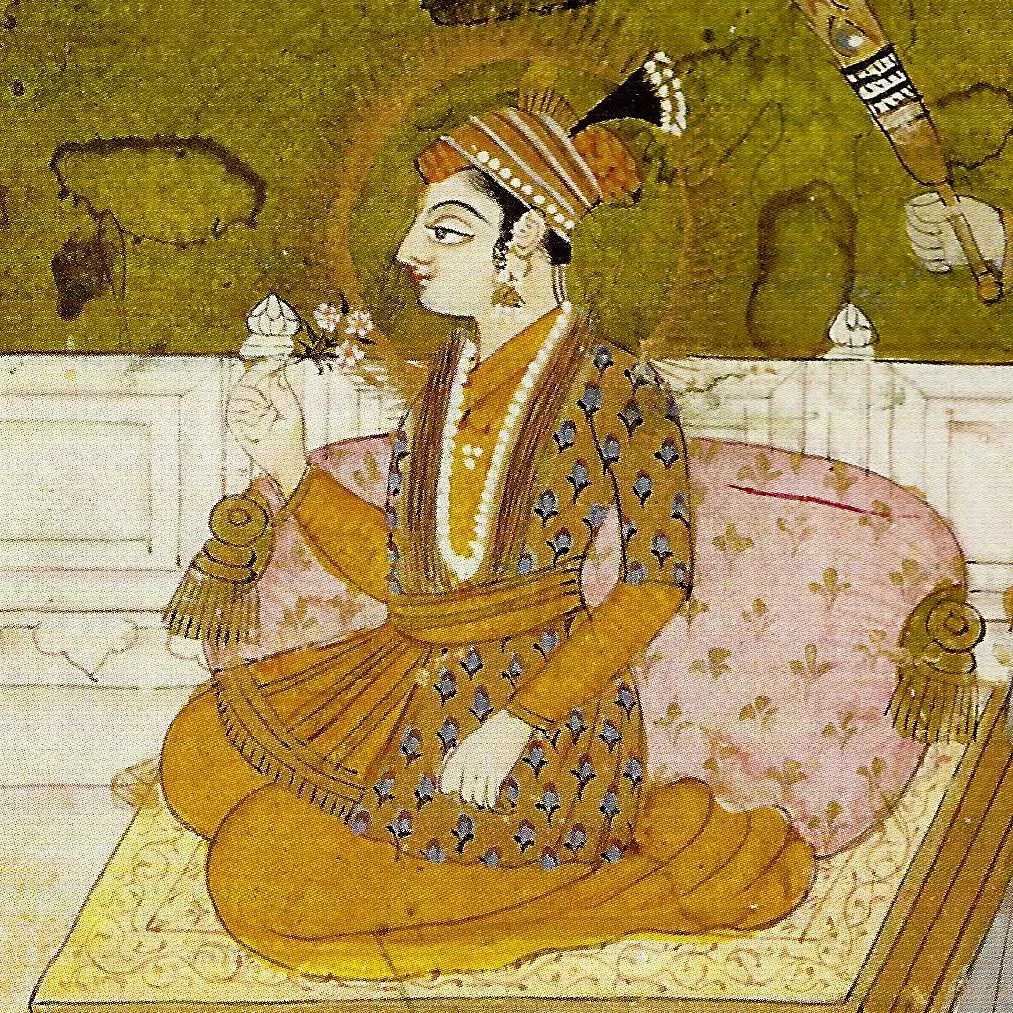
Guru Har Krishan Ji (1656 to 1664) was the eighth Sikh Guru, the youngest of the ten, who became Guru at five and led for less than three years. Summoned to Delhi, he served the city through a smallpox epidemic, caught the disease himself, and died at seven, leaving the words Baba Bakale as his sign to his successor.
- Punjabi name
- ਗੁਰੂ ਹਰਿ ਕ੍ਰਿਸ਼ਨ ਜੀ
- Years
- 1656 to 1664
- Known for
- The Bal Guru (Child Guru); Gurdwara Bangla Sahib
- Region
- Doaba (Kiratpur); died in Delhi
- Born
- 7 July 1656, Kiratpur Sahib
- Father
- Guru Har Rai Ji, the seventh Guru
All 11 facts
- Became Guru
- 7 October 1661, aged five, the youngest of the ten Gurus
- Known as
- Bal Guru, Bala Pritam
- Guruship
- 1661 to 1664, the shortest of the ten Gurus
- Died
- 30 March 1664, Delhi, of smallpox, aged seven
- Last words
- Baba Bakale, pointing to Guru Tegh Bahadur Ji at Bakala
Guru Har Krishan Ji (1656 to 1664) was the eighth Guru of the Sikhs, and the youngest: a child of five when the Guruship came to him, and only seven when it left him. His entire Guruship lasted less than three years, most of it spent between Kiratpur Sahib and a borrowed bungalow in Delhi, yet few Gurus are loved more tenderly. Sikhs call him the Bal Guru, the Child Guru, and Bala Pritam, the beloved child, and his name is still the one whispered to the sick, because the boy who healed a city died of the disease he was fighting.
A child of five becomes Guru
Har Krishan was born on 7 July 1656 at Kiratpur Sahib, the younger son of Guru Har Rai Ji. His elder brother Ram Rai had been disowned for altering a verse of scripture at the Mughal court, and when Guru Har Rai Ji died in October 1661, it was the five-year-old who was named eighth Guru. A child on the throne drew doubters, and Ram Rai used his influence at Delhi to press his own claim, but the Sikh community accepted the dying Guru's choice. Those who met the young Guru described a child of unusual stillness and clarity, and it was his wisdom, not his years, that the doubters were asked to judge.
The scholar who could not answer
Sikh tradition tells the famous story of Panjokhra, near Ambala, on the Guru's journey towards Delhi. A proud Brahmin scholar, Pandit Lal Chand, challenged the child: if you are the Guru, expound the Bhagavad Gita to me. The young Guru touched with his staff a simple, unlettered water carrier named Chhaju who happened to be present, and Chhaju, who could not read a word, began to explain the Gita's deepest meanings to the astonished scholar. The point of the story is the point of the Guruship itself: wisdom is God's gift, not the property of the learned, and it can speak through a child or a water carrier as easily as through a pandit. Lal Chand became the Guru's disciple, and a gurdwara at Panjokhra Sahib keeps the memory.
Summoned to Delhi
Emperor Aurangzeb, who had reason to distrust the Guru's house after the Ram Rai affair, summoned the young Guru to Delhi, working through the courtier Raja Jai Singh of Amber, who gave his word that the child would be safe and free to return. Guru Har Krishan Ji travelled to Delhi in 1664 and stayed not at the court but at Raja Jai Singh's own bungalow, in what is now Connaught Place. There the seven-year-old held court like his forefathers: receiving the poor and the powerful, answering the questions of scholars, and, by all accounts, keeping a dignity that disarmed the politics around him. The emperor, it is said, did not press a direct confrontation with the child Guru.
Serving a city in epidemic
Delhi in 1664 was in the grip of a smallpox epidemic. From Raja Jai Singh's bungalow, the child Guru turned his residence into a place of service: he tended the sick who gathered there, gave them water and comfort, and blessed the water of the bungalow's well, which sufferers carried home. The bungalow's site is now Gurdwara Bangla Sahib, one of the most loved shrines of Delhi, whose sarovar is still visited by the sick in memory of his healing presence. But the disease he fought reached him. Guru Har Krishan Ji contracted smallpox himself, and his small body could not withstand it.
Baba Bakale
As the child Guru lay dying in March 1664, the question of succession pressed on everyone around him: the community could not be left leaderless with Ram Rai waiting and the empire watching. Asked who would follow him, Guru Har Krishan Ji is remembered to have spoken his last words: Baba Bakale, the Elder is at Bakala. At the village of Bakala lived his great-uncle, Guru Tegh Bahadur Ji, the youngest son of Guru Hargobind Ji, who had spent some twenty years in quiet meditation. The dying child's words pointed the community to him, and the ninth Guru was found at Bakala. Guru Har Krishan Ji died in Delhi on 30 March 1664, aged seven years and eight months, the shortest-lived and, in years, the briefest Guruship of the ten.
Why is Guru Har Krishan Ji called the Bal Guru?
Bal means child, and Guru Har Krishan Ji is the Bal Guru because he became Guru at the age of five and died at seven, the youngest of the ten Sikh Gurus. But Sikhs use the name with more than chronology in mind: the child who expounded wisdom to scholars, held court before an emperor's summons and spent his last strength on the sick of Delhi showed that the Guru's light does not depend on age. His Guruship, 1661 to 1664, is also the shortest of the ten.
What is Guru Har Krishan Ji's connection with Gurdwara Bangla Sahib?
In 1664 the child Guru stayed in Delhi at the bungalow of Raja Jai Singh, and from there he served the city during its smallpox epidemic, tending the sick and blessing the well's water. After his death at that bungalow, the site was cherished by Sikhs, and in time the great Gurdwara Bangla Sahib rose there, with its golden dome and healing sarovar. It stands in Connaught Place, New Delhi, and remains the city's most visited gurdwara, a memorial to the seven-year-old Guru who healed Delhi and died in its service.
ਗੁਰੂ ਹਰਿ ਕ੍ਰਿਸ਼ਨ ਜੀ (1656 ਤੋਂ 1664) ਸਿੱਖਾਂ ਦੇ ਅੱਠਵੇਂ ਗੁਰੂ ਸਨ, ਅਤੇ ਸਭ ਤੋਂ ਛੋਟੀ ਉਮਰ ਦੇ: ਪੰਜ ਸਾਲ ਦੀ ਉਮਰ ਵਿੱਚ ਗੁਰਗੱਦੀ ਉਨ੍ਹਾਂ ਨੂੰ ਮਿਲੀ, ਅਤੇ ਸਿਰਫ਼ ਸੱਤ ਸਾਲ ਦੀ ਉਮਰ ਵਿੱਚ ਉਹ ਇਸ ਨੂੰ ਛੱਡ ਗਏ ਉਨ੍ਹਾਂ ਦੀ ਸਾਰੀ ਗੁਰਗੱਦੀ ਤਿੰਨ ਸਾਲ ਤੋਂ ਵੀ ਘੱਟ ਰਹੀ, ਜ਼ਿਆਦਾਤਰ ਕੀਰਤਪੁਰ ਸਾਹਿਬ ਅਤੇ ਦਿੱਲੀ ਦੇ ਇੱਕ ਉਧਾਰੇ ਬੰਗਲੇ ਵਿਚਕਾਰ ਬੀਤੀ, ਪਰ ਬਹੁਤ ਘੱਟ ਗੁਰੂਆਂ ਨੂੰ ਇੰਨੇ ਪਿਆਰ ਨਾਲ ਯਾਦ ਕੀਤਾ ਜਾਂਦਾ ਹੈ ਸਿੱਖ ਉਨ੍ਹਾਂ ਨੂੰ ਬਾਲ ਗੁਰੂ ਅਤੇ ਬਾਲਾ ਪ੍ਰੀਤਮ ਕਹਿੰਦੇ ਹਨ, ਅਤੇ ਉਨ੍ਹਾਂ ਦਾ ਨਾਂ ਅੱਜ ਵੀ ਬੀਮਾਰਾਂ ਦੇ ਕੰਨ ਵਿੱਚ ਫੂਕਿਆ ਜਾਂਦਾ ਹੈ, ਕਿਉਂਕਿ ਜਿਸ ਬਾਲਕ ਨੇ ਇੱਕ ਸ਼ਹਿਰ ਨੂੰ ਠੀਕ ਕੀਤਾ, ਉਹ ਉਸੇ ਬੀਮਾਰੀ ਨਾਲ ਚੱਲ ਵਸਿਆ ਜਿਸ ਨਾਲ ਉਹ ਲੜ ਰਿਹਾ ਸੀ
ਪੰਜ ਸਾਲ ਦਾ ਬਾਲਕ ਗੁਰੂ ਬਣਿਆ
ਹਰਿ ਕ੍ਰਿਸ਼ਨ ਜੀ ਦਾ ਜਨਮ 7 ਜੁਲਾਈ 1656 ਨੂੰ ਕੀਰਤਪੁਰ ਸਾਹਿਬ ਵਿੱਚ ਹੋਇਆ, ਉਹ ਗੁਰੂ ਹਰਿ ਰਾਇ ਜੀ ਦੇ ਛੋਟੇ ਪੁੱਤਰ ਸਨ ਉਨ੍ਹਾਂ ਦੇ ਵੱਡੇ ਭਰਾ ਰਾਮ ਰਾਇ ਨੂੰ ਮੁਗਲ ਦਰਬਾਰ ਵਿੱਚ ਬਾਣੀ ਦੀ ਇੱਕ ਪੰਕਤੀ ਬਦਲਣ ਕਾਰਨ ਛੇਕਿਆ ਜਾ ਚੁੱਕਾ ਸੀ, ਅਤੇ ਜਦੋਂ ਗੁਰੂ ਹਰਿ ਰਾਇ ਜੀ ਅਕਤੂਬਰ 1661 ਵਿੱਚ ਅਕਾਲ ਚਲਾਣਾ ਕਰ ਗਏ, ਤਾਂ ਪੰਜ ਸਾਲ ਦੇ ਬਾਲਕ ਨੂੰ ਅੱਠਵਾਂ ਗੁਰੂ ਥਾਪਿਆ ਗਿਆ ਤਖ਼ਤ 'ਤੇ ਬੈਠੇ ਬਾਲਕ ਨੇ ਸ਼ੱਕੀ ਲੋਕ ਵੀ ਖੜ੍ਹੇ ਕੀਤੇ, ਅਤੇ ਰਾਮ ਰਾਇ ਨੇ ਦਿੱਲੀ ਵਿੱਚ ਆਪਣੇ ਪ੍ਰਭਾਵ ਨਾਲ ਆਪਣਾ ਦਾਅਵਾ ਦਬਾਇਆ, ਪਰ ਸਿੱਖ ਕੌਮ ਨੇ ਅਕਾਲ ਚਲਾਣਾ ਕਰ ਰਹੇ ਗੁਰੂ ਦੀ ਚੋਣ ਸਵੀਕਾਰ ਕਰ ਲਈ ਜੋ ਲੋਕ ਨੌਜਵਾਨ ਗੁਰੂ ਨੂੰ ਮਿਲੇ, ਉਨ੍ਹਾਂ ਨੇ ਇੱਕ ਅਸਾਧਾਰਨ ਸ਼ਾਂਤੀ ਅਤੇ ਸਪੱਸ਼ਟਤਾ ਵਾਲੇ ਬਾਲਕ ਦਾ ਵਰਣਨ ਕੀਤਾ, ਅਤੇ ਸ਼ੱਕ ਕਰਨ ਵਾਲਿਆਂ ਨੂੰ ਕਿਹਾ ਗਿਆ ਕਿ ਉਹ ਉਸ ਦੀ ਬੁੱਧੀ ਨੂੰ ਪਰਖਣ, ਉਸ ਦੇ ਸਾਲਾਂ ਨੂੰ ਨਹੀਂ
ਵਿਦਵਾਨ ਜੋ ਜਵਾਬ ਨਾ ਦੇ ਸਕਿਆ
ਸਿੱਖ ਪਰੰਪਰਾ ਗੁਰੂ ਜੀ ਦੀ ਦਿੱਲੀ ਵੱਲ ਯਾਤਰਾ 'ਤੇ ਅੰਬਾਲਾ ਨੇੜੇ ਪੰਜੋਖਰੇ ਦੀ ਮਸ਼ਹੂਰ ਸਾਖੀ ਦੱਸਦੀ ਹੈ ਇੱਕ ਹੰਕਾਰੀ ਬ੍ਰਾਹਮਣ ਵਿਦਵਾਨ, ਪੰਡਿਤ ਲਾਲ ਚੰਦ, ਨੇ ਬਾਲਕ ਨੂੰ ਚੁਣੌਤੀ ਦਿੱਤੀ: ਜੇ ਤੁਸੀਂ ਗੁਰੂ ਹੋ, ਤਾਂ ਮੈਨੂੰ ਭਗਵਦਗੀਤਾ ਦੀ ਵਿਆਖਿਆ ਕਰਕੇ ਦਿਖਾਓ ਨੌਜਵਾਨ ਗੁਰੂ ਨੇ ਆਪਣੀ ਛਟੀ ਨਾਲ ਉੱਥੇ ਮੌਜੂਦ ਇੱਕ ਸਾਦੇ, ਅਨਪੜ੍ਹ ਪਾਣੀ ਢੋਣ ਵਾਲੇ ਛੱਜੂ ਨੂੰ ਛੂਹਿਆ, ਅਤੇ ਛੱਜੂ, ਜੋ ਇੱਕ ਸ਼ਬਦ ਵੀ ਨਹੀਂ ਪੜ੍ਹ ਸਕਦਾ ਸੀ, ਹੈਰਾਨ ਵਿਦਵਾਨ ਨੂੰ ਗੀਤਾ ਦੇ ਸਭ ਤੋਂ ਡੂੰਘੇ ਅਰਥ ਸਮਝਾਉਣ ਲੱਗਾ ਸਾਖੀ ਦਾ ਭਾਵ ਗੁਰਗੱਦੀ ਦਾ ਆਪਣਾ ਭਾਵ ਹੈ: ਬੁੱਧੀ ਪਰਮਾਤਮਾ ਦੀ ਦਾਤ ਹੈ, ਵਿਦਵਾਨਾਂ ਦੀ ਜਾਗੀਰ ਨਹੀਂ, ਅਤੇ ਇਹ ਬਾਲਕ ਜਾਂ ਪਾਣੀ ਢੋਣ ਵਾਲੇ ਰਾਹੀਂ ਓਨੀ ਹੀ ਆਸਾਨੀ ਨਾਲ ਬੋਲ ਸਕਦੀ ਹੈ ਜਿੰਨੀ ਕਿਸੇ ਪੰਡਿਤ ਰਾਹੀਂ ਲਾਲ ਚੰਦ ਗੁਰੂ ਦਾ ਸਿੱਖ ਬਣ ਗਿਆ, ਅਤੇ ਪੰਜੋਖਰਾ ਸਾਹਿਬ ਵਿਖੇ ਇੱਕ ਗੁਰਦੁਆਰਾ ਇਸ ਯਾਦ ਨੂੰ ਸਾਂਭਦਾ ਹੈ
ਦਿੱਲੀ ਦਾ ਸੱਦਾ
ਬਾਦਸ਼ਾਹ ਔਰੰਗਜ਼ੇਬ, ਜਿਸ ਕੋਲ ਰਾਮ ਰਾਇ ਵਾਲੇ ਮਾਮਲੇ ਤੋਂ ਬਾਅਦ ਗੁਰੂ ਦੇ ਘਰ 'ਤੇ ਅਵਿਸ਼ਵਾਸ ਦਾ ਕਾਰਨ ਸੀ, ਨੇ ਨੌਜਵਾਨ ਗੁਰੂ ਨੂੰ ਦਿੱਲੀ ਬੁਲਾਇਆ, ਦਰਬਾਰੀ ਰਾਜਾ ਜੈ ਸਿੰਘ ਅੰਬਰ ਰਾਹੀਂ, ਜਿਸ ਨੇ ਆਪਣਾ ਬਚਨ ਦਿੱਤਾ ਕਿ ਬਾਲਕ ਸੁਰੱਖਿਅਤ ਰਹੇਗਾ ਅਤੇ ਵਾਪਸ ਜਾਣ ਲਈ ਸੁਤੰਤਰ ਹੋਵੇਗਾ ਗੁਰੂ ਹਰਿ ਕ੍ਰਿਸ਼ਨ ਜੀ 1664 ਵਿੱਚ ਦਿੱਲੀ ਗਏ ਅਤੇ ਦਰਬਾਰ ਦੀ ਬਜਾਏ ਰਾਜਾ ਜੈ ਸਿੰਘ ਦੇ ਆਪਣੇ ਬੰਗਲੇ ਵਿੱਚ ਠਹਿਰੇ, ਜੋ ਅੱਜ ਦੇ ਕਨਾਟ ਪਲੇਸ ਵਿੱਚ ਹੈ ਉੱਥੇ ਸੱਤ ਸਾਲ ਦੇ ਗੁਰੂ ਜੀ ਨੇ ਆਪਣੇ ਪੁਰਖਿਆਂ ਵਾਂਗ ਦਰਬਾਰ ਲਾਇਆ: ਗ਼ਰੀਬਾਂ ਅਤੇ ਤਾਕਤਵਰਾਂ ਨੂੰ ਮਿਲੇ, ਵਿਦਵਾਨਾਂ ਦੇ ਸਵਾਲਾਂ ਦੇ ਜਵਾਬ ਦਿੱਤੇ, ਅਤੇ ਸਾਰੇ ਵਰਣਨਾਂ ਅਨੁਸਾਰ, ਆਪਣੇ ਆਲੇ-ਦੁਆਲੇ ਦੀ ਰਾਜਨੀਤੀ ਨੂੰ ਨਿਰਸਵਾਰਥ ਕਰ ਦੇਣ ਵਾਲੀ ਸ਼ਾਨ ਬਣਾਈ ਰੱਖੀ ਕਿਹਾ ਜਾਂਦਾ ਹੈ ਕਿ ਬਾਦਸ਼ਾਹ ਨੇ ਬਾਲ ਗੁਰੂ ਨਾਲ ਸਿੱਧਾ ਟਾਕਰਾ ਨਹੀਂ ਕੀਤਾ
ਮਹਾਂਮਾਰੀ ਵਿੱਚ ਸ਼ਹਿਰ ਦੀ ਸੇਵਾ
1664 ਵਿੱਚ ਦਿੱਲੀ ਚੇਚਕ ਦੀ ਮਹਾਂਮਾਰੀ ਦੀ ਲਪੇਟ ਵਿੱਚ ਸੀ ਰਾਜਾ ਜੈ ਸਿੰਘ ਦੇ ਬੰਗਲੇ ਤੋਂ, ਬਾਲ ਗੁਰੂ ਨੇ ਆਪਣੀ ਰਿਹਾਇਸ਼ ਨੂੰ ਸੇਵਾ ਦੀ ਥਾਂ ਬਣਾ ਦਿੱਤਾ: ਉਹ ਉੱਥੇ ਇਕੱਠੇ ਹੁੰਦੇ ਬੀਮਾਰਾਂ ਦੀ ਸੇਵਾ ਕਰਦੇ, ਉਨ੍ਹਾਂ ਨੂੰ ਪਾਣੀ ਅਤੇ ਦਿਲਾਸਾ ਦਿੰਦੇ, ਅਤੇ ਬੰਗਲੇ ਦੇ ਖੂਹ ਦੇ ਪਾਣੀ ਨੂੰ ਅਸੀਸ ਦਿੰਦੇ, ਜਿਸ ਨੂੰ ਪੀੜਤ ਘਰ ਲੈ ਜਾਂਦੇ ਸਨ ਬੰਗਲੇ ਵਾਲੀ ਥਾਂ 'ਤੇ ਹੁਣ ਗੁਰਦੁਆਰਾ ਬੰਗਲਾ ਸਾਹਿਬ ਹੈ, ਦਿੱਲੀ ਦੇ ਸਭ ਤੋਂ ਪਿਆਰੇ ਅਸਥਾਨਾਂ ਵਿੱਚੋਂ ਇੱਕ, ਜਿਸ ਦੇ ਸਰੋਵਰ 'ਤੇ ਬੀਮਾਰ ਅੱਜ ਵੀ ਉਨ੍ਹਾਂ ਦੀ ਸਿਹਤ-ਬਖ਼ਸ਼ ਹਾਜ਼ਰੀ ਦੀ ਯਾਦ ਵਿੱਚ ਆਉਂਦੇ ਹਨ ਪਰ ਜਿਸ ਬੀਮਾਰੀ ਨਾਲ ਉਹ ਲੜ ਰਹੇ ਸਨ, ਉਹ ਉਨ੍ਹਾਂ ਤੱਕ ਪਹੁੰਚ ਗਈ ਗੁਰੂ ਹਰਿ ਕ੍ਰਿਸ਼ਨ ਜੀ ਨੂੰ ਖੁਦ ਚੇਚਕ ਹੋ ਗਿਆ, ਅਤੇ ਉਨ੍ਹਾਂ ਦਾ ਛੋਟਾ ਸਰੀਰ ਇਸ ਨੂੰ ਸਹਿਣ ਨਾ ਕਰ ਸਕਿਆ
ਬਾਬਾ ਬਕਾਲਾ
ਜਦੋਂ ਬਾਲ ਗੁਰੂ ਮਾਰਚ 1664 ਵਿੱਚ ਆਖ਼ਰੀ ਸਾਹਾਂ 'ਤੇ ਸਨ, ਤਾਂ ਉਨ੍ਹਾਂ ਦੇ ਆਲੇ-ਦੁਆਲੇ ਦੇ ਹਰ ਵਿਅਕਤੀ 'ਤੇ ਵਾਰਿਸ ਦਾ ਸਵਾਲ ਦਬਾਅ ਪਾ ਰਿਹਾ ਸੀ: ਰਾਮ ਰਾਇ ਦੇ ਉਡੀਕ ਵਿੱਚ ਹੋਣ ਅਤੇ ਸਾਮਰਾਜ ਦੀ ਨਜ਼ਰ ਹੇਠ, ਕੌਮ ਨੂੰ ਆਗੂ-ਰਹਿਤ ਨਹੀਂ ਛੱਡਿਆ ਜਾ ਸਕਦਾ ਸੀ ਜਦੋਂ ਪੁੱਛਿਆ ਗਿਆ ਕਿ ਉਨ੍ਹਾਂ ਤੋਂ ਬਾਅਦ ਕੌਣ ਆਵੇਗਾ, ਤਾਂ ਗੁਰੂ ਹਰਿ ਕ੍ਰਿਸ਼ਨ ਜੀ ਨੇ ਆਪਣੇ ਆਖ਼ਰੀ ਸ਼ਬਦ ਕਹੇ, ਜਿਨ੍ਹਾਂ ਨੂੰ ਯਾਦ ਕੀਤਾ ਜਾਂਦਾ ਹੈ: ਬਾਬਾ ਬਕਾਲਾ, ਬਾਬਾ ਬਕਾਲੇ ਵਿੱਚ ਹੈ ਬਕਾਲਾ ਪਿੰਡ ਵਿੱਚ ਉਨ੍ਹਾਂ ਦੇ ਪੜਦਾਦੇ ਦੇ ਭਰਾ, ਗੁਰੂ ਤੇਗ਼ ਬਹਾਦਰ ਜੀ ਰਹਿੰਦੇ ਸਨ, ਗੁਰੂ ਹਰਿਗੋਬਿੰਦ ਜੀ ਦੇ ਸਭ ਤੋਂ ਛੋਟੇ ਪੁੱਤਰ, ਜਿਨ੍ਹਾਂ ਨੇ ਲਗਭਗ ਵੀਹ ਸਾਲ ਸ਼ਾਂਤ ਧਿਆਨ ਵਿੱਚ ਬਿਤਾਏ ਸਨ ਅਕਾਲ ਚਲਾਣਾ ਕਰ ਰਹੇ ਬਾਲਕ ਦੇ ਸ਼ਬਦਾਂ ਨੇ ਕੌਮ ਨੂੰ ਉਨ੍ਹਾਂ ਵੱਲ ਇਸਾਰਾ ਕੀਤਾ, ਅਤੇ ਨੌਵਾਂ ਗੁਰੂ ਬਕਾਲੇ ਵਿੱਚ ਲੱਭਿਆ ਗਿਆ ਗੁਰੂ ਹਰਿ ਕ੍ਰਿਸ਼ਨ ਜੀ 30 ਮਾਰਚ 1664 ਨੂੰ ਦਿੱਲੀ ਵਿੱਚ, ਸੱਤ ਸਾਲ ਅੱਠ ਮਹੀਨੇ ਦੀ ਉਮਰ ਵਿੱਚ, ਅਕਾਲ ਚਲਾਣਾ ਕਰ ਗਏ, ਦਸਾਂ ਗੁਰੂਆਂ ਵਿੱਚੋਂ ਸਭ ਤੋਂ ਘੱਟ ਉਮਰ ਵਾਲੇ ਅਤੇ ਸਾਲਾਂ ਵਿੱਚ ਸਭ ਤੋਂ ਛੋਟੀ ਗੁਰਗੱਦੀ ਵਾਲੇ
ਗੁਰੂ ਹਰਿ ਕ੍ਰਿਸ਼ਨ ਜੀ ਨੂੰ ਬਾਲ ਗੁਰੂ ਕਿਉਂ ਕਿਹਾ ਜਾਂਦਾ ਹੈ?
ਬਾਲ ਦਾ ਅਰਥ ਹੈ ਬਾਲਕ, ਅਤੇ ਗੁਰੂ ਹਰਿ ਕ੍ਰਿਸ਼ਨ ਜੀ ਬਾਲ ਗੁਰੂ ਇਸ ਲਈ ਹਨ ਕਿਉਂਕਿ ਉਹ ਪੰਜ ਸਾਲ ਦੀ ਉਮਰ ਵਿੱਚ ਗੁਰੂ ਬਣੇ ਅਤੇ ਸੱਤ ਸਾਲ ਦੀ ਉਮਰ ਵਿੱਚ ਅਕਾਲ ਚਲਾਣਾ ਕਰ ਗਏ, ਦਸ ਸਿੱਖ ਗੁਰੂਆਂ ਵਿੱਚੋਂ ਸਭ ਤੋਂ ਛੋਟੀ ਉਮਰ ਦੇ ਪਰ ਸਿੱਖ ਇਹ ਨਾਂ ਸਿਰਫ਼ ਉਮਰ ਦੇ ਹਿਸਾਬ ਨਾਲ ਨਹੀਂ ਵਰਤਦੇ: ਜਿਸ ਬਾਲਕ ਨੇ ਵਿਦਵਾਨਾਂ ਨੂੰ ਬੁੱਧੀ ਦੀ ਵਿਆਖਿਆ ਕੀਤੀ, ਬਾਦਸ਼ਾਹ ਦੇ ਸੱਦੇ ਅੱਗੇ ਦਰਬਾਰ ਲਾਇਆ ਅਤੇ ਆਪਣੀ ਆਖ਼ਰੀ ਤਾਕਤ ਦਿੱਲੀ ਦੇ ਬੀਮਾਰਾਂ 'ਤੇ ਲਾਈ, ਉਸ ਨੇ ਦਿਖਾ ਦਿੱਤਾ ਕਿ ਗੁਰੂ ਦੀ ਜੋਤ ਉਮਰ 'ਤੇ ਨਿਰਭਰ ਨਹੀਂ ਕਰਦੀ ਉਨ੍ਹਾਂ ਦੀ ਗੁਰਗੱਦੀ, 1661 ਤੋਂ 1664, ਦਸਾਂ ਵਿੱਚੋਂ ਸਭ ਤੋਂ ਛੋਟੀ ਵੀ ਹੈ
ਗੁਰੂ ਹਰਿ ਕ੍ਰਿਸ਼ਨ ਜੀ ਦਾ ਗੁਰਦੁਆਰਾ ਬੰਗਲਾ ਸਾਹਿਬ ਨਾਲ ਕੀ ਸੰਬੰਧ ਹੈ?
1664 ਵਿੱਚ ਬਾਲ ਗੁਰੂ ਦਿੱਲੀ ਵਿੱਚ ਰਾਜਾ ਜੈ ਸਿੰਘ ਦੇ ਬੰਗਲੇ ਵਿੱਚ ਠਹਿਰੇ, ਅਤੇ ਉੱਥੋਂ ਉਨ੍ਹਾਂ ਨੇ ਚੇਚਕ ਦੀ ਮਹਾਂਮਾਰੀ ਦੌਰਾਨ ਸ਼ਹਿਰ ਦੀ ਸੇਵਾ ਕੀਤੀ, ਬੀਮਾਰਾਂ ਦੀ ਸੇਵਾ ਕੀਤੀ ਅਤੇ ਖੂਹ ਦੇ ਪਾਣੀ ਨੂੰ ਅਸੀਸ ਦਿੱਤੀ ਉਸੇ ਬੰਗਲੇ ਵਿੱਚ ਉਨ੍ਹਾਂ ਦੇ ਅਕਾਲ ਚਲਾਣੇ ਤੋਂ ਬਾਅਦ, ਸਿੱਖਾਂ ਨੇ ਉਸ ਥਾਂ ਨੂੰ ਪਿਆਰ ਨਾਲ ਸਾਂਭਿਆ, ਅਤੇ ਸਮੇਂ ਨਾਲ ਉੱਥੇ ਸੁਨਹਿਰੀ ਗੁੰਬਦ ਅਤੇ ਸਿਹਤ-ਬਖ਼ਸ਼ ਸਰੋਵਰ ਵਾਲਾ ਮਹਾਨ ਗੁਰਦੁਆਰਾ ਬੰਗਲਾ ਸਾਹਿਬ ਉਸਰਿਆ ਇਹ ਨਵੀਂ ਦਿੱਲੀ ਦੇ ਕਨਾਟ ਪਲੇਸ ਵਿੱਚ ਖੜ੍ਹਾ ਹੈ, ਅਤੇ ਸ਼ਹਿਰ ਦਾ ਸਭ ਤੋਂ ਵੱਧ ਦਰਸ਼ਨ ਕੀਤਾ ਜਾਣ ਵਾਲਾ ਗੁਰਦੁਆਰਾ ਹੈ, ਉਸ ਸੱਤ ਸਾਲ ਦੇ ਗੁਰੂ ਦੀ ਯਾਦਗਾਰ ਜਿਸ ਨੇ ਦਿੱਲੀ ਨੂੰ ਠੀਕ ਕੀਤਾ ਅਤੇ ਇਸ ਦੀ ਸੇਵਾ ਵਿੱਚ ਜਾਨ ਦਿੱਤੀ