
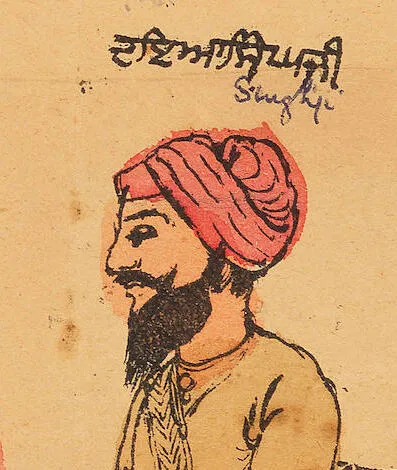
Bhai Daya Singh Ji (1661 to 1708), born Daya Ram in Lahore, was the first Sikh to step forward when Guru Gobind Singh Ji called for a head at Anandpur Sahib on Vaisakhi 1699, and so became the first of the Panj Pyare, the five beloved ones who formed the first Khalsa. He later carried the Guru's Zafarnama to the Mughal emperor Aurangzeb and died at Nanded in 1708.
- Punjabi name
- ਭਾਈ ਦਇਆ ਸਿੰਘ ਜੀ
- Years
- 1661 to 1708
- Known for
- First of the Panj Pyare; the Zafarnama mission
- Born
- 1661, Lahore, as Daya Ram
- Father
- Bhai Suddha, a Sobti Khatri of Lahore
- Mother
- Mai Diali
All 9 facts
- Earlier name
- Daya Ram, until his initiation in 1699
- Role
- Regarded as the mukhi, the first among the Panj Pyare
- Died
- 1708, Nanded, shortly after Guru Gobind Singh Ji
Bhai Daya Singh Ji (1661 to 1708) was the first of the Panj Pyare, the five beloved ones who received the first Khande di Pahul at Anandpur Sahib on Vaisakhi 1699 and became the nucleus of the Khalsa. Born Daya Ram in Lahore, he was the first man in that vast assembly to rise and offer his head when Guru Gobind Singh Ji called for one, and Sikhs have honoured him ever since as the mukhi, the foremost of the five.
A Lahore childhood and the move to Anandpur
Daya Ram was born in 1661 in Lahore, into the family of Bhai Suddha, a Sobti Khatri, and his wife Mai Diali. His birthplace stood in the Koocha Sobti quarter of the walled city, where a Janamasthan shrine later marked the spot. His father was a devout Sikh who had travelled more than once to Anandpur Sahib to sit in the court of Guru Tegh Bahadur Ji, and the boy grew up in a home where the Gurus' hymns were part of daily life. In 1677 the whole family left Lahore and settled permanently at Anandpur, in the court of the young Guru Gobind Singh Ji.
At Anandpur, Daya Ram received the education of a scholar and a soldier together. He studied Persian and Punjabi, read the classics and Gurbani, and trained in martial arts. Of the five men who would one day stand together as the Panj Pyare, he was the most learned, and the Guru kept him close as an attendant and confidant. A Rehitnama, a manual of Sikh conduct, is attributed to his pen, and an early manuscript of the Dasam Granth copied at Aurangabad is also linked with his hand.
The first to answer the call
On 30 March 1699, at the great Vaisakhi gathering in Keshgarh fort at Anandpur, Guru Gobind Singh Ji stood before the assembly with a drawn sword and asked whether any devoted Sikh would give his head. A silence fell over the crowd. The first man to rise was Daya Ram of Lahore. He walked with the Guru to a tent nearby, and when the Guru returned with a bloodied sword and called again, four more followed him, one by one: Dharam Das, Mohkam Chand, Himmat and Sahib Chand. The Guru then brought all five out alive, dressed in saffron robes, and baptised them with the new rite of the double-edged sword. Daya Ram received the name Daya Singh, and as the first to have offered himself he is remembered as the first and foremost of the five.
The honour carried a meaning the Guru made plain. The five were not merely the first initiates; they were then asked to baptise the Guru himself, so that he became both teacher and disciple, and he declared that where the five beloved ones gather, the Guru is present. Daya Singh's step forward is therefore retold at every Vaisakhi as the moment the Khalsa was born.
In the Guru's service: Anandpur, Chamkaur and the Zafarnama
In the years that followed, Daya Singh fought in the battles around Anandpur and remained at the Guru's side through the sieges. When the fortress of Chamkaur was evacuated on the night of 7 to 8 December 1705, he was one of the small group of Sikhs who slipped out with Guru Gobind Singh Ji and escaped through the enemy lines, rejoining him in the Malwa country after the battle.
His most delicate mission came soon after. The Guru entrusted Daya Singh and Bhai Dharam Singh Ji with carrying his letter, the Zafarnama, the Epistle of Victory written in Persian verse, to the Mughal emperor Aurangzeb, who was then encamped at Ahmadnagar in the Deccan. Travelling south by way of Aurangabad, the two found they could not reach the emperor in person as instructed. Daya Singh sent Dharam Singh back to seek the Guru's guidance, and before fresh instructions could arrive he succeeded in delivering the letter to Aurangzeb himself. He also kept a copy of the Zafarnama, which survives to this day.
Last days at Nanded
Daya Singh followed the Guru on the long journey south and was present at Nanded when Guru Gobind Singh Ji passed away on 7 October 1708. He survived his master only briefly, dying at Nanded the same year. The cremation ground there is honoured by a joint memorial whose name joins the two inseparable companions of the Zafarnama journey: Angitha Bhai Daya Singh ate Dharam Singh. A gurdwara in the Dhami Mahalla of Aurangabad also marks the house where he stayed during the southern mission.
In Sikh memory, Daya Singh stands for the learned devotee whose scholarship was matched by his readiness to give everything. Early Sikh literature even describes him as a rebirth of Lava, the son of Lord Rama, a measure of the reverence in which the tradition holds him. The teaching lineage known as the Bhai Daya Singh Samparda traces itself to the school he is said to have founded under the Guru's orders, carrying his name into the present day.
Why is Bhai Daya Singh Ji called the first of the Panj Pyare?
Because he was the first to answer. When Guru Gobind Singh Ji called for a head at Anandpur on 30 March 1699, Daya Ram rose before anyone else in the assembly and offered himself. The other four followed his example, and the Guru honoured the five alike, but tradition has always placed Daya Singh at their head as mukhi, the first of the beloved five.
What was the Zafarnama that Bhai Daya Singh Ji delivered?
The Zafarnama, the Epistle of Victory, is the letter Guru Gobind Singh Ji wrote in Persian verse to the Mughal emperor Aurangzeb after the evacuation of Anandpur and Chamkaur. In it the Guru rebuked the emperor for the broken oaths of his officials and held that when all other means fail, it is righteous to take up the sword. Daya Singh and Dharam Singh carried it south, and Daya Singh delivered it to Aurangzeb at Ahmadnagar.
ਭਾਈ ਦਇਆ ਸਿੰਘ ਜੀ (1661 ਤੋਂ 1708) ਪੰਜ ਪਿਆਰਿਆਂ ਵਿੱਚੋਂ ਪਹਿਲੇ ਸਨ, ਉਹ ਪੰਜ ਪਿਆਰੇ ਜਿਨ੍ਹਾਂ ਨੇ ਵਿਸਾਖੀ 1699 ਨੂੰ ਅਨੰਦਪੁਰ ਸਾਹਿਬ ਵਿਖੇ ਪਹਿਲੀ ਖੰਡੇ ਦੀ ਪਾਹੁਲ ਛਕੀ ਅਤੇ ਜੋ ਖ਼ਾਲਸੇ ਦਾ ਕੇਂਦਰ ਬਣੇ ਲਾਹੌਰ ਵਿੱਚ ਜਨਮੇ ਦਇਆ ਰਾਮ ਉਸ ਵਿਸ਼ਾਲ ਇਕੱਠ ਵਿੱਚ ਸਭ ਤੋਂ ਪਹਿਲੇ ਖੜ੍ਹੇ ਹੋਏ ਜਦੋਂ ਗੁਰੂ ਗੋਬਿੰਦ ਸਿੰਘ ਜੀ ਨੇ ਸੀਸ ਮੰਗਿਆ, ਇਸੇ ਲਈ ਸਿੱਖ ਉਨ੍ਹਾਂ ਨੂੰ ਹਮੇਸ਼ਾ ਪੰਜਾਂ ਵਿੱਚੋਂ ਮੁਖੀ, ਸਭ ਤੋਂ ਅੱਗੇ, ਆਖਦੇ ਆਏ ਹਨ
ਲਾਹੌਰ ਦਾ ਬਚਪਨ ਅਤੇ ਅਨੰਦਪੁਰ ਵੱਲ ਕੂਚ
ਦਇਆ ਰਾਮ ਦਾ ਜਨਮ 1661 ਵਿੱਚ ਲਾਹੌਰ ਵਿੱਚ ਭਾਈ ਸੁੱਢਾ, ਇੱਕ ਸੋਬਤੀ ਖੱਤਰੀ, ਅਤੇ ਉਨ੍ਹਾਂ ਦੀ ਪਤਨੀ ਮਾਈ ਦਿਆਲੀ ਦੇ ਘਰ ਹੋਇਆ ਉਨ੍ਹਾਂ ਦਾ ਜਨਮ ਸਥਾਨ ਕੰਧਾਂ ਵਾਲੇ ਸ਼ਹਿਰ ਦੇ ਕੂਚਾ ਸੋਬਤੀ ਮੁਹੱਲੇ ਵਿੱਚ ਸੀ, ਜਿੱਥੇ ਬਾਅਦ ਵਿੱਚ ਇੱਕ ਜਨਮਸਥਾਨ ਅਸਥਾਨ ਨੇ ਉਸ ਥਾਂ ਨੂੰ ਚਿੰਨ੍ਹਤ ਕੀਤਾ ਉਨ੍ਹਾਂ ਦੇ ਪਿਤਾ ਇੱਕ ਸ਼ਰਧਾਲੂ ਸਿੱਖ ਸਨ ਜੋ ਗੁਰੂ ਤੇਗ਼ ਬਹਾਦੁਰ ਜੀ ਦੇ ਦਰਬਾਰ ਵਿੱਚ ਹਾਜ਼ਰੀ ਭਰਨ ਲਈ ਕਈ ਵਾਰ ਅਨੰਦਪੁਰ ਸਾਹਿਬ ਗਏ ਸਨ, ਅਤੇ ਮੁੰਡਾ ਅਜਿਹੇ ਘਰ ਵਿੱਚ ਵੱਡਾ ਹੋਇਆ ਜਿੱਥੇ ਗੁਰੂਆਂ ਦੀ ਬਾਣੀ ਰੋਜ਼ਾਨਾ ਜੀਵਨ ਦਾ ਹਿੱਸਾ ਸੀ 1677 ਵਿੱਚ ਸਾਰਾ ਪਰਿਵਾਰ ਲਾਹੌਰ ਛੱਡ ਕੇ ਹਮੇਸ਼ਾ ਲਈ ਅਨੰਦਪੁਰ ਆ ਵਸਿਆ, ਨੌਜਵਾਨ ਗੁਰੂ ਗੋਬਿੰਦ ਸਿੰਘ ਜੀ ਦੇ ਦਰਬਾਰ ਵਿੱਚ
ਅਨੰਦਪੁਰ ਵਿੱਚ ਦਇਆ ਰਾਮ ਨੇ ਵਿਦਵਾਨ ਅਤੇ ਸਿਪਾਹੀ ਦੋਵਾਂ ਦੀ ਸਿੱਖਿਆ ਇਕੱਠੀ ਲਈ ਉਨ੍ਹਾਂ ਨੇ ਫ਼ਾਰਸੀ ਅਤੇ ਪੰਜਾਬੀ ਪੜ੍ਹੀ, ਗ੍ਰੰਥ ਅਤੇ ਗੁਰਬਾਣੀ ਦਾ ਅਧਿਐਨ ਕੀਤਾ ਅਤੇ ਸ਼ਸਤਰ ਵਿੱਦਿਆ ਸਿੱਖੀ ਜਿਹੜੇ ਪੰਜ ਬੰਦੇ ਇੱਕ ਦਿਨ ਪੰਜ ਪਿਆਰਿਆਂ ਵਜੋਂ ਇਕੱਠੇ ਖੜ੍ਹਣੇ ਸਨ, ਉਨ੍ਹਾਂ ਵਿੱਚੋਂ ਉਹ ਸਭ ਤੋਂ ਵੱਧ ਪੜ੍ਹੇ ਲਿਖੇ ਸਨ, ਅਤੇ ਗੁਰੂ ਜੀ ਨੇ ਉਨ੍ਹਾਂ ਨੂੰ ਆਪਣੇ ਨੇੜੇ ਸੇਵਕ ਅਤੇ ਭਰੋਸੇਮੰਦ ਵਜੋਂ ਰੱਖਿਆ ਇੱਕ ਰਹਿਤਨਾਮਾ, ਸਿੱਖ ਆਚਾਰ ਦੀ ਪੋਥੀ, ਉਨ੍ਹਾਂ ਦੇ ਨਾਂ ਨਾਲ ਜੁੜਿਆ ਹੈ, ਅਤੇ ਔਰੰਗਾਬਾਦ ਵਿੱਚ ਲਿਖੀ ਦਸਮ ਗ੍ਰੰਥ ਦੀ ਇੱਕ ਪੁਰਾਣੀ ਬੀੜ ਵੀ ਉਨ੍ਹਾਂ ਦੇ ਹੱਥ ਨਾਲ ਜੁੜਦੀ ਹੈ
ਸੱਦੇ ਦਾ ਜਵਾਬ ਦੇਣ ਵਾਲੇ ਪਹਿਲੇ
30 ਮਾਰਚ 1699 ਨੂੰ, ਅਨੰਦਪੁਰ ਦੇ ਕੇਸਗੜ੍ਹ ਕਿਲ੍ਹੇ ਵਿੱਚ ਵਿਸਾਖੀ ਦੇ ਵੱਡੇ ਇਕੱਠ ਮੌਕੇ, ਗੁਰੂ ਗੋਬਿੰਦ ਸਿੰਘ ਜੀ ਨੰਗੀ ਤਲਵਾਰ ਹੱਥ ਵਿੱਚ ਲੈ ਕੇ ਸੰਗਤ ਸਾਹਮਣੇ ਖੜ੍ਹੇ ਹੋਏ ਅਤੇ ਪੁੱਛਿਆ ਕਿ ਕੀ ਕੋਈ ਸ਼ਰਧਾਲੂ ਸਿੱਖ ਆਪਣਾ ਸੀਸ ਦੇਵੇਗਾ ਭੀੜ ਉੱਤੇ ਚੁੱਪ ਛਾ ਗਈ ਸਭ ਤੋਂ ਪਹਿਲਾਂ ਉੱਠਣ ਵਾਲਾ ਲਾਹੌਰ ਦਾ ਦਇਆ ਰਾਮ ਸੀ ਉਹ ਗੁਰੂ ਜੀ ਨਾਲ ਨੇੜੇ ਦੇ ਤੰਬੂ ਵਿੱਚ ਗਿਆ, ਅਤੇ ਜਦੋਂ ਗੁਰੂ ਜੀ ਲਹੂ ਭਰੀ ਤਲਵਾਰ ਨਾਲ ਵਾਪਸ ਆਏ ਅਤੇ ਫਿਰ ਸੱਦਾ ਦਿੱਤਾ, ਤਾਂ ਚਾਰ ਹੋਰ ਇੱਕ ਇੱਕ ਕਰਕੇ ਉਨ੍ਹਾਂ ਦੇ ਪਿੱਛੇ ਗਏ: ਧਰਮ ਦਾਸ, ਮੋਹਕਮ ਚੰਦ, ਹਿੰਮਤ ਅਤੇ ਸਾਹਿਬ ਚੰਦ ਫਿਰ ਗੁਰੂ ਜੀ ਪੰਜਾਂ ਨੂੰ ਜਿਉਂਦੇ ਬਾਹਰ ਲਿਆਏ, ਕੇਸਰੀ ਬਾਣੇ ਵਿੱਚ ਸਜਾਏ, ਅਤੇ ਖੰਡੇ ਦੀ ਪਾਹੁਲ ਦੇ ਨਵੇਂ ਵਿਧਾਨ ਨਾਲ ਉਨ੍ਹਾਂ ਨੂੰ ਛਕਾਇਆ ਦਇਆ ਰਾਮ ਨੂੰ ਦਇਆ ਸਿੰਘ ਨਾਂ ਮਿਲਿਆ, ਅਤੇ ਕਿਉਂਕਿ ਉਨ੍ਹਾਂ ਨੇ ਸਭ ਤੋਂ ਪਹਿਲਾਂ ਆਪਣੇ ਆਪ ਨੂੰ ਪੇਸ਼ ਕੀਤਾ ਸੀ, ਉਨ੍ਹਾਂ ਨੂੰ ਪੰਜਾਂ ਵਿੱਚੋਂ ਪਹਿਲਾ ਅਤੇ ਮੁਖੀ ਯਾਦ ਕੀਤਾ ਜਾਂਦਾ ਹੈ
ਇਸ ਸਨਮਾਨ ਦਾ ਅਰਥ ਗੁਰੂ ਜੀ ਨੇ ਸਾਫ਼ ਕਰ ਦਿੱਤਾ ਪੰਜ ਕੇਵਲ ਪਹਿਲੇ ਅੰਮ੍ਰਿਤਧਾਰੀ ਨਹੀਂ ਸਨ; ਉਨ੍ਹਾਂ ਨੂੰ ਫਿਰ ਗੁਰੂ ਜੀ ਨੂੰ ਆਪ ਅੰਮ੍ਰਿਤ ਛਕਾਉਣ ਲਈ ਕਿਹਾ ਗਿਆ, ਇਸ ਤਰ੍ਹਾਂ ਗੁਰੂ ਜੀ ਗੁਰੂ ਵੀ ਬਣੇ ਅਤੇ ਚੇਲਾ ਵੀ, ਅਤੇ ਉਨ੍ਹਾਂ ਨੇ ਐਲਾਨ ਕੀਤਾ ਕਿ ਜਿੱਥੇ ਪੰਜ ਪਿਆਰੇ ਇਕੱਠੇ ਹੁੰਦੇ ਹਨ, ਉੱਥੇ ਗੁਰੂ ਹਾਜ਼ਰ ਹੁੰਦਾ ਹੈ ਇਸ ਲਈ ਦਇਆ ਸਿੰਘ ਜੀ ਦਾ ਅੱਗੇ ਵਧਣਾ ਹਰ ਵਿਸਾਖੀ ਉੱਤੇ ਉਸ ਪਲ ਵਜੋਂ ਦੱਸਿਆ ਜਾਂਦਾ ਹੈ ਜਦੋਂ ਖ਼ਾਲਸੇ ਦਾ ਜਨਮ ਹੋਇਆ
ਗੁਰੂ ਜੀ ਦੀ ਸੇਵਾ ਵਿੱਚ: ਅਨੰਦਪੁਰ, ਚਮਕੌਰ ਅਤੇ ਜ਼ਫ਼ਰਨਾਮਾ
ਅਗਲੇ ਸਾਲਾਂ ਵਿੱਚ ਦਇਆ ਸਿੰਘ ਅਨੰਦਪੁਰ ਦੇ ਆਲੇ ਦੁਆਲੇ ਦੀਆਂ ਲੜਾਈਆਂ ਵਿੱਚ ਲੜੇ ਅਤੇ ਘੇਰਿਆਂ ਦੇ ਦਿਨਾਂ ਵਿੱਚ ਗੁਰੂ ਜੀ ਦੇ ਨਾਲ ਰਹੇ ਜਦੋਂ 7 ਤੋਂ 8 ਦਸੰਬਰ 1705 ਦੀ ਰਾਤ ਨੂੰ ਚਮਕੌਰ ਦਾ ਕਿਲ੍ਹਾ ਛੱਡਿਆ ਗਿਆ, ਉਹ ਉਨ੍ਹਾਂ ਥੋੜ੍ਹੇ ਸਿੱਖਾਂ ਵਿੱਚੋਂ ਸਨ ਜੋ ਗੁਰੂ ਗੋਬਿੰਦ ਸਿੰਘ ਜੀ ਨਾਲ ਨਿਕਲ ਕੇ ਦੁਸ਼ਮਣ ਦੀਆਂ ਕਤਾਰਾਂ ਵਿੱਚੋਂ ਬਚ ਨਿਕਲੇ ਅਤੇ ਲੜਾਈ ਤੋਂ ਬਾਅਦ ਮਾਲਵੇ ਦੇ ਇਲਾਕੇ ਵਿੱਚ ਮੁੜ ਉਨ੍ਹਾਂ ਨਾਲ ਜਾ ਮਿਲੇ
ਉਨ੍ਹਾਂ ਦਾ ਸਭ ਤੋਂ ਨਾਜ਼ੁਕ ਕੰਮ ਛੇਤੀ ਹੀ ਬਾਅਦ ਵਿੱਚ ਆਇਆ ਗੁਰੂ ਜੀ ਨੇ ਦਇਆ ਸਿੰਘ ਅਤੇ ਭਾਈ ਧਰਮ ਸਿੰਘ ਜੀ ਨੂੰ ਆਪਣੀ ਚਿੱਠੀ, ਜ਼ਫ਼ਰਨਾਮਾ, ਜਿੱਤ ਦੀ ਚਿੱਠੀ ਜੋ ਫ਼ਾਰਸੀ ਬੈਂਤਾਂ ਵਿੱਚ ਲਿਖੀ ਗਈ ਸੀ, ਮੁਗ਼ਲ ਬਾਦਸ਼ਾਹ ਔਰੰਗਜ਼ੇਬ ਕੋਲ ਪਹੁੰਚਾਉਣ ਦੀ ਜ਼ਿੰਮੇਵਾਰੀ ਸੌਂਪੀ, ਜੋ ਉਸ ਸਮੇਂ ਦੱਖਣ ਵਿੱਚ ਅਹਿਮਦਨਗਰ ਵਿਖੇ ਡੇਰਾ ਪਾਈ ਬੈਠਾ ਸੀ ਔਰੰਗਾਬਾਦ ਰਾਹੀਂ ਦੱਖਣ ਵੱਲ ਜਾਂਦਿਆਂ ਦੋਵਾਂ ਨੂੰ ਪਤਾ ਲੱਗਾ ਕਿ ਉਹ ਹਦਾਇਤ ਅਨੁਸਾਰ ਬਾਦਸ਼ਾਹ ਨੂੰ ਖੁਦ ਮਿਲ ਨਹੀਂ ਸਕਣਗੇ ਦਇਆ ਸਿੰਘ ਨੇ ਧਰਮ ਸਿੰਘ ਨੂੰ ਗੁਰੂ ਜੀ ਦੀ ਸਲਾਹ ਲੈਣ ਲਈ ਵਾਪਸ ਭੇਜਿਆ, ਅਤੇ ਨਵੀਂ ਹਦਾਇਤ ਆਉਣ ਤੋਂ ਪਹਿਲਾਂ ਹੀ ਉਹ ਚਿੱਠੀ ਔਰੰਗਜ਼ੇਬ ਤੱਕ ਪਹੁੰਚਾਉਣ ਵਿੱਚ ਸਫ਼ਲ ਹੋ ਗਏ ਉਨ੍ਹਾਂ ਨੇ ਜ਼ਫ਼ਰਨਾਮੇ ਦੀ ਇੱਕ ਨਕਲ ਵੀ ਆਪਣੇ ਕੋਲ ਰੱਖੀ, ਜੋ ਅੱਜ ਤੱਕ ਮੌਜੂਦ ਹੈ
ਨਾਂਦੇੜ ਵਿੱਚ ਆਖਰੀ ਦਿਨ
ਦਇਆ ਸਿੰਘ ਗੁਰੂ ਜੀ ਨਾਲ ਦੱਖਣ ਦੀ ਲੰਬੀ ਯਾਤਰਾ ਉੱਤੇ ਗਏ ਅਤੇ ਨਾਂਦੇੜ ਵਿੱਚ ਹਾਜ਼ਰ ਸਨ ਜਦੋਂ 7 ਅਕਤੂਬਰ 1708 ਨੂੰ ਗੁਰੂ ਗੋਬਿੰਦ ਸਿੰਘ ਜੀ ਜੋਤੀ ਜੋਤਿ ਸਮਾਏ ਉਹ ਆਪਣੇ ਗੁਰੂ ਤੋਂ ਥੋੜ੍ਹਾ ਸਮਾਂ ਹੀ ਬਾਅਦ ਜੀਉਂਦੇ ਰਹੇ ਅਤੇ ਉਸੇ ਸਾਲ ਨਾਂਦੇੜ ਵਿੱਚ ਚਲਾਣਾ ਕਰ ਗਏ ਉੱਥੋਂ ਦੇ ਸਸਕਾਰ ਸਥਾਨ ਨੂੰ ਇੱਕ ਸਾਂਝੀ ਯਾਦਗਾਰ ਸਨਮਾਨ ਦਿੰਦੀ ਹੈ ਜਿਸ ਦਾ ਨਾਂ ਜ਼ਫ਼ਰਨਾਮੇ ਦੀ ਯਾਤਰਾ ਦੇ ਦੋ ਅਟੁੱਟ ਸਾਥੀਆਂ ਨੂੰ ਜੋੜਦਾ ਹੈ: ਅੰਗੀਠਾ ਭਾਈ ਦਇਆ ਸਿੰਘ ਅਤੇ ਧਰਮ ਸਿੰਘ ਔਰੰਗਾਬਾਦ ਦੇ ਧਾਮੀ ਮੁਹੱਲੇ ਵਿੱਚ ਇੱਕ ਗੁਰਦੁਆਰਾ ਵੀ ਉਸ ਘਰ ਨੂੰ ਦਰਸਾਉਂਦਾ ਹੈ ਜਿੱਥੇ ਉਹ ਦੱਖਣੀ ਮੁਹਿੰਮ ਦੌਰਾਨ ਠਹਿਰੇ ਸਨ
ਸਿੱਖ ਯਾਦ ਵਿੱਚ ਦਇਆ ਸਿੰਘ ਉਸ ਵਿਦਵਾਨ ਸ਼ਰਧਾਲੂ ਵਜੋਂ ਖੜ੍ਹੇ ਹਨ ਜਿਸ ਦੀ ਵਿਦਵਤਾ ਉਸ ਦੀ ਸਭ ਕੁਝ ਦੇਣ ਦੀ ਤਿਆਰੀ ਨਾਲ ਮੇਲ ਖਾਂਦੀ ਸੀ ਮੁੱਢਲਾ ਸਿੱਖ ਸਾਹਿਤ ਉਨ੍ਹਾਂ ਨੂੰ ਭਗਵਾਨ ਰਾਮ ਦੇ ਪੁੱਤਰ ਲਵ ਦਾ ਪੁਨਰਜਨਮ ਵੀ ਦੱਸਦਾ ਹੈ, ਜੋ ਇਸ ਗੱਲ ਦਾ ਮਾਪ ਹੈ ਕਿ ਪਰੰਪਰਾ ਉਨ੍ਹਾਂ ਨੂੰ ਕਿੰਨਾ ਸਤਕਾਰ ਦਿੰਦੀ ਹੈ ਭਾਈ ਦਇਆ ਸਿੰਘ ਸੰਪਰਦਾ ਨਾਂ ਦੀ ਸਿੱਖਿਆ ਪਰੰਪਰਾ ਆਪਣੇ ਆਪ ਨੂੰ ਉਸ ਪਾਠਸ਼ਾਲਾ ਨਾਲ ਜੋੜਦੀ ਹੈ ਜੋ ਕਿਹਾ ਜਾਂਦਾ ਹੈ ਕਿ ਉਨ੍ਹਾਂ ਨੇ ਗੁਰੂ ਜੀ ਦੇ ਹੁਕਮ ਨਾਲ ਸਥਾਪੀ ਸੀ, ਅਤੇ ਇਸ ਤਰ੍ਹਾਂ ਉਨ੍ਹਾਂ ਦਾ ਨਾਂ ਅੱਜ ਤੱਕ ਚੱਲਦਾ ਆਇਆ ਹੈ
ਭਾਈ ਦਇਆ ਸਿੰਘ ਜੀ ਨੂੰ ਪੰਜ ਪਿਆਰਿਆਂ ਵਿੱਚੋਂ ਪਹਿਲਾ ਕਿਉਂ ਕਿਹਾ ਜਾਂਦਾ ਹੈ?
ਕਿਉਂਕਿ ਉਹ ਜਵਾਬ ਦੇਣ ਵਾਲੇ ਸਭ ਤੋਂ ਪਹਿਲੇ ਸਨ ਜਦੋਂ ਗੁਰੂ ਗੋਬਿੰਦ ਸਿੰਘ ਜੀ ਨੇ 30 ਮਾਰਚ 1699 ਨੂੰ ਅਨੰਦਪੁਰ ਵਿਖੇ ਸੀਸ ਮੰਗਿਆ, ਦਇਆ ਰਾਮ ਸਾਰੀ ਸੰਗਤ ਵਿੱਚੋਂ ਪਹਿਲਾਂ ਉੱਠੇ ਅਤੇ ਆਪਣੇ ਆਪ ਨੂੰ ਪੇਸ਼ ਕੀਤਾ ਬਾਕੀ ਚਾਰ ਉਨ੍ਹਾਂ ਦੀ ਮਿਸਾਲ ਉੱਤੇ ਅੱਗੇ ਆਏ, ਅਤੇ ਗੁਰੂ ਜੀ ਨੇ ਪੰਜਾਂ ਨੂੰ ਬਰਾਬਰ ਸਨਮਾਨ ਦਿੱਤਾ, ਪਰ ਪਰੰਪਰਾ ਨੇ ਹਮੇਸ਼ਾ ਦਇਆ ਸਿੰਘ ਨੂੰ ਮੁਖੀ ਵਜੋਂ ਪੰਜਾਂ ਦੇ ਸਿਰ ਉੱਤੇ ਰੱਖਿਆ ਹੈ
ਜ਼ਫ਼ਰਨਾਮਾ ਕੀ ਸੀ ਜੋ ਭਾਈ ਦਇਆ ਸਿੰਘ ਜੀ ਨੇ ਪਹੁੰਚਾਇਆ?
ਜ਼ਫ਼ਰਨਾਮਾ, ਜਿੱਤ ਦੀ ਚਿੱਠੀ, ਉਹ ਖ਼ਤ ਹੈ ਜੋ ਗੁਰੂ ਗੋਬਿੰਦ ਸਿੰਘ ਜੀ ਨੇ ਅਨੰਦਪੁਰ ਅਤੇ ਚਮਕੌਰ ਛੱਡਣ ਤੋਂ ਬਾਅਦ ਮੁਗ਼ਲ ਬਾਦਸ਼ਾਹ ਔਰੰਗਜ਼ੇਬ ਨੂੰ ਫ਼ਾਰਸੀ ਬੈਂਤਾਂ ਵਿੱਚ ਲਿਖਿਆ ਇਸ ਵਿੱਚ ਗੁਰੂ ਜੀ ਨੇ ਬਾਦਸ਼ਾਹ ਨੂੰ ਉਸ ਦੇ ਅਧਿਕਾਰੀਆਂ ਦੀਆਂ ਟੁੱਟੀਆਂ ਸੌਹਾਂ ਲਈ ਝਾੜ ਪਾਈ ਅਤੇ ਕਿਹਾ ਕਿ ਜਦੋਂ ਬਾਕੀ ਸਾਰੇ ਰਾਹ ਬੰਦ ਹੋ ਜਾਣ, ਤਲਵਾਰ ਚੁੱਕਣਾ ਧਰਮ ਹੈ ਦਇਆ ਸਿੰਘ ਅਤੇ ਧਰਮ ਸਿੰਘ ਇਸ ਨੂੰ ਦੱਖਣ ਲੈ ਕੇ ਗਏ, ਅਤੇ ਦਇਆ ਸਿੰਘ ਨੇ ਇਸ ਨੂੰ ਅਹਿਮਦਨਗਰ ਵਿਖੇ ਔਰੰਗਜ਼ੇਬ ਤੱਕ ਪਹੁੰਚਾਇਆ