
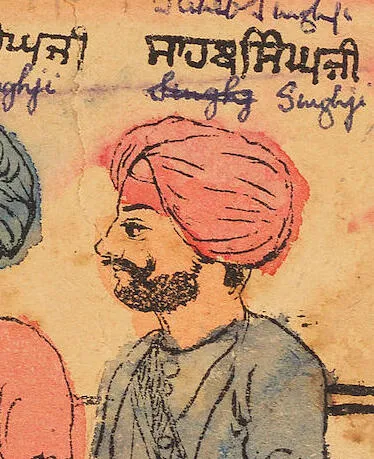
Bhai Sahib Singh Ji (1662 to 1705), born Sahib Chand into a barber family of Bidar in Karnataka, was one of the Panj Pyare, the five beloved ones first baptised into the Khalsa at Anandpur Sahib in 1699, the southernmost of the five. A famed marksman in the Guru's battles, he died at Chamkaur in December 1705.
- Punjabi name
- ਭਾਈ ਸਾਹਿਬ ਸਿੰਘ ਜੀ
- Years
- 1662 to 1705
- Known for
- One of the Panj Pyare; a famed marksman; martyred at Chamkaur
- Born
- 1662, Bidar, Karnataka, as Sahib Chand
- Family
- A Nai, barber, family of Bidar (accounts differ on his father's name)
- Earlier name
- Sahib Chand, until his initiation in 1699
All 8 facts
- Noted for
- Marksmanship in the battles of Anandpur
- Died
- 7 December 1705, fighting at Chamkaur, aged about 43
Bhai Sahib Singh Ji (1662 to 1705) was one of the Panj Pyare, the five beloved ones who were the first to receive Khande di Pahul from Guru Gobind Singh Ji at Anandpur Sahib on Vaisakhi 1699. Born Sahib Chand at Bidar in present day Karnataka, he was the southernmost of the five, a barber's son from a town Guru Nanak himself had sanctified, and he grew into one of the finest marksmen in the Guru's army.
Bidar, the town Guru Nanak had visited
Sahib Chand was born in 1662 at Bidar, in the Deccan plateau country of present day Karnataka. His family belonged to the Nai community, the barbers; later retellings do not all agree on his father's name, and the honest record is simply that he was a barber's son of Bidar who rose on merit alone. The town held a special place in Sikh memory: Guru Nanak had passed through Bidar on his southern travels in the early sixteenth century, and the spring known as Nanak Jhira, the stream of Nanak, kept a Sikh shrine alive there. A boy growing up Sikh in Bidar grew up inside a story that began with the first Guru himself.
At the age of sixteen, Sahib Chand left Bidar and travelled north to Anandpur Sahib, where he settled in the service of Guru Gobind Singh Ji and never left it. He arrived as a teenager from the deep Deccan and was formed, like the others, by twenty years in the Guru's court before the great day came.
The fifth to offer his head
On 30 March 1699, at the Vaisakhi assembly in Keshgarh fort, the Guru asked his Sikhs for a head. One by one the volunteers rose: Daya Ram of Lahore, Dharam Das of Hastinapur, Mohkam Chand of Dwarka, Himmat of Puri, and last of the five, Sahib Chand of Bidar. He followed the Guru to the tent, and came out with the others in the saffron dress of the new Khalsa, baptised and renamed Sahib Singh. In the order the five are named he stands fifth, and the tradition is content with the symmetry: the last to step forward completed a set that reached from Lahore to Bidar, the whole of India gathered into five men.
The marksman of Anandpur
What set Sahib Singh apart in the years of war that followed was his eye. The Encyclopaedia of Sikhism's account records that in one of the battles at Anandpur he shot dead Jamatulla, a Gujjar chief fighting with the hill armies, and that in another engagement his musket shot seriously wounded Raja Bhup Chand of Hindur, a blow after which the hill forces broke and fled. In an age of matchlocks, a marksman who could pick out a commander decided battles, and the barber's son from Bidar became one of the Guru's valued fighting men, his skill a standing answer to anyone who thought worth was inherited.
Martyrdom at Chamkaur
Sahib Singh was with the Guru through the final evacuation of Anandpur in December 1705 and the stand at Chamkaur that followed. On 7 December 1705 he fell fighting in that little fortress, aged about forty-three, with Bhai Himmat Singh Ji and Bhai Mohkam Singh Ji, the three of the founding five who gave their lives that day. He had travelled further than any of them to reach the Guru, and he lies in Sikh memory where he stood in life: in the first rank of the Khalsa, where neither birthplace nor birth counted, only devotion and courage.
Bidar keeps its own thread of the story. The Nanak Jhira shrine where Guru Nanak's visit is remembered still draws pilgrims in Karnataka, and Sahib Singh's name gives the town a second place in the Sikh story: the place that sent the Khalsa its southernmost founder. For Sikhs in the Deccan, he is proof that the Panth was pan-Indian from its first morning.
Why is Bhai Sahib Singh Ji called the southern link of the Panj Pyare?
Because of the five, his home lay furthest south. Daya Singh came from Lahore, Dharam Singh from Hastinapur near Delhi, Mohkam Singh from Dwarka in Gujarat, Himmat Singh from Puri in Odisha, and Sahib Singh from Bidar in Karnataka. Together the five mapped the India of their day, and Sahib Singh's Bidar origin is always cited as the southern point of that founding compass.
What was Bhai Sahib Singh Ji famous for in battle?
For his marksmanship. The Encyclopaedia of Sikhism records that in the fighting around Anandpur he shot dead the Gujjar chief Jamatulla, and in another battle wounded Raja Bhup Chand of Hindur with a musket shot that helped rout the hill army. A barber's son becoming the Guru's sharpshooter is part of why his story is told: in the Khalsa, a man's worth was what he could do and what he would give.
ਭਾਈ ਸਾਹਿਬ ਸਿੰਘ ਜੀ (1662 ਤੋਂ 1705) ਪੰਜ ਪਿਆਰਿਆਂ ਵਿੱਚੋਂ ਇੱਕ ਸਨ, ਉਹ ਪੰਜ ਪਿਆਰੇ ਜੋ ਵਿਸਾਖੀ 1699 ਨੂੰ ਅਨੰਦਪੁਰ ਸਾਹਿਬ ਵਿਖੇ ਗੁਰੂ ਗੋਬਿੰਦ ਸਿੰਘ ਜੀ ਤੋਂ ਪਹਿਲੇ ਖੰਡੇ ਦੀ ਪਾਹੁਲ ਛਕਣ ਵਾਲੇ ਬਣੇ ਸਾਹਿਬ ਚੰਦ ਨਾਂ ਨਾਲ ਅੱਜ ਦੇ ਕਰਨਾਟਕ ਦੇ ਬਿਦਰ ਵਿੱਚ ਜਨਮੇ, ਉਹ ਪੰਜਾਂ ਵਿੱਚੋਂ ਸਭ ਤੋਂ ਦੱਖਣ ਵੱਲੋਂ ਆਏ ਸਨ, ਇੱਕ ਨਾਈ ਪਰਿਵਾਰ ਦਾ ਪੁੱਤਰ ਉਸ ਸ਼ਹਿਰ ਵਿੱਚੋਂ ਜਿਸ ਨੂੰ ਗੁਰੂ ਨਾਨਕ ਜੀ ਨੇ ਆਪ ਪਵਿੱਤਰ ਕੀਤਾ ਸੀ, ਅਤੇ ਉਹ ਗੁਰੂ ਜੀ ਦੀ ਫ਼ੌਜ ਦੇ ਸਭ ਤੋਂ ਵਧੀਆ ਨਿਸ਼ਾਨਚੀਆਂ ਵਿੱਚੋਂ ਇੱਕ ਬਣੇ
ਬਿਦਰ, ਉਹ ਸ਼ਹਿਰ ਜਿੱਥੇ ਗੁਰੂ ਨਾਨਕ ਜੀ ਆਏ ਸਨ
ਸਾਹਿਬ ਚੰਦ ਦਾ ਜਨਮ 1662 ਵਿੱਚ ਬਿਦਰ ਵਿੱਚ ਹੋਇਆ, ਅੱਜ ਦੇ ਕਰਨਾਟਕ ਦੇ ਦੱਖਣ ਪਠਾਰੀ ਇਲਾਕੇ ਵਿੱਚ ਉਨ੍ਹਾਂ ਦਾ ਪਰਿਵਾਰ ਨਾਈ ਭਾਈਚਾਰੇ ਨਾਲ ਸਬੰਧ ਰੱਖਦਾ ਸੀ; ਬਾਅਦ ਦੀਆਂ ਕਥਾਵਾਂ ਉਨ੍ਹਾਂ ਦੇ ਪਿਤਾ ਦੇ ਨਾਂ ਬਾਰੇ ਇੱਕਮਤ ਨਹੀਂ ਹਨ, ਅਤੇ ਇਮਾਨਦਾਰ ਬਿਰਤਾਂਤ ਸਿਰਫ਼ ਇੰਨਾ ਹੈ ਕਿ ਉਹ ਬਿਦਰ ਦੇ ਇੱਕ ਨਾਈ ਦੇ ਪੁੱਤਰ ਸਨ ਜੋ ਸਿਰਫ਼ ਯੋਗਤਾ ਨਾਲ ਉੱਪਰ ਉੱਠੇ ਸ਼ਹਿਰ ਦੀ ਸਿੱਖ ਯਾਦ ਵਿੱਚ ਖ਼ਾਸ ਥਾਂ ਸੀ: ਗੁਰੂ ਨਾਨਕ ਜੀ ਸੋਲ੍ਹਵੀਂ ਸਦੀ ਦੇ ਸ਼ੁਰੂ ਵਿੱਚ ਆਪਣੀ ਦੱਖਣੀ ਯਾਤਰਾ ਦੌਰਾਨ ਬਿਦਰ ਵਿੱਚੋਂ ਲੰਘੇ ਸਨ, ਅਤੇ ਨਾਨਕ ਝੀਰਾ ਨਾਂ ਦਾ ਚਸ਼ਮਾ ਉੱਥੇ ਇੱਕ ਸਿੱਖ ਅਸਥਾਨ ਨੂੰ ਜਿਉਂਦਾ ਰੱਖਦਾ ਸੀ ਬਿਦਰ ਵਿੱਚ ਸਿੱਖ ਵਜੋਂ ਵੱਡਾ ਹੋਣ ਵਾਲਾ ਮੁੰਡਾ ਇੱਕ ਅਜਿਹੀ ਕਹਾਣੀ ਵਿੱਚ ਵੱਡਾ ਹੁੰਦਾ ਸੀ ਜੋ ਪਹਿਲੇ ਗੁਰੂ ਜੀ ਨਾਲ ਆਪ ਸ਼ੁਰੂ ਹੁੰਦੀ ਸੀ
ਸੋਲਾਂ ਸਾਲ ਦੀ ਉਮਰ ਵਿੱਚ ਸਾਹਿਬ ਚੰਦ ਬਿਦਰ ਛੱਡ ਕੇ ਉੱਤਰ ਵੱਲ ਅਨੰਦਪੁਰ ਸਾਹਿਬ ਆਏ, ਜਿੱਥੇ ਉਹ ਗੁਰੂ ਗੋਬਿੰਦ ਸਿੰਘ ਜੀ ਦੀ ਸੇਵਾ ਵਿੱਚ ਵਸ ਗਏ ਅਤੇ ਫਿਰ ਕਦੇ ਨਹੀਂ ਛੱਡੀ ਉਹ ਦੂਰ ਦੱਖਣ ਤੋਂ ਇੱਕ ਕਿਸ਼ੋਰ ਵਜੋਂ ਆਏ ਸਨ ਅਤੇ ਬਾਕੀਆਂ ਵਾਂਗ, ਉਸ ਮਹਾਨ ਦਿਨ ਦੇ ਆਉਣ ਤੋਂ ਪਹਿਲਾਂ ਗੁਰੂ ਜੀ ਦੇ ਦਰਬਾਰ ਵਿੱਚ ਵੀਹ ਸਾਲਾਂ ਵਿੱਚ ਢਲੇ
ਸੀਸ ਦੇਣ ਵਾਲੇ ਪੰਜਵੇਂ
30 ਮਾਰਚ 1699 ਨੂੰ, ਕੇਸਗੜ੍ਹ ਕਿਲ੍ਹੇ ਵਿੱਚ ਵਿਸਾਖੀ ਦੇ ਇਕੱਠ ਮੌਕੇ, ਗੁਰੂ ਜੀ ਨੇ ਆਪਣੇ ਸਿੱਖਾਂ ਤੋਂ ਸੀਸ ਮੰਗਿਆ ਇੱਕ ਇੱਕ ਕਰਕੇ ਸਵੈਸੇਵਕ ਉੱਠੇ: ਲਾਹੌਰ ਦਾ ਦਇਆ ਰਾਮ, ਹਸਤਨਾਪੁਰ ਦਾ ਧਰਮ ਦਾਸ, ਦਵਾਰਕਾ ਦਾ ਮੋਹਕਮ ਚੰਦ, ਪੁਰੀ ਦਾ ਹਿੰਮਤ, ਅਤੇ ਪੰਜਾਂ ਵਿੱਚੋਂ ਅਖ਼ੀਰਲੇ, ਬਿਦਰ ਦਾ ਸਾਹਿਬ ਚੰਦ ਉਹ ਗੁਰੂ ਜੀ ਦੇ ਪਿੱਛੇ ਤੰਬੂ ਵਿੱਚ ਗਏ, ਅਤੇ ਬਾਕੀਆਂ ਨਾਲ ਨਵੇਂ ਖ਼ਾਲਸੇ ਦੇ ਕੇਸਰੀ ਬਾਣੇ ਵਿੱਚ ਬਾਹਰ ਆਏ, ਛਕਾਏ ਗਏ ਅਤੇ ਸਾਹਿਬ ਸਿੰਘ ਨਾਂ ਦਿੱਤਾ ਗਿਆ ਜਿਸ ਕ੍ਰਮ ਵਿੱਚ ਪੰਜਾਂ ਦੇ ਨਾਂ ਲਏ ਜਾਂਦੇ ਹਨ ਉਸ ਵਿੱਚ ਉਹ ਪੰਜਵੇਂ ਹਨ, ਅਤੇ ਪਰੰਪਰਾ ਇਸ ਸੰਤੁਲਨ ਨਾਲ ਸੰਤੁਸ਼ਟ ਹੈ: ਸਭ ਤੋਂ ਬਾਅਦ ਅੱਗੇ ਆਉਣ ਵਾਲੇ ਨੇ ਉਸ ਜਥੇ ਨੂੰ ਪੂਰਾ ਕੀਤਾ ਜੋ ਲਾਹੌਰ ਤੋਂ ਬਿਦਰ ਤੱਕ ਫੈਲਿਆ ਸੀ, ਸਾਰਾ ਭਾਰਤ ਪੰਜ ਬੰਦਿਆਂ ਵਿੱਚ ਇਕੱਠਾ
ਅਨੰਦਪੁਰ ਦਾ ਨਿਸ਼ਾਨਚੀ
ਅਗਲੇ ਜੰਗੀ ਸਾਲਾਂ ਵਿੱਚ ਸਾਹਿਬ ਸਿੰਘ ਨੂੰ ਵੱਖਰਾ ਬਣਾਉਣ ਵਾਲੀ ਗੱਲ ਉਨ੍ਹਾਂ ਦੀ ਅੱਖ ਸੀ ਐਨਸਾਈਕਲੋਪੀਡੀਆ ਆਫ਼ ਸਿੱਖਇਜ਼ਮ ਦਾ ਬਿਰਤਾਂਤ ਦਰਜ ਕਰਦਾ ਹੈ ਕਿ ਅਨੰਦਪੁਰ ਦੀਆਂ ਲੜਾਈਆਂ ਵਿੱਚੋਂ ਇੱਕ ਵਿੱਚ ਉਨ੍ਹਾਂ ਨੇ ਪਹਾੜੀ ਫ਼ੌਜਾਂ ਨਾਲ ਲੜਦੇ ਗੁੱਜਰ ਸਰਦਾਰ ਜਮਾਤੁੱਲਾ ਨੂੰ ਗੋਲੀ ਮਾਰ ਦਿੱਤੀ ਸੀ, ਅਤੇ ਇੱਕ ਹੋਰ ਟਾਕਰੇ ਵਿੱਚ ਉਨ੍ਹਾਂ ਦੀ ਬੰਦੂਕ ਦੀ ਗੋਲੀ ਨੇ ਹਿੰਡੂਰ ਦੇ ਰਾਜਾ ਭੂਪ ਚੰਦ ਨੂੰ ਗੰਭੀਰ ਜ਼ਖਮੀ ਕਰ ਦਿੱਤਾ ਸੀ, ਜਿਸ ਧੱਕੇ ਤੋਂ ਬਾਅਦ ਪਹਾੜੀ ਫ਼ੌਜਾਂ ਟੁੱਟ ਕੇ ਭੱਜ ਗਈਆਂ ਮਾਚਲੌਕਾਂ ਦੇ ਯੁੱਗ ਵਿੱਚ, ਇੱਕ ਨਿਸ਼ਾਨਚੀ ਜੋ ਸਰਦਾਰ ਨੂੰ ਚੁਣ ਕੇ ਮਾਰ ਸਕਦਾ ਸੀ, ਲੜਾਈਆਂ ਦਾ ਫ਼ੈਸਲਾ ਕਰਦਾ ਸੀ, ਅਤੇ ਬਿਦਰ ਦਾ ਨਾਈ ਪਰਿਵਾਰ ਦਾ ਪੁੱਤਰ ਗੁਰੂ ਜੀ ਦੇ ਕੀਮਤੀ ਸੂਰਮਿਆਂ ਵਿੱਚੋਂ ਇੱਕ ਬਣ ਗਿਆ, ਉਨ੍ਹਾਂ ਦਾ ਹੁਨਰ ਹਰ ਉਸ ਬੰਦੇ ਲਈ ਖੜ੍ਹਾ ਜਵਾਬ ਸੀ ਜੋ ਸੋਚਦਾ ਸੀ ਕਿ ਕਾਬਲੀਅਤ ਵਿਰਾਸਤ ਵਿੱਚ ਮਿਲਦੀ ਹੈ
ਚਮਕੌਰ ਵਿੱਚ ਸ਼ਹੀਦੀ
ਸਾਹਿਬ ਸਿੰਘ ਦਸੰਬਰ 1705 ਵਿੱਚ ਅਨੰਦਪੁਰ ਦੇ ਆਖਰੀ ਖਾਲੀ ਹੋਣ ਅਤੇ ਉਸ ਤੋਂ ਬਾਅਦ ਚਮਕੌਰ ਦੇ ਟਾਕਰੇ ਵਿੱਚ ਗੁਰੂ ਜੀ ਨਾਲ ਸਨ 7 ਦਸੰਬਰ 1705 ਨੂੰ ਉਹ ਉਸ ਛੋਟੇ ਜਿਹੇ ਕਿਲ੍ਹੇ ਵਿੱਚ ਲਗਭਗ ਤਰਤਾਲੀ ਸਾਲ ਦੀ ਉਮਰ ਵਿੱਚ ਲੜਦਿਆਂ ਸ਼ਹੀਦ ਹੋਏ, ਭਾਈ ਹਿੰਮਤ ਸਿੰਘ ਜੀ ਅਤੇ ਭਾਈ ਮੋਹਕਮ ਸਿੰਘ ਜੀ ਨਾਲ, ਸਥਾਪਨਾ ਵਾਲੇ ਪੰਜਾਂ ਵਿੱਚੋਂ ਉਹ ਤਿੰਨ ਜਿਨ੍ਹਾਂ ਨੇ ਉਸ ਦਿਨ ਆਪਣੀਆਂ ਜਾਨਾਂ ਦਿੱਤੀਆਂ ਉਹ ਗੁਰੂ ਜੀ ਤੱਕ ਪਹੁੰਚਣ ਲਈ ਸਭ ਤੋਂ ਲੰਬੀ ਯਾਤਰਾ ਕਰਕੇ ਆਏ ਸਨ, ਅਤੇ ਉਹ ਸਿੱਖ ਯਾਦ ਵਿੱਚ ਉੱਥੇ ਹੀ ਪਏ ਹਨ ਜਿੱਥੇ ਉਹ ਜੀਵਨ ਵਿੱਚ ਖੜ੍ਹੇ ਸਨ: ਖ਼ਾਲਸੇ ਦੀ ਪਹਿਲੀ ਕਤਾਰ ਵਿੱਚ, ਜਿੱਥੇ ਨਾ ਜਨਮ ਸਥਾਨ ਗਿਣਿਆ ਜਾਂਦਾ ਸੀ ਨਾ ਜਨਮ, ਸਿਰਫ਼ ਸ਼ਰਧਾ ਅਤੇ ਹੌਸਲਾ
ਬਿਦਰ ਕਹਾਣੀ ਦੀ ਆਪਣੀ ਲੜੀ ਰੱਖਦਾ ਹੈ ਨਾਨਕ ਝੀਰਾ ਅਸਥਾਨ, ਜਿੱਥੇ ਗੁਰੂ ਨਾਨਕ ਜੀ ਦੀ ਫੇਰੀ ਨੂੰ ਯਾਦ ਕੀਤਾ ਜਾਂਦਾ ਹੈ, ਅੱਜ ਵੀ ਕਰਨਾਟਕ ਵਿੱਚ ਸ਼ਰਧਾਲੂਆਂ ਨੂੰ ਖਿੱਚਦਾ ਹੈ, ਅਤੇ ਸਾਹਿਬ ਸਿੰਘ ਦਾ ਨਾਂ ਸ਼ਹਿਰ ਨੂੰ ਸਿੱਖ ਕਹਾਣੀ ਵਿੱਚ ਦੂਜੀ ਥਾਂ ਦਿੰਦਾ ਹੈ: ਉਹ ਥਾਂ ਜਿਸ ਨੇ ਖ਼ਾਲਸੇ ਨੂੰ ਉਸ ਦਾ ਸਭ ਤੋਂ ਦੱਖਣੀ ਸੰਸਥਾਪਕ ਭੇਜਿਆ ਦੱਖਣ ਦੇ ਸਿੱਖਾਂ ਲਈ, ਉਹ ਇਸ ਗੱਲ ਦਾ ਸਬੂਤ ਹਨ ਕਿ ਪੰਥ ਆਪਣੀ ਪਹਿਲੀ ਸਵੇਰ ਤੋਂ ਹੀ ਸਰਬ ਭਾਰਤੀ ਸੀ
ਭਾਈ ਸਾਹਿਬ ਸਿੰਘ ਜੀ ਨੂੰ ਪੰਜ ਪਿਆਰਿਆਂ ਦੀ ਦੱਖਣੀ ਕੜੀ ਕਿਉਂ ਕਿਹਾ ਜਾਂਦਾ ਹੈ?
ਕਿਉਂਕਿ ਪੰਜਾਂ ਵਿੱਚੋਂ ਉਨ੍ਹਾਂ ਦਾ ਘਰ ਸਭ ਤੋਂ ਦੱਖਣ ਵੱਲ ਸੀ ਦਇਆ ਸਿੰਘ ਲਾਹੌਰ ਤੋਂ ਆਏ, ਧਰਮ ਸਿੰਘ ਦਿੱਲੀ ਨੇੜੇ ਹਸਤਨਾਪੁਰ ਤੋਂ, ਮੋਹਕਮ ਸਿੰਘ ਗੁਜਰਾਤ ਦੇ ਦਵਾਰਕਾ ਤੋਂ, ਹਿੰਮਤ ਸਿੰਘ ਓਡੀਸ਼ਾ ਦੇ ਪੁਰੀ ਤੋਂ, ਅਤੇ ਸਾਹਿਬ ਸਿੰਘ ਕਰਨਾਟਕ ਦੇ ਬਿਦਰ ਤੋਂ ਪੰਜਾਂ ਨੇ ਮਿਲ ਕੇ ਆਪਣੇ ਸਮੇਂ ਦੇ ਭਾਰਤ ਦਾ ਨਕਸ਼ਾ ਬਣਾਇਆ, ਅਤੇ ਸਾਹਿਬ ਸਿੰਘ ਦਾ ਬਿਦਰ ਵਾਲਾ ਮੂਲ ਹਮੇਸ਼ਾ ਉਸ ਸਥਾਪਨਾ ਰੂਪੀ ਕੰਪਾਸ ਦੇ ਦੱਖਣੀ ਬਿੰਦੂ ਵਜੋਂ ਦਿੱਤਾ ਜਾਂਦਾ ਹੈ
ਭਾਈ ਸਾਹਿਬ ਸਿੰਘ ਜੀ ਲੜਾਈ ਵਿੱਚ ਕਿਸ ਲਈ ਮਸ਼ਹੂਰ ਸਨ?
ਆਪਣੇ ਨਿਸ਼ਾਨੇ ਲਈ ਐਨਸਾਈਕਲੋਪੀਡੀਆ ਆਫ਼ ਸਿੱਖਇਜ਼ਮ ਦਰਜ ਕਰਦਾ ਹੈ ਕਿ ਅਨੰਦਪੁਰ ਦੇ ਆਲੇ ਦੁਆਲੇ ਦੀ ਲੜਾਈ ਵਿੱਚ ਉਨ੍ਹਾਂ ਨੇ ਗੁੱਜਰ ਸਰਦਾਰ ਜਮਾਤੁੱਲਾ ਨੂੰ ਗੋਲੀ ਮਾਰ ਦਿੱਤੀ ਸੀ, ਅਤੇ ਇੱਕ ਹੋਰ ਲੜਾਈ ਵਿੱਚ ਹਿੰਡੂਰ ਦੇ ਰਾਜਾ ਭੂਪ ਚੰਦ ਨੂੰ ਬੰਦੂਕ ਦੀ ਗੋਲੀ ਨਾਲ ਜ਼ਖਮੀ ਕੀਤਾ ਜਿਸ ਨੇ ਪਹਾੜੀ ਫ਼ੌਜ ਨੂੰ ਤੋੜਨ ਵਿੱਚ ਮਦਦ ਕੀਤੀ ਇੱਕ ਨਾਈ ਪਰਿਵਾਰ ਦੇ ਪੁੱਤਰ ਦਾ ਗੁਰੂ ਜੀ ਦਾ ਨਿਸ਼ਾਨਚੀ ਬਣਨਾ ਇਸ ਗੱਲ ਦਾ ਹਿੱਸਾ ਹੈ ਕਿ ਉਨ੍ਹਾਂ ਦੀ ਕਹਾਣੀ ਕਿਉਂ ਦੱਸੀ ਜਾਂਦੀ ਹੈ: ਖ਼ਾਲਸੇ ਵਿੱਚ, ਬੰਦੇ ਦੀ ਕੀਮਤ ਉਹ ਸੀ ਜੋ ਉਹ ਕਰ ਸਕਦਾ ਸੀ ਅਤੇ ਜੋ ਉਹ ਦੇ ਸਕਦਾ ਸੀ