
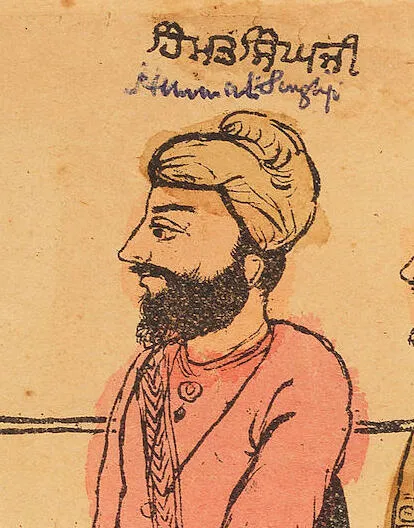
Bhai Himmat Singh Ji (1661 to 1705), born Himmat Rai into a water-carrier family of Jagannath Puri in Odisha, was one of the Panj Pyare, the five beloved ones first baptised into the Khalsa at Anandpur Sahib in 1699. True to his name, which means courage, he died fighting beside Guru Gobind Singh Ji at the battle of Chamkaur in December 1705.
- Punjabi name
- ਭਾਈ ਹਿੰਮਤ ਸਿੰਘ ਜੀ
- Years
- 1661 to 1705
- Known for
- One of the Panj Pyare; martyred at Chamkaur
- Born
- 18 January 1661, Jagannath Puri, Odisha, as Himmat Rai
- Father
- Bhai Gulzari
- Mother
- Mata Dhanno
All 9 facts
- Community
- A Jheevar, water-carrier, family of Puri
- Earlier name
- Himmat Rai, until his initiation in 1699
- Died
- 7 December 1705, fighting at Chamkaur, aged 44
Bhai Himmat Singh Ji (1661 to 1705) was one of the Panj Pyare, the five beloved ones who were the first to receive Khande di Pahul from Guru Gobind Singh Ji at Anandpur Sahib on Vaisakhi 1699. He came from further away than almost anyone in that assembly: his home was Jagannath Puri on the coast of Odisha, and his family carried water for a living. His given name, Himmat, means courage, and the tradition has always read his life through it.
A water-carrier's son from Puri
Himmat Rai was born on 18 January 1661 at Jagannath Puri, the temple city on the Bay of Bengal in present day Odisha. His father was Bhai Gulzari and his mother Mata Dhanno, and the family belonged to the Jheevar community, the water-carriers whose work was humble and hard. Puri lay at the far eastern edge of India, more than a thousand miles from the hills of Anandpur, yet the name of the Sikh Gurus had travelled even there, and the young Himmat Rai grew up hearing of Guru Nanak and his successors.
At the age of seventeen he left the coast and made the long journey north-west to Anandpur Sahib, where he entered the service of Guru Gobind Singh Ji and stayed. For twenty years he served in the Guru's court, one of the quiet attendants whose names history rarely records, until the day that made his name immortal.
The third to offer his head
On 30 March 1699, at the Vaisakhi assembly in Keshgarh fort, the Guru raised his sword and asked his Sikhs for a head. Bhai Daya Singh Ji rose first, Bhai Dharam Singh Ji second, and then Himmat Rai came forward from the crowd, a water-carrier's son from Puri offering the most precious thing he had. Two more followed, and the five were brought out together, baptised with the new amrit and dressed as the first Khalsa. Himmat Rai became Himmat Singh, the third of the five in the order they are usually named.
His presence in the five was itself the Guru's message in human form. The Panj Pyare were drawn from five different regions and five different callings: a shopkeeper of Lahore, a farmer of Hastinapur, a cloth-printer of Dwarka, a barber of Bidar and a water-carrier of Puri. Birth and caste, which fixed a man's worth in the India of that day, counted for nothing in the order the Guru founded, and Himmat Singh's humble origin stood in the first rank of the Khalsa beside the others.
In the Guru's service
For six years Himmat Singh served as one of the five beloved ones at Anandpur, through the years when the hill chiefs, alarmed at the Guru's growing following and his openly casteless court, joined with imperial troops to besiege the town again and again. He was with the Guru in the final evacuation of Anandpur in December 1705 and in the desperate stand that followed at the fortress of Chamkaur, where some forty Sikhs faced a pursuing army.
Martyrdom at Chamkaur
At Chamkaur on 7 December 1705, the little band went out in small groups to meet the enemy and buy time for the Guru, knowing what the cost would be. Himmat Singh fell fighting there, aged forty-four, in the company of two of his fellow Pyare, Bhai Mohkam Singh Ji and Bhai Sahib Singh Ji, who died the same day. Some accounts date the battle to December 1704; the tradition of the Church of his sacrifice is not in doubt either way. Of the first five Sikhs of the Khalsa, three gave their lives within sight of the Guru on that single day.
The Guru escaped Chamkaur that night by the order of the five Sikhs who remained, the Panj Pyare acting for the last time in the Guru's earthly presence as his council. Himmat Singh's part in the founding story was complete: he had carried water in Puri, carried the Guru's standard of equality at Anandpur, and carried his own life, given freely, to Chamkaur.
Why does the tradition link Bhai Himmat Singh Ji's name with courage?
Himmat is an ordinary word in Punjabi and Hindustani meaning courage, resolve, the nerve to act. The tradition reads his story through the word: the courage to cross India as a teenager to find the Guru, the courage to rise third when a sword was asking for a head, and the courage to fight to the death at Chamkaur beside the men he had stood with in 1699.
Where did Bhai Himmat Singh Ji come from?
He was born at Jagannath Puri in Odisha, the son of Bhai Gulzari and Mata Dhanno, in a family of the Jheevar community, the water-carriers. He came to Anandpur Sahib at seventeen and entered the Guru's service. Of the five Pyare, his home was the furthest east, which is why his presence in the five is always cited as proof that the Khalsa was founded for all India and all people, not for one province or one caste.
ਭਾਈ ਹਿੰਮਤ ਸਿੰਘ ਜੀ (1661 ਤੋਂ 1705) ਪੰਜ ਪਿਆਰਿਆਂ ਵਿੱਚੋਂ ਇੱਕ ਸਨ, ਉਹ ਪੰਜ ਪਿਆਰੇ ਜੋ ਵਿਸਾਖੀ 1699 ਨੂੰ ਅਨੰਦਪੁਰ ਸਾਹਿਬ ਵਿਖੇ ਗੁਰੂ ਗੋਬਿੰਦ ਸਿੰਘ ਜੀ ਤੋਂ ਪਹਿਲੇ ਖੰਡੇ ਦੀ ਪਾਹੁਲ ਛਕਣ ਵਾਲੇ ਬਣੇ ਉਹ ਉਸ ਇਕੱਠ ਵਿੱਚ ਲਗਭਗ ਸਭ ਤੋਂ ਦੂਰੋਂ ਆਏ ਸਨ: ਉਨ੍ਹਾਂ ਦਾ ਘਰ ਓਡੀਸ਼ਾ ਦੇ ਜਗਨਨਾਥ ਪੁਰੀ ਵਿੱਚ ਸੀ, ਅਤੇ ਉਨ੍ਹਾਂ ਦਾ ਪਰਿਵਾਰ ਪਾਣੀ ਢੋਣ ਦਾ ਕੰਮ ਕਰਦਾ ਸੀ ਉਨ੍ਹਾਂ ਦਾ ਨਾਂ ਹਿੰਮਤ ਦਾ ਅਰਥ ਹੈ ਹੌਸਲਾ, ਅਤੇ ਪਰੰਪਰਾ ਨੇ ਹਮੇਸ਼ਾ ਉਨ੍ਹਾਂ ਦੇ ਜੀਵਨ ਨੂੰ ਇਸੇ ਸ਼ਬਦ ਰਾਹੀਂ ਪੜ੍ਹਿਆ ਹੈ
ਪੁਰੀ ਦੇ ਇੱਕ ਝੀਵਰ ਪਰਿਵਾਰ ਦਾ ਪੁੱਤਰ
ਹਿੰਮਤ ਰਾਏ ਦਾ ਜਨਮ 18 ਜਨਵਰੀ 1661 ਨੂੰ ਜਗਨਨਾਥ ਪੁਰੀ ਵਿੱਚ ਹੋਇਆ, ਬੰਗਾਲ ਦੀ ਖਾੜੀ ਕਿਨਾਰੇ ਵਸਿਆ ਮੰਦਰਾਂ ਦਾ ਸ਼ਹਿਰ ਜੋ ਅੱਜ ਦੇ ਓਡੀਸ਼ਾ ਵਿੱਚ ਹੈ ਉਨ੍ਹਾਂ ਦੇ ਪਿਤਾ ਭਾਈ ਗੁਲਜ਼ਾਰੀ ਅਤੇ ਮਾਤਾ ਮਾਤਾ ਧੰਨੋ ਸਨ, ਅਤੇ ਪਰਿਵਾਰ ਝੀਵਰ ਭਾਈਚਾਰੇ ਨਾਲ ਸਬੰਧ ਰੱਖਦਾ ਸੀ, ਪਾਣੀ ਢੋਣ ਵਾਲੇ ਜਿਨ੍ਹਾਂ ਦਾ ਕੰਮ ਨਿਮਰ ਅਤੇ ਔਖਾ ਸੀ ਪੁਰੀ ਭਾਰਤ ਦੇ ਦੂਰ ਪੂਰਬੀ ਕਿਨਾਰੇ ਉੱਤੇ ਸੀ, ਅਨੰਦਪੁਰ ਦੀਆਂ ਪਹਾੜੀਆਂ ਤੋਂ ਹਜ਼ਾਰ ਮੀਲ ਤੋਂ ਵੱਧ ਦੂਰ, ਫਿਰ ਵੀ ਸਿੱਖ ਗੁਰੂਆਂ ਦਾ ਨਾਂ ਉੱਥੇ ਤੱਕ ਪਹੁੰਚ ਚੁੱਕਾ ਸੀ, ਅਤੇ ਨੌਜਵਾਨ ਹਿੰਮਤ ਰਾਏ ਗੁਰੂ ਨਾਨਕ ਅਤੇ ਉਨ੍ਹਾਂ ਦੇ ਵਾਰਸਾਂ ਬਾਰੇ ਸੁਣਦਿਆਂ ਵੱਡੇ ਹੋਏ
ਸਤਾਰਾਂ ਸਾਲ ਦੀ ਉਮਰ ਵਿੱਚ ਉਹ ਸਮੁੰਦਰੀ ਕਿਨਾਰਾ ਛੱਡ ਕੇ ਉੱਤਰ ਪੱਛਮ ਵੱਲ ਅਨੰਦਪੁਰ ਸਾਹਿਬ ਦੀ ਲੰਬੀ ਯਾਤਰਾ ਉੱਤੇ ਨਿਕਲੇ, ਜਿੱਥੇ ਉਹ ਗੁਰੂ ਗੋਬਿੰਦ ਸਿੰਘ ਜੀ ਦੀ ਸੇਵਾ ਵਿੱਚ ਦਾਖਲ ਹੋਏ ਅਤੇ ਰਹਿ ਗਏ ਵੀਹ ਸਾਲ ਉਹ ਗੁਰੂ ਜੀ ਦੇ ਦਰਬਾਰ ਵਿੱਚ ਸੇਵਾ ਕਰਦੇ ਰਹੇ, ਉਨ੍ਹਾਂ ਸ਼ਾਂਤ ਸੇਵਕਾਂ ਵਿੱਚੋਂ ਇੱਕ ਜਿਨ੍ਹਾਂ ਦੇ ਨਾਂ ਇਤਿਹਾਸ ਘੱਟ ਹੀ ਦਰਜ ਕਰਦਾ ਹੈ, ਉਸ ਦਿਨ ਤੱਕ ਜਿਸ ਨੇ ਉਨ੍ਹਾਂ ਦਾ ਨਾਂ ਅਮਰ ਕਰ ਦਿੱਤਾ
ਸੀਸ ਦੇਣ ਵਾਲੇ ਤੀਜੇ
30 ਮਾਰਚ 1699 ਨੂੰ, ਕੇਸਗੜ੍ਹ ਕਿਲ੍ਹੇ ਵਿੱਚ ਵਿਸਾਖੀ ਦੇ ਇਕੱਠ ਮੌਕੇ, ਗੁਰੂ ਜੀ ਨੇ ਤਲਵਾਰ ਚੁੱਕੀ ਅਤੇ ਆਪਣੇ ਸਿੱਖਾਂ ਤੋਂ ਸੀਸ ਮੰਗਿਆ ਭਾਈ ਦਇਆ ਸਿੰਘ ਜੀ ਪਹਿਲਾਂ ਉੱਠੇ, ਭਾਈ ਧਰਮ ਸਿੰਘ ਜੀ ਦੂਜੇ, ਅਤੇ ਫਿਰ ਹਿੰਮਤ ਰਾਏ ਭੀੜ ਵਿੱਚੋਂ ਅੱਗੇ ਆਏ, ਪੁਰੀ ਦੇ ਇੱਕ ਝੀਵਰ ਪਰਿਵਾਰ ਦਾ ਪੁੱਤਰ ਆਪਣੀ ਸਭ ਤੋਂ ਕੀਮਤੀ ਚੀਜ਼ ਪੇਸ਼ ਕਰਦਾ ਹੋਇਆ ਦੋ ਹੋਰ ਉਨ੍ਹਾਂ ਦੇ ਪਿੱਛੇ ਆਏ, ਅਤੇ ਪੰਜਾਂ ਨੂੰ ਇਕੱਠੇ ਬਾਹਰ ਲਿਆਂਦਾ ਗਿਆ, ਨਵੇਂ ਅੰਮ੍ਰਿਤ ਨਾਲ ਛਕਾਇਆ ਗਿਆ ਅਤੇ ਪਹਿਲੇ ਖ਼ਾਲਸੇ ਵਜੋਂ ਸਜਾਇਆ ਗਿਆ ਹਿੰਮਤ ਰਾਏ ਹਿੰਮਤ ਸਿੰਘ ਬਣੇ, ਜਿਸ ਕ੍ਰਮ ਵਿੱਚ ਉਨ੍ਹਾਂ ਦੇ ਨਾਂ ਆਮ ਤੌਰ ਉੱਤੇ ਲਏ ਜਾਂਦੇ ਹਨ ਉਸ ਵਿੱਚ ਪੰਜਾਂ ਵਿੱਚੋਂ ਤੀਜੇ
ਪੰਜਾਂ ਵਿੱਚ ਉਨ੍ਹਾਂ ਦਾ ਹੋਣਾ ਆਪਣੇ ਆਪ ਵਿੱਚ ਮਨੁੱਖੀ ਰੂਪ ਵਿੱਚ ਗੁਰੂ ਜੀ ਦਾ ਸੰਦੇਸ਼ ਸੀ ਪੰਜ ਪਿਆਰੇ ਪੰਜ ਵੱਖ ਵੱਖ ਇਲਾਕਿਆਂ ਅਤੇ ਪੰਜ ਵੱਖ ਵੱਖ ਕਿੱਤਿਆਂ ਵਿੱਚੋਂ ਲਏ ਗਏ ਸਨ: ਲਾਹੌਰ ਦਾ ਇੱਕ ਦੁਕਾਨਦਾਰ, ਹਸਤਨਾਪੁਰ ਦਾ ਇੱਕ ਕਿਸਾਨ, ਦਵਾਰਕਾ ਦਾ ਇੱਕ ਛੀਂਬਾ, ਬਿਦਰ ਦਾ ਇੱਕ ਨਾਈ ਅਤੇ ਪੁਰੀ ਦਾ ਇੱਕ ਝੀਵਰ ਜਨਮ ਅਤੇ ਜਾਤ, ਜੋ ਉਸ ਸਮੇਂ ਦੇ ਭਾਰਤ ਵਿੱਚ ਮਨੁੱਖ ਦੀ ਕੀਮਤ ਤੈਅ ਕਰਦੇ ਸਨ, ਗੁਰੂ ਜੀ ਵੱਲੋਂ ਸਥਾਪੇ ਪੰਥ ਵਿੱਚ ਕੋਈ ਮਾਇਨੇ ਨਹੀਂ ਰੱਖਦੇ ਸਨ, ਅਤੇ ਹਿੰਮਤ ਸਿੰਘ ਦਾ ਨਿਮਰ ਪਿਛੋਕੜ ਬਾਕੀਆਂ ਨਾਲ ਖ਼ਾਲਸੇ ਦੀ ਪਹਿਲੀ ਕਤਾਰ ਵਿੱਚ ਖੜ੍ਹਾ ਸੀ
ਗੁਰੂ ਜੀ ਦੀ ਸੇਵਾ ਵਿੱਚ
ਛੇ ਸਾਲ ਹਿੰਮਤ ਸਿੰਘ ਪੰਜ ਪਿਆਰਿਆਂ ਵਿੱਚੋਂ ਇੱਕ ਵਜੋਂ ਅਨੰਦਪੁਰ ਵਿੱਚ ਸੇਵਾ ਕਰਦੇ ਰਹੇ, ਉਨ੍ਹਾਂ ਸਾਲਾਂ ਵਿੱਚ ਜਦੋਂ ਪਹਾੜੀ ਰਾਜੇ, ਗੁਰੂ ਜੀ ਦੀ ਵਧਦੀ ਸੰਗਤ ਅਤੇ ਉਨ੍ਹਾਂ ਦੇ ਖੁੱਲ੍ਹੇ ਜਾਤ ਰਹਿਤ ਦਰਬਾਰ ਤੋਂ ਘਬਰਾ ਕੇ, ਸ਼ਾਹੀ ਫ਼ੌਜਾਂ ਨਾਲ ਮਿਲ ਕੇ ਸ਼ਹਿਰ ਨੂੰ ਵਾਰ ਵਾਰ ਘੇਰਦੇ ਰਹੇ ਦਸੰਬਰ 1705 ਵਿੱਚ ਅਨੰਦਪੁਰ ਦੇ ਆਖਰੀ ਖਾਲੀ ਹੋਣ ਸਮੇਂ ਉਹ ਗੁਰੂ ਜੀ ਨਾਲ ਸਨ ਅਤੇ ਉਸ ਤੋਂ ਬਾਅਦ ਚਮਕੌਰ ਦੇ ਕਿਲ੍ਹੇ ਵਿੱਚ ਹੋਏ ਸੰਕਟ ਭਰੇ ਟਾਕਰੇ ਵਿੱਚ ਵੀ, ਜਿੱਥੇ ਲਗਭਗ ਚਾਲੀ ਸਿੱਖਾਂ ਨੇ ਪਿੱਛਾ ਕਰਦੀ ਫ਼ੌਜ ਦਾ ਸਾਹਮਣਾ ਕੀਤਾ
ਚਮਕੌਰ ਵਿੱਚ ਸ਼ਹੀਦੀ
7 ਦਸੰਬਰ 1705 ਨੂੰ ਚਮਕੌਰ ਵਿੱਚ, ਛੋਟੀ ਜਿਹੀ ਟੁਕੜੀ ਛੋਟੇ ਛੋਟੇ ਜਥਿਆਂ ਵਿੱਚ ਦੁਸ਼ਮਣ ਦਾ ਸਾਹਮਣਾ ਕਰਨ ਅਤੇ ਗੁਰੂ ਜੀ ਲਈ ਸਮਾਂ ਖਰੀਦਣ ਨਿਕਲੀ, ਇਹ ਜਾਣਦਿਆਂ ਕਿ ਇਸ ਦੀ ਕੀਮਤ ਕੀ ਹੋਵੇਗੀ ਹਿੰਮਤ ਸਿੰਘ ਉੱਥੇ ਲੜਦਿਆਂ ਚੁਤਾਲੀ ਸਾਲ ਦੀ ਉਮਰ ਵਿੱਚ ਸ਼ਹੀਦ ਹੋਏ, ਆਪਣੇ ਦੋ ਸਾਥੀ ਪਿਆਰਿਆਂ, ਭਾਈ ਮੋਹਕਮ ਸਿੰਘ ਜੀ ਅਤੇ ਭਾਈ ਸਾਹਿਬ ਸਿੰਘ ਜੀ, ਦੀ ਸੰਗਤ ਵਿੱਚ ਜੋ ਉਸੇ ਦਿਨ ਸ਼ਹੀਦ ਹੋਏ ਕੁਝ ਬਿਰਤਾਂਤ ਲੜਾਈ ਨੂੰ ਦਸੰਬਰ 1704 ਵਿੱਚ ਰੱਖਦੇ ਹਨ; ਦੋਵਾਂ ਹਾਲਤਾਂ ਵਿੱਚ ਉਨ੍ਹਾਂ ਦੀ ਕੁਰਬਾਨੀ ਦੀ ਪਰੰਪਰਾ ਸ਼ੱਕ ਤੋਂ ਪਰੇ ਹੈ ਖ਼ਾਲਸੇ ਦੇ ਪਹਿਲੇ ਪੰਜ ਸਿੱਖਾਂ ਵਿੱਚੋਂ ਤਿੰਨਾਂ ਨੇ ਉਸ ਇੱਕੋ ਦਿਨ ਗੁਰੂ ਜੀ ਦੀਆਂ ਅੱਖਾਂ ਸਾਹਮਣੇ ਆਪਣੀਆਂ ਜਾਨਾਂ ਦਿੱਤੀਆਂ
ਗੁਰੂ ਜੀ ਉਸ ਰਾਤ ਚਮਕੌਰ ਤੋਂ ਬਾਕੀ ਬਚੇ ਪੰਜ ਸਿੱਖਾਂ ਦੇ ਹੁਕਮ ਨਾਲ ਨਿਕਲੇ, ਪੰਜ ਪਿਆਰੇ ਗੁਰੂ ਜੀ ਦੀ ਸਰੀਰਕ ਹਾਜ਼ਰੀ ਵਿੱਚ ਆਖਰੀ ਵਾਰ ਉਨ੍ਹਾਂ ਦੀ ਸਭਾ ਵਜੋਂ ਕੰਮ ਕਰਦੇ ਹੋਏ ਹਿੰਮਤ ਸਿੰਘ ਦਾ ਸਥਾਪਨਾ ਦੀ ਕਹਾਣੀ ਵਿੱਚ ਹਿੱਸਾ ਪੂਰਾ ਹੋ ਗਿਆ ਸੀ: ਉਨ੍ਹਾਂ ਨੇ ਪੁਰੀ ਵਿੱਚ ਪਾਣੀ ਢੋਇਆ ਸੀ, ਅਨੰਦਪੁਰ ਵਿੱਚ ਬਰਾਬਰੀ ਦਾ ਗੁਰੂ ਜੀ ਦਾ ਝੰਡਾ ਚੁੱਕਿਆ ਸੀ, ਅਤੇ ਆਪਣਾ ਜੀਵਨ, ਸਵੈਛਾ ਨਾਲ ਦਿੱਤਾ, ਚਮਕੌਰ ਤੱਕ ਲੈ ਗਏ ਸਨ
ਪਰੰਪਰਾ ਭਾਈ ਹਿੰਮਤ ਸਿੰਘ ਜੀ ਦੇ ਨਾਂ ਨੂੰ ਹੌਸਲੇ ਨਾਲ ਕਿਉਂ ਜੋੜਦੀ ਹੈ?
ਹਿੰਮਤ ਪੰਜਾਬੀ ਅਤੇ ਹਿੰਦੁਸਤਾਨੀ ਵਿੱਚ ਇੱਕ ਆਮ ਸ਼ਬਦ ਹੈ ਜਿਸ ਦਾ ਅਰਥ ਹੈ ਹੌਸਲਾ, ਇਰਾਦਾ, ਕੰਮ ਕਰਨ ਦੀ ਹਿੰਮਤ ਪਰੰਪਰਾ ਉਨ੍ਹਾਂ ਦੀ ਕਹਾਣੀ ਨੂੰ ਇਸੇ ਸ਼ਬਦ ਰਾਹੀਂ ਪੜ੍ਹਦੀ ਹੈ: ਕਿਸ਼ੋਰ ਉਮਰ ਵਿੱਚ ਗੁਰੂ ਦੀ ਭਾਲ ਵਿੱਚ ਸਾਰਾ ਭਾਰਤ ਪਾਰ ਕਰਨ ਦਾ ਹੌਸਲਾ, ਜਦੋਂ ਤਲਵਾਰ ਸੀਸ ਮੰਗ ਰਹੀ ਸੀ ਤਾਂ ਤੀਜੇ ਉੱਠਣ ਦਾ ਹੌਸਲਾ, ਅਤੇ 1699 ਵਿੱਚ ਆਪਣੇ ਨਾਲ ਖੜ੍ਹੇ ਬੰਦਿਆਂ ਦੇ ਨਾਲ ਚਮਕੌਰ ਵਿੱਚ ਮੌਤ ਤੱਕ ਲੜਨ ਦਾ ਹੌਸਲਾ
ਭਾਈ ਹਿੰਮਤ ਸਿੰਘ ਜੀ ਕਿੱਥੋਂ ਆਏ ਸਨ?
ਉਨ੍ਹਾਂ ਦਾ ਜਨਮ ਓਡੀਸ਼ਾ ਦੇ ਜਗਨਨਾਥ ਪੁਰੀ ਵਿੱਚ ਭਾਈ ਗੁਲਜ਼ਾਰੀ ਅਤੇ ਮਾਤਾ ਧੰਨੋ ਦੇ ਘਰ ਝੀਵਰ ਭਾਈਚਾਰੇ ਵਿੱਚ ਹੋਇਆ, ਪਾਣੀ ਢੋਣ ਵਾਲਿਆਂ ਵਿੱਚ ਉਹ ਸਤਾਰਾਂ ਸਾਲ ਦੀ ਉਮਰ ਵਿੱਚ ਅਨੰਦਪੁਰ ਸਾਹਿਬ ਆਏ ਅਤੇ ਗੁਰੂ ਜੀ ਦੀ ਸੇਵਾ ਵਿੱਚ ਦਾਖਲ ਹੋਏ ਪੰਜ ਪਿਆਰਿਆਂ ਵਿੱਚੋਂ ਉਨ੍ਹਾਂ ਦਾ ਘਰ ਸਭ ਤੋਂ ਪੂਰਬ ਵੱਲ ਸੀ, ਇਸ ਲਈ ਪੰਜਾਂ ਵਿੱਚ ਉਨ੍ਹਾਂ ਦੀ ਹਾਜ਼ਰੀ ਹਮੇਸ਼ਾ ਇਸ ਸਬੂਤ ਵਜੋਂ ਦਿੱਤੀ ਜਾਂਦੀ ਹੈ ਕਿ ਖ਼ਾਲਸਾ ਸਾਰੇ ਭਾਰਤ ਅਤੇ ਸਾਰੇ ਲੋਕਾਂ ਲਈ ਸਥਾਪਿਆ ਗਿਆ ਸੀ, ਨਾ ਕਿਸੇ ਇੱਕ ਸੂਬੇ ਜਾਂ ਇੱਕ ਜਾਤ ਲਈ