
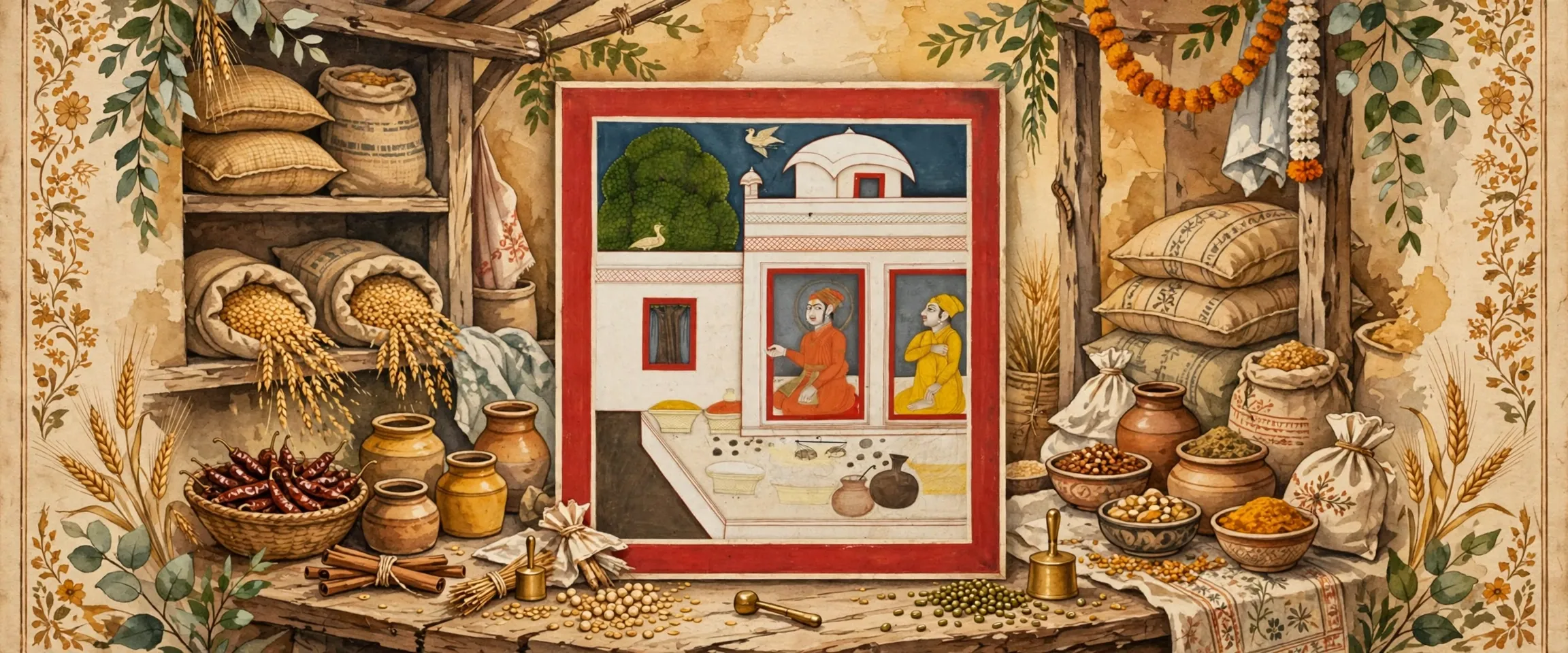
Gurdwara Hatt Sahib is a historic gurdwara in Sultanpur Lodhi, Kapurthala district, Punjab, marking the provision store where Guru Nanak Dev Ji worked as modi, storekeeper to Nawab Daulat Khan Lodhi. It is the shrine of the Tera Tera sakhi, in which the Guru kept weighing out extra grain at the count of thirteen, and it preserves thirteen polished stone weights believed to be the ones he used.
- Punjabi name
- ਗੁਰਦੁਆਰਾ ਹੱਟ ਸਾਹਿਬ
- Type
- Historic gurdwara
- Country
- India
- City
- Sultanpur Lodhi
- District
- Kapurthala
- Region
- Doaba
All 10 facts
- Marks
- Guru Nanak's provision store (modikhana)
- Famous sakhi
- Tera Tera, the count of thirteen
- Relics
- 13 polished stone weights in a glass cabinet
- Main festival
- Guru Nanak Gurpurab (November)
Gurdwara Hatt Sahib is a historic gurdwara in Sultanpur Lodhi, Kapurthala district, Punjab, marking the provision store where Guru Nanak Dev Ji worked as modi, the storekeeper of Nawab Daulat Khan Lodhi. It is the shrine of the famous Tera Tera sakhi, in which the Guru, counting thirteen in Punjabi, kept giving customers more than their measure, and of the thirteen polished stone weights, believed to be his, that are still kept here.
What does Tera Tera mean?
Tera Tera turns on a Punjabi word with two meanings. Tera is the number thirteen, and tera also means thine, yours, as in I am thine, O Lord. In the sakhi, the traditional account, Guru Nanak weighed out grain for a customer and counted each measure aloud. When he reached thirteen, the double meaning took hold of him: absorbed in the thought that everything belongs to God, he went on calling tera, tera, tera, and with every count he poured out another full measure for the same price.
The customer went home with far more than he had paid for, and word spread that the nawab's storekeeper was giving the stores away. That is why Hatt Sahib, the gurdwara of the shop, hatt meaning a store in Punjabi, is loved as the shrine of honest work done generously: a reminder that kirat karni, earning by truthful labour, and vand chhakna, sharing what you earn, begin in ordinary workplaces, at an ordinary counter, with an ordinary set of scales.
The storekeeper of Sultanpur
Guru Nanak came to Sultanpur Lodhi through family. His elder sister Bebe Nanaki lived in the town with her husband Jai Ram, who served Nawab Daulat Khan Lodhi, and Jai Ram found his young brother in law the post of modi in the nawab's modikhana, the state provision store. It was responsible work: the store held grain and supplies for the town, and its keeper weighed, recorded and issued them to customers.
Nanak held the post for years, living in the town with his wife Bibi Sulakhani and their two sons, and the store became part of his daily discipline alongside his dawn baths and meditation at Ber Sahib. The sakhi of the weights belongs to this working life, and Sikhs have always read it that way: not as an escape from work, but as a vision of what work becomes when it is done truthfully and without greed. The Guru whom crowds would later cross countries to hear was first known in Sultanpur as a storekeeper whose scales no one doubted.
The audit that found a surplus
Generosity on that scale could not stay unnoticed. Complaints reached Daulat Khan that Nanak was recklessly giving away the stores, and the nawab ordered a careful inquiry. The Guru's detractors expected empty bins and a ruined keeper. Instead, the checking found the stores full, and the accounts, the sakhi says, showed a surplus in Guru Nanak's favour. The accusation collapsed, and in Sikh memory the episode stands as the proof of the sakhi: what is given in God's name is not lost.
Tradition connects the inquiry with another small shrine of the town, Gurdwara Kothri Sahib, the cell where Guru Nanak is said to have been detained while his accounts were examined. Together the two gurdwaras tell one story in two rooms: the store where the grain was given, and the cell where the giver waited while others judged him. Both stand within the old town, a short walk from Ber Sahib, and pilgrims tracing Guru Nanak's Sultanpur years usually visit them together.
The thirteen stone weights
What sets Hatt Sahib apart from every retelling of the story is that you can still see its instruments. Thirteen polished stones of different sizes, believed to be the weights Guru Nanak used at the store, are preserved in a glass cabinet inside the gurdwara. They are plain river stones, smoothed by handling, not ceremonial objects made for display, and that plainness is the point: the most retold generosity in Sikh tradition was measured out with tools like these.
For visitors, the cabinet is the still centre of the shrine. Children are told the Tera Tera story in front of it, and the counting itself, one to thirteen and then tera, tera, tera, has passed into Punjabi everyday speech as a byword for giving beyond the measure. The stones also anchor the sakhi in a real workplace economy of weighed grain, written accounts and official audits, the world the young Guru worked in before his journeys began. Those journeys took Nankana Sahib's most famous son across Asia, and they started from this town.
Architecture and visiting Hatt Sahib
The gurdwara stands south of Sultanpur's old fortress like sarai, the travellers' inn of the old town. The building is a hall with a square sanctum at its centre, where the Guru Granth Sahib is seated. Above the sanctum rises a square room with wide arched coping, crowned by a lotus dome topped with a gold plated finial. It is a modest building beside the great white bulk of Ber Sahib, and its modesty suits it: this was a workplace, not a palace.
Hatt Sahib shares in the town's great November gathering for Guru Nanak Gurpurab and is administered, like Sultanpur's other historic gurdwaras, by the Shiromani Gurdwara Parbandhak Committee through a local committee. Sultanpur Lodhi has its own railway station, about 27 kilometres by road from Kapurthala. Hatt Sahib stands inside the old town, minutes on foot from Ber Sahib and the Bein, and the Gurdwaras in India guide lists it among the shrines of Guru Nanak's working years.
ਗੁਰਦੁਆਰਾ ਹੱਟ ਸਾਹਿਬ ਪੰਜਾਬ ਦੇ ਕਪੂਰਥਲਾ ਜ਼ਿਲ੍ਹੇ ਦੇ ਸੁਲਤਾਨਪੁਰ ਲੋਧੀ ਵਿੱਚ ਇੱਕ ਇਤਿਹਾਸਕ ਗੁਰਦੁਆਰਾ ਹੈ, ਜੋ ਉਸ ਭੰਡਾਰ ਦੀ ਥਾਂ ਉੱਤੇ ਹੈ ਜਿੱਥੇ ਗੁਰੂ ਨਾਨਕ ਦੇਵ ਜੀ ਨਵਾਬ ਦੌਲਤ ਖ਼ਾਨ ਲੋਧੀ ਦੇ ਮੋਦੀ, ਭੰਡਾਰ ਦੇ ਰਖਵਾਲੇ, ਵਜੋਂ ਕੰਮ ਕਰਦੇ ਸਨ ਇਹ ਮਸ਼ਹੂਰ ਤੇਰਾ ਤੇਰਾ ਸਾਖੀ ਦਾ ਅਸਥਾਨ ਹੈ, ਜਿਸ ਵਿੱਚ ਗੁਰੂ ਜੀ ਤੇਰਾਂ ਗਿਣਦੇ ਹੋਏ ਗਾਹਕਾਂ ਨੂੰ ਉਨ੍ਹਾਂ ਦੇ ਹਿੱਸੇ ਤੋਂ ਵੱਧ ਦਿੰਦੇ ਰਹੇ, ਅਤੇ ਉਨ੍ਹਾਂ ਤੇਰਾਂ ਪਾਲਿਸ਼ ਕੀਤੇ ਪੱਥਰ ਵੱਟਿਆਂ ਦਾ ਵੀ, ਜੋ ਉਨ੍ਹਾਂ ਦੇ ਮੰਨੇ ਜਾਂਦੇ ਹਨ ਅਤੇ ਅੱਜ ਵੀ ਇੱਥੇ ਸੰਭਾਲੇ ਹੋਏ ਹਨ
ਤੇਰਾ ਤੇਰਾ ਦਾ ਕੀ ਅਰਥ ਹੈ?
ਤੇਰਾ ਤੇਰਾ ਇੱਕ ਪੰਜਾਬੀ ਸ਼ਬਦ ਦੇ ਦੋ ਅਰਥਾਂ ਉੱਤੇ ਟਿਕਿਆ ਹੈ ਤੇਰਾ ਦਾ ਅਰਥ ਤੇਰਾਂ ਦੀ ਗਿਣਤੀ ਵੀ ਹੈ, ਅਤੇ ਤੇਰਾ ਦਾ ਅਰਥ ਤੇਰਾ, ਤੁਧ ਵੀ ਹੈ, ਜਿਵੇਂ ਮੈਂ ਤੇਰਾ ਹਾਂ, ਹੇ ਪ੍ਰਭੂ ਸਾਖੀ ਅਨੁਸਾਰ ਗੁਰੂ ਨਾਨਕ ਦੇਵ ਜੀ ਇੱਕ ਗਾਹਕ ਲਈ ਅਨਾਜ ਤੋਲ ਰਹੇ ਸਨ ਅਤੇ ਹਰ ਤੋਲ ਉੱਚੀ ਗਿਣ ਰਹੇ ਸਨ ਜਦੋਂ ਗਿਣਤੀ ਤੇਰਾਂ ਉੱਤੇ ਪਹੁੰਚੀ, ਤਾਂ ਦੋਹਰਾ ਅਰਥ ਉਨ੍ਹਾਂ ਉੱਤੇ ਛਾ ਗਿਆ: ਇਸ ਵਿਚਾਰ ਵਿੱਚ ਲੀਨ ਕਿ ਸਭ ਕੁਝ ਪਰਮਾਤਮਾ ਦਾ ਹੈ, ਉਹ ਤੇਰਾ, ਤੇਰਾ, ਤੇਰਾ ਕਹਿੰਦੇ ਰਹੇ, ਅਤੇ ਹਰ ਗਿਣਤੀ ਨਾਲ ਉਹ ਉਸੇ ਕੀਮਤ ਵਿੱਚ ਇੱਕ ਹੋਰ ਪੂਰਾ ਤੋਲ ਪਾ ਦਿੰਦੇ
ਗਾਹਕ ਆਪਣੀ ਅਦਾਇਗੀ ਤੋਂ ਕਿਤੇ ਵੱਧ ਲੈ ਕੇ ਘਰ ਗਿਆ, ਅਤੇ ਗੱਲ ਫੈਲ ਗਈ ਕਿ ਨਵਾਬ ਦਾ ਮੋਦੀ ਭੰਡਾਰ ਲੁਟਾ ਰਿਹਾ ਹੈ ਇਸੇ ਲਈ ਹੱਟ ਸਾਹਿਬ ਨੂੰ ਉਦਾਰਤਾ ਨਾਲ ਕੀਤੇ ਸੱਚੇ ਕੰਮ ਦੇ ਅਸਥਾਨ ਵਜੋਂ ਪਿਆਰ ਕੀਤਾ ਜਾਂਦਾ ਹੈ: ਇੱਕ ਯਾਦ ਕਿ ਕਿਰਤ ਕਰਨੀ ਅਤੇ ਵੰਡ ਛਕਣਾ ਆਮ ਕੰਮ ਵਾਲੀਆਂ ਥਾਂਵਾਂ ਤੋਂ ਸ਼ੁਰੂ ਹੁੰਦਾ ਹੈ, ਇੱਕ ਆਮ ਕਾਊਂਟਰ ਉੱਤੇ, ਇੱਕ ਆਮ ਤੱਕੜੀ ਨਾਲ
ਸੁਲਤਾਨਪੁਰ ਦਾ ਮੋਦੀ
ਗੁਰੂ ਨਾਨਕ ਦੇਵ ਜੀ ਪਰਿਵਾਰ ਰਾਹੀਂ ਸੁਲਤਾਨਪੁਰ ਲੋਧੀ ਆਏ ਸਨ ਉਨ੍ਹਾਂ ਦੀ ਵੱਡੀ ਭੈਣ ਬੇਬੇ ਨਾਨਕੀ ਆਪਣੇ ਪਤੀ ਜੈ ਰਾਮ ਨਾਲ ਨਗਰ ਵਿੱਚ ਰਹਿੰਦੀ ਸੀ, ਜੋ ਨਵਾਬ ਦੌਲਤ ਖ਼ਾਨ ਲੋਧੀ ਦੀ ਸੇਵਾ ਵਿੱਚ ਸੀ, ਅਤੇ ਜੈ ਰਾਮ ਨੇ ਆਪਣੇ ਨੌਜਵਾਨ ਸਾਲੇ ਨੂੰ ਨਵਾਬ ਦੇ ਮੋਦੀਖ਼ਾਨੇ, ਸਰਕਾਰੀ ਭੰਡਾਰ, ਵਿੱਚ ਮੋਦੀ ਦੀ ਪਦਵੀ ਦਿਵਾਈ ਇਹ ਜ਼ਿੰਮੇਵਾਰੀ ਵਾਲਾ ਕੰਮ ਸੀ: ਭੰਡਾਰ ਵਿੱਚ ਨਗਰ ਲਈ ਅਨਾਜ ਅਤੇ ਸਮਾਨ ਰਹਿੰਦਾ ਸੀ, ਅਤੇ ਇਸ ਦਾ ਰਖਵਾਲਾ ਗਾਹਕਾਂ ਲਈ ਤੋਲਦਾ, ਲਿਖਦਾ ਅਤੇ ਜਾਰੀ ਕਰਦਾ ਸੀ
ਨਾਨਕ ਕਈ ਸਾਲ ਇਸ ਪਦਵੀ ਉੱਤੇ ਰਹੇ, ਆਪਣੀ ਪਤਨੀ ਬੀਬੀ ਸੁਲੱਖਣੀ ਅਤੇ ਦੋ ਪੁੱਤਰਾਂ ਨਾਲ ਨਗਰ ਵਿੱਚ ਰਹਿੰਦਿਆਂ, ਅਤੇ ਭੰਡਾਰ ਉਨ੍ਹਾਂ ਦੀ ਰੋਜ਼ ਦੀ ਮਰਿਆਦਾ ਦਾ ਹਿੱਸਾ ਬਣ ਗਿਆ, ਬੇਰ ਸਾਹਿਬ ਵਿਖੇ ਤੜਕੇ ਦੇ ਇਸ਼ਨਾਨ ਅਤੇ ਸਿਮਰਨ ਦੇ ਨਾਲ ਨਾਲ ਵੱਟਿਆਂ ਦੀ ਸਾਖੀ ਇਸੇ ਕੰਮਕਾਜੀ ਜੀਵਨ ਦੀ ਹੈ, ਅਤੇ ਸਿੱਖਾਂ ਨੇ ਇਸਨੂੰ ਹਮੇਸ਼ਾ ਇਵੇਂ ਹੀ ਪੜ੍ਹਿਆ ਹੈ: ਕੰਮ ਤੋਂ ਭੱਜਣ ਵਜੋਂ ਨਹੀਂ, ਸਗੋਂ ਇਸ ਦਰਸ਼ਨ ਵਜੋਂ ਕਿ ਕੰਮ ਕੀ ਬਣ ਜਾਂਦਾ ਹੈ ਜਦੋਂ ਉਹ ਸੱਚਾਈ ਨਾਲ ਅਤੇ ਲਾਲਚ ਤੋਂ ਬਿਨਾਂ ਕੀਤਾ ਜਾਵੇ ਜਿਸ ਗੁਰੂ ਨੂੰ ਸੁਣਨ ਲਈ ਬਾਅਦ ਵਿੱਚ ਭੀੜਾਂ ਦੇਸ਼ਾਂ ਤੋਂ ਆਈਆਂ, ਉਹ ਸੁਲਤਾਨਪੁਰ ਵਿੱਚ ਪਹਿਲਾਂ ਇੱਕ ਅਜਿਹੇ ਮੋਦੀ ਵਜੋਂ ਜਾਣੇ ਜਾਂਦੇ ਸਨ ਜਿਸ ਦੀ ਤੱਕੜੀ ਉੱਤੇ ਕਿਸੇ ਨੂੰ ਸ਼ੱਕ ਨਹੀਂ ਸੀ
ਉਹ ਜਾਂਚ ਜਿਸ ਵਿੱਚ ਵਾਧਾ ਨਿਕਲਿਆ
ਇਸ ਪੱਧਰ ਦੀ ਉਦਾਰਤਾ ਅਣਦੇਖੀ ਨਹੀਂ ਰਹਿ ਸਕਦੀ ਸੀ ਦੌਲਤ ਖ਼ਾਨ ਕੋਲ ਸ਼ਿਕਾਇਤਾਂ ਪਹੁੰਚੀਆਂ ਕਿ ਨਾਨਕ ਭੰਡਾਰ ਬੇਪਰਵਾਹੀ ਨਾਲ ਵੰਡ ਰਿਹਾ ਹੈ, ਅਤੇ ਨਵਾਬ ਨੇ ਧਿਆਨ ਨਾਲ ਜਾਂਚ ਦਾ ਹੁਕਮ ਦਿੱਤਾ ਗੁਰੂ ਜੀ ਦੇ ਵਿਰੋਧੀ ਖ਼ਾਲੀ ਭੰਡਾਰ ਅਤੇ ਬਰਬਾਦ ਮੋਦੀ ਦੀ ਆਸ ਵਿੱਚ ਸਨ ਇਸ ਦੀ ਬਜਾਏ ਜਾਂਚ ਵਿੱਚ ਭੰਡਾਰ ਭਰੇ ਮਿਲੇ, ਅਤੇ ਸਾਖੀ ਅਨੁਸਾਰ ਹਿਸਾਬ ਵਿੱਚ ਗੁਰੂ ਨਾਨਕ ਦੇਵ ਜੀ ਦੇ ਹੱਕ ਵਿੱਚ ਵਾਧਾ ਨਿਕਲਿਆ ਦੋਸ਼ ਢਹਿ ਗਿਆ, ਅਤੇ ਸਿੱਖ ਯਾਦ ਵਿੱਚ ਇਹ ਘਟਨਾ ਸਾਖੀ ਦਾ ਸਬੂਤ ਬਣੀ ਖੜ੍ਹੀ ਹੈ: ਜੋ ਪਰਮਾਤਮਾ ਦੇ ਨਾਂ ਉੱਤੇ ਦਿੱਤਾ ਜਾਵੇ, ਉਹ ਘਟਦਾ ਨਹੀਂ
ਪਰੰਪਰਾ ਇਸ ਜਾਂਚ ਨੂੰ ਨਗਰ ਦੇ ਇੱਕ ਹੋਰ ਛੋਟੇ ਅਸਥਾਨ, ਗੁਰਦੁਆਰਾ ਕੋਠਰੀ ਸਾਹਿਬ, ਨਾਲ ਜੋੜਦੀ ਹੈ, ਉਹ ਕੋਠਰੀ ਜਿੱਥੇ ਕਿਹਾ ਜਾਂਦਾ ਹੈ ਕਿ ਗੁਰੂ ਨਾਨਕ ਦੇਵ ਜੀ ਨੂੰ ਉਨ੍ਹਾਂ ਦੇ ਹਿਸਾਬ ਦੀ ਜਾਂਚ ਦੌਰਾਨ ਰੋਕਿਆ ਗਿਆ ਸੀ ਦੋਵੇਂ ਗੁਰਦੁਆਰੇ ਮਿਲ ਕੇ ਇੱਕ ਕਹਾਣੀ ਦੋ ਕਮਰਿਆਂ ਵਿੱਚ ਦੱਸਦੇ ਹਨ: ਉਹ ਭੰਡਾਰ ਜਿੱਥੇ ਅਨਾਜ ਦਿੱਤਾ ਗਿਆ, ਅਤੇ ਉਹ ਕੋਠਰੀ ਜਿੱਥੇ ਦੇਣ ਵਾਲਾ ਉਡੀਕਦਾ ਰਿਹਾ ਜਦੋਂ ਹੋਰ ਉਸ ਦਾ ਨਿਆਂ ਕਰ ਰਹੇ ਸਨ ਦੋਵੇਂ ਪੁਰਾਣੇ ਨਗਰ ਵਿੱਚ ਖੜ੍ਹੇ ਹਨ, ਬੇਰ ਸਾਹਿਬ ਤੋਂ ਥੋੜ੍ਹੀ ਦੂਰੀ ਉੱਤੇ, ਅਤੇ ਗੁਰੂ ਨਾਨਕ ਦੇਵ ਜੀ ਦੇ ਸੁਲਤਾਨਪੁਰ ਸਾਲਾਂ ਨੂੰ ਲੱਭਣ ਵਾਲੇ ਯਾਤਰੀ ਆਮ ਤੌਰ ਉੱਤੇ ਦੋਹਾਂ ਨੂੰ ਇਕੱਠੇ ਦੇਖਦੇ ਹਨ
ਤੇਰਾਂ ਪੱਥਰ ਵੱਟੇ
ਜੋ ਗੱਲ ਹੱਟ ਸਾਹਿਬ ਨੂੰ ਇਸ ਕਹਾਣੀ ਦੇ ਹਰ ਬਿਆਨ ਤੋਂ ਵੱਖ ਕਰਦੀ ਹੈ, ਉਹ ਇਹ ਹੈ ਕਿ ਤੁਸੀਂ ਇਸ ਦੇ ਸਾਧਨ ਅੱਜ ਵੀ ਦੇਖ ਸਕਦੇ ਹੋ ਵੱਖ ਵੱਖ ਆਕਾਰਾਂ ਦੇ ਤੇਰਾਂ ਪਾਲਿਸ਼ ਕੀਤੇ ਪੱਥਰ, ਜੋ ਭੰਡਾਰ ਵਿੱਚ ਗੁਰੂ ਨਾਨਕ ਦੇਵ ਜੀ ਵੱਲੋਂ ਵਰਤੇ ਗਏ ਵੱਟੇ ਮੰਨੇ ਜਾਂਦੇ ਹਨ, ਗੁਰਦੁਆਰੇ ਦੇ ਅੰਦਰ ਇੱਕ ਸ਼ੀਸ਼ੇ ਦੀ ਅਲਮਾਰੀ ਵਿੱਚ ਸੰਭਾਲੇ ਹੋਏ ਹਨ ਇਹ ਸਾਦੇ ਦਰਿਆਈ ਪੱਥਰ ਹਨ, ਹੱਥਾਂ ਨਾਲ ਘਸ ਕੇ ਮੁਲਾਇਮ ਹੋਏ, ਪ੍ਰਦਰਸ਼ਨ ਲਈ ਬਣੀਆਂ ਰਸਮੀ ਵਸਤਾਂ ਨਹੀਂ, ਅਤੇ ਇਹੀ ਸਾਦਗੀ ਇਸ ਦਾ ਅਰਥ ਹੈ: ਸਿੱਖ ਪਰੰਪਰਾ ਦੀ ਸਭ ਤੋਂ ਵੱਧ ਸੁਣਾਈ ਜਾਣ ਵਾਲੀ ਉਦਾਰਤਾ ਇਨ੍ਹਾਂ ਵਰਗੇ ਸਾਧਨਾਂ ਨਾਲ ਤੋਲ ਕੇ ਦਿੱਤੀ ਗਈ ਸੀ
ਯਾਤਰੀਆਂ ਲਈ ਇਹ ਅਲਮਾਰੀ ਅਸਥਾਨ ਦਾ ਸ਼ਾਂਤ ਕੇਂਦਰ ਹੈ ਬੱਚਿਆਂ ਨੂੰ ਇਸ ਦੇ ਸਾਹਮਣੇ ਤੇਰਾ ਤੇਰਾ ਦੀ ਕਹਾਣੀ ਸੁਣਾਈ ਜਾਂਦੀ ਹੈ, ਅਤੇ ਇਹ ਗਿਣਤੀ, ਇੱਕ ਤੋਂ ਤੇਰਾਂ ਅਤੇ ਫਿਰ ਤੇਰਾ, ਤੇਰਾ, ਤੇਰਾ, ਪੰਜਾਬੀ ਰੋਜ਼ ਦੀ ਬੋਲੀ ਵਿੱਚ ਮਾਪ ਤੋਂ ਵੱਧ ਦੇਣ ਦਾ ਮੁਹਾਵਰਾ ਬਣ ਗਈ ਹੈ ਇਹ ਪੱਥਰ ਸਾਖੀ ਨੂੰ ਤੋਲੇ ਹੋਏ ਅਨਾਜ, ਲਿਖੇ ਹਿਸਾਬ ਅਤੇ ਸਰਕਾਰੀ ਜਾਂਚਾਂ ਦੀ ਅਸਲੀ ਕੰਮਕਾਜੀ ਦੁਨੀਆਂ ਵਿੱਚ ਵੀ ਬੰਨ੍ਹਦੇ ਹਨ, ਉਹ ਦੁਨੀਆਂ ਜਿਸ ਵਿੱਚ ਨੌਜਵਾਨ ਗੁਰੂ ਕੰਮ ਕਰਦੇ ਸਨ, ਇਸ ਤੋਂ ਪਹਿਲਾਂ ਕਿ ਨਨਕਾਣਾ ਸਾਹਿਬ ਦਾ ਸਭ ਤੋਂ ਮਸ਼ਹੂਰ ਪੁੱਤਰ ਇਸ ਨਗਰ ਤੋਂ ਆਪਣੇ ਦੌਰਿਆਂ ਉੱਤੇ ਨਿਕਲਿਆ
ਆਰਕੀਟੈਕਚਰ ਅਤੇ ਹੱਟ ਸਾਹਿਬ ਜਾਣਾ
ਗੁਰਦੁਆਰਾ ਸੁਲਤਾਨਪੁਰ ਦੀ ਪੁਰਾਣੀ ਕਿਲ੍ਹੇ ਵਰਗੀ ਸਰਾਂ, ਪੁਰਾਣੇ ਨਗਰ ਦੇ ਮੁਸਾਫ਼ਰਖ਼ਾਨੇ, ਦੇ ਦੱਖਣ ਵੱਲ ਖੜ੍ਹਾ ਹੈ ਇਮਾਰਤ ਇੱਕ ਹਾਲ ਹੈ ਜਿਸ ਦੇ ਕੇਂਦਰ ਵਿੱਚ ਇੱਕ ਵਰਗ ਅਸਥਾਨ ਹੈ, ਜਿੱਥੇ ਗੁਰੂ ਗ੍ਰੰਥ ਸਾਹਿਬ ਬਿਰਾਜਮਾਨ ਹਨ ਅਸਥਾਨ ਦੇ ਉੱਪਰ ਇੱਕ ਵਰਗ ਕਮਰਾ ਉੱਠਦਾ ਹੈ ਜਿਸ ਦੀਆਂ ਮਿਹਰਾਬਦਾਰ ਕਿਨਾਰੀਆਂ ਚੌੜੀਆਂ ਹਨ, ਅਤੇ ਉਸ ਉੱਤੇ ਸੋਨੇ ਦੀ ਪਰਤ ਵਾਲੇ ਕਲਸ਼ ਨਾਲ ਇੱਕ ਕਮਲ ਗੁੰਬਦ ਹੈ ਬੇਰ ਸਾਹਿਬ ਦੀ ਵਿਸ਼ਾਲ ਚਿੱਟੀ ਇਮਾਰਤ ਦੇ ਮੁਕਾਬਲੇ ਇਹ ਸਾਦਾ ਅਸਥਾਨ ਹੈ, ਅਤੇ ਇਸ ਦੀ ਸਾਦਗੀ ਇਸ ਨੂੰ ਸੋਭਦੀ ਹੈ: ਇਹ ਇੱਕ ਕੰਮ ਵਾਲੀ ਥਾਂ ਸੀ, ਮਹਲ ਨਹੀਂ
ਹੱਟ ਸਾਹਿਬ ਨਗਰ ਦੇ ਨਵੰਬਰ ਵਾਲੇ ਵੱਡੇ ਗੁਰੂ ਨਾਨਕ ਗੁਰਪੁਰਬ ਮੇਲੇ ਵਿੱਚ ਸ਼ਾਮਲ ਹੁੰਦਾ ਹੈ ਅਤੇ ਇਸ ਦਾ ਪ੍ਰਬੰਧ, ਸੁਲਤਾਨਪੁਰ ਦੇ ਹੋਰ ਇਤਿਹਾਸਕ ਗੁਰਦੁਆਰਿਆਂ ਵਾਂਗ, ਸ਼੍ਰੋਮਣੀ ਗੁਰਦੁਆਰਾ ਪ੍ਰਬੰਧਕ ਕਮੇਟੀ ਵੱਲੋਂ ਸਥਾਨਕ ਕਮੇਟੀ ਰਾਹੀਂ ਕੀਤਾ ਜਾਂਦਾ ਹੈ ਸੁਲਤਾਨਪੁਰ ਲੋਧੀ ਦਾ ਆਪਣਾ ਰੇਲਵੇ ਸਟੇਸ਼ਨ ਹੈ, ਜੋ ਸੜਕ ਰਾਹੀਂ ਕਪੂਰਥਲਾ ਤੋਂ ਲਗਭਗ 27 ਕਿਲੋਮੀਟਰ ਦੂਰ ਹੈ ਹੱਟ ਸਾਹਿਬ ਪੁਰਾਣੇ ਨਗਰ ਦੇ ਅੰਦਰ ਖੜ੍ਹਾ ਹੈ, ਬੇਰ ਸਾਹਿਬ ਅਤੇ ਬੇਈਂ ਤੋਂ ਪੈਦਲ ਕੁਝ ਮਿੰਟਾਂ ਦੀ ਦੂਰੀ ਉੱਤੇ, ਅਤੇ ਭਾਰਤ ਦੇ ਗੁਰਦੁਆਰੇ ਗਾਈਡ ਇਸਨੂੰ ਗੁਰੂ ਨਾਨਕ ਦੇਵ ਜੀ ਦੇ ਕੰਮਕਾਜੀ ਸਾਲਾਂ ਦੇ ਅਸਥਾਨਾਂ ਵਿੱਚ ਗਿਣਦੀ ਹੈ