
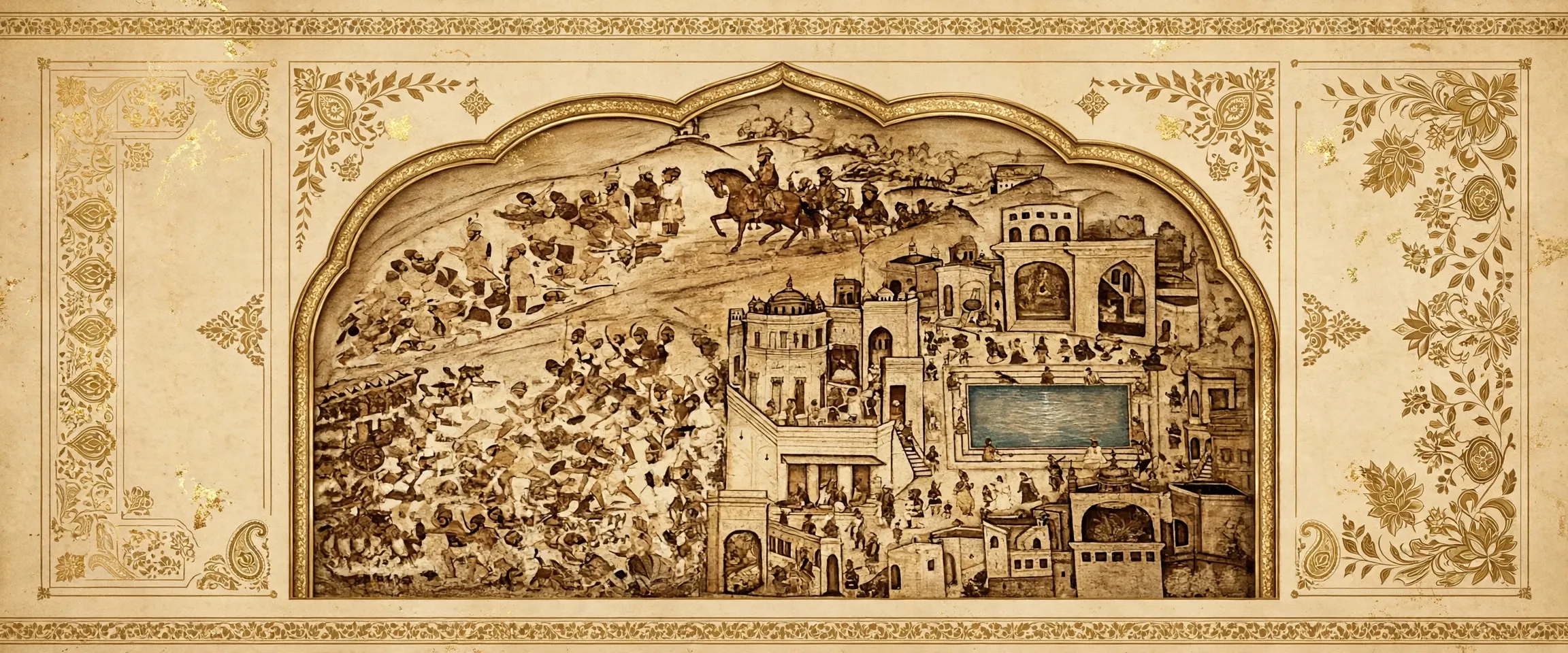
Gurdwara Shahidganj Sahib, also called Angitha Sahib, stands about 50 metres west of the great sarovar of Sri Muktsar Sahib in Punjab. It marks the ground where Guru Gobind Singh Ji himself cremated the Forty Muktas, the forty Sikhs who died fighting the Mughal pursuit at Khidrana on 29 December 1705. First built in 1870 by Raja Wazir Singh of Faridkot and rebuilt in the 1980s, it is a quiet centre of the Mela Maghi gathering each January.
- Punjabi name
- ਗੁਰਦੁਆਰਾ ਸ਼ਹੀਦਗੰਜ ਸਾਹਿਬ
- Also known as
- Angitha Sahib, the Shrine of the Pyre
- Location
- About 50 metres west of the sarovar, Sri Muktsar Sahib
- City
- Sri Muktsar Sahib
- District
- Sri Muktsar Sahib
- State
- Punjab
All 12 facts
- Country
- India
- Associated with
- Guru Gobind Singh Ji
- Commemorates
- The cremation of the Forty Muktas by Guru Gobind Singh Ji, 1705
- First built
- 1870, by Raja Wazir Singh of Faridkot
- Present building
- Rectangular domed hall rebuilt through kar seva in the 1980s
- Managed by
- Shiromani Gurdwara Parbandhak Committee, since February 1923
Gurdwara Shahidganj Sahib stands about fifty metres west of the great sarovar of Sri Muktsar Sahib, in the Malwa country of Punjab, and it is the most solemn ground in the city. Also called Angitha Sahib, the Shrine of the Pyre, it marks the exact spot where Guru Gobind Singh Ji himself performed the last rites of the Forty Muktas, the forty Sikhs who had died fighting a pursuing Mughal army at the pool of Khidrana on 29 December 1705. Every other Muktsar shrine tells of the battle. This one tells of what the Guru did when the fighting was over: he gathered his dead, honoured them one by one, and gave them fire with his own hands.
Why is it called Angitha Sahib?
Shahidganj means the place of the martyrs, and ganj in this usage is a resting place or store of something precious. The older name says more. An angitha is a funeral pyre, and this ground is remembered above all as a cremation ground: the place where the bodies of the forty were cremated by the Guru after the battle. Sikh tradition, recorded in accounts of the day, holds that the Guru had the martyrs bathed, laid them on a pyre, recited the Sohila, the night prayer, stood for the Ardas, and lit the fire himself. He also asked that the ground be kept undisturbed and honoured, promising that a shrine would one day rise here. The name Angitha Sahib has never been replaced by the grander Shahidganj, and local people still use both.
The battle, and the morning after
The story is told in full at Gurdwara Tuti Gandi Sahib, the principal shrine across the sarovar. In brief: forty Majha Sikhs who had signed a bedava, a written renunciation, during the siege of Anandpur Sahib in 1704 came back under the lead of Mai Bhago to beg the Guru's forgiveness, and placed themselves between him and the pursuing column of Wazir Khan, the governor of Sirhind, at the pool of Khidrana. They fought from a thicket by the water and fell to the last man, but the imperial force, unable to reach the pool in that dry tract, withdrew. The Guru came down from his mound, blessed the dead, found Bhai Mahan Singh still alive, tore up the bedava at his dying request, and named the forty the Forty Muktas, the Liberated Ones. What followed belonged to this ground: the cremation of the forty, carried out by the Guru himself on the spot Shahidganj now marks. Sources differ on the battle's exact day, the Bhatt Vahis giving 29 December 1705 while local tradition favours a spring date, but no account separates the cremation from the battle it closed.
The building: a Faridkot shrine rebuilt by kar seva
For more than a century and a half the cremation ground was marked simply, as the Guru is said to have asked. The first building here was raised in 1870 by Raja Wazir Singh of Faridkot, the Sikh princely state whose rulers supported several of the Muktsar shrines. That structure served until the 1980s, when it was replaced through kar seva, voluntary service, by the building visitors see today: a rectangular domed hall standing beside a water tank, a short walk west of the sarovar. Inside, the walls carry paintings of the Sikh Gurus and scenes from their lives, so that the hall teaches the wider story as well as marking this one. Control of the Muktsar shrines, Shahidganj among them, passed from hereditary custodians to the Shiromani Gurdwara Parbandhak Committee in February 1923, and the shrine is administered with the rest of the sarovar group.
Shahidganj among the Muktsar shrines
Pilgrims rarely visit Shahidganj alone. It is one station in a walk around the sarovar that the faithful have made for generations. Across the water on the western bank stands Tuti Gandi Sahib, the principal shrine, named for the broken bond retied. At the south-eastern corner is Tambu Sahib, where the forty draped bushes with cloth to look like tents. About two kilometres north-west is Tibbi Sahib, the mound from which the Guru directed the battle, and close to Tibbi stands Rakabsar Sahib, where his horse's stirrup is said to have snapped as he came down. The Sikh Encyclopedia counts five gurdwaras at Muktsar commemorating the events of that single day, and Shahidganj is the quietest of them: the place of endings, and of honour paid to the dead. All of them appear in Jugti's guide to Gurdwaras in India.
Mela Maghi at Shahidganj Sahib
The shrine's great day is the same as the whole city's: Mela Maghi, the mid-January fair held in memory of the Forty Muktas. Pilgrims bathe in the sarovar, attend divans at the main shrine, and move from gurdwara to gurdwara around the pool; Shahidganj, as the martyrs' own ground, draws crowds on the first of Magh, around 12 and 13 January, when the fair is at its height. The tradition that the month of Magh is the martyrs' memorial season is credited to Bhai Larigar Singh, an eighteenth-century Nirmala saint who first marked out the battle sites at Muktsar. Outside the fair the shrine keeps the daily rhythm of a working gurdwara, and its painted hall rewards a slow visit at any season.
How do I reach Gurdwara Shahidganj Sahib?
Shahidganj Sahib is inside Sri Muktsar Sahib city, about fifty metres west of the sarovar in the main shrine complex, so any pilgrim who reaches the Darbar Sahib is already a few minutes from it on foot. The city is a district headquarters in south-western Punjab with its own railway station and bus stand, roughly 53 kilometres north-west of Bathinda, 52 kilometres south of Ferozepur and 50 kilometres south-west of Faridkot. Pilgrims staying overnight use the accommodation at the main shrine, including Sri Kalgidhar Niwas with its forty rooms. Many combine the visit with Sarai Naga, about sixteen kilometres east on the Kotkapura road, the birthplace of Guru Angad Dev Ji.
ਗੁਰਦੁਆਰਾ ਸ਼ਹੀਦਗੰਜ ਸਾਹਿਬ ਸ੍ਰੀ ਮੁਕਤਸਰ ਸਾਹਿਬ ਦੇ ਵੱਡੇ ਸਰੋਵਰ ਤੋਂ ਲਗਭਗ ਪੰਜਾਹ ਮੀਟਰ ਪੱਛਮ ਵੱਲ ਖੜ੍ਹਾ ਹੈ, ਪੰਜਾਬ ਦੇ ਮਾਲਵਾ ਇਲਾਕੇ ਵਿੱਚ, ਅਤੇ ਇਹ ਸ਼ਹਿਰ ਦੀ ਸਭ ਤੋਂ ਗੰਭੀਰ ਥਾਂ ਹੈ ਇਸ ਨੂੰ ਅੰਗੀਠਾ ਸਾਹਿਬ ਵੀ ਕਿਹਾ ਜਾਂਦਾ ਹੈ, ਅਰਥਾਤ ਚਿਖਾ ਵਾਲਾ ਅਸਥਾਨ, ਅਤੇ ਇਹ ਉਸੇ ਥਾਂ ਨੂੰ ਦਰਸਾਉਂਦਾ ਹੈ ਜਿੱਥੇ ਗੁਰੂ ਗੋਬਿੰਦ ਸਿੰਘ ਜੀ ਨੇ ਖ਼ੁਦ ਚਾਲੀ ਮੁਕਤਿਆਂ ਦੇ ਸਸਕਾਰ ਕੀਤੇ ਸਨ, ਉਨ੍ਹਾਂ ਚਾਲੀ ਸਿੱਖਾਂ ਦੇ ਜੋ 29 ਦਸੰਬਰ 1705 ਨੂੰ ਖਿਦਰਾਣੇ ਦੇ ਢਾਬ ਕੋਲ ਪਿੱਛਾ ਕਰਦੀ ਮੁਗ਼ਲ ਫ਼ੌਜ ਨਾਲ ਲੜਦਿਆਂ ਸ਼ਹੀਦ ਹੋਏ ਸਨ ਮੁਕਤਸਰ ਦੇ ਬਾਕੀ ਅਸਥਾਨ ਲੜਾਈ ਦੀ ਕਹਾਣੀ ਦੱਸਦੇ ਹਨ, ਇਹ ਅਸਥਾਨ ਉਹ ਦੱਸਦਾ ਹੈ ਜੋ ਗੁਰੂ ਜੀ ਨੇ ਲੜਾਈ ਮੁੱਕਣ ਤੋਂ ਬਾਅਦ ਕੀਤਾ: ਉਨ੍ਹਾਂ ਨੇ ਆਪਣੇ ਸ਼ਹੀਦਾਂ ਨੂੰ ਇਕੱਠਾ ਕੀਤਾ, ਇੱਕ-ਇੱਕ ਕਰਕੇ ਸਤਕਾਰ ਦਿੱਤਾ, ਅਤੇ ਆਪਣੇ ਹੱਥਾਂ ਨਾਲ ਅਗਨੀ ਦਿੱਤੀ
ਇਸ ਦਾ ਨਾਂ ਅੰਗੀਠਾ ਸਾਹਿਬ ਕਿਉਂ ਪਿਆ?
ਸ਼ਹੀਦਗੰਜ ਦਾ ਅਰਥ ਹੈ ਸ਼ਹੀਦਾਂ ਦੀ ਥਾਂ ਪੁਰਾਣਾ ਨਾਂ ਇਸ ਤੋਂ ਵੱਧ ਦੱਸਦਾ ਹੈ ਅੰਗੀਠਾ ਚਿਖਾ ਨੂੰ ਕਿਹਾ ਜਾਂਦਾ ਹੈ, ਅਤੇ ਇਹ ਥਾਂ ਸਭ ਤੋਂ ਵੱਧ ਇੱਕ ਸਸਕਾਰ ਵਾਲੀ ਥਾਂ ਵਜੋਂ ਯਾਦ ਕੀਤੀ ਜਾਂਦੀ ਹੈ: ਉਹ ਥਾਂ ਜਿੱਥੇ ਲੜਾਈ ਤੋਂ ਬਾਅਦ ਗੁਰੂ ਜੀ ਨੇ ਚਾਲੀ ਸ਼ਹੀਦਾਂ ਦੇ ਸਸਕਾਰ ਕੀਤੇ ਸਿੱਖ ਪਰੰਪਰਾ ਅਨੁਸਾਰ ਗੁਰੂ ਜੀ ਨੇ ਸ਼ਹੀਦਾਂ ਨੂੰ ਇਸ਼ਨਾਨ ਕਰਵਾਇਆ, ਚਿਖਾ ਉੱਤੇ ਰੱਖਿਆ, ਸੋਹਿਲਾ ਦਾ ਪਾਠ ਕੀਤਾ, ਅਰਦਾਸ ਲਈ ਖੜ੍ਹੇ ਹੋਏ, ਅਤੇ ਖ਼ੁਦ ਅਗਨੀ ਦਿੱਤੀ ਉਨ੍ਹਾਂ ਨੇ ਇਹ ਵੀ ਕਿਹਾ ਕਿ ਇਸ ਥਾਂ ਨੂੰ ਛੇੜਿਆ ਨਾ ਜਾਵੇ ਅਤੇ ਇਸ ਦਾ ਸਤਕਾਰ ਕੀਤਾ ਜਾਵੇ, ਅਤੇ ਵਚਨ ਦਿੱਤਾ ਕਿ ਇੱਕ ਦਿਨ ਇੱਥੇ ਅਸਥਾਨ ਬਣੇਗਾ ਅੰਗੀਠਾ ਸਾਹਿਬ ਨਾਂ ਕਦੇ ਵੱਡੇ ਨਾਂ ਸ਼ਹੀਦਗੰਜ ਹੇਠ ਦੱਬਿਆ ਨਹੀਂ, ਅਤੇ ਸਥਾਨਕ ਲੋਕ ਅੱਜ ਵੀ ਦੋਵੇਂ ਨਾਂ ਵਰਤਦੇ ਹਨ
ਲੜਾਈ, ਅਤੇ ਅਗਲੀ ਸਵੇਰ
ਇਹ ਕਹਾਣੀ ਪੂਰੀ ਤਰ੍ਹਾਂ ਸਰੋਵਰ ਦੇ ਪਾਰ ਮੁੱਖ ਅਸਥਾਨ, ਗੁਰਦੁਆਰਾ ਟੁੱਟੀ ਗੰਢੀ ਸਾਹਿਬ ਵਿਖੇ ਦੱਸੀ ਗਈ ਹੈ ਸੰਖੇਪ ਵਿੱਚ: ਮਾਝੇ ਦੇ ਚਾਲੀ ਸਿੱਖ, ਜਿਨ੍ਹਾਂ ਨੇ 1704 ਵਿੱਚ ਅਨੰਦਪੁਰ ਸਾਹਿਬ ਦੇ ਘੇਰੇ ਦੌਰਾਨ ਬੇਦਾਵਾ ਲਿਖ ਕੇ ਦਿੱਤਾ ਸੀ, ਮਾਈ ਭਾਗੋ ਦੀ ਅਗਵਾਈ ਵਿੱਚ ਮਾਫ਼ੀ ਮੰਗਣ ਵਾਪਸ ਆਏ, ਅਤੇ ਖਿਦਰਾਣੇ ਦੇ ਢਾਬ ਕੋਲ ਆਪਣੇ ਆਪ ਨੂੰ ਗੁਰੂ ਜੀ ਅਤੇ ਸਰਹਿੰਦ ਦੇ ਸੂਬੇਦਾਰ ਵਜ਼ੀਰ ਖ਼ਾਨ ਦੀ ਫ਼ੌਜ ਵਿਚਕਾਰ ਖੜ੍ਹਾ ਕਰ ਲਿਆ ਉਹ ਢਾਬ ਕੋਲ ਝਾੜੀਆਂ ਵਿੱਚੋਂ ਲੜੇ ਅਤੇ ਆਖ਼ਰੀ ਬੰਦੇ ਤਕ ਸ਼ਹੀਦ ਹੋ ਗਏ, ਪਰ ਮੁਗ਼ਲ ਫ਼ੌਜ ਉਸ ਸੁੱਕੇ ਇਲਾਕੇ ਵਿੱਚ ਢਾਬ ਤਕ ਨਹੀਂ ਪਹੁੰਚ ਸਕੀ ਅਤੇ ਪਿੱਛੇ ਹਟ ਗਈ ਗੁਰੂ ਜੀ ਆਪਣੀ ਟਿੱਬੀ ਤੋਂ ਉੱਤਰੇ, ਸ਼ਹੀਦਾਂ ਨੂੰ ਨਿਵਾਜਿਆ, ਭਾਈ ਮਹਾਨ ਸਿੰਘ ਨੂੰ ਜਿਉਂਦਾ ਪਾਇਆ, ਉਸ ਦੀ ਆਖ਼ਰੀ ਬੇਨਤੀ ਉੱਤੇ ਬੇਦਾਵਾ ਪਾੜ ਦਿੱਤਾ, ਅਤੇ ਚਾਲੀ ਸਿੱਖਾਂ ਨੂੰ ਚਾਲੀ ਮੁਕਤੇ ਕਿਹਾ ਇਸ ਤੋਂ ਬਾਅਦ ਜੋ ਹੋਇਆ ਉਹ ਇਸੇ ਥਾਂ ਦਾ ਹੈ: ਚਾਲੀ ਸ਼ਹੀਦਾਂ ਦਾ ਸਸਕਾਰ, ਜੋ ਗੁਰੂ ਜੀ ਨੇ ਖ਼ੁਦ ਉਸੇ ਥਾਂ ਕੀਤਾ ਜਿੱਥੇ ਅੱਜ ਸ਼ਹੀਦਗੰਜ ਖੜ੍ਹਾ ਹੈ ਲੜਾਈ ਦੀ ਤਾਰੀਖ਼ ਬਾਰੇ ਸੋਮੇ ਵੱਖ-ਵੱਖ ਦੱਸਦੇ ਹਨ, ਭੱਟ ਵਹੀਆਂ 29 ਦਸੰਬਰ 1705 ਦੱਸਦੀਆਂ ਹਨ ਜਦਕਿ ਸਥਾਨਕ ਪਰੰਪਰਾ ਬਸੰਤ ਦੀ ਤਾਰੀਖ਼ ਮੰਨਦੀ ਹੈ, ਪਰ ਕੋਈ ਬਿਰਤਾਂਤ ਸਸਕਾਰ ਨੂੰ ਉਸ ਲੜਾਈ ਤੋਂ ਵੱਖ ਨਹੀਂ ਕਰਦਾ ਜਿਸ ਨੂੰ ਉਸ ਨੇ ਸਮਾਪਤ ਕੀਤਾ
ਇਮਾਰਤ: ਫ਼ਰੀਦਕੋਟ ਵੇਲੇ ਦਾ ਅਸਥਾਨ, ਕਾਰ ਸੇਵਾ ਨਾਲ ਮੁੜ ਬਣਿਆ
ਡੇਢ ਸਦੀ ਤੋਂ ਵੱਧ ਸਮਾਂ ਸਸਕਾਰ ਵਾਲੀ ਥਾਂ ਸਾਦੇ ਤੌਰ ਉੱਤੇ ਨਿਸ਼ਾਨਬੱਧ ਰਹੀ, ਜਿਵੇਂ ਗੁਰੂ ਜੀ ਨੇ ਕਿਹਾ ਸੀ ਇੱਥੇ ਪਹਿਲੀ ਇਮਾਰਤ 1870 ਵਿੱਚ ਫ਼ਰੀਦਕੋਟ ਦੇ ਰਾਜਾ ਵਜ਼ੀਰ ਸਿੰਘ ਨੇ ਬਣਵਾਈ, ਉਸ ਸਿੱਖ ਰਿਆਸਤ ਦੇ ਜਿਸ ਦੇ ਹਾਕਮਾਂ ਨੇ ਮੁਕਤਸਰ ਦੇ ਕਈ ਅਸਥਾਨਾਂ ਦੀ ਸਹਾਇਤਾ ਕੀਤੀ ਉਹ ਇਮਾਰਤ 1980 ਦੇ ਦਹਾਕੇ ਤਕ ਰਹੀ, ਜਦੋਂ ਕਾਰ ਸੇਵਾ ਨਾਲ ਉਸ ਦੀ ਥਾਂ ਅੱਜ ਦਿਸਦੀ ਇਮਾਰਤ ਬਣੀ: ਸਰੋਵਰ ਤੋਂ ਕੁਝ ਕਦਮ ਪੱਛਮ ਵੱਲ, ਇੱਕ ਟੋਏ ਕੋਲ ਖੜ੍ਹਾ ਆਇਤਾਕਾਰ ਗੁੰਬਦਦਾਰ ਹਾਲ ਅੰਦਰ ਕੰਧਾਂ ਉੱਤੇ ਸਿੱਖ ਗੁਰੂਆਂ ਅਤੇ ਉਨ੍ਹਾਂ ਦੇ ਜੀਵਨ ਦੇ ਦ੍ਰਿਸ਼ਾਂ ਦੀਆਂ ਤਸਵੀਰਾਂ ਹਨ, ਇਸ ਲਈ ਇਹ ਹਾਲ ਇਸ ਇੱਕ ਘਟਨਾ ਦੇ ਨਾਲ-ਨਾਲ ਵੱਡੀ ਕਹਾਣੀ ਵੀ ਸਿਖਾਉਂਦਾ ਹੈ ਮੁਕਤਸਰ ਦੇ ਅਸਥਾਨਾਂ ਦਾ ਪ੍ਰਬੰਧ, ਸ਼ਹੀਦਗੰਜ ਸਮੇਤ, ਫਰਵਰੀ 1923 ਵਿੱਚ ਵੰਸ਼ਾਵਲੀ ਸੇਵਾਦਾਰਾਂ ਕੋਲੋਂ ਸ਼੍ਰੋਮਣੀ ਗੁਰਦੁਆਰਾ ਪ੍ਰਬੰਧਕ ਕਮੇਟੀ ਕੋਲ ਆ ਗਿਆ, ਅਤੇ ਇਹ ਅਸਥਾਨ ਸਰੋਵਰ ਸਮੂਹ ਨਾਲ ਹੀ ਚਲਾਇਆ ਜਾਂਦਾ ਹੈ
ਮੁਕਤਸਰ ਦੇ ਅਸਥਾਨਾਂ ਵਿੱਚ ਸ਼ਹੀਦਗੰਜ
ਸ਼ਰਧਾਲੂ ਸ਼ਹੀਦਗੰਜ ਇਕੱਲੇ ਘੱਟ ਹੀ ਜਾਂਦੇ ਹਨ ਇਹ ਸਰੋਵਰ ਦੇ ਆਲੇ-ਦੁਆਲੇ ਦੀ ਉਸ ਫੇਰੀ ਦਾ ਇੱਕ ਪੜਾਅ ਹੈ ਜੋ ਸ਼ਰਧਾਲੂ ਪੀੜ੍ਹੀਆਂ ਤੋਂ ਕਰਦੇ ਆਏ ਹਨ ਪਾਣੀ ਦੇ ਪਾਰ ਪੱਛਮੀ ਕੰਢੇ ਉੱਤੇ ਟੁੱਟੀ ਗੰਢੀ ਸਾਹਿਬ ਹੈ, ਮੁੱਖ ਅਸਥਾਨ, ਜਿਸ ਦਾ ਨਾਂ ਟੁੱਟੀ ਗੰਢ ਮੁੜ ਬੱਝਣ ਤੋਂ ਪਿਆ ਦੱਖਣ-ਪੂਰਬੀ ਕੋਨੇ ਉੱਤੇ ਤੰਬੂ ਸਾਹਿਬ ਹੈ, ਜਿੱਥੇ ਚਾਲੀ ਸਿੱਖਾਂ ਨੇ ਝਾੜੀਆਂ ਉੱਤੇ ਚਾਦਰਾਂ ਤਾਣ ਕੇ ਉਨ੍ਹਾਂ ਨੂੰ ਤੰਬੂਆਂ ਵਰਗਾ ਬਣਾਇਆ ਸੀ ਲਗਭਗ ਦੋ ਕਿਲੋਮੀਟਰ ਉੱਤਰ-ਪੱਛਮ ਵੱਲ ਟਿੱਬੀ ਸਾਹਿਬ ਹੈ, ਉਹ ਟਿੱਬੀ ਜਿੱਥੋਂ ਗੁਰੂ ਜੀ ਨੇ ਲੜਾਈ ਦੀ ਅਗਵਾਈ ਕੀਤੀ, ਅਤੇ ਟਿੱਬੀ ਦੇ ਨੇੜੇ ਰਕਾਬਸਰ ਸਾਹਿਬ ਹੈ, ਜਿੱਥੇ ਕਿਹਾ ਜਾਂਦਾ ਹੈ ਕਿ ਹੇਠਾਂ ਆਉਂਦਿਆਂ ਗੁਰੂ ਜੀ ਦੇ ਘੋੜੇ ਦੀ ਰਕਾਬ ਟੁੱਟ ਗਈ ਸੀ ਸਿੱਖ ਵਿਸ਼ਵਕੋਸ਼ ਮੁਕਤਸਰ ਵਿਖੇ ਉਸ ਇੱਕੋ ਦਿਨ ਦੀਆਂ ਘਟਨਾਵਾਂ ਨੂੰ ਯਾਦ ਕਰਦੇ ਪੰਜ ਗੁਰਦੁਆਰੇ ਗਿਣਦਾ ਹੈ, ਅਤੇ ਸ਼ਹੀਦਗੰਜ ਉਨ੍ਹਾਂ ਵਿੱਚੋਂ ਸਭ ਤੋਂ ਸ਼ਾਂਤ ਹੈ: ਅੰਤ ਦੀ ਥਾਂ, ਅਤੇ ਸ਼ਹੀਦਾਂ ਨੂੰ ਦਿੱਤੇ ਸਤਕਾਰ ਦੀ ਥਾਂ
ਸ਼ਹੀਦਗੰਜ ਸਾਹਿਬ ਵਿਖੇ ਮੇਲਾ ਮਾਘੀ
ਇਸ ਅਸਥਾਨ ਦਾ ਵੱਡਾ ਦਿਨ ਪੂਰੇ ਸ਼ਹਿਰ ਵਾਲਾ ਹੀ ਹੈ: ਮੇਲਾ ਮਾਘੀ, ਜਨਵਰੀ ਦੇ ਵਿਚਕਾਰ ਚਾਲੀ ਮੁਕਤਿਆਂ ਦੀ ਯਾਦ ਵਿੱਚ ਲੱਗਣ ਵਾਲਾ ਮੇਲਾ ਸ਼ਰਧਾਲੂ ਸਰੋਵਰ ਵਿੱਚ ਇਸ਼ਨਾਨ ਕਰਦੇ ਹਨ, ਮੁੱਖ ਅਸਥਾਨ ਦੇ ਦੀਵਾਨਾਂ ਵਿੱਚ ਹਾਜ਼ਰੀ ਭਰਦੇ ਹਨ, ਅਤੇ ਢਾਬ ਦੇ ਆਲੇ-ਦੁਆਲੇ ਇੱਕ ਗੁਰਦੁਆਰੇ ਤੋਂ ਦੂਜੇ ਗੁਰਦੁਆਰੇ ਜਾਂਦੇ ਹਨ ਸ਼ਹੀਦਾਂ ਦੀ ਆਪਣੀ ਥਾਂ ਹੋਣ ਕਰਕੇ ਸ਼ਹੀਦਗੰਜ ਮਾਘ ਦੀ ਪਹਿਲੀ ਤਾਰੀਖ਼, ਲਗਭਗ 12 ਅਤੇ 13 ਜਨਵਰੀ ਨੂੰ, ਜਦੋਂ ਮੇਲਾ ਸਿਖਰ ਉੱਤੇ ਹੁੰਦਾ ਹੈ, ਵੱਡੀ ਭੀੜ ਖਿੱਚਦਾ ਹੈ ਮਾਘ ਦੇ ਮਹੀਨੇ ਨੂੰ ਸ਼ਹੀਦਾਂ ਦੀ ਯਾਦ ਦਾ ਮੌਸਮ ਨਿਸ਼ਚਿਤ ਕਰਨ ਦਾ ਸਿਹਰਾ ਭਾਈ ਲੜੀਗਰ ਸਿੰਘ ਨੂੰ ਜਾਂਦਾ ਹੈ, ਅਠਾਰਵੀਂ ਸਦੀ ਦੇ ਨਿਰਮਲੇ ਸੰਤ ਜਿਨ੍ਹਾਂ ਨੇ ਮੁਕਤਸਰ ਵਿਖੇ ਲੜਾਈ ਦੀਆਂ ਥਾਵਾਂ ਸਭ ਤੋਂ ਪਹਿਲਾਂ ਨਿਸ਼ਾਨਬੱਧ ਕੀਤੀਆਂ ਮੇਲੇ ਤੋਂ ਬਾਹਰ ਇਹ ਅਸਥਾਨ ਇੱਕ ਚੱਲਦੇ ਗੁਰਦੁਆਰੇ ਦੀ ਰੋਜ਼ਾਨਾ ਰਵਾਇਤ ਰੱਖਦਾ ਹੈ, ਅਤੇ ਇਸ ਦਾ ਤਸਵੀਰਾਂ ਵਾਲਾ ਹਾਲ ਕਿਸੇ ਵੀ ਮੌਸਮ ਵਿੱਚ ਆਰਾਮ ਨਾਲ ਵੇਖਣ ਯੋਗ ਹੈ
ਗੁਰਦੁਆਰਾ ਸ਼ਹੀਦਗੰਜ ਸਾਹਿਬ ਕਿਵੇਂ ਪਹੁੰਚੀਏ?
ਸ਼ਹੀਦਗੰਜ ਸਾਹਿਬ ਸ੍ਰੀ ਮੁਕਤਸਰ ਸਾਹਿਬ ਸ਼ਹਿਰ ਦੇ ਅੰਦਰ, ਮੁੱਖ ਅਸਥਾਨ ਸਮੂਹ ਵਿੱਚ ਸਰੋਵਰ ਤੋਂ ਲਗਭਗ ਪੰਜਾਹ ਮੀਟਰ ਪੱਛਮ ਵੱਲ ਹੈ, ਇਸ ਲਈ ਜੋ ਸ਼ਰਧਾਲੂ ਦਰਬਾਰ ਸਾਹਿਬ ਪਹੁੰਚਦਾ ਹੈ ਉਹ ਪੈਦਲ ਕੁਝ ਮਿੰਟਾਂ ਵਿੱਚ ਇੱਥੇ ਵੀ ਆ ਸਕਦਾ ਹੈ ਸ਼ਹਿਰ ਦੱਖਣ-ਪੱਛਮੀ ਪੰਜਾਬ ਵਿੱਚ ਇੱਕ ਜ਼ਿਲ੍ਹਾ ਮੁੱਖ ਦਫ਼ਤਰ ਹੈ, ਜਿੱਥੇ ਰੇਲਵੇ ਸਟੇਸ਼ਨ ਅਤੇ ਬੱਸ ਅੱਡਾ ਹੈ, ਬਠਿੰਡਾ ਤੋਂ ਲਗਭਗ 53 ਕਿਲੋਮੀਟਰ, ਫ਼ਿਰੋਜ਼ਪੁਰ ਤੋਂ 52 ਕਿਲੋਮੀਟਰ ਅਤੇ ਫ਼ਰੀਦਕੋਟ ਤੋਂ 50 ਕਿਲੋਮੀਟਰ ਦੂਰ ਰਾਤ ਠਹਿਰਨ ਵਾਲੇ ਸ਼ਰਧਾਲੂ ਮੁੱਖ ਅਸਥਾਨ ਦੀ ਰਿਹਾਇਸ਼ ਵਰਤਦੇ ਹਨ, ਜਿਸ ਵਿੱਚ ਚਾਲੀ ਕਮਰਿਆਂ ਵਾਲਾ ਸ੍ਰੀ ਕਲਗੀਧਰ ਨਿਵਾਸ ਵੀ ਹੈ ਬਹੁਤੇ ਇਸ ਫੇਰੀ ਨਾਲ ਸਰਾਏ ਨਾਗਾ ਵੀ ਸ਼ਾਮਲ ਕਰਦੇ ਹਨ, ਕੋਟਕਪੂੜਾ ਰੋਡ ਉੱਤੇ ਲਗਭਗ ਸੋਲਾਂ ਕਿਲੋਮੀਟਰ ਪੂਰਬ ਵੱਲ, ਜਿੱਥੇ ਗੁਰੂ ਅੰਗਦ ਦੇਵ ਜੀ ਦਾ ਜਨਮ ਹੋਇਆ ਸੀ