
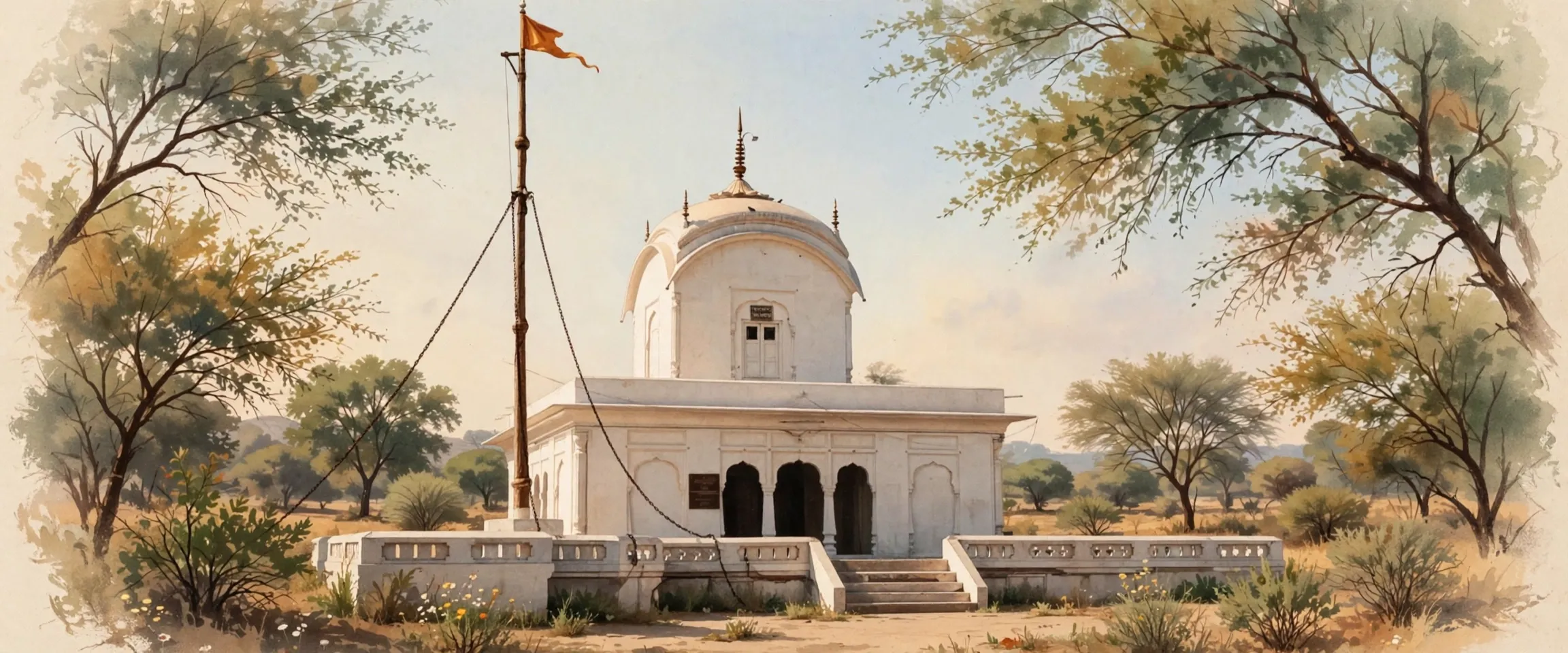
Gurdwara Tambu Sahib stands near the south-eastern corner of the sarovar at Sri Muktsar Sahib, Punjab, in the main Darbar Sahib complex. It marks the battle position of the Forty Muktas on 29 December 1705, who draped cloth sheets over trees and shrubs so their small force looked like a tented army. The present domed hall replaced a Patiala-era shrine through kar seva in the 1980s.
- Punjabi name
- ਗੁਰਦੁਆਰਾ ਤੰਬੂ ਸਾਹਿਬ
- Type
- Historic gurdwara
- Country
- India
- City
- Sri Muktsar Sahib
- District
- Sri Muktsar Sahib
- State
- Punjab
All 15 facts
- Region
- Malwa
- Location
- South-eastern corner of the sarovar
- Associated with
- Guru Gobind Singh Ji
- Marks
- Battle position of the Forty Muktas
- Battle
- Battle of Muktsar, 29 December 1705
- Earlier building
- At the initiative of Maharaja Mohinder Singh of Patiala (1852-76)
- Present building
- Kar seva reconstruction, 1980s
- Sarovar
- Yes, the Muktsar sarovar
- Main festival
- Mela Maghi, mid-January
Gurdwara Tambu Sahib stands near the south-eastern corner of the great sarovar of Sri Muktsar Sahib, a few minutes on foot from Gurdwara Tuti Gandi Sahib. It marks the exact ground where the Forty Muktas took their battle position on 29 December 1705: a thicket of trees and shrubs by the pool of Khidrana, which the forty draped with cloth sheets so that, from a distance, it looked like a camp of tents. Tambu is the Punjabi word for a tent, and the shrine's name preserves the cleverest moment of the Battle of Muktsar, when a handful of men made themselves look like an army.
Why is it called Tambu Sahib?
When the forty Sikhs led by Mai Bhago reached Khidrane Di Dhab, they found the pool, the only water for miles, and a tangle of van trees and karir bushes beside it. They spread their sheets over the trees and shrubs. To an approaching column, the white shapes among the branches read as the tents of an encamped force, far larger than forty exhausted men. The Mughal vanguard halted at a distance rather than charge an unknown camp, and in that pause the battle was shaped. The name Tambu Sahib simply keeps the disguise in memory: this is the gurdwara of the tents that were never tents.
The road to Khidrana
The position only makes sense against the story told in full at Tuti Gandi Sahib. In 1704, during the siege of Anandpur Sahib, forty Majha Sikhs had signed a bedava renouncing Guru Gobind Singh Ji, and gone home to shame and reproach. Led back by Mai Bhago, they came looking for the Guru to beg forgiveness. He, meanwhile, had reached Khidrana guided by a Brar chief's man, knowing a pursuing Mughal force under Wazir Khan of Sirhind was close behind and that whoever held the pool held the country, because the next water lay many miles behind the pursuers. The forty arrived in time to place themselves between the Guru and the pursuit, in the thicket by the water. Their stand is remembered as the last battle Guru Gobind Singh Ji fought against a Mughal army.
A small force made to look like an army
The Sikh Encyclopedia's account of Muktsar describes what happened when the vanguard saw the supposed encampment: it stopped short. The forty then fired a volley of muskets and charged into hand-to-hand fighting. Guru Gobind Singh Ji, from a sandy mound, the tibbi, about a kilometre and a half away, supported them with arrows. The imperial troops could not fight their way to the water, and in that dry tract thirst pressed them as hard as the Sikh attack. They withdrew. All forty were killed; Mai Bhago survived her wounds and stayed with the Guru. Afterwards, tradition holds, the Guru himself pitched his tent on this ground, which is a second reason the spot kept the name Tambu. The dying Bhai Mahan Singh's plea, the tearing of the bedava and the naming of the pool as Muktsar, the Pool of Liberation, belong to the Tuti Gandi story, but they began here, behind the cloth-draped bushes.
The building: a Patiala shrine rebuilt by kar seva
The shrine a visitor sees today is not the first on the spot. The district history records that the earlier building was raised at the initiative of Maharaja Mohinder Singh of Patiala, who reigned from 1852 to 1876, one of several Malwa shrines the Patiala court supported. That building was replaced during the 1980s by a new one built through kar seva, voluntary service. It is a high-ceilinged domed hall with a gallery at mid-height and the sanctum at its centre, modest in scale beside the great Darbar Sahib across the sarovar, and deliberately so: Tambu Sahib is a marker shrine, a place to stand at the position itself and read the battle from the ground. The sites of the Muktsar battle were first marked out, tradition says, by an eighteenth-century Nirmala saint, Bhai Larigar Singh, who also fixed the month of Magh as the martyrs' memorial season.
Tambu Sahib among the Muktsar shrines
Tambu Sahib is best visited as part of the whole sarovar group, the way pilgrims have always done it. Across the water on the western bank stands Tuti Gandi Sahib, the principal shrine, established by the first Sikh families settled here around 1743. About fifty metres west of the sarovar is Shahidganj Sahib, also called Angitha Sahib, marking where the Guru cremated the martyrs; it was first built in 1870 by Raja Wazir Singh of Faridkot and likewise rebuilt in the 1980s. A shrine to Mata Bhag Kaur stands in the same complex, honouring the woman who led the forty back. Tibbi Sahib, on the mound in the north-west of the city, and Rakabsar Sahib, two hundred metres east of it, complete the circuit, and all of them sit within the wider story told in Jugti's guide to Gurdwaras in India.
When is the best time to visit Tambu Sahib?
The shrine is open through the year, but its great moment is Mela Maghi, the mid-January fair held in memory of the Forty Muktas, when pilgrims bathe in the sarovar before dawn and move from shrine to shrine around it; local observance centres on 12 and 13 January. Winter is also the kindest season for the Malwa plain, whose summers are fierce, the same heat and waterlessness that shaped the battle itself. A quiet weekday outside the fair gives the clearest sense of the place: the sarovar, the corner thicket ground, and the short walk to Shahidganj Sahib and the Darbar Sahib. Devotees also gather here for the gurpurabs of Guru Nanak Dev Ji and Guru Gobind Singh Ji and the martyrdom day of Guru Arjan Dev Ji.
How to reach Gurdwara Tambu Sahib
Tambu Sahib is inside Sri Muktsar Sahib city, at the south-eastern corner of the sarovar in the main Darbar Sahib complex, so any route into the city serves it: the city is a district headquarters with a railway station and bus stand, about 53 kilometres from Bathinda, 52 kilometres from Ferozepur and 50 kilometres from Faridkot. Within the complex, ask for the sarovar and walk its southern edge; Tambu Sahib is the domed hall at the far corner from the Darbar Sahib. Pilgrims staying overnight use the accommodation at the main shrine, including Sri Kalgidhar Niwas with its forty rooms, and many add Sarai Naga, sixteen kilometres east on the Kotkapura road, where Guru Angad Dev Ji was born.
ਗੁਰਦੁਆਰਾ ਤੰਬੂ ਸਾਹਿਬ ਸ੍ਰੀ ਮੁਕਤਸਰ ਸਾਹਿਬ ਦੇ ਵੱਡੇ ਸਰੋਵਰ ਦੇ ਦੱਖਣ-ਪੂਰਬੀ ਕੋਨੇ ਕੋਲ ਖੜ੍ਹਾ ਹੈ, ਗੁਰਦੁਆਰਾ ਟੁੱਟੀ ਗੰਢੀ ਸਾਹਿਬ ਤੋਂ ਪੈਦਲ ਕੁਝ ਮਿੰਟਾਂ ਦੀ ਦੂਰੀ ਉੱਤੇ ਇਹ ਉਸੇ ਥਾਂ ਨੂੰ ਦਰਸਾਉਂਦਾ ਹੈ ਜਿੱਥੇ ਚਾਲੀ ਮੁਕਤਿਆਂ ਨੇ 29 ਦਸੰਬਰ 1705 ਨੂੰ ਆਪਣੀ ਲੜਾਈ ਦੀ ਥਾਂ ਮੱਲੀ ਸੀ: ਖਿਦਰਾਣੇ ਦੇ ਢਾਬ ਕੋਲ ਰੁੱਖਾਂ ਅਤੇ ਝਾੜੀਆਂ ਦਾ ਇੱਕ ਝੁੰਡ, ਜਿਸ ਉੱਤੇ ਚਾਲੀ ਸਿੱਖਾਂ ਨੇ ਚਾਦਰਾਂ ਤਾਣ ਦਿੱਤੀਆਂ ਤਾਂ ਜੋ ਦੂਰੋਂ ਉਹ ਤੰਬੂਆਂ ਦਾ ਡੇਰਾ ਲੱਗੇ ਤੰਬੂ ਦਾ ਅਰਥ ਹੈ ਡੇਰਾ ਜਾਂ ਤੰਬੂ, ਅਤੇ ਇਸ ਅਸਥਾਨ ਦਾ ਨਾਂ ਮੁਕਤਸਰ ਦੀ ਲੜਾਈ ਦੀ ਸਭ ਤੋਂ ਸਿਆਣੀ ਚਾਲ ਨੂੰ ਯਾਦ ਰੱਖਦਾ ਹੈ, ਜਦੋਂ ਮੁੱਠੀ ਭਰ ਬੰਦਿਆਂ ਨੇ ਆਪਣੇ ਆਪ ਨੂੰ ਇੱਕ ਫ਼ੌਜ ਵਾਂਗ ਦਿਖਾਇਆ
ਇਸ ਦਾ ਨਾਂ ਤੰਬੂ ਸਾਹਿਬ ਕਿਉਂ ਪਿਆ?
ਜਦੋਂ ਮਾਈ ਭਾਗੋ ਦੀ ਅਗਵਾਈ ਵਿੱਚ ਚਾਲੀ ਸਿੱਖ ਖਿਦਰਾਣੇ ਦੀ ਢਾਬ ਕੋਲ ਪਹੁੰਚੇ, ਤਾਂ ਉਨ੍ਹਾਂ ਨੂੰ ਢਾਬ ਮਿਲਿਆ, ਜੋ ਮੀਲਾਂ ਤਕ ਪਾਣੀ ਦਾ ਇਕੋ ਸੋਮਾ ਸੀ, ਅਤੇ ਉਸ ਦੇ ਕੋਲ ਵਣ ਦੇ ਰੁੱਖਾਂ ਅਤੇ ਕਰੀਰ ਝਾੜੀਆਂ ਦਾ ਝੁੰਡ ਉਨ੍ਹਾਂ ਨੇ ਰੁੱਖਾਂ ਅਤੇ ਝਾੜੀਆਂ ਉੱਤੇ ਆਪਣੀਆਂ ਚਾਦਰਾਂ ਤਾਣ ਦਿੱਤੀਆਂ ਆਉਂਦੀ ਫ਼ੌਜ ਨੂੰ ਟਾਹਣੀਆਂ ਵਿਚਲੀਆਂ ਚਿੱਟੀਆਂ ਸ਼ਕਲਾਂ ਕਿਸੇ ਵੱਡੀ ਫ਼ੌਜ ਦੇ ਤੰਬੂ ਲੱਗੀਆਂ ਮੁਗ਼ਲ ਫ਼ੌਜ ਦਾ ਅਗਲਾ ਦਸਤਾ ਦੂਰੋਂ ਹੀ ਰੁਕ ਗਿਆ, ਕਿਸੇ ਅਣਜਾਣ ਡੇਰੇ ਉੱਤੇ ਹਮਲਾ ਕਰਨ ਦੀ ਥਾਂ ਉਸੇ ਵਿਰਾਮ ਵਿੱਚ ਲੜਾਈ ਦੀ ਸ਼ਕਲ ਬਣ ਗਈ ਤੰਬੂ ਸਾਹਿਬ ਨਾਂ ਉਸੇ ਛਲ ਨੂੰ ਯਾਦ ਰੱਖਦਾ ਹੈ: ਇਹ ਉਨ੍ਹਾਂ ਤੰਬੂਆਂ ਦਾ ਗੁਰਦੁਆਰਾ ਹੈ ਜੋ ਕਦੇ ਤੰਬੂ ਸਨ ਹੀ ਨਹੀਂ
ਖਿਦਰਾਣੇ ਵੱਲ ਦਾ ਰਸਤਾ
ਇਹ ਥਾਂ ਉਸ ਕਹਾਣੀ ਨਾਲ ਹੀ ਸਮਝ ਆਉਂਦੀ ਹੈ ਜੋ ਟੁੱਟੀ ਗੰਢੀ ਸਾਹਿਬ ਵਿਖੇ ਪੂਰੀ ਦੱਸੀ ਗਈ ਹੈ 1704 ਵਿੱਚ ਅਨੰਦਪੁਰ ਸਾਹਿਬ ਦੇ ਘੇਰੇ ਦੌਰਾਨ ਮਾਝੇ ਦੇ ਚਾਲੀ ਸਿੱਖਾਂ ਨੇ ਬੇਦਾਵਾ ਲਿਖ ਕੇ ਗੁਰੂ ਗੋਬਿੰਦ ਸਿੰਘ ਜੀ ਨੂੰ ਛੱਡ ਦਿੱਤਾ ਸੀ, ਅਤੇ ਘਰ ਜਾ ਕੇ ਉਨ੍ਹਾਂ ਨੂੰ ਸ਼ਰਮ ਅਤੇ ਤਾਅਨੇ ਮਿਲੇ ਮਾਈ ਭਾਗੋ ਦੀ ਅਗਵਾਈ ਵਿੱਚ ਉਹ ਮਾਫ਼ੀ ਮੰਗਣ ਲਈ ਗੁਰੂ ਜੀ ਨੂੰ ਲੱਭਦੇ ਵਾਪਸ ਆਏ ਗੁਰੂ ਜੀ ਉਦੋਂ ਤਕ ਖਿਦਰਾਣੇ ਪਹੁੰਚ ਚੁੱਕੇ ਸਨ, ਅਤੇ ਸਰਹਿੰਦ ਦੇ ਵਜ਼ੀਰ ਖ਼ਾਨ ਦੀ ਫ਼ੌਜ ਉਨ੍ਹਾਂ ਦੇ ਨੇੜੇ ਪਿੱਛੇ ਸੀ ਜੋ ਢਾਬ ਨੂੰ ਰੱਖਦਾ, ਉਹ ਇਲਾਕੇ ਨੂੰ ਰੱਖਦਾ, ਕਿਉਂਕਿ ਅਗਲਾ ਪਾਣੀ ਪਿੱਛਾ ਕਰਨ ਵਾਲਿਆਂ ਦੇ ਪਿੱਛੇ ਮੀਲਾਂ ਦੂਰ ਸੀ ਚਾਲੀ ਸਿੱਖ ਸਮੇਂ ਸਿਰ ਪਹੁੰਚ ਕੇ ਗੁਰੂ ਜੀ ਅਤੇ ਪਿੱਛਾ ਕਰਦੀ ਫ਼ੌਜ ਵਿਚਕਾਰ, ਢਾਬ ਕੋਲ ਝਾੜੀਆਂ ਵਿੱਚ, ਖੜ੍ਹ ਗਏ ਇਸ ਟਾਕਰੇ ਨੂੰ ਗੁਰੂ ਗੋਬਿੰਦ ਸਿੰਘ ਜੀ ਦੀ ਮੁਗ਼ਲ ਫ਼ੌਜ ਨਾਲ ਆਖ਼ਰੀ ਲੜਾਈ ਵਜੋਂ ਯਾਦ ਕੀਤਾ ਜਾਂਦਾ ਹੈ
ਛੋਟੀ ਜਿਹੀ ਫ਼ੌਜ ਜੋ ਵੱਡੀ ਲੱਗੀ
ਸਿੱਖ ਵਿਸ਼ਵਕੋਸ਼ ਦੇ ਮੁਕਤਸਰ ਬਿਰਤਾਂਤ ਅਨੁਸਾਰ, ਜਦੋਂ ਅਗਲੇ ਦਸਤੇ ਨੇ ਮੰਨਿਆ ਜਾਂਦਾ ਡੇਰਾ ਵੇਖਿਆ, ਤਾਂ ਉਹ ਦੂਰੋਂ ਹੀ ਰੁਕ ਗਿਆ ਫਿਰ ਚਾਲੀ ਸਿੱਖਾਂ ਨੇ ਬੰਦੂਕਾਂ ਦੀ ਗੋਲੀ ਚਲਾਈ ਅਤੇ ਨੇੜੇ ਦੀ ਲੜਾਈ ਵਿੱਚ ਜੂਝ ਪਏ ਗੁਰੂ ਗੋਬਿੰਦ ਸਿੰਘ ਜੀ ਨੇ ਲਗਭਗ ਡੇਢ ਕਿਲੋਮੀਟਰ ਦੂਰ ਰੇਤਲੀ ਟਿੱਬੀ ਤੋਂ ਤੀਰਾਂ ਨਾਲ ਸਹਾਇਤਾ ਕੀਤੀ ਮੁਗ਼ਲ ਫ਼ੌਜ ਪਾਣੀ ਤਕ ਨਹੀਂ ਪਹੁੰਚ ਸਕੀ, ਅਤੇ ਉਸ ਸੁੱਕੇ ਇਲਾਕੇ ਵਿੱਚ ਪਿਆਸ ਨੇ ਉਸ ਨੂੰ ਓਨਾ ਹੀ ਦਬਾਇਆ ਜਿੰਨਾ ਸਿੱਖਾਂ ਦੇ ਹਮਲੇ ਨੇ ਫ਼ੌਜ ਪਿੱਛੇ ਹਟ ਗਈ ਚਾਲੀ ਦੇ ਚਾਲੀ ਸ਼ਹੀਦ ਹੋ ਗਏ; ਮਾਈ ਭਾਗੋ ਜ਼ਖ਼ਮਾਂ ਤੋਂ ਬਚ ਗਈ ਅਤੇ ਗੁਰੂ ਜੀ ਕੋਲ ਰਹੀ ਪਰੰਪਰਾ ਅਨੁਸਾਰ ਲੜਾਈ ਤੋਂ ਬਾਅਦ ਗੁਰੂ ਜੀ ਨੇ ਖ਼ੁਦ ਵੀ ਇਸੇ ਥਾਂ ਆਪਣਾ ਤੰਬੂ ਲਾਇਆ, ਜੋ ਇਸ ਥਾਂ ਦੇ ਤੰਬੂ ਨਾਂ ਦਾ ਦੂਜਾ ਕਾਰਨ ਹੈ
ਇਮਾਰਤ: ਪਟਿਆਲੇ ਵੇਲੇ ਦਾ ਅਸਥਾਨ, ਕਾਰ ਸੇਵਾ ਨਾਲ ਮੁੜ ਬਣਿਆ
ਅੱਜ ਦਿਸਦੀ ਇਮਾਰਤ ਇਸ ਥਾਂ ਦੀ ਪਹਿਲੀ ਇਮਾਰਤ ਨਹੀਂ ਹੈ ਜ਼ਿਲ੍ਹੇ ਦੇ ਇਤਿਹਾਸ ਅਨੁਸਾਰ ਪਹਿਲੀ ਇਮਾਰਤ ਪਟਿਆਲੇ ਦੇ ਮਹਾਰਾਜਾ ਮਹਿੰਦਰ ਸਿੰਘ ਦੀ ਪਹਿਲ ਉੱਤੇ ਬਣੀ ਸੀ, ਜਿਨ੍ਹਾਂ ਦਾ ਰਾਜ 1852 ਤੋਂ 1876 ਤਕ ਰਿਹਾ ਉਹ ਇਮਾਰਤ 1980 ਦੇ ਦਹਾਕੇ ਵਿੱਚ ਕਾਰ ਸੇਵਾ ਨਾਲ ਬਣੀ ਨਵੀਂ ਇਮਾਰਤ ਨਾਲ ਬਦਲ ਦਿੱਤੀ ਗਈ ਇਹ ਉੱਚੀ ਛੱਤ ਵਾਲਾ ਗੁੰਬਦਦਾਰ ਹਾਲ ਹੈ, ਜਿਸ ਦੇ ਅੱਧ ਵਿੱਚ ਗੈਲਰੀ ਹੈ ਅਤੇ ਕੇਂਦਰ ਵਿੱਚ ਪਵਿੱਤਰ ਅਸਥਾਨ ਇਹ ਸਰੋਵਰ ਦੇ ਪਾਰ ਵਾਲੇ ਵੱਡੇ ਦਰਬਾਰ ਸਾਹਿਬ ਨਾਲੋਂ ਛੋਟਾ ਹੈ, ਅਤੇ ਜਾਣ-ਬੁੱਝ ਕੇ ਛੋਟਾ ਹੈ: ਤੰਬੂ ਸਾਹਿਬ ਇੱਕ ਨਿਸ਼ਾਨੀ ਅਸਥਾਨ ਹੈ, ਉਸੇ ਥਾਂ ਖੜ੍ਹ ਕੇ ਲੜਾਈ ਨੂੰ ਜ਼ਮੀਨ ਤੋਂ ਪੜ੍ਹਨ ਦੀ ਥਾਂ ਕਿਹਾ ਜਾਂਦਾ ਹੈ ਕਿ ਮੁਕਤਸਰ ਦੀ ਲੜਾਈ ਦੀਆਂ ਥਾਵਾਂ ਸਭ ਤੋਂ ਪਹਿਲਾਂ ਅਠਾਰਵੀਂ ਸਦੀ ਦੇ ਨਿਰਮਲੇ ਸੰਤ ਭਾਈ ਲੜੀਗਰ ਸਿੰਘ ਨੇ ਨਿਸ਼ਾਨਬੱਧ ਕੀਤੀਆਂ, ਅਤੇ ਮਾਘ ਦਾ ਮਹੀਨਾ ਸ਼ਹੀਦਾਂ ਦੀ ਯਾਦ ਲਈ ਉਨ੍ਹਾਂ ਨੇ ਹੀ ਨਿਸ਼ਚਿਤ ਕੀਤਾ
ਮੁਕਤਸਰ ਦੇ ਅਸਥਾਨਾਂ ਵਿੱਚ ਤੰਬੂ ਸਾਹਿਬ
ਤੰਬੂ ਸਾਹਿਬ ਦੀ ਫੇਰੀ ਸਰੋਵਰ ਦੇ ਪੂਰੇ ਸਮੂਹ ਨਾਲ ਹੀ ਕਰਨੀ ਚਾਹੀਦੀ ਹੈ, ਜਿਵੇਂ ਸ਼ਰਧਾਲੂ ਹਮੇਸ਼ਾ ਕਰਦੇ ਆਏ ਹਨ ਪਾਣੀ ਦੇ ਪਾਰ ਪੱਛਮੀ ਕੰਢੇ ਉੱਤੇ ਟੁੱਟੀ ਗੰਢੀ ਸਾਹਿਬ ਹੈ, ਮੁੱਖ ਅਸਥਾਨ, ਜੋ ਇੱਥੇ ਲਗਭਗ 1743 ਵਿੱਚ ਵੱਸੇ ਪਹਿਲੇ ਸਿੱਖ ਪਰਿਵਾਰਾਂ ਨੇ ਸਥਾਪਿਤ ਕੀਤਾ ਸਰੋਵਰ ਤੋਂ ਲਗਭਗ ਪੰਜਾਹ ਮੀਟਰ ਪੱਛਮ ਵੱਲ ਸ਼ਹੀਦਗੰਜ ਸਾਹਿਬ ਹੈ, ਜਿਸ ਨੂੰ ਅੰਗੀਠਾ ਸਾਹਿਬ ਵੀ ਕਿਹਾ ਜਾਂਦਾ ਹੈ, ਜਿੱਥੇ ਗੁਰੂ ਜੀ ਨੇ ਸ਼ਹੀਦਾਂ ਦਾ ਸਸਕਾਰ ਕੀਤਾ; ਇਹ ਪਹਿਲਾਂ 1870 ਵਿੱਚ ਫ਼ਰੀਦਕੋਟ ਦੇ ਰਾਜਾ ਵਜ਼ੀਰ ਸਿੰਘ ਨੇ ਬਣਵਾਇਆ ਅਤੇ 1980 ਦੇ ਦਹਾਕੇ ਵਿੱਚ ਇਹ ਵੀ ਮੁੜ ਬਣਿਆ ਇਸੇ ਸਮੂਹ ਵਿੱਚ ਮਾਤਾ ਭਾਗ ਕੌਰ ਦਾ ਅਸਥਾਨ ਹੈ ਸ਼ਹਿਰ ਦੇ ਉੱਤਰ-ਪੱਛਮ ਵਿੱਚ ਟਿੱਬੀ ਸਾਹਿਬ ਅਤੇ ਉਸ ਤੋਂ ਦੋ ਸੌ ਮੀਟਰ ਪੂਰਬ ਵੱਲ ਰਕਾਬਸਰ ਸਾਹਿਬ ਇਸ ਘੇਰੇ ਨੂੰ ਪੂਰਾ ਕਰਦੇ ਹਨ
ਤੰਬੂ ਸਾਹਿਬ ਜਾਣ ਦਾ ਸਭ ਤੋਂ ਵਧੀਆ ਸਮਾਂ ਕਿਹੜਾ ਹੈ?
ਇਹ ਅਸਥਾਨ ਸਾਰਾ ਸਾਲ ਖੁੱਲ੍ਹਾ ਰਹਿੰਦਾ ਹੈ, ਪਰ ਇਸ ਦਾ ਵੱਡਾ ਸਮਾਂ ਮੇਲਾ ਮਾਘੀ ਹੈ, ਜਨਵਰੀ ਦੇ ਵਿਚਕਾਰ ਚਾਲੀ ਮੁਕਤਿਆਂ ਦੀ ਯਾਦ ਵਿੱਚ ਲੱਗਣ ਵਾਲਾ ਮੇਲਾ, ਜਦੋਂ ਸ਼ਰਧਾਲੂ ਤੜਕੇ ਸਰੋਵਰ ਵਿੱਚ ਇਸ਼ਨਾਨ ਕਰਕੇ ਇੱਕ ਅਸਥਾਨ ਤੋਂ ਦੂਜੇ ਅਸਥਾਨ ਜਾਂਦੇ ਹਨ; ਸਥਾਨਕ ਰਵਾਇਤ 12 ਅਤੇ 13 ਜਨਵਰੀ ਉੱਤੇ ਕੇਂਦਰਿਤ ਹੈ ਸਰਦੀ ਮਾਲਵੇ ਲਈ ਸਭ ਤੋਂ ਸੁਖਦਾਈ ਮੌਸਮ ਵੀ ਹੈ, ਕਿਉਂਕਿ ਇੱਥੋਂ ਦੀਆਂ ਗਰਮੀਆਂ ਬਹੁਤ ਤੇਜ਼ ਹੁੰਦੀਆਂ ਹਨ, ਉਹੀ ਗਰਮੀ ਅਤੇ ਪਾਣੀ ਦੀ ਕਮੀ ਜਿਸ ਨੇ ਲੜਾਈ ਦੀ ਸ਼ਕਲ ਘੜੀ ਸੀ ਮੇਲੇ ਤੋਂ ਬਾਹਰ ਕਿਸੇ ਸ਼ਾਂਤ ਦਿਨ ਇੱਥੋਂ ਦਾ ਅਹਿਸਾਸ ਸਭ ਤੋਂ ਸਾਫ਼ ਮਿਲਦਾ ਹੈ ਇੱਥੇ ਗੁਰੂ ਨਾਨਕ ਦੇਵ ਜੀ ਅਤੇ ਗੁਰੂ ਗੋਬਿੰਦ ਸਿੰਘ ਜੀ ਦੇ ਪ੍ਰਕਾਸ਼ ਪੁਰਬ ਅਤੇ ਗੁਰੂ ਅਰਜਨ ਦੇਵ ਜੀ ਦਾ ਸ਼ਹੀਦੀ ਪੁਰਬ ਵੀ ਮਨਾਇਆ ਜਾਂਦਾ ਹੈ
ਗੁਰਦੁਆਰਾ ਤੰਬੂ ਸਾਹਿਬ ਕਿਵੇਂ ਪਹੁੰਚੀਏ?
ਤੰਬੂ ਸਾਹਿਬ ਸ੍ਰੀ ਮੁਕਤਸਰ ਸਾਹਿਬ ਸ਼ਹਿਰ ਦੇ ਅੰਦਰ, ਮੁੱਖ ਦਰਬਾਰ ਸਾਹਿਬ ਸਮੂਹ ਵਿੱਚ ਸਰੋਵਰ ਦੇ ਦੱਖਣ-ਪੂਰਬੀ ਕੋਨੇ ਉੱਤੇ ਹੈ, ਇਸ ਲਈ ਸ਼ਹਿਰ ਵਿੱਚ ਆਉਣ ਵਾਲਾ ਹਰ ਰਸਤਾ ਇੱਥੇ ਲਿਆਉਂਦਾ ਹੈ: ਸ਼ਹਿਰ ਇੱਕ ਜ਼ਿਲ੍ਹਾ ਮੁੱਖ ਦਫ਼ਤਰ ਹੈ, ਜਿੱਥੇ ਰੇਲਵੇ ਸਟੇਸ਼ਨ ਅਤੇ ਬੱਸ ਅੱਡਾ ਹੈ, ਬਠਿੰਡਾ ਤੋਂ ਲਗਭਗ 53 ਕਿਲੋਮੀਟਰ, ਫ਼ਿਰੋਜ਼ਪੁਰ ਤੋਂ 52 ਕਿਲੋਮੀਟਰ ਅਤੇ ਫ਼ਰੀਦਕੋਟ ਤੋਂ 50 ਕਿਲੋਮੀਟਰ ਦੂਰ ਰਾਤ ਠਹਿਰਨ ਵਾਲੇ ਸ਼ਰਧਾਲੂ ਮੁੱਖ ਅਸਥਾਨ ਦੀ ਰਿਹਾਇਸ਼ ਵਰਤਦੇ ਹਨ, ਜਿਸ ਵਿੱਚ ਚਾਲੀ ਕਮਰਿਆਂ ਵਾਲਾ ਸ੍ਰੀ ਕਲਗੀਧਰ ਨਿਵਾਸ ਵੀ ਹੈ, ਅਤੇ ਬਹੁਤੇ ਸੋਲਾਂ ਕਿਲੋਮੀਟਰ ਪੂਰਬ ਵੱਲ ਕੋਟਕਪੂੜਾ ਰੋਡ ਉੱਤੇ ਸਰਾਏ ਨਾਗਾ ਵੀ ਜਾਂਦੇ ਹਨ, ਜਿੱਥੇ ਗੁਰੂ ਅੰਗਦ ਦੇਵ ਜੀ ਦਾ ਜਨਮ ਹੋਇਆ ਸੀ