
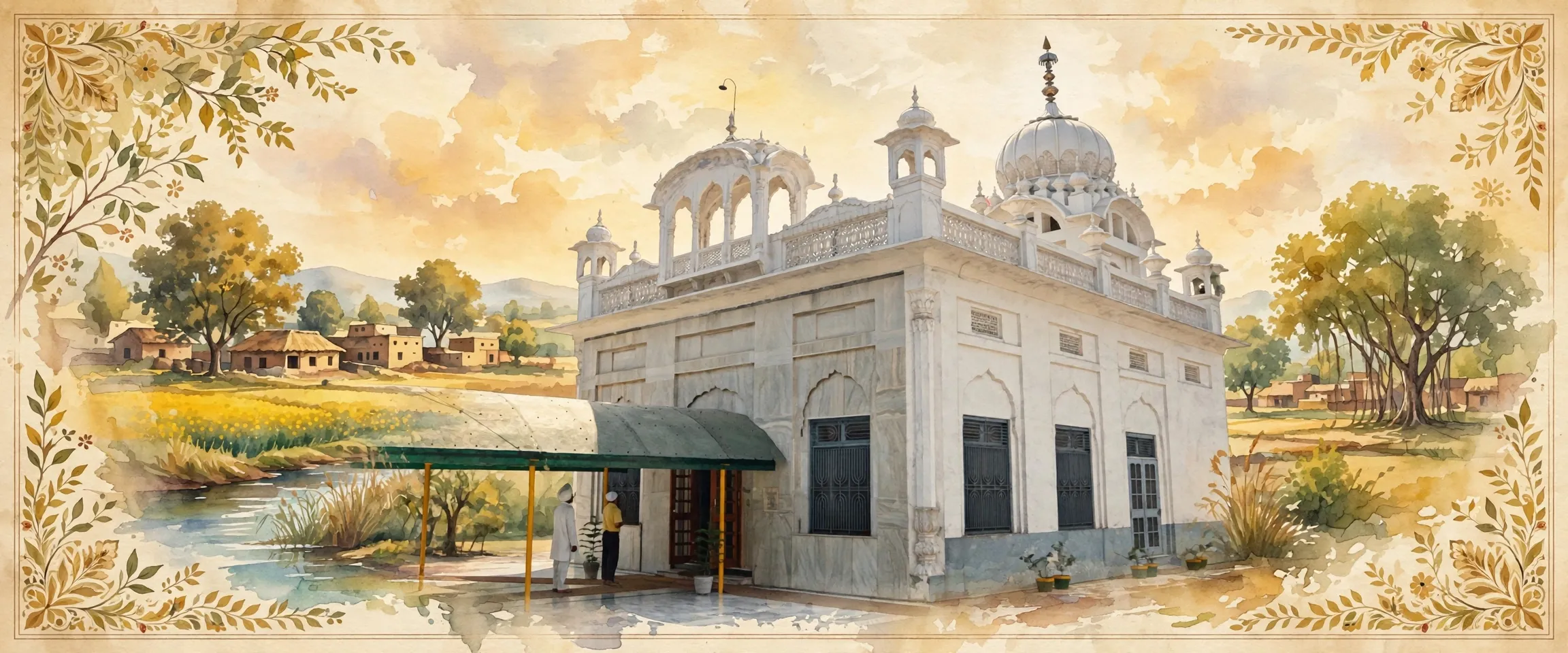
Gurdwara Guru Ka Bagh is a historic gurdwara in the old interior of Sultanpur Lodhi, Kapurthala district, Punjab, marking the premises where Guru Nanak Dev Ji lived with his wife Bibi Sulakhani and their two sons, Sri Chand and Lakhmi Das, during his years in the town. The flat roofed hall preserves a narrow well, now covered, that served the Guru's household.
- Punjabi name
- ਗੁਰਦੁਆਰਾ ਗੁਰੂ ਕਾ ਬਾਗ਼
- Type
- Historic gurdwara
- Country
- India
- City
- Sultanpur Lodhi
- District
- Kapurthala
- Region
- Doaba
All 10 facts
- Marks
- The house where Guru Nanak lived with his family
- Household
- Bibi Sulakhani; sons Sri Chand (born 1494) and Lakhmi Das (born 1497)
- Relic
- Narrow well of the household, now covered
- Main festival
- Guru Nanak Gurpurab (November)
Gurdwara Guru Ka Bagh is a historic gurdwara in the old interior of Sultanpur Lodhi, Kapurthala district, Punjab, marking the premises where Guru Nanak Dev Ji lived with his wife Bibi Sulakhani and their two sons during his years in the town. Among the shrines of Sultanpur Lodhi it is the domestic one: not the store where the Guru worked, nor the riverbank where he prayed, but the home where he lived as a householder and a father.
Where did Guru Nanak Dev Ji live in Sultanpur Lodhi?
Guru Nanak lived at the premises now marked by Guru Ka Bagh, a home inside the old town where he stayed with Bibi Sulakhani and their children. He had come to Sultanpur Lodhi through family: his elder sister Bebe Nanaki lived here with her husband Jai Ram, an official of Nawab Daulat Khan Lodhi, and Jai Ram found the young Nanak his post at the nawab's provision store, honoured today at Gurdwara Hatt Sahib. Work filled his days, the Kali Bein filled his dawns, and this house filled everything between: it was the centre of the Guru's family life for the whole of his long stay in the town.
The family grew here. Guru Nanak married Bibi Sulakhani in 1488, and their two sons were born in Sultanpur Lodhi: Sri Chand in July 1494 and Lakhmi Das in February 1497. A sangat, a congregation of followers, gathered around the Guru during these years, drawn to his hymns and to the way he lived them, and Bhai Gurdas, writing later, praised Sultanpur as a treasure of devotion. The house at Guru Ka Bagh stood at the heart of that first community: the place where the teacher of a new path was also a husband, a father and a neighbour.
A home, not a hermitage
Guru Ka Bagh matters because of what it quietly argues. Guru Nanak did not leave his family to find God, and he did not treat the household as an obstacle to the spiritual life. In Sultanpur Lodhi he held a responsible job, weighed grain for customers, raised two sons and kept a dawn discipline of bathing and meditation at Ber Sahib, all at the same time. Sikhs read these years as the lived pattern of the teaching he later gave the world: earn honestly, share what you earn, and remember God in the middle of ordinary life, not apart from it.
That is why the home shrine completes the town's story in a way the grander shrines cannot. Ber Sahib shows the Guru in prayer and Hatt Sahib shows him at work, but Guru Ka Bagh shows the setting in which prayer and work were held together: a family house, with meals, children, guests and neighbours. Generations of Punjabi householders have recognised their own lives in it, and it remains one of the most personally loved of Sultanpur's gurdwaras.
The hall and the covered well
The gurdwara is a flat roofed hall standing in the interior of the old town. Inside, the Guru Granth Sahib is seated on a rectangular platform, in a prayer hall of domestic scale rather than monumental size. A narrow well, now covered over, survives at the premises as a relic of the Guru's household, the well from which the family drew its water. Local accounts of the shrine also note old wall fabric preserved in the basement of the building, a fragment of the older house within the newer one.
Nothing here strains for effect, and that is fitting. Beside the great white bulk of Ber Sahib on the riverbank, Guru Ka Bagh keeps the proportions of the thing it remembers: a working family's home in a trading town. Pilgrims who come expecting a palace sometimes miss its point; the shrine's power lies in its ordinariness, in rooms no grander than the life the Guru sanctified by living it well.
One town, one daily round
Sultanpur Lodhi's gurdwaras map Guru Nanak's day, and Guru Ka Bagh is the map's home point. From this house he walked each morning to the Kali Bein and the ber tree at Ber Sahib, and each day to the provision store at Hatt Sahib. When jealous officials accused him of giving the stores away, he waited out the audit of his accounts in the small cell remembered at Gurdwara Kothri Sahib, a few streets away. Read together, the four shrines tell a single story: prayer, work, home and trial, all within one small town.
Visiting Guru Ka Bagh
Guru Ka Bagh holds daily services and serves langar like every gurdwara, and it shares in Sultanpur Lodhi's great November gathering for Guru Nanak Gurpurab, when the town fills with pilgrims. Like the town's other historic shrines, it is administered by the Shiromani Gurdwara Parbandhak Committee through a local committee. Sultanpur Lodhi has its own railway station, and the old town's shrines stand within a short walk of one another, so most visitors take in Guru Ka Bagh, Kothri Sahib, Ber Sahib and Hatt Sahib in a single unhurried round. The Gurdwaras in India guide places the house among the essential shrines of Guru Nanak's life.
ਗੁਰਦੁਆਰਾ ਗੁਰੂ ਕਾ ਬਾਗ਼ ਪੰਜਾਬ ਦੇ ਕਪੂਰਥਲਾ ਜ਼ਿਲ੍ਹੇ ਦੇ ਸੁਲਤਾਨਪੁਰ ਲੋਧੀ ਦੇ ਪੁਰਾਣੇ ਅੰਦਰਲੇ ਹਿੱਸੇ ਵਿੱਚ ਇੱਕ ਇਤਿਹਾਸਕ ਗੁਰਦੁਆਰਾ ਹੈ, ਜੋ ਉਸ ਥਾਂ ਉੱਤੇ ਹੈ ਜਿੱਥੇ ਗੁਰੂ ਨਾਨਕ ਦੇਵ ਜੀ ਇਸ ਨਗਰ ਵਿੱਚ ਆਪਣੇ ਸਾਲਾਂ ਦੌਰਾਨ ਆਪਣੀ ਪਤਨੀ ਬੀਬੀ ਸੁਲੱਖਣੀ ਅਤੇ ਆਪਣੇ ਦੋ ਪੁੱਤਰਾਂ ਨਾਲ ਰਹਿੰਦੇ ਸਨ ਸੁਲਤਾਨਪੁਰ ਲੋਧੀ ਦੇ ਅਸਥਾਨਾਂ ਵਿੱਚ ਇਹ ਘਰੇਲੂ ਅਸਥਾਨ ਹੈ: ਨਾ ਉਹ ਭੰਡਾਰ ਜਿੱਥੇ ਗੁਰੂ ਜੀ ਕੰਮ ਕਰਦੇ ਸਨ, ਨਾ ਉਹ ਦਰਿਆ ਕੰਢਾ ਜਿੱਥੇ ਉਹ ਭਗਤੀ ਕਰਦੇ ਸਨ, ਸਗੋਂ ਉਹ ਘਰ ਜਿੱਥੇ ਉਹ ਇੱਕ ਗ੍ਰਿਹਸਥੀ ਅਤੇ ਪਿਤਾ ਵਜੋਂ ਰਹੇ
ਗੁਰੂ ਨਾਨਕ ਦੇਵ ਜੀ ਸੁਲਤਾਨਪੁਰ ਲੋਧੀ ਵਿੱਚ ਕਿੱਥੇ ਰਹਿੰਦੇ ਸਨ?
ਗੁਰੂ ਨਾਨਕ ਦੇਵ ਜੀ ਉਸ ਥਾਂ ਉੱਤੇ ਰਹਿੰਦੇ ਸਨ ਜਿੱਥੇ ਅੱਜ ਗੁਰੂ ਕਾ ਬਾਗ਼ ਹੈ, ਪੁਰਾਣੇ ਨਗਰ ਦੇ ਅੰਦਰ ਇੱਕ ਘਰ, ਜਿੱਥੇ ਉਹ ਬੀਬੀ ਸੁਲੱਖਣੀ ਅਤੇ ਆਪਣੇ ਬੱਚਿਆਂ ਨਾਲ ਰਹੇ ਉਹ ਪਰਿਵਾਰ ਰਾਹੀਂ ਸੁਲਤਾਨਪੁਰ ਲੋਧੀ ਆਏ ਸਨ: ਉਨ੍ਹਾਂ ਦੀ ਵੱਡੀ ਭੈਣ ਬੇਬੇ ਨਾਨਕੀ ਆਪਣੇ ਪਤੀ ਜੈ ਰਾਮ ਨਾਲ ਇੱਥੇ ਰਹਿੰਦੀ ਸੀ, ਜੋ ਨਵਾਬ ਦੌਲਤ ਖ਼ਾਨ ਲੋਧੀ ਦਾ ਅਧਿਕਾਰੀ ਸੀ, ਅਤੇ ਜੈ ਰਾਮ ਨੇ ਨੌਜਵਾਨ ਨਾਨਕ ਨੂੰ ਨਵਾਬ ਦੇ ਭੰਡਾਰ ਵਿੱਚ ਨੌਕਰੀ ਦਿਵਾਈ, ਜਿਸ ਨੂੰ ਅੱਜ ਗੁਰਦੁਆਰਾ ਹੱਟ ਸਾਹਿਬ ਵਿੱਚ ਸਤਕਾਰਿਆ ਜਾਂਦਾ ਹੈ ਦਿਨ ਉਨ੍ਹਾਂ ਦੇ ਕੰਮ ਨਾਲ ਭਰੇ ਸਨ, ਤੜਕੇ ਕਾਲੀ ਬੇਈਂ ਨਾਲ, ਅਤੇ ਇਸ ਘਰ ਨਾਲ ਉਹ ਸਭ ਕੁਝ ਜੋ ਵਿਚਕਾਰ ਸੀ: ਇਹ ਨਗਰ ਵਿੱਚ ਉਨ੍ਹਾਂ ਦੇ ਲੰਬੇ ਸਮੇਂ ਦੌਰਾਨ ਗੁਰੂ ਜੀ ਦੇ ਪਰਿਵਾਰਕ ਜੀਵਨ ਦਾ ਕੇਂਦਰ ਸੀ
ਪਰਿਵਾਰ ਇੱਥੇ ਵਧਿਆ ਗੁਰੂ ਨਾਨਕ ਦੇਵ ਜੀ ਦਾ ਵਿਆਹ 1488 ਵਿੱਚ ਬੀਬੀ ਸੁਲੱਖਣੀ ਨਾਲ ਹੋਇਆ, ਅਤੇ ਉਨ੍ਹਾਂ ਦੇ ਦੋ ਪੁੱਤਰ ਸੁਲਤਾਨਪੁਰ ਲੋਧੀ ਵਿੱਚ ਜਨਮੇ: ਜੁਲਾਈ 1494 ਵਿੱਚ ਸ੍ਰੀ ਚੰਦ ਅਤੇ ਫ਼ਰਵਰੀ 1497 ਵਿੱਚ ਲਖਮੀ ਦਾਸ ਇਨ੍ਹਾਂ ਸਾਲਾਂ ਦੌਰਾਨ ਗੁਰੂ ਜੀ ਦੁਆਲੇ ਸੰਗਤ ਜੁੜ ਗਈ, ਜੋ ਉਨ੍ਹਾਂ ਦੀ ਬਾਣੀ ਅਤੇ ਉਸ ਨੂੰ ਜਿਉਣ ਦੇ ਉਨ੍ਹਾਂ ਦੇ ਢੰਗ ਵੱਲ ਖਿੱਚੀ ਗਈ, ਅਤੇ ਬਾਅਦ ਵਿੱਚ ਭਾਈ ਗੁਰਦਾਸ ਨੇ ਸੁਲਤਾਨਪੁਰ ਨੂੰ ਭਗਤੀ ਦਾ ਖ਼ਜ਼ਾਨਾ ਕਿਹਾ ਗੁਰੂ ਕਾ ਬਾਗ਼ ਦਾ ਘਰ ਉਸ ਪਹਿਲੀ ਸੰਗਤ ਦੇ ਦਿਲ ਵਿੱਚ ਖੜ੍ਹਾ ਸੀ: ਉਹ ਥਾਂ ਜਿੱਥੇ ਇੱਕ ਨਵੇਂ ਰਾਹ ਦੇ ਉਪਦੇਸ਼ਕ ਇੱਕ ਪਤੀ, ਇੱਕ ਪਿਤਾ ਅਤੇ ਇੱਕ ਗੁਆਂਢੀ ਵੀ ਸਨ
ਘਰ, ਨਾ ਕਿ ਇਕਾਂਤ ਆਸ਼ਰਮ
ਗੁਰੂ ਕਾ ਬਾਗ਼ ਇਸ ਲਈ ਮਹੱਤਵਪੂਰਨ ਹੈ ਜੋ ਇਹ ਚੁੱਪ ਚਾਪ ਕਹਿੰਦਾ ਹੈ ਗੁਰੂ ਨਾਨਕ ਦੇਵ ਜੀ ਨੇ ਪਰਮਾਤਮਾ ਨੂੰ ਲੱਭਣ ਲਈ ਆਪਣਾ ਪਰਿਵਾਰ ਨਹੀਂ ਛੱਡਿਆ, ਅਤੇ ਨਾ ਹੀ ਉਨ੍ਹਾਂ ਨੇ ਘਰ ਨੂੰ ਰੂਹਾਨੀ ਜੀਵਨ ਦੀ ਰੁਕਾਵਟ ਸਮਝਿਆ ਸੁਲਤਾਨਪੁਰ ਲੋਧੀ ਵਿੱਚ ਉਨ੍ਹਾਂ ਨੇ ਜ਼ਿੰਮੇਵਾਰੀ ਵਾਲੀ ਨੌਕਰੀ ਕੀਤੀ, ਗਾਹਕਾਂ ਲਈ ਅਨਾਜ ਤੋਲਿਆ, ਦੋ ਪੁੱਤਰ ਪਾਲੇ ਅਤੇ ਬੇਰ ਸਾਹਿਬ ਵਿਖੇ ਤੜਕੇ ਦੇ ਇਸ਼ਨਾਨ ਅਤੇ ਸਿਮਰਨ ਦੀ ਮਰਿਆਦਾ ਰੱਖੀ, ਸਭ ਇੱਕੋ ਵੇਲੇ ਸਿੱਖ ਇਨ੍ਹਾਂ ਸਾਲਾਂ ਨੂੰ ਉਸ ਸਿੱਖਿਆ ਦਾ ਅਮਲੀ ਰੂਪ ਪੜ੍ਹਦੇ ਹਨ ਜੋ ਉਨ੍ਹਾਂ ਨੇ ਬਾਅਦ ਵਿੱਚ ਸੰਸਾਰ ਨੂੰ ਦਿੱਤੀ: ਸੱਚੀ ਕਿਰਤ ਕਰੋ, ਜੋ ਕਮਾਓ ਉਹ ਵੰਡੋ, ਅਤੇ ਪਰਮਾਤਮਾ ਨੂੰ ਆਮ ਜ਼ਿੰਦਗੀ ਦੇ ਵਿਚਕਾਰ ਯਾਦ ਰੱਖੋ, ਉਸ ਤੋਂ ਵੱਖ ਹੋ ਕੇ ਨਹੀਂ
ਇਸੇ ਲਈ ਇਹ ਘਰ ਵਾਲਾ ਅਸਥਾਨ ਨਗਰ ਦੀ ਕਹਾਣੀ ਨੂੰ ਉਸ ਢੰਗ ਨਾਲ ਪੂਰਾ ਕਰਦਾ ਹੈ ਜੋ ਵੱਡੇ ਅਸਥਾਨ ਨਹੀਂ ਕਰ ਸਕਦੇ ਬੇਰ ਸਾਹਿਬ ਗੁਰੂ ਜੀ ਨੂੰ ਭਗਤੀ ਵਿੱਚ ਦਿਖਾਉਂਦਾ ਹੈ ਅਤੇ ਹੱਟ ਸਾਹਿਬ ਕੰਮ ਵਿੱਚ, ਪਰ ਗੁਰੂ ਕਾ ਬਾਗ਼ ਉਹ ਥਾਂ ਦਿਖਾਉਂਦਾ ਹੈ ਜਿੱਥੇ ਭਗਤੀ ਅਤੇ ਕੰਮ ਇਕੱਠੇ ਰਹੇ: ਇੱਕ ਪਰਿਵਾਰਕ ਘਰ, ਜਿਸ ਵਿੱਚ ਖਾਣਾ, ਬੱਚੇ, ਮਹਿਮਾਨ ਅਤੇ ਗੁਆਂਢੀ ਸਨ ਪੰਜਾਬੀ ਗ੍ਰਿਹਸਥੀਆਂ ਦੀਆਂ ਪੀੜ੍ਹੀਆਂ ਨੇ ਇਸ ਵਿੱਚ ਆਪਣੀ ਜ਼ਿੰਦਗੀ ਪਛਾਣੀ ਹੈ, ਅਤੇ ਇਹ ਸੁਲਤਾਨਪੁਰ ਦੇ ਸਭ ਤੋਂ ਨਿੱਜੀ ਤੌਰ ਉੱਤੇ ਪਿਆਰੇ ਅਸਥਾਨਾਂ ਵਿੱਚੋਂ ਇੱਕ ਹੈ
ਹਾਲ ਅਤੇ ਢੱਕਿਆ ਹੋਇਆ ਖੂਹ
ਇਹ ਗੁਰਦੁਆਰਾ ਪੁਰਾਣੇ ਨਗਰ ਦੇ ਅੰਦਰ ਖੜ੍ਹਾ ਇੱਕ ਸਮਤਲ ਛੱਤ ਵਾਲਾ ਹਾਲ ਹੈ ਅੰਦਰ ਗੁਰੂ ਗ੍ਰੰਥ ਸਾਹਿਬ ਇੱਕ ਆਇਤਾਕਾਰ ਚਬੂਤਰੇ ਉੱਤੇ ਬਿਰਾਜਮਾਨ ਹਨ, ਇੱਕ ਅਜਿਹੇ ਦੀਵਾਨ ਹਾਲ ਵਿੱਚ ਜੋ ਵਿਸ਼ਾਲ ਅਸਥਾਨਾਂ ਵਰਗਾ ਨਹੀਂ, ਘਰੇਲੂ ਅਕਾਰ ਦਾ ਹੈ ਇੱਕ ਤੰਗ ਖੂਹ, ਜੋ ਹੁਣ ਢੱਕਿਆ ਹੋਇਆ ਹੈ, ਇਸ ਥਾਂ ਉੱਤੇ ਗੁਰੂ ਜੀ ਦੇ ਘਰ ਦੀ ਨਿਸ਼ਾਨੀ ਵਜੋਂ ਸੰਭਾਲਿਆ ਹੈ, ਉਹ ਖੂਹ ਜਿਸ ਤੋਂ ਪਰਿਵਾਰ ਪਾਣੀ ਭਰਦਾ ਸੀ ਅਸਥਾਨ ਬਾਰੇ ਸਥਾਨਕ ਬਿਆਨਾਂ ਵਿੱਚ ਇਮਾਰਤ ਦੇ ਬੇਸਮੈਂਟ ਵਿੱਚ ਸੰਭਾਲੀਆਂ ਪੁਰਾਣੀਆਂ ਕੰਧਾਂ ਦਾ ਵੀ ਜ਼ਿਕਰ ਹੈ, ਨਵੇਂ ਘਰ ਦੇ ਅੰਦਰ ਪੁਰਾਣੇ ਘਰ ਦਾ ਇੱਕ ਹਿੱਸਾ
ਇੱਥੇ ਕੁਝ ਵੀ ਪ੍ਰਭਾਵ ਪਾਉਣ ਦੀ ਕੋਸ਼ਿਸ਼ ਨਹੀਂ ਕਰਦਾ, ਅਤੇ ਇਹੀ ਠੀਕ ਹੈ ਦਰਿਆ ਕੰਢੇ ਬੇਰ ਸਾਹਿਬ ਦੀ ਵਿਸ਼ਾਲ ਚਿੱਟੀ ਇਮਾਰਤ ਦੇ ਮੁਕਾਬਲੇ ਗੁਰੂ ਕਾ ਬਾਗ਼ ਉਸ ਚੀਜ਼ ਦਾ ਅਕਾਰ ਰੱਖਦਾ ਹੈ ਜਿਸ ਨੂੰ ਇਹ ਯਾਦ ਕਰਦਾ ਹੈ: ਇੱਕ ਵਪਾਰਕ ਨਗਰ ਵਿੱਚ ਇੱਕ ਕੰਮਕਾਜੀ ਪਰਿਵਾਰ ਦਾ ਘਰ ਜੋ ਯਾਤਰੀ ਮਹਲ ਦੀ ਆਸ ਲੈ ਕੇ ਆਉਂਦੇ ਹਨ, ਉਹ ਕਈ ਵਾਰ ਇਸ ਦਾ ਅਰਥ ਸਮਝ ਨਹੀਂ ਪਾਉਂਦੇ; ਇਸ ਅਸਥਾਨ ਦੀ ਸ਼ਕਤੀ ਇਸ ਦੀ ਸਾਦਗੀ ਵਿੱਚ ਹੈ, ਉਨ੍ਹਾਂ ਕਮਰਿਆਂ ਵਿੱਚ ਜੋ ਉਸ ਜੀਵਨ ਤੋਂ ਵੱਡੇ ਨਹੀਂ ਜਿਸ ਨੂੰ ਗੁਰੂ ਜੀ ਨੇ ਚੰਗੀ ਤਰ੍ਹਾਂ ਜੀਉ ਕੇ ਪਵਿੱਤਰ ਕੀਤਾ
ਇੱਕ ਨਗਰ, ਇੱਕ ਰੋਜ਼ ਦੀ ਜ਼ਿੰਦਗੀ
ਸੁਲਤਾਨਪੁਰ ਲੋਧੀ ਦੇ ਗੁਰਦੁਆਰੇ ਗੁਰੂ ਨਾਨਕ ਦੇਵ ਜੀ ਦੇ ਦਿਨ ਦਾ ਨਕਸ਼ਾ ਬਣਾਉਂਦੇ ਹਨ, ਅਤੇ ਗੁਰੂ ਕਾ ਬਾਗ਼ ਉਸ ਨਕਸ਼ੇ ਦਾ ਘਰ ਵਾਲਾ ਸਿਰਾ ਹੈ ਇਸ ਘਰ ਤੋਂ ਉਹ ਹਰ ਸਵੇਰ ਕਾਲੀ ਬੇਈਂ ਅਤੇ ਬੇਰ ਸਾਹਿਬ ਦੀ ਬੇਰੀ ਵੱਲ ਜਾਂਦੇ, ਅਤੇ ਹਰ ਦਿਨ ਹੱਟ ਸਾਹਿਬ ਦੇ ਭੰਡਾਰ ਵੱਲ ਜਦੋਂ ਈਰਖਾਲੂ ਅਧਿਕਾਰੀਆਂ ਨੇ ਉਨ੍ਹਾਂ ਉੱਤੇ ਭੰਡਾਰ ਵੰਡ ਦੇਣ ਦਾ ਦੋਸ਼ ਲਾਇਆ, ਤਾਂ ਉਨ੍ਹਾਂ ਨੇ ਆਪਣੇ ਹਿਸਾਬ ਦੀ ਜਾਂਚ ਦਾ ਸਮਾਂ ਉਸ ਛੋਟੀ ਕੋਠਰੀ ਵਿੱਚ ਬਿਤਾਇਆ ਜਿਸ ਨੂੰ ਗੁਰਦੁਆਰਾ ਕੋਠਰੀ ਸਾਹਿਬ ਵਿੱਚ ਯਾਦ ਕੀਤਾ ਜਾਂਦਾ ਹੈ, ਕੁਝ ਗਲੀਆਂ ਪਰੇ ਚਾਰੇ ਅਸਥਾਨ ਮਿਲ ਕੇ ਇੱਕੋ ਕਹਾਣੀ ਦੱਸਦੇ ਹਨ: ਭਗਤੀ, ਕੰਮ, ਘਰ ਅਤੇ ਪਰਖ, ਸਭ ਇੱਕ ਛੋਟੇ ਨਗਰ ਦੇ ਅੰਦਰ
ਗੁਰੂ ਕਾ ਬਾਗ਼ ਜਾਣਾ
ਗੁਰੂ ਕਾ ਬਾਗ਼ ਵਿੱਚ ਰੋਜ਼ ਦੀਵਾਨ ਸਜਦੇ ਹਨ ਅਤੇ ਹਰ ਗੁਰਦੁਆਰੇ ਵਾਂਗ ਲੰਗਰ ਵਰਤਦਾ ਹੈ, ਅਤੇ ਇਹ ਸੁਲਤਾਨਪੁਰ ਲੋਧੀ ਦੇ ਨਵੰਬਰ ਵਾਲੇ ਵੱਡੇ ਗੁਰੂ ਨਾਨਕ ਗੁਰਪੁਰਬ ਮੇਲੇ ਵਿੱਚ ਸ਼ਾਮਲ ਹੁੰਦਾ ਹੈ, ਜਦੋਂ ਨਗਰ ਯਾਤਰੀਆਂ ਨਾਲ ਭਰ ਜਾਂਦਾ ਹੈ ਨਗਰ ਦੇ ਹੋਰ ਇਤਿਹਾਸਕ ਅਸਥਾਨਾਂ ਵਾਂਗ ਇਸ ਦਾ ਪ੍ਰਬੰਧ ਸ਼੍ਰੋਮਣੀ ਗੁਰਦੁਆਰਾ ਪ੍ਰਬੰਧਕ ਕਮੇਟੀ ਵੱਲੋਂ ਸਥਾਨਕ ਕਮੇਟੀ ਰਾਹੀਂ ਕੀਤਾ ਜਾਂਦਾ ਹੈ ਸੁਲਤਾਨਪੁਰ ਲੋਧੀ ਦਾ ਆਪਣਾ ਰੇਲਵੇ ਸਟੇਸ਼ਨ ਹੈ, ਅਤੇ ਪੁਰਾਣੇ ਨਗਰ ਦੇ ਅਸਥਾਨ ਇੱਕ ਦੂਜੇ ਤੋਂ ਥੋੜ੍ਹੀ ਪੈਦਲ ਦੂਰੀ ਉੱਤੇ ਹਨ, ਇਸ ਲਈ ਜ਼ਿਆਦਾਤਰ ਯਾਤਰੀ ਇੱਕੋ ਆਰਾਮਦਾਇਕ ਫੇਰੇ ਵਿੱਚ ਗੁਰੂ ਕਾ ਬਾਗ਼, ਕੋਠਰੀ ਸਾਹਿਬ, ਬੇਰ ਸਾਹਿਬ ਅਤੇ ਹੱਟ ਸਾਹਿਬ ਦੇ ਦਰਸ਼ਨ ਕਰ ਲੈਂਦੇ ਹਨ ਭਾਰਤ ਦੇ ਗੁਰਦੁਆਰੇ ਗਾਈਡ ਇਸ ਘਰ ਨੂੰ ਗੁਰੂ ਨਾਨਕ ਦੇਵ ਜੀ ਦੇ ਜੀਵਨ ਦੇ ਜ਼ਰੂਰੀ ਅਸਥਾਨਾਂ ਵਿੱਚ ਰੱਖਦੀ ਹੈ